The Role of the Tranter Plate Heat Exchanger in System Separation
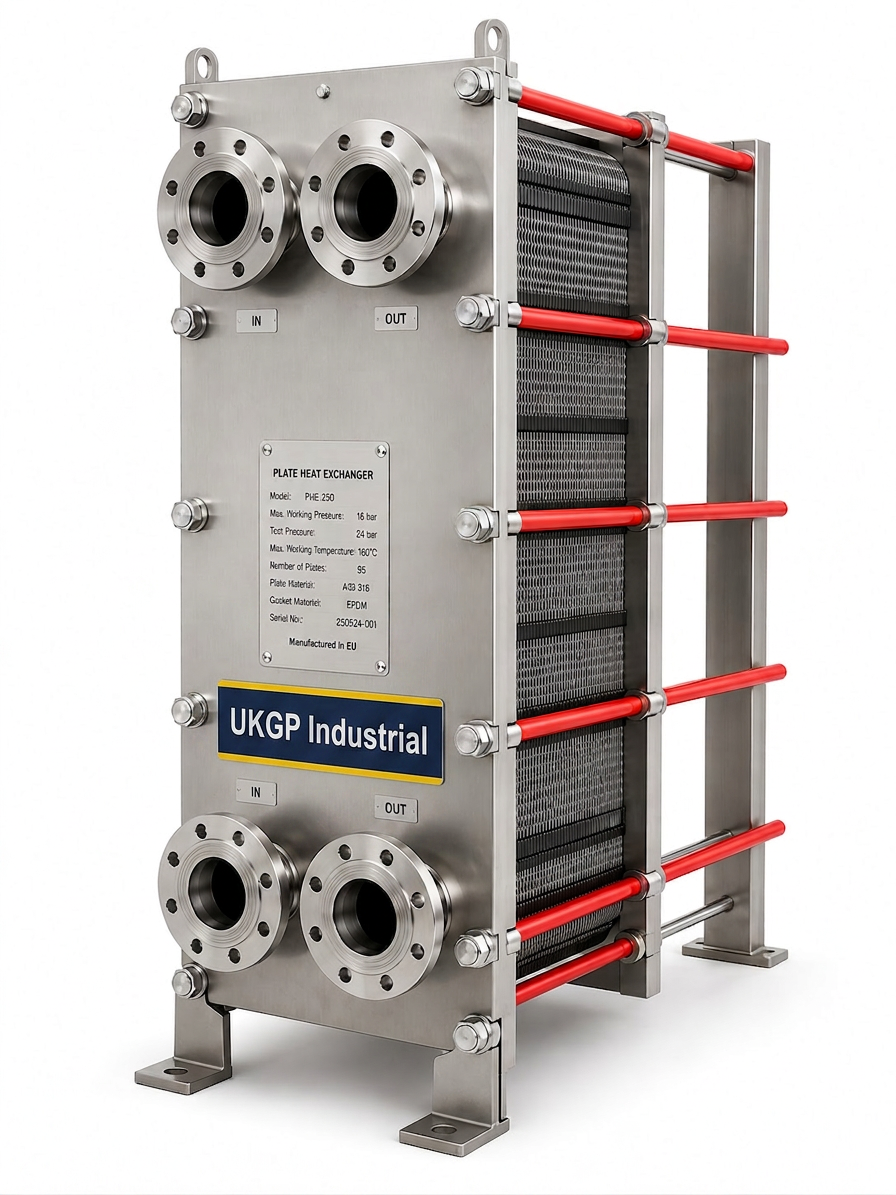
In modern commercial plant rooms, a Tranter plate heat exchanger serves as a critical interface that protects high-efficiency boiler plant from the potentially contaminated water found in legacy radiators or complex secondary circuits. By creating a physical thermal barrier, these units prevent the ingress of magnetite and debris, which is essential for adhering to BSRIA BG29 and BG50 guidelines. When consultants specify this hardware, they are prioritising the longevity of the entire hydronic network, ensuring that expensive primary components are never exposed to the sediment-heavy fluid common in older building stock. This separation is particularly useful when integrating low-carbon heat sources alongside traditional gas-fired systems within a single plant architecture.
Engineering a Tranter plate heat exchanger requires a deep understanding of log mean temperature difference (LMTD) and the specific gravity of the fluids involved. Whether the system utilizes treated water or a glycol-rich antifreeze solution, the internal geometry of the plates must be carefully selected to maximise turbulence while keeping pumping costs within feasible limits. Excessive pressure drops across the plates can lead to increased energy consumption at the primary pumps, which conflicts with the efficiency goals of a Part L compliant design. Therefore, the specification process must balance the thermal surface area with the hydraulic requirements of the specific circuit to ensure optimal operational performance under varying load conditions throughout the heating season.
Choosing UKGP to assist with the sizing of your thermal separation solutions ensures that every unit is matched perfectly to your duty requirements. While many engineers may initially look for a Tranter plate heat exchanger, our specialists can provide equivalent high-performance gasketed or brazed plate heat exchangers from our own UK stock, ranging from DN20 to DN300. We provide a full thermal spec for every enquiry, ensuring that your heat transfer coefficients meet the demands of the most rigorous CIBSE CP1 standards. Our lead times of 4-6 weeks for gasketed units mean your project remains on schedule, backed by a comprehensive 2-year warranty that offers peace of mind for both contractors and facility managers.
- Hydraulic isolation of primary and secondary circuits
- Protection for high-efficiency commercial boiler plant
- Assists in maintaining BSRIA BG29/BG50 water quality standards
- Optimised plate patterns for high turbulence and low fouling
Material Selection and Corrosion Resistance Standards
When installing a Tranter plate heat exchanger, material compatibility is non-negotiable, particularly when dealing with aggressive fluid chemistries or varying pH levels across the network. Most commercial applications specify 316L stainless steel plates as a minimum to resist pitting and crevice corrosion. However, for systems involving high chlorination or specialised industrial processes, higher alloy materials may be required to prevent premature failure. The gaskets also play a vital role, with EPDM and Nitrile being the industry standards for heating and cooling applications respectively, ensuring a leak-proof seal even under the thermal expansion stresses typically found in variable temperature circuits.
The durability of a Tranter plate heat exchanger is also dependent on the external frame construction and the quality of the tie-bolts. In many UK plant rooms, space is at a premium, and the compact footprint of a plate-and-frame exchanger offers a significant advantage over traditional shell-and-tube designs. By using a series of corrugated plates, the unit provides a massive heat transfer surface area within a relatively small volumetric space. This allows for easier maintenance access, as the plate pack can be compressed or expanded as needed to replace individual gaskets or to perform manual cleaning of the plates if significant fouling has occurred due to neglected water treatment regimes.
To complement these high-performance heat exchangers, UKGP recommends the installation of calibrated sensors to monitor the health of the thermal exchange. Integrating our pH sensors and transmitters into your secondary loop provides real-time data on the chemical balance of the system fluid. Early detection of acidity or alkalinity spikes can prevent the corrosion of the stainless steel plates within your heat exchanger, extending the service life of the asset. By combining robust mechanical separation with smart monitoring, M&E contractors can deliver a resilient system that meets the highest technical standards of BS 8552 for water sampling and analysis in closed heating and cooling systems.
- Standard 316L Stainless Steel for superior thermal conductivity
- EPDM or Nitrile gaskets for temperature-specific sealing
- Compact footprint suitable for space-constrained refurbishments
- Compliance with BS EN 14917 for flexible system integration
Thermal Sizing and Pressure Drop Calculations
The effectiveness of a Tranter plate heat exchanger is measured by its ability to achieve the required temperature approach with minimal fluid resistance. For HVAC applications, a close temperature approach (often as low as 2 to 5 degrees Celsius) is frequently requested to ensure that the heat generated by the primary source is transferred as efficiently as possible to the emitters. To achieve this, the flow rates on both the hot and cold sides must be precisely balanced. If the flow rate is too low, the fluid may enter a laminar flow regime, which significantly reduces the heat transfer coefficient. Conversely, excessively high flow rates can cause erosion on the plate surfaces and lead to vibration issues within the frame.
When requesting a quote for a heat exchanger, it is essential to provide a full thermal spec, including the primary flow/return temperatures, the secondary flow/return temperatures, the total kilowatts required, and the maximum allowable pressure drop. At UKGP, we use advanced thermodynamic software to size our plate heat exchangers to match these exact parameters. Whether your project requires a compact DN25 brazed unit for a small commercial unit or a DN200 gasketed exchanger for a large multi-residential district heating scheme, our technical team ensures that the selected unit will perform according to the design intent without over-speccing the surface area, which can lead to unnecessary capital expenditure.
For those specifically seeking a Tranter plate heat exchanger, it is worth considering the full lifecycle cost, including the availability of spare parts and the ease of future capacity expansion. Gasketed plate heat exchangers allow for additional plates to be added to the frame later, should the building's heat load increase due to an extension. This scalability is a key reason why consultants prefer plate-and-frame technology for flexible commercial spaces. UKGP's range of units offers this same modularity, provided with the technical documentation required for O&M manuals and BIM compliance, ensuring that your facility management team has all the necessary data for long-term maintenance and efficient operation.
- Precise temperature approach for high-efficiency networks
- Calculated flow regimes to avoid laminar stagnation
- Scalable plate packs for future-proofing building loads
- Full documentation for CIBSE and BIM standards
Maintenance Protocols and BSRIA Compliance
Maintaining a Tranter plate heat exchanger involves regular inspections and adherence to the BSRIA BG50 guidelines for water treatment in closed systems. Fouling is the primary enemy of heat transfer; even a thin layer of scale or sludge can drastically reduce the unit’s efficiency, leading to higher fuel bills and reduced comfort levels for building occupants. Periodic 'Clean-In-Place' (CIP) procedures can help remove minor deposits without the need to dismantle the plate pack. However, in systems where water quality has been poorly managed, a full mechanical strip-down may be necessary to manually scrub each plate and replace the gaskets to prevent cross-contamination between the circuits.
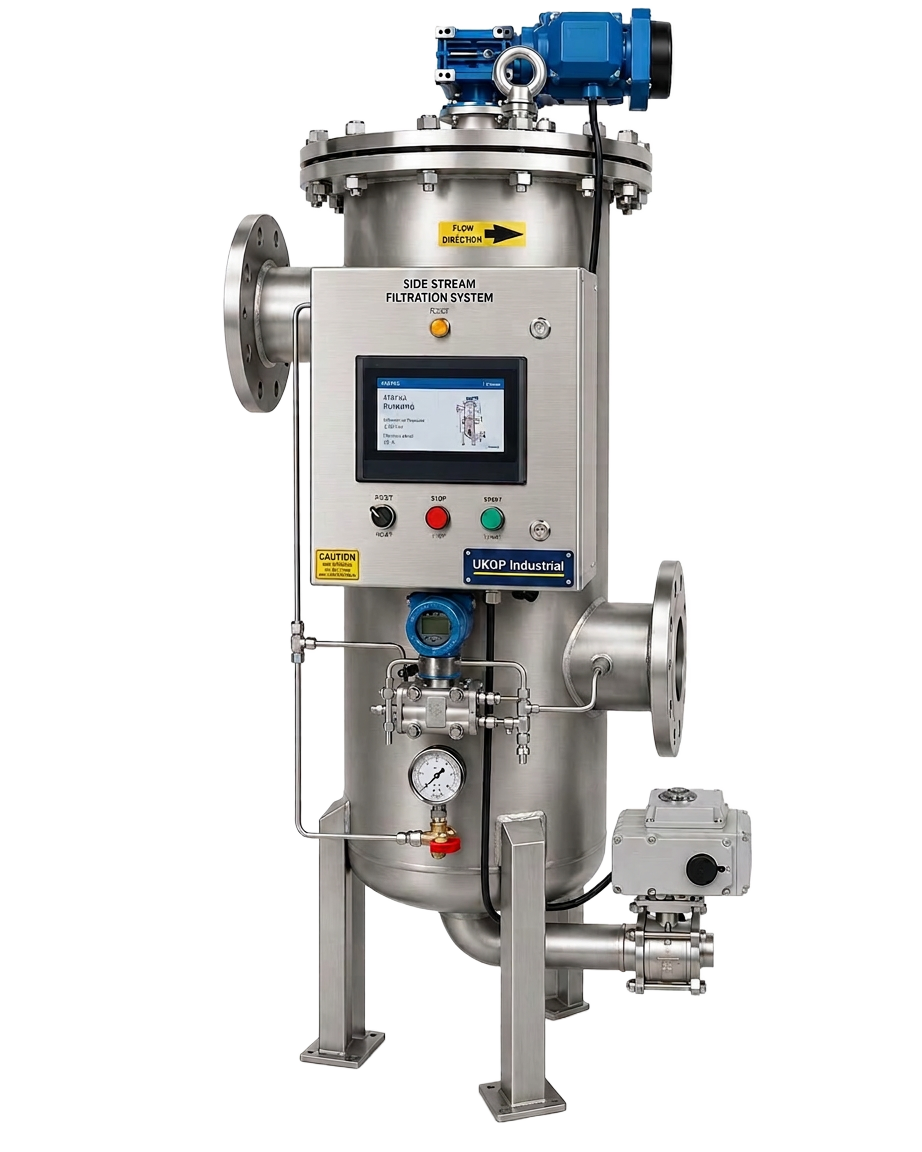
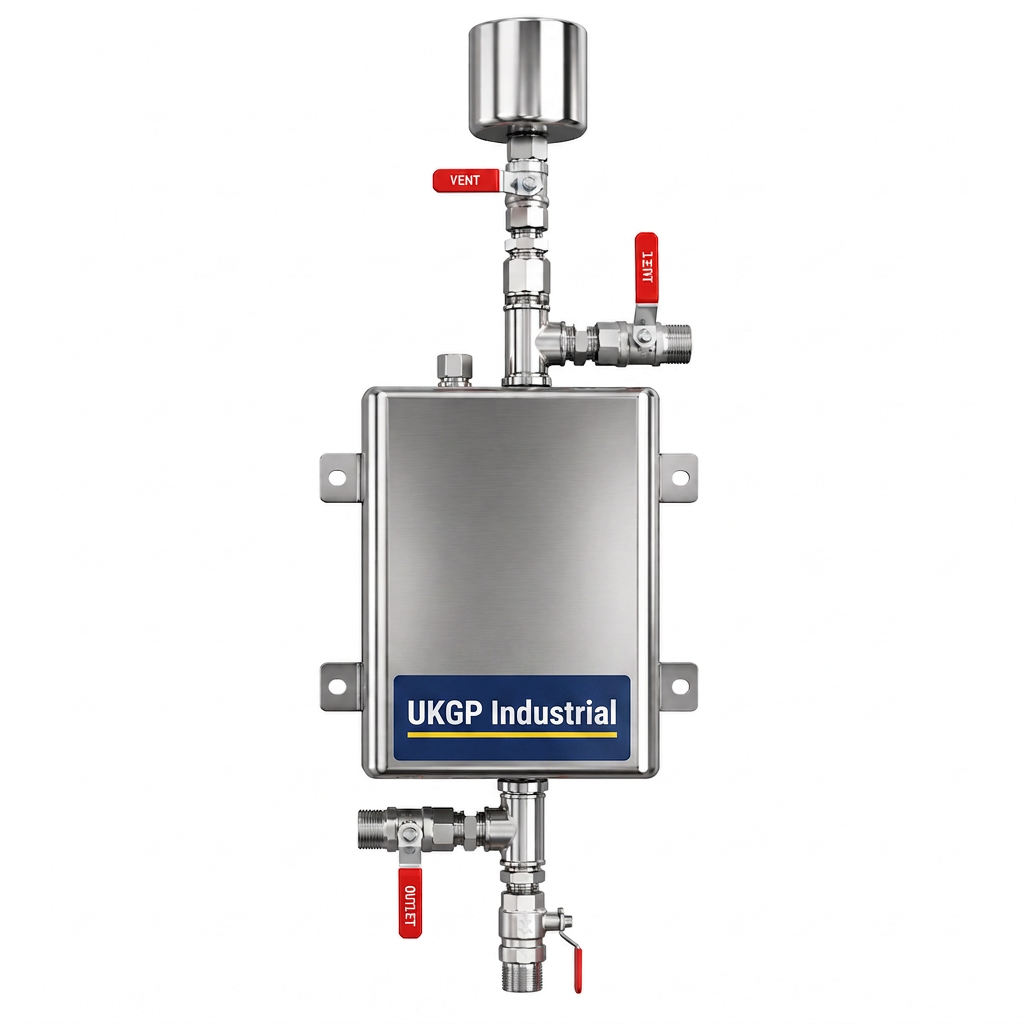
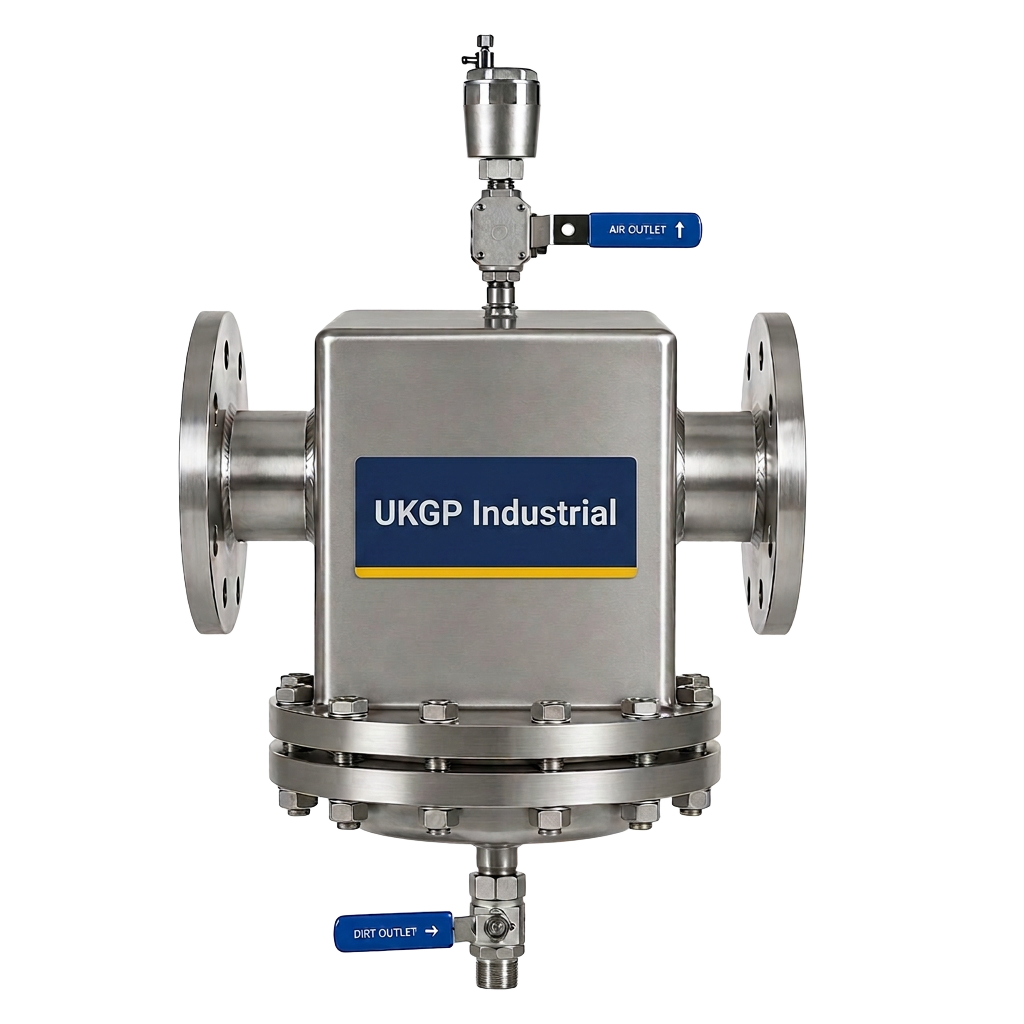
System designers often forget to include the necessary bypass and isolation valves required to service a Tranter plate heat exchanger effectively. Without these, the entire system must be drained, which is both time-consuming and costly. By installing high-quality isolation valves and drain points, maintenance teams can perform routine checks with minimal disruption. Furthermore, the installation of a side-stream filter or an air and dirt separator upstream of the exchanger is highly recommended. These components capture the majority of circulating solids before they can reach the narrow channels of the heat exchanger plates, significantly reducing the frequency of required maintenance and preventing blockages that could lead to system shutdown.
At UKGP, we understand that reliability is paramount in the UK B2B sector. That is why our plate heat exchangers are designed for ease of maintenance and long-term durability. By specifying our DN20 to DN300 units, you get the benefit of a 2-year warranty and the assurance that the hardware is built to withstand the rigours of a busy commercial plant room. Our 4-6 week lead time ensures that if you are replacing an ageing Tranter plate heat exchanger or installing a new system, you won't be held up by global supply chain delays. We work closely with M&E contractors to ensure that every delivery is coordinated with their site requirements, providing a seamless transition from commission to operation.
- Implementation of Clean-In-Place (CIP) for maintenance
- Integration of side-stream filtration to prevent fouling
- Adherence to BSRIA BG50 water treatment standards
- Strategic use of isolation valves for service access
Optimising Energy Efficiency in District Heating
In the context of district heating and heat networks, the Tranter plate heat exchanger is often used within Heat Interface Units (HIUs) or as the main substation exchange. Here, the focus is on maximizing the delta T (temperature difference) to ensure the network operates as efficiently as possible. A high return temperature to the energy centre can reduce the effectiveness of condensing boilers or heat pumps, so the heat exchanger must be sized to extract every possible watt from the primary flow. This requires precise plate channel arrangement and counter-current flow patterns which are standard in high-quality plate heat exchanger designs common in the UK market.
The technical complexity of district heating means that engineers must also account for pressure fluctuations and the potential for thermal shock. A robust Tranter plate heat exchanger frame is built to absorb these stresses, but the design must also include appropriate expansion bellows and pressure relief valves to protect the plates from transient surges. By managing the hydraulic shocks that occur during pump starts or valve closures, the longevity of the gasket seals is greatly enhanced. This holistic approach to system design is what separates a standard installation from a high-performance building services solution that will last for decades.
UKGP supports these complex installations by providing thermally sized plate heat exchangers and a range of secondary plant room components. Our expertise in expansion bellows and air & dirt separators allows us to offer a complete package that protects your Tranter plate heat exchanger investment. When you partner with us, you are not just buying a piece of hardware; you are gaining access to a UK-based technical support team that understands the commercial realities of the M&E industry. From initial thermal spec to final site delivery and warranty support, we provide the confidence needed to design and install efficient, high-capacity heating networks across the country.
- Maximised delta T for district heating efficiency
- Counter-current flow for optimal thermal transfer
- Protection against hydraulic surges and thermal shock
- Integration with expansion bellows for system resilience
The Engineering Advantage of UKGP Solutions
Choosing the right partner for your thermal separation needs is just as important as the hardware itself. While many engineers specifically search for a Tranter plate heat exchanger due to its established reputation, the bespoke technical sizing and rapid lead times offered by UKGP provide a compelling alternative for time-sensitive commercial projects. Our ability to provide a full thermal spec and match specific nozzle configurations like DN50 or DN100 means that swapping out an older unit for a modern, high-efficiency replacement is straightforward and risk-free. Our engineers understand the nuances of various heating loads, from commercial hot water to large-scale space heating.
The commercial advantage of our 4-6 week lead time cannot be overstated. In a sector where project delays can lead to significant financial penalties, having a reliable supplier for plate heat exchangers is a major asset for procurement leads and contractors alike. Whether you require a gasketed unit for easy cleaning or a compact brazed unit for a high-pressure application, our products come with a 2-year warranty as standard. This commitment to quality ensures that every UKGP unit installed in a London plant room or a Manchester office block performs to its maximum potential, maintaining the thermal efficiency required for modern BREEAM-rated buildings.
The integration of a Tranter plate heat exchanger or a UKGP equivalent into your design is the first step toward a more sustainable and reliable heating system. By ensuring hydraulic separation, protecting primary assets, and maintaining strict water quality standards, you reduce the likelihood of costly repairs and unplanned downtime. We invite building services consultants and plant room engineers to contact our Surrey-based team to discuss their next project. We can provide comparative thermal calculations and competitive pricing for our full range of heat exchangers, sized from your exact thermal specifications to ensure a perfect fit for every commercial application.
- Technical support for all thermal sizing enquiries
- Competitive 4-6 week lead times for project agility
- 2-year warranty on all gasketed and brazed units
- Full range of sizes from DN20 to DN300 available
Frequently asked questions
What information is needed to size a Tranter plate heat exchanger?
- To provide an accurate thermal spec, we require the heat load (kW), primary and secondary flow/return temperatures, the type of fluids used, and the maximum allowable pressure drop for each circuit.
How does the Tranter plate heat exchanger help with BSRIA BG29 compliance?
- The exchanger provides hydraulic separation, preventing contaminated secondary water from entering the primary circuit, which allows for easier flushing and chemical cleaning of both loops independently in accordance with BSRIA guidelines.
What is the typical lead time for a replacement plate heat exchanger?
- UKGP offers a lead time of 4-6 weeks for both gasketed and brazed plate heat exchangers, which is significantly faster than many international manufacturers currently supplying the UK market.
Can I replace an existing Tranter plate heat exchanger with a UKGP unit?
- Yes, our engineers can size a replacement unit with matching thermal performance and nozzle configurations (from DN20 to DN300) to ensure a seamless swap during plant room refurbishments.
What is the warranty period on a new plate heat exchanger from UKGP?
- We provide a comprehensive 2-year warranty on all of our plate heat exchangers, covering both gasketed and brazed designs, provided they are installed and maintained according to our guidelines.