Technical Essentials for a UK Heat Exchanger
In the UK's commercial building services sector, the efficiency of a uk heat exchanger is the cornerstone of effective district heating and primary-to-secondary circuit isolation. Whether you are dealing with a new build development or a retrofit project for a large-scale facility, the thermal transfer efficiency directly impacts the operating costs and carbon footprint of the building. Plant room engineers must account for specific pressure drops and approach temperatures that align with modern low-temperature hot water systems. A well-specified unit ensures that heat is transferred with minimal loss, maintaining the integrity of the primary boiler circuit while protecting it from secondary side contaminants.
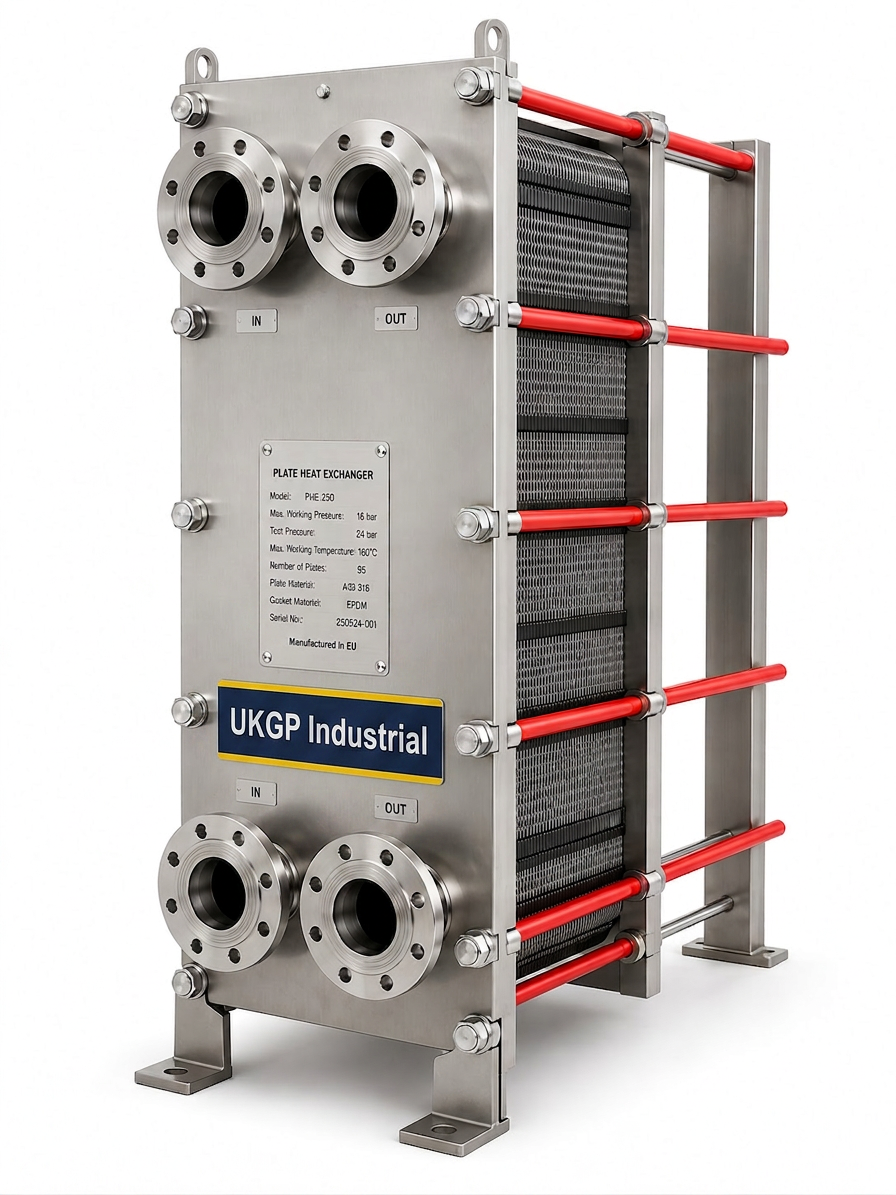
Choosing a local manufacturer for your uk heat exchanger requirements offers significant advantages in terms of technical support and compliance with British Standards. Our units are designed to meet the rigorous demands of M&E contractors who require high-performance solutions that arrive on-site ready for installation. We focus on providing units that facilitate easy maintenance, which is essential for Facilities Managers tasked with long-term operational oversight. By adhering to domestic manufacturing standards, we ensure that every plate heat exchanger we supply is built to withstand the specific hydronic pressures typical of UK commercial heating and cooling installations, including high-rise developments.
The selection process for a uk heat exchanger must be driven by a full thermal specification. This includes detailed data on primary and secondary flow rates, inlet and outlet temperatures, and the specific fluid properties involved. Without this level of detail, there is a significant risk of undersizing, which leads to insufficient heat delivery, or oversizing, which results in unnecessary capital expenditure and reduced flow velocity. At UKGP Industrial, we leverage advanced thermal modelling software to provide precise sizing for our plate heat exchangers, ensuring that every kilowatt of energy is accounted for in your plant room design and mechanical schematics.
- Compliance with CIBSE heat heat pump and boiler integration guidelines
- Optimised plate chevron patterns for maximum turbulence and thermal transfer
- Materials compatible with treated water as per BSRIA BG29 and BG50
- Available in gasketed designs for easy cleaning or brazed for compact footprints
- Comprehensive pressure testing to ensure leak-free operation in high-demand environments
BSRIA Compliance and Water Quality Management
Water quality is the single most common cause of premature failure in a uk heat exchanger. As highlighted in BSRIA BG29: Pre-commission Cleaning of Pipework Systems, the presence of suspended solids and debris can lead to rapid fouling of the plate surfaces, which drastically reduces the heat transfer coefficient. It is imperative that M&E contractors implement a robust water treatment strategy from the outset. This involves not only initial flushing but also the installation of high-quality filtration equipment to protect the narrow channels within the heat exchanger plates. Failure to manage water chemistry can lead to localized corrosion and scaling.
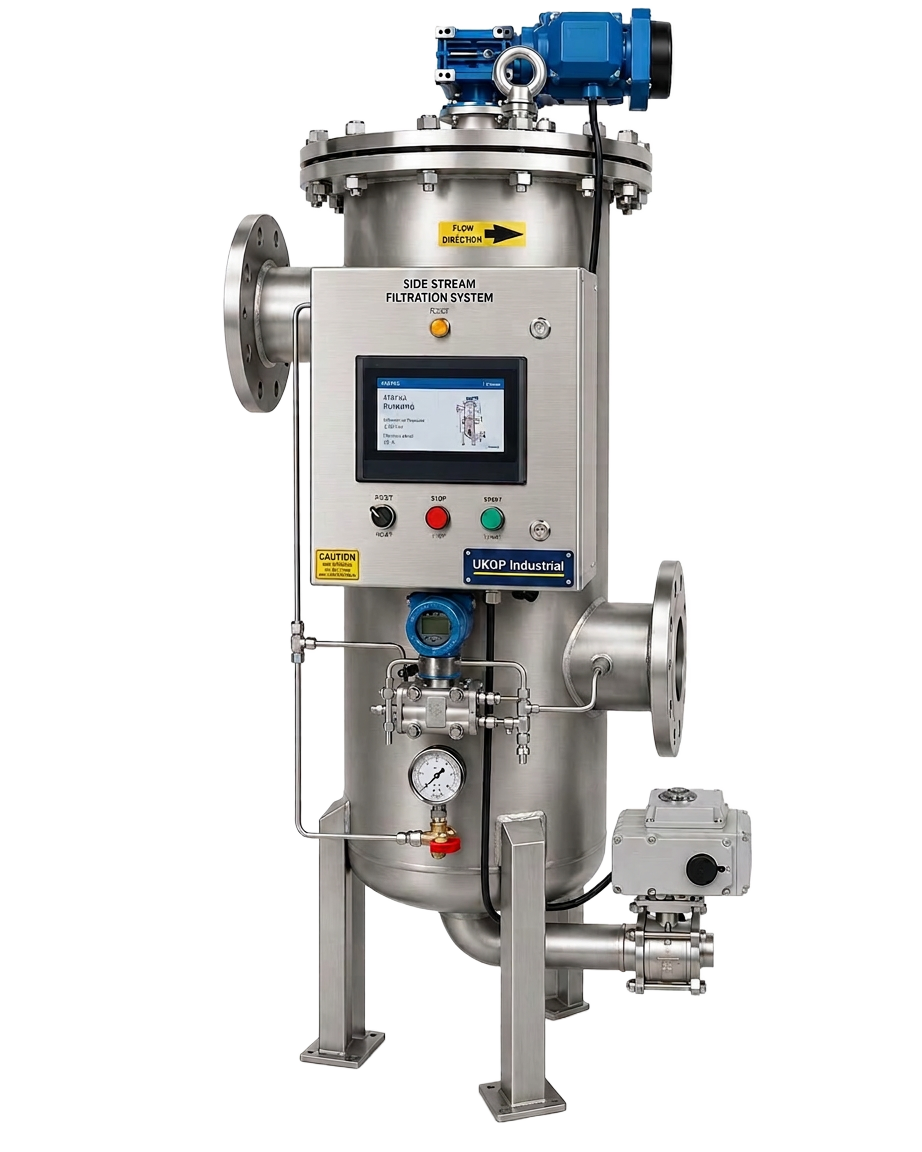
BSRIA BG50: Water Treatment for Closed Heating and Cooling Systems further emphasises the need for ongoing monitoring. When a uk heat exchanger is integrated into a system, it acts as a barrier, but it is also a potential collection point for magnetite and other particulates. By maintaining the correct pH levels and inhibitor concentrations, you can extend the life of the unit and ensure it continues to meet its design thermal performance. We recommend the use of side stream filtration skids alongside our heat exchangers to continuously remove particles down to five microns, ensuring the plates remain clean and efficient throughout their service life.
To accurately monitor the condition of the system water circulating through your uk heat exchanger, real-time data is invaluable. Monitoring parameters such as conductivity and pH allows Facilities Managers to identify potential issues before they cause downtime. Integrating sensors into the plant room control logic ensures that any deviation from the BS 8552 water quality standards is flagged immediately. This proactive approach to maintenance is what separates high-performing buildings from those plagued by recurring failures. At UKGP, we supply the ancillary equipment needed to maintain these standards, ensuring your thermal assets are protected against the hidden threats of corrosion.
- Continuous particle removal to prevent plate fouling and clogging
- pH monitoring to prevent acidic corrosion of plate materials
- Adherence to BSRIA BG50 for long-term system stability
- Reduced maintenance frequency through superior water quality management
Sizing Your Heat Transfer Strategy
Correct sizing of a uk heat exchanger requires an understanding of the Mean Temperature Difference (MTD). In HVAC plant rooms, achieving a close approach temperature—the difference between the leaving temperature of the hot side and the entering temperature of the cold side—is often the goal for maximum efficiency. However, this requires more surface area and thus more plates, which must be balanced against available plant room space and budget. Our technical team works closely with consultants to provide a uk heat exchanger that hits the 'sweet spot' between thermal performance and physical footprint, ensuring the unit fits within the mechanical module without compromise.
Our range spans from DN20 to DN300 connections, making us a versatile partner for projects of all scales. When you request a quote for a uk heat exchanger, we require a full thermal spec to provide an accurate lead time of 4-6 weeks. This lead time is industry-leading for bespoke manufactured units in the UK, allowing contractors to hit tight project deadlines. Each unit is supplied with a 2-year warranty, providing peace of mind that the component is built to last. Whether you require a gasketed unit for a district heating interface or a brazed unit for a compact skid, our engineering team ensures the specification is robust.
Energy efficiency in the UK is increasingly regulated through the Ecodesign Directive and local building regulations. A high-quality uk heat exchanger plays a pivotal role in meeting these targets. By using a plate heat exchanger to separate the primary heat source from the secondary terminal units, you can operate different parts of the system at different pressures and temperatures. This flexibility is essential for integrating modern low-carbon technologies like air source heat pumps with traditional high-temperature heat emitters. Our plate heat exchangers are designed to handle these varied operating profiles with ease, ensuring consistent delivery of domestic hot water or space heating.
- Bespoke sizing from DN20 to DN300 for any flow rate
- Gasketed and brazed options available based on application needs
- Sized from full thermal spec to ensure precision engineering
- Rapid 4-6 week lead times for UK-based projects
- Full 2-year warranty on all heat transfer components
Protecting the uk heat exchanger from Thermal Expansion
Thermal expansion is a physical reality in every commercial heating system, and failing to manage it can put immense mechanical stress on your uk heat exchanger. As water is heated, its volume increases, and without adequate expansion vessels and bellows, this pressure can damage gaskets or cause fatigue in brazed joints. It is vital that the expansion strategy is calculated based on the total system volume and the temperature range of operation. By incorporating expansion bellows at the inlet and outlet of the heat exchanger, you can isolate the unit from pipework vibrations and thermal movement, significantly increasing its operational lifespan.
The integration of a uk heat exchanger often involves complex pipework configurations within a constrained plant room. Using high-quality expansion bellows not only protects the heat exchanger but also simplifies the installation for M&E contractors. These components absorb axial, lateral, and angular movements that occur during start-up and shut-down cycles. Given the thermal cycling that a uk heat exchanger undergoes, especially in demand-led hot water systems, the use of bellows is a best-practice recommendation that complies with BS EN 14917 standards for metallic expansion joints. This attention to detail in the design phase prevents costly leaks and repairs during the building's operation.
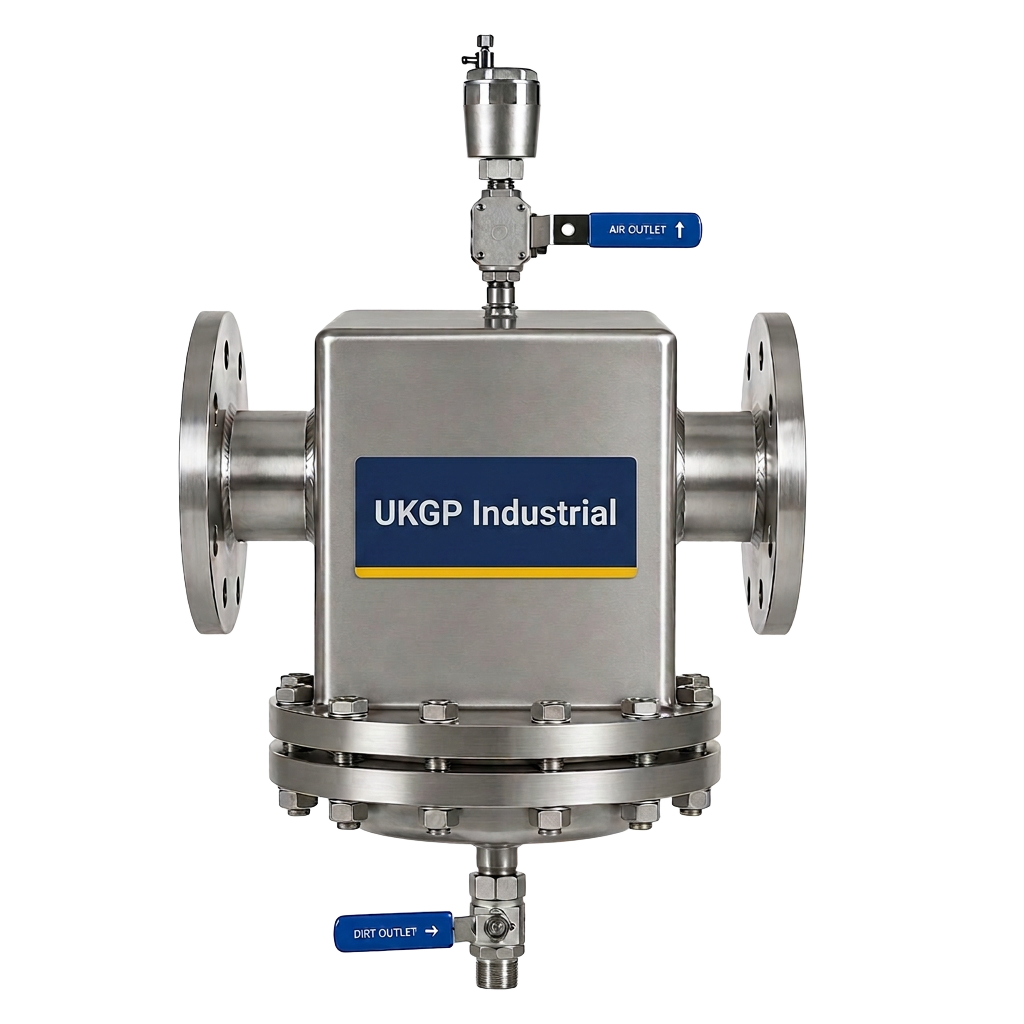
Furthermore, ensuring that the system is free from air and dirt is critical for the health of your uk heat exchanger. Air pockets can cause localized overheating and cavitation, while dirt contributes to erosion and fouling of the plates. Installing an integrated air and dirt separator upstream of the heat exchanger is a prudent investment. This setup ensures that the fluid entering the uk heat exchanger is clean and degassed, which maintains optimal heat transfer and prevents the noisy operation often associated with poorly maintained HVAC systems. At UKGP Industrial, we provide the full suite of plant room components to ensure your primary and secondary circuits remain in peak condition.
- Absorption of thermal stresses to protect heat exchanger gaskets
- Reduction of noise and vibration transfer through pipework
- Facilitation of easier alignment during site installation
- Compliance with BS EN 14917 for industrial bellows
Optimising Maintenance for Facilities Management
For Facilities Managers, the long-term serviceability of a uk heat exchanger is a primary concern. Gasketed plate heat exchangers offer the advantage of being fully serviceable; they can be opened, the plates cleaned, and gaskets replaced if necessary. This is particularly useful in areas with hard water or where the secondary circuit is prone to contamination. Regular inspection of the plate pack for signs of scaling or pitting is a key part of any planned preventative maintenance (PPM) schedule. By choosing a UK-based supplier, you ensure that spare parts and technical advice are readily available, minimizing the downtime of critical building services.
The commercial viability of a uk heat exchanger also depends on its operational efficiency over time. Fouling can increase the pressure drop across the unit, forcing pumps to work harder and increasing electricity consumption. By monitoring the pressure differential across the heat exchanger, FMs can determine the optimal time for cleaning. A well-maintained uk heat exchanger from UKGP Industrial will continue to operate at its design efficiency for decades. Our 2-year warranty is a testament to our confidence in the build quality of our units, providing a solid foundation for your building's thermal management strategy through the lifecycle of the plant room.
Procurement leads should also consider the lead time and support when selecting a uk heat exchanger. A 4-6 week lead time for a custom-sized plate heat exchanger allows for better project planning and avoids the delays often associated with overseas shipping. When specifying for a UK project, having a local partner who understands CIBSE standards and BSRIA guidelines ensures that the product delivered is fit for purpose and compliant with all relevant UK regulations. We pride ourselves on being a Surrey-based expert that provides not just a product, but a complete thermal solution tailored to the specific needs of UK building services consultants and contractors.
- Easy access for plate cleaning and gasket replacement
- Local UK support for rapid technical assistance
- Reduced lifecycle costs through efficient thermal transfer
- Clear documentation and sizing certificates for compliance files
The Role of Dosing Pots in System Longevity
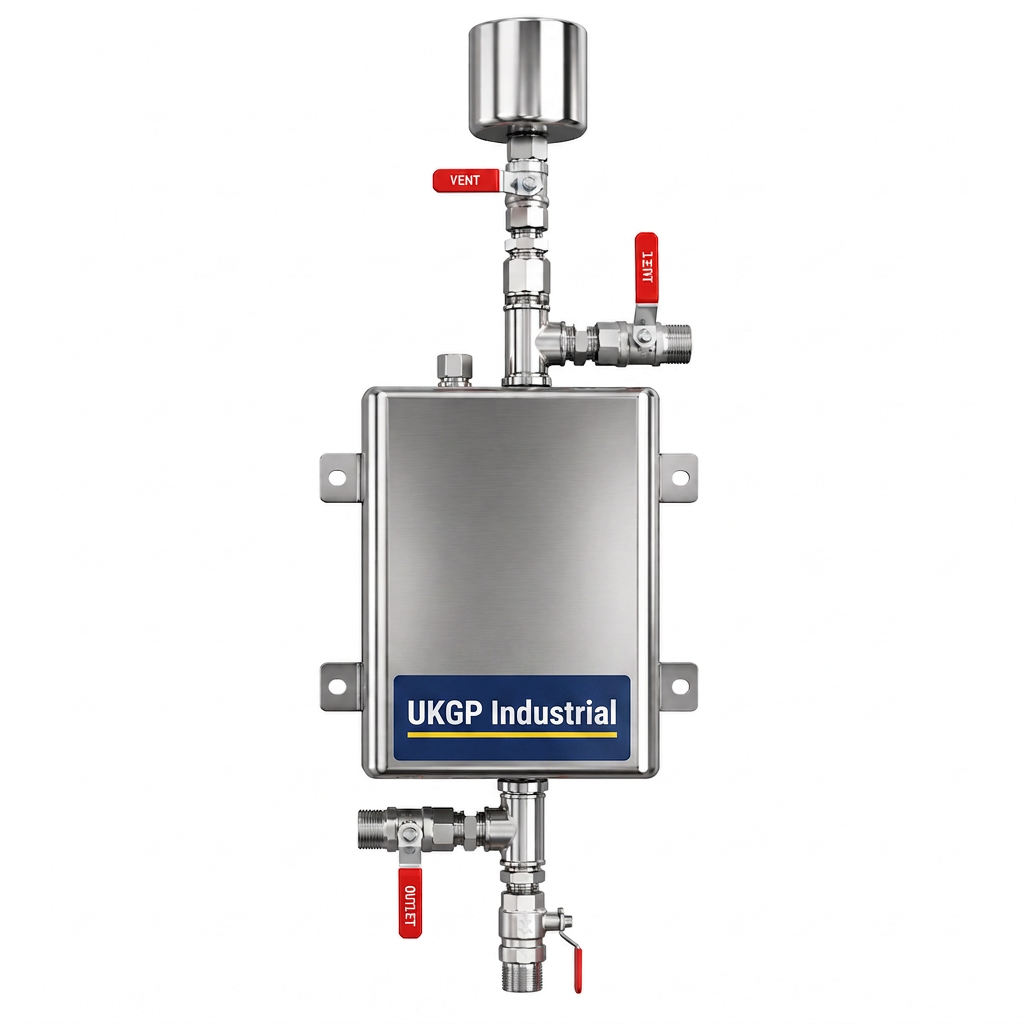
To maintain the efficiency of a uk heat exchanger, the chemical treatment of the circulating water must be handled correctly. Dosing pots are an essential component for introducing inhibitors into the system without the need to shut down the main pumps. By ensuring the correct concentration of chemicals, you protect the stainless steel plates of the heat exchanger from corrosion and prevent the buildup of sludge. This is a critical step in following the BSRIA BG50 guidelines, which emphasize the chemical balance required for modern high-efficiency HVAC plant rooms. A well-maintained system prevents the degradation of the uk heat exchanger's thermal properties.
When integrating a dosing pot, it should be installed in a bypass configuration to allow for controlled chemical introduction. This ensures that the inhibitors are evenly distributed throughout the system, eventually passing through the uk heat exchanger and protecting its large internal surface area. For M&E contractors, the ease of installation and the durability of the dosing pot are key considerations. Our units are designed for heavy-duty commercial use, providing a reliable point of entry for water treatment chemicals. This proactive measure is central to any strategy aimed at preserving the performance of a uk heat exchanger and the wider boiler or chiller plant.
Ultimately, the goal of any plant room design is to create a resilient and efficient system. Every component, from the uk heat exchanger to the dosing pot and air separator, must work in harmony. By choosing UKGP Industrial as your supplier, you benefit from a consolidated source of expertise and high-quality components designed for the UK market. Our commitment to sizing from a full thermal spec and providing a 2-year warranty ensures that your HVAC system is built on a foundation of quality. Contact our technical team today to discuss your plate heat exchanger requirements and receive a bespoke quote for your next commercial project.
- Safe and efficient introduction of water treatment chemicals
- Compatible with all standard HVAC system architectures
- Robust construction for long-term plant room reliability
- Essential for maintaining uk heat exchanger performance
Frequently asked questions
How do I size a uk heat exchanger for my project?
- Sizing is based on a full thermal spec including primary/secondary flow rates, temperatures, and fluid types. Our technical team uses this data to provide a bespoke plate heat exchanger solution.
What is the typical lead time for a UK-manufactured plate heat exchanger?
- At UKGP Industrial, our standard lead time for bespoke gasketed and brazed units is 4-6 weeks, ensuring prompt delivery for your M&E project schedules.
Do your heat exchangers come with a warranty?
- Yes, all our plate heat exchangers are supplied with a 2-year warranty as standard, reflecting the high quality and durability of our industrial designs.
What connection sizes are available for your units?
- We offer a wide range of connection sizes from DN20 up to DN300, allowing us to cater to everything from small commercial plant rooms to large district heating schemes.
Is BSRIA BG29 compliance necessary for heat exchanger installations?
- Yes, BSRIA BG29 outlines the pre-commission cleaning requirements that are essential to prevent debris from fouling your uk heat exchanger and reducing its efficiency.