Industrial cooling plant and refrigeration equipment

Industrial cold stores · Commercial cold rooms

Walk-In Refrigeration Repair

Walk-in refrigeration repair identifies and fixes faults that prevent cold rooms, walk-in chillers and freezers maintaining their required temperature. UKGP Industrial repairs industrial and commercial refrigeration nationwide, with diagnosis, component replacement and performance testing from £120+VAT.

Walk-in refrigeration repair for working cold stores

A walk-in cold room is a complete temperature-controlled enclosure, not just a condensing unit. Insulated panels, doors, evaporators, drainage, controls and refrigeration equipment must work together. When one element fails, stored goods can warm up even though the compressor appears to be running. Repair therefore starts with the whole installation and its operating conditions.

We investigate industrial cold stores and commercial cold rooms used for production, storage and distribution. An engineer considers the target temperature, loading pattern, door openings and recent alarm history alongside mechanical and electrical checks. This separates genuine equipment faults from problems caused by restricted airflow, overloaded shelving or warm product entering the room.

Where refrigerant work is required, F-Gas certified engineers handle diagnosis, recovery and recharge in accordance with the F-Gas Regulations 2014. The refrigerant and charge are confirmed from the equipment data. A leaking circuit needs investigation and appropriate repair rather than repeated top-ups that leave the underlying problem unresolved.
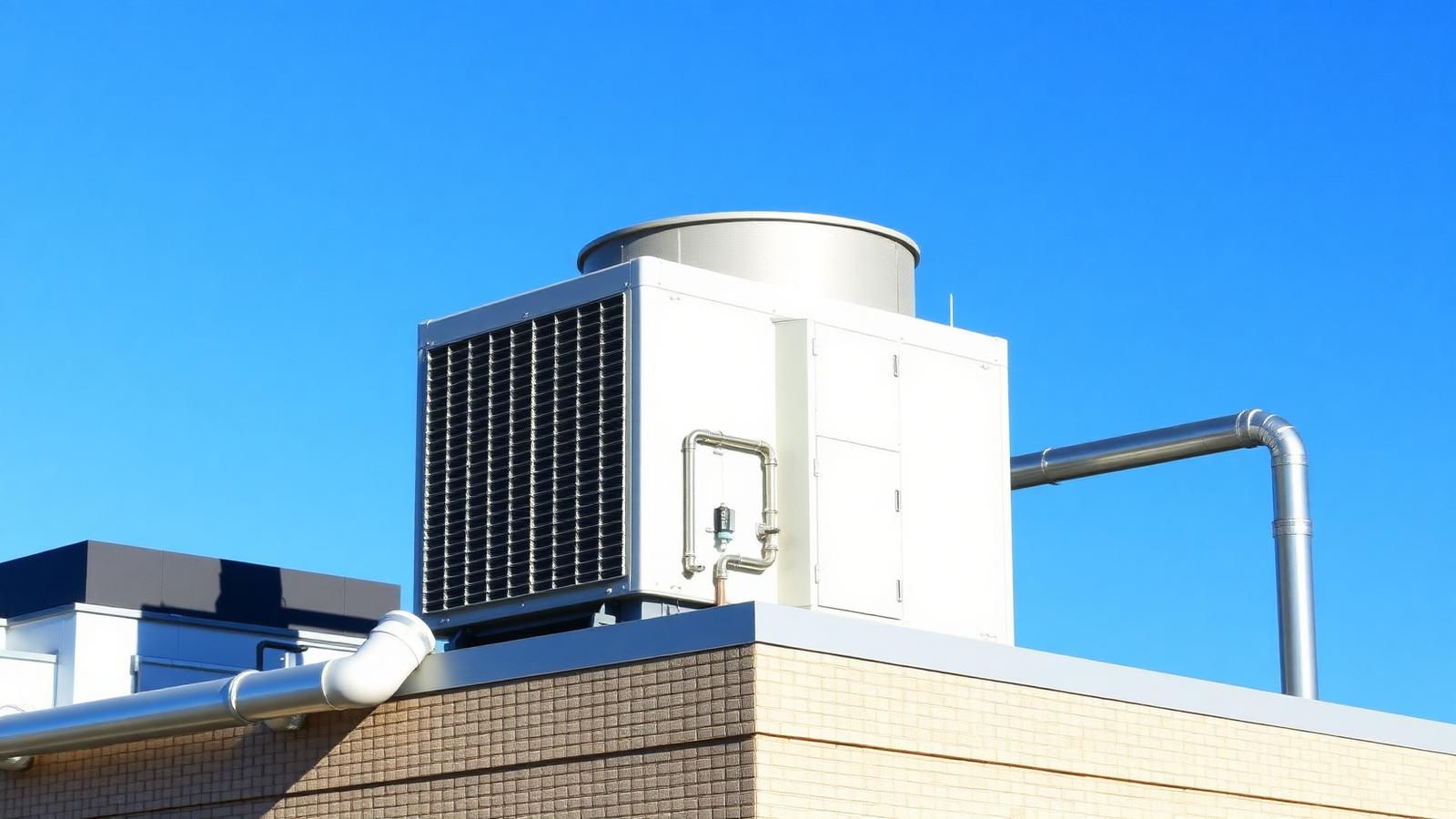
Common walk-in refrigeration faults

Door seal failure and temperature drift

Split gaskets, damaged hinges or poorly closing doors admit warm, moist air. We inspect the seal contact, door alignment and frame condition. The extra heat load can cause temperature drift, condensation and excessive compressor running, particularly where the room is accessed frequently.

Condensing unit compressor failure

A failed compressor may prevent cooling entirely, but electrical protection, starting components and supply faults can look similar. Checks establish the cause before replacement is recommended. Condenser condition, operating pressures and associated controls also need assessment to avoid damaging a replacement compressor.

Evaporator coil icing

Heavy ice restricts airflow and reduces heat transfer. Causes include failed fans, blocked drains, air leakage or an unsuitable defrost pattern. Clearing visible ice alone is not a lasting repair; the source of moisture or the fault interrupting normal defrost must be addressed.

Defrost heater failure

A failed heater, termination sensor or control output can leave a freezer evaporator progressively blocked. We check the defrost sequence and relevant electrical components, then verify that the coil clears and refrigeration restarts correctly without unnecessary heat entering the store.

Refrigerant leaks in panel systems

Pipe joints and refrigeration components serving panel-built rooms can lose refrigerant. Where pipework passes through insulated panels, access and hidden damage need consideration. Leak detection, repair assessment and circuit preparation precede any measured recharge; the room panels themselves are not the refrigerant circuit.

Thermostat and controller faults

Incorrect readings, damaged probes or faulty control relays can stop cooling or cause unstable temperatures. We compare the displayed reading with an appropriate reference, inspect probe placement and check settings against the room’s duty before replacing parts or changing control parameters.

Equipment types covered

Walk-in chillers require stable positive-temperature operation and unrestricted airflow around stored goods. Walk-in freezers add lower-temperature duties, greater icing risks and defrost requirements. We assess each installation against its intended use rather than applying the same settings to every enclosure.

Modular cold rooms can develop problems at doors, panel junctions and service penetrations as well as within the refrigeration equipment. Larger industrial cold stores may have multiple evaporators or separate control zones. Please provide the equipment details and site layout when booking so access, isolation and the likely repair scope can be assessed.

Our cold-room repair process

Diagnosis

We record symptoms, inspect the enclosure and test the refrigeration and control system. Temperature readings, airflow, alarms and operating conditions guide the diagnosis. Findings identify the fault and any further checks needed before work proceeds.

Parts sourcing

Replacement parts are selected using equipment identification and the required duty. Availability, compatibility and access requirements are checked before the repair is arranged. Where a component is unavailable immediately, we explain the implications rather than promising an unsupported completion time.

Repair

The agreed work may involve seals, fans, sensors, electrical components or refrigeration circuit repairs. Necessary isolation and safe working arrangements are established. Refrigerant is recovered where required, and the prepared circuit is recharged to the appropriate equipment specification.

Testing

After the fix, we check pull-down towards the required temperature, control response and relevant defrost operation. The service record describes the work and any remaining recommendations. Product release decisions remain with your site’s responsible person and food-safety procedures.

24/7 emergency response for refrigeration breakdowns

A warm cold store needs prompt attention. For 24/7 emergency response, call with your postcode, room temperature, normal set point, alarms and the equipment details. Attendance timing, engineer availability and site access are confirmed when the call is assessed; no fixed arrival time is assumed.

Keep doors closed where safe and follow your site’s stock-protection procedures. Record temperature excursions and arrange alternative storage if your responsible person considers it necessary. Do not repeatedly reset electrical trips, bypass safety controls or chip ice from an evaporator. Explain any suspected electrical hazard when requesting emergency attendance.

Service pricing

Walk-In Refrigeration Repair prices

Walk-In Refrigeration Repair pricing, excluding VAT
ServicePriceScope
Walk-In Refrigeration RepairFrom £120+VATDiagnosis and repair scope confirmed for your equipment.
Replacement parts and refrigerantQuoted individuallyBased on the identified fault, component and charge required.
Emergency attendanceConfirmed on enquiryAvailability, timing and applicable charges agreed when booking.

Repair prices start from £120+VAT. The total depends on the fault, access, labour, parts and any refrigerant work. Send equipment details for a priced scope; the starting figure is not a promise that every breakdown can be repaired for £120.

Walk-In Refrigeration Repair FAQs

Why is my walk-in cold room not reaching temperature?

Possible causes include leaking door seals, iced evaporators, failed fans, low refrigerant charge or controller faults. Loading and frequent door openings also matter. Diagnosis checks the complete system before selecting a repair.

Can you repair walk-in freezers as well as chillers?

Yes. We assess walk-in chillers, walk-in freezers, modular cold rooms and industrial cold stores. Provide the operating temperature, equipment identification and fault symptoms so the visit can be planned for the correct duty.

How much does walk-in refrigeration repair cost?

Prices start from £120+VAT. Parts, refrigerant, access and the work required affect the final total. Emergency attendance terms are confirmed on enquiry, and the applicable repair scope is agreed before chargeable remedial work.

Should I defrost an iced evaporator myself?

Follow your equipment instructions and site procedures, but never chip ice off a coil or bypass controls. Repeated icing needs investigation because failed defrost components, air leakage and drainage faults can cause the same symptom.

Can I keep using the cold room during a breakdown?

That depends on temperatures, the fault and what is stored. Follow your food-safety or product-control procedures, record excursions and use alternative storage when required. A refrigeration repair does not itself confirm that affected stock is safe.

Request Quote