Identifying Fouled Heat Exchangers: Engineering Indicators
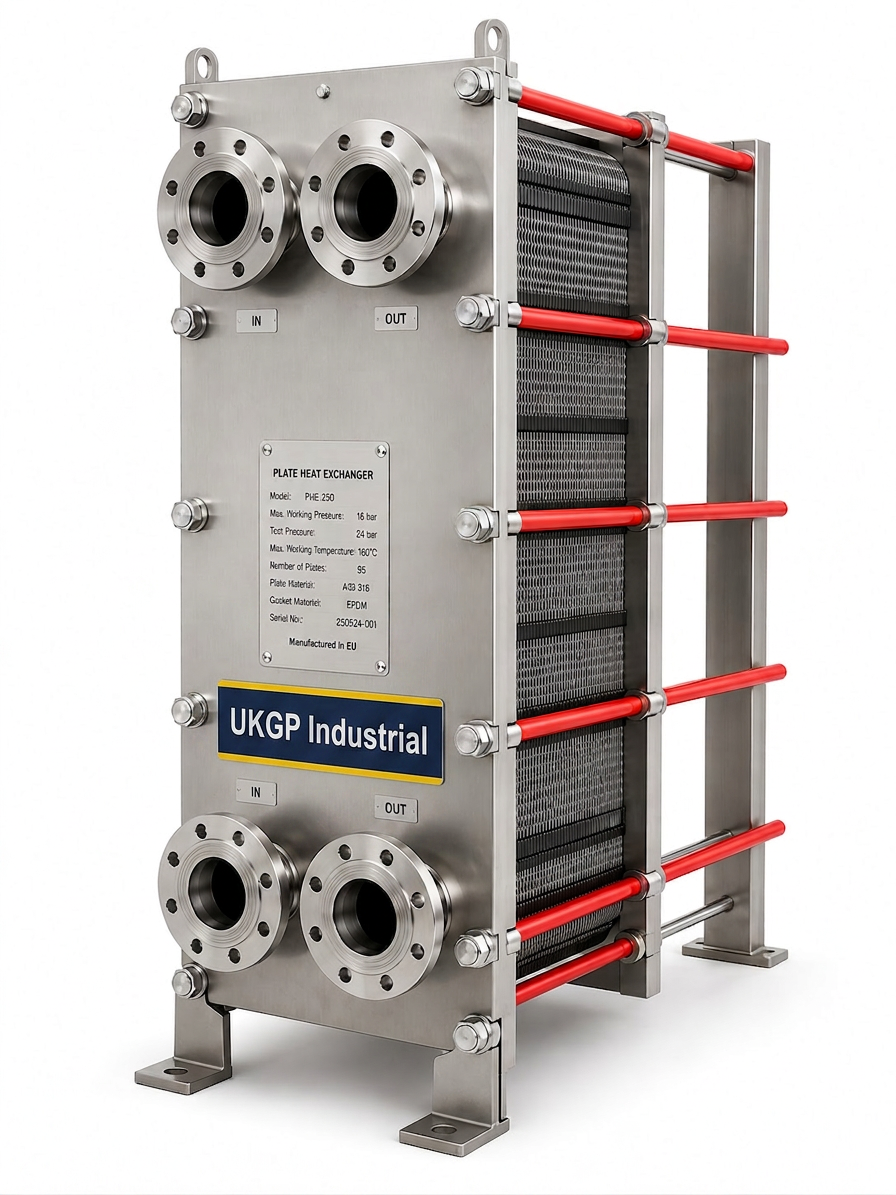
Before commencing any cleaning procedure, it is essential to diagnose the type and severity of the fouling. In UK commercial HVAC systems, the most common issues are calcium carbonate scaling (common in hard water areas like the South East), magnetite sludge (standard in older iron-piped circuits), and biological slime (prevalent in low-temperature heat pump loops). Engineering a solution requires a baseline comparison against the original commissioning data. If the current pressure drop exceeds the design value by more than 20%, or the heat transfer coefficient (U-value) has noticeably degraded, cleaning is overdue.
Monitoring these parameters involves high-accuracy differential pressure sensors and calibrated temperature probes. In district heating applications, where return temperatures must be kept low to satisfy network requirements, a fouled PHE can cause 'return temperature creep,' resulting in financial penalties from network operators. Regular logging of the 'approach temperature' is the most reliable method for predicting maintenance intervals before a system enters a critical state.
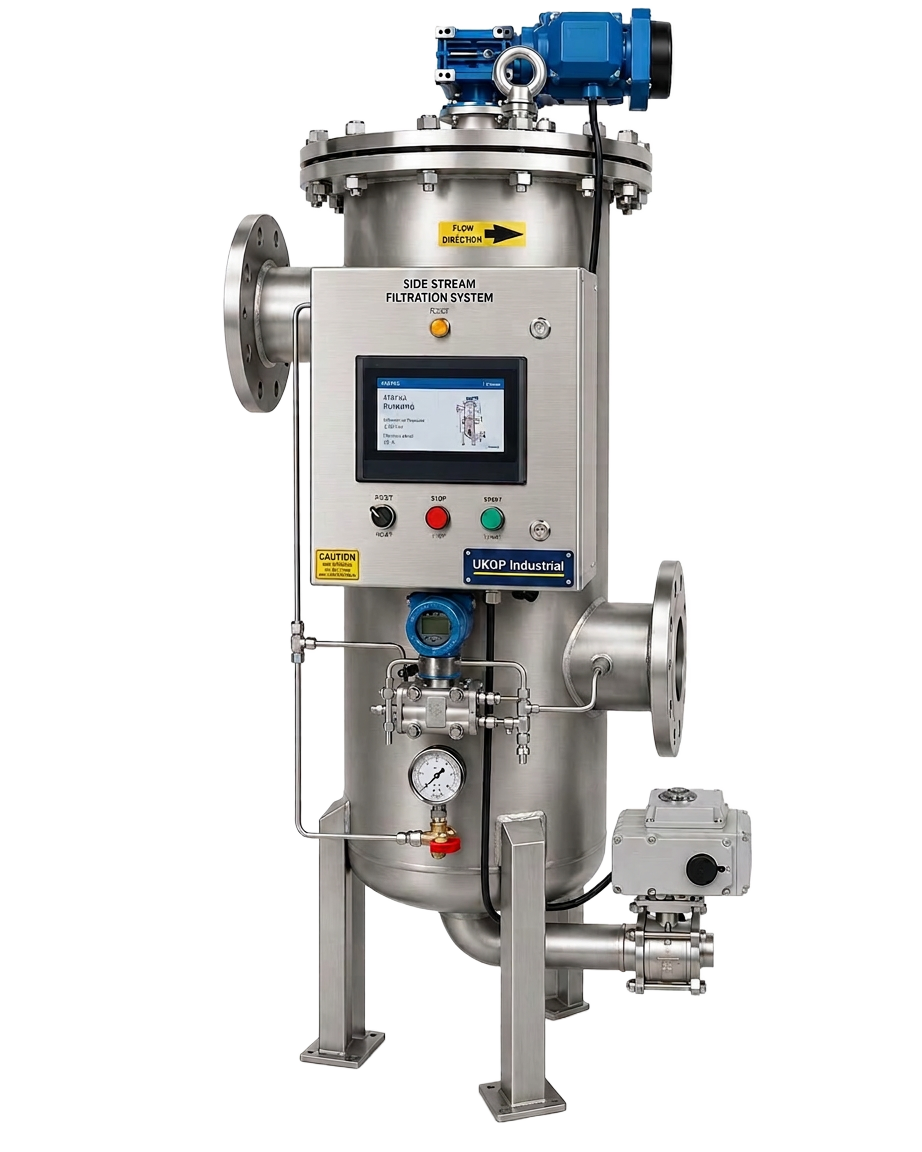
It is also vital to distinguish between macro-fouling (large debris blocking ports) and micro-fouling (surface scaling). Macro-fouling often presents as a sudden jump in pressure drop, whereas scaling is a gradual process recorded over months of operation. Identifying the root cause ensures that once the PHE is cleaned, preventative measures such as improved side-stream filtration can be implemented to prevent recurrence.
- Gradual decline in secondary outlet temperature despite constant primary flow.
- Significant increase in pressure drop (ΔP) across the primary or secondary ports.
- Approach temperatures (the difference between the primary inlet and secondary outlet) exceeding design limits.
- Visual evidence of debris in secondary side-stream filters or strainers.
Chemical Selection and Materials Compatibility
Selecting the correct cleaning agent is a critical engineering decision. The material of the plates—most commonly Grade 316 Stainless Steel, but occasionally Titanium or SMO254 for saline environments—dictates the chemistry. Under no circumstances should Hydrochloric Acid (HCl) be used on stainless steel PHEs, as it causes rapid pitting corrosion and stress corrosion cracking (SCC) by stripping the passive chromium oxide layer. Nitrogen-containing acids like Nitric Acid are generally avoided in plant rooms due to safety risks and potential damage to gaskets.
Gasket compatibility is equally paramount. Ethylene Propylene Diene Monomer (EPDM) gaskets, standard in UK heating systems, have excellent resistance to many acids and alkalis but will fail instantly if exposed to mineral oils or petroleum-based solvents. Nitrile (NBR) gaskets are typically used for oil or fatty applications but have lower temperature limits. Before circulating any chemical, the Material Safety Data Sheet (MSDS) must be cross-referenced with the gasket material specification.
Furthermore, the concentration of the cleaning solution must be carefully controlled. Excessive concentrations do not necessarily speed up the process and can lead to aggressive base metal attack. Always utilise inhibited chemicals specifically formulated for heat exchangers, which include buffering agents to protect the metal surfaces once the scale has being dissolved. In DHW applications, ensure all chemicals are WRAS-approved or thoroughly flushed to avoid potable water contamination.
- Phosphoric acid (approx. 5% concentration) for calcium scale and iron oxides.
- Citric acid for light scaling in potable water applications.
- Sodium hydroxide (NaOH) for organic fouling or biological films.
- Non-ionic surfactants to assist in the removal of oils and greases.
Cleaning in Place (CIP) Methodologies
Cleaning in Place (CIP) is the preferred method for brazed heat exchangers and for routine maintenance of gasketed units where plate removal is not yet required. The primary advantage of CIP is the reduction in downtime and the preservation of gasket integrity. For effective CIP, a dedicated pump skid with a heater and a holding tank is required. Heating the cleaning solution to 40°C–60°C significantly increases the kinetic energy of the reaction, reducing the time required for scale dissolution.
The flow rate during CIP is a critical variable. To effectively scour the chevron patterns within the PHE, the CIP flow rate should ideally be 1.5 to 2 times the operational flow rate. This creates the necessary turbulence to lift settled solids and move them to the CIP tank's filter. Reverse circulation—pumping fluid in the opposite direction to the normal flow—is standard practice as it forces the solution against the 'shadow' areas where debris typically accumulates behind the plate contact points.
Monitor the pH of the cleaning solution throughout the process. As the acid reacts with calcium carbonate scale, the pH will rise. Once the pH stabilises for 30 minutes, the reaction is complete. After the chemical cycle, the PHE must be flushed with clean water. Success is verified by checking the pH of the effluent until it matches the inlet water, ensuring no residual acid remains to cause corrosion during subsequent operation.
- Isolate the PHE using the primary and secondary isolation valves.
- Drain both sides of the unit completely to prevent dilution of the cleaning solution.
- Connect the CIP pump skid to the dedicated cleaning ports (usually 1/2" or 3/4" BSP connections).
- Circulate the solution in the 'Reverse Flow' direction to dislodge particulate matter.
Frequently asked questions
Can you manually clean a brazed plate heat exchanger?
- Brazed units are typically cleaned via CIP only. If thermal performance drops by >20% or pressure drop increases by >50% despite CIP, and the unit is not oversized, replacement is often more cost-effective than aggressive acid cleaning which risks internal leaching.
How often should a PHE be cleaned in a district heating application?
- BSRIA BG29/21 and BG50 recommend monitoring pressure differentials. As a rule of thumb, an annual inspection is standard, with chemical cleaning performed when the heat transfer coefficient drops by 10-15% from the design baseline.
Can I use hydrochloric acid to clean stainless steel plates?
- No. Hydrochloric acid (HCl) will aggressively attack the passive layer of 304 and 316 stainless steel, leading to pitting corrosion and premature failure. Use phosphoric, citric, or sulphamic acid-based cleaners with appropriate inhibitors.
What is the most common mistake when reassembling a gasketed PHE?
- Always tighten to the 'A' dimension specified on the manufacturer’s data plate. Over-tightening beyond the minimum dimension can deform the plates and cause permanent leaks, while under-tightening leads to gasket bypass.
How does PHE fouling affect Legionella risk?
- Fouled PHEs act as ideal breeding grounds for bacteria due to stagnant zones and warmth. Regular CIP at temperatures above 60°C or using approved biocides is essential for DHW systems to remain compliant with ACoP L8.