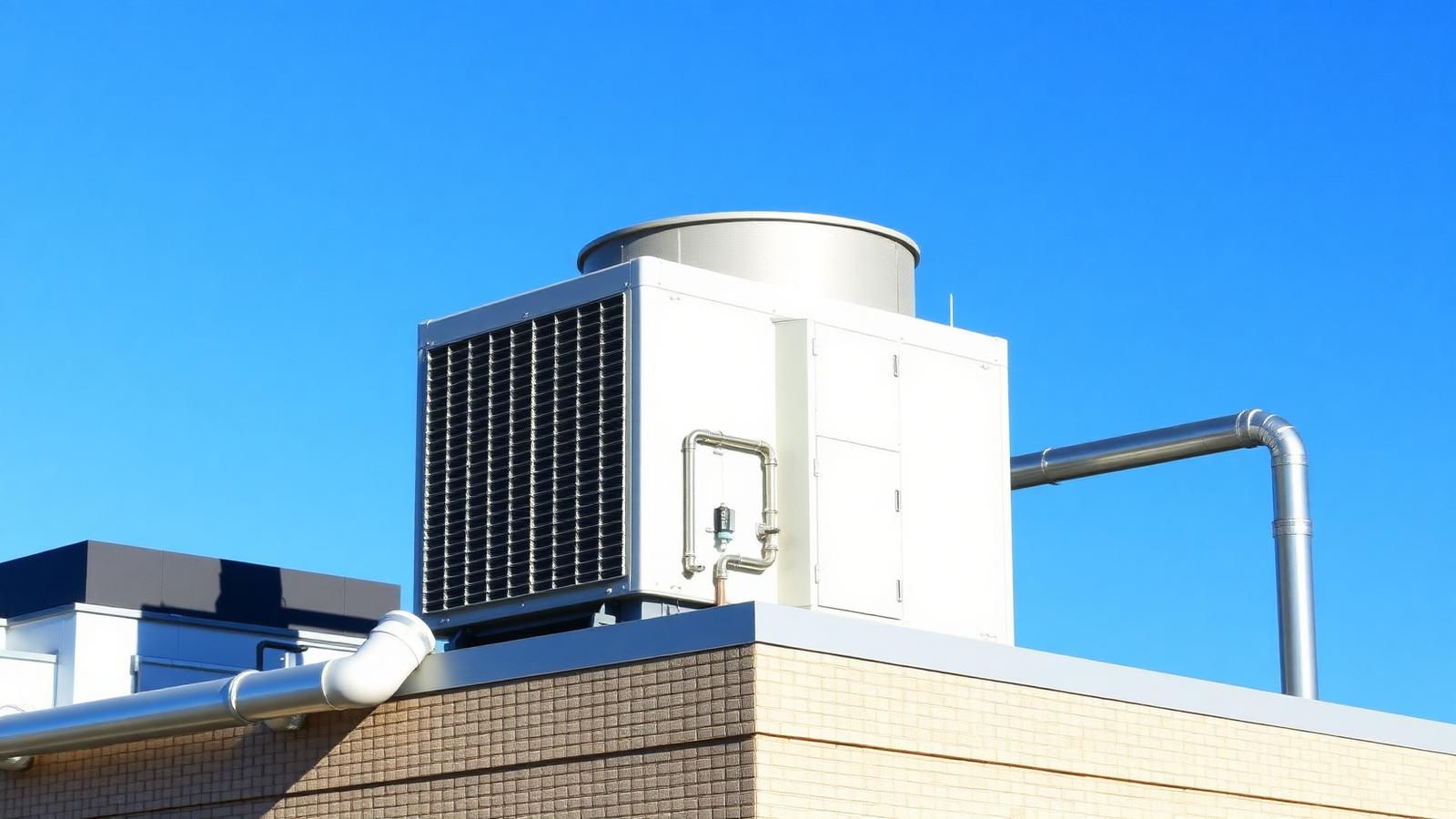
Industrial cooling plant and refrigeration equipment

Installation · Service · Repair

Commercial Refrigeration Engineer

A commercial refrigeration engineer installs, maintains and repairs equipment that keeps products and processes at controlled temperatures. Call one when cooling fails, temperatures drift, alarms recur or new plant is needed. UKGP Industrial provides nationwide refrigeration engineering from £120+VAT.

Refrigeration engineering for commercial and industrial plant

Reliable cooling needs refrigerant circuits, fans, heat exchangers and controls working together. A refrigeration engineer assesses the installation and identifies the cause of poor performance, rather than assuming every temperature problem means low refrigerant charge.

UKGP Industrial supports commercial and industrial cooling nationwide. Provide equipment details, required temperatures and access restrictions so the scope reflects your installation and the consequences of taking it out of service.

Commercial refrigeration services

Commercial refrigeration installation

New equipment must suit the required temperature, product load and available space. Installation planning considers electrical supplies, ventilation, drainage, pipework routes and maintenance access. We agree the scope before work begins, then check controls and operation during commissioning rather than assuming that switching the unit on completes the job.

Planned maintenance

Scheduled visits combine inspection, cleaning and operating checks. Condensers, evaporators, door seals, defrost controls and compressor condition receive attention according to equipment duty. A programme records defects and recommendations, allowing your team to prioritise repairs. Frequency depends on operating conditions, manufacturer guidance and the risk associated with a breakdown.

Emergency repair

Loss of cooling can interrupt production and put stored goods at risk. Call with the current temperature, normal set point, alarm details and postcode. We assess the fault and confirm attendance arrangements, availability and applicable charges. Keep doors closed where safe and follow your site’s stock-protection procedures while assistance is arranged.

System design and equipment selection

Design starts with the actual cooling duty, not simply the dimensions of a room. Product temperatures, loading patterns, ambient conditions and required recovery times influence selection. An industrial refrigeration engineer also considers redundancy, controls and service access where appropriate. The design brief should identify operational constraints before equipment or pipework is specified.

Leak detection

Refrigerant loss requires investigation of the circuit and accessible components. Oil staining, operating readings and previous service history help direct checks. The method and access depend on the installation. Findings establish the repair requirement before recharge; repeated top-ups without addressing leakage do not provide a durable solution.

Regas and recharge

Refrigerant type and charge are confirmed from equipment data. Where required, existing refrigerant is recovered and the repaired circuit is tested, evacuated and prepared before a measured recharge. Operating pressures, temperatures and cooling performance are then checked. Refrigerants are not casually mixed or substituted to restore temporary cooling.

Sectors served

Supermarkets and cold stores

Retail and storage installations face changing stock loads and frequent door openings. Engineering support considers airflow, enclosure condition and temperature recovery alongside the refrigeration plant. Access and isolation are planned around trading or distribution activity where practicable, with stock protection remaining part of the operator’s procedures.

Food processing

Production cooling must match process demand and hygiene arrangements. Tell us which stages depend on the equipment, the operating limits and available shutdown windows. Service records support maintenance planning, but refrigeration work does not replace HACCP controls, temperature monitoring or decisions about products affected by an excursion.

Pharmaceuticals

Temperature-sensitive materials may require defined limits, documented checks and controlled access. Specify calibration, validation and reporting requirements when requesting work. A general repair or maintenance visit should not be assumed to provide a particular certification or release stock for use without your responsible team’s assessment.

Hospitality

Hotels, restaurants and catering premises need dependable storage through busy service periods. We consider kitchen conditions, condenser contamination and door usage when investigating faults. Report equipment identification and symptoms so the visit addresses the actual installation, with any further parts or work explained before proceeding.

Qualifications, F-Gas and SafeContractor

F-Gas certification is relevant to work on equipment containing fluorinated greenhouse gases. Refrigerant handling is undertaken by F-Gas certified engineers in accordance with the F-Gas Regulations 2014, including appropriate recovery, handling and service records. Applicable leak-check requirements depend on the equipment and must be considered separately from the timing of a commercial maintenance contract.

SafeContractor concerns contractor health-and-safety assessment, not refrigerant handling. Where procurement requires it, request current documentation before booking. Engineering competence, relevant certification, safe isolation and site-specific arrangements remain essential; a scheme name does not replace these checks.

From your callout to completion

Assess the request

Share your postcode, equipment type, temperatures, alarms and service history. We clarify the cooling duty, urgency and access restrictions, then confirm the proposed visit and commercial terms. Mention electrical hazards or any requirement for permits and escorts.

Diagnose and agree the work

On site, checks establish the fault or installation requirement. Findings guide the recommended scope, parts and any further investigation. Availability and costs are explained before chargeable remedial work proceeds, avoiding unsupported promises about completion times.

Complete and verify

Agreed work is followed by relevant operating tests, including temperature response and control behaviour. Records explain what was done and any remaining recommendations. Your team retains responsibility for stock decisions, routine monitoring and arranging follow-up work where required.

Service pricing

Commercial Refrigeration Engineer prices

Commercial Refrigeration Engineer pricing, excluding VAT
ServicePriceScope
Commercial Refrigeration EngineerFrom £120+VATService or repair scope confirmed for your equipment.
Installation and system designQuoted to scopeEquipment, cooling duty and site requirements assessed.
Planned maintenance programmeQuoted to scopeAsset list, visit frequency and checks agreed.
Parts, refrigerant and emergency attendanceConfirmed on enquiryRequirements, availability and charges confirmed before proceeding.

Prices start from £120+VAT. The total depends on access, equipment, labour, parts and refrigerant requirements. This starting figure is not a fixed price for every repair or installation. Request a quote with your equipment details and site requirements.

Commercial Refrigeration Engineer FAQs

When should I call a commercial refrigeration engineer?

Call when cooling stops, temperatures become unstable, alarms repeat or unusual icing develops. Also seek engineering advice before installing new plant. Follow site procedures to protect stock and report current temperatures when requesting assistance.

Do you provide commercial refrigeration installation?

Yes. Installation scope is agreed around the cooling duty, equipment and site conditions. Electrical supplies, ventilation, access and commissioning requirements are assessed before a quotation is confirmed.

How much does a refrigeration engineer cost?

Service and repair prices start from £120+VAT. Final costs depend on the work, parts, refrigerant and access. Installation, maintenance programmes and emergency attendance are quoted or confirmed for the applicable scope.

What qualifications should a refrigeration engineer have?

Relevant competence and F-Gas certification are important where fluorinated refrigerants are handled. SafeContractor concerns contractor health-and-safety assessment, not refrigerant certification. Request current evidence for any qualification or procurement scheme your site requires.

Can an engineer regas a leaking refrigeration system?

A suspected leak needs diagnosis and appropriate repair before recharge. The engineer confirms refrigerant type, prepares the circuit and checks performance afterwards. Adding refrigerant without investigating charge loss leaves the underlying fault unresolved.

Request Quote