Industrial cooling plant and refrigeration equipment

Planned care · Industrial and commercial plant

Commercial Refrigeration Maintenance

Commercial refrigeration maintenance is planned inspection, cleaning and testing that keeps cooling plant operating reliably at its required temperature. UKGP Industrial provides maintenance programmes for industrial and commercial refrigeration from £120+VAT, with checks tailored to equipment duty, operating conditions and site requirements.

Planned maintenance for commercial refrigeration

Refrigeration plant works continuously behind many production and retail operations. Gradual deterioration is easy to miss: a condenser collects dirt, a door seal loses contact or a temperature probe begins reading incorrectly. A planned programme provides regular opportunities to find these changes before an alarm becomes a disruptive breakdown.

Commercial refrigeration maintenance combines servicing with recorded operating checks. Equipment type, refrigerant, operating hours and failure risk inform the asset list, checklist and defect reporting, helping your team budget for remedial work.

Maintenance is not an automatic refrigerant top-up. A sealed circuit should retain its charge; suspected losses need investigation. Refrigerant handling is undertaken by F-Gas certified engineers in accordance with the F-Gas Regulations 2014. Applicable statutory leak-check duties are assessed separately from the commercial service schedule and must not be assumed satisfied by a routine visit alone.
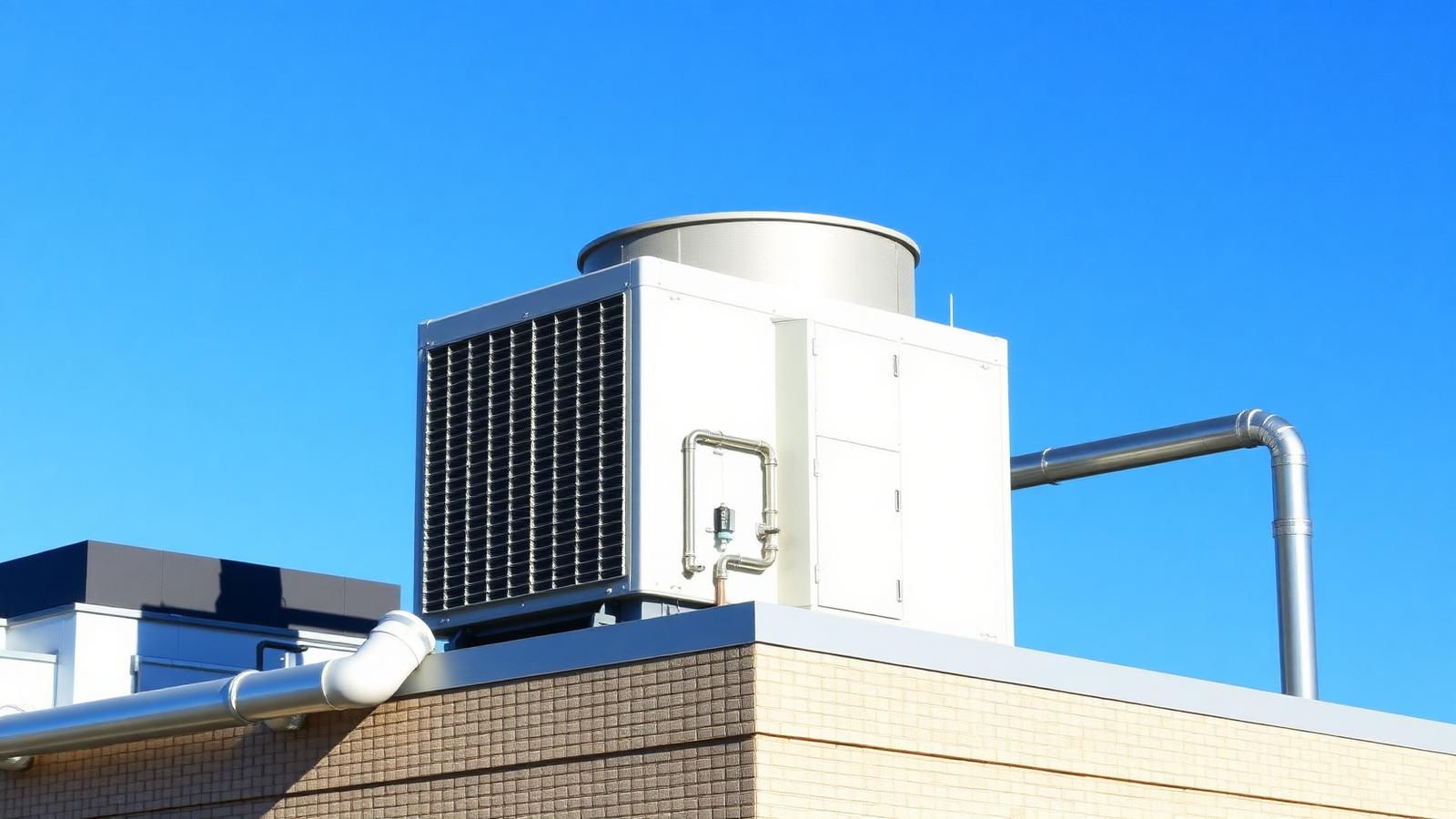
Why planned refrigeration maintenance matters

Prevent avoidable breakdowns

Loose connections, restricted airflow and worn components can develop into failures if left unchecked. Regular inspection helps identify warning signs and prioritise repairs. It cannot guarantee that equipment will never fail, but it reduces reliance on discovering problems only after cooling has stopped.

Extend equipment life

Clean heat exchangers and correct operating conditions reduce strain on fans and compressors. Repeated starts, vibration or abnormal temperatures warrant attention. Age, damage and service history influence whether repair or replacement is appropriate.

Support food safety compliance

Reliable temperatures and clear service records support your food-safety management procedures. Maintenance checks complement, rather than replace, your temperature monitoring, stock controls and HACCP arrangements. The site operator remains responsible for product limits, corrective actions and decisions about food affected by a temperature excursion.

Reduce unnecessary energy costs

Dirty condensers, icing and leaking doors force refrigeration equipment to work harder. Correcting these conditions can reduce wasted running time. Actual savings depend on the installation and operating pattern, so we do not attach a fixed percentage saving to a maintenance visit.

Commercial refrigeration maintenance checklist

Condenser cleaning

Inspect the condenser for dust, grease and obstructions, and clean using a method suitable for the coil. Check surrounding clearance and fan operation. Restricted heat rejection can increase operating pressures and compressor workload, especially during warmer weather or in enclosed plant areas.

Evaporator inspection

Check coil condition, airflow, fan operation, drain arrangements and evidence of abnormal icing. Stored goods should not obstruct air paths. Signs of corrosion, damage or persistent moisture are recorded so cleaning, drainage repairs or further investigation can be planned appropriately.

Refrigerant level and circuit checks

Assess operating readings and equipment condition for indications of an incorrect charge or leakage. Oil staining and damaged pipework warrant investigation. Refrigerant is not added simply because a scheduled visit is due; any recharge follows diagnosis and the necessary circuit preparation.

Door seal inspection

Inspect gaskets, hinges, closers and contact around the frame. Gaps admit heat and moisture, increasing the load and encouraging icing. Report damaged seals and alignment problems, and consider whether usage patterns or door protection are contributing to repeated deterioration.

Defrost cycle verification

Check that defrost starts, terminates and returns the system to cooling as intended. Inspect relevant heaters, sensors and drain heating where fitted. Settings must suit the equipment and duty; extending defrost indiscriminately can warm the store without resolving the original fault.

Temperature calibration

Compare control readings with an appropriate reference and check sensor placement. Review set points and alarm settings against the site’s required temperatures. Where a formal calibration certificate or a particular traceability standard is needed, specify that requirement when agreeing the maintenance programme.

Compressor health check

Observe starting, running condition, noise, vibration and relevant electrical or temperature readings. Repeated cycling, overheating or abnormal operation needs assessment in context. Findings help identify further tests or repairs; a routine health check is not a guarantee of remaining compressor life.

Quarterly, bi-annual and annual maintenance programmes

Quarterly maintenance provides four planned visits a year and can suit heavily used plant, busy stores or demanding environments where dirt and wear build up quickly. Bi-annual maintenance means two visits a year, allowing checks around changing seasonal loads. Annual maintenance offers one scheduled visit for equipment whose duty and condition justify that interval.

The right tier depends on risk, manufacturer guidance, history and site conditions. Statutory inspection or leak-check intervals may differ. We agree assets, frequency, access and reporting before confirming your programme.

Industries and refrigeration duties served

Food processing facilities need cooling that supports production schedules and hygiene controls. Cold storage operations rely on consistent conditions across rooms and loading areas. Supermarkets and restaurants face frequent access, changing stock loads and equipment exposed to busy working environments. Maintenance planning takes those operating differences into account.

Pharmaceutical premises may need defined temperature limits and controlled access. Specify validation, calibration and reporting requirements in advance. For every sector, provide your postcode, equipment inventory and service history so the scope reflects the installation.

Service pricing

Commercial Refrigeration Maintenance prices

Commercial Refrigeration Maintenance pricing, excluding VAT
ServicePriceScope
Commercial Refrigeration MaintenanceFrom £120+VATPlanned service scope agreed for the equipment included.
Quarterly programmeQuoted to scopeFour planned visits per year.
Bi-annual programmeQuoted to scopeTwo planned visits per year.
Annual programmeQuoted to scopeOne planned visit per year.

Maintenance starts from £120+VAT. Programme totals depend on asset numbers, condition, access and visit frequency. Parts, refrigerant and remedial repairs are assessed separately where required. The starting price is not the annual cost of every programme; request a quote for your agreed equipment list.

Commercial Refrigeration Maintenance FAQs

How often should commercial refrigeration be serviced?

Frequency depends on duty, environment, equipment guidance and failure risk. Quarterly, bi-annual and annual programmes are available. A busy or contamination-prone installation may need more attention, while statutory leak checks can follow a different schedule.

What does a refrigeration maintenance visit include?

The agreed checklist covers relevant condenser, evaporator, refrigerant, door seal, defrost, temperature and compressor checks. Scope varies with equipment type and access. Findings and recommended remedial work are recorded rather than treating every asset as identical.

Does maintenance include topping up refrigerant?

Not automatically. Low charge can indicate leakage and needs investigation. Any refrigerant recovery, repair or recharge is assessed and carried out by F-Gas certified engineers, with the required preparation and service records.

How much does commercial refrigeration maintenance cost?

Prices start from £120+VAT. Equipment quantity, condition, access and programme frequency determine the quotation. Required repairs or replacement parts affect the total and are not assumed included within the starting price.

Can servicing replace our daily temperature checks?

No. Planned servicing supports reliable operation but does not replace routine monitoring, food-safety procedures or pharmaceutical product controls. Your responsible team must continue recording temperatures, investigating excursions and applying the appropriate stock-management decisions.

Request Quote