Hydraulic Separation and System Integrity
In modern mechanical design, the primary driver to specify a plate to plate heat exchanger is the requirement for hydraulic separation. This technique isolates two fluid circuits, allowing different pressures, temperatures, and fluid types to operate in close proximity without mixing. For M&E contractors and consultants, this is particularly vital when connecting a high-pressure primary network, such as a district heating main, to a sensitive internal tertiary system. By utilizing a plate to plate heat exchanger, you effectively create a safety barrier that prevents contamination or pressure surges from propagating through the entire building network, thereby safeguarding individual components like radiators, underfloor manifolds, and domestic hot water cylinders.
System integrity is further enhanced by following BSRIA BG50 guidelines regarding water quality and corrosion management. When a plate to plate heat exchanger is installed, it limits the total volume of water that requires intensive chemical treatment within the secondary loop. This not only reduces the quantity of inhibitors needed but also simplifies the monitoring process. From a commerical perspective, specifying these units ensures that any leak or pressure loss remains localized, preventing a small failure in one zone from de-stabilizing the entire plant room. This modular approach to hydraulic design is essential for medium-to-large scale commercial property developments in the UK.
Choosing a plate to plate heat exchanger also allows for the integration of disparate heat sources into a single common header architecture. For instance, low-temperature hot water (LTHW) from heat pumps can be interfaced with traditional boiler backup systems through separate exchangers to maintain specific delta-T requirements. Engineers should focus on the log mean temperature difference (LMTD) during the design phase to ensure that the exchanger plates are sized correctly for the intended application. Failure to account for precise thermal profiles often leads to oversized units that occupy valuable floor space or undersized units that fail to meet peak demand during winter months.
- Isolates primary and secondary pressure regimes effectively
- Reduces the volume of treated water required per circuit
- Localizes system contaminants to simplify maintenance
- Facilitates the connection of district heating to internal loops
Thermal Efficiency and Space Constraints
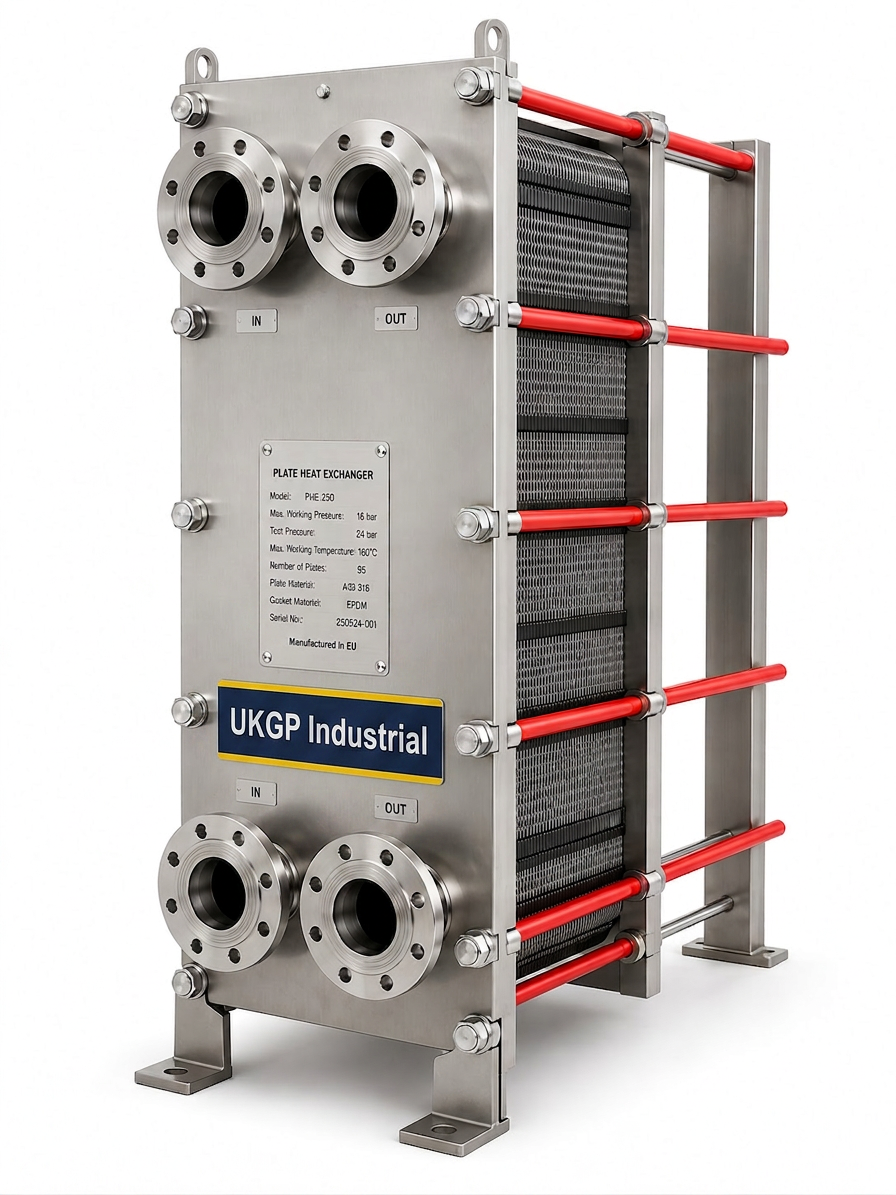
Compared to traditional shell and tube alternatives, the plate to plate heat exchanger offers a significantly higher heat transfer coefficient. The corrugated design of the plates induces turbulent flow even at lower velocities, which maximizes the surface area in contact with the fluid. This high level of turbulence not only improves thermal conductivity but also creates a self-cleaning effect that reduces the rate of fouling. For plant-room engineers working with limited footprints, the compact nature of these units is a decisive factor, often requiring only 20% of the floor space compared to older tube-based technologies providing the same thermal output.
When specifying for a new project, consultants must consider the accessibility for future servicing. A gasketed plate to plate heat exchanger can be fully disassembled, allowing for the mechanical cleaning of individual plates or the addition of extra plates should the building load increase in the future. This scalability is a core advantage for expanding commercial sites. In contrast, brazed units offer an even smaller footprint and higher pressure ratings but are permanent assemblies suited for smaller, static loads. Balancing these requirements is part of a robust procurement strategy aimed at long-term asset management and operational efficiency within the UK B2B sector.
Our range of UKGP plate heat exchangers includes both gasketed and brazed variants to suit any plant-room configuration. Available in sizes from DN20 to DN300, these units are sized from a full thermal spec provided by your design team. We offer a 4-6 week lead time and a standard 2-year warranty, ensuring that your project stays on schedule and your client is protected against manufacturing defects. Whether you need a 10kW unit for a small commercial unit or a multi-megawatt station for a hospital, our technical team provides the precise sizing required to meet stringent CIBSE guidelines.
- High turbulence increases heat transfer and reduces fouling
- Compact footprint saves valuable commercial floor space
- Scalability through adding plates in gasketed models
- Thermal efficiency exceeds traditional shell and tube designs
Compliance with BSRIA and CIBSE Standards
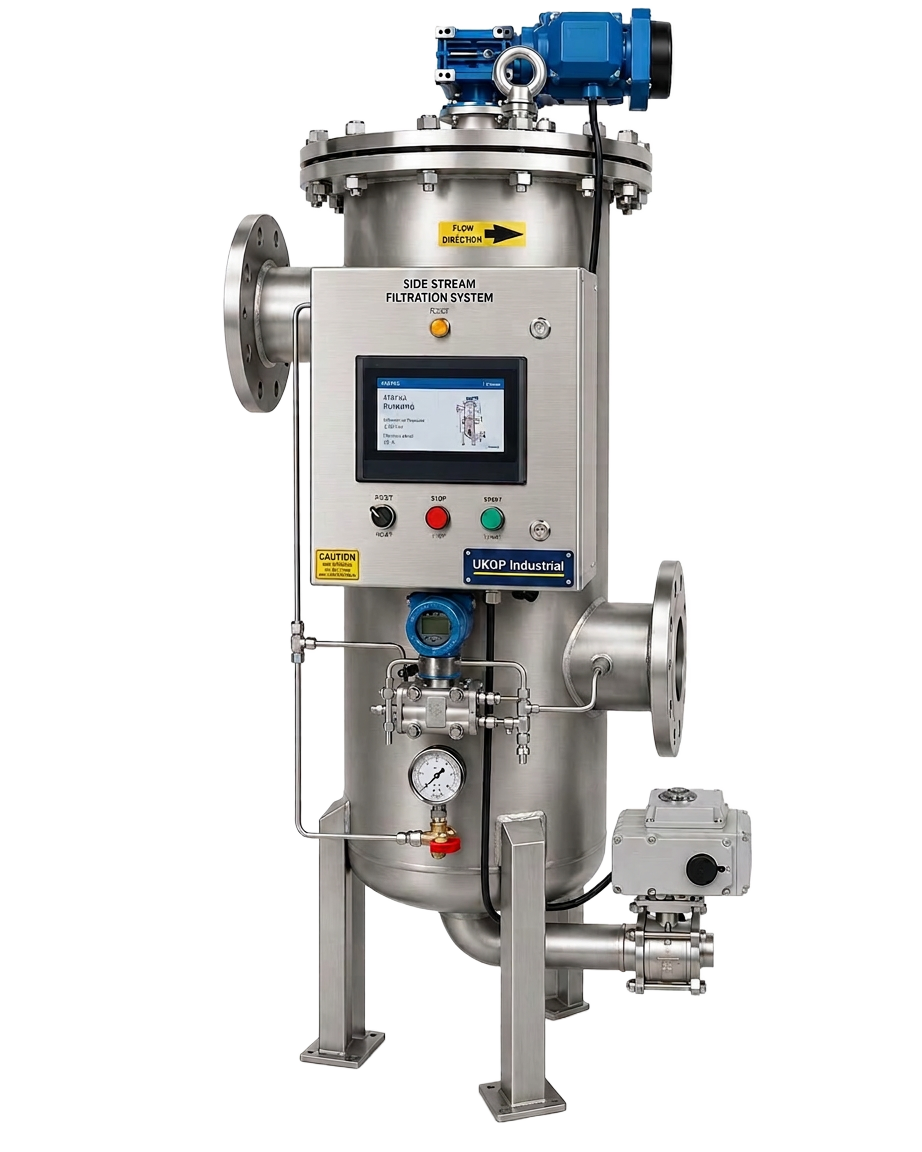
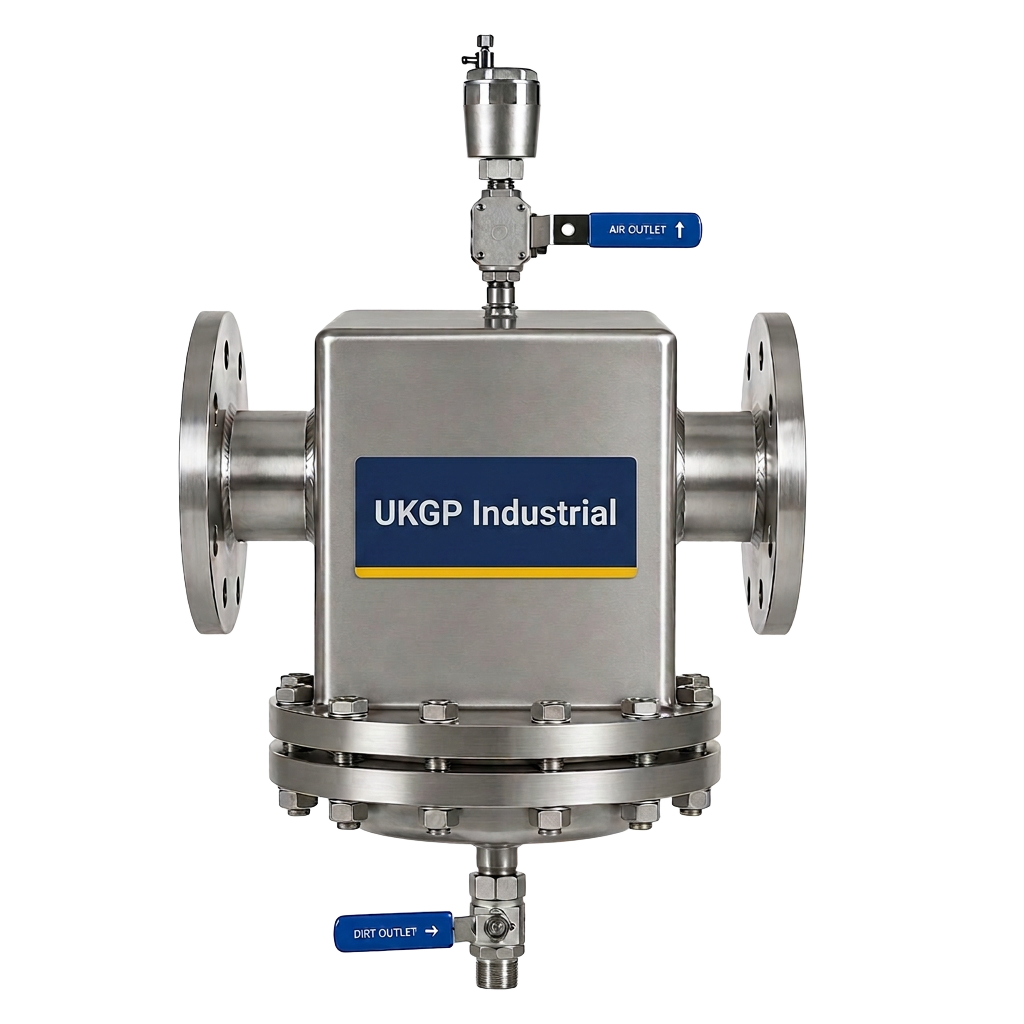
Compliance with industry standards like BSRIA BG29 and BG50 is non-negotiable for modern UK building services. These documents emphasize the importance of maintaining heat exchanger performance through correct commissioning and water chemistry. A plate to plate heat exchanger is highly sensitive to particulates and scale; therefore, specifying adequate filtration upstream is critical. Without proper side stream filtration or dirt separation, the narrow channels between the plates can quickly become obstructed, leading to a precipitous drop in thermal efficiency and increased pumping costs. Engineers must ensure that the system design includes bypasses for cleaning and flushing to meet these rigorous standards.
Furthermore, CIBSE Heat Networks Code of Practice (CP1) mandates high-performance standards for heat interface units (HIUs) which fundamentally rely on plate technology. When you specify a plate to plate heat exchanger for these applications, you are selecting a technology that has been proven to deliver the necessary temperature drops (Delta-T) required for efficient district heating operation. This is particularly important for reducing return temperatures to the energy centre, which improves the efficiency of condensing boilers and heat pumps. Ignoring these performance metrics can lead to significant penalties in energy performance certificates (EPCs) for the building owner.
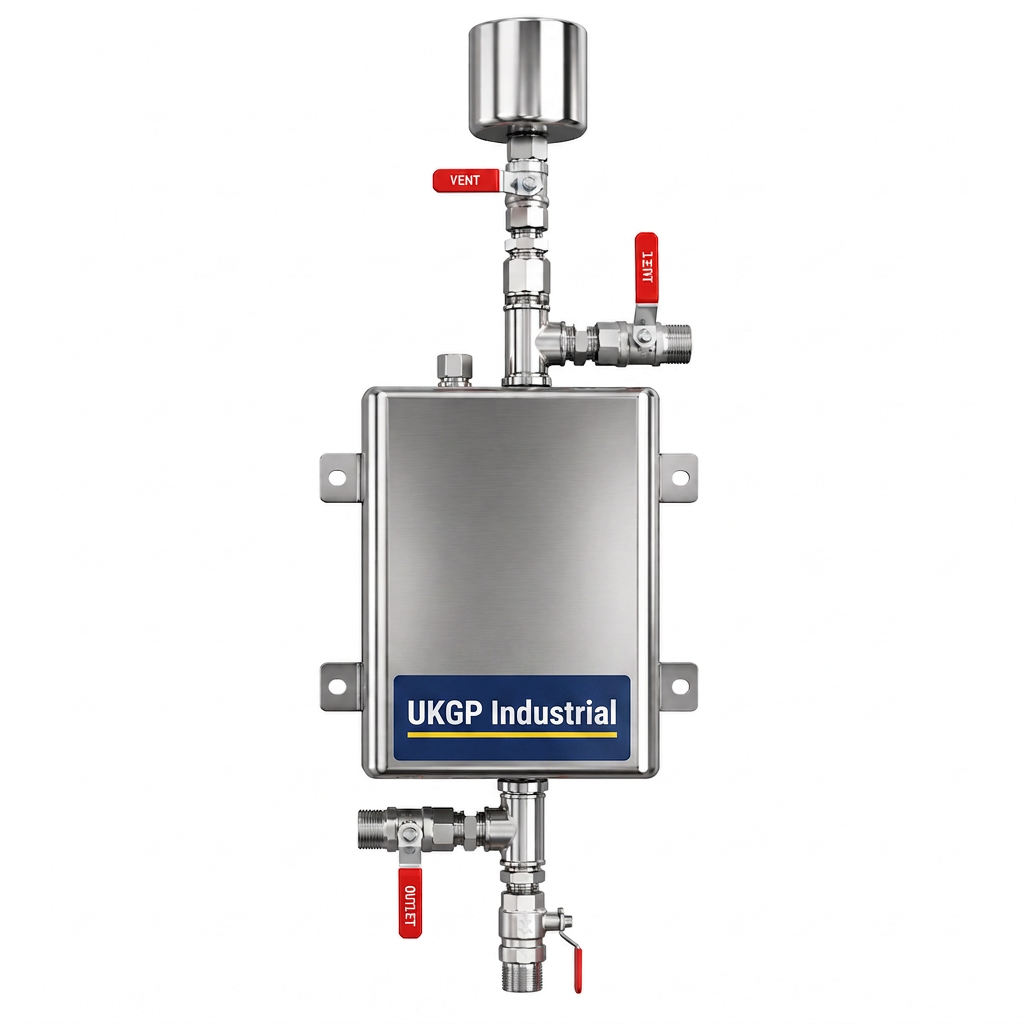
To protect the longevity of the heat exchanger, it is also recommended to install a chemical dosing pot to ensure that corrosion inhibitors are maintained at the correct levels as per BS 8552. By protecting the metallurgy of the plates—whether they are 304 or 316 stainless steel or titanium—you extend the life of the asset for decades. Poorly treated water can lead to pitting corrosion, especially in brazed units where the copper brazing material may be susceptible to certain chemical imbalances. Consistent monitoring and the use of high-quality ancillaries should always be part of the specification package.
- Ensures compliance with BSRIA BG29 pre-commission cleaning
- Critical for meeting CIBSE CP1 return temperature targets
- Protects expensive chiller or boiler plant from contamination
- Reduces long-term energy spend through optimized Delta-T
Criteria for Selecting the Correct Heat Exchanger
Selecting the right plate to plate heat exchanger involves more than just matching a kilowatt rating. Engineers must provide a detailed thermal specification that includes flow rates, allowable pressure drops, and the specific physical properties of the fluids involved. For example, if glycol is present in a secondary chilled water loop, the viscosity change will significantly alter the heat transfer surface area requirements. A thorough specification will also account for the approach temperature—the difference between the primary inlet and the secondary outlet. A closer approach temperature requires more plates and surface area, increasing the unit cost but maximizing the energy efficiency of the system.
Materials of construction represent another critical specify-point. While 316 stainless steel is the industry standard for most LTHW and chilled water applications, environments involving sea water or aggressive chemicals may require titanium plates. Additionally, the selection of gasket material (such as NBR or EPDM) must be compatible with the operating temperature and any chemical additives in the system. Mis-specifying gaskets can lead to premature failure and costly plant-room leaks. We recommend consulting with a technical specialist who can run computer-aided sizing simulations to find the optimal balance between initial capital expenditure and long-term running costs.
For procurement leads, the lead time is often the deciding factor in project delivery. At UKGP, we understand that delays in plant-room equipment can freeze an entire construction site. Our 4-6 week lead time for bespoke-sized plate heat exchangers is among the most competitive in the UK market. Each unit comes with a 2-year warranty, reflecting our confidence in the build quality and the precision of our thermal sizing. By working with a UK-based supplier, you also benefit from localized technical support and a deep understanding of British Standards and building regulations.
- Include fluid properties and glycol percentages in the spec
- Defined allowable pressure drops for both circuits
- Specify plate and gasket materials based on fluid chemistry
- Focus on approach temperatures for maximized efficiency
Operational Maintenance and Longevity
The longevity of a plate to plate heat exchanger is largely dependent on the maintenance regime established post-handover. For facilities managers, the ability to open a gasketed unit for inspection is a major benefit. This allow for the removal of biological films or mineral scaling that can occur even in well-treated systems. Using a 'Clip-on' gasket system allows for rapid replacement in the field without the need for specialized adhesives, reducing downtime during planned maintenance shutdowns. This ease of service ensures that the building continues to operate at the design efficiency levels throughout its lifecycle.
In systems where high-pressure steam is used as the primary medium, expansion must be carefully managed to prevent stress on the plate pack. Regular inspections should check for 'crabbing' of the plates or signs of gasket extrusion. If the unit is used in a domestic hot water (DHW) application, scale buildup is an inevitability in hard water areas like Surrey and London. In these instances, specifying a plate to plate heat exchanger with a high Reynolds number can help delay the onset of scale, but periodic chemical cleaning remains essential. Monitoring the pressure drop across the unit is the most reliable way to determine when cleaning is required.
Installing the unit with sufficient clearance is a common oversight in plant-room design. Consultants should ensure that the drawings provide enough space for the tightening bolts to be removed and for the plates to be slid back along the carrying bar. Without this space, a serviceable unit becomes a de facto 'disposable' one, forcing the client into an expensive replacement rather than a simple clean. By following CIBSE best practices for plant-room layout, you ensure that the specified equipment can be maintained safely and effectively by the on-site engineering team for the duration of its 20-25 year expected service life.
- Specify 'Clip-on' gaskets for faster field maintenance
- Allow for adequate service clearance in plant-room layouts
- Monitor pressure drops to trigger maintenance cycles
- Plan for chemical descaling in hard water domestic applications
Sustainability and the Transition to Low-Carbon Heat
As the UK transitions away from gas-fired boilers toward air-source and ground-source heat pumps, the role of the plate to plate heat exchanger becomes even more prominent. Heat pumps operate most efficiently at low flow temperatures and narrow temperature differentials. This requires extremely efficient heat exchange to ensure that the usable heat is transferred to the building loop without significant loss. High-efficiency plates with optimized chevron patterns are essential to meet these low-carbon design requirements. Specifying a high-quality exchanger is therefore a key component of any Net Zero building strategy.
In addition to energy efficiency, the material sustainability of the components should be considered. Stainless steel plates are 100% recyclable at the end of their life, and because the units are modular, individual components can be replaced without scrapping the entire frame. This aligns with circular economy principles increasingly demanded by UK planning authorities and BREEAM assessments. When you specify a plate to plate heat exchanger from UKGP, you are choosing a product designed for a long service life, reducing the embodied carbon associated with frequent equipment replacements in the HVAC sector.
If you are currently designing a commercial HVAC system or refurbishing a legacy plant room, contact UKGP for a full thermal sizing consultation. Our expertise ensures that your plate to plate heat exchanger is perfectly matched to your load requirements, whether you need a brazed solution for a compact HIU or a large gasketed frame for a central boiler house. With DN20 up to DN300 connections and a 2-year warranty as standard, we provide the technical assurance and commercial value required by the UK’s leading M&E contractors and engineering consultants.
- Enables heat pump efficiency through low approach temperatures
- Supports BREEAM and Circular Economy sustainability goals
- Reduces embodied carbon through modularity and longevity
- Essential for modern high-efficiency district heating interfaces
Frequently asked questions
What information is needed to size a plate to plate heat exchanger?
- To provide an accurate sizing, we require the heat load (kW), the inlet and outlet temperatures for both the primary and secondary sides, the maximum allowable pressure drop, and the fluid type (e.g., water or glycol percentage).
When should I choose a gasketed over a brazed heat exchanger?
- Choose gasketed units when you need the ability to expand capacity in the future or when mechanical cleaning is required. Brazed units are better suited for high-pressure applications or where space is extremely limited and maintenance will be via chemical flushing only.
What are the common lead times for a UKGP heat exchanger?
- Our standard lead time for both gasketed and brazed plate heat exchangers, sized to your specific thermal requirements, is between 4 and 6 weeks.
Do your heat exchangers comply with British Standards?
- Yes, our units are designed and manufactured to meet all relevant UK and European standards, including PED (Pressure Equipment Directive) and relevant BS EN codes such as BS EN 14917 for expansion related components where applicable.
Can I use a plate heat exchanger for domestic hot water?
- Yes, they are highly effective for DHW. However, we recommend using stainless steel plates and ensuring the water is softened in hard water areas to prevent scaling within the narrow plate channels.