Thermal Specification for a Plate Heat Exchanger
When procurement leads and M&E contractors source a plate heat exchanger for a commercial project, the primary technical hurdle is ensuring the unit is sized correctly for the specific duty required. A common mistake in the UK market is over-sizing based on generic kW ratings without accounting for the Log Mean Temperature Difference or the specific heat capacity of the fluids involved. At UKGP, we move beyond generic data; our engineers size every plate heat exchanger from a full thermal specification provided by the client. This ensures that the DN20 to DN300 connections and the internal plate pack are perfectly balanced to handle the primary and secondary flow rates without excessive pressure drops that could compromise the entire hydraulic system's performance.
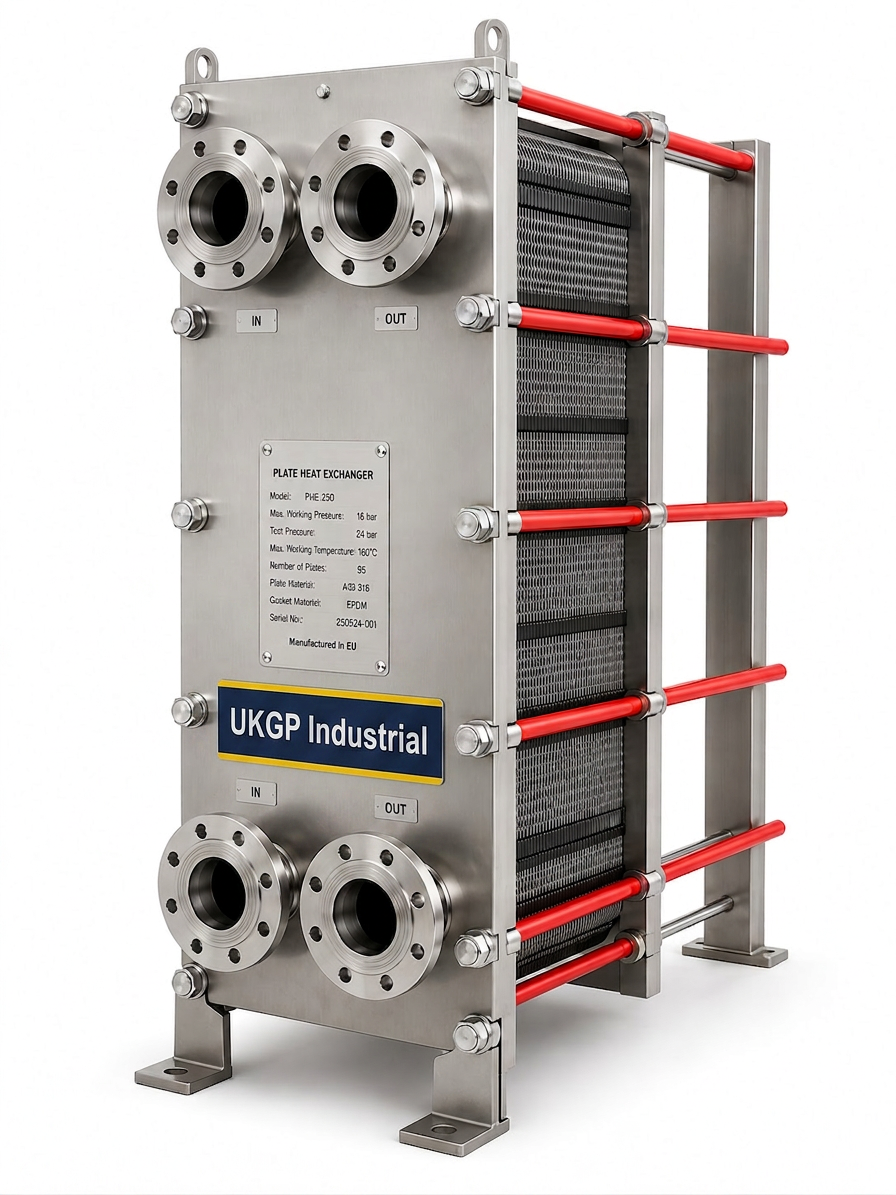
Choosing between a gasketed and brazed plate heat exchanger often depends on the application's scalability and maintenance requirements. Gasketed units are the standard for large-scale boiler rooms and district heating, where periodic cleaning and the ability to expand the plate pack are vital for longevity. Conversely, brazed units offer a compact, more cost-effective solution for smaller domestic hot water services or heat pump interfaces where high pressures and elevated temperatures are expected. By providing both options with a 2-year warranty as standard, UKGP ensures that your heat transfer solution is robust enough to meet the demands of modern UK commercial heating and cooling sectors while maintaining a manageable footprint in congested plant rooms.
To get an accurate quote, your thermal specification should include primary and secondary inlet/outlet temperatures, the required heat load in kilowatts, and the maximum allowable pressure drop across the unit. We typically see commercial projects requiring DN50 to DN150 connections for medium-sized office blocks, while larger industrial cooling towers or data centres might demand up to DN300. With a lead time of 4-6 weeks for most gasketed units, early engagement during the design phase is critical for project timelines. This proactive approach prevents the common 'buy off the shelf' errors that lead to inefficient heat transfer and premature failure of the gasket seals or plate integrity, ultimately protecting your asset and the end-user's utility costs.
- Inlet/Outlet temperatures for both primary and secondary circuits
- Fluid types including glycol percentages if applicable
- Maximum allowable pressure drop (typically 20-50 kPa)
- Connection sizes ranging from DN20 to DN300
- Required thermal duty expressed in kW or MW
Compliance with BSRIA BG50 and Water Quality Standards
In any UK commercial installation, the performance of a plate heat exchanger is inextricably linked to the quality of the circulating water. BSRIA BG50 guidelines for the maintenance of closed-loop water systems highlight that debris and particulate matter are the leading causes of fouling within heat transfer equipment. Because the channels between plates are narrow by design to promote turbulent flow and high heat transfer coefficients, they are particularly susceptible to blockage. This is why we strongly recommend the installation of robust filtration ahead of any sensitive heat exchange equipment. Ensuring your system water quality meets BS 8552 standards during the commissioning phase will significantly extend the interval between maintenance cycles and prevent the thermal degradation often seen in neglected closed-loop networks.
The risk of erosion and corrosion within the plate heat exchanger must also be managed through careful chemical dosing. CIBSE CP1 advises on the importance of chemical control to prevent the buildup of scale, which acts as an insulator, drastically reducing the efficiency of the heat transfer. When a plate pack becomes fouled, the pump energy required to maintain flow increases, leading to higher operational costs and potential system failure. By integrating advanced chemical monitoring and dosing regimes from the outset, UK engineers can ensure that the stainless steel plates remain free from deposits. This not only maintains the design temperature approach but also protects the gaskets from the chemical stress associated with volatile water chemistry, ensuring the unit operates reliably for its entire service life.
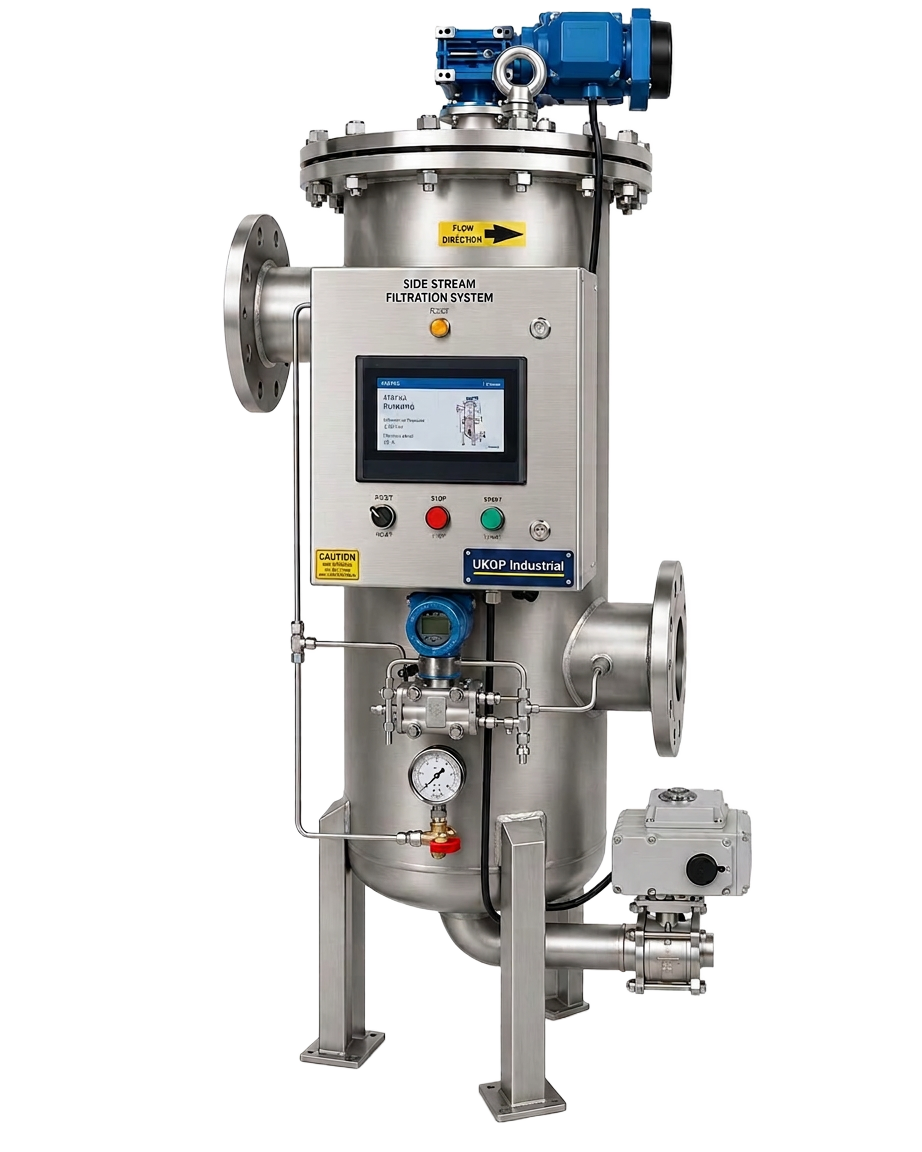
If you are managing an older system, it is vital to perform a system flush and water quality test before installing a new plate heat exchanger. Particulate matter from old radiators or pipework can migrate into the new unit, causing immediate 'shunting' issues and thermal bypass. Using a side stream filtration system can mitigate these risks by continuously removing suspended solids down to sub-micron levels. For UKGP clients, we advise that the 2-year warranty on our heat exchangers is best supported by a system that adheres strictly to BSRIA BG29 pre-commission cleaning standards. This integrated approach to system health ensures that the investment in a high-efficiency heat exchanger pays off through reduced downtime and lower maintenance interventions over the building's lifecycle.
- Adherence to BSRIA BG50 for ongoing water quality management
- Integration of side stream filtration to protect narrow plate channels
- Regular BS 8552 water testing to detect potential corrosive elements
- Precise chemical dosing according to CIBSE CP1 heat network codes
- Flushing and cleaning protocols as per BSRIA BG29
Installation Best Practices for M&E Contractors
Proper installation of a plate heat exchanger requires more than just connecting the pipework; it involves ensuring sufficient clearance for maintenance and correct orientation for fluid flow. Most gasketed units require space at the side and rear equal to the width of the unit to allow for the removal and replacement of individual plates. M&E contractors must also ensure that the pipework is properly supported so that the nozzle loads do not exceed the manufacturer's specification, which could lead to gasket displacement or frame distortion. Our UKGP units are designed with robust frames, but they still require a level foundation and vibration isolation in high-traffic plant rooms to prevent mechanical fatigue on the stainless steel plates over years of operation.
A critical step often overlooked during installation is the verification of the 'A-measurement' on gasketed units. This is the distance between the fixed and pressure plates when the plate pack is fully compressed. If this measurement is not checked against the technical data sheet provided by UKGP, the unit may leak under pressure or the plates may be deformed through over-tightening. For systems using brazed heat exchangers, the installation is simpler but requires careful attention to the brazing process if using copper tailpieces, as excessive heat can damage the internal structure of the unit. We recommend using heat sinks or wet rags to protect the unit's integral joints during the installation of surrounding pipework in the plant room.
Every plate heat exchanger should be fitted with isolation valves and drain points on both the primary and secondary circuits. This allows for 'Clean-in-Place' (CIP) procedures to be carried out without dismantling the entire unit, which is particularly useful in hard water areas or systems with high mineral content. Furthermore, including temperature and pressure gauges on all four ports allows facilities managers to monitor performance in real-time. A rising pressure drop alongside a falling secondary outlet temperature is a clear indicator that the unit requires cleaning. By following these practical installation steps, contractors can ensure that the 4-6 week lead time spent waiting for the unit translates into a decades-long service life for the end-user.
- Verify the 'A-dimension' to ensure correct plate pack compression
- Provide 1:1 service clearance for plate removal in gasketed models
- Use isolation valves on all four ports for easy CIP maintenance
- Install pressure and temperature gauges for performance monitoring
- Ensure nozzle loads are within manufacturer tolerances to prevent leaks
Selecting Gasket Materials and Plate Metallurgy
The corrosive nature of certain fluids and the operating temperatures of the system dictate the choice of materials within the plate heat exchanger. For standard HV AC applications in the UK, AISI 316 stainless steel plates are the industry standard due to their excellent corrosion resistance and thermal conductivity. However, in applications involving chlorinated water or high-salinity environments, Titanium plates may be necessary to prevent pitting. At UKGP, we review the fluid chemistry provided in your thermal spec to recommend the most cost-effective metallurgy. This detailed selection process prevents the high costs associated with premature plate failure, which can lead to cross-contamination between the two fluid circuits and expensive emergency repairs.
Gasket selection is equally critical for the reliability of the plate heat exchanger. Nitrile (NBR) and EPDM gaskets are the most common in commercial heating and cooling. NBR is excellent for oil-based fluids and general water applications up to 100°C, while EPDM is preferred for high-temperature water and steam applications up to 150°C. Using the wrong gasket material can lead to swelling, hardening, or total seal failure, which is why UKGP insists on clear fluid data before production. Our gasketed units are built with 'clip-on' or 'snap-on' gaskets, making field replacement much faster and more reliable than older glue-on styles that require extensive surface preparation and curing times.
In modern heat pump and low-temperature hot water (LTHW) systems, the plate heat exchanger plays a pivotal role in maintaining the temperature lift required for efficient operation. Precision engineering of the plate corrugations (the 'chevron' pattern) allows us to create units that facilitate high turbulence even at low flow velocities. This is essential for maximising the COP of heat pump systems. Whether you are dealing with a DN20 residential interface or a DN300 industrial heat recovery project, our 2-year warranty reflects our confidence in the material integrity and gasket quality of our UK-supplied units. We bridge the gap between complex engineering requirements and practical site-based installation needs for UK-based engineers.
- 316 Stainless Steel as standard for high thermal efficiency
- Titanium plate options for aggressive or high-chloride fluids
- EPDM gaskets for high-temperature LTHW or steam applications
- NBR gaskets for standard HVAC and oil-interface duties
- Snap-on gasket designs for simplified site maintenance
The Impact of Pressure Drops on System Design
Designing a system with an optimized pressure drop through the plate heat exchanger is a delicate balancing act. A high pressure drop usually indicates high turbulence, which improves the heat transfer coefficient and results in a smaller, more affordable unit. However, this also forces the system pumps to work harder, increasing energy consumption over the unit's lifespan. UKGP engineers work with consultants to find the 'sweet spot' where the plate heat exchanger is compact enough for the plant room but has a pressure drop (typically below 50 kPa) that aligns with energy-efficient pumping strategies and Part L of the Building Regulations. This focus on life-cycle cost is what separates a high-quality thermal design from a simple price-based procurement decision.
For retrofit projects where existing pumps are being reused, the pressure drop across a new plate heat exchanger is often the most critical constraint. If the new unit is too restrictive, the flow rate will drop, and the system will fail to meet the required heat load. Conversely, if the unit is too large, the fluid velocity may be too low to maintain turbulence, leading to accelerated fouling and reduced efficiency. By using detailed thermal modeling, we ensure the DN20 to DN300 connections and the internal plate spacing are calibrated to the existing pump head. This forensic approach to sizing protects the installer from post-installation performance disputes and ensures the system operates as intended from day one.
It is also important to consider the peak and part-load performance of the plate heat exchanger. In variable flow systems, the heat transfer characteristics will change as the building's demand fluctuates. A unit designed only for peak load may suffer from poor heat transfer during the shoulder seasons. Our technical experts can provide performance data for multiple load points, allowing engineers to verify that the heat exchanger will remain effective even at 25% or 50% flow. This level of detail is standard in our quotes, helping M&E contractors justify their equipment selection to clients based on real-world operational efficiency rather than just the initial purchase price or the 4-6 week lead time.
- Balance heat transfer efficiency against pumping energy costs
- Adherence to Building Regulations Part L regarding pump power
- Selection of plate patterns (hard vs soft) to modulate pressure drop
- Verification of part-load performance for variable flow systems
- Full thermal transparency to ensure compatibility with existing pumps
Expansion and Thermal Protection in Heat Exchange
In any closed-loop system containing a plate heat exchanger, managing thermal expansion is non-negotiable. As the unit transfers heat, the fluid volume increases, and without adequate expansion vessels and bellows, the resulting pressure spikes can cause catastrophic failure of the plate gaskets or the pipework connections. For larger installations using DN200 or DN300 port sizes, the mechanical stress caused by thermal expansion in the primary and secondary headers can be significant. Incorporating BS EN 14917 compliant expansion bellows into the system design protects the heat exchanger's nozzles from these cyclic stresses, ensuring the 2-year warranty remains valid and the system maintains its integrity during high-temperature cycles.
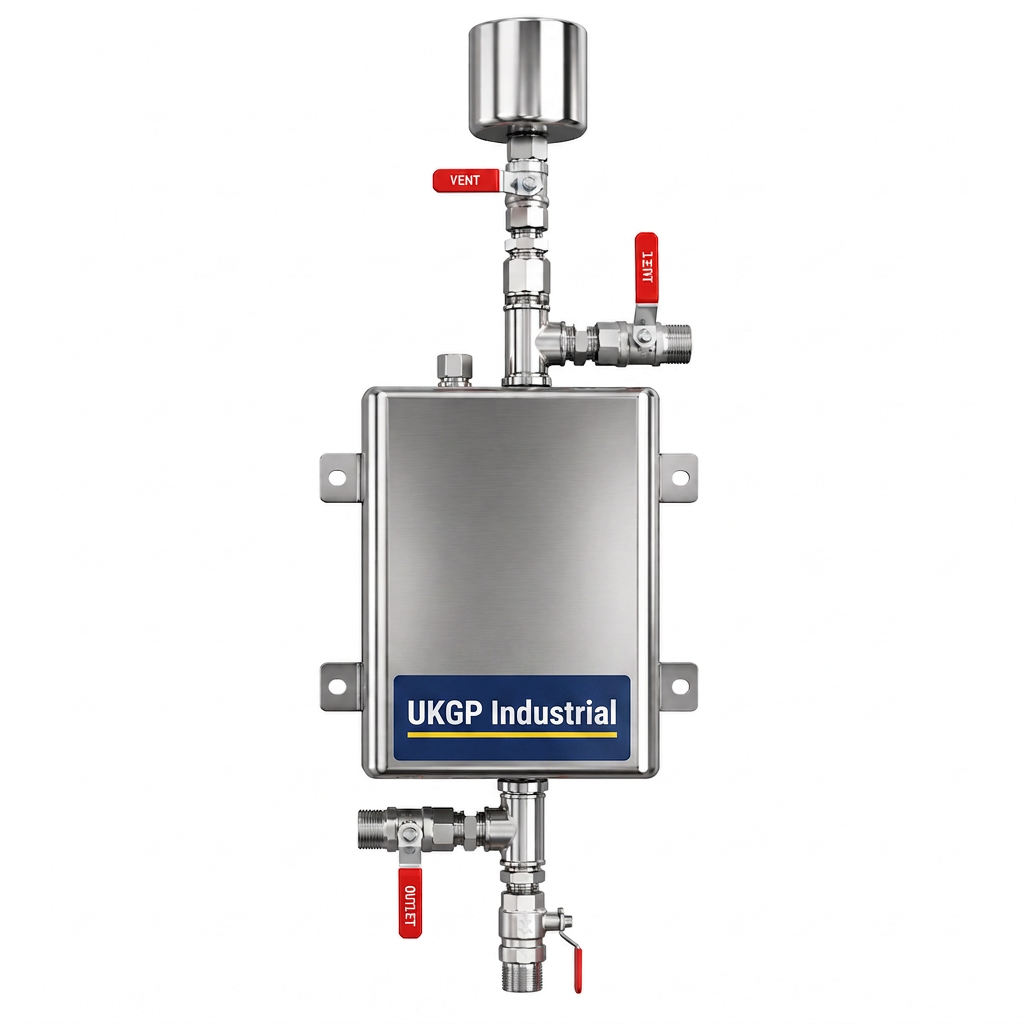
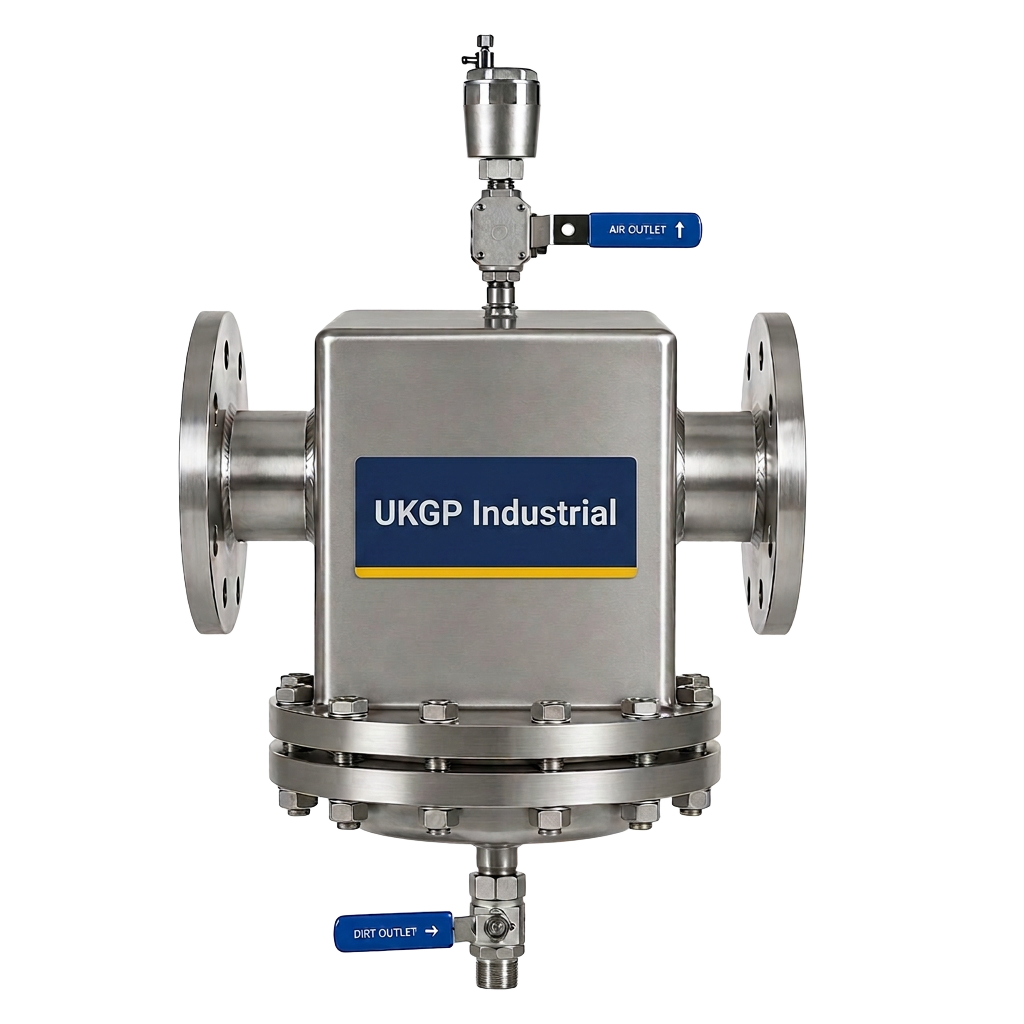
Another vital component for protecting your plate heat exchanger is the air and dirt separator. While side stream filtration handles the fine particulates, an air and dirt separator is essential for removing larger debris and micro-bubbles that can cause localized hotspots and cavitation on the plate surfaces. Micro-bubbles are also a source of oxygen in the system, which can lead to oxidative corrosion of the stainless steel plates if not addressed. Combining these protective components into a cohesive plant room design significantly reduces the long-term total cost of ownership. Procurement leads should look at the entire 'protection package' rather than just the heat exchanger in isolation to ensure the system passes BSRIA BG50 inspections.
Finally, ensure that your plate heat exchanger is protected by correctly sized safety valves and vacuum breakers if there is a risk of negative pressure during system drainage. A sudden vacuum can pull gaskets out of their seating, leading to leaks upon refilling. UKGP provides comprehensive advice on how to integrate our heat exchangers into a complete, protected hydraulic circuit. Whether you need a brazed unit for a quick turnaround or a large gasketed DN300 unit for an industrial bypass, our commitment to technical accuracy ensure that your UK commercial project is built to last, backed by expert sizing and a reliable 4-6 week delivery schedule.
- Include expansion bellows to mitigate thermal stress on nozzles
- Utilise air and dirt separators to prevent cavitation and hotspots
- Ensure safety relief valves are correctly rated for the unit's PS rating
- Protect against vacuum collapse during system maintenance
- Standardise on high-quality components for BSRIA BG50 compliance
Frequently asked questions
What is the typical lead time for a UKGP plate heat exchanger?
- Our standard lead time for both gasketed and brazed plate heat exchangers is 4-6 weeks. This allows for custom sizing from your thermal spec and rigorous quality testing before the unit is dispatched to your site.
Do you offer a warranty on your heat exchangers?
- Yes, all UKGP plate heat exchangers come with a 2-year warranty as standard, covering manufacturing defects and material integrity, provided the unit is installed and maintained according to CIBSE and BSRIA guidelines.
Can you provide plate heat exchangers with large connections?
- Absolutely. We supply units with connection sizes ranging from DN20 for small-scale applications up to DN300 for major industrial and district heating projects, all sized to your specific flow and pressure requirements.
What information is needed for a thermal sizing quote?
- To provide an accurate quote, we require the fluid types, the required heat load (kW), and the inlet and outlet temperatures for both the primary and secondary sides, along with any maximum pressure drop constraints.
Should I choose a gasketed or brazed plate heat exchanger?
- Gasketed units are ideal for larger duties and systems where maintenance or future expansion is expected. Brazed units are more compact and cost-effective for smaller, high-pressure applications where thermal duty is fixed.