Maintaining Your Plate Heat Exchanger to BSRIA Standards
In the UK's commercial HVAC sector, the plate heat exchanger is the heart of the primary-to-secondary circuit transition. Neglecting its maintenance often leads to significant pressure drops and a failure to meet design temperature differentials within plant rooms. According to BSRIA BG50, water quality is the most critical factor in preventing the fouling of heat transfer surfaces. Scaling and biofouling are particularly aggressive in hard water areas across London and the South East, where calcium carbonate deposits can quickly insulate the internal plates. This insulation effect forces pumps to work harder and reduces the overall thermal efficiency of the entire DHW or LPHW system, resulting in increased energy expenditure for the end user and unnecessary strain on the primary heat source.
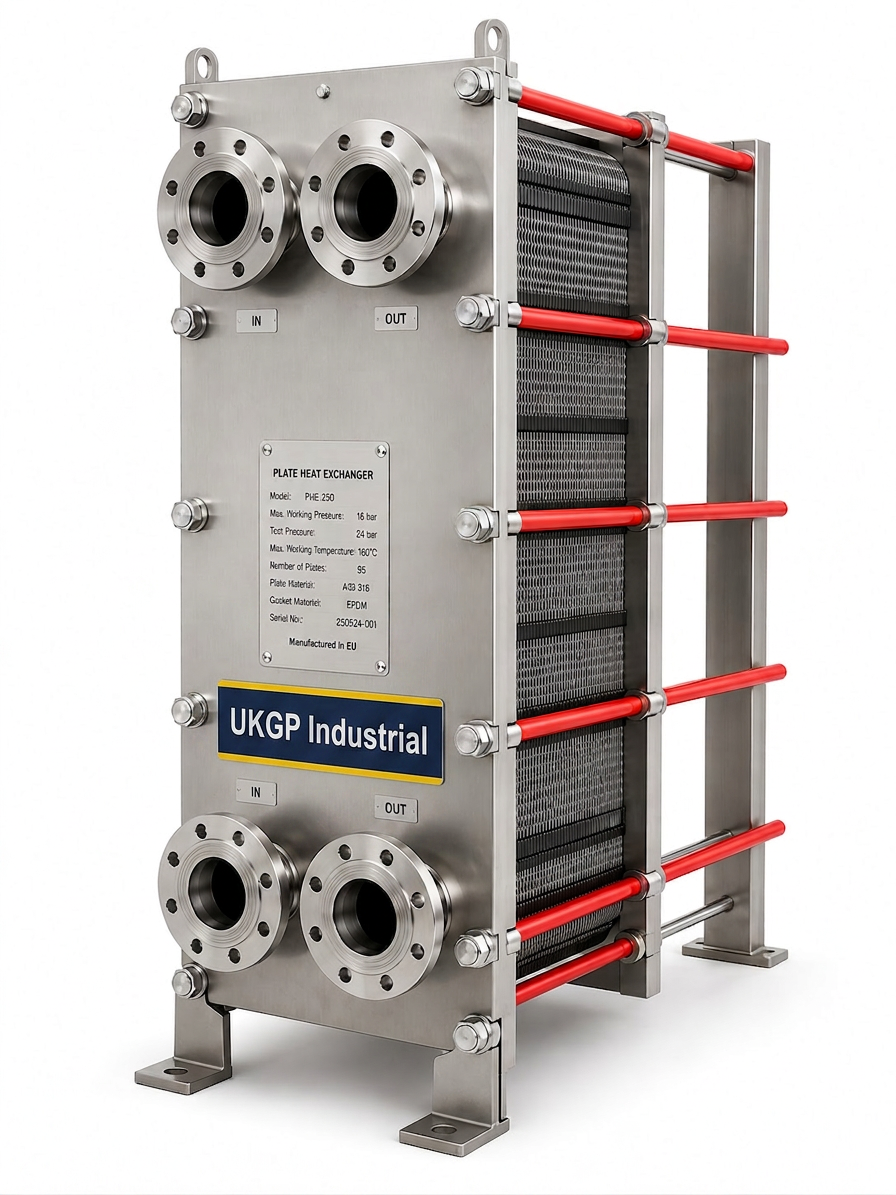
To mitigate these risks, a proactive maintenance regime must include regular visual inspections and performance monitoring. Engineers should track the approach temperature—the difference between the primary inlet and the secondary outlet. A widening gap here is a primary indicator that the internal plates of the plate heat exchanger are becoming fouled. When this occurs, a chemical clean-in-place (CIP) or a full manual strip-down and plate inspection is required. Adhering to BS 8552 for water sampling within the system can identify high levels of suspended solids or microbiological activity before they settle onto the plates. Failure to address these issues can lead to localised pitting corrosion, which eventually causes cross-contamination between circuits, necessitating an immediate and costly emergency replacement of the entire unit.
When a strip-down is necessary, the mechanical integrity of the gasketed bundle is paramount. Reusing old gaskets is a significant risk that UKGP advises against, as rubber compounds lose their elasticity over time due to thermal cycling. Every plate heat exchanger requires precision-engineered gaskets—usually EPDM or NBR—to maintain a hermetic seal under high operating pressures. By following a structured service schedule, M&E contractors can extend the lifespan of the equipment significantly, ensuring that the critical infrastructure of the building remains operational. Facilities managers should keep a comprehensive log of these maintenance activities to demonstrate compliance with environmental standards and to ensure that the building's thermal performance remains within the parameters specified during the initial design and commissioning stages.
- Monitor Delta T regularly to detect early signs of internal fouling.
- Implement a water treatment strategy aligned with BSRIA BG29 and BG50.
- Maintain a spare set of gaskets for rapid response during scheduled downtime.
- Ensure all cleaning chemicals are compatible with 316L stainless steel plates.
Sourcing Spares and New Plate Heat Exchanger Units
Sourcing reliable components for a plate heat exchanger in the UK market can be challenging, especially when dealing with legacy plant room equipment. It is essential to work with a supplier that understands the technical nuances of plate geometry and material compatibility. Whether you are seeking replacement plates for a gasketed unit or a completely new brazed unit for a DHW skid, the thermal spec must be accurate. At UKGP, we provide both gasketed and brazed solutions, sized from DN20 to DN300, ensuring we can accommodate everything from minor commercial refurbishments to major industrial installations. Our technical team works from a full thermal spec provided by the consultant to ensure the replacement unit or spares match the required heat load precisely without oversizing.
Lead times are a critical factor for any M&E contractor managing a site. A failed plate heat exchanger can take an entire building offline, leading to significant disruption. UKGP offers a standard lead time of 4-6 weeks for custom-sized units, backed by a robust 2-year warranty to provide peace of mind to procurement teams. When sourcing spares, it is vital to specify the correct plate material—typically 316 stainless steel for standard applications, or titanium for more aggressive environments like swimming pools or saline cooling loops. Using non-genuine or poorly matched spares can lead to poor plate alignment, which increases the risk of 'leaking to atmosphere' or internal bypass, undermining the entire thermal separation of the high-pressure system.
For those managing older plant rooms, we often recommend a full system audit. Sometimes, the cost of replacing the entire plate heat exchanger is more economical than sourcing rare legacy spares and paying for the intensive labour required for a manual refurb. Modern units often feature improved plate corrugation patterns that offer higher turbulence and better heat transfer coefficients within a smaller footprint. This can be a major advantage in cramped Surrey plant rooms where space is at a premium. By upgrading to a modern UKGP unit, you benefit from improved energy efficiency, a comprehensive 2-year warranty, and the assurance that your DHW or heating circuits are protected by the latest advancements in heat transfer technology and materials.
- Specify DN20 to DN300 sizes based on total system peak demand.
- Ensure gasket materials are rated for the system operating temperature.
- Verify 316L stainless steel plate quality to prevent premature corrosion.
- Leverage 2-year warranties for long-term operational security.
Protecting the Plate Heat Exchanger with Side Stream Filtration
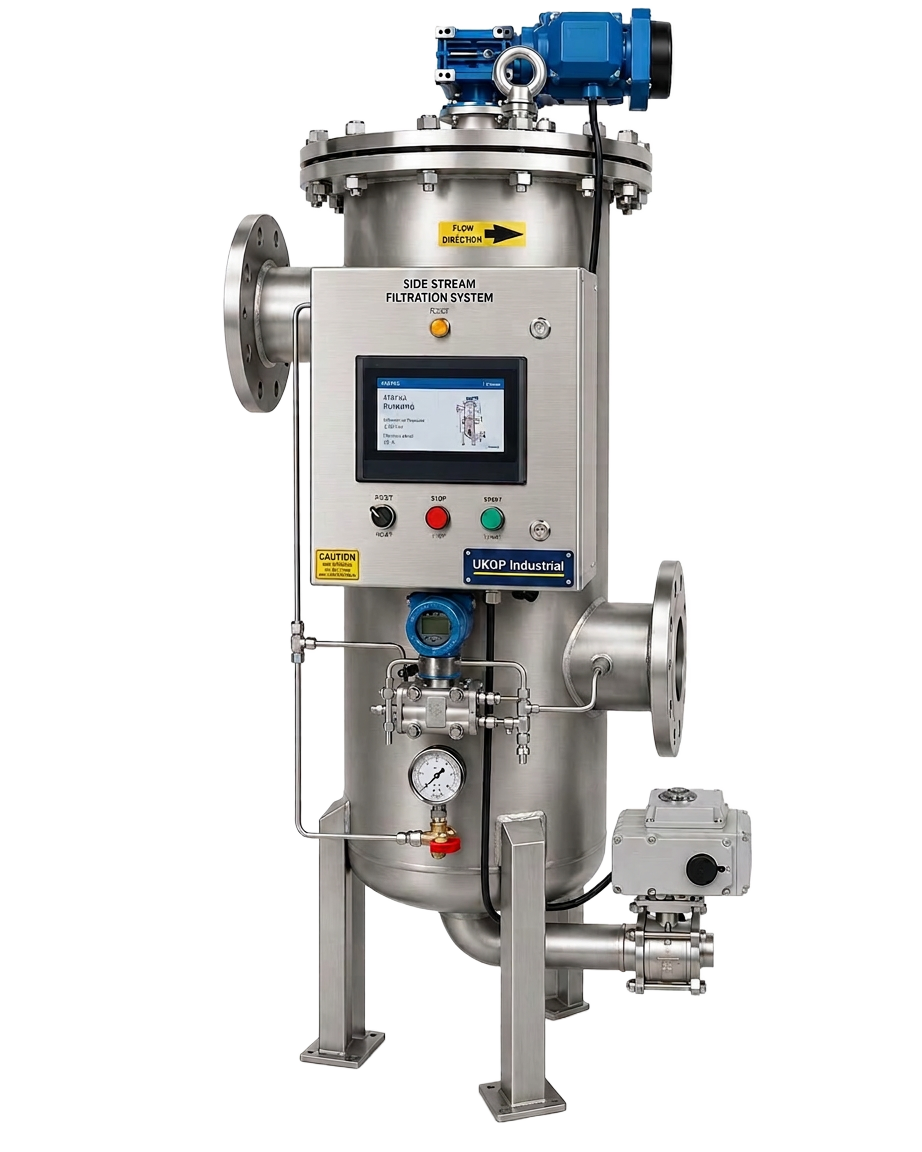
The internal channels of a plate heat exchanger are exceptionally narrow to maximise the surface area for heat transfer. Consequently, they act as a filter for any debris or magnetite circulating within the system. Without adequate protection, these channels quickly become blocked, leading to a surge in system pressure and a drop in thermal output. This is why side stream filtration is considered an essential accompaniment to any heat exchanger installation in the UK. By continuously filtering a portion of the system volume, you remove the suspended solids and iron oxide sludge that would otherwise settle on the heat exchanger plates. This proactive approach significantly reduces the frequency of necessary chemical cleans and manual strip-downs, lowering the total cost of ownership.
BSRIA BG29 highlights the importance of keeping systems clean from the point of commissioning. Integrating a side stream filtration unit into the return pipework before it reaches the plate heat exchanger is the most effective way to ensure longevity. These units utilize high-intensity magnets and fine filtration media to capture even the smallest particles of magnetite. For FM providers, this means fewer emergency call-outs and more predictable maintenance schedules. It also ensures that the high-efficiency boilers or heat pumps feeding the heat exchanger are not themselves compromised by circulating debris. A clean system translates to a more stable hydronic balance and a more responsive heating or cooling circuit, which is vital for tenant comfort and energy compliance.
When designing a system, engineers must ensure the filtration unit is sized correctly for the total system volume. UKGP offers a range of side stream filtration skids that integrate seamlessly with our thermal products. By combining a high-quality plate heat exchanger with robust filtration, you create a resilient thermal loop that can withstand the demands of a busy commercial building. This approach is not just about protection; it is about optimising the ROI of the plant room assets. In many cases, the addition of a filtration skid can pay for itself within two years through energy savings and reduced maintenance labour, making it a highly attractive option for procurement leads focused on long-term value and operational reliability.
- Reduce magnetite build-up within narrow plate channels.
- Prolong time between gasket replacements and plate cleans.
- Maintain system pressure and flow rates to design specifications.
- Integrate high-quality filtration to support CIBSE energy targets.
The Role of Correct Thermal Sizing in System Longevity
Thermal sizing is an exact science that determines the lifespan of a plate heat exchanger just as much as water quality does. If a unit is undersized, it will be forced to operate at extreme velocities and pressures to meet the building's demand, leading to erosion-corrosion of the plates and premature gasket failure. Conversely, an oversized unit may experience low flow velocities that encourage the settling of suspended solids, leading to chronic fouling. UKGP engineers work closely with UK building services consultants to ensure that every unit is sized from a full thermal spec. This includes accounting for primary and secondary fluid properties, flow rates, and the required Kilowatt (kW) rating to ensure the unit operates within its 'sweet spot' for both efficiency and durability.
The pressure drop across the plate heat exchanger is a key metric that must be balanced during the design phase. A high pressure drop might indicate a very efficient transfer of heat, but it also increases the electrical consumption of the circulating pumps. By selecting the right plate pattern—be it 'hard' plates for high turbulence or 'soft' plates for low pressure drop—we can tailor the performance to the specific needs of the HVAC system. This level of technical customisation is what separates a high-quality industrial supplier from a general wholesaler. For M&E contractors, getting the sizing right at the tender stage prevents expensive remedial work during the commissioning phase and ensures the end-user receives a system that performs as promised.
Furthermore, our range covers DN20 to DN300 connections, allowing us to cater to everything from small modular plant rooms to large-scale district heating schemes. Each plate heat exchanger we supply is a result of meticulous calculation and British engineering standards. With a lead time of 4-6 weeks and a comprehensive 2-year warranty, our products are designed to be a ‘fit and forget’ solution, provided the water chemistry is managed. When requesting a quote, providing the full thermal parameters allows our Surrey-based team to provide a precise, commercially competitive proposal that meets all BSRIA and CIBSE recommendations for modern UK building services.
- Balance pressure drop against thermal efficiency for optimal pump life.
- Choose between gasketed or brazed units based on serviceability needs.
- Utilize full thermal specs to avoid the pitfalls of over or undersizing.
- Support Surrey-based engineering for rapid technical support and advice.
Addressing Expansion and Air Separation in Plant Rooms
Beyond the thermal transfer process, the mechanical stability of the plant room is vital for the health of any plate heat exchanger. Thermal expansion and contraction can put immense stress on the pipework connections and the unit's frame itself. Without high-quality expansion bellows, these stresses can lead to micro-fractures in the pipework or even cause the gaskets within the heat exchanger to shift slightly, resulting in leaks. Ensuring that the system is properly supported and that thermal movement is accounted for is a fundamental requirement of BS EN 14917. This is particularly important in high-rise developments where the vertical rise of pipework can lead to significant expansion forces that must be absorbed safely.
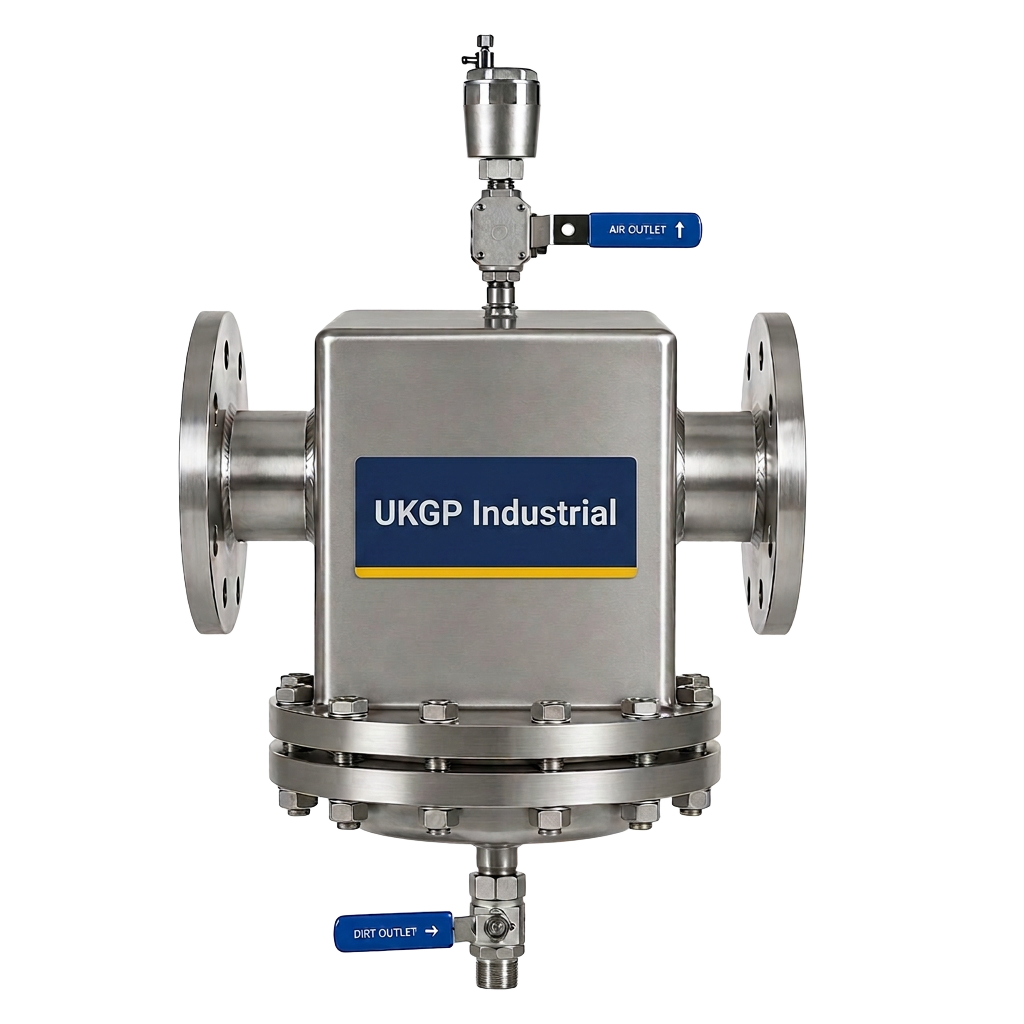
Air and dirt separation also play a supporting role in the efficiency of the plate heat exchanger. Air trapped in the system can cause air-binding within the plate channels, which drastically reduces the available surface area for heat transfer and can cause noisy operation and cavitation in pumps. By installing high-efficiency air and dirt separators, you ensure that the fluid entering the heat exchanger is as clean and as de-aerated as possible. This further protects the integrity of the unit and ensures that the heat transfer coefficients remain at their design levels. For an M&E contractor, installing these components is an insurance policy against future performance issues and system degradation.
At UKGP, we understand that a plate heat exchanger does not operate in isolation. It is part of a complex ecosystem that includes expansion vessels, dosing pots, and sensors. Integrating all these components from a single technical supplier ensures compatibility and streamlines the procurement process. When you source a UKGP unit, you are not just buying hardware; you are gaining access to a complete suite of industrial-grade plant room solutions. Our commitment to 4-6 week lead times applies across our product range, ensuring that your project stays on schedule. Whether it's a new build or a critical repair, our focus is on providing the components that keep UK buildings running efficiently and reliably over their entire lifecycle.
- Include expansion bellows to protect heat exchanger connections.
- Utilise air and dirt separators to maintain thermal transfer efficiency.
- Standardise on UKGP components for simplified plant room maintenance.
- Ensure all installations comply with BS EN 14917 for safety.
Ensuring Chemical Compliance with Dosing Pots
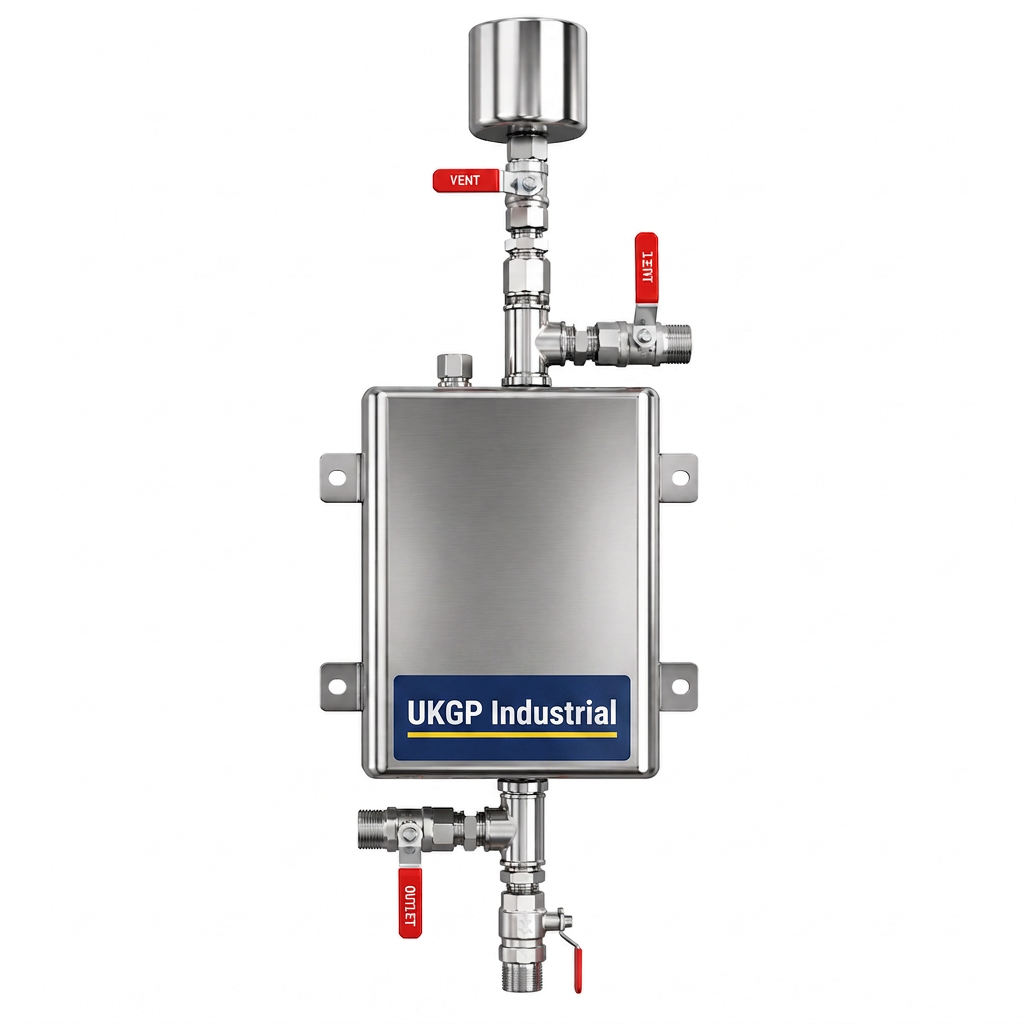
Water treatment is the cornerstone of protecting a plate heat exchanger from the twin threats of corrosion and scaling. To maintain the system chemistry according to BSRIA BG50, a chemical dosing pot is an essential installation in any closed-loop system. These pots allow for the safe and controlled introduction of inhibitors and biocides without the need to shut down the entire system. Without the correct chemical balance, the high-grade stainless steel plates within your heat exchanger can suffer from crevice corrosion, particularly underneath the gaskets where stagnant fluid can accumulate. Regular dosing ensures that a protective film is maintained across all metallic surfaces, extending the life of the assets and maintaining design efficiency.
For M&E contractors, the installation of a dosing pot is a straightforward task that provides long-term value to the client. It allows water treatment specialists to easily adjust the chemistry based on periodic laboratory analysis. If a plate heat exchanger has been serviced or replaced, the system must be re-dosed to compensate for the fresh water introduced. This prevents the 'oxygen shock' that can lead to rapid corrosion of new components. UKGP provides industrial dosing pots that are built to last, providing a reliable entry point for the chemical treatments required to keep modern HVAC systems compliant and efficient. This proactive maintenance philosophy is shared by all leading UK facilities management firms.
In summary, the longevity of a plate heat exchanger is inextricably linked to the quality of the system it serves. By combining a correctly sized UKGP unit with side stream filtration and proper chemical dosing, engineers can ensure decades of reliable service. Our Surrey-based team is ready to assist with sizing requests and technical queries for units ranging from DN20 to DN300. With our 2-year warranty and commitment to quality, we are the preferred partner for UK building services professionals who demand the best in heat transfer technology. Contact us today with your thermal spec to receive a competitive quote and a clear delivery timeline for your next project.
- Facilitate easy chemical introduction with industrial dosing pots.
- Prevent crevice corrosion on heat exchanger plates via inhibitors.
- Stay compliant with BSRIA BG50 water treatment protocols.
- Protect your 2-year warranty with documented water chemistry management.
Frequently asked questions
What is the typical lead time for a UKGP plate heat exchanger?
- Our standard lead time for both gasketed and brazed units, sized from DN20 to DN300, is 4-6 weeks from the point of final thermal specification approval.
Do you provide a warranty on your heat exchangers?
- Yes, all UKGP plate heat exchanger units come with a comprehensive 2-year warranty, provided they are installed and maintained according to industry standards like BSRIA BG50.
Can you size a unit if I only have basic system data?
- Ideally, we require a full thermal spec including primary/secondary inlet/outlet temperatures and flow rates to ensure the plate heat exchanger is sized correctly for efficiency and longevity.
What materials are available for the plates and gaskets?
- Our plates are typically 316L stainless steel, with gaskets available in EPDM or NBR. Titanium is also available for specialist or highly corrosive applications.
Why is side stream filtration recommended for these units?
- Plate heat exchangers have narrow channels that are prone to blockage from magnetite and debris. Side stream filtration removes these solids, maintaining thermal performance and reducing maintenance costs.