Identifying the Need for Plate Heat Exchanger Repair
In the context of commercial HVAC systems, identifying early warning signs is critical to preventing catastrophic failure. A common indicator that a plate heat exchanger repair is necessary is a noticeable drop in thermal efficiency or an increase in pressure drop across the primary or secondary circuits. These symptoms often point to fouling, scaling, or debris accumulation, which can be mitigated through professional cleaning and regasketing. Monitoring these parameters against original design specifications ensures that the system continues to operate within its peak performance window while protecting upstream commercial boiler plant assets.
Internal leakage, often referred to as cross-contamination, is a more severe issue that demands an immediate plate heat exchanger repair strategy. When the barrier between two fluids is breached due to pinhole corrosion or gasket failure, the integrity of the hydraulic separation is compromised. Engineers must utilise dye penetrant testing or integrity pressurisation tests to locate the precise failure point. This proactive approach aligns with BSRIA BG29 and BG50 recommendations regarding water chemistry and system cleanliness, ensuring that the repaired unit will provide reliable service for several more years of operation.
External leaks from the plate pack are typically the result of gasket degradation over time or improper tightening of the tie bolts. When specifying a plate heat exchanger repair, it is vital to assess whether the gaskets have reached their natural end-of-life or if chemical additives in the system have caused premature hardening. A comprehensive site survey will determine if a simple regasketing is sufficient or if the plates themselves have suffered from erosion. By addressing these leaks early, facilities managers can prevent structural damage to the plant room floor and maintain the overall safety of the heating and cooling infrastructure.
- Monitor approach temperatures to detect fouling levels
- Conduct periodic dye penetrant testing to identify internal cracks
- Inspect frame assemblies for signs of stress or frame-plate corrosion
- Review BMS data for unexpected pressure increases across the heat exchanger
Technical Considerations for Gasket and Plate Replacement
Specifying the correct materials for a plate heat exchanger repair is fundamental to the longevity of the unit. Gaskets must be selected based on the specific fluid properties and temperature ranges of the system, with EPDM and Nitrile being the most common choices for commercial heating and cooling respectively. It is crucial to ensure that any replacement components are manufactured to the original equipment standards to maintain the pressure rating of the assembly. Substituting inferior materials can lead to rapid failure and void warranties, potentially causing significant damage to the wider hydronic circuit.
Plates must be examined for signs of pitting or thinning, particularly in systems where water treatment has not been strictly managed according to BS 8552. A successful plate heat exchanger repair often involves ultrasonic cleaning to remove stubborn mineral deposits followed by a detailed inspections of the plate ports. If more than 10-15% of the plates require replacement due to metal fatigue or corrosion, it may be more commercially viable to investigate a full unit replacement rather than a partial repair, especially when considering the labour costs associated with manual stripping and rebuilding.
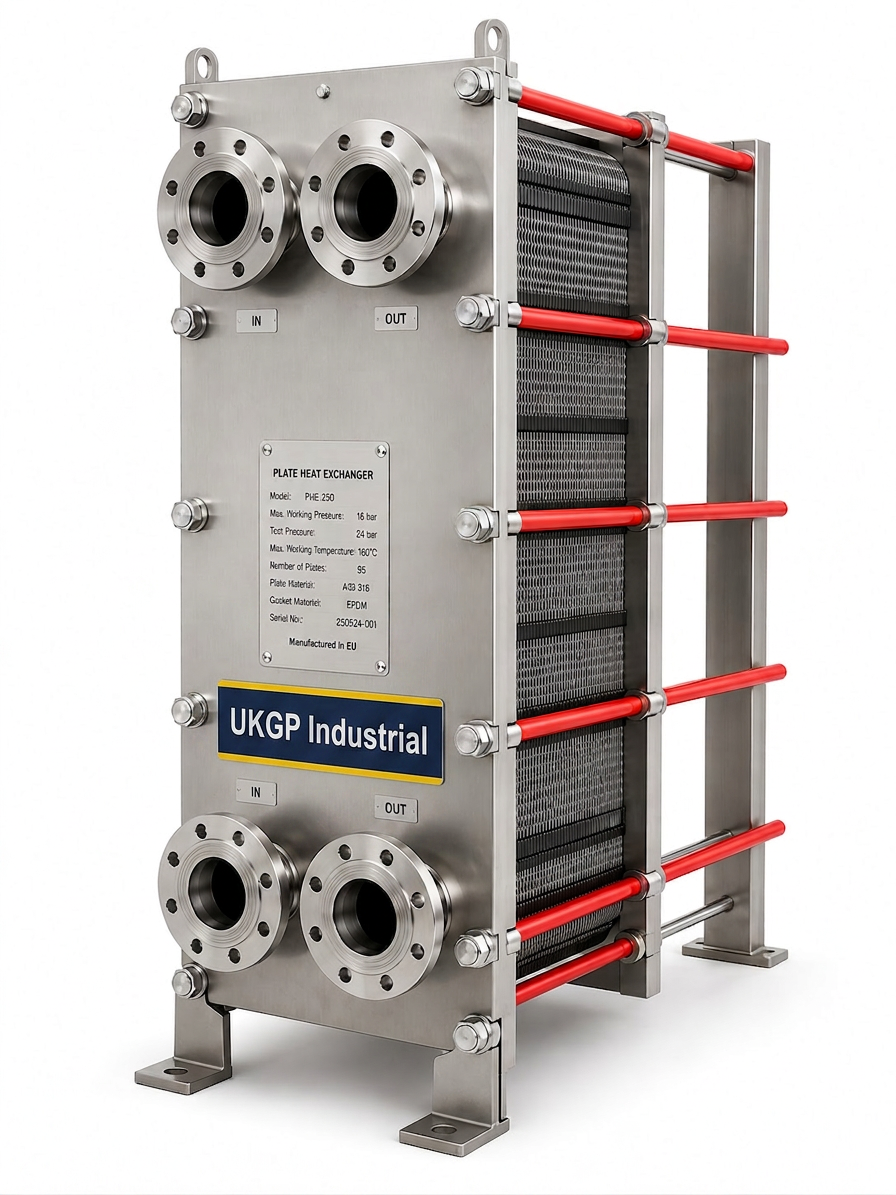
Tightening the plate pack to the correct 'A' dimension is perhaps the most sensitive part of the plate heat exchanger repair process. Under-tightening leads to leaks, while over-tightening can deform the plates and crush the gaskets, leading to permanent damage. Our technical engineers recommend following strict manufacturer torque sequences and using calibrated tools. This precision ensures that the thermal transfer surface area is maximised without compromising the mechanical integrity of the plates. For those managing mission-critical facilities, having a documented repair record is essential for long-term health and safety compliance.
- Always verify gasket material compatibility with current chemical dosing regimes
- Measure the 'A' dimension before and after any maintenance work
- Ensure all plates are installed in the correct 'honeycomb' orientation
- Inspect the carrying bar and guide bar for alignment issues
Integrating Side Stream Filtration to Reduce Repair Frequency
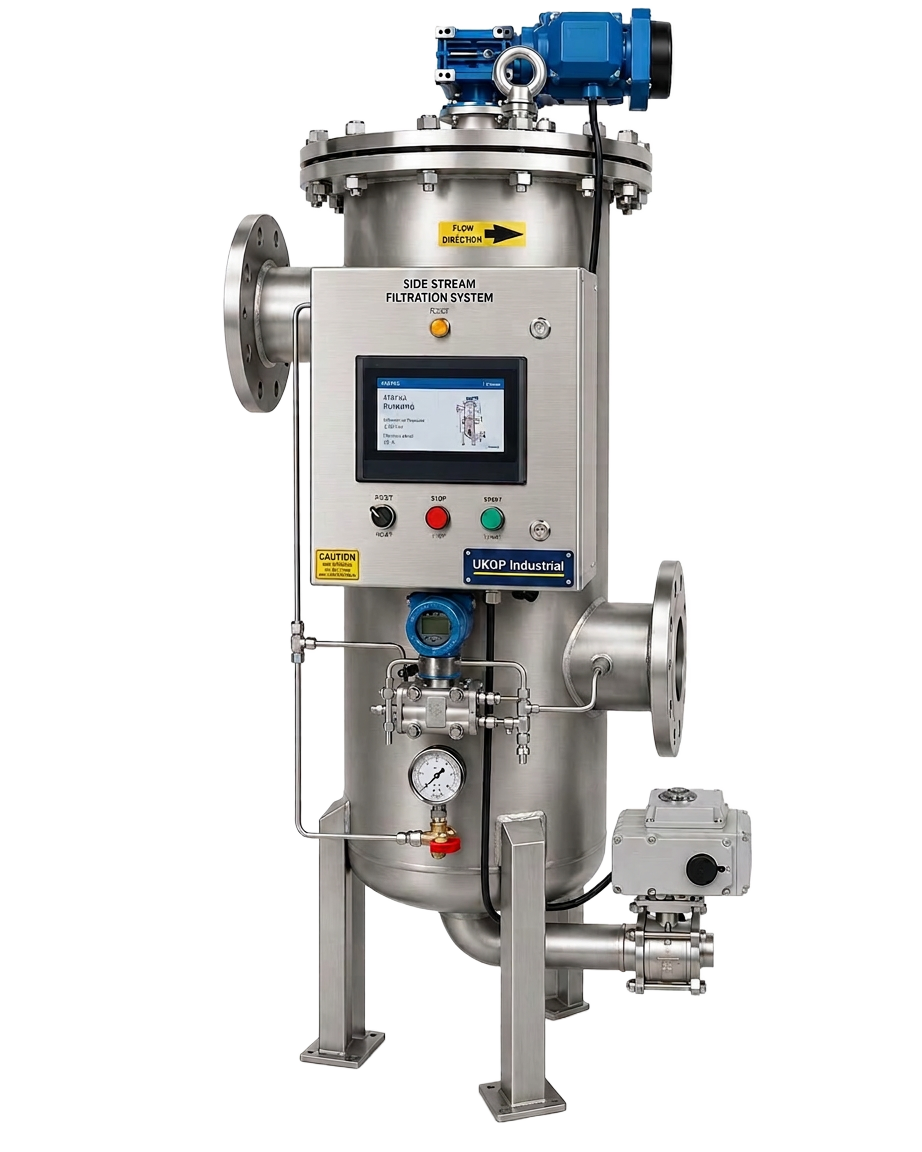
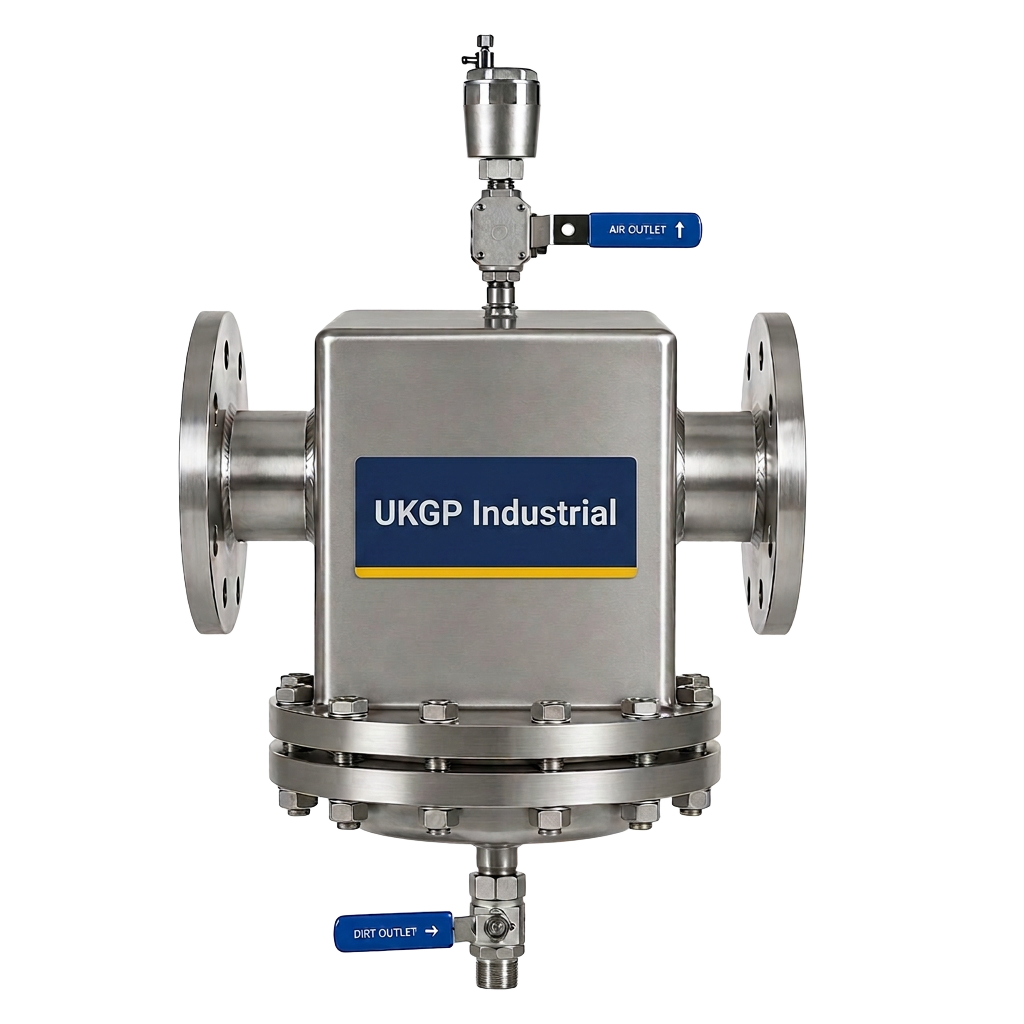
To minimise the future frequency of a plate heat exchanger repair, the integration of high-quality side stream filtration is highly recommended. As per BSRIA BG50 guidelines, maintaining low levels of suspended solids is vital for the protection of heat transfer surfaces. Side stream units continuously remove magnetite and other debris, which are the primary causes of plate fouling in closed-loop systems. By keeping the primary circuit clean, the thermal efficiency of the heat exchanger remains high, reducing the strain on the pump sets and commercial boilers within the local plant room.
The presence of particulate matter can act as an abrasive, leading to erosion within the plate channels. Over time, this erosion thins the stainless steel plates, making a plate heat exchanger repair more frequent and eventually impossible. By specifying a side stream filtration system that can handle at least 5% to 15% of the total system flow, you significantly extend the asset life of your thermal equipment. This proactive maintenance step is often far more cost-effective than repetitive manual cleaning of the plate pack, which requires system drainage and significant man-hours.
When combined with accurate chemical dosing, side stream filtration provides a comprehensive solution for system health. It simplifies the plate heat exchanger repair process by ensuring that when the unit is opened, the level of debris is manageable and the plates are easier to clean. For M&E contractors and consultants, designing this into a new build or retrofit project is a sign of engineering due diligence. UKGP provides a range of filtration skids specifically designed for UK commercial systems, ensuring that your heat transfer components are protected from the day of commissioning.
- Reduce magnetite accumulation in narrow plate channels
- Extend intervals between manual plate cleaning and regasketing
- Improve overall system energy efficiency by maintaining design U-values
- Support compliance with BSRIA BG50 water quality standards
When to Choose New Equipment Over Repair
There are instances where a plate heat exchanger repair is no longer the most economical or technically sound option. If the unit has suffered extensive frame corrosion or if the cost of a full plate and gasket set exceeds 60% of a new unit, replacement should be considered. Furthermore, older units may not meet current efficiency standards or might be sized for old boiler technology that operated on higher temperature differentials. Modern plate heat exchangers offer superior performance, often within a more compact footprint, which can free up valuable space in crowded plant rooms.
For those considering replacement, UKGP offers a comprehensive range of both gasketed and brazed plate heat exchangers, available in sizes from DN20 to DN300. Our units are sized from a full thermal spec provided by your engineers, ensuring that the replacement perfectly matches your system requirements. With a lead time of 4-6 weeks and a 2-year warranty, choosing a new unit can often provide greater peace of mind than a complex plate heat exchanger repair on a legacy asset that has already reached its design life expectancy.
Choosing to upgrade rather than perform a plate heat exchanger repair also allows for the integration of modern materials and gasket designs that were not available when the original unit was installed. New UKGP units come with a 2-year warranty, offering a significant protection period compared to the limited 3 or 6-month warranties typically offered on repair services. If you have a thermal specification ready, our team can provide a competitive quote for a high-performance heat exchanger that will serve your facility for decades to come, backed by full technical support.
- Available in gasketed and brazed variants for all commercial applications
- Sized from DN20 to DN300 for precise flow and head loss matching
- Supplied from full thermal specs with a 2-year manufacturer warranty
- Typical UK lead times of 4-6 weeks for most standard configurations
Ensuring System Stability with Expansion Bellows during Repairs
During a plate heat exchanger repair, the removal of the unit or the isolation of large pipework can introduce mechanical stresses to the system. Expansion bellows are essential components that absorb thermal expansion and vibration, protecting the rigid pipework and the heat exchanger nozzles from fatigue. When re-installing a repaired unit, it is vital to inspect the existing bellows to ensure they are still capable of performing their function. If the bellows have stiffened or show signs of surface cracking, they should be replaced at the same time to prevent future leaks.
Mechanical stress is a leading cause of premature gasket failure in heat exchangers. If the pipework is not properly supported or if thermal expansion is not correctly managed via bellows, the resulting forces can twist the heat exchanger frame, causing the plate pack to sit unevenly. This misalignment often necessitates a premature plate heat exchanger repair. By ensuring that BS EN 14917 compliant expansion bellows are correctly installed on the primary and secondary connections, you provide a degree of flexibility that protects the delicate seals within the plate pack.
UKGP supplies high-quality expansion bellows that are specifically designed for the rigours of commercial HVAC and district heating systems. Incorporating these into your maintenance schedule during a plate heat exchanger repair ensures that the entire system remains resilient against the cycles of heating and cooling. Our technical team can advise on the correct selection of bellows to match your system's pressure and temperature profile, ensuring that your newly repaired or replaced heat exchanger is not subjected to unnecessary mechanical loads that could shorten its service life.
- Absorb thermal expansion and vibration to protect plate gaskets
- Ensure compliance with BS EN 14917 for flexible pipework connections
- Prevent nozzle stress on both gasketed and brazed plates
- Available in various materials tailored to heating or secondary water circuits
Best Practices for Post-Repair Commissioning
Once a plate heat exchanger repair is completed, a structured commissioning process must be followed to ensure the unit is fit for service. This starts with a gradual pressure test to confirm that all gaskets are sealing correctly under operational loads. It is common practice to increase pressure in stages, monitoring for any seeping around the plate pack. This phase is critical to ensure that the work carried out aligns with the expected performance and that the 'A' dimension has been maintained throughout the re-assembly process without compromising the plates.
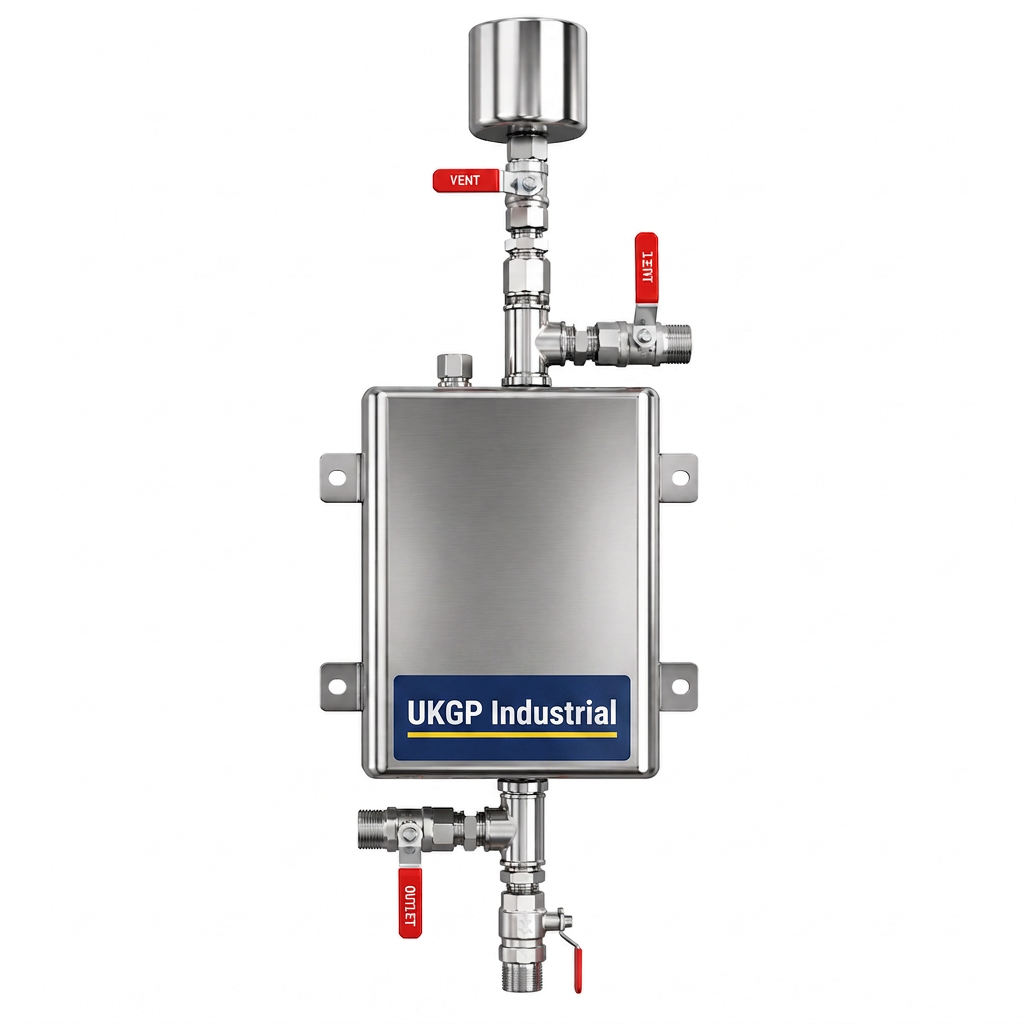
After the mechanical integrity is confirmed, the system should be flushed and the water chemistry checked against the values required by BSRIA BG29. A plate heat exchanger repair is the ideal time to ensure that chemical dosing pots are being used effectively to introduce inhibitors into the circuit. Proper chemical treatment prevents the immediate re-fouling of the freshly cleaned plates, protecting your investment in the repair. Without these chemical safeguards, the high-efficiency surfaces of the heat exchanger can quickly become coated in scale, leading to a repeat of the initial efficiency problems.
Finally, ensure that all sensors and transmitters are recalibrated. Accurate monitoring of temperature and pressure is the only way to verify that the plate heat exchanger repair has successfully restored the unit's thermal capacity. If the unit was correctly sized and the repair was performed to a high standard, the approach temperatures should return to their original design values. For UK building services engineers, documenting these post-repair figures is essential for the Building Log Book, providing a baseline for future maintenance and ensuring the continued efficiency of the commercial plant room.
- Perform a staged pressure test to verify gasket integrity
- Re-commission water treatment via dosing pots to protect clean surfaces
- Verify thermal performance against original design specifications
- Update maintenance logs and BSRIA compliance documentation
Frequently asked questions
How often should I clean a commercial plate heat exchanger?
- Cleaning frequency depends on water quality and system load. Under BSRIA BG50 guidelines, performance should be monitored via pressure drops and temperature differentials; typically, a full inspection or professional cleaning is recommended every 2-3 years.
What is the typical lead time for a replacement plate heat exchanger?
- For units sized from a full thermal spec, UKGP offers a lead time of 4-6 weeks for both gasketed and brazed plate heat exchangers, covering sizes from DN20 to DN300.
Is it better to repair or replace a leaking heat exchanger?
- If the repair cost exceeds 60% of a new unit or the frame is badly corroded, replacement is usually more cost-effective. New UKGP units come with a 2-year warranty, which often provides better long-term value than a plate heat exchanger repair.
Can I perform a plate heat exchanger repair myself?
- While possible, it is not recommended without specialized training and calibrated tools. Precise 'A' dimension tightening and plate alignment are critical; errors can lead to immediate failure or permanent plate damage.
Why do my gaskets keep failing prematurely?
- Premature gasket failure in commercial systems is often caused by poor water chemistry, incorrect gasket material selection, or excessive thermal cycling without expansion bellows to absorb mechanical stress.