The Role of a Plate Heat Exchanger HVAC in Modern Hydronics
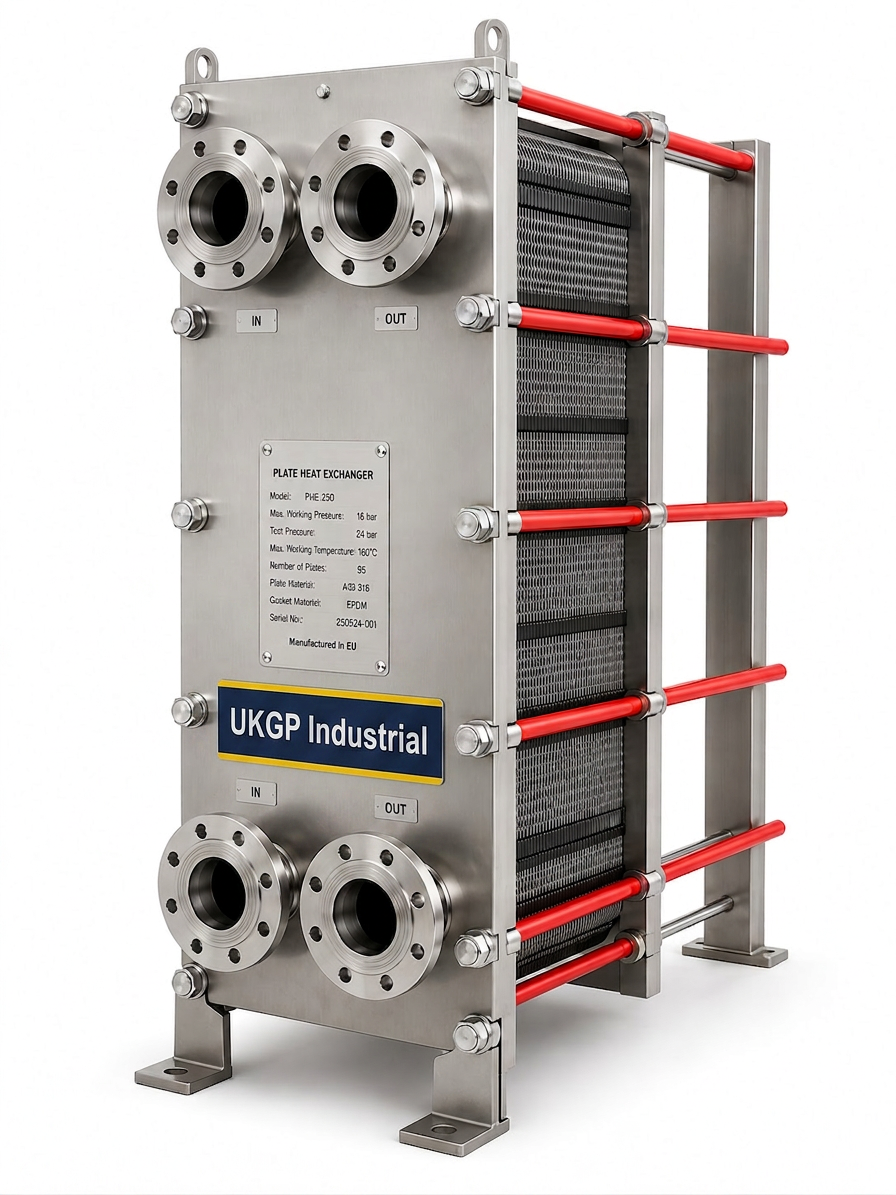
In the contemporary UK commercial landscape, a plate heat exchanger hvac system serves as the critical interface between primary energy generation and demand-side delivery. By utilising a series of corrugated metal plates, these units facilitate rapid heat transfer between two isolated fluids, ensuring that the primary boiler circuit remains protected from the varied pressures and potential contaminants found in secondary heating or chilled water loops. For building services consultants and mechanical engineers, selecting the correct thermal interface is not merely a matter of peak load capacity but of ensuring long-term system stability and ease of maintenance in line with current CIBSE guidelines for efficient heat exchange.
When designing for a plate heat exchanger hvac application, the choice between gasketed and brazed configurations is paramount. Gasketed models offer the advantage of being fully serviceable and expandable, allowing FM teams to strip down the unit for manual cleaning or add additional plates if the building's demand increases. Conversely, brazed units provide a compact, hermetically sealed alternative suited for smaller footprints where space in the plant room is at a premium. UKGP provides both varieties, ensuring that regardless of whether you are managing a high-rise office block or a district heating substation, the thermal performance remains optimised for the specific Delta T requirements of your commercial project.
A primary driver for the adoption of plate heat exchanger hvac technology is the protection it offers to the central plant. Modern condensing boilers, often sourced from leading commercial boiler manufacturers, feature thin-walled heat exchangers that are highly sensitive to water quality. By hydraulically separating the boiler from the wider distribution system, the PHE prevents debris, sludge, and magnetite from entering the primary loop. This separation is a core tenet of BSRIA BG50 recommendations, which emphasise the need for proactive water quality management to prevent premature component failure and maintain the manufacturer's warranty on high-cost energy generation assets.
- Effective hydraulic separation protecting primary boiler circuits.
- High thermal efficiency with low log mean temperature differences (LMTD).
- Compact footprint compared to traditional shell-and-tube or calorifier designs.
- Scalability options through the addition of plates in gasketed configurations.
Thermal Sizing and Specification for UK Plant Rooms
Specifying the correct plate heat exchanger hvac unit requires a comprehensive thermal profile, encompassing primary and secondary flow rates, inlet/outlet temperatures, and allowable pressure drops. At UKGP, we move beyond simple capacity estimates; we size our units from a full thermal spec provided by the consultant or lead engineer. This ensures that the PHE is neither undersized, which leads to insufficient heating, nor oversized, which causes unnecessary pumping costs and increased fouling. Our range covers DN20 to DN300 connections, allowing for precise matching to the pipework diameters typically found in UK commercial installations, from small ancillary rooms to large-scale industrial heating hubs.
The heat transfer coefficient of a plate heat exchanger hvac unit is significantly influenced by the plate material and corrugation pattern. For standard HVAC applications, 316-grade stainless steel is the benchmark, providing excellent corrosion resistance and durability. The specific chevron pattern on the plates promotes turbulent flow even at lower velocities, which enhances the heat transfer rate while naturally scrubbing the plate surface to reduce the rate of fouling. This turbulence is key to maintaining the design Delta T, particularly in low-temperature hot water (LTHW) systems where modern heat pumps or condensing boilers are the primary heat source, requiring precision in exchange efficiency.
Procurement leads and M&E contractors must also consider the lead times and support structures surrounding their heat exchanger selection. In a fast-paced construction environment where delays are costly, UKGP offers a standard lead time of 4-6 weeks for most configurations. Furthermore, every unit is backed by a 2-year warranty, providing peace of mind to the end-user and the FM provider. When you request a quote for a UKGP plate heat exchanger, you are investing in a product that is not only built to withstand the rigours of continuous operation but is also supported by technical expertise that understands the nuances of the British building services sector.
- Sized from full thermal specifications for bespoke performance.
- Available in DN20-DN300 configurations to suit all pipework sizes.
- Lead times of 4-6 weeks to keep project timelines on track.
- Comprehensive 2-year warranty included as standard on all PHE units.
Integrating Air and Dirt Separation for System Longevity
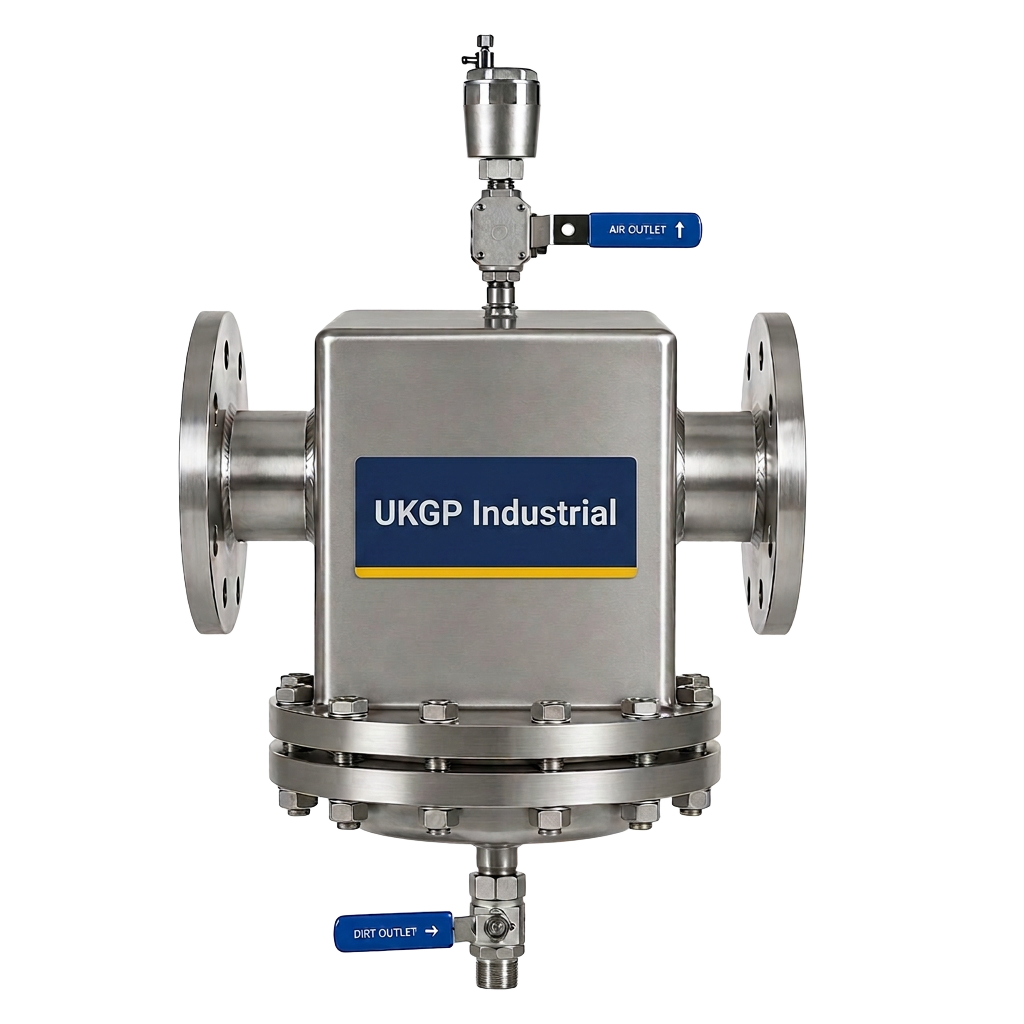
While the plate heat exchanger hvac serves as a thermal barrier, it remains susceptible to performance degradation if the water quality is poor. Air and dirt are the primary enemies of heat transfer surfaces. Micro-bubbles can cause noise and erosion, while suspended solids can settle within the narrow channels of the PHE plates, leading to significant pressure drops and reduced thermal output. For this reason, we strongly recommend the installation of an air and dirt separator immediately upstream of the heat exchanger on both the primary and secondary sides. This ensures that the fluid entering the PHE is clear of the particulates that typically cause fouling.
Adhering to BSRIA BG29 and BG50 is not an optional extra for the modern plant room; it is a necessity for maintaining system efficiency. By removing 100% of air and even the smallest dirt particles, you prevent the formation of insulating layers on the internal plates of your plate heat exchanger hvac unit. This proactive approach to system cleanliness reduces the frequency of maintenance shutdowns and ensures that the system performs at its designed efficiency for the duration of its lifespan. Facility managers often find that the initial investment in high-quality separation technology pays for itself through reduced energy bills and lower remedial repair costs over time.
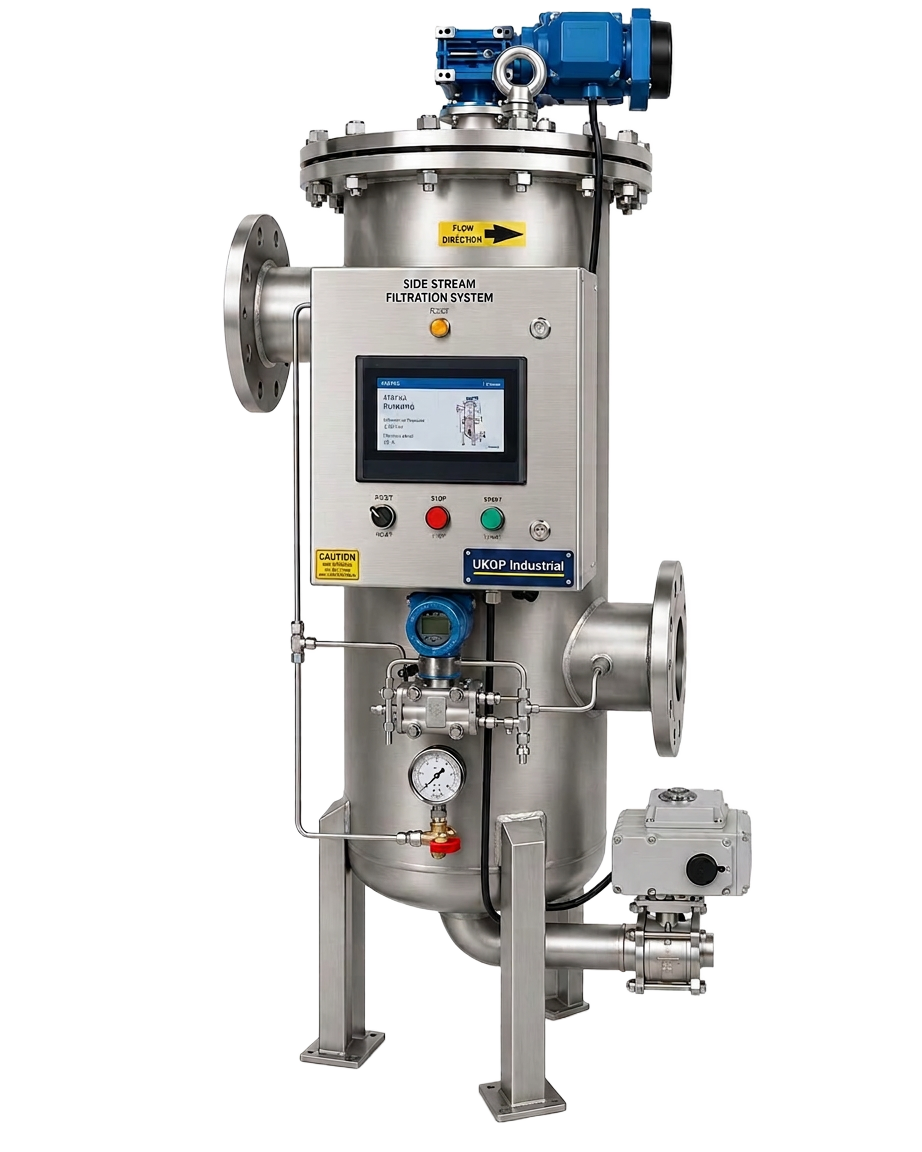
In many UK commercial systems, the combination of high-efficiency pumps and sophisticated control valves makes the system sensitive to hydraulic fluctuations. An air and dirt separator, when used in conjunction with a side stream filtration unit, creates a managed environment where the plate heat exchanger hvac can operate without the risk of blockage. This is particularly vital in retrofit projects where existing pipework may contain decades of accumulated debris. By cleaning the system water effectively, you ensure that the thin channels of the PHE remain clear, preserving the high turbulence required for effective heat transfer.
- Continuous removal of air and dirt to protect heat transfer surfaces.
- Essential for compliance with BSRIA BG29 and BG50 standards.
- Reduces manual maintenance and plate cleaning requirements.
- Improves overall system energy efficiency and longevity.
Compliance with BS EN and BSRIA Standards
Ensuring that a plate heat exchanger hvac installation meets British and European standards is critical for safety and performance validation. All UKGP heat exchangers are manufactured to rigorous quality standards, ensuring they can handle the specified design pressures and temperatures encountered in commercial buildings. When designing systems with expansion bellows, compliance with BS EN 14917 is essential to manage the thermal expansion forces that occur as the plate heat exchanger hvac ramps up to full capacity. Failure to account for these movements can put undue stress on the PHE nozzles, potentially leading to leaks at the connection points.
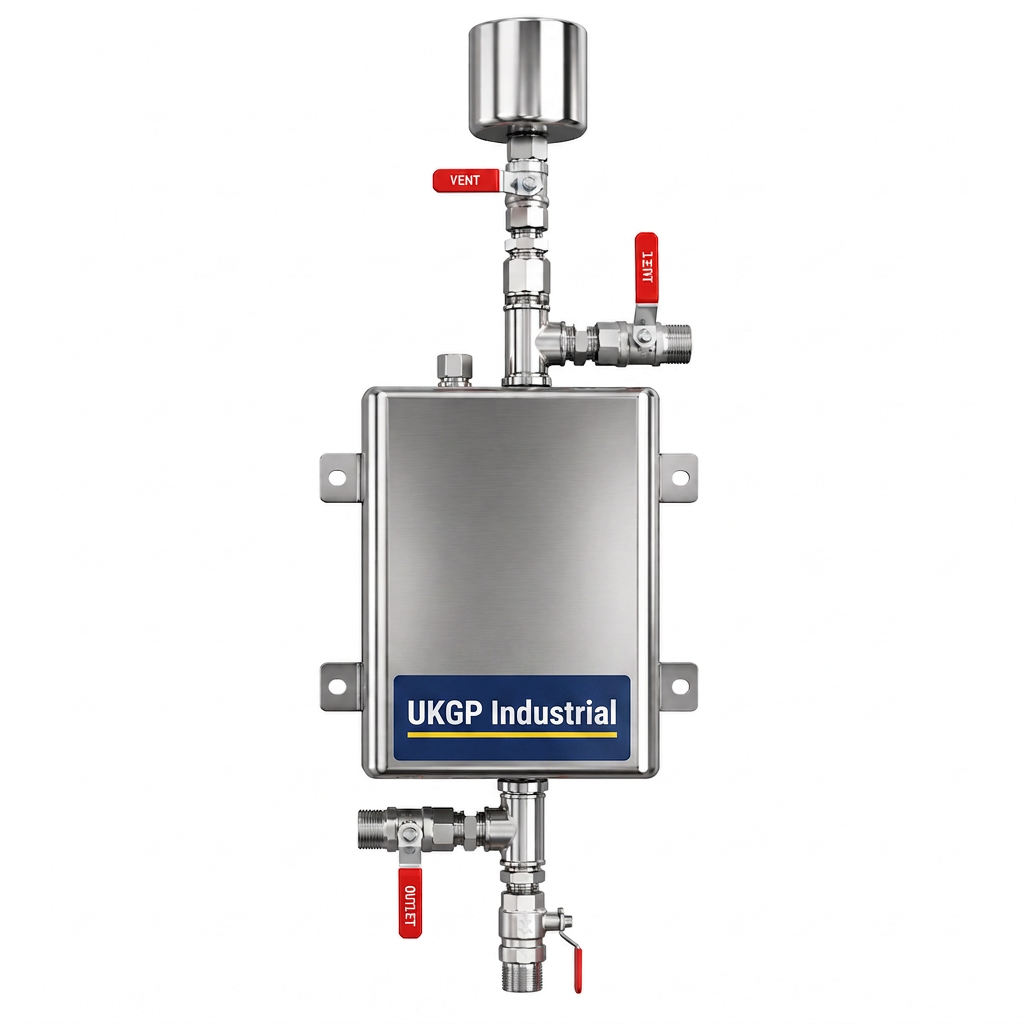
For engineers focusing on long-term sustainability, BSRIA BG50 provides the framework for water treatment and system monitoring. The plate heat exchanger hvac is often the first component to show signs of poor water chemistry. If scaling occurs, it reflects a failure in the water treatment regime. Utilizing chemical dosing pots and side stream filtration as part of a holistic water management strategy is the only way to ensure the PHE remains efficient. Regular testing of the system water, according to BS 8552, allows FM teams to adjust chemical levels before any detrimental impact on the heat exchanger occurs, thereby protecting the investment.
Safety is further enhanced through the use of proper pressure vessel design and relief valve placement. Each plate heat exchanger hvac system should be protected by appropriately sized expansion vessels to accommodate the volume changes within the circuit. At UKGP, we understand that every component in the plant room must work in concert. From the low loss header that manages flow balance to the pH sensors that monitor the integrity of the water, our products are designed to support a stable operating environment for your heat exchanger, ensuring that the primary energy source operates within its peak efficiency range without risk of thermal shock.
- Adherence to BS EN 14917 for expansion and stress management.
- Monitoring and testing protocols aligned with BS 8552.
- Integrated approach with dosing pots for chemical water treatment.
- Validation of thermal performance through accurate BSRIA-guided commissioning.
Maintenance Protocols for Gasketed and Brazed Units
Maintenance requirements differ significantly depending on the type of plate heat exchanger hvac unit installed. For gasketed units, the maintenance cycle typically involves periodic inspection of the gaskets and checking for signs of external leakage. If the pressure drop across the unit increases beyond the design tolerance, it is often a sign of fouling. These units can be opened, and the plates cleaned manually or chemically without replacing the entire assembly. This makes gasketed PHEs the preferred choice for large-scale HVAC systems where downtime is costly but the ability to restore the unit to 100% efficiency is commercially desirable.
Brazed plate heat exchangers, while compact and efficient, cannot be opened for cleaning. Instead, they require a 'Clean-In-Place' (CIP) procedure. By circulating a descaling or cleaning solution through the unit, the internal surfaces can be cleared of deposits. This is a common requirement in residential or light commercial plate heat exchanger hvac applications where space constraints make larger units impractical. Even with CIP routines, the importance of upstream filtration cannot be overstated; once a brazed unit is severely blocked by debris, it often requires a full replacement, making the 2-year warranty and high-quality build of UKGP units a vital safeguard for contractors.
Routine monitoring of temperature and pressure across the plate heat exchanger hvac is the most effective way to identify performance drift. Most modern plant rooms utilize building management systems (BMS) to track these parameters in real-time. If the secondary flow temperature begins to drop despite constant primary input, it is a clear indicator that the thermal transfer efficiency is being compromised. By addressing these issues early, through chemical dosing or filter cleaning, facility managers can avoid the high costs associated with emergency repairs and the building discomfort that follows an unplanned heating or cooling failure.
- Periodic gasket inspection and tightening for serviceability.
- Clean-In-Place (CIP) procedures for compact brazed units.
- BMS integration for real-time performance monitoring and alerts.
- Annual water analysis to prevent scaling and corrosion within plates.
Future-Proofing HVAC with High-Efficiency PHEs
As the UK transitions toward low-carbon heating, the role of the plate heat exchanger hvac becomes even more pivotal. Modern heat pumps typically operate at lower temperatures and smaller temperature differences than traditional gas-fired boilers. This requires heat exchangers with significantly larger surface areas and more intricate plate designs to achieve the necessary heat transfer. Choosing a partner like UKGP ensures that your heat exchanger is sized accurately for these evolving thermal demands, ensuring that the shift to sustainable energy does not come at the expense of building comfort or operational reliability.
The integration of smart technology into the plant room also allows for more precise control over the plate heat exchanger hvac operation. Variable speed pumps and modulating valves can adjust the flow rates based on demand, which in turn changes the Reynolds number and turbulence within the PHE. A well-specified unit will maintain high efficiency even under part-load conditions, ensuring that the total system energy consumption is minimized. This level of control is essential for modern BREEAM-rated buildings where every watt of energy must be accounted for and optimized through intelligent design and component selection.
In conclusion, the successful deployment of a plate heat exchanger hvac unit in a UK plant room depends on accurate sizing, robust filtration, and adherence to established industry standards like BSRIA and CIBSE. By opting for a UKGP plate heat exchanger—be it a gasketed or brazed model, ranging from DN20 to DN300—you gain a solution backed by technical expertise and a 2-year warranty. Our 4-6 week lead times ensure that your professional project remains on schedule while delivering a thermally efficient, reliable interface for your building's critical infrastructure.
- Adaptable designs for low-carbon heat pump integration.
- Optimised for part-load efficiency in variable flow systems.
- Support for BREEAM and LEED energy efficiency certification.
- Bespoke thermal engineering to meet Net Zero building objectives.
Frequently asked questions
What is the typical lead time for a UKGP plate heat exchanger hvac unit?
- Our standard lead time for both gasketed and brazed plate heat exchangers is 4-6 weeks from the approval of the technical design and order.
Can I get a bespoke plate heat exchanger hvac sized for my specific Delta T?
- Yes, we size every unit from a full thermal specification provided by the client, ensuring the PHE matches your specific flow rates and temperature requirements exactly.
What size connections are available for commercial plant rooms?
- UKGP provides plate heat exchangers with connection sizes spanning from DN20 for small ancillary systems up to DN300 for large-scale industrial and district heating applications.
Do you offer a warranty on your heat exchangers?
- Every UKGP plate heat exchanger comes with a comprehensive 2-year warranty, reflecting our confidence in the build quality and thermal performance of our units.
Is the unit suitable for both gasketed and brazed configurations?
- Yes, we offer both gasketed (serviceable) and brazed (compact) configurations to suit the specific maintenance needs and space constraints of your project.