Determining Plate Heat Exchanger Gasket Lifespans
The operational lifespan of a plate heat exchanger gasket is rarely a fixed window, as it depends heavily on the specific mechanical and chemical stressors present within the secondary and primary circuits. In standard LTHW applications, most high-quality gaskets, such as those made from EPDM or Nitrile, are engineered to provide dependable service for approximately three to five years before the physical properties of the elastomer begin to compromise. However, these intervals can shorten significantly if the system frequently exceeds rated temperature thresholds or if the chemical dosing regimen deviates from BSRIA BG50 guidelines, which detail the necessity of maintaining water chemistry to prevent seal degradation and scale build-up on the plates themselves.
Engineers must account for the compression set, where the gasket loses its elasticity and can no longer provide a tight seal against the internal fluid pressure. In large-scale UK district heating or process cooling environments, the thermal cycling frequency plays a major role; constant expansion and contraction put mechanical strain on every plate heat exchanger gasket, gradually leading to hardening and potential leaks. Monitoring these cycles alongside daily pressure logs provides a clearer picture of when a replacement is due rather than relying solely on the calendar, ensuring that the critical thermal interface remains secure while preventing costly emergency call-outs for flood remediation in the plant room.
When consulting with UKGP, our technical team highlights that the choice between gasketed and brazed units often comes down to this very maintenance requirement. Gasketed units offer the flexibility for manual cleaning and seal replacement, which is critical in systems with high fouling potential. By establishing a 4-year baseline for inspection and potential replacement of your plate heat exchanger gasket, you align with best practices that prioritise system uptime over reactive repairs. This proactive approach is particularly vital for building services consultants who are designing resilient systems that must adhere to stringent efficiency targets and operational longevity requirements across the UK's commercial building stock.
- Typical EPDM/Nitrile gasket lifespan: 3 to 6 years.
- Influence of peak operating temperatures on seal hardening.
- Role of chemical dosing and water quality (BSRIA BG50).
- Impact of thermal cycling on elastomeric compression set.
Signs of Failures in a Plate Heat Exchanger Gasket
Identifying early symptoms of wear in a plate heat exchanger gasket involves both visual inspections and performance monitoring. The most obvious indicator is external leakage, appearing as weeping or crystallization around the plate pack's perimeter where the seals are compressed. If these leaks are ignored, they can lead to external corrosion of the pressure plates and tie bars, eventually requiring a more expensive overhaul. Furthermore, internal cross-contamination between the two fluid streams can occur if a gasket fails at a port, which is a critical failure point in DHW systems where thermal separation must be maintained to comply with safety and hygiene regulations.
A decline in thermal performance, often noticed as a rising approach temperature, can also indicate that the gaskets are no longer seated correctly or that the plate pack has been compromised by debris. If you observe that the secondary flow temperature is failing to meet setpoints despite adequate primary supply, it is time to inspect the condition of every plate heat exchanger gasket. In high-pressure applications where DN100 or DN200 units are common, these leaks can become catastrophic quickly, making the inclusion of high-quality components and regular pressure testing a non-negotiable part of the facility management workflow across industrial sites.
Beyond just visual checks, engineers should monitor the pressure drop across the unit. While a rise in pressure drop often points to scaling or debris, it can also indicate that the initial compression of the plate pack has shifted due to gasket thinning. When this happens, simply tightening the tie bars is a temporary fix that can actually damage the plates. Instead, the correct procedure is to source a replacement plate heat exchanger gasket set that matches the original thermal specification. UKGP provides comprehensive support for sizing replacements and ensuring that new gaskets are compatible with your existing heat transfer media and temperature profiles.
- Visual weeping or salt deposits around the plate edges.
- Cross-contamination indicating port seal failure.
- Unexplained drops in heat transfer efficiency.
- Increased approach temperatures in the secondary circuit.
Environmental and Chemical Factors Affecting Longevity
The chemistry of the circulating fluid is perhaps the most significant external variable affecting the integrity of a plate heat exchanger gasket. High concentrations of oxygen, or the presence of aggressive additives not recommended by CIBSE, can cause the elastomer to swell, soften, or become brittle. For example, if a dosing pot is used to introduce chemicals without proper dilution or monitoring via pH sensors and transmitters, the localized chemical shock can degrade the seal material rapidly. Maintaining a stable pH and ensuring that the system is free from dissolved gases is critical for protecting the delicate polymer bonds within the gasket material.
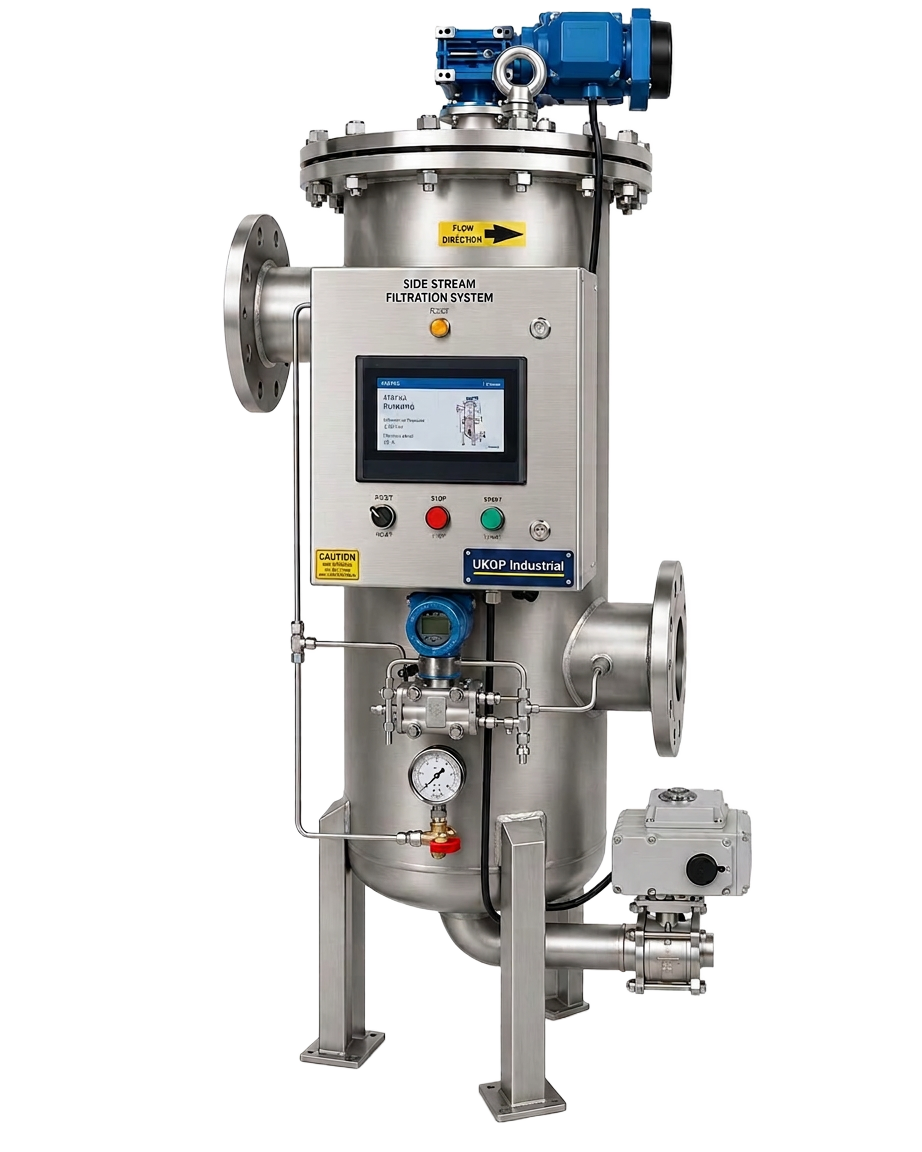
Particulate matter, such as iron oxide or magnetite, can also lodge itself between the gasket and the plate, creating micro-gaps that eventually lead to high-velocity erosion or 'crevice corrosion'. Integrating professional side stream filtration can drastically extend the time between services by removing these abrasive solids. When these particles are kept in check, the plate heat exchanger gasket remains flush against the metal surface, ensuring a perfect seal. It is a known industry standard that systems following BSRIA BG29 for pre-commission cleaning and BG50 for ongoing treatment see a measurable increase in the service life of all plant room elastomeric components.
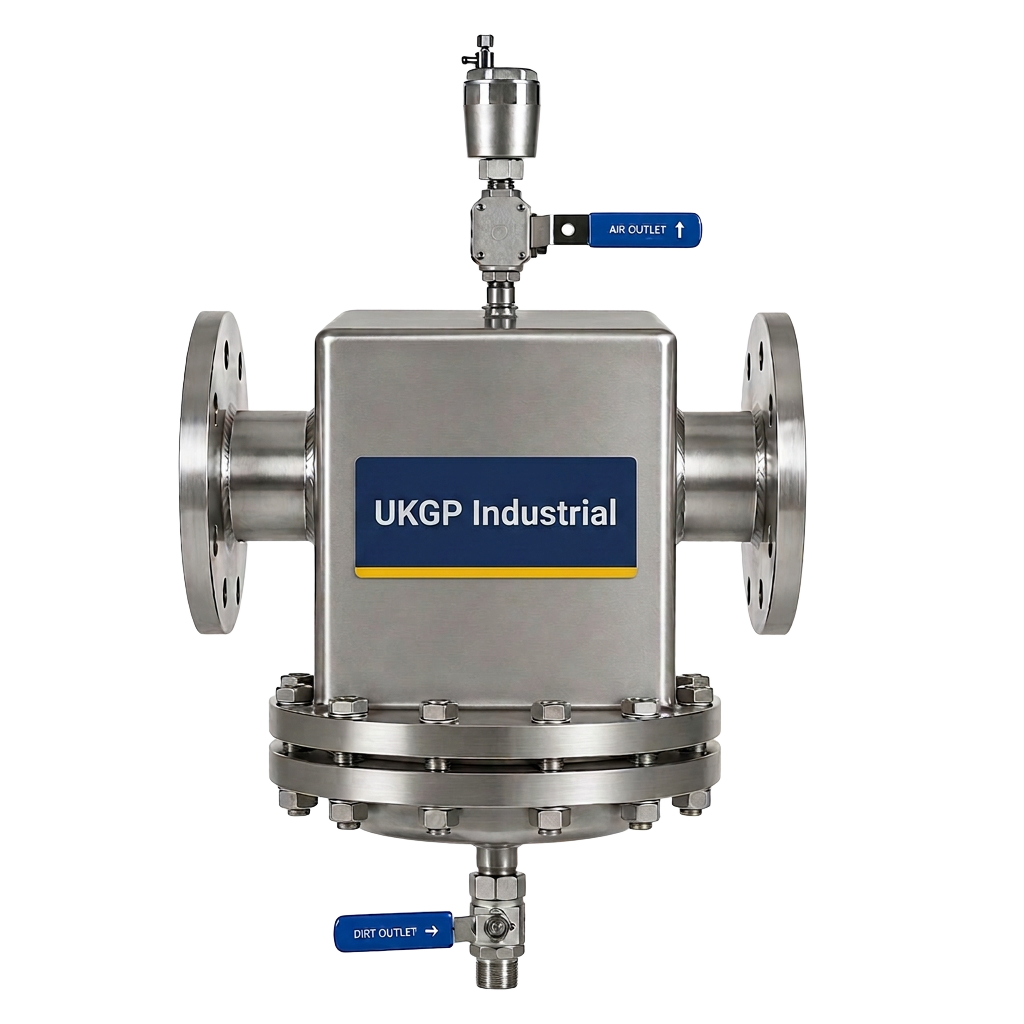
Temperature fluctuations also play a vital role. In many HVAC applications, the plant may sit idle during summer or experience rapid load changes during peak winter demand. This thermal 'yo-yoing' stresses the plate heat exchanger gasket more than constant-load industrial processes. Ensuring that your expansion bellows and air & dirt separators are functioning correctly helps to mitigate the physical shocks and cavitation that might otherwise compromise the seals. At UKGP, we supply a range of plate heat exchangers with DN20 to DN300 connections, all sized from full thermal specs to ensure they operate within safe margins, reducing the wear and tear on your gaskets.
- Chemical compatibility with EPDM, NBR, or Viton seals.
- Erosive effects of magnetite and suspended solids.
- Thermal shocks caused by rapid modulation and cycling.
- Avoidance of localized chemical shocks via dosing pots.
Standard Procedures for Gasket Replacement
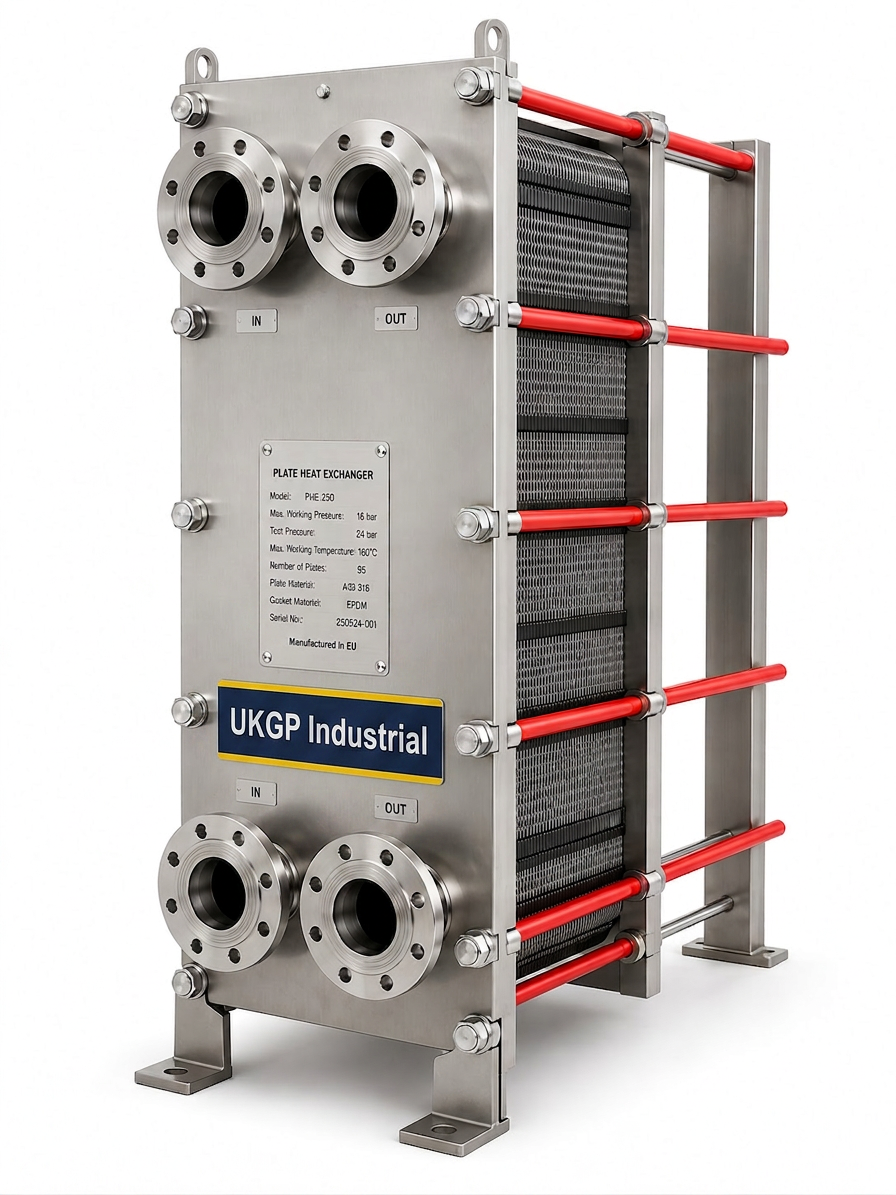
When the replacement interval for your plate heat exchanger gasket arrives, the process must be handled with precision to avoid damaging the stainless steel or titanium plates. The system must be fully isolated, drained, and cooled before the tie bars are loosened. It is essential to measure and record the current 'A' dimension (the distance between the two pressure plates) before disassembly. This ensures that when the new gaskets are installed, the unit can be compressed back to the manufacturer's specific tolerance, maintaining the correct tension without over-compressing the new rubber seals, which would shorten their life.
Proper cleaning of the gasket grooves is the most tedious but important part of the job. Any residual glue or old rubber must be removed carefully using non-metallic scrapers to prevent scratching the metal, which could lead to future corrosion sites. For glue-free 'clip-on' gaskets, the grooves must be completely free of debris to ensure a positive fit. Once the new plate heat exchanger gasket is in place, the plates are re-stacked according to the flow pattern diagram. Following this sequence carefully is vital, especially in multi-pass units where the flow direction changes across different plate banks to maximize heat transfer efficiency.
Once reassembled, the unit should be slowly pressurized and tested for leaks before returning to full service. UKGP offers a two-year warranty on our heat exchanger products, and we recommend that only qualified M&E contractors perform these replacements to maintain the validity of the thermal performance. For those managing large portfolios, having a spare set of gaskets on-site is a prudent measure, particularly given the 4-6 week lead time often associated with specialty thermal equipment. Planning your maintenance in advance allows for a smooth transition and ensures your plate heat exchanger gasket inventory is ready for the next scheduled shutdown.
- Documenting the 'A' dimension before disassembly.
- Thorough cleaning of gasket grooves to prevent leaks.
- Careful alignment of flow ports during re-stacking.
- Gradual pressurization and leak testing post-assembly.
Role of Ancillary Equipment in Seal Preservation
While the focus is often on the plate heat exchanger gasket itself, the longevity of these seals is heavily supported by ancillary plant room components. Air and dirt separators are crucial for removing micro-bubbles and fine debris that can cause abrasive wear or localized hotspots on the gaskets. Similarly, the use of low loss headers ensures that primary and secondary circuits are hydraulically separated, preventing pressure spikes that might otherwise 'blow' a gasket during pump start-up. By stabilizing the hydraulic environment, you provide the best possible conditions for the gaskets to reach their maximum design life without premature failure.
Expansion bellows also play a protective role by absorbing the mechanical vibration and thermal expansion of the pipework before these forces can act on the heat exchanger's connections. If a system lacks adequate expansion control, the stress is transmitted directly to the plate pack, potentially causing the plates to shift and the plate heat exchanger gasket to unseat. Integrating these components into your plant design—as provided in UKGP’s full range—is a strategic move to reduce long-term maintenance costs and improve the reliability of the entire thermal network for the building's occupants.
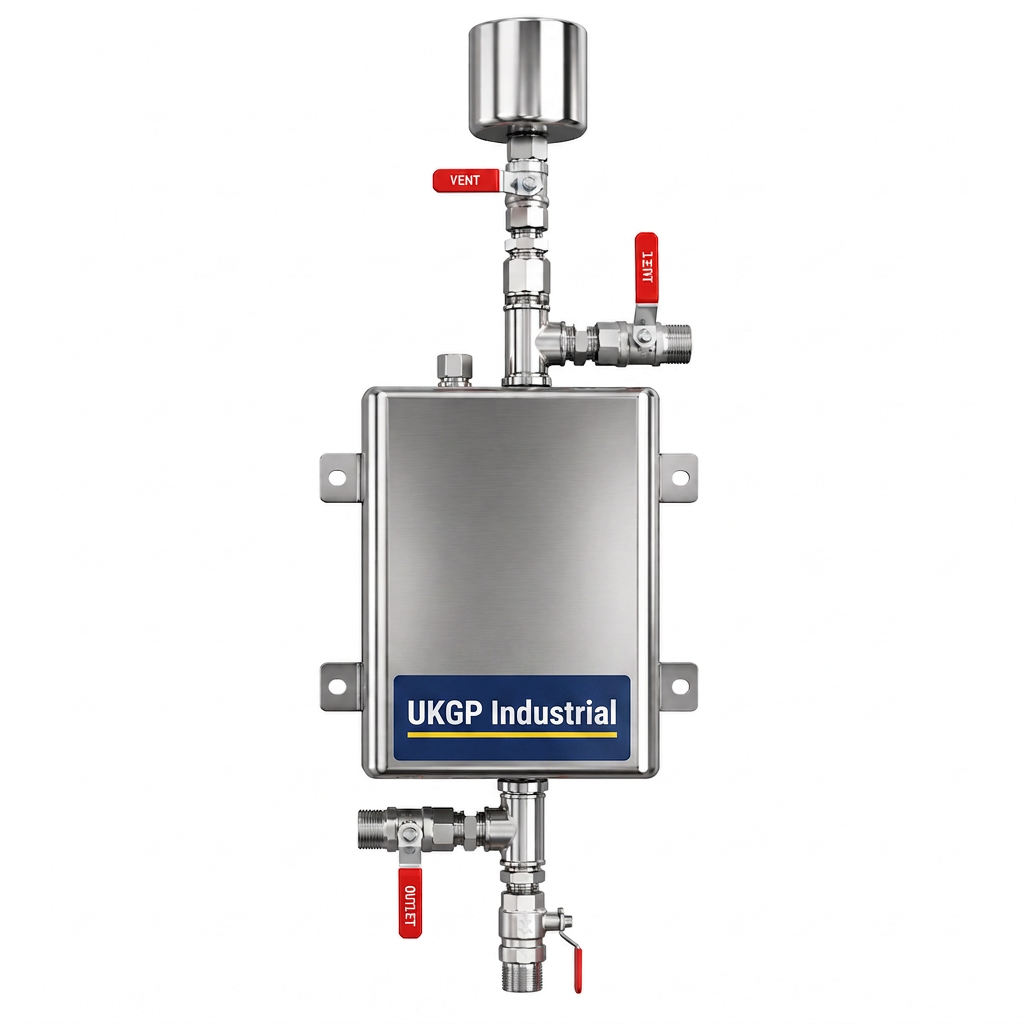
Furthermore, using a chemical dosing pot to maintain levels of corrosion inhibitors ensures that the metal surfaces remain passive and the gaskets are not subject to acidic or alkaline attack. In any UK commercial setting, from hospitals to office blocks, the cost of a plate heat exchanger gasket replacement is far lower than the cost of a complete unit failure or system-wide contamination. By investing in the right supporting infrastructure, you are effectively buying insurance for your thermal assets, ensuring that they continue to perform at their rated capacity for years to come, backed by a solid 2-year manufacturer warranty.
- Hydraulic balancing via low loss headers.
- Vibration isolation using high-quality expansion bellows.
- Consistent water quality management with dosing pots.
- Debris removal with air and dirt separation units.
Procurement and Sizing for Optimal Gasket Performance
Selecting the right plate heat exchanger gasket begins with procurement. It is not enough to simply match the physical dimensions; the material must be matched to the thermal spec. At UKGP, we provide both gasketed and brazed solutions, ranging from DN20 to DN300. When you request a quote, our engineers size the unit from a full thermal spec to ensure that the gaskets are operating within their optimal pressure and temperature ranges. This bespoke approach eliminates the guesswork and ensures that every plate heat exchanger gasket we supply is fit for purpose, whether it is for domestic hot water, underfloor heating, or process cooling.
Lead times are also a critical factor in procurement strategy. With a standard 4-6 week lead time for our specialized heat exchangers and gasket sets, planning your replacement intervals in line with BSRIA BG50 recommendations is essential for avoiding site downtime. We encourage M&E contractors and procurement leads to stay ahead of the curve by auditing their plant rooms annually. If a unit is reaching its fifth year of service, the risk of a plate heat exchanger gasket failure increases. Ordering your replacement kit early ensures that you are prepared for a controlled, scheduled maintenance window rather than an emergency rush.
Finally, ensure that any replacement gaskets come with the backing of a reputable UK supplier who understands the technical nuances of your application. Every UKGP plate heat exchanger and gasket set is designed to meet the rigorous demands of the UK building services industry. With a focus on durability, performance, and commercial awareness, we provide the technical SEO-standard documentation and support needed to keep your projects running efficiently. Contact us today for a full thermal sizing and a quote for your next plate heat exchanger gasket requirement, and benefit from our 2-year warranty and expert engineering guidance.
- DN20 to DN300 sizing for all commercial applications.
- 4-6 week lead times for bespoke thermal solutions.
- Full thermal specification required for accurate sizing.
- Two-year warranty on all UKGP PHE products.
Frequently asked questions
How often should I replace my plate heat exchanger gasket?
- On average, gaskets should be replaced every 4 to 6 years in standard HVAC conditions. This interval may shorten if the system experiences high temperatures, chemical imbalances, or frequent thermal cycling.
What material is best for a plate heat exchanger gasket?
- EPDM is most common for water-to-water heating applications up to 150°C. Nitrile (NBR) is often used for oily media or lower temperature water, while Viton is reserved for high-temperature or aggressive chemical environments.
Can I reuse a plate heat exchanger gasket after cleaning the plates?
- It is generally not recommended to reuse gaskets once the plate pack has been decompressed. The elastomeric material often takes a permanent set and will likely leak upon reassembly.
What is the lead time for UKGP replacement gaskets?
- Our standard lead time for plate heat exchangers and replacement gasket sets is 4-6 weeks, ensuring that gaskets are sourced according to the precise thermal specifications of your unit.
Do you offer warranties on heat exchanger components?
- Yes, UKGP provides a 2-year warranty on our plate heat exchangers, covering both gasketed and brazed units sized from DN20 to DN300.