The Role of a Plate Heat Exchanger in Solar Thermal Duty
In commercial solar thermal applications, the primary goal is to harvest low-grade heat and transfer it effectively into the building domestic hot water circuit. A plate heat exchanger acts as the critical thermal interface, separating the solar glycol loop from the potable water supply. This separation is vital for protecting the DHW system from contamination and managing the high pressures often found in solar arrays. Our gasketed and brazed units are engineered to handle these temperature swings, ensuring that solar gain is captured even during periods of low irradiance. Choosing the right thermal profile allows for a closely controlled approach temperature, which is the cornerstone of a sustainable HVAC design strategy.
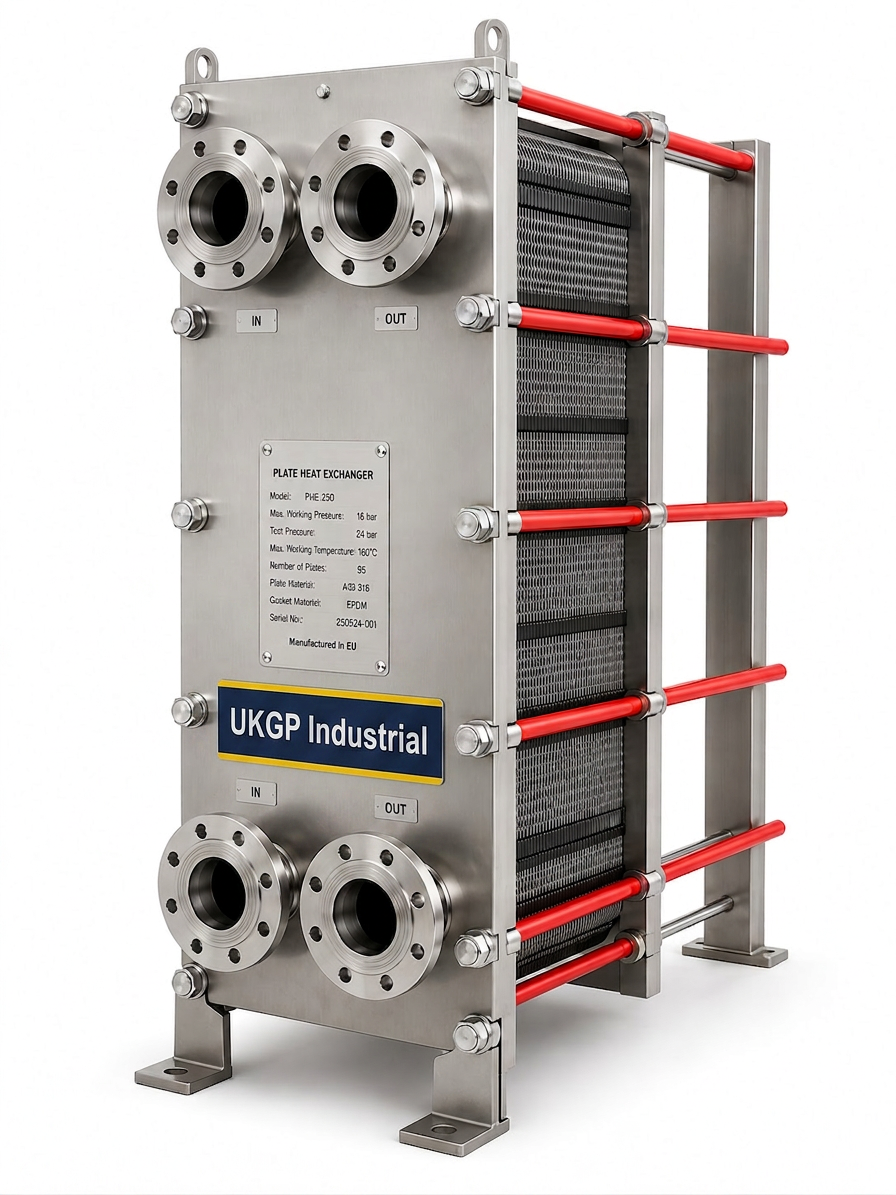
When designing these systems, building services consultants must account for the peak output of the solar collectors versus the immediate demand of the DHW load. A plate heat exchanger configured by UKGP Industrial can bridge this gap by providing a high surface area for heat transfer within a compact footprint. This is particularly beneficial in cramped London plant rooms where traditional coil-in-tank calorifiers are often too bulky or inefficient for modern performance requirements. By using thin, corrugated plates, our units create high-turbulence flow even at low velocities, which significantly enhances the heat transfer coefficient compared to shell-and-tube alternatives, ensuring that every kilowatt of solar energy is utilised effectively.
To ensure long-term reliability in line with CIBSE CP1 standards for solar thermal systems, the materials used in the plate heat exchanger must be compatible with both the primary solar fluid and the secondary potable water. Our units are typically supplied in Grade 316 stainless steel as standard to prevent corrosion and ensure a long service life. For larger commercial installations requiring high flow rates, we offer DN20 to DN300 connections. Precision engineering allows for a low pressure drop across the plates, which reduces the pumping power required and further improves the overall seasonal efficiency of the solar thermal installation, making it a commercially viable choice for developers.
- Hydraulic separation between solar glycol and DHW circuits
- Compact footprint ideal for secondary plant room retrofits
- High turbulence design to minimise fouling and maximise gain
- Compatible with high-temperature solar applications up to 180°C
System Design and BSRIA BG50 Compliance
Maintaining water quality is paramount for the longevity of any plate heat exchanger in a closed-loop solar or DHW system. BSRIA BG50 guidelines emphasize the importance of preventing corrosion and scale buildup, which can drastically reduce the thermal efficiency of the heat transfer surfaces. If the primary glycol circuit becomes degraded or the secondary potable water is hard, the narrow channels within the plates can become restricted. This leads to increased pressure drops and a significant fall-off in heat transfer performance, ultimately resulting in higher energy costs and system downtime. Proper water treatment and filtration are therefore not optional; they are foundational requirements for any commercial installation.
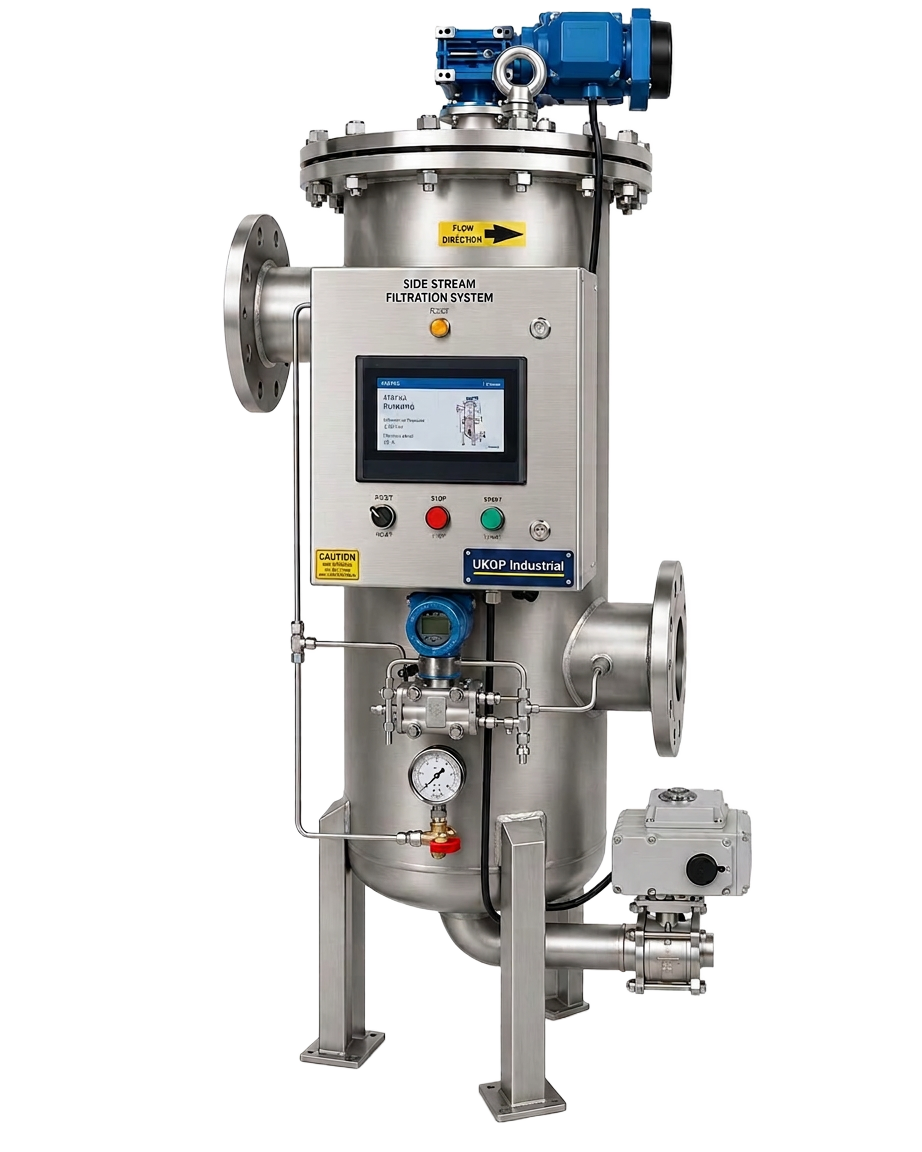
For M&E contractors, ensuring that the plate heat exchanger is protected by adequate filtration is a key part of the installation process. Side stream filtration can be employed on the primary side to remove suspended solids that might otherwise settle in the small gaps between the heat transfer plates. When we size a unit from a full thermal spec, we consider the fouling factors relative to the site's water conditions. This proactive approach ensures that the unit maintains its rated capacity over its two-year warranty period and beyond. Furthermore, following BS 8552 sampling protocols provides the data needed to adjust chemical dosing levels before scaling becomes a permanent issue for the heat exchanger.
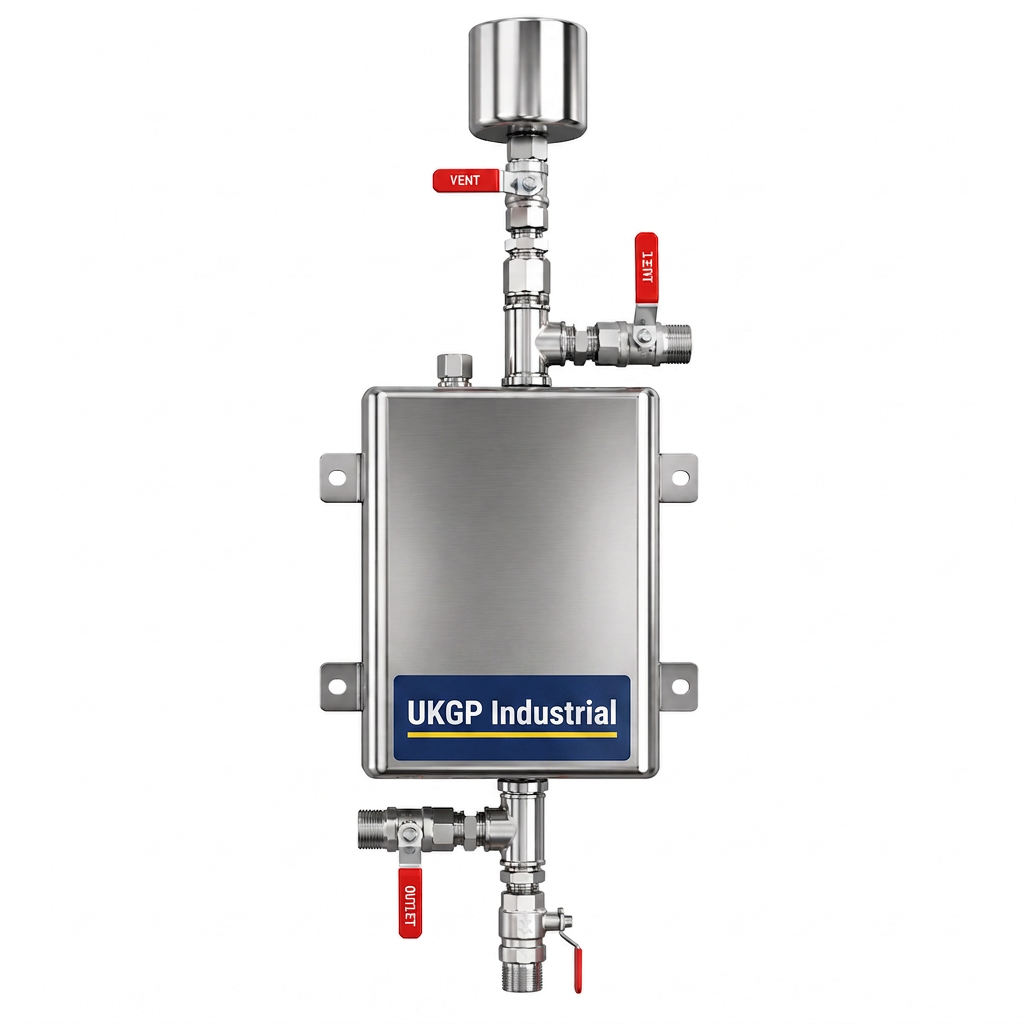
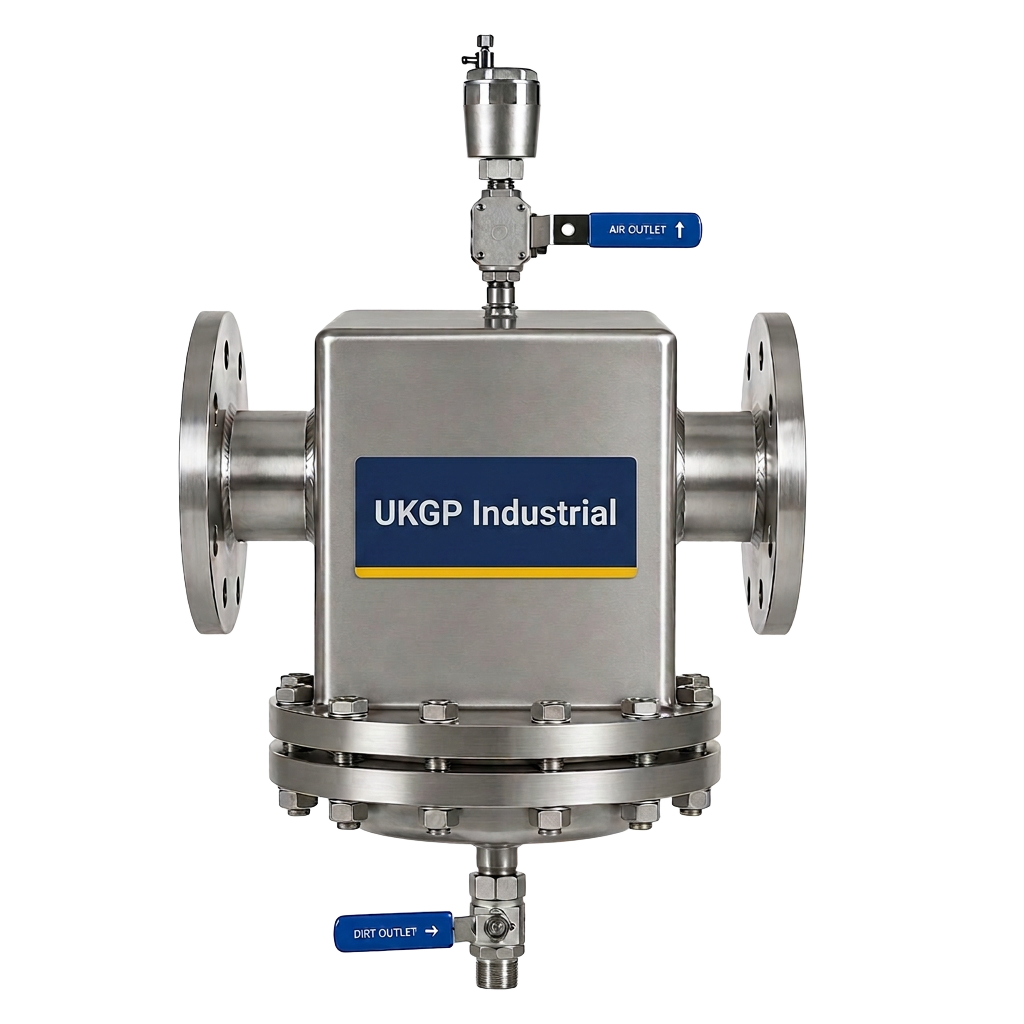
In addition to water quality, the integration of air and dirt separators is highly recommended to protect the plate heat exchanger from air locks and abrasive particles. In a solar thermal context, air trapped in the heat exchanger can lead to hot spots and reduced flow, which can trigger system stagnation. By strictly adhering to BSRIA BG29 for pre-commissioning cleaning and BG50 for ongoing maintenance, engineers can prolong the life of the gaskets and plates. UKGP Industrial provides the technical support needed to ensure that every heat exchanger we supply fits seamlessly into a compliant maintenance regime, providing peace of mind for facilities managers and procurement leads alike.
- Adherence to BSRIA BG50 for long-term plate protection
- Integration of filtration to prevent channel blockage
- Material selection tailored to local water hardness levels
- Pre-commissioning cleaning to BS EN norms
Sizing Methods for Maximum Solar Gain
Accurate sizing of a plate heat exchanger for solar thermal duty requires a deep understanding of the thermal dynamics involved. Unlike standard boiler-fed systems, solar primary temperatures fluctuate throughout the day. UKGP Industrial engineers use a full thermal spec—including flow rates, temperature profiles, and fluid properties—to calculate the exact number of plates required. Under-sizing a unit will result in higher return temperatures to the solar collectors, which reduces their efficiency and risks stagnation. Conversely, over-sizing can lead to laminar flow, which increases the likelihood of fouling. Our goal is to specify a unit that balances these variables to provide optimal DHW production year-round.
A critical factor in the selection process is the Log Mean Temperature Difference (LMTD). In solar thermal systems, the LMTD is often lower than in gas-fired systems, demanding a larger heat transfer area to achieve the same energy output. Our range covers DN20 to DN300, allowing us to cater to everything from small commercial laundries to large-scale district heating schemes. By offering both gasketed and brazed options, we can tailor the plate heat exchanger to the specific pressure and temperature requirements of the project. Gasketed units offer the advantage of being expandable and easier to clean, while brazed units provide a more compact and cost-effective solution for high-pressure solar loops.
Choosing UKGP Industrial means you receive a bespoke thermal calculation for every project. We do not believe in a one-size-fits-all approach. For instance, if you are designing a DHW system for a hotel with significant solar input, we will calculate the plate heat exchanger based on the peak solar hour and the expected hot water recovery time. This data-driven approach ensures that the M&E contractor can confidently install a system that meets the design intent. With a lead time of just 4-6 weeks, we can support tight construction schedules without compromising on the technical precision required for high-efficiency solar thermal and DHW integration.
- Bespoke LMTD calculations for varying solar irradiance
- DN20 to DN300 port sizes for all commercial scales
- Detailed submittal data provided for consultant approval
- Optimised plate geometry for low-grade heat recovery
Gasketed vs. Brazed Plate Heat Exchanger Solutions
When specifying a plate heat exchanger for solar and DHW duty, engineers often choose between gasketed and brazed configurations. Brazed units are often preferred for smaller commercial solar arrays due to their compact size and ability to withstand high pressures without the risk of external leaks. They are essentially maintenance-free in terms of structural integrity, making them a popular choice for 'fit and forget' type installations. However, because they cannot be opened, it is essential that the water quality on the DHW side is strictly managed to prevent calcification, which otherwise would necessitate a full unit replacement rather than a simple plate cleaning.
For larger scale projects or where water hardness is a known issue, a gasketed plate heat exchanger is frequently the superior choice. These units can be dismantled for manual cleaning or plate replacement, which aligns with long-term FM strategies for high-occupancy buildings. The ability to add plates later provides flexibility if the solar array is expanded or the building's DHW demand increases. Furthermore, our gasketed units feature high-quality NDM or EPDM gaskets designed to withstand the glycol chemistry and high stagnated temperatures often found in solar primary circuits. This robustness ensures that the investment remains operational for decades, matching the expected lifespan of the solar collectors themselves.
Regardless of the construction method, every plate heat exchanger supplied by UKGP Industrial comes with a 2-year warranty and is manufactured to stringent quality standards. We understand that procurement leads need to balance initial capital expenditure with total cost of ownership. By providing a unit that is perfectly sized—neither wastefully large nor inefficiently small—we help maintain project budgets while hitting sustainability targets. Our technical team is available to discuss which configuration best suits your specific solar thermal application, providing the UK-based expertise necessary to navigate complex CIBSE and BSRIA recommendations for thermal interface design.
- Brazed units provide high pressure resistance for solar loops
- Gasketed units allow for future capacity expansion
- EPDM/NDM gaskets compatible with solar glycol fluids
- Two-year warranty for long-term asset confidence
Integration with DHW Storage and Buffering
In a solar thermal setup, the plate heat exchanger usually sits between the solar collectors and a buffer vessel or domestic hot water cylinder. Effective integration requires a low loss header or a well-designed buffer to ensure that flow rates remain stable on both sides of the plates. Variable speed pumps, controlled by solar controllers, will modulate the flow through the heat exchanger based on the temperature difference between the collectors and the tank. This dynamic operation means the heat exchanger must be responsive to changing conditions, maintaining a steady output even as the primary solar temperature climbs and falls throughout the day.
To prevent legionella risks in DHW systems, CIBSE G guidelines recommend maintaining water at 60°C. A plate heat exchanger can be used to 'top up' the heat from a secondary source if the solar gain is insufficient. For instance, the DHW can pass through the solar-fed heat exchanger first, pre-heating the water before it enters a series of gas-fired or electric water heaters. This configuration significantly reduces the energy required by the primary heaters. Our sizing process takes these multi-heat-source scenarios into account, ensuring that the pressure drop across the plate heat exchanger does not negatively impact the total system head, allowing for efficient pump selection by the M&E engineer.
Building services consultants also focus on the recovery time of the storage vessels. By using a plate heat exchanger with a high thermal transfer rate, the time taken to bring a 1000-litre tank up to temperature can be drastically reduced. This is particularly important for morning peak loads in commercial residential or hospitality settings. UKGP Industrial’s ability to size from a full thermal spec means we can guarantee the performance of the unit under peak demand conditions. This level of technical assurance is why plant-room engineers across the UK prefer our heat exchangers for critical DHW and solar thermal infrastructure.
- Solar pre-heat reduces primary fuel consumption
- Integration with Low Loss Headers for hydraulic stability
- Designed to support Legionella control strategies (60°C+)
- Fast recovery times for commercial DHW peak loads
Project Execution: Lead Times and Technical Support
In the fast-paced world of UK construction, lead times are often as important as technical specifications. UKGP Industrial recognizes this by offering a 4-6 week lead time for our plate heat exchanger range, including both gasketed and brazed models. Whether you are dealing with a scheduled plant room upgrade or an urgent replacement due to a failed unit, our efficient production and logistics ensure your project stays on track. We work closely with procurement leads to coordinate delivery with site requirements, ensuring that the unit arrives ready for installation with all necessary documentation and connection sizes specified from DN20 to DN300.
Technical support does not end at the point of sale. We provide comprehensive O&M manuals and can advise on the best installation practices to ensure your plate heat exchanger performs as intended. For example, installing the unit with the correct clearances for gasketed plate removal is a common onsite oversight that we help avoid through clear technical drawings. Our team is also well-versed in BS EN standards for heat exchangers, ensuring that every piece of equipment we supply meets the necessary safety and performance criteria for the UK market. This commitment to quality and service is the reason building services professionals trust us for their most demanding thermal projects.
Requesting a quote is a straightforward process. By providing us with your full thermal spec—including temperatures, fluids, and required kilowatt output—our experts will generate a detailed selection. This includes the expected pressure drop and physical dimensions, allowing for easy integration into your CAD or BIM models. With a 2-year warranty and a focus on high-efficiency heat transfer, a UKGP plate heat exchanger is the ideal choice for any modern solar thermal or DHW system. Contact us today to discuss your project requirements and discover how our Surrey-based team can assist in delivering a robust, efficient, and compliant thermal solution for your commercial building.
- Standard lead times of 4-6 weeks for all models
- Full technical submittals for M&E consultant approval
- Surrey-based expertise for UK project compliance
- Comprehensive 2-year warranty on all PHE units
Frequently asked questions
What information is needed to size a plate heat exchanger correctly?
- We require a full thermal spec including primary and secondary fluid types, inlet and outlet temperatures for both sides, the required heat load (kW), and the maximum allowable pressure drop.
Are your plate heat exchangers compatible with solar glycol?
- Yes, our gasketed and brazed units are designed with materials and seal types (such as EPDM or NDM) that are fully compatible with common solar thermal fluids and glycols.
Can a plate heat exchanger help in meeting BREEAM or Part L requirements?
- Absolutely. By maximizing the efficiency of solar thermal transfer and reducing the energy load on primary heating, a high-efficiency PHE is a key component in achieving sustainability targets.
What is the typical warranty on a UKGP plate heat exchanger?
- We offer a 2-year warranty as standard on our range of gasketed and brazed plate heat exchangers, reflecting our confidence in their build quality and durability.
How does the lead time compare to other manufacturers?
- We maintain a competitive lead time of 4-6 weeks for most commercial units, helping M&E contractors meet tight project deadlines without sacrificing technical performance.