The Role of a Plate Heat Exchanger in Modern Cooling
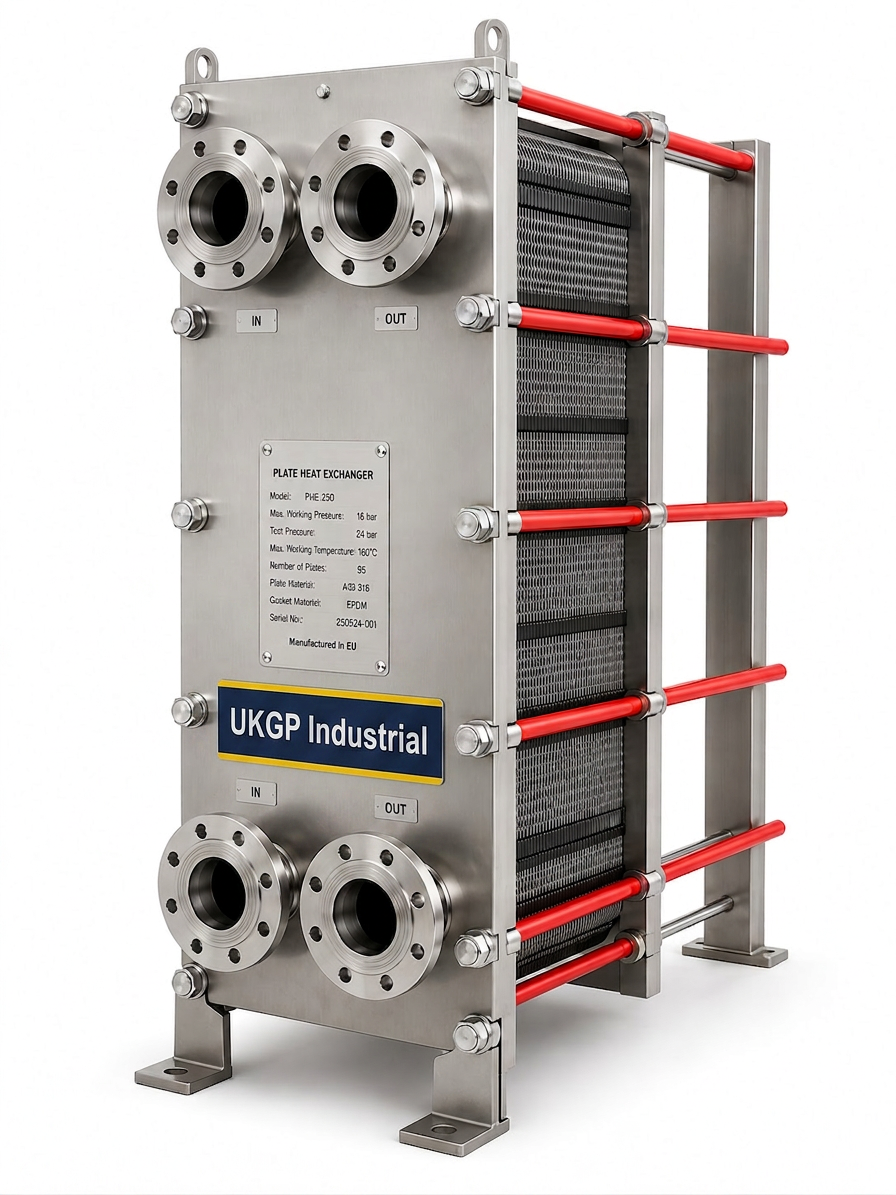
In the realm of UK building services and industrial manufacture, the plate heat exchanger remains the gold standard for efficient thermal transfer. These units utilise a series of corrugated plates to create a large surface area, allowing heat to move from one fluid to another without the fluids ever mixing. For process cooling applications, this design is unparalleled in its ability to handle close temperature approaches, which is essential when trying to maximise the efficiency of a cooling tower or chiller circuit. By integrating a UKGP plate heat exchanger, engineers can isolate primary and secondary circuits, protecting sensitive plant machinery from potential contaminants whilst ensuring optimal heat rejection rates across the entire system.
Choosing between a gasketed or brazed plate heat exchanger depends heavily on your specific process requirements, maintenance cycles, and pressure ratings. Gasketed units offer the advantage of being expandable and easy to clean, which aligns with BSRIA BG50 recommendations regarding the lifecycle maintenance of closed-loop systems. Conversely, brazed versions provide a compact, hermetically sealed solution for high-pressure applications where space is at a premium. At UKGP, we provide both gasketed and brazed options, ranging from DN20 to DN300 connections. Every unit we supply is sized from a full thermal spec provided by the client, ensuring the domestic or industrial cooling load is met precisely without over-engineering the footprint.
Precision in the design stage is what separates a reliable system from one prone to frequent downtime. When you order from UKGP, you benefit from a 2-year warranty and a manageable lead time of 4-6 weeks, allowing for better project scheduling during the M&E fit-out phase. Consultants often prefer our plate heat exchanger range because of the transparency in thermal data and the robust build quality that withstands the rigours of continuous UK industrial use. Whether you are retrofitting a plant room or designing a new process line, the thermal efficiency offered by these units can significantly reduce the carbon footprint and operational expenditure of the facility over its lifetime.
- High turbulence design for maximum heat transfer coefficients
- Compact footprint compared to traditional shell-and-tube units
- Isolation of circuits to protect expensive chiller plant
- Gasketed units allow for easy disassembly and manual cleaning
- Available in a variety of plate materials including 316 Stainless Steel
Compliance with BSRIA BG29 and Water Quality Standards
Maintaining water quality is non-negotiable for the longevity of any plate heat exchanger in a process cooling loop. BSRIA BG29 guidelines for pre-commission cleaning emphasize the removal of debris and oils that can foul heat transfer surfaces and cause localized corrosion. In a process cooling environment, even minor scaling or bio-fouling on the plates can result in a significant drop in thermal efficiency, leading to increased pumping costs and higher secondary returns. It is vital that M&E contractors follow BS 8552 for water sampling to ensure that the chemical balance within the circuit remains within specified limits, preventing the onset of pitting or stress corrosion cracking on the plates.
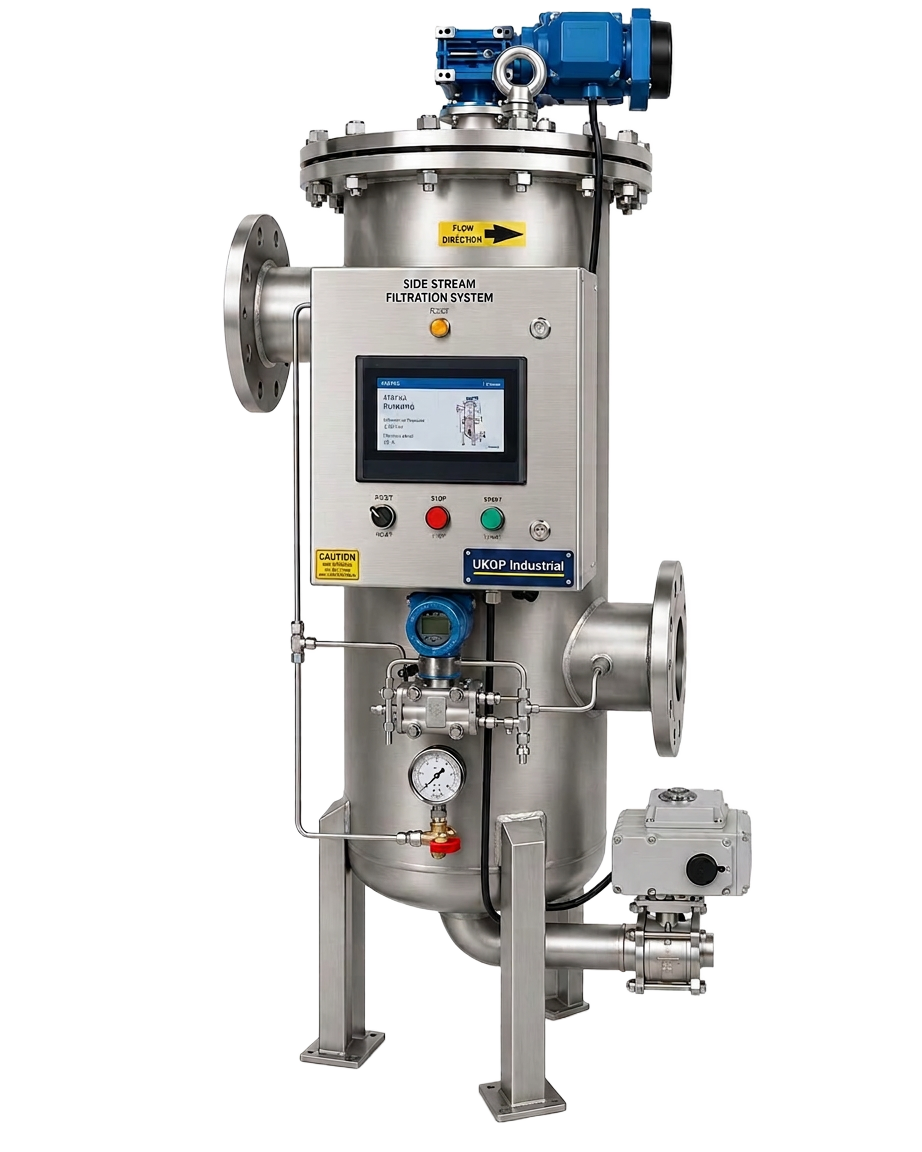
To safeguard the plate heat exchanger further, we strongly recommend the installation of side stream filtration. These systems work by continuously diverting a portion of the circulating cooling water through a high-efficiency filter to remove suspended solids. This proactive approach reduces the risk of particulate deposition within the narrow channels of the heat exchanger plates. Keeping the internal surfaces clean ensures that the heat transfer coefficient remains close to the design specification for years. By adhering to BSRIA BG50 for long-term water treatment, facility managers can extend the interval between manual cleanings, thereby reducing maintenance costs and ensuring the plant runs at peak performance continuously.
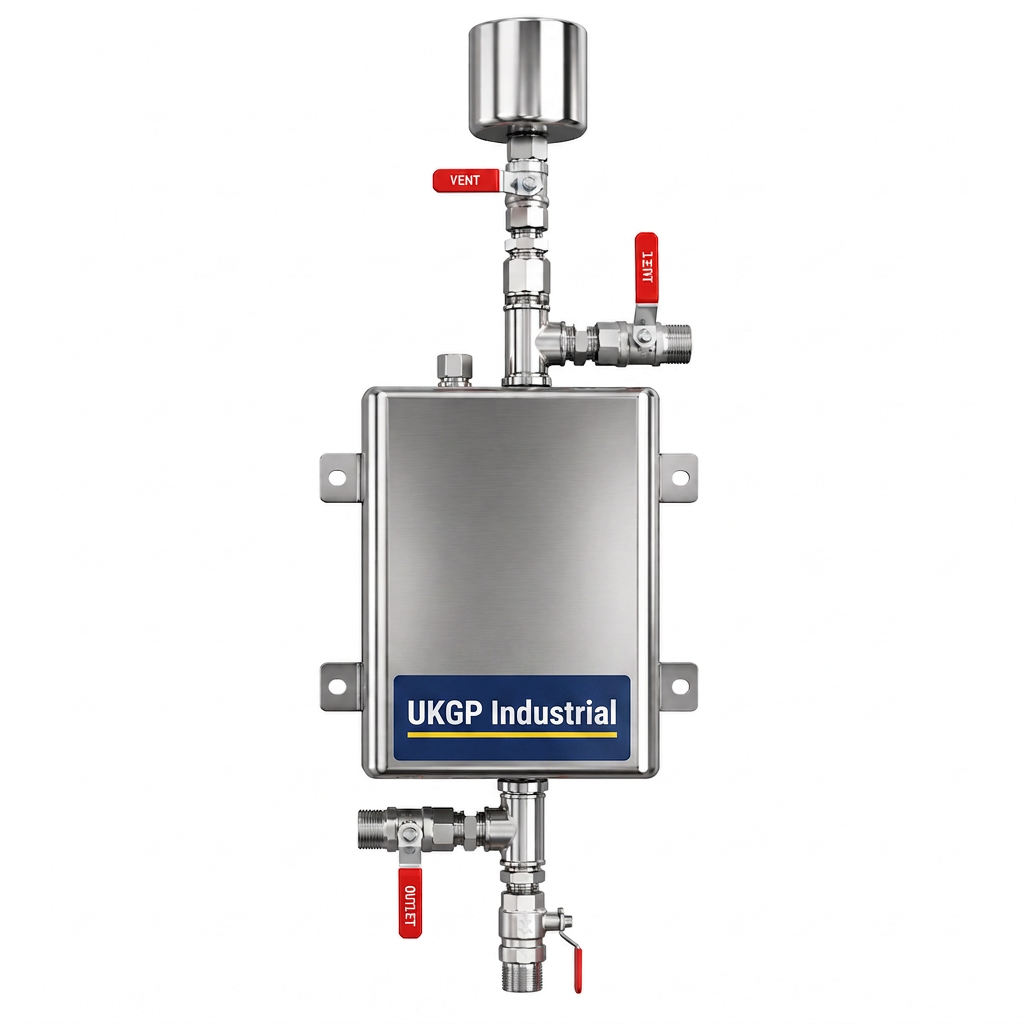
Furthermore, the integration of chemical dosing pots is essential for the controlled introduction of corrosion inhibitors and biocides. In process cooling, where temperature fluctuations can encourage bacterial growth such as Legionella or Pseudomonads, precise chemical management is a safety requirement as much as a technical one. A well-maintained system where the plate heat exchanger is protected by filtered and chemically balanced water will always outperform a neglected one. Our technical team can advise on how to coordinate your heat exchanger specification with the necessary filtration and dosing components to create a resilient, low-maintenance thermal management solution that stands up to the demands of UK industrial standards.
- Alignment with BSRIA BG29 for pre-commissioning cleanliness
- Reduced fouling risk through continuous side stream filtration
- Enhanced corrosion protection via controlled chemical dosing
- Compliance with BS 8552 water quality monitoring protocols
- Extended component lifespan through proactive water treatment
Technical Sizing and Selection Criteria
Sizing a plate heat exchanger is far more complex than simply matching pipe diameters. It requires a detailed analysis of mass flow rates, fluid properties, and the maximum allowable pressure drop across the unit. At UKGP, we use sophisticated thermal modelling software to ensure that every plate heat exchanger we supply is perfectly matched to the application's specific Delta T. For process cooling, where the margin for error is often slim, having a unit that is accurately sized from a full thermal spec is the only way to guarantee that the primary cooling source, such as a chiller or dry air cooler, can effectively reject the heat generated by the industrial process.
The choice of plate material and gasket type is also a critical factor. While 316 Stainless Steel is standard for most water-to-water cooling applications in the UK, more aggressive fluids may require titanium or special alloys. Gasket materials like EPDM or Nitril must be selected based on the operating temperature and the chemical composition of the fluids. A wrongly specified gasket can lead to premature failure and costly leaks. Our DN20 to DN300 range ensures we have the capacity to handle everything from small lab-scale cooling to major data centre heat loads. We provide full technical submittals for every project, giving consultants the data they need to sign off on the design with total confidence.
Procurement leads also need to consider the commercial aspects of the selection. A UKGP plate heat exchanger comes with a 2-year warranty and a competitive lead time of 4-6 weeks, which is often significantly faster than other European manufacturers. This reliability in the supply chain is vital for avoiding project delays and ensuring that plant rooms are commissioned on schedule. When requesting a quote, providing the flow rates, inlet/outlet temperatures, and fluid types will allow our engineers to produce a precise thermal calculation. This ensures the unit delivered to site is not only fit for purpose but also optimized for the lowest possible energy consumption throughout its operational life.
- Full thermal calculations based on specific process data
- Wide range of connection sizes from DN20 up to DN300
- Expert selection of gasket and plate materials for longevity
- Detailed submittals provided for building services approval
- Focused on achieving the lowest possible pressure drops
Installation Best Practices for Process Cooling
Correct installation is paramount to the performance of a plate heat exchanger. It is essential that the unit is installed in a counter-flow configuration to achieve the most efficient heat transfer. This means the hot and cold fluids should travel in opposite directions through the plate pack. Proper support and pipework alignment are also necessary to ensure that no undue stress is placed on the connections. Following BS EN 14917 guidelines for metallic expansion joints may be necessary if the pipework is subject to significant thermal expansion. Ensuring that there is adequate space around the unit for maintenance, especially for gasketed models that require occasional plate removal, is a key consideration for plant-room layout.
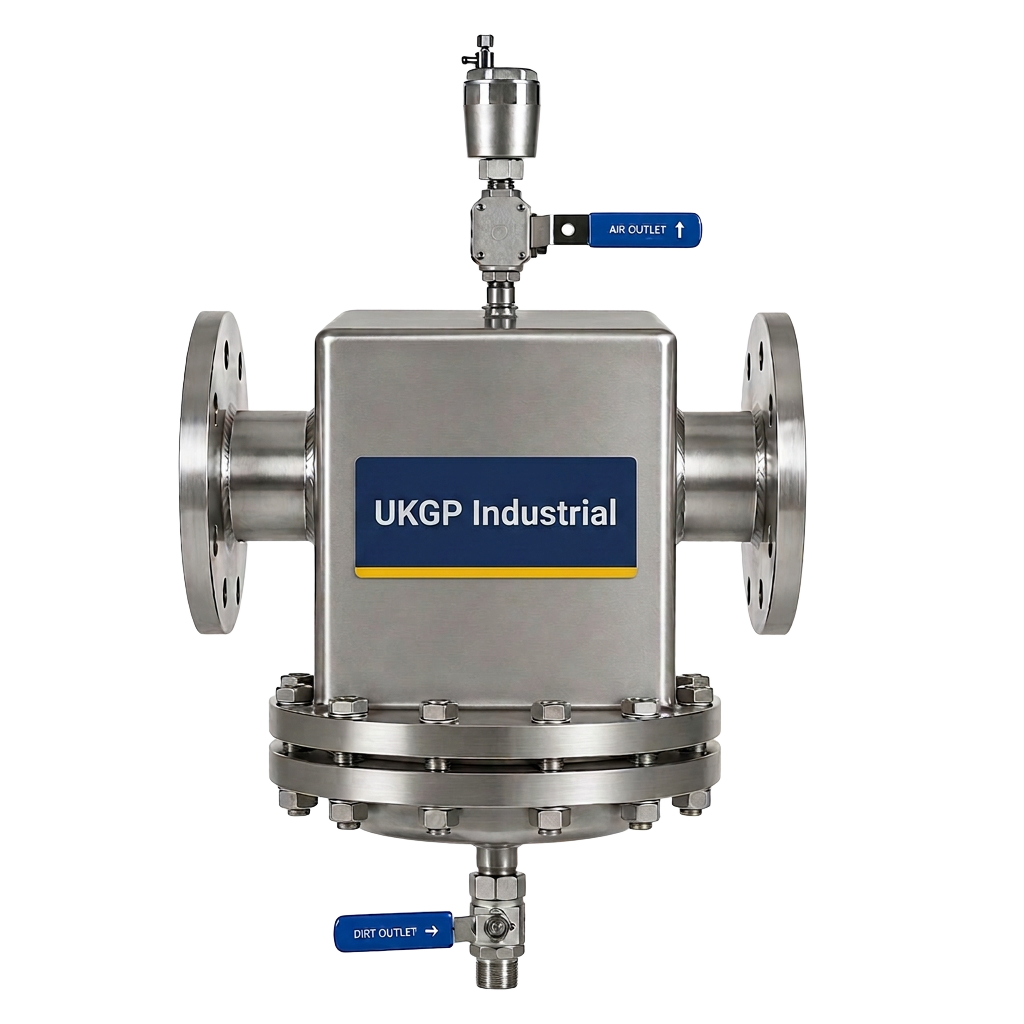
Air and dirt separators should be installed upstream of the plate heat exchanger to prevent air locks and the accumulation of debris. Air pockets within the plate pack can create 'dead zones' where no heat transfer occurs, effectively reducing the active surface area of the unit and lead to overheating in the process circuit. Furthermore, dirt particles can lodge in the narrow plate gaps, causing a rapid increase in pressure drop and a decrease in flow. By integrating these protective components, the plate heat exchanger can operate at its peak efficiency for much longer intervals. Our team at UKGP can supply the full suite of plant room ancillaries to complement your heat exchanger, ensuring a holistic approach to system design.
Commissioning should always involve a thorough check of flow rates and pressure differentials to verify that the system is operating as designed. If the measured pressure drop across the plate heat exchanger is significantly higher than the design value, it may indicate an air lock or debris in the system that wasn't removed during the flush. Regular monitoring of the temperature approach (the difference between the primary inlet and the secondary outlet) is the best way to track the performance of the heat exchanger over time. A widening approach temperature is a clear indicator that the plates require cleaning. With our 2-year warranty and dedicated UK support, we are always on hand to assist with technical queries during the installation and commissioning phase.
- Install in counter-flow arrangement for maximum Delta T
- Provision of adequate space for future plate pack maintenance
- Use of air and dirt separators to maintain plate cleanliness
- Validation of flow rates during the commissioning phase
- Strategic placement of temperature and pressure test points
Energy Recovery and Sustainability Metrics
In the current climate, energy efficiency is a primary driver for industrial cooling specifications. A high-efficiency plate heat exchanger can facilitate heat recovery, where waste heat from a process is used to pre-heat domestic hot water or contribute to space heating. This not only reduces the load on boilers but also significantly lowers the total energy consumption of the building. CIBSE guidelines emphasize the importance of thermal efficiency in modern HVAC design, and the low approach temperatures achievable with our plate packs make them ideal candidates for these sustainable energy schemes. By carefully selecting a unit with a high thermal length, engineers can extract the maximum amount of usable energy from their process cooling loops.
Environmental impact is also reduced through the compact nature of the plate heat exchanger. Because they require less material to manufacture than shell-and-tube equivalents and take up less space in the plant room, the embodied carbon of the installation is lower. Furthermore, the ability to disassemble and service gasketed plate heat exchangers aligns with the principles of the circular economy, extending the life of the asset rather than replacing the entire unit when fouling occurs. Our commitment to quality means that every plate heat exchanger we supply at UKGP is built to last, backed by a 2-year warranty and the assurance that it has been sized specifically for the unique demands of the UK industrial market.
For procurement leads, the long-term ROI of a well-specified plate heat exchanger is clear. Reduced energy bills, lower maintenance costs, and a smaller physical footprint all contribute to a more profitable operation. When you factor in our 4-6 week lead time, you can also reduce the financial impact of project delays. We encourage all our clients to provide a full thermal spec at the enquiry stage so that we can offer the most energy-efficient solution possible. Our goal is to provide UK contractors and engineers with reliable, high-performance thermal hardware that meets the stringent requirements of modern sustainability targets and building regulations.
- Contribution to heat recovery and carbon reduction goals
- Compact design reduces building material and space costs
- Sustainable maintenance through plate-level servicing
- Alignment with CIBSE best practices for thermal efficiency
- Long-term operational savings due to low energy consumption
Why Engineers Choose UKGP for Thermal Solutions
The reason UKGP is a preferred supplier for M&E contractors and consultants across Surrey and the wider UK comes down to technical expertise and reliability. We don't just supply a plate heat exchanger; we provide a fully engineered solution. By sizing every unit from a full thermal spec, we eliminate the guesswork that often leads to system underperformance. Our range of DN20 to DN300 units covers the vast majority of industrial and commercial requirements, and our 4-6 week lead time ensures that even the most fast-paced projects stay on track. This dedication to precision and service is what makes us a trusted partner in the industrial cooling sector.
Reliability is further reinforced by our 2-year warranty, which provides peace of mind for facility managers and building owners. We understand that in a process cooling environment, downtime is not just an inconvenience—it is a significant financial risk. That is why we focus on robust build quality and easy-to-service designs in every plate heat exchanger we offer. Our technical support team is based in the UK and possesses an in-depth understanding of the specific challenges faced by UK plant-room engineers, from hard water scaling issues to the nuances of BSRIA BG50 compliance. This local expertise is invaluable when troubleshooting complex thermal management systems.
Choosing UKGP means choosing a partner committed to your project's success. Whether you need a small brazed plate heat exchanger for a localized cooling task or a large gasketed DN300 unit for an entire facility, we deliver the same high level of technical scrutiny and commercial transparency. We invite engineers and procurement leads to contact us with their thermal requirements to experience a more professional, technical approach to heat exchanger supply. With our competitive pricing and industry-leading specifications, we are set to remain the first choice for process cooling thermal hardware in the UK market.
- Expert UK-based technical support for all thermal designs
- Strict adherence to project-specific thermal specifications
- Robust 2-year warranty on all heat exchanger products
- Fast 4-6 week lead times for both gasketed and brazed units
- Comprehensive DN20-DN300 range for all system sizes
Frequently asked questions
What information is needed to size a plate heat exchanger?
- To provide an accurate quote, we require the flow rates for both the primary and secondary sides, the inlet and outlet temperatures, the fluid types (e.g., water/glycol), and the maximum allowable pressure drop. We size every unit from a full thermal spec to ensure perfect performance.
What is the standard lead time for a UKGP plate heat exchanger?
- Our standard lead time for both gasketed and brazed plate heat exchangers is 4-6 weeks. This allows us to ensure the unit is correctly sized and manufactured to the highest quality standards before being shipped within the UK.
Are your heat exchangers compliant with UK standards?
- Yes, our units are designed to meet relevant industrial standards and we provide the technical data required for compliance with BSRIA BG29 and BG50. They are also backed by a 2-year warranty for your peace of mind.
Can I use a plate heat exchanger for corrosive fluids?
- Absolutely. While 316 Stainless Steel is our standard plate material, we can offer higher-grade alloys or titanium plates for more aggressive process cooling fluids. Please specify the fluid composition in your enquiry.
Do you offer both brazed and gasketed versions?
- Yes, we supply a wide range of connection sizes from DN20 to DN300 in both gasketed (serviceable) and brazed (compact) configurations, depending on your system's maintenance and pressure requirements.