The Role of a Plate Heat Exchanger in Heat Networks
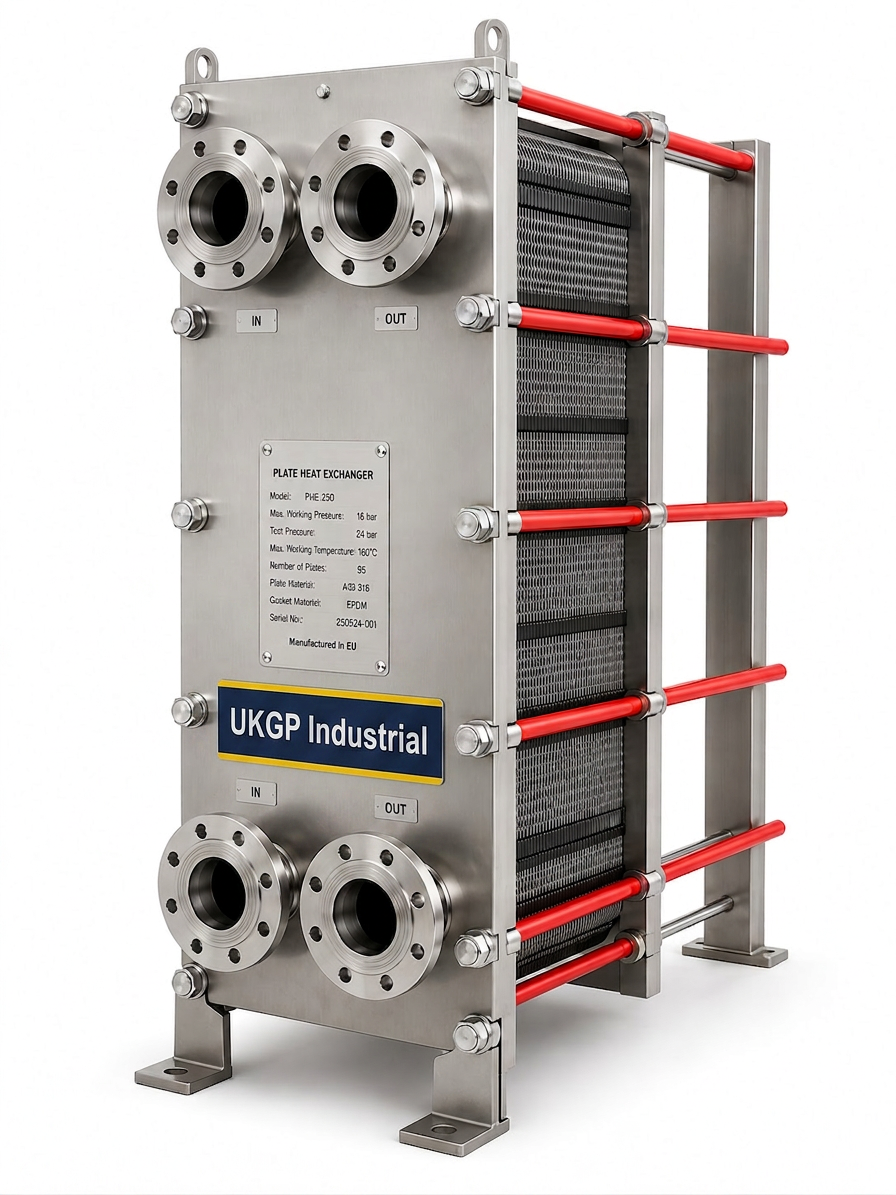
In the context of UK district heating, a plate heat exchanger serves as the critical interface between the primary energy centre loop and the secondary building services circuits. This hydraulic separation is essential for protecting the internal building pipework from the high pressures and temperatures often found in primary distribution networks. By utilising a plate heat exchanger, M&E contractors can ensure that leakage or contamination in one circuit does not migrate to the other, which is a fundamental requirement for maintaining system integrity over a decade-long lifespan. These components are specifically designed to facilitate high rates of heat transfer within a compact footprint, making them ideal for plant rooms where space is at a premium.
Choosing a plate heat exchanger involves balancing the approach temperature and the allowable pressure drop. A smaller approach temperature—the difference between the primary inlet and secondary outlet—requires more surface area, which typically increases the number of plates. For district heating schemes, minimising this temperature difference is vital for maximising the efficiency of low-carbon heat sources like heat pumps or combined heat and power plants. This is why UKGP offers units sized from a full thermal spec, ensuring that the thermal length and plate corrugation patterns are perfectly matched to your specific temperature profile and flow rate requirements, reducing the risk of energy waste and high pumping costs.
Furthermore, the material selection for your plate heat exchanger must consider the chemical composition of the water in circulation. While 316 stainless steel is the standard for most UK building services applications, specific water chemistries may require higher-grade alloys if chloride levels are elevated. It is also important to consider the gaskets; for district heating substations, EPDM gaskets are typically preferred for their resilience at the high operating temperatures found on primary headers. At UKGP, we provide both gasketed and brazed solutions, ranging from DN20 to DN300, providing the flexibility needed for everything from small residential clusters to large-scale commercial developments, all supported by a comprehensive 2-year warranty.
- Provides hydraulic separation to protect secondary building circuits
- Optimises thermal transfer from primary networks to end-users
- Facilitates compact plant room design in high-density urban projects
- Ensures compatibility with low-carbon heat sources and variable flow rates
Compliance with BSRIA BG50 and Water Quality Standards
Water quality is the single most common cause of premature failure in a plate heat exchanger within a district heating environment. According to BSRIA BG50, 'Water Treatment for Closed Heating and Cooling Systems', maintaining strict control over suspended solids and dissolved gases is non-negotiable. If the water circulating through the thin channels of the heat exchanger is not adequately treated, scale formation and biofouling can occur. This leads to a rapid decline in heat transfer coefficients and an increase in pressure drop, forcing pumps to work harder and increasing the operational carbon footprint of the building. Regular testing and monitoring are essential to prevent these issues from undermining the substation's performance.
To safeguard the plate heat exchanger, engineers must implement robust filtration and air separation strategies. Suspended particles in the primary loop can lodge in the tight clearances between plates, leading to erosion or blockages. This is particularly problematic in older networks where corrosion debris may be present. By installing high-performance separators and side-stream units, you protect the heat transfer surfaces and extend the intervals between plate cleaning. This proactive approach to maintenance not only preserves the energy efficiency of the network but also significantly reduces the risk of unplanned downtime for the end-users who rely on the substation for their domestic hot water and space heating.
Integrating accurate monitoring equipment is another key recommendation from BS 8552 regarding water quality in buildings. Knowing the pH levels and conductivity within the system allows facility managers to adjust chemical dosing regimes before corrosion becomes a systemic issue. When UKGP provides a plate heat exchanger, we always advocate for a holistic view of the plant room, ensuring that all peripheral components work in harmony to protect the investment. Keeping the delta-T high and the return temperatures low is only possible if the heat exchanger remains free from internal fouling, which is why adherence to BSRIA guidelines is central to our technical advice.
- Mandatory adherence to BSRIA BG50 for water treatment protocols
- Prevention of scale and biofouling through effective chemical dosing
- Protection of thin plate material from erosion caused by suspended solids
- Reduction of operational carbon by maintaining optimal heat transfer
Selecting Between Gasketed and Brazed Designs
When specifying a plate heat exchanger for a substation, engineers must choose between gasketed and brazed constructions based on the project's scalability and serviceability needs. Gasketed plate heat exchangers (GPHE) are the gold standard for larger district heating applications because they can be opened for cleaning or expanded should the building's demand grow in the future. The ability to manually inspect the plates is a significant advantage for maintenance teams, especially when following BSRIA BG29 pre-commissioning cleaning procedures. At UKGP, our gasketed units are available up to DN300, providing the throughput capacity necessary for major urban heat networks.
In contrast, brazed plate heat exchangers (BPHE) offer a more compact and cost-effective solution for smaller substations or individual dwelling units. Because they are vacuum-brazed, they can withstand high pressures and temperatures without the need for thick frames and bolts. However, they are 'sealed for life', meaning they cannot be disassembled for mechanical cleaning. If a brazed plate heat exchanger becomes fouled, it typically requires chemical cleaning in-situ or complete replacement. For this reason, BPHEs are frequently chosen for their small footprint and reliability in well-maintained, closed-loop systems where the risk of heavy fouling is minimal and space is at an absolute premium.
Regardless of the chosen design, UKGP ensures all units are sized from a full thermal spec to match the exact requirements of your CIBSE heat network design. We understand that lead times are critical in the UK construction sector, which is why we offer a standard 4-6 week lead time on our plate heat exchanger range. This allows contractors to keep projects on schedule without compromising on technical quality or warranty security. Whether you require a resilient DN20 brazed unit or a high-capacity DN300 gasketed assembly, our engineering team provides the technical submittals needed for consultant approval, ensuring the equipment meets every performance metric.
- Gasketed units allow for future capacity expansion and manual cleaning
- Brazed units provide a compact, high-pressure solution for tight spaces
- Selection based on serviceability requirements and system scale
- Both designs benefit from a 2-year warranty and expert UKGP sizing
Technical Sizing and Thermal Specification Accuracy
Accurate sizing is the cornerstone of a high-performance plate heat exchanger installation. Oversizing can lead to low velocities within the plate pack, which encourages sediment to settle and causes 'channeling' where the fluid does not distribute evenly across the plate surface. Conversely, an undersized unit creates excessive pressure drop, leading to pump cavitation and higher energy bills. To avoid these pitfalls, UKGP requires a full thermal spec, including flow rates, inlet/outlet temperatures for both sides, and the maximum allowable pressure drop. This data-driven approach ensures the plate heat exchanger operates at its peak efficiency, delivering the exact kilowatt output required by the building load.
Modern district heating substations often operate under variable flow conditions, making the choice of plate pattern even more critical. Plates with a 'high-theta' or 'herringbone' pattern create high turbulence, which enhances heat transfer but increases resistance. A 'low-theta' pattern offers less resistance but requires more plates to achieve the same temperature change. Our technical team analyses your specific duty and selects the optimal blend of plate geometries to achieve the required performance within the pressure constraints of your system. This level of technical scrutiny is what separates a generic component from a UKGP engineered solution, ensuring longevity in demanding commercial heating environments.
The integration of the plate heat exchanger into the wider system also requires consideration of connections and mounting. With sizes ranging from DN20 to DN300, we provide versatile connection types including threaded and flanged options to suit the specified pipework. Our commitment to quality is backed by a 2-year warranty, giving procurement leads and FMs peace of mind that the core of their heating system is built to last. For any consultant looking to specify a plate heat exchanger for a new build or a plant room refurbishment, our technical submittals provide the clarity and detail needed to verify compliance with BS EN 14917 and other relevant standards.
- Prevents sediment accumulation by maintaining correct fluid velocities
- Tailors plate corrugation patterns to specific temperature profiles
- Optimises pump energy consumption through precise pressure drop control
- Provides comprehensive technical submittals for consultant validation
Protecting the Heat Exchanger from Air and Dirt
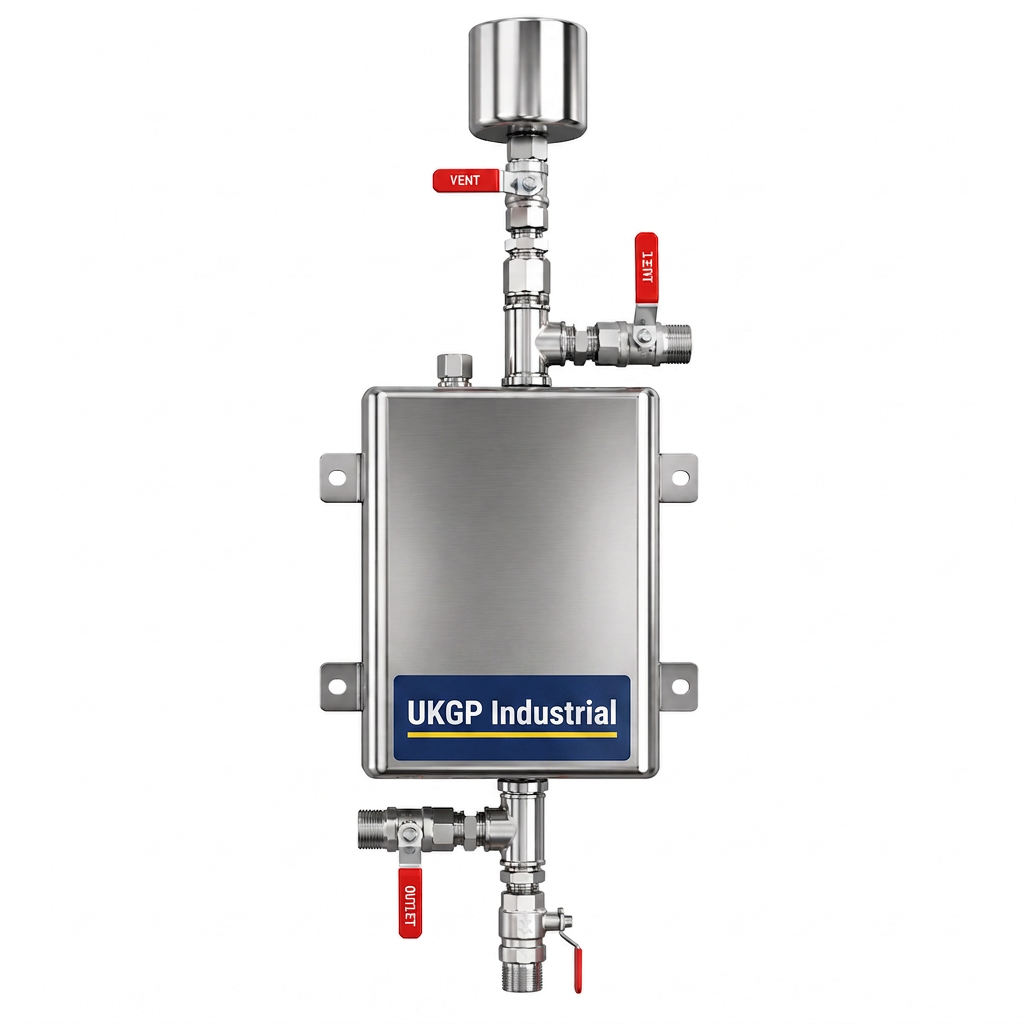
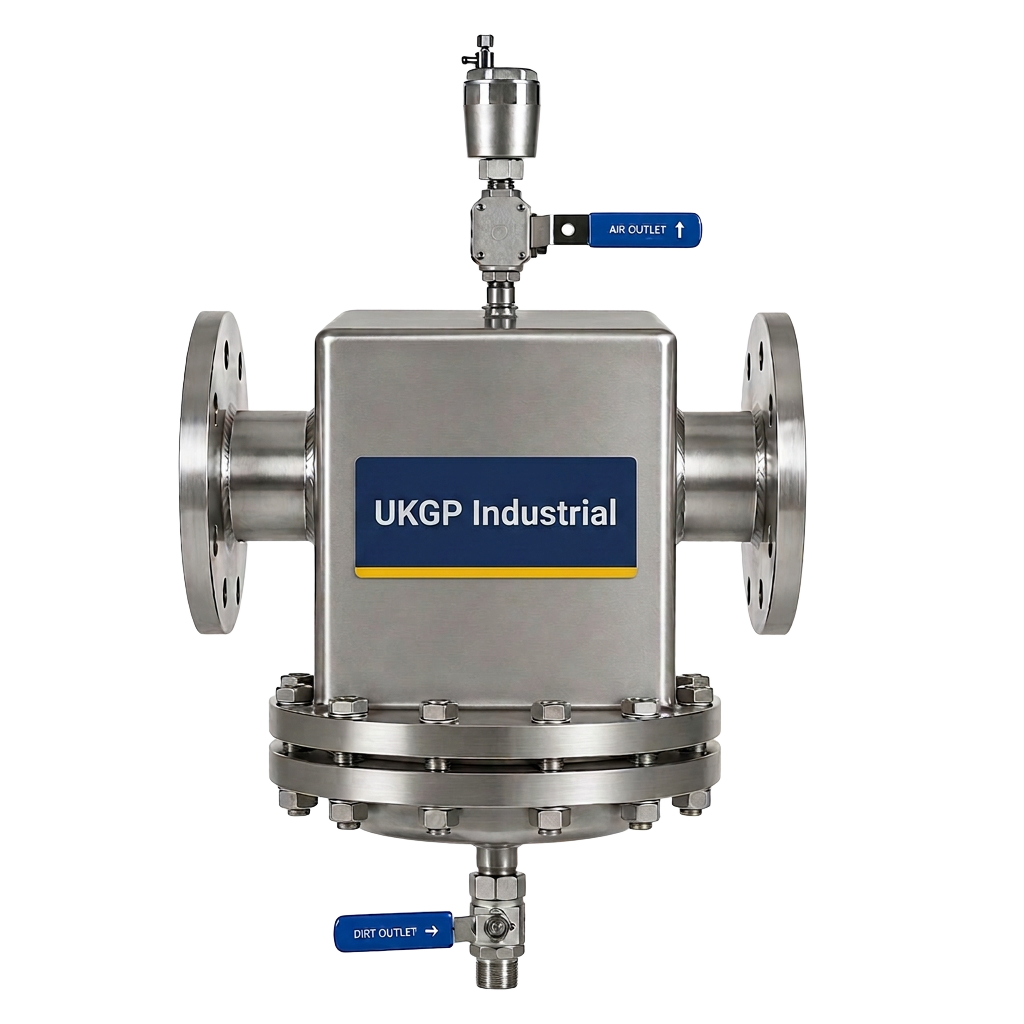
Even the most efficiently sized plate heat exchanger will fail prematurely if the system is plagued by air and dirt issues. Microbubbles in the heating water can lead to oxygen corrosion on the stainless steel plates, causing pinhole leaks that allow primary water to contaminate the building's secondary circuit. Furthermore, dirt and magnetite—by-products of corrosion—can act as an abrasive, wearing down the plate surfaces or clogging the narrow ports. It is essential that the substation design includes high-efficiency air and dirt separators located immediately upstream of the heat exchanger to catch these harmful elements before they enter the plate pack.
In many district heating projects, the primary network covers a large distance, increasing the likelihood of picking up debris from various parts of the infrastructure. A robust deaeration and dirt separation strategy is the first line of defence for your plate heat exchanger. By stripping out air to a microbubble level and capturing magnetic and non-magnetic particles, you maintain the clean metal surfaces required for efficient thermal transfer. This not only protects the heat exchanger itself but also safeguards the control valves and sensors that modulate the flow through the substation, ensuring that the entire system remains responsive to the building's heating demands throughout the winter season.
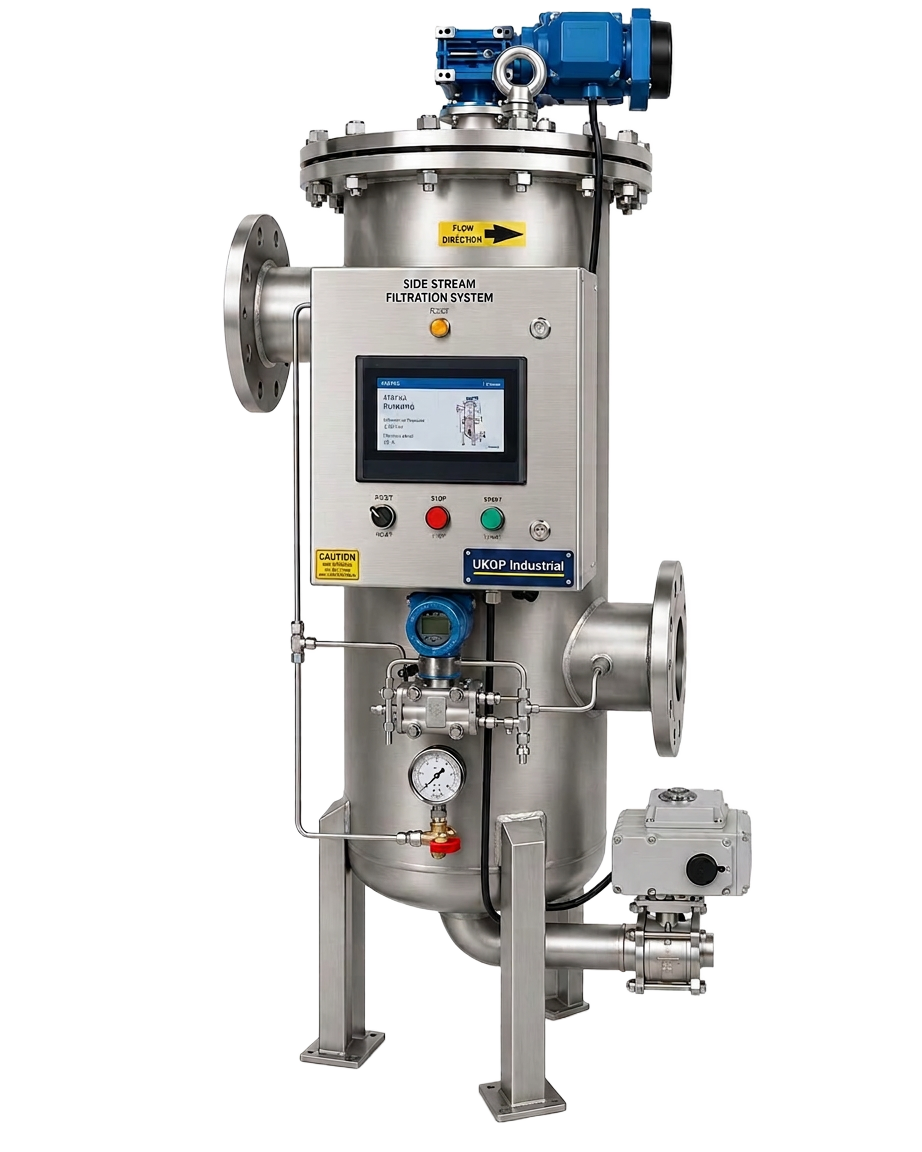
UKGP supports M&E contractors by providing a complete suite of plant room components that complement our plate heat exchanger range. From expansion bellows that manage thermal growth to side-stream filtration skids that ensure ongoing water clarity, we provide the tools needed to meet BSRIA BG50 requirements. When you source your plate heat exchanger from us, you are gaining a partner that understands the intricate relationship between water quality and thermal performance. Our goal is to ensure that your substation operates with the 'fit and forget' reliability that modern facilities management teams expect from high-specification UK-manufactured equipment, supported by our 4-6 week lead times.
- Prevents oxygen-induced corrosion on sensitive plate surfaces
- Shields the plate pack from abrasive magnetite and system debris
- Maintains the responsiveness of control valves and substation sensors
- Complements the heat exchanger with high-efficiency separation units
Long-term Maintenance and Lifecycle Management
The lifecycle of a plate heat exchanger in a district heating substation should ideally span several decades, provided it is maintained correctly. This starts with the initial commissioning, where following BSRIA BG29 procedures ensures that any flux, grease, or installation debris is flushed out before the unit is put into service. For gasketed units, it is recommended to conduct a visual inspection of the plate pack annually to check for leaks or signs of gasket degradation. Over time, gaskets can become brittle due to heat and pressure, so having a planned replacement schedule is vital for preventing catastrophic failures during peak heating periods when the system is under maximum stress.
Monitoring the temperature differential across the plate heat exchanger is a simple yet effective way to track its health. A narrowing of the delta-T or an increase in the pressure drop across the unit usually indicates that fouling is occurring. At this stage, a professional CIP (Clean-In-Place) procedure can be performed for brazed units, while gasketed units can be dismantled for manual pressure washing and re-gasketing. Because UKGP provides units from DN20 to DN300 sized from a full thermal spec, we can provide the original design data required to benchmark current performance against the intended commissioning values, making it easier for FMs to justify maintenance interventions.
To conclude, specifying a UKGP plate heat exchanger ensures that your district heating project is built on a foundation of quality and engineering precision. Our 4-6 week lead time and 2-year warranty provide the commercial security needed for large-scale developments. Whether you are a consultant designing a complex heat network or a contractor looking for a reliable M&E supplier in Surrey, our team is ready to provide the thermal sizing and technical support required to make your project a success. Contact us today to discuss your thermal specifications and receive a competitive quote for a high-performance heat transfer solution tailored to your specific application.
- Ensures long-term reliability through BSRIA BG29 commissioning
- Benchmarks performance through ongoing temperature and pressure monitoring
- Simplifies maintenance with accessible gasketed designs for large loads
- Supports asset management with detailed original design specifications
Frequently asked questions
How do I choose between a gasketed or brazed plate heat exchanger?
- Gasketed plate heat exchangers are best for large systems where serviceability and future expansion are required. Brazed units are ideal for smaller, compact substations where space is limited and mechanical cleaning is not prioritized.
What information is needed to size a plate heat exchanger correctly?
- You must provide a full thermal spec, which includes inlet and outlet temperatures for both the primary and secondary sides, the required heat load (kW), and the maximum allowable pressure drop for each circuit.
What is the standard lead time for a UKGP plate heat exchanger?
- Our standard lead time for both gasketed and brazed units across the DN20 to DN300 range is 4-6 weeks, allowing for precision manufacturing and thermal validation.
How does BSRIA BG50 affect the warranty of my heat exchanger?
- Maintaining water quality to BSRIA BG50 standards is critical; failing to do so can lead to fouling or corrosion that may void warranties. Proper filtration and chemical treatment protect your plate heat exchanger investment.
Does UKGP provide a warranty on their heat exchangers?
- Yes, all our plate heat exchangers come with a 2-year warranty, reflecting our confidence in the UK-manufactured quality and thermal engineering of our units.