The Engineering Logic Behind Plate Heat Exchanger Cleaner Selection
In the UK commercial boiler room environment, the accumulation of magnetite, calcium carbonate, and microbiological slime can rapidly degrade the effectiveness of your heat transfer equipment. Selecting an appropriate plate heat exchanger cleaner is not merely a maintenance task; it is a critical engineering intervention designed to restore the log mean temperature difference (LMTD) to its design spec. Whether you are managing a district heating network or a localized HVAC loop, the chemical composition of your cleaning agent must be matched precisely to the plate material, typically 316L stainless steel or titanium. Failure to use a compatible agent can lead to pitting corrosion or hydrogen embrittlement, particularly in the high-stress areas around the chevron patterns of the plates.
When consulting BSRIA BG50 guidelines, the emphasis is placed on proactive water treatment to prevent the need for aggressive chemical descaling. However, when performance drops, a plate heat exchanger cleaner formulated with inhibited phosphoric or citric acid is often the primary choice for removing calcium scale without attacking the base metal. For M&E contractors and FM leads, understanding the distinction between a 'flush-through' chemical and a deep-clean 'CIP' (Clean-In-Place) solution is vital. A standard system flush might remove loose debris, but a targeted cleaner is required to break down the tenacious baked-on deposits that form on the high-temperature side of the primary heating circuit, ensuring that the system operates within its original commissioning parameters.
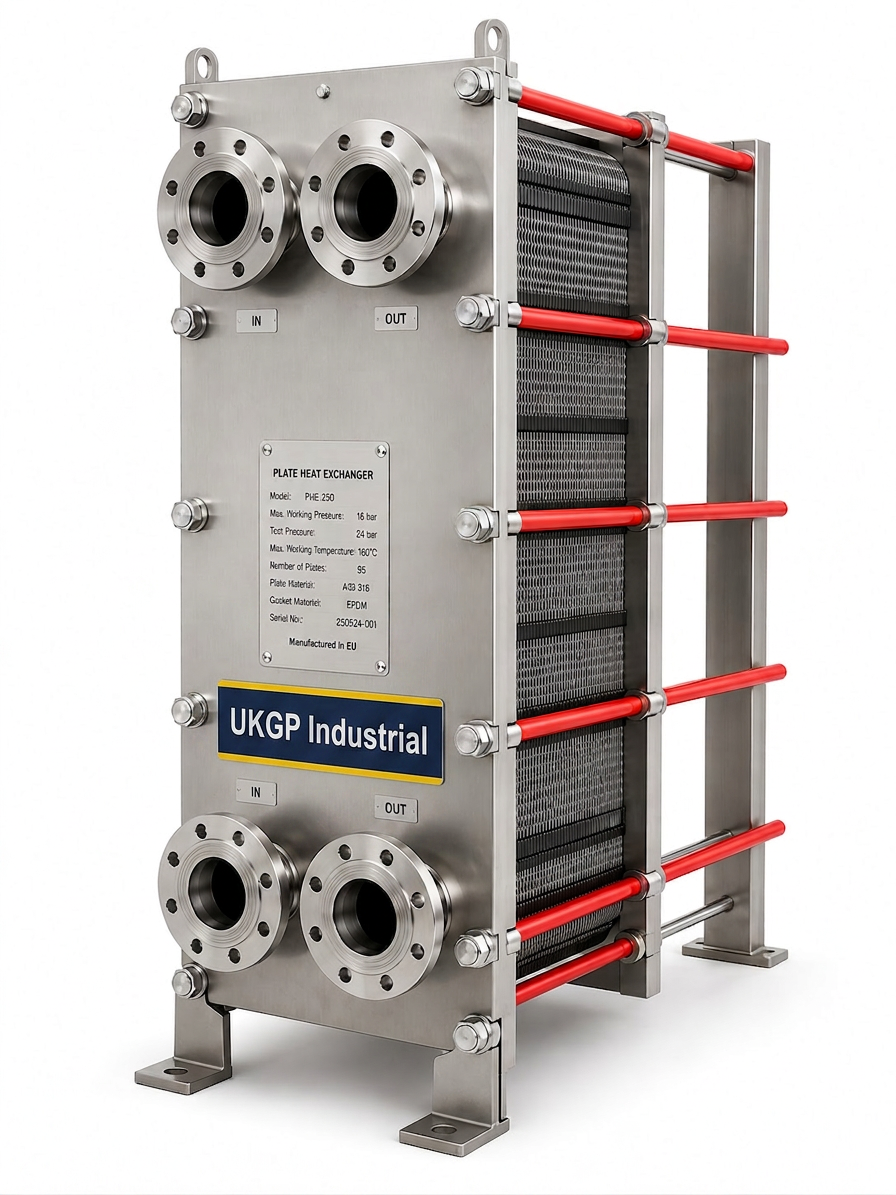
Choosing a professional-grade plate heat exchanger cleaner ensures that the delicate gaskets—whether EPDM or Nitrile—are not compromised during the restoration process. At UKGP Industrial, we understand that thermal efficiency is the cornerstone of commercial building management. When your existing units are beyond the help of chemical remediation due to severe erosion or terminal fouling, we provide bespoke replacements. Our UKGP plate heat exchangers, available in both gasketed and brazed configurations from DN20 to DN300, are sized from a full thermal spec and carry a 2-year warranty. With a lead time of 4-6 weeks, we ensure your building's hot water or heating capacity is restored with hardware built to withstand the rigours of modern chemical maintenance regimes.
- Compatibility with AISI 316/316L stainless steel plates
- Buffered formulations to protect EPDM and NBR gasket seals
- Limescale and magnetite dissolution capabilities
- Alignment with BSRIA BG50 water quality management
Chemical Formulations for Magnetite and Limescale
Magnetite (black iron oxide) is the primary enemy of efficient heat transfer in the UK's ageing building stock. Using a plate heat exchanger cleaner specifically designed to chelate iron oxides is essential for restoring the secondary side flow rates. These chemicals work by breaking the ionic bonds of the magnetite sludge, allowing it to be suspended and flushed out of the narrow channels between the plates. Without this chemical intervention, the pressure drop across the exchanger will continue to rise, forcing circulating pumps to work harder and significantly increasing the electrical consumption of the plant room, which contradicts modern ESG goals for many facility managers.
Limescale, or calcium carbonate, requires a different approach, typically involving acidic cleaners. For gasketed units, it is often safer to dismantle the plate pack and soak the plates in a vat of plate heat exchanger cleaner, as this allows for mechanical inspection of the plate tracks and gasket seating. However, for brazed units where dismantling is impossible, a pumped CIP loop is the only viable method. It is worth noting that hydrochloric acid should never be used on stainless steel due to the risk of chloride-induced stress corrosion cracking. Instead, organic acids or specially inhibited inorganic acids should be specified by the water treatment engineer to ensure the longevity of the equipment.
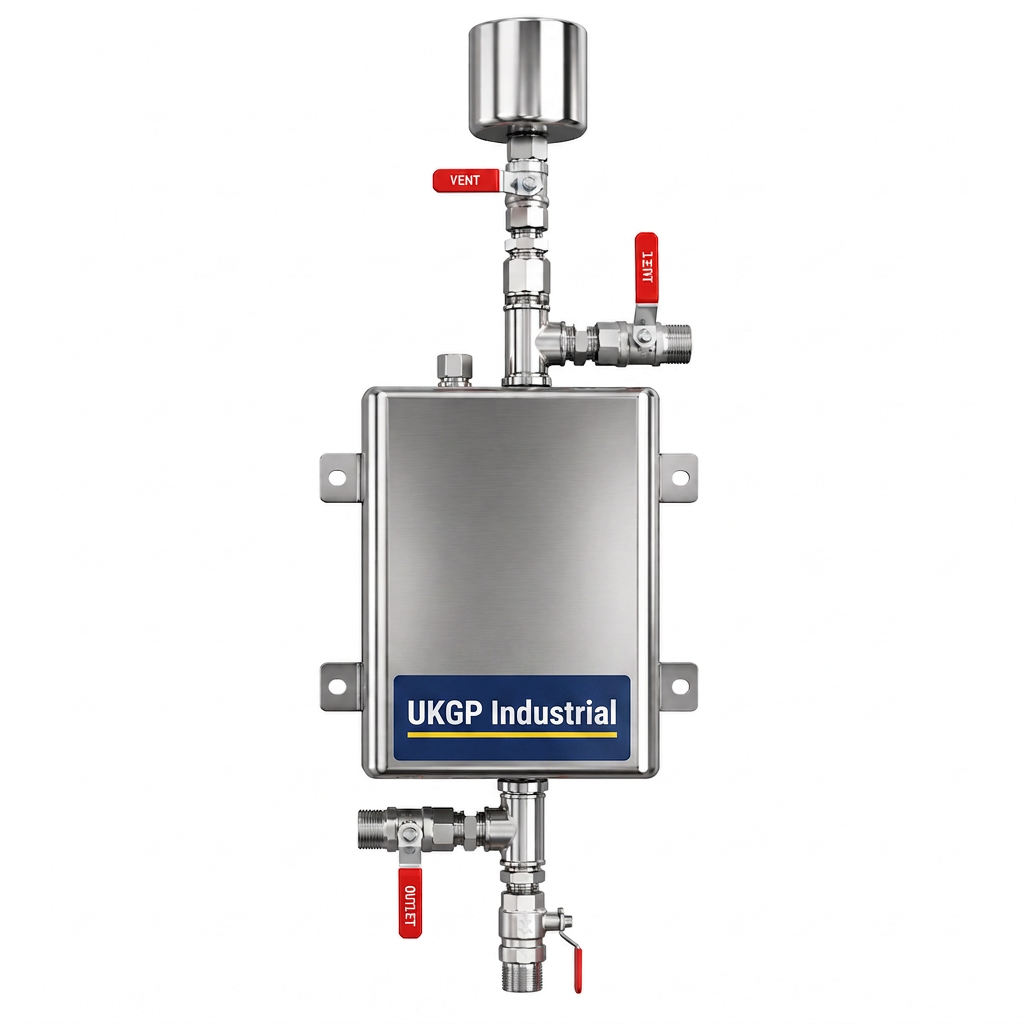
Proper dosing of these chemicals is essential to avoid over-concentration. To ensure your system remains in optimal condition after a deep clean, the integration of high-quality ancillaries is recommended. Beyond the heat exchanger itself, maintaining the chemical balance is simplified with a dedicated UKGP chemical dosing pot. These units allow for the controlled introduction of inhibitors and cleaners into the circuit without interrupting flow. By maintaining the correct chemical levels consistently, you can extend the intervals between requiring a heavy-duty plate heat exchanger cleaner, ultimately protecting the UKGP plate heat exchanger and ensuring it delivers its full design life of trouble-free operation.
- Chelating agents for iron oxide removal
- Organic acid inhibitors for calcium descaling
- Avoidance of chloride-based cleaners for 316L steel
- pH monitoring during the cleaning cycle
The Role of System Filtration in Reducing Cleaning Frequency
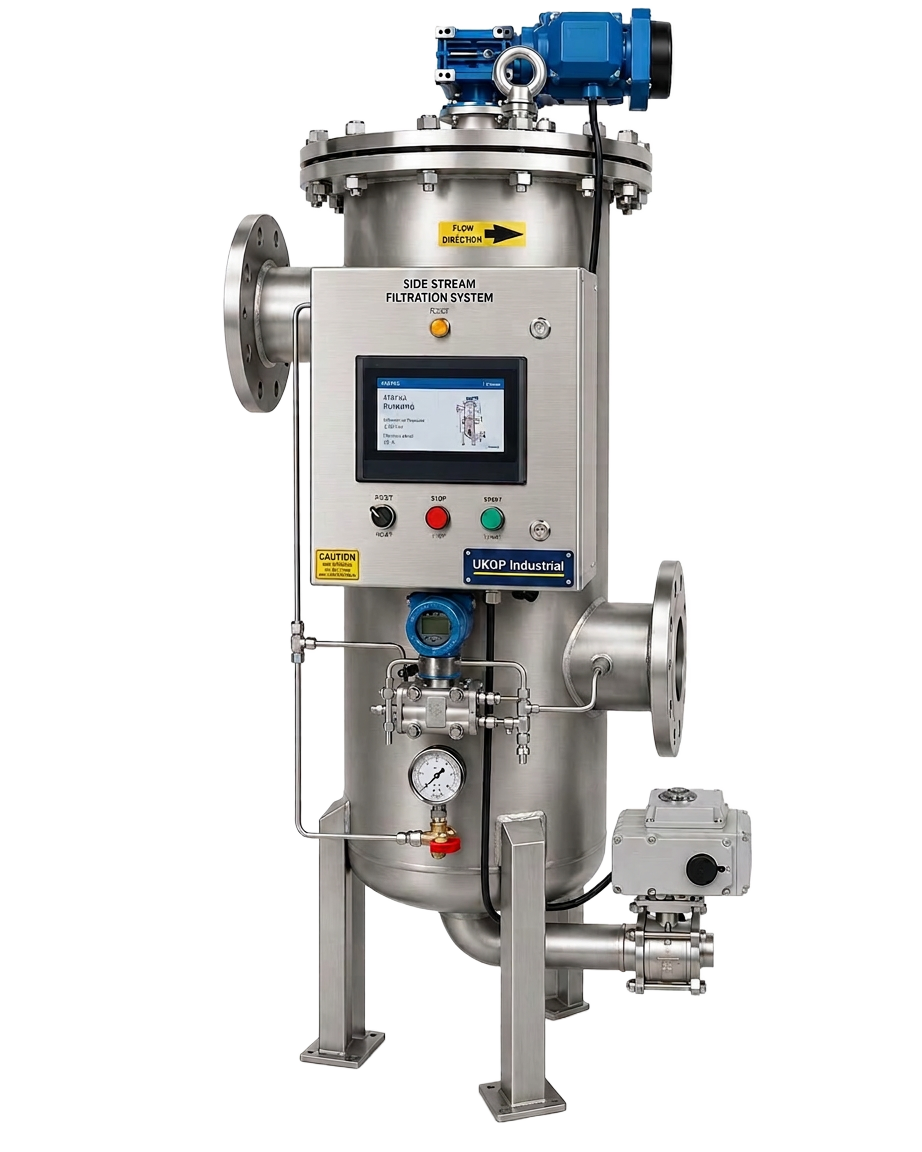
While a plate heat exchanger cleaner is an effective cure, prevention through high-efficiency filtration is the industry-standard best practice according to BSRIA BG29. Side stream filtration systems, incorporating both magnetic and cyclonic separation, remove the particulate matter before it can settle within the narrow plate gaps of the exchanger. By reducing the suspended solids load, you significantly decrease the frequency at which a chemical plate heat exchanger cleaner is required. This not only saves on chemical costs but also reduces the downtime associated with isolating and flushing the heat transfer station, which is often a critical single point of failure in commercial buildings.
Consulting engineers should specify filtration that can capture particles down to 5 microns to truly protect the intricate surfaces of a brazed or gasketed plate heat exchanger. When particulate matter is allowed to circulate, it acts as an abrasive, wearing down the plate thickness over time. This erosion-corrosion cycle is accelerated if the system pH is not correctly managed. Therefore, a holistic approach that combines mechanical filtration with periodic chemical cleaning is the most robust strategy for maintaining HVAC plant. If you find your current exchanger is frequently blocking despite filtration, it may be undersized or reaching the end of its functional life.
In instances where cleaning no longer yields the desired temperature approach, we recommend a technical review of your plate heat exchanger requirements. UKGP Industrial specializes in sizing units from DN20 to DN300, ensuring the plate geometry is optimized for your specific fluid dynamics. Our gasketed and brazed units are sized from a full thermal spec, meaning they are built for the actual load of your building, not a generic estimate. With a 2-year warranty and a manageable 4-6 week lead time, upgrading to a modern UKGP unit can be more cost-effective than repetitive, expensive attempts to revitalise an old, terminally fouled heat exchanger using aggressive chemicals.
- Reduction in chemical waste and environmental impact
- Protection of plate surface integrity from abrasive wear
- Improved system reliability and reduced M&E call-outs
- Compliance with CIBSE CP1 Heat Networks Code of Practice
Standard Procedures for Clean-In-Place (CIP) Operations
The Clean-In-Place procedure is the most efficient method for applying a plate heat exchanger cleaner to a brazed or non-dismantled gasketed unit. This involves connecting a mobile pump set to the drain and vent ports of the exchanger, creating a closed loop that circulates the chemical solution in the reverse direction of the normal flow. This 'back-flushing' action helps to dislodge debris that has become wedged in the inlets. M&E contractors should monitor the pressure and temperature of the cleaning solution throughout this process, as most chemical cleaners are more active at slightly elevated temperatures, typically around 40-50 degrees Celsius.
During a CIP cycle, it is imperative to monitor the pH of the circulating plate heat exchanger cleaner. As the acid reacts with the scale, the pH will rise; if the pH stabilizes, it usually indicates that the scale has been fully dissolved or the chemical has been exhausted. Once the cleaning phase is complete, the unit must be neutralized and thoroughly flushed with demineralized or softened water until the effluent matches the feed water quality. This prevents residual chemicals from causing localized corrosion once the unit is returned to service. Engineers should always record the 'before and after' pressure drops to verify the effectiveness of the chemical cleaning exercise.
Post-cleaning, it is advisable to inspect all peripheral components. Often, if a plate heat exchanger requires cleaning, the expansion bellows and separators in the plant room may also be harboring debris. For replacements or new installations, UKGP provides a comprehensive range of plant room equipment. If your thermal analysis shows that a new unit is required, our UKGP plate heat exchangers are the perfect solution. Whether you need a small DN20 brazed unit for a domestic hot water interface or a large DN300 gasketed unit for a major process load, our 4-6 week lead time and 2-year warranty offer the peace of mind that UK consultants and contractors demand.
- Reverse-flow circulation for maximum debris displacement
- Thermal monitoring of the cleaning solution
- Neutralization phase to prevent post-cleaning corrosion
- Documenting delta-P improvements for FM records
Environmental and Safety Considerations with Chemical Cleaners
Handling any industrial plate heat exchanger cleaner requires strict adherence to COSHH regulations and the manufacturer's safety data sheets. In a confined plant room environment, proper ventilation and personal protective equipment (PPE) are non-negotiable. Furthermore, many UK local authorities have strict regulations regarding the disposal of chemical waste into the foul sewer. Contractors must ensure that the spent cleaning solution is neutralized and, if necessary, tankered away by a licensed waste disposal firm. Choosing biodegradable cleaners where possible can simplify the compliance process while still providing the required descaling power for the plate surfaces.
Environmental responsibility also extends to system efficiency. A fouled heat exchanger consumes more energy, increasing the carbon footprint of the building. By effectively utilizing a plate heat exchanger cleaner, you are directly contributing to the decarbonization of the heat network. Regular maintenance prevents the catastrophic failure of the unit, avoiding the high embodied carbon cost of premature replacement. However, when maintenance can no longer bridge the gap, opting for a high-efficiency replacement from a UK-based supplier like UKGP Industrial ensures that the new equipment meets the latest European standards for thermal performance and material sustainability.
Our team at UKGP provides technical support to help you decide when to clean and when to replace. If your plate pack has experienced cross-contamination due to plate perforation—often a result of using the wrong plate heat exchanger cleaner in the past—replacement is the only safe option. We offer gasketed and brazed plate heat exchangers, sized from a full thermal spec to guarantee performance. Covering sizes from DN20 to DN300, our units are a reliable choice for any commercial application. Request a quote today to see how our 4-6 week lead time and 2-year warranty can keep your project on track while meeting all CIBSE and BSRIA standards.
- Full COSHH compliance for onsite chemical handling
- Safe disposal of neutralized chemical effluent
- Energy savings through restored heat transfer efficiency
- Technical appraisal to determine cleaning vs replacement
Long-term Maintenance and Performance Monitoring
The final stage of any maintenance cycle involving a plate heat exchanger cleaner is the implementation of a performance monitoring program. By installing temperature sensors and pressure gauges on both the primary and secondary inlets and outlets, plant engineers can track the heat transfer coefficient in real-time. A gradual increase in the approach temperature (the difference between the primary inlet and secondary outlet) is a clear indicator that fouling is reoccurring. This data-driven approach allows for 'condition-based maintenance' rather than relying on arbitrary calendar dates, ensuring that the plate heat exchanger is only cleaned when strictly necessary.
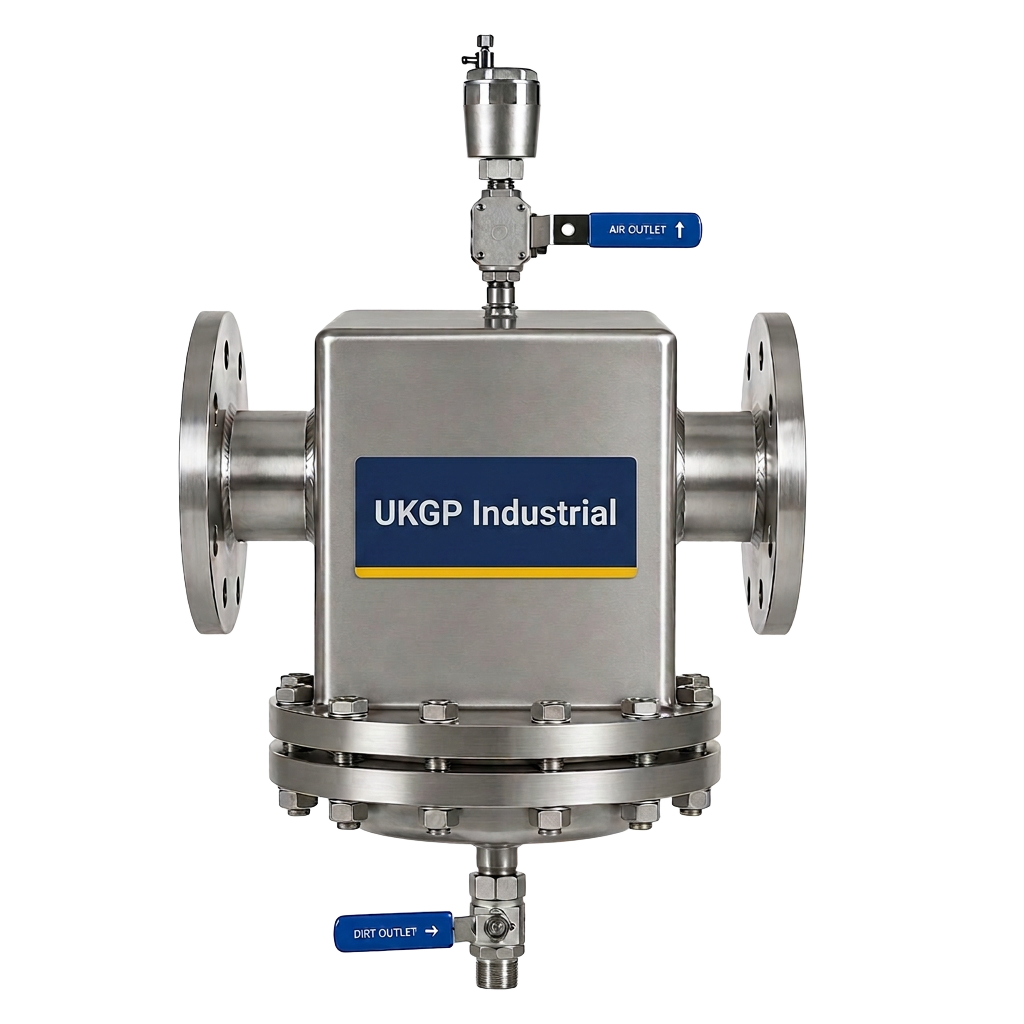
In addition to monitoring, the use of high-quality air and dirt separators can further extend the time between cleaning intervals. Removing micro-bubbles and fine dirt particles prevents the 'baking' of debris onto the hot plates. When these mechanical measures are combined with the correct plate heat exchanger cleaner, the HVAC system operates at maximum uptime. For those specifying new systems, incorporating a UKGP plate heat exchanger at the design stage ensures you have a unit that is accessible for cleaning and built to last. Our DN20 to DN300 range is designed with the service engineer in mind, facilitating easier maintenance and more efficient chemical circulation.
Whether you are battling limescale in a hard water area or magnetite in an old iron-pipe system, the right plate heat exchanger cleaner is a vital tool in your arsenal. At UKGP Industrial, we are committed to supporting UK building services with high-specification hardware and technical expertise. If your current heat exchanger is underperforming and chemical cleaning is no longer effective, contact us for a replacement solution. Our plate heat exchangers, sized exactly to your thermal requirements and offered with a 2-year warranty, provide a long-term fix for your heating and cooling challenges. With 4-6 week lead times, we help you minimize downtime and restore system integrity quickly.
- Installation of PT100 sensors for delta-T monitoring
- Integration of air and dirt separation technology
- Transitioning to condition-based maintenance schedules
- Ongoing validation of water chemistry post-cleaning
Frequently asked questions
Can I use hydrochloric acid as a plate heat exchanger cleaner?
- No. Hydrochloric acid should never be used on stainless steel plate heat exchangers as it causes chloride-induced stress corrosion cracking and pitting. Use inhibited phosphoric, citric, or sulfamic acid-based cleaners instead.
How often should I use a plate heat exchanger cleaner in a commercial HVAc system?
- The frequency depends on water quality and filtration. According to BSRIA BG50, if water treatment is maintained, cleaning might only be needed every 3-5 years. However, systems with high magnetite levels may require more frequent intervention.
Is it better to clean a gasketed plate heat exchanger in-place or by dismantling?
- CIP (Clean-In-Place) is faster and less risky for the gaskets. Dismantling is only recommended if the fouling is severe or 'solid,' as it allows for manual scrubbing and plate inspection, but requires new gaskets upon reassembly.
How do I know if the plate heat exchanger cleaner has worked?
- Success is measured by a reduction in pressure drop (Delta-P) across the unit and a decrease in the approach temperature, meaning the secondary output temperature closely matches the design specification.
What is the lead time for a replacement UKGP plate heat exchanger if cleaning fails?
- If your unit is beyond cleaning, UKGP offers a lead time of 4-6 weeks for both gasketed and brazed plate heat exchangers, ranging from DN20 to DN300, all sized from your specific thermal data.