Defining technical requirements for heat exchanger suppliers UK
Navigating the procurement process for thermal management requires more than just a surface-level understanding of flow rates. To get the best value from heat exchanger suppliers UK, building services consultants must first define the exact primary and secondary circuit parameters. This includes fluid types, entering and leaving temperatures, and the allowable pressure drop. At UKGP, we emphasize that providing a full thermal spec is the only way to ensure the unit is neither undersized—leading to performance failure—nor oversized, which causes unnecessary capital expenditure and takes up valuable plant-room space. A correctly sized unit ensures the system operates within its design delta T, maintaining the efficiency of the boilers or heat pumps feeding the primary circuit.
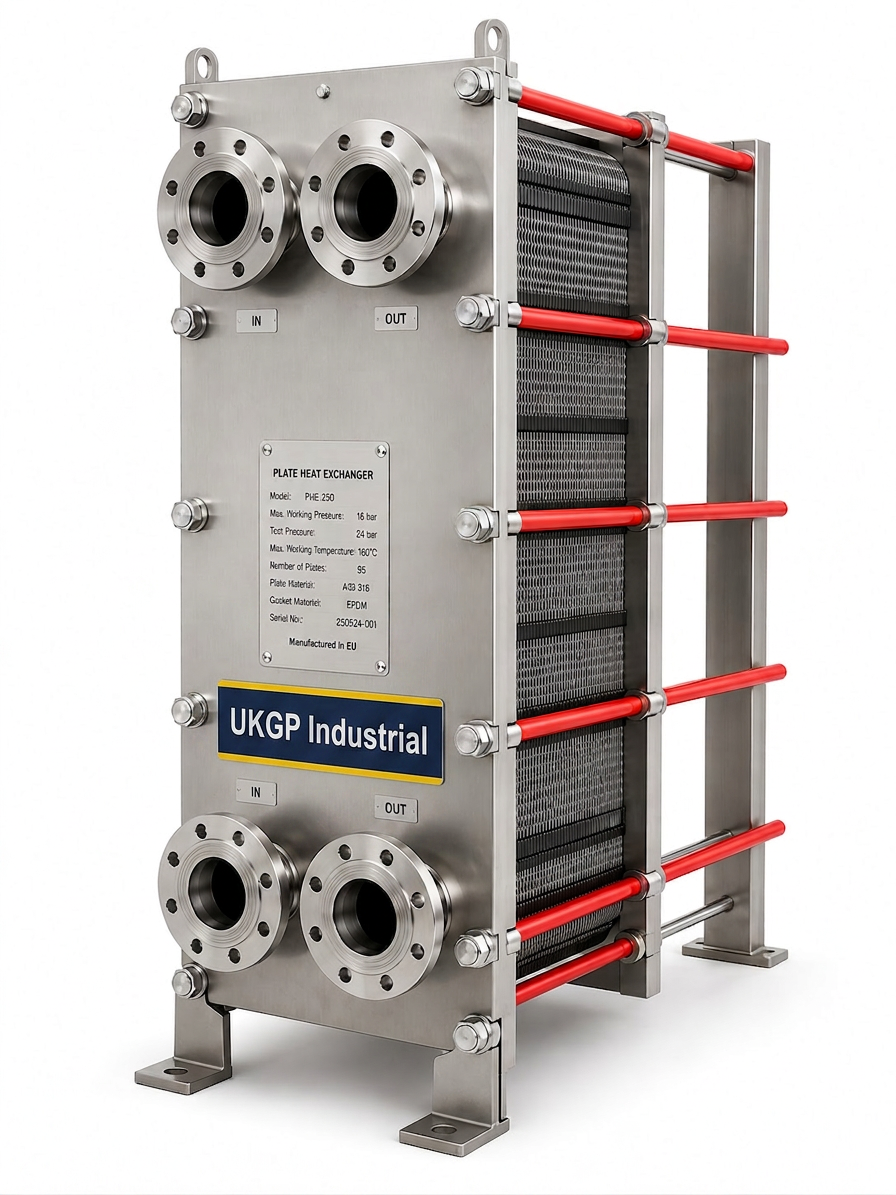
Engineering leads should also consider the physical constraints of the installation site. Many heat exchanger suppliers UK might offer a standard footprint that does not account for the accessibility requirements defined in CIBSE Guide M. When requesting a quote, specify whether you require a gasketed plate heat exchanger for ease of maintenance and future scalability, or a compact brazed unit for smaller, high-pressure applications. UKGP offers both gasketed and brazed variants, ranging from DN20 to DN300, ensuring we can accommodate everything from small commercial blocks to large-scale industrial district heating schemes. By providing these details upfront, you allow the supplier to optimise the plate configuration for maximum turbulent flow and heat transfer.
Durability and compliance must be at the forefront of the selection process. In the UK market, robust construction is essential to withstand the varying water quality often found in closed-loop systems. While BSRIA BG29 and BG50 focus heavily on water treatment and pre-commissioning cleaning, the physical integrity of the heat exchanger is just as vital. Leading heat exchanger suppliers UK should provide equipment manufactured to high standards, including PED compliance where applicable. UKGP provides a 2-year warranty on our units, reflecting our confidence in the build quality. A long-term perspective on maintenance, including the availability of replacement gaskets and plates, should be a primary factor in your final decision-making process.
- Specify exact primary and secondary fluid temperatures.
- Identify maximum allowable pressure drop to maintain pump efficiency.
- Choose between gasketed (serviceable) or brazed (compact) designs.
- Ensure all units carry a minimum 2-year warranty for peace of mind.
Thermal specification and efficiency standards
The accuracy of the thermal data provided to heat exchanger suppliers UK directly correlates with the operational efficiency of the building. Consultants should provide the specific gravity and viscosity of the fluids, particularly if glycol is used for frost protection in external circuits. Without this data, the heat transfer coefficients will be calculated incorrectly, leading to a significant shortfall in thermal output. At UKGP, we use advanced sizing software to model these variables, ensuring that our DN20 to DN300 units deliver the exact kilowatts required by the design. This level of detail is what separates professional UK manufacturers from generalist importers who may use generic sizing charts.
In modern low-temperature heating systems, such as those powered by air-source heat pumps, the approach temperature (the difference between the primary return and secondary flow) is tighter than ever. This requires a larger surface area and precise plate geometry. When talking to heat exchanger suppliers UK, ask how their equipment handles low-grade heat and whether the plate arrangement can be adjusted if system requirements change in the future. Gasketed units are particularly advantageous here, as plates can be added or removed to fine-tune performance post-installation. This flexibility is a key commercial advantage when long-term building usage is subject to change.
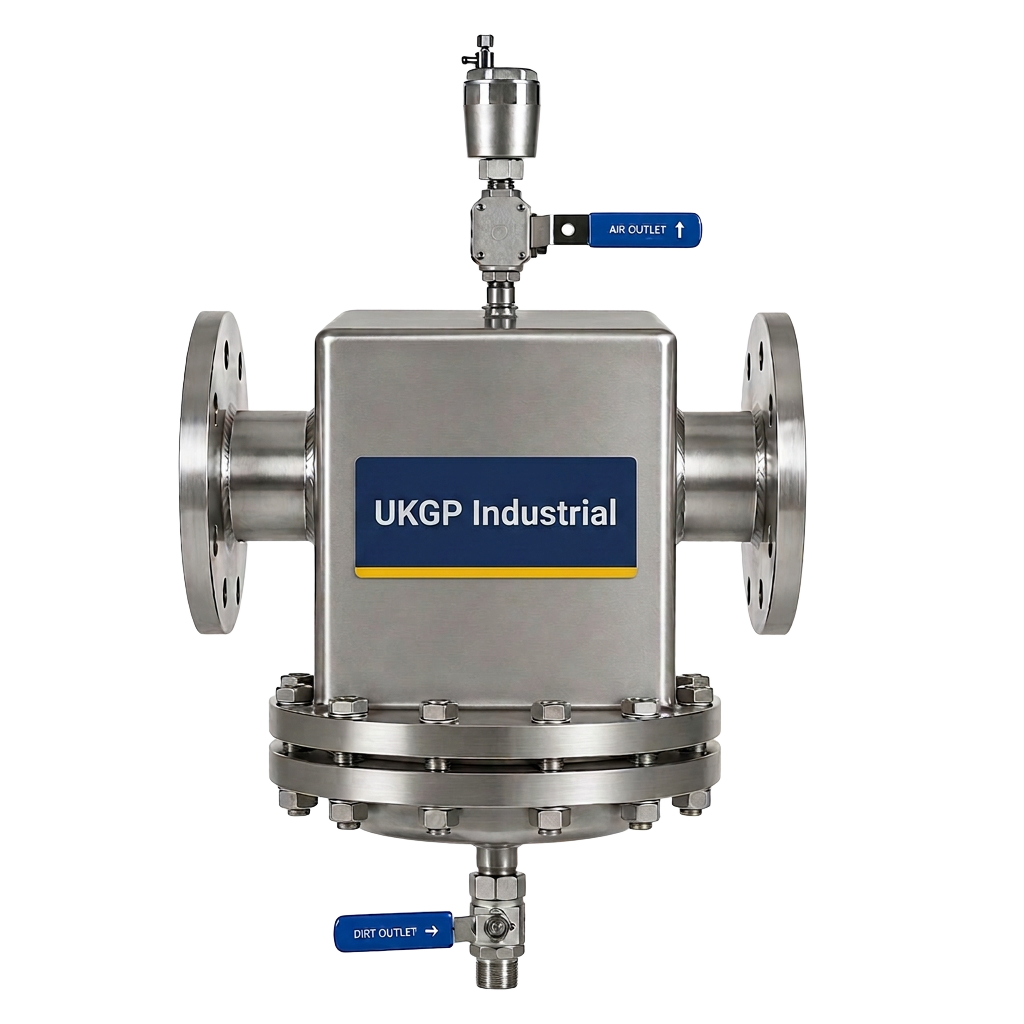
Furthermore, the integration of heat exchangers must consider the wider hydraulic balance of the system. To protect the heat exchanger from debris, which can cause fouling and reduced heat transfer, it is essential to install appropriate filtration. We often recommend pairing our thermal solutions with high-quality air and dirt separators to maintain fluid clarity. By addressing the thermal spec and the secondary protection simultaneously, M&E contractors can ensure a smoother commissioning process that aligns with BSRIA BG29 standards for clean system operation. This holistic approach prevents common issues like localized overheating or premature plate corrosion in the heat exchanger.
- Include glycol percentages in all thermal specification requests.
- Prioritise low approach temperatures for heat pump compatibility.
- Evaluate the ease of adding or removing plates for future-proofing.
- Ensure the thermal design aligns with CIBSE energy efficiency targets.
Lead times and commercial reliability in the UK market
A major challenge for FMs and contractors is the volatility of supply chains. When vetting heat exchanger suppliers UK, lead time is often as critical as the technical spec. Projects can be delayed by weeks due to late equipment deliveries, impacting the overall construction programme. UKGP addresses this by offering a reliable 4-6 week lead time for our custom-sized units. This allows procurement leads to plan with certainty, knowing that their gasketed or brazed plate heat exchangers will arrive on-site when the plant-room is ready for installation. Always ask for a firm delivery date alongside your price quote to avoid project bottlenecks.
Pricing transparency is another vital trait of reputable heat exchanger suppliers UK. Quotes should clearly break down the cost of the unit, any required frame adjustments, and shipping fees. At UKGP, our quotes are based on a full thermal spec, meaning there are no hidden costs or 'under-sized' surprises later. We also advocate for a 2-year warranty as standard, which provides commercial security for the end client. If a supplier is unwilling to stand by their equipment for at least 24 months, it may indicate lower-grade materials or a lack of confidence in their manufacturing process, especially in high-demand commercial environments.
Finally, the location and support of the supplier matter. UK-based support means that if technical issues arise during installation or commissioning, you have access to experts who understand UK building codes and BSRIA standards. We work closely with Surrey-based and national teams to provide this local expertise. Selecting heat exchanger suppliers UK like UKGP ensures that you have a partner who can provide rapid technical responses, spare parts, and commissioning advice. This level of service is indispensable when dealing with critical infrastructure where downtime is not an option and rapid resolution is a contractual requirement.
- Ask for a firm 4-6 week lead time to ensure project timelines.
- Look for a comprehensive 2-year warranty on all thermal equipment.
- Confirm that the supplier provides full technical support for UK standards.
- Check that the quote includes all necessary frame and connection details.
Maintenance accessibility and life cycle costs
Total cost of ownership is a metric that Facilities Managers must prioritise over initial capital expenditure. High-quality heat exchanger suppliers UK will design units that are easy to maintain, reducing long-term labour costs. For example, gasketed plate heat exchangers allow for individual plates to be cleaned or replaced without needing to strip the entire pipework, provided that adequate clearance has been designed into the plant-room layout. This accessibility is vital for complying with BS 8552 regarding water quality monitoring, as it allows for physical inspection of the heat transfer surfaces to check for scale or biofilm buildup.
Brazed units, while not serviceable in the same way, offer a lower initial cost and a very compact footprint. They are often the preferred choice for smaller applications where space is at a premium. However, the choice between gasketed and brazed should always be informed by the expected lifespan of the system and the budget for future maintenance. Reliable heat exchanger suppliers UK will offer both options and provide a comparison based on your specific application, whether it is for domestic hot water (DHW) separation or industrial process cooling. Ensure your supplier can provide the DN20 to DN300 range to suit both ends of the scale.
Energy efficiency also plays a massive role in life cycle costs. A poorly sized heat exchanger from cut-price heat exchanger suppliers UK can lead to high pumping costs as the system struggles to overcome high pressure drops. By investing in a unit that is precisely sized from a full thermal spec, you ensure the system operates at peak efficiency from day one. This significantly reduces the carbon footprint of the building and results in lower utility bills for the end user. At UKGP, we focus on providing high-performance thermal solutions that deliver measurable ROI through energy savings and reduced maintenance interventions.
- Select gasketed units for systems requiring regular internal cleaning.
- Use brazed units for compact, maintenance-free temporary installations.
- Calculate pumping costs based on the specified pressure drop.
- Verify that the unit design facilitates compliance with BS 8552.
Compliance with BSRIA and British Standards
Adherence to industry standards is non-negotiable for high-specification projects. When sourcing from heat exchanger suppliers UK, you must ensure their products align with BSRIA BG29 (Pre-commission cleaning of pipework systems) and BG50 (Water treatment for closed heating and cooling systems). The material choice for the plates—typically 316 stainless steel or titanium—must be compatible with the chemical dosing regimes planned for the building. Failure to coordinate the metallurgy with the water treatment strategy can lead to rapid pitting corrosion, especially in systems with high chloride levels or those using aggressive cleaning agents.
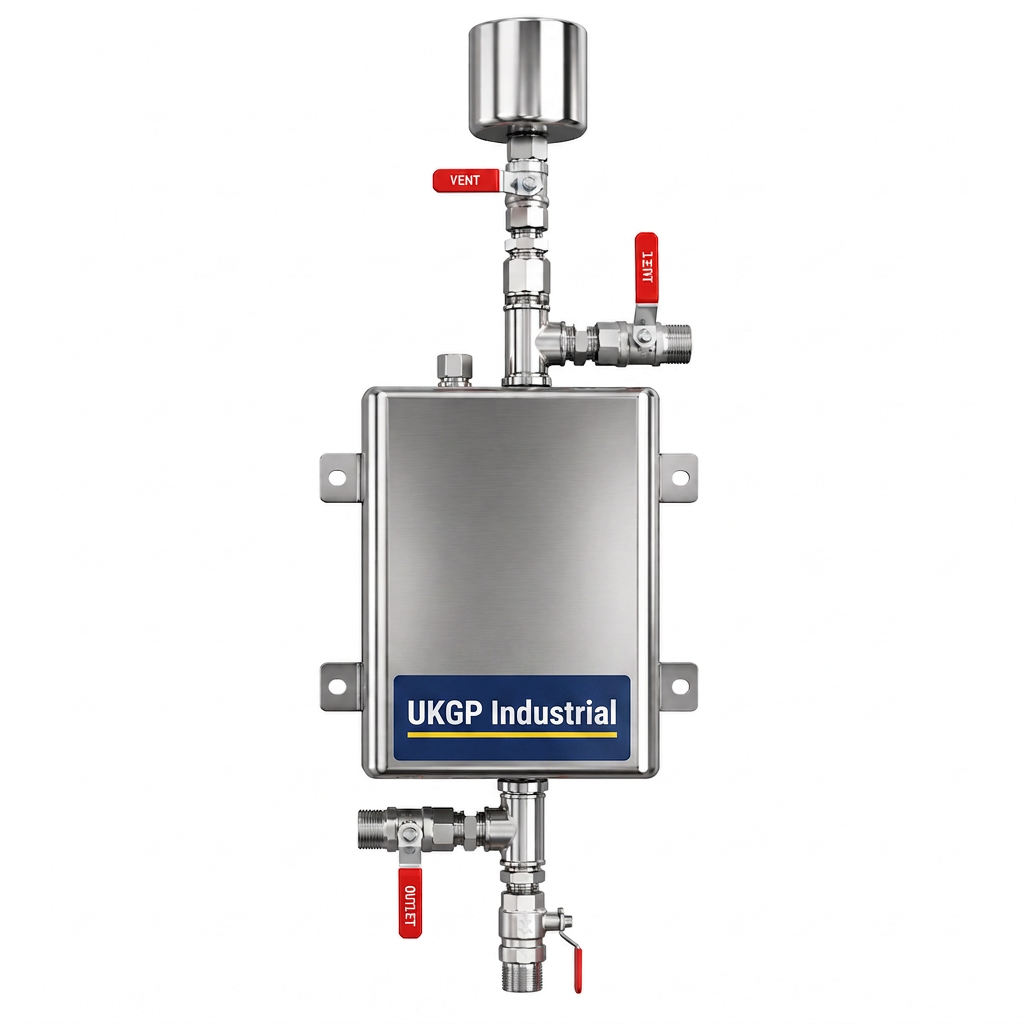
Furthermore, BS EN 14917 and other relevant pressure vessel standards should guide the manufacturing process. Heat exchanger suppliers UK who can demonstrate rigorous testing and quality control provide an extra layer of safety for the plant-room environment. At UKGP, we ensure our units are built to withstand the rigours of commercial HVAC operation, with flanged or threaded connections from DN20 up to DN300. This ensures a secure, leak-free integration into the system header, which we can also supply as part of a complete plant-room solution including low loss headers and dosing pots.
Documentation is the final piece of the compliance puzzle. A reputable supplier will provide full data sheets, O&M manuals, and certificates of conformity upon delivery. This documentation is essential for the building's logbook and for future FM teams to manage the assets effectively. When you request a quote from heat exchanger suppliers UK, ask what documentation is included in the package. A complete technical submittal from UKGP includes all thermal performance data, pressure drop curves, and material specifications, ensuring that the consultant can approve the equipment with full confidence in its performance and safety.
- Verify plate materials are compatible with BSRIA water treatment plans.
- Ensure all pressure vessels meet relevant BS EN manufacturing codes.
- Demand a full technical submittal with every quotation received.
- Confirm that connection sizes (DN20-DN300) match the system design.
Optimising the procurement process for M&E contractors
For M&E contractors, the goal is often to find a balance between high-specification performance and project budget. Working with specialist heat exchanger suppliers UK allows for a more tailored approach than sourcing from general merchant stock. By engaging early in the design stage, contractors can benefit from 'value engineering' where the supplier suggests the most cost-effective plate configuration that still meets the consultant's thermal requirements. UKGP’s ability to size from a full thermal spec means we can often provide a more compact, efficient unit that saves on both floor space and material costs for the contractor.
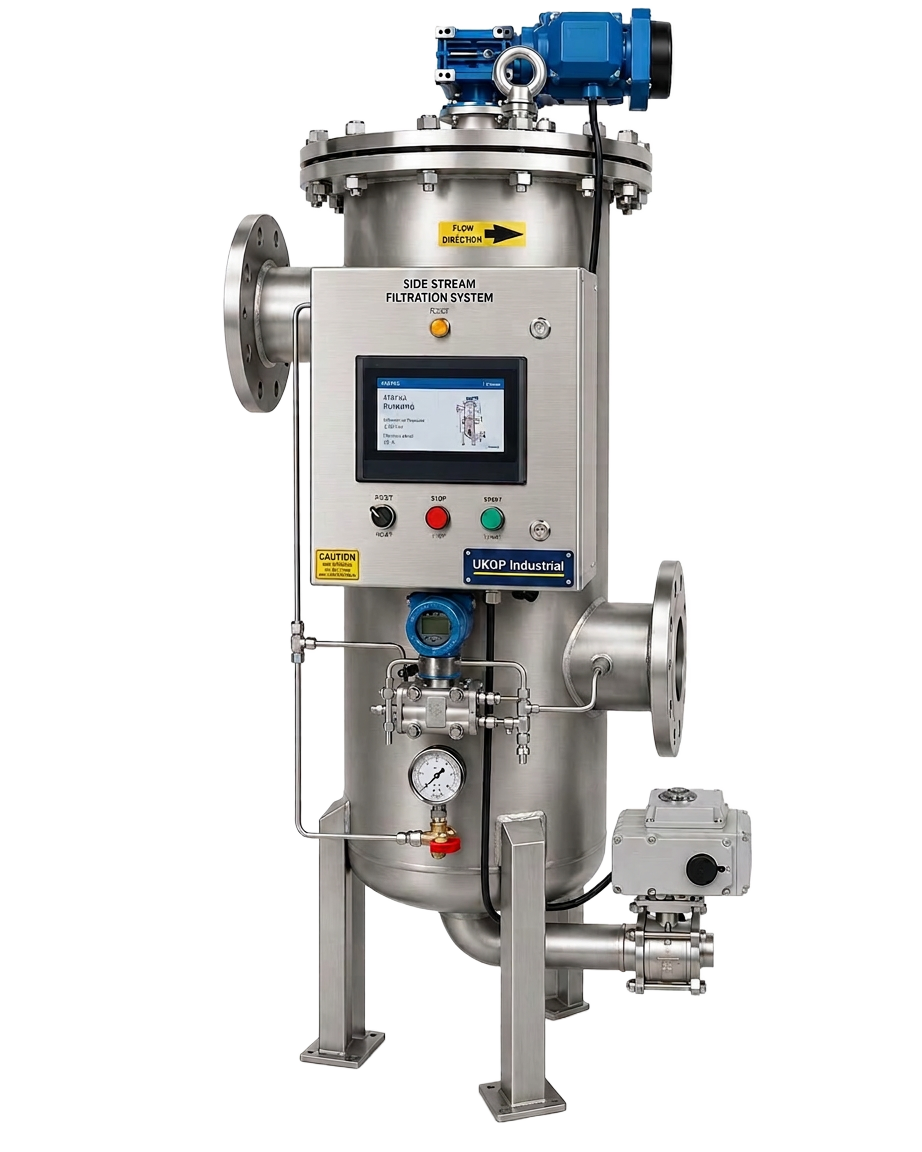
Project management is also simplified when dealing with heat exchanger suppliers UK who offer a range of ancillary equipment. For instance, pairing a plate heat exchanger with a chemical dosing pot or a side stream filtration skid ensures that the entire thermal transfer sub-system is protected and sized correctly as a single entity. This reduces the risk of component mismatch and simplifies the procurement chain. UKGP can act as a single point of truth for these components, ensuring that the transition from a low loss header to the heat exchanger is hydraulically sound and thermally efficient.
In conclusion, the key to a successful thermal installation lies in the quality of the initial specification and the reliability of the choice between heat exchanger suppliers UK. By focusing on technical data, lead times, and a solid 2-year warranty, professionals can ensure their projects are delivered on time and operate at peak efficiency for years to come. Whether you require a DN20 brazed unit for a plant-room skid or a DN300 gasketed exchanger for an industrial process, UKGP is ready to provide a quote sized exactly to your needs with a 4-6 week lead time.
- Engage suppliers early to identify cost-saving plate configurations.
- Consolidate procurement by sourcing ancillaries like dosing pots.
- Prioritise suppliers who offer thermal sizing software verification.
- Request a quote from UKGP for a 2-year warranted thermal solution.
Frequently asked questions
What information is needed for a plate heat exchanger quote?
- To provide an accurate quote, heat exchanger suppliers UK require the full thermal spec, including primary and secondary side flow rates, entering and leaving temperatures, fluid type (e.g., water or glycol %), and the maximum allowable pressure drop.
What is the typical lead time for a heat exchanger in the UK?
- At UKGP, our standard lead time for both gasketed and brazed plate heat exchangers is 4-6 weeks, ensuring a balance between custom engineering and timely project delivery.
Should I choose a gasketed or brazed heat exchanger?
- Gasketed units (DN20-DN300) are serviceable and scalable, making them ideal for systems requiring regular maintenance. Brazed units are more compact and cost-effective for smaller, high-pressure applications where serviceability is not a primary concern.
Do UKGP heat exchangers come with a warranty?
- Yes, all UKGP plate heat exchangers are backed by a 2-year warranty, providing long-term security and reflecting our high manufacturing standards.
Can you size a heat exchanger for heat pump applications?
- Absolutely. We specialise in sizing units for low-temperature networks where tight approach temperatures are required, ensuring maximum efficiency for air-source or ground-source heat pump systems.