The role of the heat exchanger for combi boiler hydraulic separation
In modern commercial plant rooms, the heat exchanger for combi boiler units serves a vital role in separating the high-efficiency primary heat source from the secondary distribution system. This separation is critical when retrofitting new condensing boilers into legacy systems where the existing pipework may contain significant volumes of magnetite or debris. By using a plate heat exchanger for combi boiler isolation, engineers can ensure that the boiler’s internal waterways remain clean, maintaining the manufacturer's warranty and ensuring peak performance. The primary circuit operates at a controlled temperature and pressure, while the secondary side handles the fluctuating demands of the building's heating or domestic hot water circuits. This setup is particularly effective in preventing pressure shocks and chemical imbalances from migrating back to the sensitive boiler components.
From a technical perspective, the heat exchanger for combi boiler protection must be sized to handle the full thermal output of the boiler bank while maintaining a low pressure drop. Selecting a unit with high-grade 316 stainless steel plates ensures longevity against the corrosive effects of untreated secondary water, although BSRIA BG29 and BG50 guidelines should always be followed for water chemistry. In these commercial environments, the thermal stresses can be considerable, especially during peak demand periods in multi-residential blocks or hotels. A correctly specified heat exchanger for combi boiler installations will manage these thermal transitions smoothly, reducing the cycling frequency of the burners and thereby extending the operational life of the entire heating plant. Without this separation, the boiler's internal heat exchanger is at high risk of scaling and premature failure.
Building services consultants often prioritize hydraulic separation using a heat exchanger for combi boiler circuits to simplify system balancing and commissioning. With distinct primary and secondary pumps, the flow rates can be optimized for the condensing range of the boilers, ensuring return temperatures stay below 55 degrees Celsius. This is essential for achieving the seasonal efficiencies promised by modern boiler technology. When designing these systems, it is vital to account for the Log Mean Temperature Difference (LMTD) to ensure the plate heat exchanger is not undersized, which would lead to inadequate heat transfer and occupant complaints. Our engineering team at UKGP Industrial specializes in providing precise thermal calculations, ensuring that every plate heat exchanger for combi boiler applications we supply is perfectly matched to the specific duty required by the M&E contractor.
- Ensures hydraulic isolation between primary boiler loops and secondary distribution.
- Protects sensitive condensing boiler internals from system debris and magnetite.
- Facilitates easier system balancing and independent pump control.
- Supports compliance with BSRIA BG50 guidelines for system maintenance.
Calculating thermal duty for a heat exchanger for combi boiler systems
Specifying the correct heat exchanger for combi boiler applications requires a detailed thermal specification covering the kW rating, mass flow rates, and allowable pressure drops. In a typical UK commercial plant room, the primary side might be designed for an 80/60C flow and return, while the secondary side requires 70/50C for space heating or 10/60C for domestic hot water production. The efficiency of the heat exchanger for combi boiler separation directly impacts the overall COP of the system. If the temperature approach—the difference between the primary inlet and secondary outlet—is too narrow, the required surface area of the plates increases significantly, affecting both the physical footprint and the cost of the unit. We recommend a full thermal analysis before procurement to ensure the unit performs under peak winter loads.
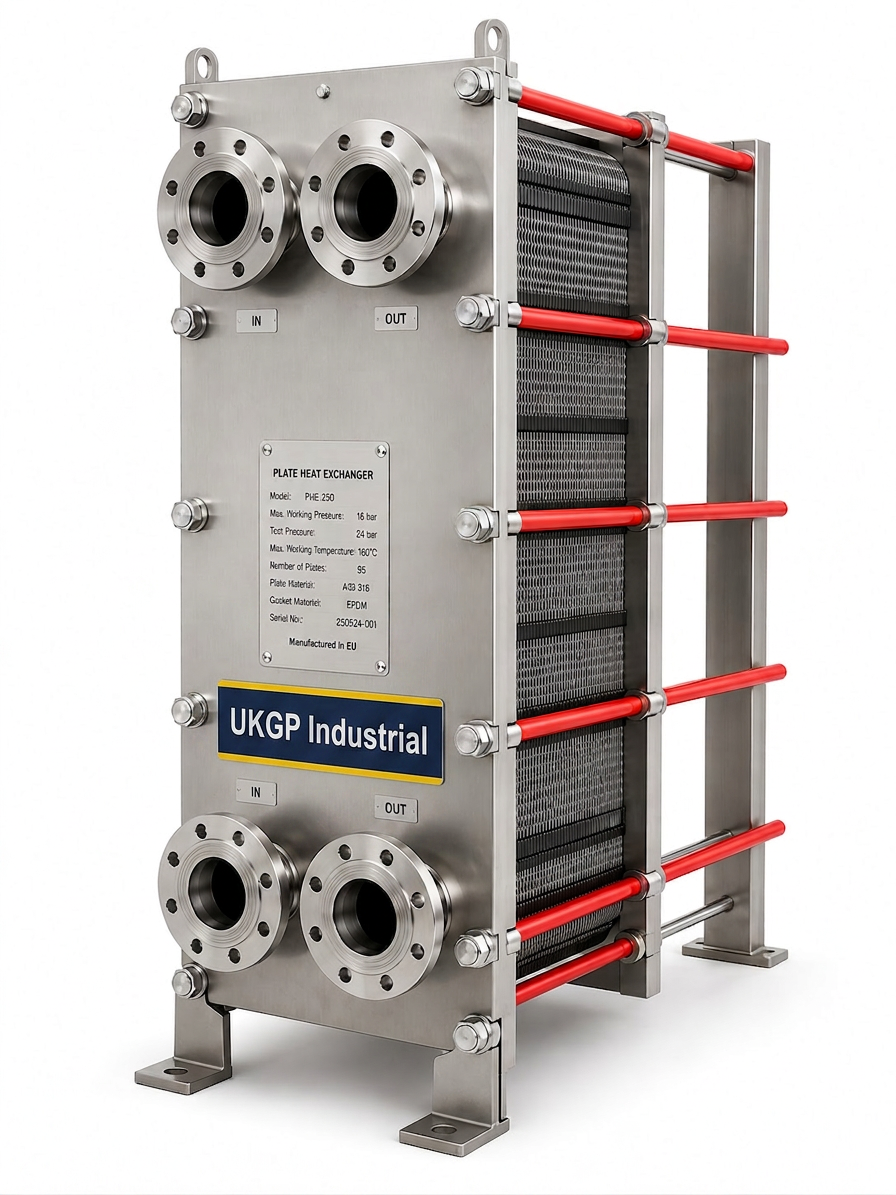
When calculating the duty for a heat exchanger for combi boiler integration, engineers must also consider the fouling factor. Over time, even with good water treatment in accordance with BS 8552, a thin film can develop on the plates, reducing thermal conductivity. By including a margin in the initial selection, the system remains resilient throughout its service life. UKGP Industrial provides bespoke sizing for gasketed and brazed units ranging from DN20 to DN300 connections. For larger commercial developments, gasketed plate heat exchangers offer the advantage of being expandable; plates can be added if the building's demand increases. Conversely, brazed units offer a compact footprint for tighter plant rooms where space is at a premium but still require high thermal performance to satisfy the heat exchanger for combi boiler demand.
A critical aspect often overlooked is the pressure drop across the heat exchanger for combi boiler primary side. High pressure drops can necessitate larger pumps, increasing the project's parasitic energy load and potentially conflicting with Part L of the Building Regulations. Our UK-based technical team works closely with M&E contractors to balance plate geometry with pressure drop requirements. By selecting the optimal plate pattern—often a mix of 'high-theta' and 'low-theta' plates—we can achieve the desired temperature profiles without exceeding the pump head limits. This level of technical detail ensures that the heat exchanger for combi boiler duty is met efficiently, providing a reliable and cost-effective solution for the end-user. We offer a 2-year warranty on our sized units, providing peace of mind for procurement leads and facility managers.
- Precise LMTD calculations prevent undersizing and performance shortfall.
- Consideration of fouling factors ensures long-term thermal reliability.
- Selection of DN20 to DN300 connections to suit various commercial flow rates.
- Options for gasketed or brazed plate designs based on plant room space.
Maintenance and compliance with BSRIA and BS standards
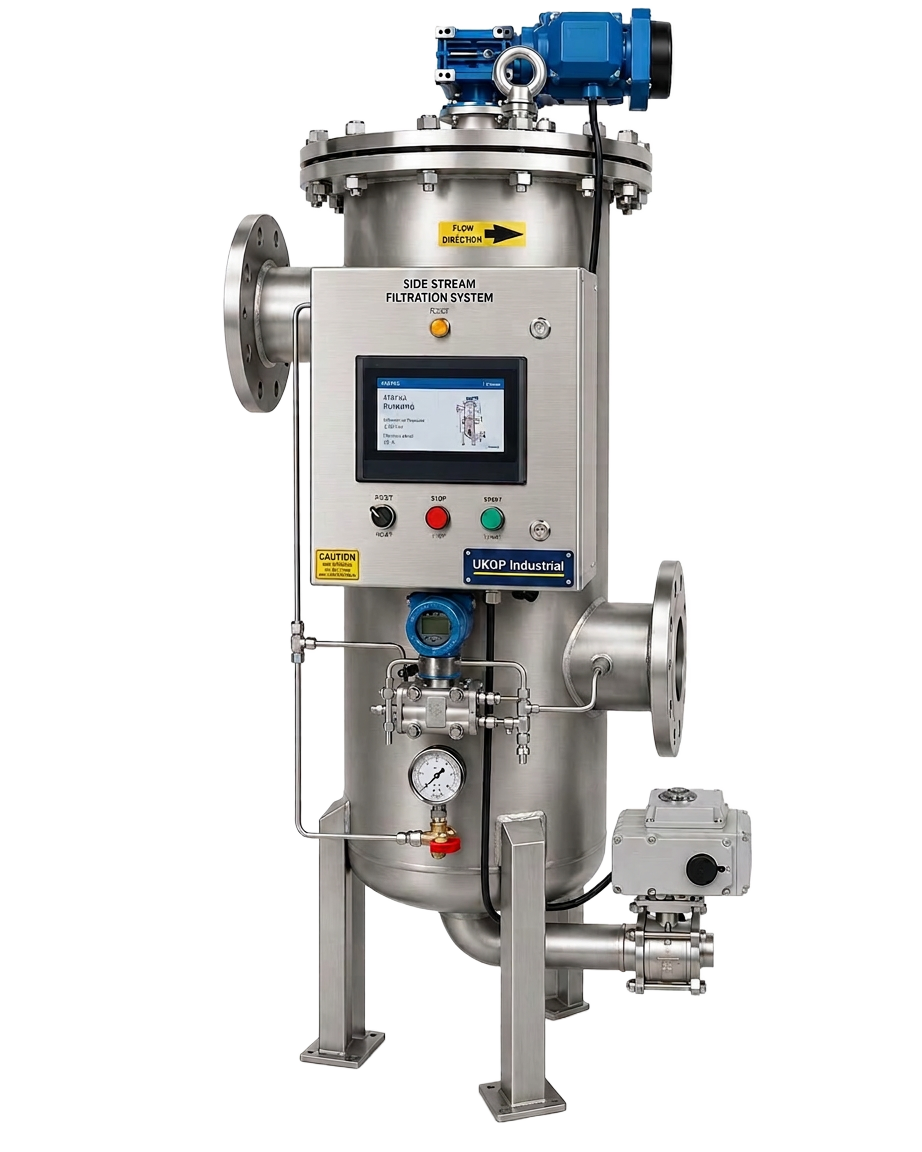
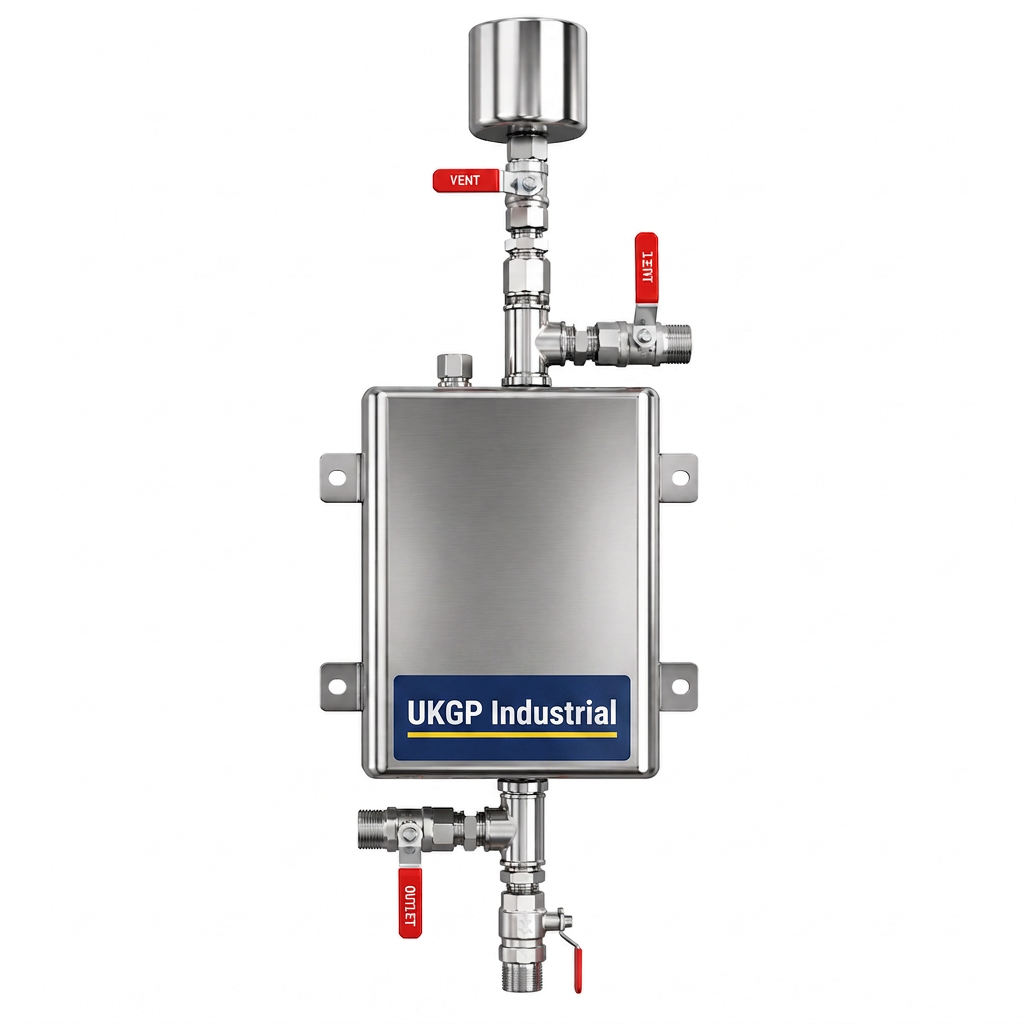
In the UK, the longevity of a heat exchanger for combi boiler setups is heavily dependent on adherence to BSRIA BG29 (Pre-commission cleaning) and BG50 (Water treatment for closed systems). Without proper chemical dosing and filtration, the small channels within the plate heat exchanger can become blocked, leading to reduced heat transfer and increased pressure drops. We highly recommend the installation of a stainless steel dosing pot and a high-performance side stream filtration system to maintain water quality. These components work in tandem with the heat exchanger for combi boiler isolation to create a robust, low-maintenance heating system. Following a rigorous water treatment regime not only protects the heat exchanger but also ensures the entire plant room operates at peak efficiency for longer periods, reducing the frequency of costly emergency call-outs.
Regular inspection of the heat exchanger for combi boiler service is also essential. For gasketed units, this involves checking the integrity of the EPDM or NBR gaskets and ensuring there are no signs of external leaks or cross-contamination. Brazed units, while maintenance-free in terms of physical adjustments, should be monitored via pressure gauges and temperature sensors to detect any internal fouling. If a drop in performance is noted, a chemical clean-in-place (CIP) procedure can often restore capacity. Modern sensors, such as pH sensors and transmitters, can provide real-time data on the system fluid condition, allowing for proactive maintenance before the heat exchanger for combi boiler performance is compromised. This data-driven approach is increasingly favored by FMs managing complex commercial portfolios where downtime is not an option.
Compliance with BS EN 14917 for expansion bellows and general pressure vessel regulations is also paramount when installing these systems. The thermal expansion of the secondary circuit must be adequately managed to prevent stress on the heat exchanger for combi boiler connections. At UKGP Industrial, we provide the full suite of plant room components, from low loss headers to expansion solutions, ensuring compatibility across the entire hydraulic circuit. Our 4-6 week lead time on custom-sized plate heat exchangers allows project managers to stay on track with their installation schedules. By sourcing a complete, integrated solution, contractors can be confident that the thermal performance, pressure management, and water quality are all optimized to work together seamlessly.
- Align with BSRIA BG29/BG50 for optimal system water chemistry.
- Utilise side stream filtration to prevent plate channel blockages.
- Monitor pH levels to protect 316 stainless steel from corrosion.
- Integrate expansion bellows to manage thermal stress on pipework.
Material selection for aggressive water conditions
When selecting a heat exchanger for combi boiler applications, material compatibility is a primary concern for the design engineer. Most standard commercial applications utilise 316L stainless steel plates due to their excellent corrosion resistance and thermal conductivity. However, in environments with high chloride levels or aggressive water chemistry, alternative materials like Titanium may be necessary, especially for process cooling or specific DWH applications. The heat exchanger for combi boiler duty must be evaluated against the water analysis report to ensure the selected Metallurgy will withstand the environmental conditions. UKGP Industrial ensures all units are constructed from high-quality materials that meet rigorous UK standards, ensuring a service life that matches the boiler plant itself.
The choice of gasket material—typically EPDM for heating and general water applications—must also be validated against the maximum operating temperature of the boiler primary. For high-temperature systems where the primary flow might exceed 100 degrees Celsius, specialized gaskets are required to prevent degradation and subsequent leaks. In a brazed heat exchanger for combi boiler setup, the copper or nickel brazing material must be compatible with any chemical additives used in the system. Our technical advisors can assist in reviewing your chemical treatment plan to ensure compatibility with our units. This holistic view of the plant room environment is what differentiates a standard supplier from a technical partner dedicated to long-term system integrity.
Furthermore, the physical construction of the heat exchanger for combi boiler protection must account for the mechanical stresses of the installation. For instance, in tall commercial buildings, the static pressure on the secondary side can be significant. Our gasketed units can be rated up to 25 bar, providing the necessary safety margin for high-rise applications. When you request a quote from UKGP, we don't just ask for the kW; we look at the full design pressure, temperature, and fluid characteristics. This ensures that the heat exchanger for combi boiler delivery we provide is not only thermally efficient but mechanically robust enough for the UK’s most demanding building services projects.
- 316L Stainless Steel plates as standard for high thermal efficiency.
- EPDM or NBR gaskets selected based on operating temperatures.
- High-pressure ratings up to 25 bar for high-rise building applications.
- Expert review of water chemistry reports to ensure material longevity.
Operational benefits of UKGP plate heat exchangers
Integrating a high-quality heat exchanger for combi boiler systems from UKGP Industrial offers immediate operational benefits for Facility Managers. The most significant advantage is the reduction in boiler downtime caused by secondary system contaminants. By creating a thermal bridge rather than a direct hydraulic connection, the boilers are shielded from the 'sludge' often found in older radiator circuits. This leads to more consistent heat delivery and lower gas consumption, as the condensing boilers can operate at their design delta-T more effectively. When comparing a UKGP plate heat exchanger for combi boiler use against cheaper alternatives, the difference in manufacturing quality and thermal precision becomes evident in the seasonal energy savings and reduced maintenance costs.
Our range of gasketed and brazed units are designed for ease of installation, with connection sizes from DN20 to DN300 to accommodate everything from a small office to a large hospital campus. The lead time of 4-6 weeks is among the most competitive in the UK for bespoke-sized units, allowing for rapid replacement if an existing unit fails or for meeting tight construction deadlines. Each heat exchanger for combi boiler service is backed by a 2-year warranty, reflecting our confidence in the engineering and QA processes we employ. For M&E contractors, this means fewer snags and a smoother handover process to the client, knowing the thermal heart of the plant room is secure and compliant with current CIBSE guidelines.
Finally, the commercial value of a correctly specified heat exchanger for combi boiler isolation cannot be overstated. By protecting the most expensive asset in the plant room—the boilers—the ROI for the heat exchanger is achieved almost instantly should a system contamination event occur. Moreover, the independent control over the secondary circuit allows for more sophisticated BMS integration, such as weather compensation on the secondary side while maintaining a constant primary head. This flexibility is key for modern building management and decarbonisation strategies. Contact UKGP Industrial today for a full thermal specification and quote tailored to your specific project requirements; our team is ready to assist with all your plate heat exchanger needs.
- Significant reduction in boiler maintenance costs and downtime.
- Enhanced energy efficiency through optimized condensing operation.
- Sized from full thermal specs for guaranteed project performance.
- Competitive 4-6 week lead time for all bespoke UK commercial orders.
Optimising the heat exchanger for combi boiler interface
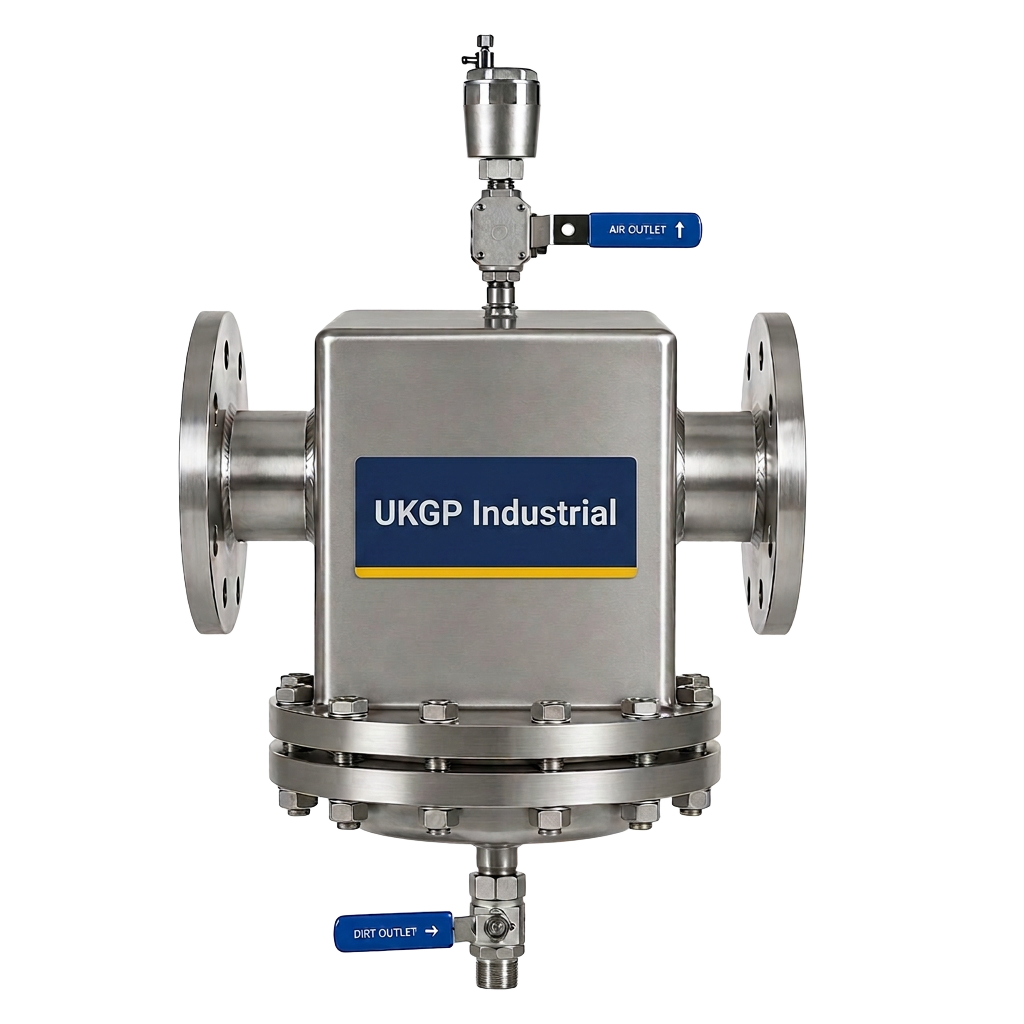
To truly optimise the interface through a heat exchanger for combi boiler loops, one must consider the peripheral components that ensure stable flow. Air and dirt separators should be installed on both sides of the heat exchanger to prevent air locks and erosion from suspended solids. In UKGP's experience, many thermal performance issues attributed to the heat exchanger are actually caused by poor air management within the system. By removing micro-bubbles and fine particles, the heat transfer coefficient remains high. This integrated approach ensures that the heat exchanger for combi boiler connection remains the most efficient part of the system, rather than a point of failure or restriction.
Furthermore, the use of a low loss header in conjunction with a heat exchanger for combi boiler separation can provide the ultimate in hydraulic stability for multi-boiler cascades. This combination allows for varying flow rates in the boiler loop while the heat exchanger manages the specific demand of the secondary circuits. This is particularly useful in variable air volume (VAV) systems or multi-zone underfloor heating where flow rates can fluctuate wildly. At UKGP Industrial, we supply the separators and headers needed to complement your heat exchanger, ensuring that the primary-secondary interface is engineered for maximum reliability and ease of commissioning.
When specifying the heat exchanger for combi boiler duty for your next project, remember that precision sizing is the key to longevity. Oversized units can lead to low velocities and increased fouling, while undersized units will fail to deliver enough heat during the winter peak. Our engineers use advanced software to simulate various operating conditions, ensuring the plate heat exchanger for combi boiler service is optimised for all seasons. Reach out to our Surrey-based office for a technical consultation. With our 2-year warranty and commitment to UK building services standards, UKGP Industrial is your first choice for high-performance thermal solutions.
- Combine with air and dirt separators for maximum plate protection.
- Utilise low loss headers for stability in multi-boiler cascades.
- Avoid over-sizing to maintain healthy flow velocities and prevent fouling.
- Full technical support for BMS integration and flow optimization.
Frequently asked questions
Why do I need a separate heat exchanger for combi boiler systems?
- A separate plate heat exchanger provides hydraulic isolation, protecting the boiler from debris and magnetite in the secondary circuit, simplifies pump management, and ensures the boiler operates within its most efficient condensing temperature range.
What is the typical lead time for a UKGP plate heat exchanger?
- Our gasketed and brazed units, which are sized from a full thermal specification to meet your specific duty, typically have a lead time of 4-6 weeks for UK delivery.
How do I ensure the heat exchanger is sized correctly?
- Provide us with your primary and secondary flow/return temperatures, the total kW duty, and the maximum allowable pressure drop. Our engineers will then conduct a full thermal calculation to select the optimal model.
Is a warranty included with your commercial heat exchangers?
- Yes, all UKGP Industrial plate heat exchangers come with a 2-year warranty, providing commercial projects with long-term security and performance assurance.
Can your heat exchangers handle high-pressure commercial systems?
- Absolutely. We offer units with various connection sizes (DN20-DN300) and pressure ratings up to 25 bar, making them suitable for everything from light commercial to high-rise plant room applications.