Identifying Your Gasketed Plate and Frame Heat Exchanger Needs
When selecting a gasketed plate and frame heat exchanger for commercial or industrial applications, the primary consideration should be the thermal duty requirement of the specific building services circuit. UK building services consultants must account for pressure drops and approach temperatures that align with modern low-temperature hot water (LTHW) systems. A well-engineered gasketed plate and frame heat exchanger provides the flexibility to add or remove plates as building loads change, making it a far more future-proof investment than integrated boiler components. It is essential to provide a full thermal spec—including flow rates, fluid properties, and temperature differentials—to ensure the unit is sized correctly for peak efficiency and longevity.
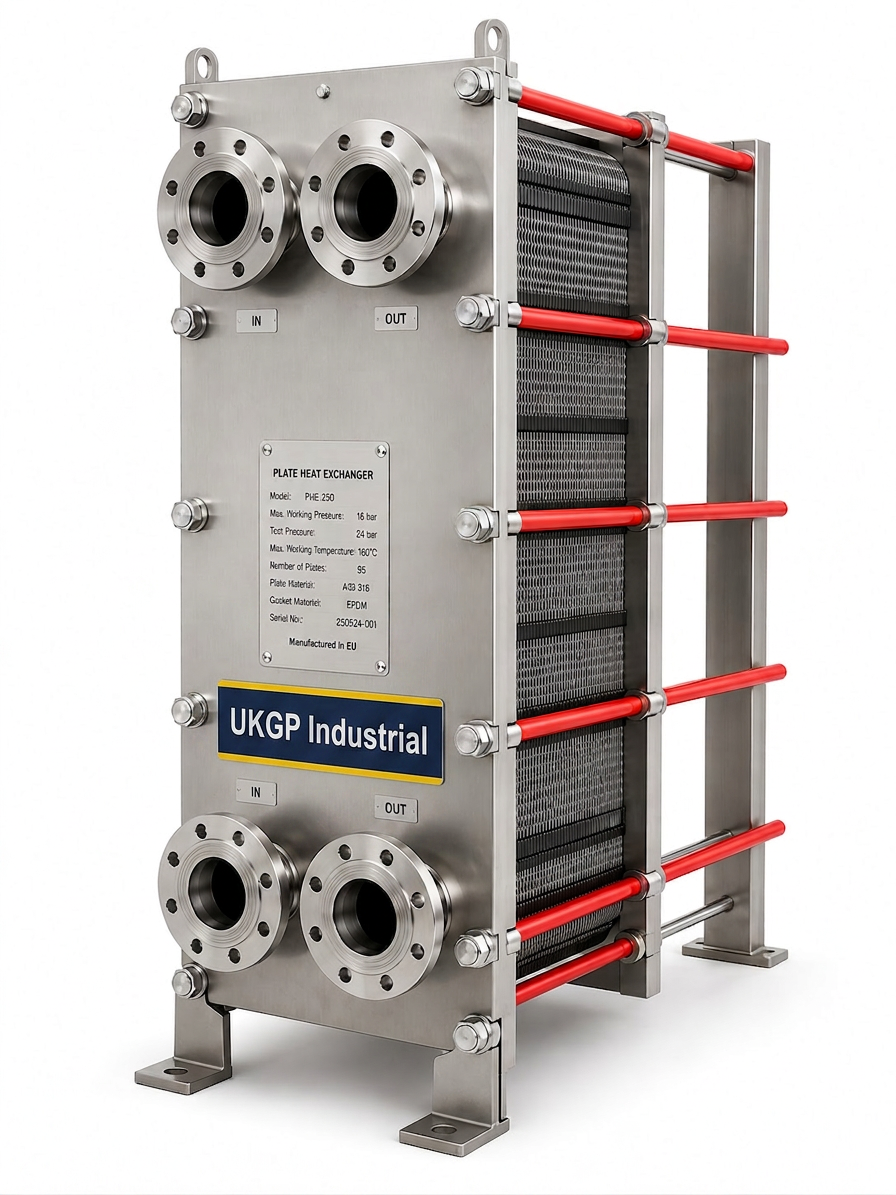
The construction of a gasketed plate and frame heat exchanger relies on the compression of corrugated metal plates between a fixed frame and a moveable pressure plate. For UK procurement leads, the material choice is critical; typically, 316 stainless steel is the standard for heat transfer plates to resist corrosion from treated water. The gaskets, usually NBR or EPDM, must be rated for the operating pressures and temperatures of the system. Failure to specify these correctly can lead to premature gasket degradation and costly downtime. As these units often form the heart of the system separation, ensuring they meet British Standards for pressure vessels is a non-negotiable part of the procurement process.
Commercial buyers often weigh the benefits of a gasketed plate and frame heat exchanger against brazed alternatives. While brazed units are compact and cost-effective for smaller loads, the gasketed variant offers unparalleled serviceability. In the context of BSRIA BG50, the ability to open the unit for manual cleaning and inspection is a significant operational advantage, especially in systems where water quality may be compromised. When you partner with UKGP, we provide units sized from a full thermal spec, ensuring that the selected gasketed plate and frame heat exchanger meets the exact hydraulic profile of your plant room without unnecessary over-specification or energy waste.
- Review full thermal specifications to match peak demand.
- Ensure plate materials are compatible with chemical dosing regimes.
- Verify gaskets are rated for high-temperature LTHW or DHW cycles.
- Assess future expansion potential for additional plate capacity.
- Select frames that meet UK pressure vessel safety standards.
Thermal Efficiency and Heat Transfer Dynamics
In modern mechanical engineering, the gasketed plate and frame heat exchanger is prized for its high heat transfer coefficient. The corrugated pattern on the plates creates a high degree of turbulence even at low flow velocities, which significantly enhances the rate of heat exchange compared to traditional shell and tube models. This efficiency allows for a closer approach temperature, meaning the secondary circuit can be heated to within a few degrees of the primary source. For M&E contractors, this efficiency translates to lower fuel consumption in commercial boiler rooms and improved COP when integrated with air-source heat pumps, supporting the UK’s wider decarbonisation targets for the built environment.
To maintain this high level of efficiency over the long term, the design of the gasketed plate and frame heat exchanger must account for potential scaling and fouling. BSRIA BG29 guidelines highlight the importance of pre-commissioning cleaning to protect heat transfer surfaces from site debris. If a gasketed plate and frame heat exchanger is poorly sized, low flow rates can lead to sediment settling within the plate channels, creating hot spots and reducing overall performance. Therefore, providing an accurate thermal spec during the design stage is not just about meeting heat demand; it is about ensuring the fluid velocity is sufficient to maintain the self-cleaning properties inherent in the plate design.
Our range at UKGP reflects these engineering priorities, offering gasketed and brazed solutions from DN20 to DN300. By choosing a UKGP gasketed plate and frame heat exchanger, you benefit from a 2-year warranty and a typical lead time of just 4-6 weeks. This rapid turnaround is essential for refurbishment projects where a failed component must be replaced quickly to restore heating or hot water. Our engineers work closely with consultants to ensure the thermal profile of the unit aligns with the system's hydraulic balance, preventing the common issue of bypass flow that often plagues poorly specified plant room installations.
- High turbulence design reduces the risk of laminar flow fouling.
- Narrow approach temperatures optimise heat pump integration.
- Compact footprint saves valuable plant room floor space.
- Calculated pressure drops align with pump head requirements.
Compliance and Maintenance Standards: BS 8552 and BG50
Maintenance is where the gasketed plate and frame heat exchanger truly outshines other designs. Under CIBSE guidelines and the BSRIA BG50 maintenance code, periodic inspection of heat transfer equipment is mandatory to ensure peak efficiency. Because a gasketed plate and frame heat exchanger can be fully dismantled, engineers can physically scrub the plates to remove scale or biological growth, a process that is impossible with brazed or shell-and-tube units. This maintainability is a critical factor for Facilities Managers who are responsible for the lifecycle costs of the building. Investing in a gasketed unit reduces the total cost of ownership by extending the operational life of the primary heating plant.
Water quality monitoring at the gasketed plate and frame heat exchanger interface is also vital. BSRIA BG50 recommends regular sampling of system water to check for corrosion inhibitors and microbial activity. If the secondary side is used for domestic hot water (DHW), the gasketed plate and frame heat exchanger must also comply with WRAS guidelines to ensure water safety. Using such a unit to separate the boiler circuit from the rest of the building helps protect the most expensive components—like commercial boilers—from the sludge and debris that can accumulate in riser pipework. This hydraulic separation is a fundamental principle of modern UK plant room design.
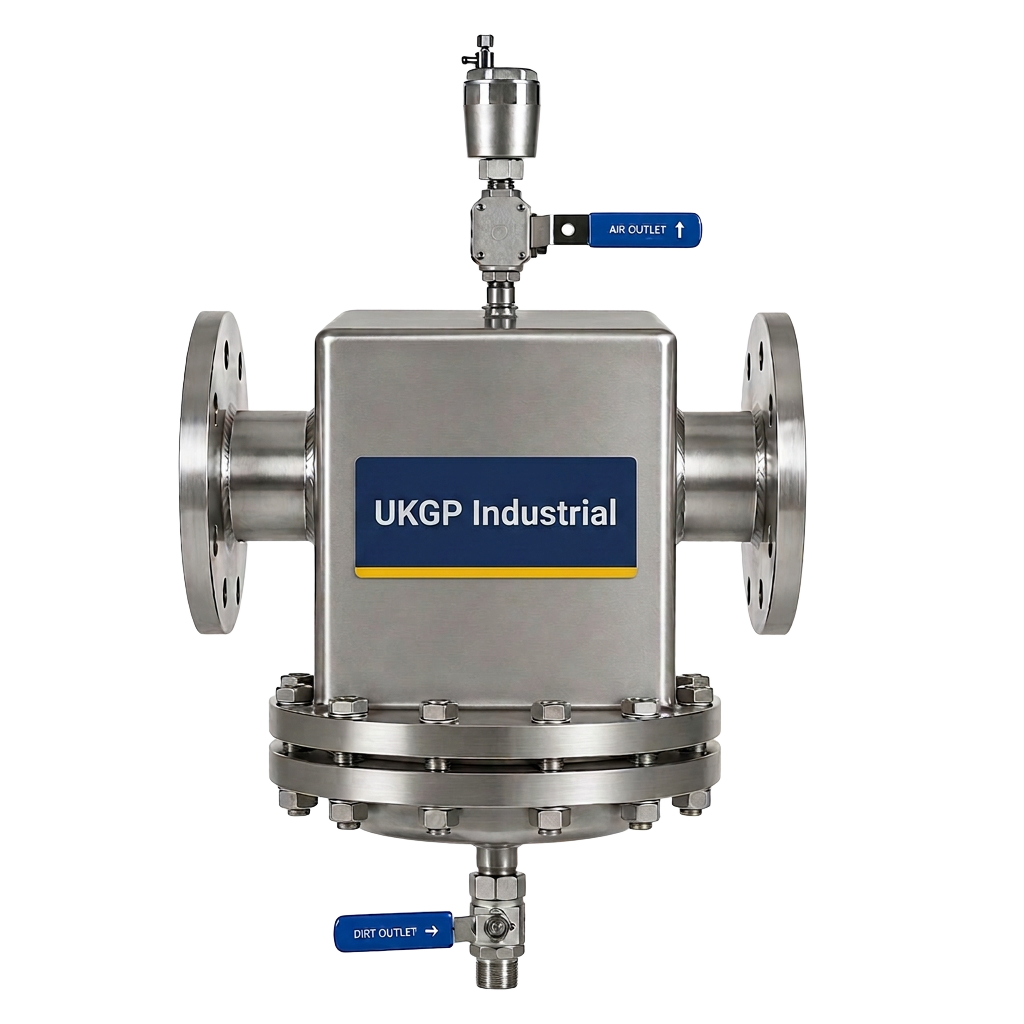
To assist in this protection, UKGP recommends combining your heat exchanger with our other products to create a complete system solution. Strategic placement of an air and dirt separator upstream of the gasketed plate and frame heat exchanger can significantly reduce the frequency of manual cleaning by capturing debris before it enters the narrow plate channels. Our technical team can advise on the entire plant room layout, ensuring that your heat exchanger is supported by the correct filtration and chemical dosing infrastructure to meet BS 8552 requirements for water quality monitoring and overall system health.
- Easier access for internal plate inspection per BG50 standards.
- Protection of primary boiler circuits through hydraulic separation.
- Compatibility with standard chemical cleaning and flushing agents.
- Reduction in lifetime maintenance costs compared to shell-and-tube.
Technical Specifications: Gaskets and Frame Construction
The frame of a gasketed plate and frame heat exchanger is usually constructed from mild steel and finished with a robust epoxy coating to withstand the humid conditions of a plant room. The tie bolts must be sized appropriately to ensure equal compression across the entire plate pack, preventing leaks. For the gaskets, temperature is the deciding factor. EPDM is generally preferred for LTHW applications up to 150°C, whereas NBR may be selected for oil or hydrocarbon-based fluids. Procurement leads must ensure that the gasketed plate and frame heat exchanger they purchase uses high-quality, glue-free or 'clip-on' gaskets, which allow for much faster replacement during maintenance cycles than older glued versions.
Sizing the connection ports—ranging from DN20 to DN300 in the UKGP range—is another critical technical step. These connections must match the pipework sizing to avoid excessive pressure drops at the inlet. For larger commercial installations, a gasketed plate and frame heat exchanger with DN300 connections can handle massive thermal loads, making them suitable for district heating hubs or large hospital campuses. Regardless of the size, each unit should be pressure tested in accordance with British standards before delivery. At UKGP, we provide a full 2-year warranty on our units, offering peace of mind that the gasketed plate and frame heat exchanger will perform reliably under varied load conditions.
Furthermore, the flexibility of the frame allows for the 'stretching' of the heat exchanger's capacity. If a building's occupancy increases or a new wing is added, more plates can often be inserted into the existing frame of the gasketed plate and frame heat exchanger, provided the frame length allows it. This adaptability is a key selling point for developers and M&E contractors who need to manage changing design requirements. When requesting a quote, specify if you expect future expansion, so we can provide a frame with additional length. This proactive approach to specifying your gasketed plate and frame heat exchanger saves considerable capital expenditure on future upgrades.
- Select EPDM or NBR gaskets based on the chemical and thermal profile.
- Utilise clip-on gaskets for rapid, tool-free replacement during service.
- Specify frame lengths that allow for future thermal capacity expansion.
- Ensure all DN connections align with existing plant room headers.
Common Applications in UK Building Services
The versatility of the gasketed plate and frame heat exchanger makes it a staple in various UK sectors. In high-rise residential projects, they are frequently used as 'breaker' stations, separating the high-pressure risers from the lower-pressure apartment circuits. This prevents the need for every apartment to have high-pressure-rated components, significantly lowering the overall project cost. In these scenarios, a gasketed plate and frame heat exchanger ensures that heat is transferred efficiently across the pressure break while providing the serviceability needed for a building that will operate for decades. The robust nature of the frame ensures it can withstand the static pressures associated with multi-storey developments.
In the commercial sector, a gasketed plate and frame heat exchanger is often used to isolate modern, sensitive boilers from old, potentially contaminated heating systems. When a contractor replaces boilers for major UK commercial boiler OEMs, they often install a plate heat exchanger to ensure that the new heat source is never exposed to the magnetite and sludge of the old pipework. This application of the gasketed plate and frame heat exchanger is vital for maintaining the manufacturer's warranty and ensuring the efficiency of the new system reflects the design values. By acting as a thermal bridge, the unit protects the primary plant from external contaminants.
Finally, industrial processes such as food and beverage production or pharmaceutical manufacturing rely on the gasketed plate and frame heat exchanger for precise temperature control. These sectors require units that can be easily cleaned to prevent cross-contamination. UKGP is a trusted supplier for these critical applications, providing gasketed and brazed units from DN20-DN300 tailored to the specific thermal spec of the process. With our 4-6 week lead time, we help industrial operators minimise downtime and maintain continuous production schedules, backed by the security of a 2-year warranty on all heat exchange equipment.
- Pressure breaks in high-rise residential and commercial buildings.
- Protection for new primary plant when retrofitting old systems.
- Precise temperature regulation for industrial and hygienic processes.
- Isolation of cooling towers from chilled water circuits.
Procurement Checklist for Your Next Project
When you are ready to procure a gasketed plate and frame heat exchanger, the process starts with a clear data sheet. Ensure you have the fluid types (e.g., water/glycol percentages), the required temperatures for both primary and secondary circuits, and the maximum allowable pressure drop. This information allows our technical team to provide a precise thermal spec and an accurate quote. Without these details, you risk over-specifying the unit, which leads to unnecessary costs, or under-specifying, which will lead to comfort issues for the building occupants. A gasketed plate and frame heat exchanger is an engineered product, and its performance is only as good as the data provided during the design phase.
Beyond the thermal data, consider the logistics of the plant room. A gasketed plate and frame heat exchanger is delivered as a heavy, pre-assembled unit. Check that there is sufficient access for the DN80 or DN100 connections and that there is enough clearance to pull the plates horizontally for future servicing. At UKGP, we understand the constraints of UK plant rooms, and our units are designed for a compact footprint without compromising on the surface area required for heat transfer. Our 4-6 week lead times are designed to help you hit tight project deadlines, particularly during summer shutdown periods or urgent winter remediations.
To conclude, the gasketed plate and frame heat exchanger remains the gold standard for high-duty thermal separation. By adhering to BSRIA and CIBSE best practices and ensuring consistent water quality through air and dirt separation and chemical dosing, your heat exchanger will provide decades of reliable service. Contact UKGP today for a quote on our gasketed plate and frame heat exchanger range, sized specifically for your application. Each unit comes with a 2-year warranty and the technical support of a Surrey-based manufacturer committed to UK engineering excellence. We are ready to help you optimise your building's thermal performance.
- Provide full thermal spec including glycol concentrations.
- Confirm plant room access and clearance for plate removal.
- Verify lead times against your project's critical path.
- Ask about the 2-year warranty and after-sales support.
Frequently asked questions
What is the typical lead time for a gasketed plate and frame heat exchanger?
- At UKGP, our typical lead time for a gasketed plate and frame heat exchanger is 4 to 6 weeks, depending on the complexity of the thermal spec and current production capacity.
Can I upgrade my heat exchanger if the building load increases?
- Yes, one of the primary benefits of a gasketed plate and frame heat exchanger is its modularity. If the frame is sized correctly with extra tie-bar length, additional plates can be added to increase thermal capacity.
What warrantee is provided with UKGP plate heat exchangers?
- All of our heat exchangers, including both gasketed and brazed variants from DN20 to DN300, come with a comprehensive 2-year warranty for your peace of mind.
Are these units suitable for Domestic Hot Water (DHW) applications?
- Absolutely. For DHW, we ensure the gasketed plate and frame heat exchanger is designed with appropriate materials like 316 stainless steel to comply with UK water regulations.
How often does a gasketed plate and frame heat exchanger need servicing?
- Maintenance intervals depend on water quality (per BSRIA BG50), but we generally recommend an annual inspection of the gaskets and a physical plate check every 2-3 years in standard LTHW systems.