Defining the Fin And Plate Heat Exchanger in Industrial Design
In the design of modern British plant rooms, the term fin and plate heat exchanger often refers to specialized units that utilise finned surfaces to increase the surface area available for thermal exchange. These are frequently contrasted with standard gasketed units when managing air-to-liquid or liquid-to-gas transitions. For the mechanical engineer, understanding how the fins facilitate conduction between the primary plates and the secondary medium is essential. This architecture allows for a compact footprint while maintaining high thermal duty, which is a significant advantage when retrofitting older boiler rooms with limited spatial capacity. By integrating these components, consultants can ensure that thermal gradients are managed effectively without bulky, obsolete equipment.
While the fin and plate heat exchanger is highly effective for specific air-handling and cooling applications, HVAC designers must carefully weigh the maintenance requirements against the efficiency gains. The complex geometry of the fins provides excellent heat transfer coefficients but can be prone to fouling if the ambient air or fluid quality is not strictly controlled. Referring to BSRIA BG50 guidelines regarding water treatment and system cleanliness is vital here. If the secondary medium is particularly prone to debris, a more robust, easily accessible alternative like a gasketed plate unit might be preferable to ensure long-term operational stability and to simplify the required annual inspection cycles for facility managers.
Commercially, the drive towards net-zero in the UK has put pressure on M&E contractors to source components that offer the highest possible heat recovery rates. Whether it is a dedicated fin and plate heat exchanger for an AHU or a high-performance plate heat exchanger for a heating circuit, the goal remains the same: minimizing thermal bypass and maximizing heat transfer. When we look at large-scale developments, the choice of heat exchanger technology directly impacts the building's energy rating. Using high-grade materials such as 316L stainless steel ensures that these components stand up to the rigours of high-pressure systems while complying with BS EN standards for pressure vessel safety and performance.
- High surface-to-volume ratio for maximum thermal performance
- Ideal for air-to-liquid heat recovery applications
- Compact footprint suitable for space-constrained UK plant rooms
- Compatible with high-efficiency commercial boiler systems
Comparing Fin and Plate to Gasketed Plate Alternatives
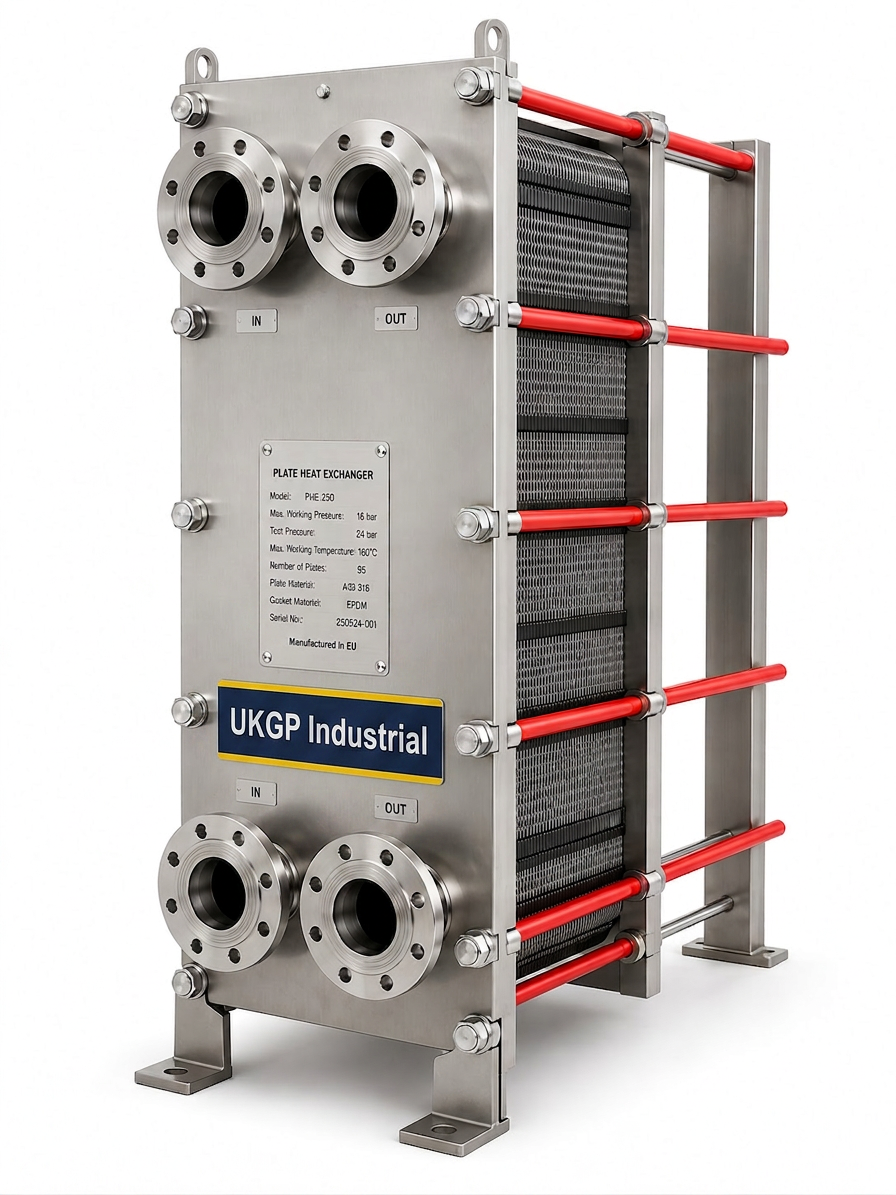
When specifying a heat exchanger, the primary decision often lies between a fin and plate heat exchanger design for gas-focused heat transfer and a gasketed plate heat exchanger for liquid-to-liquid separation. The gasketed plate variety is the backbone of UK district heating and industrial hot water systems, offering modularity that the finned counterparts cannot always match. For projects requiring DN20-DN300 connections, a gasketed unit allows for future expansion by simply adding more plates to the frame. This scalability is a key commercial advantage for FM providers who may need to accommodate increased load as building occupancy grows over time without replacing the entire thermal skid.
UKGP specializes in providing high-specification plate heat exchangers that bridge the gap where a fin and plate heat exchanger might not be the most practical choice for liquid-on-liquid duties. Our units are gasketed or brazed and sized directly from your full thermal specification to ensure perfect alignment with system requirements. With a lead time of 4-6 weeks and a comprehensive 2-year warranty, these units provide the reliability that plant room engineers demand. Whether you are interfacing a primary boiler circuit with a secondary heating loop or managing a heat pump integration, selecting a correctly sized plate unit ensures that pressure drops are kept within CIBSE recommended limits to protect pump longevity.
Sustainability and maintenance are where the gasketed plate heat exchanger often takes the lead in heavy-duty commercial scenarios. While a fin and plate heat exchanger may offer niche advantages in air treatment, the ability to physically open a gasketed unit for chemical cleaning or plate replacement is invaluable. Following BS 8552 for monitoring water quality in closed-circuit systems, engineers can schedule maintenance windows that keep the heat transfer surfaces free from scale and corrosion. This proactive approach ensures that the heat exchanger continues to operate at the specified thermal efficiency for decades, providing a much higher return on investment for the end-client compared to non-serviceable sealed units.
- Gasketed units offer superior maintenance access for liquid systems
- Brazed variants provide compact solutions for high-pressure duties
- UKGP units sized from DN20 to DN300 for versatile installation
- Full thermal specification tailoring ensures optimal pressure drop
Protecting the Fin And Plate Heat Exchanger from Fouling
System cleanliness is the single most important factor in the longevity of any fin and plate heat exchanger. BSRIA BG29 and BG50 highlight the dangers of debris and microbiological growth in closed-loop systems, which can quickly clog the intricate passages within the heat exchanger. For a fin and plate heat exchanger, where the fin density is high, even minor particulate matter can lead to a significant drop in thermal efficiency and an increase in system back-pressure. This not only forces pumps to work harder, increasing energy costs, but also risks thermal stress on the boiler plant. Implementing robust filtration and separation is therefore not just an option, but a technical necessity for system health.
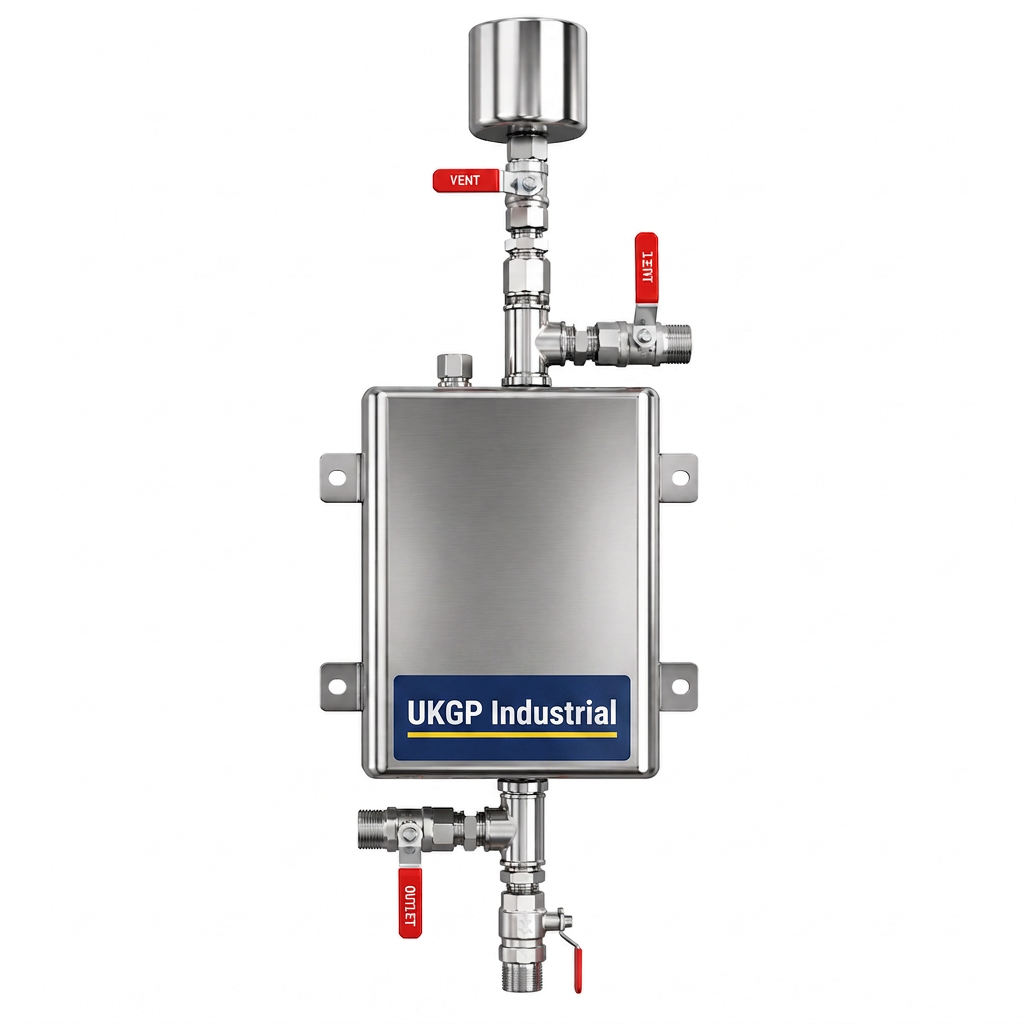
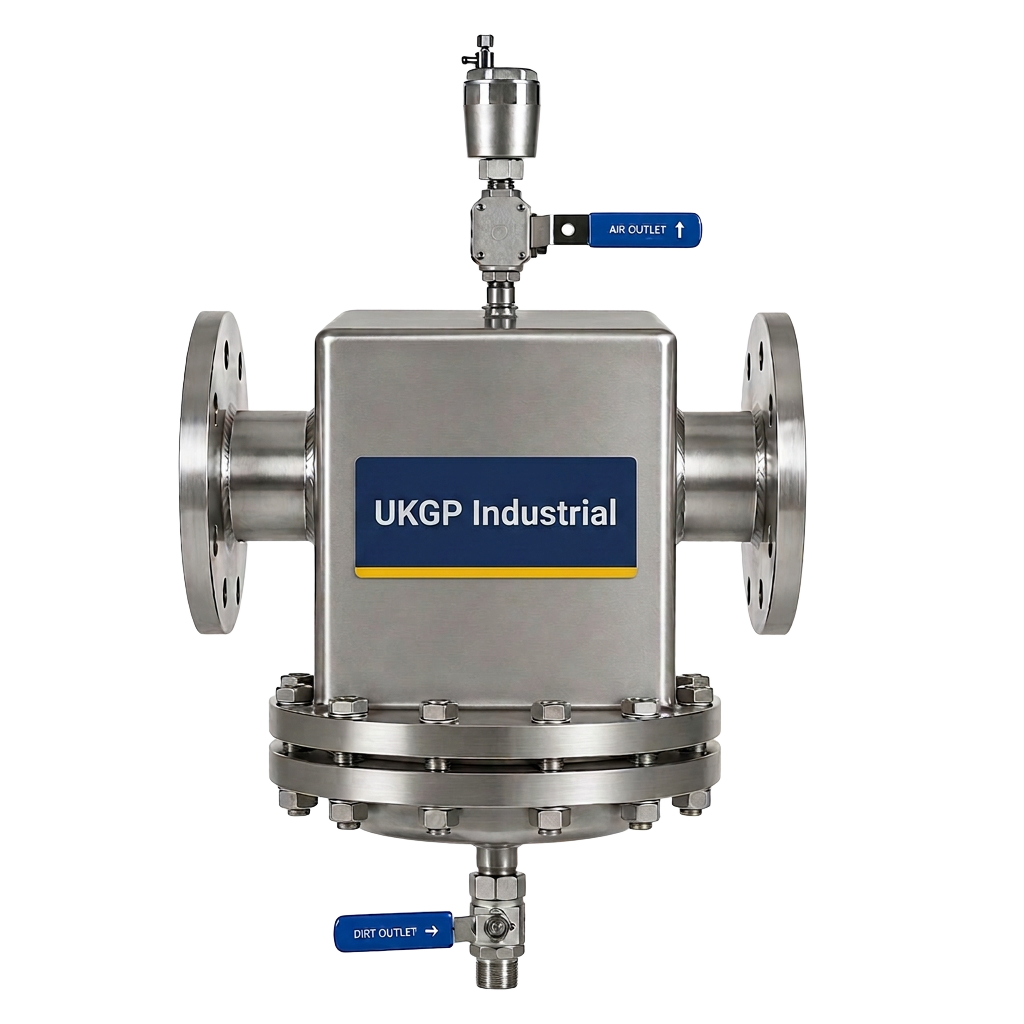
To mitigate these risks, UKGP recommends the installation of high-performance air and dirt separators alongside any plate-based heat transfer equipment. By removing microbubbles and magnetite from the system fluid, you protect the delicate surfaces of the fin and plate heat exchanger from premature degradation. High-quality separation equipment ensures that the laminar flow through the heat exchanger plates remains undisturbed by air pockets or grit. This is particularly relevant in the UK, where many commercial systems utilise older pipework that may be shedding internal corrosion products. Protecting your investment with secondary separation is a best-practice approach that every senior M&E contractor should advocate for during the design phase.
Furthermore, the integration of chemical dosing pots allows for the precise introduction of inhibitors that prevent the very corrosion that leads to fouling. When a fin and plate heat exchanger is part of a large multi-zoned system, maintaining the correct chemical balance is vital. Without proper dosing, the aluminium or stainless steel components within the heat exchanger can suffer from galvanic corrosion or pitting. By combining mechanical separation with chemical treatment, plant room engineers can guarantee that the thermal performance specified at the start of the project is maintained throughout the design life of the equipment, preventing costly emergency call-outs and unplanned downtime for the facility.
- Mandatory adherence to BSRIA BG29/BG50 for system flushing
- Air and dirt separators used to prevent microbubble insulation
- Chemical dosing to inhibit corrosion in multi-metal systems
- Regular monitoring of delta-T to detect early-stage fouling
Thermal Specifications and Compliance Standards
In the UK, technical compliance for pressure vessels and heat exchangers is governed by stringent standards to ensure safety and performance. When specifying a fin and plate heat exchanger, engineers must ensure the equipment meets BS EN 14917 for expansion joints if high thermal expansion is expected, as well as broader PED (Pressure Equipment Directive) requirements. A detailed thermal specification is the foundation of a successful procurement process. It should include flow rates, inlet and outlet temperatures for both primary and secondary sides, allowable pressure drops, and the physical properties of the fluids involved. Without this data, there is a high risk of undersizing the unit, leading to inadequate heat delivery in mid-winter peak loads.
Procurement leads often look for a balance between lead times and technical assurance. For a standard UKGP plate heat exchanger, we provide a 4-6 week lead time, which is highly competitive for the DN20 to DN300 range. Every unit comes with a 2-year warranty, offering peace of mind to the end-user. When comparing this to a bespoke fin and plate heat exchanger, the standardized plate format often allows for faster delivery and easier integration into existing plant room headers. It is essential to ensure that the chosen manufacturer provides full technical documentation, including pressure test certificates and material data sheets, to satisfy building control and insurance requirements for commercial properties.
Finally, the role of the consultant is to verify that the heat exchanger interfaces correctly with the wider building management system (BMS). Using high-accuracy pH sensors and transmitters allows the BMS to monitor the fluid health in real-time, protecting the fin and plate heat exchanger from acidic or overly alkaline conditions. If the pH levels drift outside the safe range (typically 8.2 to 9.5 for steel-rich systems), the sensors trigger an alert long before physical damage occurs. This intelligent monitoring is a hallmark of modern British engineering and is increasingly requested by sustainability-focused clients who wish to extend the life of their plant room assets through data-driven maintenance strategies.
- Compliance with BS EN 14917 and PED for safety
- Detailed thermal specs prevent undersizing and energy waste
- 2-year warranty on all UKGP heat transfer equipment
- Integration with BMS via pH sensors for real-time protection
Installation Best Practices for Heat Exchangers
Correct installation is as important as the specification itself. When mounting a fin and plate heat exchanger or a gasketed alternative, engineers must allow for adequate clearance for maintenance. For gasketed units, space must be provided to withdraw the plates and clean the frame. Mounting the units on vibration-dampening feet can also help reduce noise transmission through the building structure, which is a common concern in residential or office developments. Additionally, ensuring that the primary and secondary pipework is correctly supported prevents mechanical stress from being transferred into the heat exchanger nozzles, which could otherwise lead to premature seal failure or cracks in the plate pack.
The use of expansion bellows is highly recommended on the pipework connections to any heavy-duty heat exchanger. As the fin and plate heat exchanger cycles through different thermal loads, the resulting expansion and contraction can put immense strain on rigid pipework. Bellows absorb this movement, acting as a safeguard for both the heat exchanger and the connected boiler or chiller plant. This is particularly relevant in high-rise developments where the static head pressure is significant. By isolating the heat exchanger from pipework stress, you significantly reduce the risk of leaks and extend the service life of the gaskets and brazed joints, ensuring consistent thermal delivery throughout the heating season.
Commissioning should always involve a thorough check of the flow directions. Most plate-based heat exchangers, including the fin and plate heat exchanger variety, operate on a counter-flow principle to maximize the log mean temperature difference (LMTD). If installed in parallel flow by mistake, the efficiency can drop by as much as 20-30%. Consultants should insist on witnessing the commissioning process to verify that the design flow rates are achieved and that the pressure bypass valves are correctly set. This final step ensures that the commercial boiler plant is operating at its design condensing temperature, which is essential for meeting the energy performance targets set out in the original mechanical design.
- Utilise expansion bellows to manage thermal expansion stress
- Ensure counter-flow orientation for maximum LMTD
- Provide clear access for plate withdrawal and inspection
- Vibration isolation for noise-sensitive commercial environments
The Future of Thermal Transfer in UK Plant Rooms
As we shift towards low-surface temperature heating and the adoption of heat pumps, the role of the fin and plate heat exchanger and its plate-based alternatives will only grow. Lower flow temperatures require larger surface areas to transfer the same amount of energy, making the efficiency of the heat exchanger more critical than ever before. For M&E contractors, this means that the margin for error in sizing is narrowing. Selecting a partner like UKGP, who can provide expert sizing from a full thermal spec and offer a range of DN20 to DN300 units, is a strategic move to de-risk projects and ensure that the installed system meets the stringent requirements of the future UK building regulations.
Innovative materials and coatings are also being developed for the fin and plate heat exchanger market to combat fouling and enhance heat transfer. However, for most current UK applications, the focus remains on robust, proven technologies that can be easily maintained by onsite FM teams. The preference for gasketed plate heat exchangers in liquid-to-liquid applications remains strong due to their versatility and ease of cleaning. When sourced with a 2-year warranty and backed by UK-based technical support, these units provide the reliable thermal break needed to segregate high-value boiler plant from potentially contaminated or high-pressure secondary circuits, maintaining the integrity of the entire HVAC network.
In conclusion, whether you are specifying a fin and plate heat exchanger for air-side duties or a gasketed plate unit for a heating network, the principles of thermal engineering remain constant. Success is found in the detail: accurate sizing, rigorous adherence to BSRIA guidelines, and the inclusion of high-quality auxiliary equipment like air separators and dosing pots. By following these steps and choosing reliable UK suppliers, M&E contractors and consultants can deliver plant room solutions that are efficient, durable, and commercially viable for the long term. For your next project, ensure you request a quote for a heat exchanger that meets these exacting standards to guarantee performance and client satisfaction.
- Adaptation for low-carbon heat pump integration
- Emphasis on modularity for future-proof system design
- Robust sizing to meet future UK building regulations
- Integration of proven UKGP technology for long-term reliability
Frequently asked questions
What is the typical lead time for a UKGP plate heat exchanger?
- Our standard lead time for both gasketed and brazed units, sized from DN20 to DN300, is 4-6 weeks from the point of thermal spec approval.
Why is a fin and plate heat exchanger used in AHUs?
- A fin and plate heat exchanger provides a high surface area for heat transfer between air and liquid, making it ideal for the high-volume air cooling or heating required in Air Handling Units.
Can UKGP size a heat exchanger for me?
- Yes, we size all our units from a full thermal specification provided by the consultant or contractor to ensure the plate pack is optimized for your specific flow rates and temperatures.
What warranty is provided with your heat transfer equipment?
- We provide a comprehensive 2-year warranty on our plate heat exchangers, covering manufacturing defects and ensuring peace of mind for UK plant room installations.
Do you offer heat exchangers with different connection sizes?
- We offer a wide range of connection sizes from DN20 up to DN300, allowing our units to be integrated into everything from small commercial boiler rooms to large-scale district heating systems.