The Importance of a Clean Plate Heat Exchanger in HVAC
In modern UK commercial plant rooms, thermal efficiency is paramount to meeting carbon reduction targets and reducing operational overheads. A clean plate heat exchanger ensures that heat transfer coefficients remain at their peak, preventing the insulating effect of scale or biofilm build-up. When debris or contaminants infiltrate the plate pack, the pressure drop increases and the system must work significantly harder, leading to escalated pumping costs and potential system failure. Understanding the mechanics of a clean plate heat exchanger is essential for Facility Managers who are tasked with maintaining building performance over a twenty-year life cycle. By prioritising cleanliness, engineers can avoid the common pitfalls of turbulent flow disruption which often results in dead zones and localised corrosion within the unit.
To achieve a consistently clean plate heat exchanger, consultants must look beyond the initial installation and consider the entire lifecycle of the hydronic system. Thermal performance is directly linked to the surface condition of the plates; even a thin layer of magnetite can reduce effectiveness by double-digit percentages. UK building services consultants often refer to CIBSE Guide M for best practice in managing these critical assets. Ensuring that the primary and secondary circuits are isolated correctly allows for easier inspection and maintenance. At UKGP Industrial, we focus on providing units that are designed with serviceability in mind, allowing engineers to maintain thermal integrity without excessive downtime, ensuring that the system return temperatures are kept within the designed parameters for maximum boiler or heat pump efficiency.
Furthermore, the drive toward lower system temperatures, such as those found in 4th and 5th generation heat networks, makes the role of a clean plate heat exchanger even more vital. Lower temperature differentials require larger surface areas and higher precision in thermal transfer. Any fouling in these sensitive systems can lead to a failure in meeting the comfort levels required by building occupants. It is therefore standard practice to include high-quality filtration and separation hardware upstream of the plate pack. This preventative measure ensures that the unit remains a clean plate heat exchanger for as long as possible between scheduled services. Our gasketed and brazed units are engineered to withstand the rigorous demands of UK commercial applications, providing a reliable thermal break that protects critical plant equipment from system-wide contamination.
- Reduces operational energy consumption by maintaining low pressure drops
- Extends the lifespan of expensive primary heat sources like commercial boilers
- Ensures compliance with CIBSE and BSRIA thermal performance recommendations
- Minimises the risk of bacterial growth and biofilm internal to the plate pack
BSRIA BG29 and BG50 Compliance for Exchanger Longevity
Adhering to BSRIA BG29 (Pre-commission cleaning of pipework systems) and BG50 (Water treatment for closed heating and cooling systems) is the foundation of maintaining a clean plate heat exchanger. These standards provide the framework for ensuring that the recirculating water is free from the suspended solids and dissolved gases that cause fouling. In many UK regions, hard water leads to rapid calcium carbonate scaling, which can choke the narrow channels of a plate heat exchanger within months if not managed. By following these guidelines, M&E contractors can ensure that the initial fill water and ongoing top-ups do not compromise the system’s ability to remain a clean plate heat exchanger. Proper chemical dosing and side stream filtration are often the primary defences against these long-term degradation issues.
If a system is not properly flushed and treated during the commissioning phase, construction debris such as solder, flux, and mill scale will eventually settle in the low-velocity areas of the heat exchanger. This creates an environment ripe for under-deposit corrosion, which is a leading cause of premature plate failure. A clean plate heat exchanger is not merely an aesthetic requirement; it is a structural necessity. When specifying new installations, engineers should insist on water quality monitoring that aligns with BS 8552, ensuring that the water chemistry remains within safe bounds. This proactive approach to system hygiene ensures that the thermodynamic calculations used during the design phase remain accurate throughout the operational life of the building’s HVAC infrastructure.
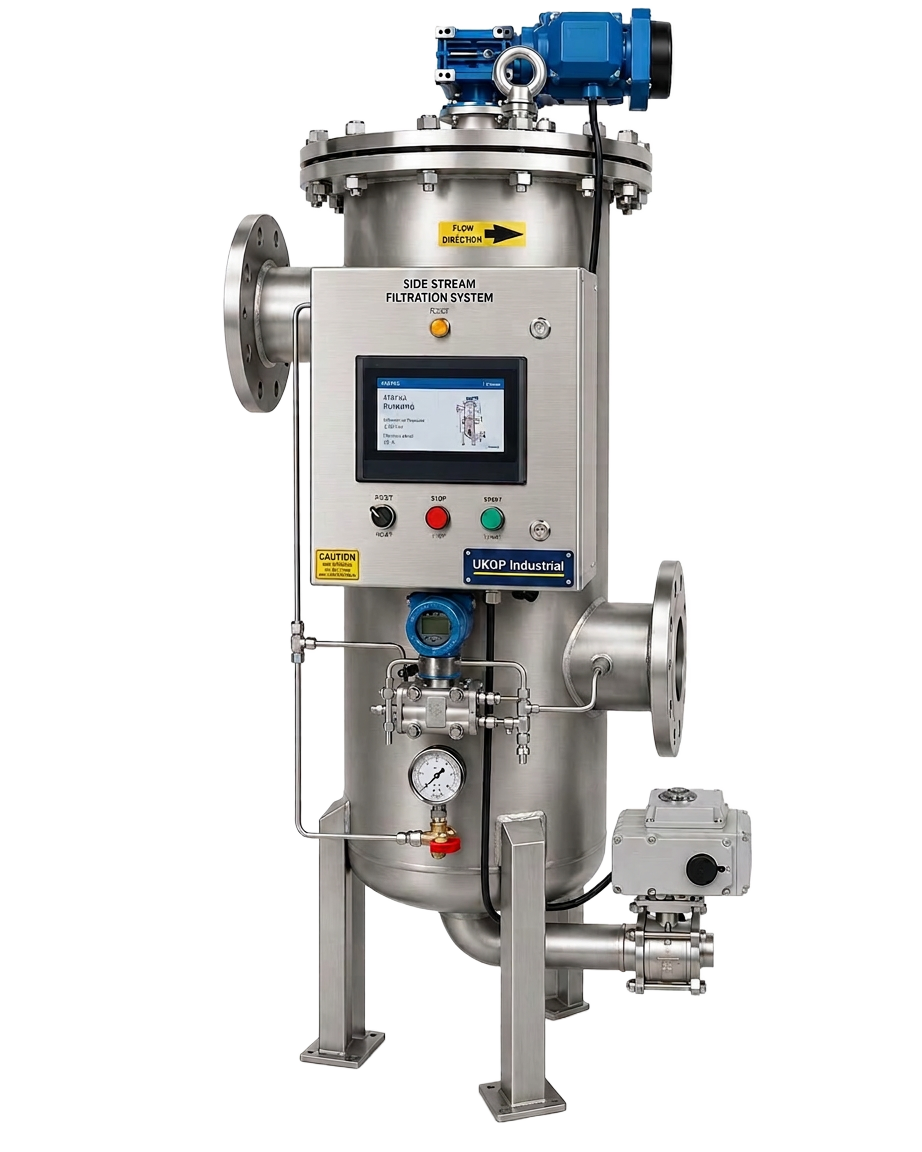
Our technical team at UKGP Industrial recommends a multi-layered approach to water hygiene to support your clean plate heat exchanger. This includes the installation of high-efficiency air and dirt separators to remove both microbubbles and heavy particles that can cause erosion-corrosion. When these contaminants are removed at the source, the heat transfer surfaces remain polished and efficient. For larger commercial installations, it is also advisable to integrate a side stream filtration skid which can continuously polish the water to 5 microns. This level of filtration is the gold standard for maintaining a clean plate heat exchanger in high-volume circuits found in hospitals, schools, and large office blocks, where downtime for manual plate cleaning is not a viable option.
- Compliance with BG29 prevents post-construction blockage and flow issues
- Regular BG50 testing identifies trends in corrosion and potential fouling
- Side stream filtration ensures 24/7 removal of problematic magnetite
- Correct chemical dosing prevents the scale formation inside the plate pack
Technical Selection: Gasketed vs Brazed Clean Plate Heat Exchanger
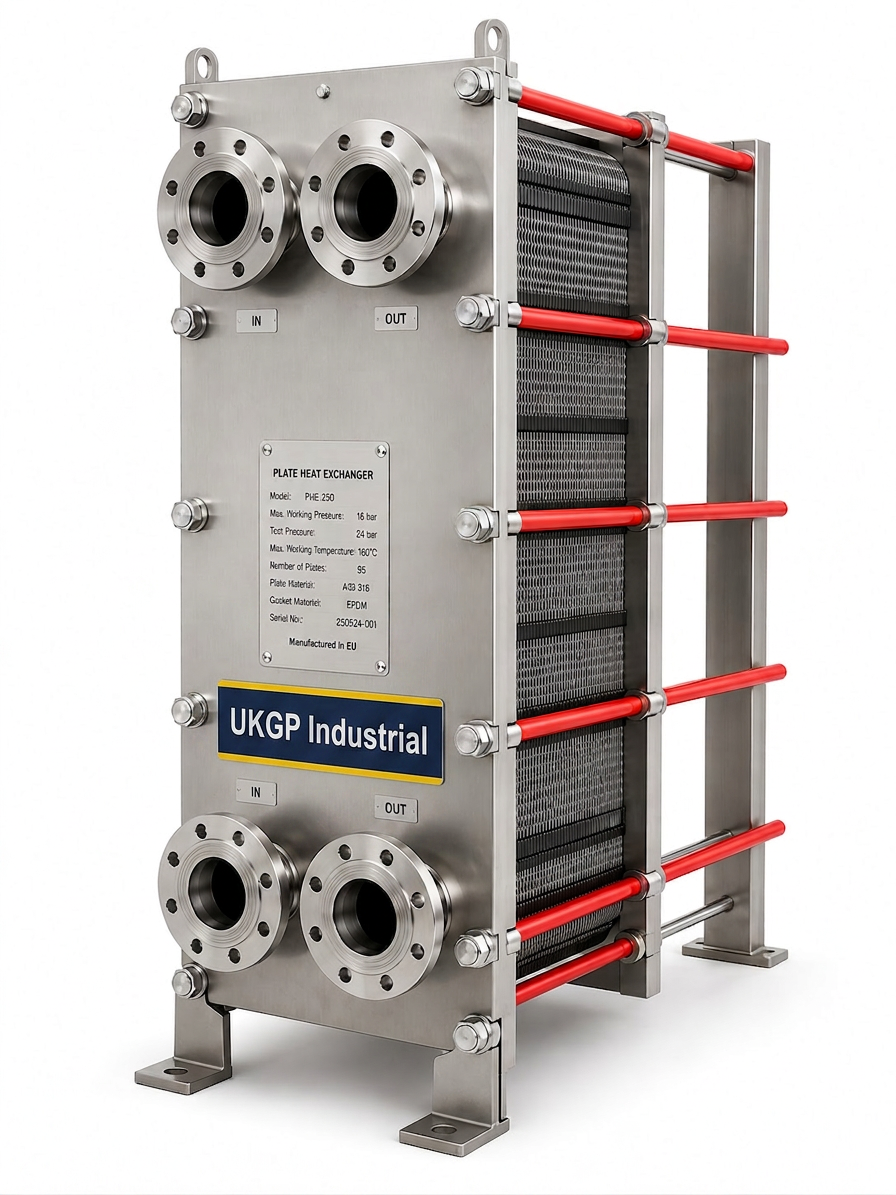
When choosing the right hardware, engineers must decide between a gasketed or brazed clean plate heat exchanger. Gasketed units (PHEs) offer the significant advantage of being fully serviceable; they can be dismantled for manual cleaning and plate inspection, which is ideal for systems where higher levels of fouling are anticipated. Conversely, brazed plate heat exchangers (BPHRs) are more compact and cost-effective but rely heavily on chemical cleaning (CIP processes) as they cannot be opened. To keep a brazed unit as a clean plate heat exchanger, stringent filtration is non-negotiable. UKGP Industrial offers both types in sizes ranging from DN20 to DN300, ensuring we have the right solution for any commercial plant room footprint or thermal requirement.
The selection process should always start with a full thermal spec, including flow rates, temperature profiles (approach temperatures), and fluid types. Our bespoke sizing service takes these variables into account to ensure the plate spacing and turbulence factors are optimised. A well-sized unit will promote self-cleaning through high shear stress at the plate surface, which helps maintain a clean plate heat exchanger by preventing sediment from settling. We offer a 2-year warranty on our units, reflecting our confidence in their build quality and thermal durability. With a 4-6 week lead time, UKGP provides a responsive service for both new builds and emergency replacements where a failed, fouled unit needs immediate upgrading to a more efficient model.
For procurement leads, the value proposition of a UKGP clean plate heat exchanger lies in its balance of performance and reliability. By specifying units that can handle the specific pressure ratings (often PN10, PN16, or PN25) of the building, you reduce the risk of internal leaks and cross-contamination. Our gasketed units feature high-quality NBR or EPDM gaskets, depending on the application, ensuring a tight seal that remains durable even after multiple cleaning cycles. Maintaining a clean plate heat exchanger through periodic servicing is a fraction of the cost of replacing an entire unit due to neglect. We encourage engineers to speak with our technical desk to discuss sizing today, ensuring your project benefits from industry-leading thermal transfer technology.
- Gasketed units allow for physical inspection and manual scrubbing of plates
- Brazed units provide a compact footprint for tight plant room spaces
- High shear stress design aids in the self-cleaning of the heat transfer surfaces
- DN20 to DN300 sizing covers the vast majority of UK commercial HVAC needs
Protecting the Heat Exchanger with Air and Dirt Separators
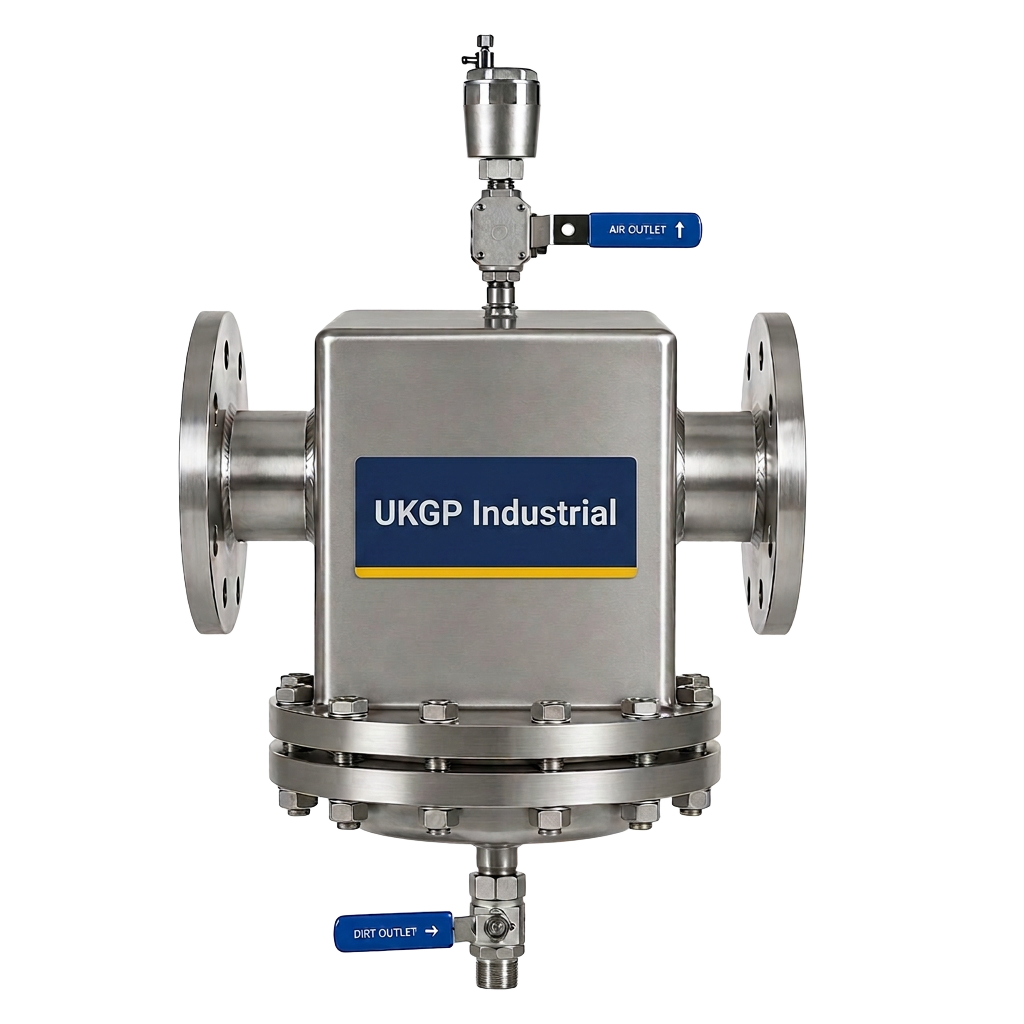
To maintain a clean plate heat exchanger, one must address the presence of trapped air and circulating debris. Air in a system leads to oxidation, which creates the magnetite (black sludge) that is the primary enemy of heat exchanger efficiency. By installing a high-quality air and dirt separator alongside your clean plate heat exchanger, you can significantly reduce the volume of particulate matter that reaches the internal plate surfaces. These separators use a variety of internal media, such as PALL rings or high-performance baffles, to slow the flow and allow contaminants to drop into a collection chamber for easy removal via a blow-down valve during routine maintenance visits.
In many commercial refits, the existing pipework can be heavily contaminated with years of build-up. When a new boiler or heat pump is installed, the last thing an installer wants is for that old debris to migrate into the new, clean plate heat exchanger. Incorporating a dirt separator with a magnetic insert is a highly effective way to capture fine ferrous particles that standard strainers might miss. This level of protection ensures that the heat exchanger remains efficient from day one through to the end of its warranty period and beyond. UKGP Industrial's range of separators is designed to match the flow requirements of our plate heat exchangers, providing a complete solution for plant room hygiene and thermal performance.
The commercial case for this protection is clear: fewer call-outs, lower system noise, and maintained heat transfer rates. A clean plate heat exchanger that is protected by effective separation equipment will require much less frequent downtime for chemical flushing. This is particularly important in critical environments such as data centres or healthcare facilities where any loss of climate control is unacceptable. By integrating these components at the design stage, M&E contractors can ensure a smoother handover and more satisfied end-users. We provide full technical data sheets for our separators to assist in the specification of a complete, high-performance thermal system that prioritises long-term reliability.
- Removes microbubbles to prevent internal oxidation and corrosion
- High-efficiency dirt removal prevents plate channel blockages
- Magnetic inserts capture fine magnetite particles for easy disposal
- Protects the 2-year warranty of your UKGP plate heat exchanger
The Role of Chemical Dosing in System Hygiene
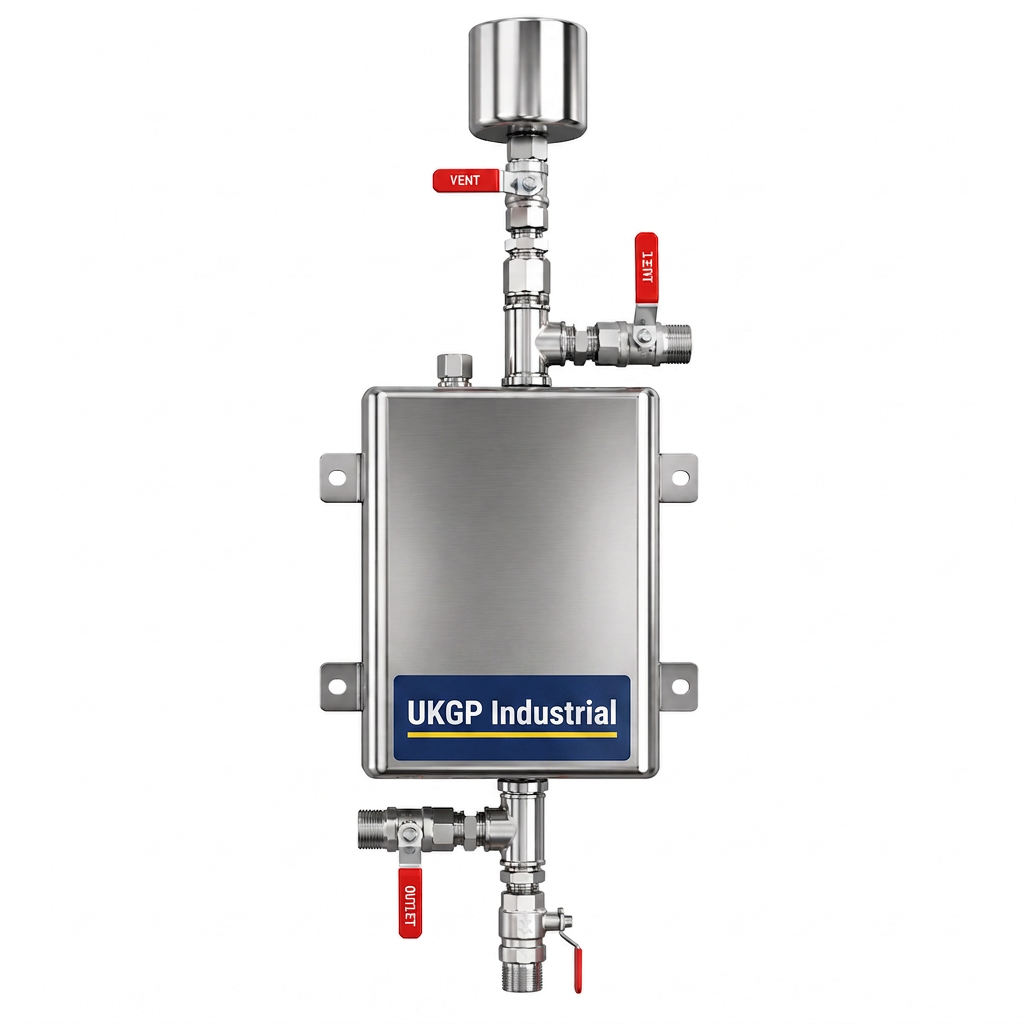
Chemical dosing is a fundamental part of the strategy to keep a clean plate heat exchanger operating at design capacity. By introducing corrosion inhibitors and biocides into the system via a dedicated dosing pot, engineers can control the chemical balance of the water. This prevents the formation of scale on the plates, which would otherwise act as a thermal barrier, forcing the system to consume more energy to achieve the same temperature rise. For a clean plate heat exchanger to be effective, the water must be treated to inhibit both aerobic and anaerobic bacterial growth, which can cause severe pitting corrosion. This is especially true in modern systems where operating temperatures may be lower than traditional boiler circuits.
UKGP Industrial provides heavy-duty stainless steel dosing pots that are built to withstand the pressures of commercial HVAC systems. These units allow for the safe and easy introduction of water treatment chemicals without having to drain down significant portions of the circuit. Consistently maintaining the correct inhibitor levels is the most cost-effective way to ensure you have a clean plate heat exchanger throughout the year. Our dosing pots are available in various sizes to suit different system volumes, ensuring that whether you are managing a small office block or a massive industrial complex, your water treatment regimen is as robust as possible and compliant with BS 8552 standards.
When considering the procurement of thermal equipment, it is wise to view the plate heat exchanger and the dosing gear as part of a single ecosystem. A clean plate heat exchanger is only as good as the water flowing through it. If the chemical levels are neglected, the plates will eventually foul, leading to a drop in performance that can be difficult to reverse without aggressive chemical cleaning. By pairing a UKGP thermal spec plate unit with our high-quality dosing and filtration hardware, you create a resilient system that meets the highest standards of UK engineering excellence. Contact our sales team to discuss how we can bundle these components for your next project, ensuring compatibility and simplified procurement.
- Prevents scale and corrosion through controlled inhibitor injection
- Stainless steel construction ensures longevity of the dosing equipment
- Essential for maintaining the thermal efficiency of the heat transfer surfaces
- Supports compliance with BS 8552 water quality monitoring guidelines
Ongoing Maintenance and Service Life
Long-term management of a clean plate heat exchanger requires a scheduled maintenance routine that includes regular visual inspections and pressure drop monitoring. If the pressure differential across the unit begins to deviate from the design spec, it is a clear indicator that the unit is no longer a clean plate heat exchanger. For gasketed units, this may involve opening the plate pack for manual cleaning or replacing older gaskets to prevent leaks. For brazed units, this involves a 'Clean In Place' (CIP) procedure where mild acidic or alkaline solutions are circulated through the unit to dissolve deposits. Regular testing of the heat transfer efficiency helps in predicting when these interventions are necessary, avoiding emergency repairs.
The design of our UKGP units facilitates this maintenance. From DN20 to DN300, our range is built with the engineer in mind, offering accessible ports and robust frames. A clean plate heat exchanger that is properly looked after can easily exceed its expected service life, providing decades of reliable service. Our 2-year warranty gives you the initial peace of mind, but our commitment to quality ensures the unit performs long after. We provide full thermal specs for every unit we sell, which serve as the baseline for all future performance testing. If your unit is struggling to meet setpoints, compare its current performance against these original specs to determine the degree of cleaning required.
To conclude, investing in a high-quality clean plate heat exchanger from UKGP Industrial is a strategic choice for any UK commercial project. By combining our expertly sized units with the right air and dirt separation and chemical dosing equipment, you ensure your plant room operates at peak efficiency. With our 4-6 week lead times, we are ready to support your project timelines. Whether you require a gasketed unit for easy maintenance or a compact brazed unit for a space-constrained site, UKGP has the technical expertise and the product range to meet your needs. Reach out to our Surrey-based team today to request a quote and see how we can optimise your commercial HVAC system's thermal performance.
- Monitor pressure drops to detect early signs of internal fouling
- Utilise CIP methods for brazed units to maintain thermal transfer
- Ensure all replacement gaskets are of the correct material (NBR/EPDM)
- Review baseline thermal specs annually to trace performance trends
Frequently asked questions
How often should I clean a commercial plate heat exchanger?
- The frequency depends on water quality and system filtration. In a system following BSRIA BG50 guidelines with side-stream filtration, a clean plate heat exchanger may only need inspection every 12-24 months. Without proper treatment, cleaning may be required quarterly.
What are the signs that my heat exchanger is fouled?
- The primary indicators include an increased pressure drop across the unit, a failure to reach design setpoint temperatures on the secondary circuit, and higher than normal return temperatures on the primary circuit. These signs suggest it is no longer a clean plate heat exchanger.
Can I use chemical cleaning on brazed heat exchangers?
- Yes, brazed units are maintained using a 'Clean In Place' (CIP) method where cleaning chemicals are pumped through the unit. It is vital to use chemicals compatible with the copper or nickel brazing material to maintain a clean plate heat exchanger without causing structural damage.
What is the lead time for a UKGP plate heat exchanger?
- Our typical lead time for both gasketed and brazed units, sized from DN20 to DN300, is 4 to 6 weeks. This includes full thermal sizing and a 2-year warranty as standard.
Does a plate heat exchanger require a side stream filter?
- While not strictly mandatory, BSRIA BG50 strongly recommends side stream filtration to maintain a clean plate heat exchanger. It prevents the build-up of magnetite and sludge, which is the most common cause of thermal inefficiency and unit failure in UK commercial systems.