The Role of a Boiler Plate Heat Exchanger in System Separation
In contemporary commercial HVAC installations, the boiler plate heat exchanger serves as the primary barrier between the primary generation loop and the secondary distribution circuits. This hydraulic separation is essential when integrating modern condensing boilers with older existing pipework or varied emitters. By utilizing a high-efficiency boiler plate heat exchanger, M&E contractors can isolate sensitive modern boiler heat exchangers from potentially contaminated secondary water, preventing the ingress of magnetite and debris that often plagues legacy systems. This separation also allows the primary and secondary circuits to operate at different pressures and temperatures, providing greater flexibility for plant room layout.
Choosing to install a boiler plate heat exchanger is often driven by the need to protect the primary capital equipment while maintaining high delta-T transfers. In a commercial context, ensuring that the primary return temperature remains low is vital for condensing efficiency. Our UKGP units are designed to maximize this heat transfer efficiency, ensuring that the primary heat source operates within its peak performance window. Whether you are retrofitting a plant room in a London office block or designing a new district heating hub, understanding the thermal dynamics of the interface is the foundation of a resilient system.
The commercial viability of a project often hinges on the reliability of the specified components. When you select a boiler plate heat exchanger from UKGP, you are choosing a component backed by a 2-year warranty and a heritage of British engineering excellence. Our experts can assist in interpreting your complex system requirements to ensure the unit delivered is fit for purpose. With lead times typically ranging from 4 to 6 weeks, we ensure that your installation schedule remains on track without compromising on the bespoke nature of the thermal sizing required for high-rise or large-scale institutional buildings.
- Protects primary heat sources from secondary system contamination.
- Facilitates precise pressure and temperature separation.
- Optimises condensing boiler efficiency by maintaining low return temperatures.
- Reduces the risk of boiler heat exchanger scaling and corrosion.
Thermal Specification Requirements
To specify the correct boiler plate heat exchanger, engineers must provide a comprehensive thermal specification. This includes the primary and secondary flow and return temperatures, the required kilowatt rating, and the allowable pressure drop across the plates. A common mistake in the UK market is undersizing the unit, which leads to insufficient heat transfer and causes the primary heat source to cycle frequently. At UKGP, we size every unit from a full thermal spec, ensuring that the plate configuration is optimized for the specific fluid dynamics of your commercial building, whether you require DN20 or DN300 connections.
Pressure drop is a critical metric that must be balanced against heat transfer efficiency. A higher pressure drop usually results in a smaller, more cost-effective unit, but increases the pumping energy required over the system's lifetime. Conversely, a very low pressure drop might necessitate a larger, more expensive boiler plate heat exchanger. Finding the 'sweet spot' requires an understanding of the total system head and the pump curves of the circulation pumps. Consulting with a specialist like UKGP early in the design stage ensures the final plate heat exchanger specification delivers the lowest total cost of ownership.
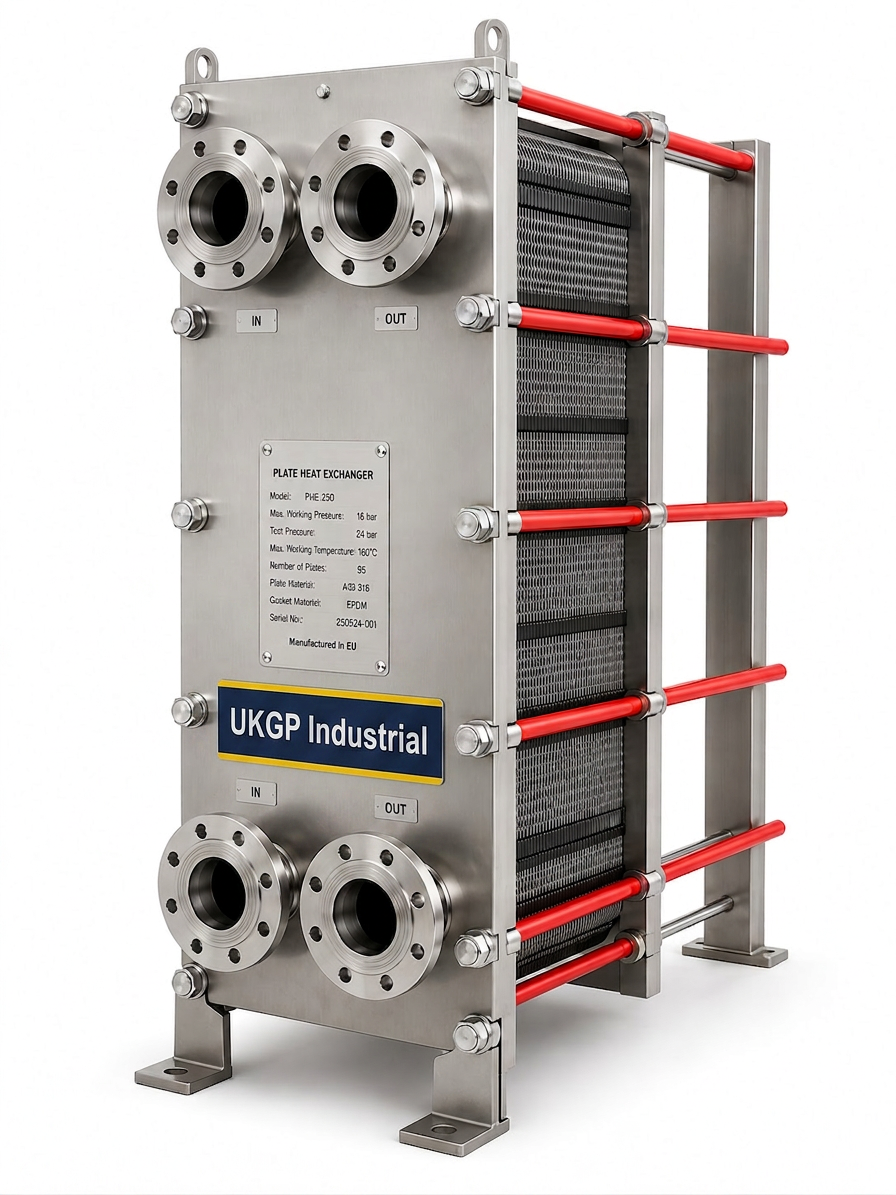
Furthermore, the choice between gasketed and brazed units depends on the application. Gasketed plate heat exchangers allow for future expansion and easier maintenance, as they can be dismantled for manual cleaning—critical for systems with high calcification risks. Brazed units offer a compact footprint and high pressure resistance, ideal for tight plant rooms or high-pressure district heating. Regardless of the type chosen, ensuring the boiler plate heat exchanger is sized for the peak winter load while remaining efficient during shoulder seasons is the hallmark of a professional specification that meets modern CIBSE guidelines.
- Provide accurate flow and return temperatures for primary and secondary loops.
- Define the maximum allowable pressure drop for both circuits.
- Select between DN20 to DN300 connection sizes based on flow rates.
- Assess the benefits of gasketed versus brazed constructions for the specific site.
Compliance with BSRIA BG29 and BG50
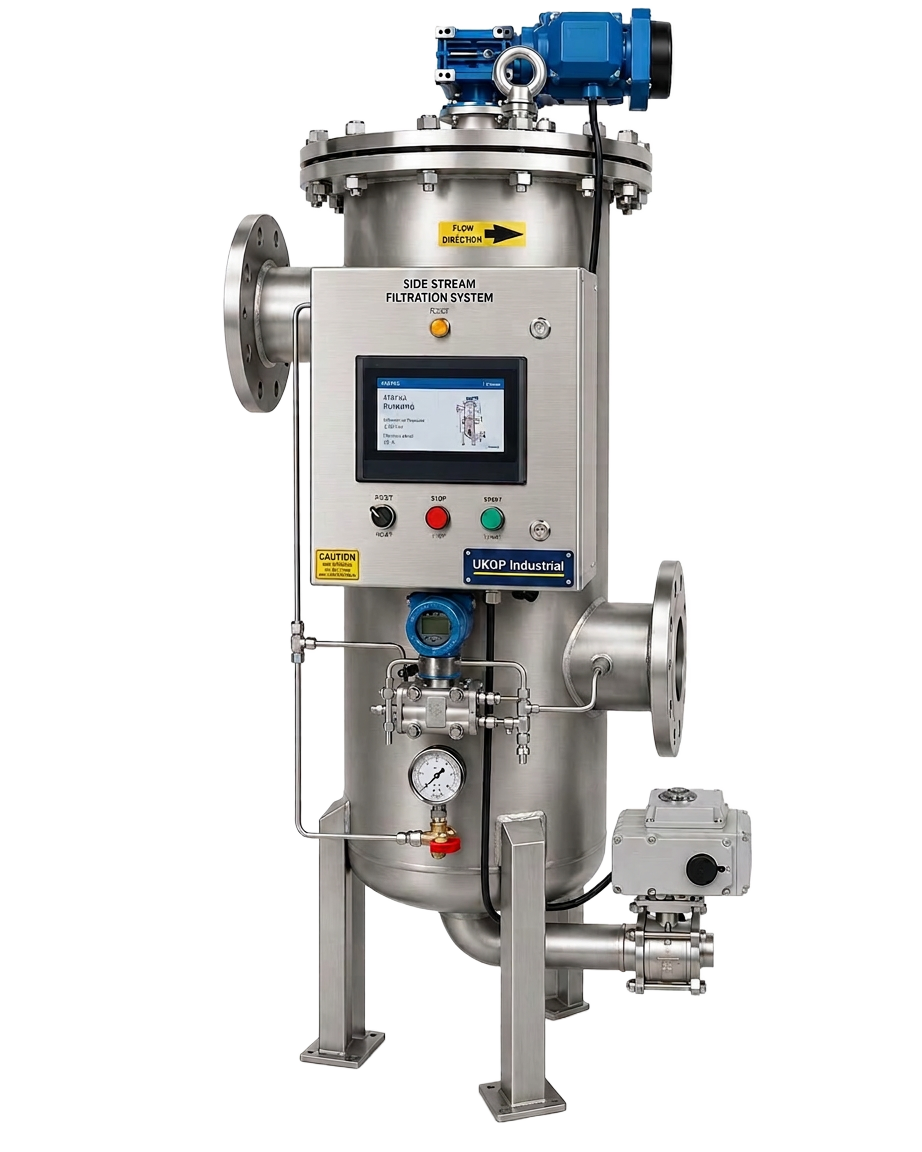
Water quality is the single most significant factor in the longevity of a boiler plate heat exchanger. Adhering to BSRIA BG29 'Pre-commission Cleaning of Pipework Systems' and BG50 'Water Treatment for Closed Heating and Cooling Systems' is non-negotiable for commercial FM leads. A plate heat exchanger acts as a narrow-channel filter; if the system water is not properly treated, debris can quickly foul the plates, leading to a precipitous drop in thermal efficiency. Effective chemical dosing and side stream filtration must be implemented alongside the exchanger to ensure the internal surfaces remain clean and the heat transfer coefficient is maintained.
When specifying a boiler plate heat exchanger for a project following BS 8552 monitoring protocols, the role of the exchanger as a protection device becomes even more evident. By keeping the primary loop closed and chemically controlled, you drastically reduce the volume of water requiring high-grade treatment. This localized protection strategy is why many leading UK consultants mandate a plate heat exchanger even when the system pressures are technically compatible. It provides a definitive 'clean break' that simplifies the water treatment regime and reduces the risk of expensive remedial flushing once the building is occupied.
At UKGP, we understand that commissioning a large-scale boiler plate heat exchanger requires precision. Our technical team works with M&E contractors to ensure that when a unit arrives on a 4-6 week lead time, it is ready for immediate integration into a compliant system. We recommend the inclusion of dedicated test points and isolation valves on either side of the exchanger to facilitate the water sampling required by BSRIA standards. This proactive approach to plant room design ensures that the 2-year warranty remains valid and the system performance meets the original design intent throughout its operational life.
- Implement BSRIA BG29 pre-commission cleaning to protect plate surfaces.
- Maintain water chemistry in accordance with BG50 standards.
- Utilise side stream filtration to prevent debris accumulation.
- Install sample points to monitor water quality and plate fouling.
Material Selection and Durability Standards
The materials used in a boiler plate heat exchanger must be compatible with the system fluids and the intended operating environment. Typically, 316L stainless steel plates are the standard for UK commercial heating systems, offering excellent corrosion resistance and thermal conductivity. However, for specialized applications involving harsh chemicals or saline environments, alternative alloys may be required. Specifying the correct gasket material—such as EPDM for standard heating or Nitrile for oil-related applications—is equally important to ensure the seal integrity of a gasketed boiler plate heat exchanger over many years of thermal cycling.
Structural integrity is overseen by standards such as BS EN 14917 for expansion bellows and related pressure equipment. While the plate heat exchanger is a static piece of equipment, it is subject to significant thermal expansion and contraction stresses. Designers must ensure that the surrounding pipework is correctly supported and that any expansion is accounted for. This prevents lateral loads from being transferred to the exchanger nozzles, which is a common cause of premature seal failure. Engineering a resilient plant room involves looking at the boiler plate heat exchanger not just as a component, but as part of a dynamic system.
UKGP’s range of plate heat exchangers includes options for a variety of industrial and commercial duties. Our gasketed units are particularly favoured in the UK market for their ease of maintenance. If a boiler plate heat exchanger becomes fouled with scale, it can be unbolted and the plates cleaned individually, restoring it to 100% efficiency. This serviceability is a key selling point for Facility Managers who need to guarantee 24/7 uptime for hospitals, data centres, or large residential blocks. With our 2-year warranty, you have the peace of mind that the unit's materials and construction are of the highest professional grade.
- Specify 316L stainless steel for maximum thermal efficiency and longevity.
- Match gasket materials to the fluid type and peak operating temperatures.
- Ensure pipework expansion does not stress the exchanger connections.
- Prioritise gasketed units for systems where manual cleaning is anticipated.
Installation Best Practices for M&E Contractors
Correct installation of a boiler plate heat exchanger is vital for achieving the design flow rates and heat transfer targets. Contractors should always ensure there is sufficient clearance around the unit, especially for gasketed models, to allow the plate pack to be opened or the plates to be replaced. Ideally, the primary and secondary pipework should be arranged in a counter-current flow pattern. This configuration maximizes the log mean temperature difference, ensuring the boiler plate heat exchanger achieves the highest possible efficiency. Getting the orientation right during the first-fix stage prevents costly rework later in the commissioning phase.
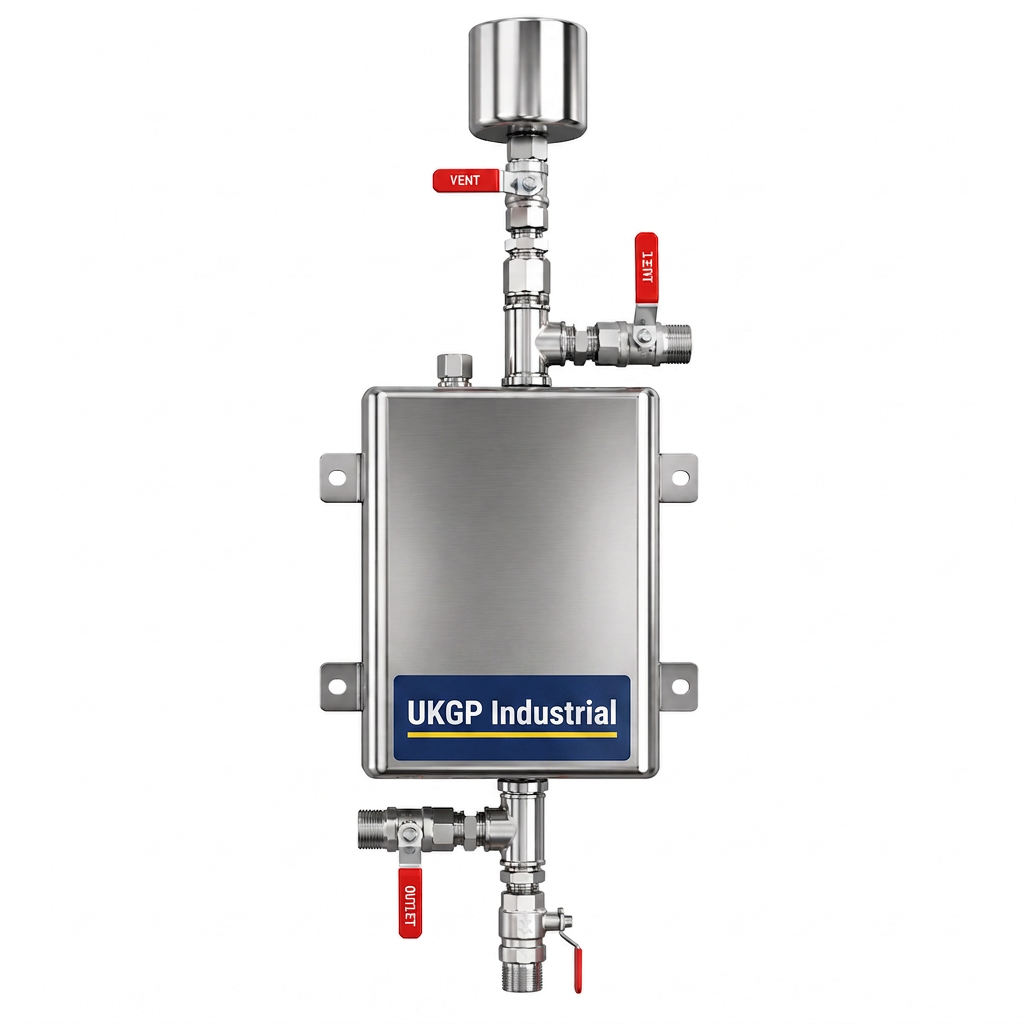
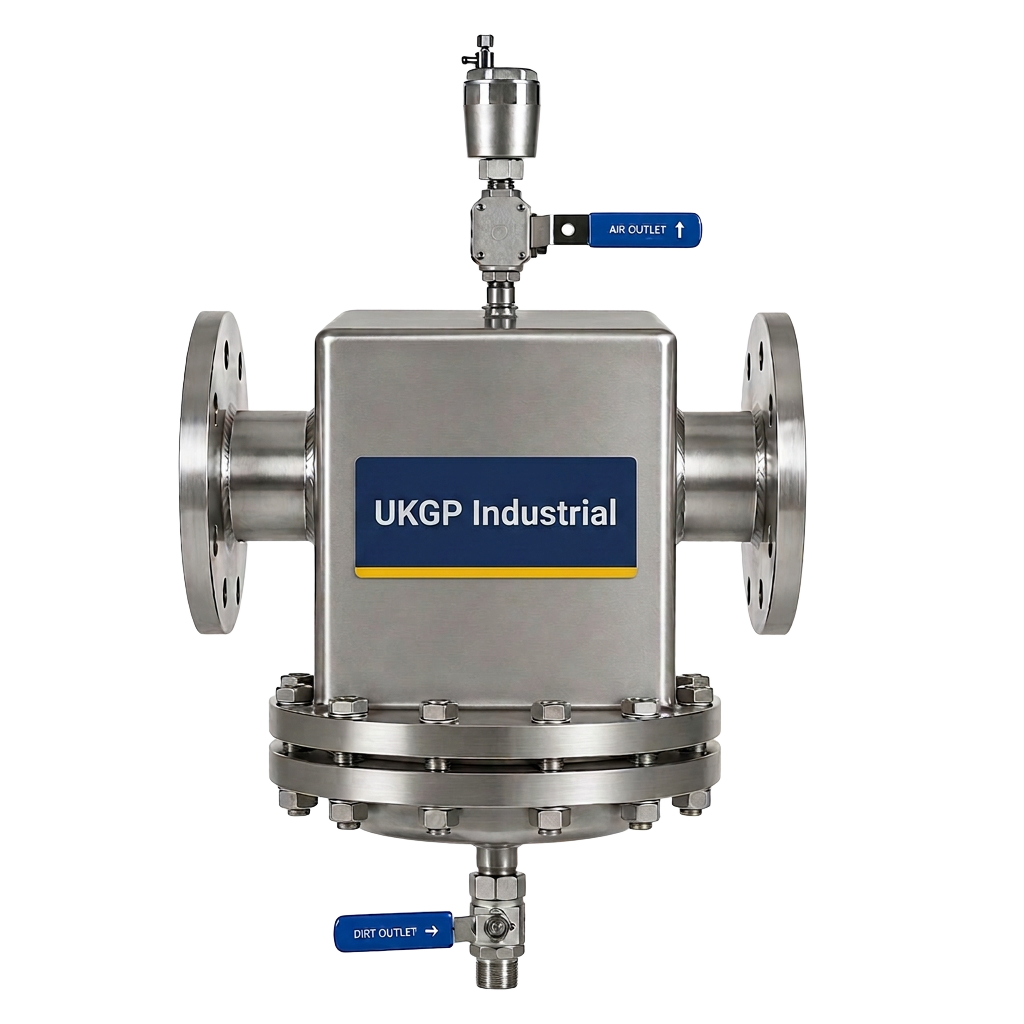
Air management is another critical factor. Air trapped within the plate pack can create 'dead zones' where no heat transfer occurs, reducing the effective surface area of the boiler plate heat exchanger and potentially causing localized overheating or noise issues. Installing high-quality air and dirt separators on the primary and secondary inlets is recommended. This not only protects the exchanger from particulate damage but also ensures that the fluid remains deaerated, which is essential for maintaining the volumetric flow rates calculated during the sizing process. A well-designed system will always include these ancillary components to support heat exchanger health.
Before the boiler plate heat exchanger is brought online, it is essential to perform a hydrostatic pressure test in line with site safety protocols. This verifies that all gaskets are seated correctly and that no damage has occurred during transit. UKGP units arrive with comprehensive installation manuals to guide your team through the process. By following these steps and ensuring the primary boilers are balanced correctly, you can achieve a seamless handover. Remember, our lead times of 4-6 weeks allow for meticulous planning of the installation phase, ensuring every connection and support is perfectly placed before the unit arrives on-site.
- Maintain adequate clearance for plate pack maintenance and inspections.
- Always piped in counter-current flow for maximum thermal efficiency.
- Integrate air and dirt separators to prevent air-locks and fouling.
- Perform pressure tests prior to full system commissioning and heat-up.
Long-term Maintenance and Lifecycle Costs
The lifecycle cost of a boiler plate heat exchanger is significantly lower than that of direct heating configurations when considering the protection it offers the boiler plant. However, maintenance cannot be ignored. Regular monitoring of the temperature differential across the exchanger will signal when fouling is occurring. If the secondary flow temperature begins to drop while the primary temperature remains constant, it is a clear indicator that the boiler plate heat exchanger requires cleaning. In modern buildings, integrating pH sensors and transmitters helps monitor the water chemistry that leads to this fouling, allowing for predictive maintenance rather than reactive repairs.
A robust maintenance schedule should include the inspection of the plate pack tension and the condition of the gaskets. Over time, thermal cycling can cause gaskets to harden; having a UKGP boiler plate heat exchanger means you have access to a reliable supply of replacement parts and technical support. Compared to the massive cost of replacing a commercial boiler heat exchanger, the cost of a plate service kit is negligible. This is why public sector procurement leads and large FM companies prefer the separation provided by a high-quality boiler plate heat exchanger—it moves the 'wear part' from the expensive boiler to the easily serviced exchanger.
Ultimately, the goal of specifying a UKGP boiler plate heat exchanger is to create a 'set and forget' system that performs at peak efficiency for decades. By combining our precision-engineered units with correct water treatment and professional installation, you ensure the heating system meets the stringent requirements of modern building regulations. Whether you need a small DN20 unit for a localized zone or a large DN300 unit for an industrial process, our 2-year warranty and commitment to sizing from a full thermal spec ensure your project is built on a foundation of engineering excellence and commercial durability.
- Monitor delta-T across the exchanger to detect early signs of fouling.
- Check plate pack compression periodically to prevent external leaks.
- Replace gaskets as part of a scheduled 5 or 10-year major service.
- Use water quality monitoring to extend the intervals between cleanings.
Frequently asked questions
Why should I use a boiler plate heat exchanger instead of a low loss header?
- While a low loss header provides hydraulic separation, a boiler plate heat exchanger provides physical separation. This prevents contaminated water or different system pressures from affecting the boiler, which is essential for protecting modern, high-efficiency commercial boilers from legacy system debris.
What information is needed to size a boiler plate heat exchanger?
- We require the total heat load (kW), primary flow/return temperatures, secondary flow/return temperatures, and the maximum allowable pressure drop for both sides. Our engineers use this full thermal spec to size the unit accurately.
What is the typical lead time for a UKGP plate heat exchanger?
- Our standard lead time for both gasketed and brazed commercial heat exchangers is 4 to 6 weeks, allowing for precise engineering and assembly to your specific requirements.
Are UKGP boiler plate heat exchangers covered by a warranty?
- Yes, all our plate heat exchangers come with a 2-year warranty as standard, reflecting our confidence in the materials and UK manufacturing standards.
Which connection sizes are available for commercial systems?
- We offer a wide range of connection sizes, typically ranging from DN20 for smaller applications up to DN300 for high-capacity industrial or district heating systems.