Defining what is power flushing central heating system technology
To understand what is power flushing central heating system protocol, one must look at the mechanics of high-velocity, low-pressure water circulation. In a commercial context, a power flushing pump is connected to the circuit to force water through the radiators or heat exchangers at high speeds. This process is designed to dislodge 'sludge'—primarily black iron oxide or magnetite—which settles in low-flow areas of the building's infrastructure. For UK facility managers, this is often seen as a reactive solution to a system that has already suffered significant performance degradation or localized cold spots.
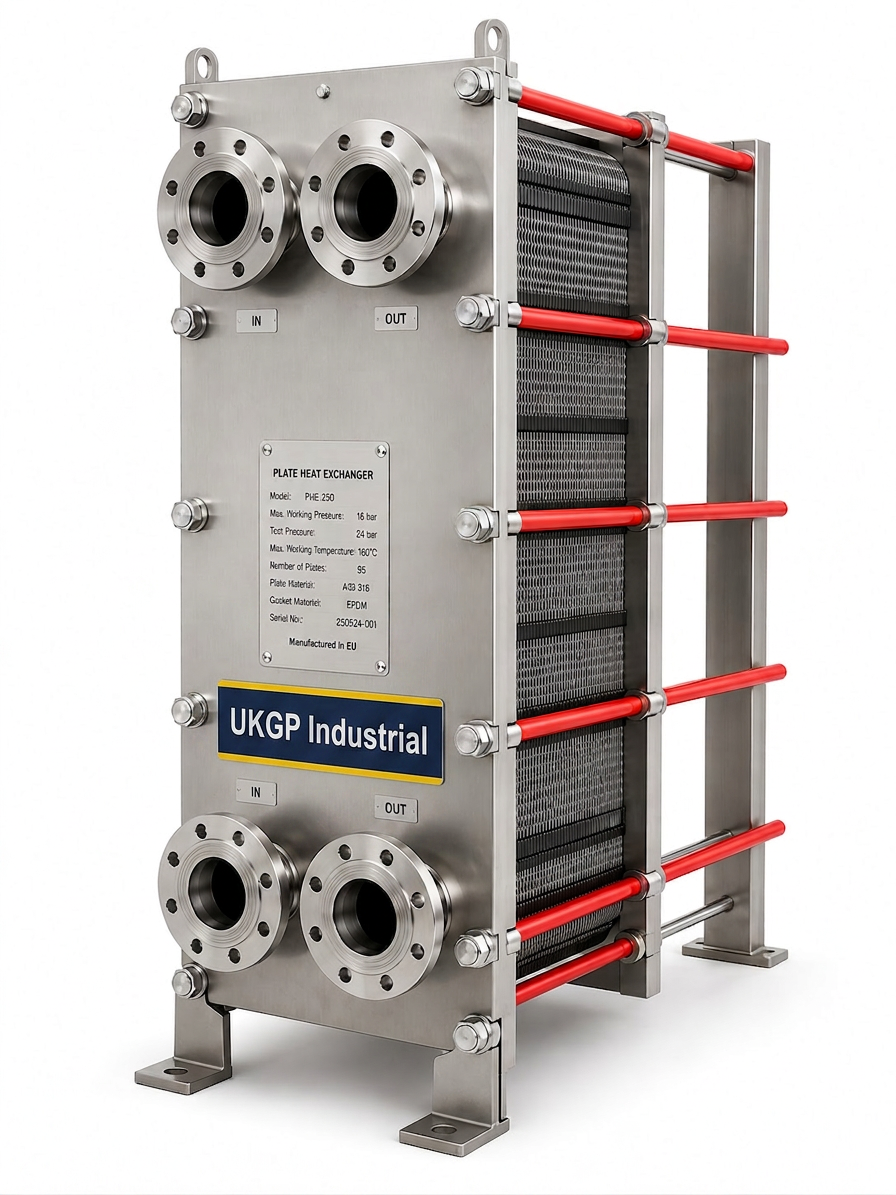
The process typically involves chemical cleaners that are circulated through the pipework to break down stubborn deposits before the final flush. According to BSRIA BG29/2021 guidelines, maintaining water purity is critical from the moment of pre-commissioning. However, for older systems, a power flush is often the first step in restoring a baseline of cleanliness. It is important to note that while power flushing is effective at removing loose debris, it does not address the root cause of corrosion, nor does it provide the ongoing protection required for high-efficiency modern condensing boilers or delicate plate heat exchangers.
When considering what is power flushing central heating system methodology, decision-makers must weigh the downtime involved. A full commercial flush can take several days, during which the heating or cooling must be isolated. This is often where UKGP Industrial customers find that installing a side stream filtration unit is a more commercially viable route. By cleaning the water while the system is live, you avoid the operational headaches of a total shutdown while achieving the same, if not better, clarity of water over a slightly longer period.
- High-velocity water flow to dislodge magnetite
- Chemical mobilisation of internal corrosion by-products
- Restoration of flow to blocked heat emitters
- Reactive maintenance for poorly treated closed loops
The Limitations and Risks of Commercial Power Flushing
While knowing what is power flushing central heating system procedure is useful, it is equally vital to understand the inherent risks to aged pipework. The forced flow can sometimes create pressure differentials that stress weakened joints or pin-holed radiators, leading to leaks that were previously 'sealed' by the sludge itself. Furthermore, a one-off flush provides no protection against the oxygen ingress that occurs during subsequent maintenance or micro-leaks. In large-scale Surrey developments or London office blocks, relying solely on periodic flushing often leads to a cycle of expensive remedial works rather than a stable, efficient HVAC environment.
BSRIA BG50 highlights the importance of continuous water quality monitoring and treatment. After a power flush, the system is filled with fresh, highly oxygenated water which can actually accelerate corrosion if not immediately treated with high-quality inhibitors via a chemical dosing pot. Without a permanent filtration strategy, the magnetite will simply begin to reform within weeks. This is why many M&E contractors now view power flushing as a 'reset button' rather than a final solution. It prepares the system for the installation of permanent hardware designed to catch fine particulates as they are generated.
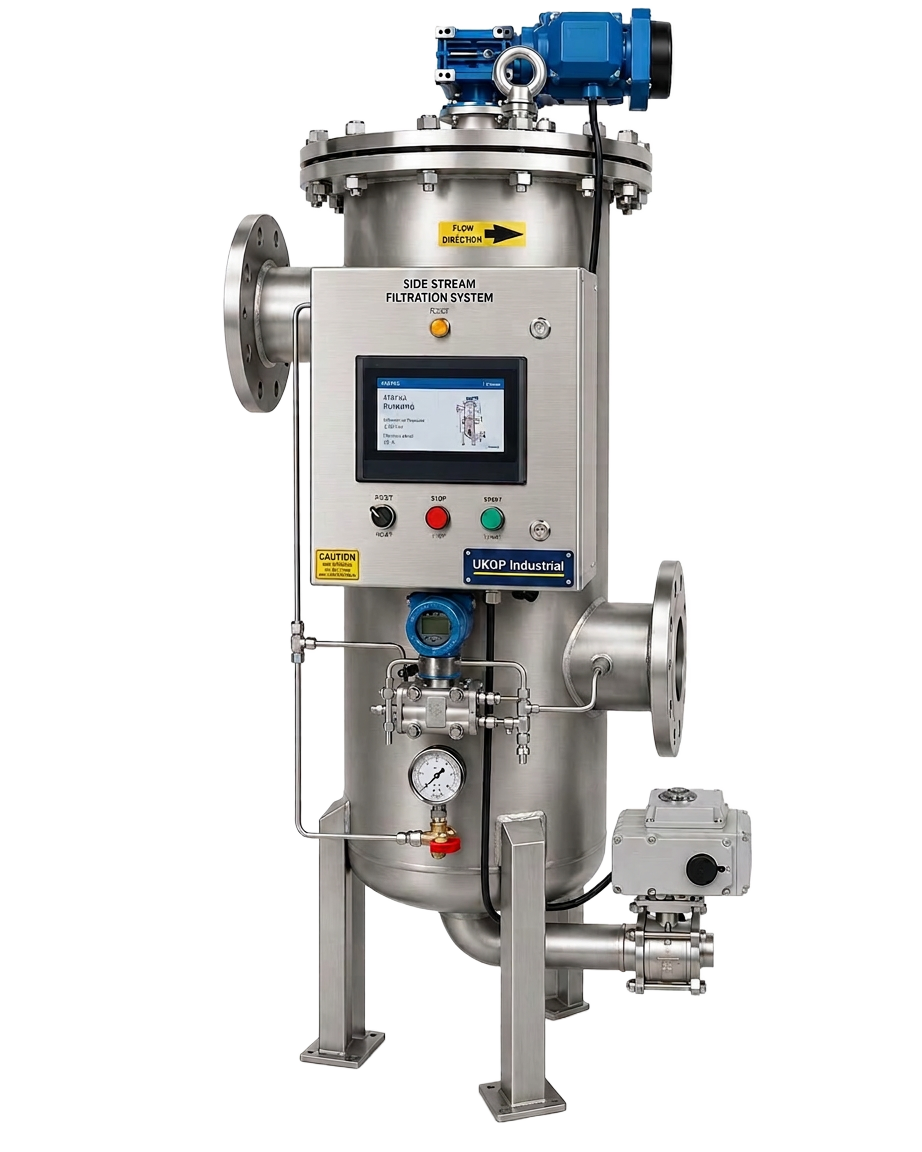
UKGP Industrial provides a more robust alternative to the 'flush and forget' mentality. Our side stream filtration skids, starting from £6,800+VAT, offer a continuous cleaning cycle that renders the traditional power flush obsolete in many scenarios. These units, available in DN50 to DN100 sizes, work by diverting a portion of the flow through a high-performance filter, removing particles down to sub-micron levels. For a procurement lead, the 2-year warranty and 6-8 week lead time make this a strategic investment in asset longevity compared to the recurring cost of specialist flushing contractors.
- Risk of leaks in aged or thinning distribution pipework
- Introduction of fresh oxygen which can trigger new corrosion
- Significant system downtime and operational disruption
- Failure to remove microscopic particles that damage pump seals
The Role of Dosing Pots After a System Flush
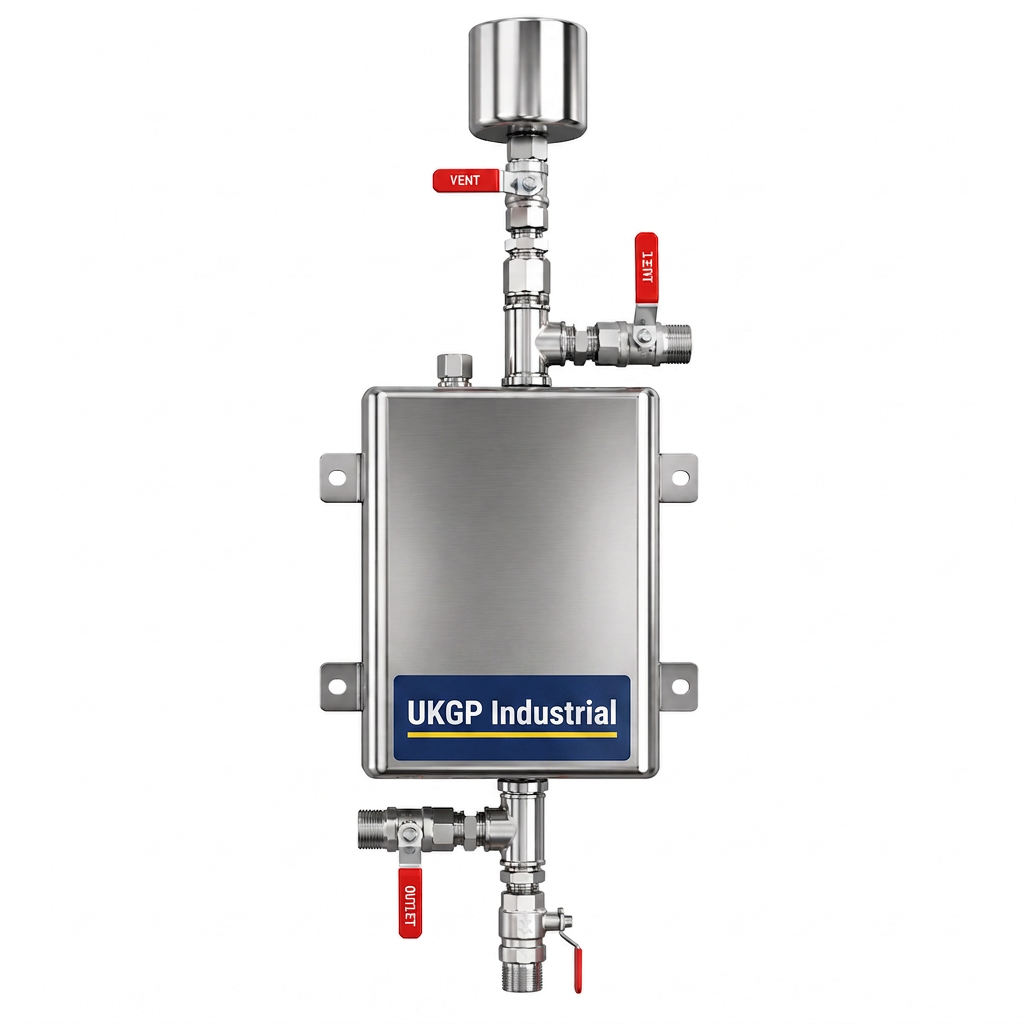
Once a technician has completed what is power flushing central heating system cleaning, the chemical balance of the water must be restored. This is where chemical dosing pots become indispensable. These stainless steel vessels allow engineers to introduce corrosion inhibitors and biocides into the closed-loop system without shutting down the pumps. Maintaining the correct chemical residual is a core requirement of BS 8552, ensuring that the clean metal surfaces exposed by the flushing process do not immediately oxidise.
At UKGP Industrial, our UK-manufactured dosing pots are designed for ease of use in demanding plant room environments. They provide a safe entry point for chemicals, ensuring that the system remains protected against the scale and sludge that necessitated the flush in the first place. For contractors, installing a high-quality dosing pot alongside a new boiler or heat exchanger is a mark of professional standards. It ensures that the water chemistry can be adjusted easily during quarterly service visits, keeping the system within the parameters specified by CIBSE guidelines.
Choosing the right size of dosing pot is crucial for effective chemical distribution. Our range supports various system volumes, and when paired with our side stream filtration skids, they create a comprehensive water treatment station. If you are currently investigating what is power flushing central heating system benefits for a client, consider proposing a permanent upgrade. A UKGP dosing pot is a cost-effective addition that protects the multi-million pound HVAC assets within the building for the long term.
- Facilitates the safe introduction of inhibitors and biocides
- Prevents rapid re-corrosion of freshly cleaned pipework
- Essential for compliance with BS 8552 water quality standards
- Robust stainless steel construction for high-pressure applications
Side Stream Filtration: A Superior Alternative to Power Flushing
When engineers ask what is power flushing central heating system capable of, they are usually looking for a way to clear water. However, side stream filtration is often a more effective solution for commercial buildings. Unlike a power flush, which is a transient event, a side stream unit works 24/7. It continuously removes the magnetite that causes cold spots and reduces the efficiency of plate heat exchangers. For systems ranging from DN50 to DN100, these skids are the industry standard for maintaining optimal thermal transfer and protecting expensive variable speed pumps from abrasive wear.
The commercial logic is clear: a UKGP side stream filtration skid, made to order in our Surrey facility, provides a permanent safeguard. With prices from £6,800+VAT and a 2-year warranty, the return on investment is realised through lower energy bills and reduced emergency call-out costs. Furthermore, the 6-8 week lead time allows for planned integration during scheduled maintenance windows. Instead of the messy, intrusive process of a power flush, your facility benefits from a 'polishing' effect that keeps the water crystal clear indefinitely.
In many modern UK plant rooms, the combination of side stream filtration and air/dirt separators has replaced the need for aggressive chemical flushing. This approach is gentler on the infrastructure and aligns with the sustainability goals of FM providers. By removing the suspended solids that interfere with heat transfer, you ensure the central heating system operates at its peak designed efficiency. If you are managing a site where water quality is a recurring issue, requesting a quote for a custom-built skid is the first step toward a permanent fix.
- Continuous removal of magnetite and suspended solids
- No system downtime required for installation or operation
- Maintains water clarity to sub-micron levels consistently
- Protects high-efficiency boilers and plate heat exchangers
Integrating Air and Dirt Separators for Total Protection
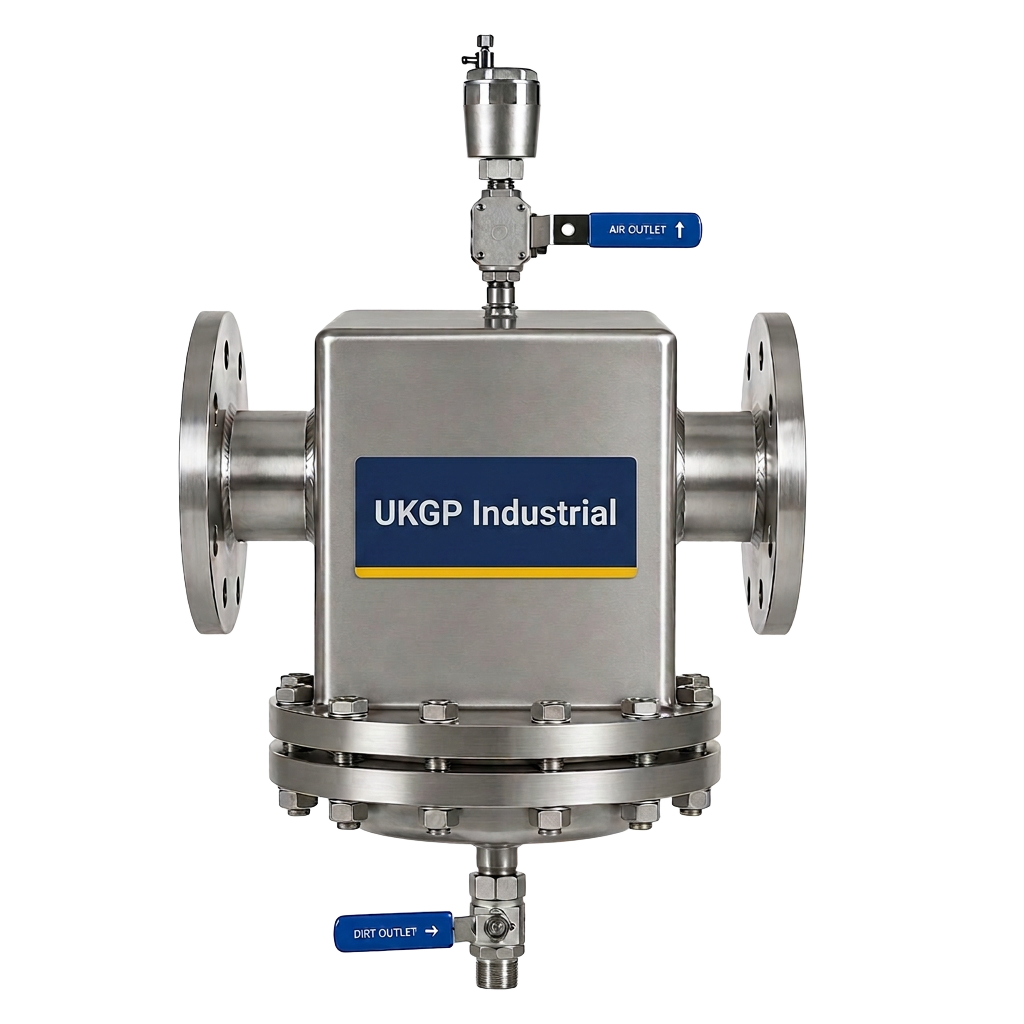
To truly move beyond the question of what is power flushing central heating system and into professional system management, one must address air entrainment. Micro-bubbles and dissolved oxygen are the primary drivers of the corrosion that leads to sludge. By installing an air and dirt separator at the point of lowest solubility (usually the hottest part of the system), you can remove the gases before they react with the ferrous components of the loop. This proactively reduces the amount of debris the filtration system has to manage.
UKGP Industrial's air and dirt separators are designed to handle the high flow rates found in commercial heating and cooling circuits. When air is removed, the risk of cavitation in pumps is eliminated, and heat transfer efficiency is significantly boosted. This is a critical component for any system where power flushing is being considered; if you don't remove the air, the sludge will simply return. Our separators are engineered for durability, offering a fit-and-forget solution that supports the long-term health of the building's core services.
For M&E contractors, specifying a combined approach of air/dirt separation, dosing pots, and side stream filtration is the gold standard. It demonstrates a commitment to the BSRIA BG50 principles of proactive maintenance. While we understand the immediate need to know what is power flushing central heating system equipment, we encourage our clients to look at the holistic health of the plant room. Contact us today to discuss how our UK-made components can be configured to meet your specific flow rate and pressure requirements.
- Elimination of micro-bubbles to prevent internal corrosion
- Reduced pump noise and improved circulation efficiency
- Protects heat emitters from air-lock induced cold spots
- Complements side stream filtration for comprehensive debris removal
Commercial Conclusion: Investing in System Longevity
In summary, understanding what is power flushing central heating system utility is about recognizing its place as a heavy-duty remedial tool. However, for the modern UK building manager, the focus should be on preventing the need for such aggressive measures. By investing in high-quality UKGP Industrial side stream filtration, air and dirt separators, and dosing pots, you create a self-sustaining environment where water quality remains at Tier 1 standards. This proactively protects your investment and ensures compliance with the most stringent CIBSE and BSRIA guidelines.
Our side stream filtration skids (DN50-DN100) are the centerpiece of this strategy. With a 2-year warranty and starting at £6,800+VAT, they are a commercially sound alternative to the high labor costs of repeated flushing. Because they are made to order in the UK with a 6-8 week lead time, they can be precisely tailored to your system's specific needs, ensuring perfect integration into your existing plant room layout. We take pride in supporting UK industry with equipment that is robust, reliable, and technically superior.
If you are currently troubleshooting a system or designing a new installation, don't settle for temporary fixes. Reach out to our expert team for a technical consultation. We can help you transition from asking what is power flushing central heating system maintenance to implementing a world-class filtration strategy. Request your quote today to secure a UKGP Industrial solution that will keep your heating and cooling systems running clear and efficient for years to come.
- UK-made filtration skids from £6,800+VAT
- Custom DN50 to DN100 configurations available
- Short 6-8 week lead times for bespoke orders
- Full 2-year warranty on all manufactured components
Frequently asked questions
What is power flushing central heating system maintenance usually used for?
- It is a reactive process used to clear heavy accumulations of magnetite and corrosion debris from commercial systems to restore flow and heat transfer efficiency.
How long does a commercial power flush take?
- Depending on the size of the building, it can take anywhere from 2 to 5 days, requiring the system to be offline, unlike side stream filtration which works while the system is live.
Is power flushing better than side stream filtration?
- Power flushing is a one-time clean, whereas side stream filtration provides continuous protection. For commercial systems, filtration is generally preferred to maintain BS 8552 water quality standards.
What are the costs for UKGP side stream filtration?
- Our made-to-order units start from £6,800+VAT, offering a 2-year warranty and a typical lead time of 6-8 weeks for DN50 to DN100 sizes.
Does power flushing remove all sludge?
- It removes loose debris, but it cannot prevent new magnetite from forming. A side stream filter and air/dirt separator are required for ongoing debris removal.