Understanding the Water Filtration System Industrial Framework
In the context of UK building services, a water filtration system industrial design must move beyond simple strainers to address the fine particulate matter that dictates system efficiency. Suspended solids, particularly magnetite (iron oxide), pose a significant threat to modern, small-orifice heat exchangers and digital flow monitoring equipment. By implementing a high-performance filtration strategy, M&E contractors can ensure that the closed-loop system operates within the strict parameters defined by BSRIA BG29 and BG50. These standards highlight the importance of maintaining water quality from the pre-commissioning cleaning phase through to the entire operational life of the building. Failing to manage these particulates often leads to cold spots in radiators, blocked control valves, and a significant increase in energy consumption as pumps work harder to overcome internal resistance.
The primary objective for any facility manager should be the removal of both magnetic and non-magnetic contaminants. A comprehensive water filtration system industrial setup typically incorporates side stream filtration, which treats a percentage of the total flow on a continuous basis. This method is preferred over full-flow filtration in large commercial circuits because it avoids the massive pressure drops associated with filtering the entire system volume at once. Instead, by diverting approximately 5% to 15% of the flow through a high-efficiency bypass loop, the water is polished over time, maintaining a clear and non-corrosive environment. This approach is highly effective for large-scale developments, hospitals, and educational facilities where system downtime for maintenance must be kept to an absolute minimum while ensuring peak energy efficiency year-round.
When specifying such a system, engineering leads must consider the physical footprint and ease of integration into existing plant rooms. A modular water filtration system industrial unit provides the flexibility needed for both new build specifications and retrofit projects. It is essential to choose a solution that simplifies the maintenance process for site engineers, such as those featuring isolation valves and clear pressure differential gauges. By prioritising a design that facilitates quick cartridge or bag changes without shutting down the entire heating or cooling circuit, procurement teams can significantly reduce the long-term total cost of ownership. Investing in such technology ensures that British Standards are met while shielding precision components from the abrasive effects of circulating debris, thereby extending the replacement cycle for the primary plant.
- Alignment with BSRIA BG29 and BG50 water quality guidelines
- Reduction in magnetite accumulation and system-wide sludging
- Protection for high-efficiency commercial boilers and plate heat exchangers
- Stable pressure across the hydraulic circuit with side stream diverting
The Role of Side Stream Filtration in Modern Systems
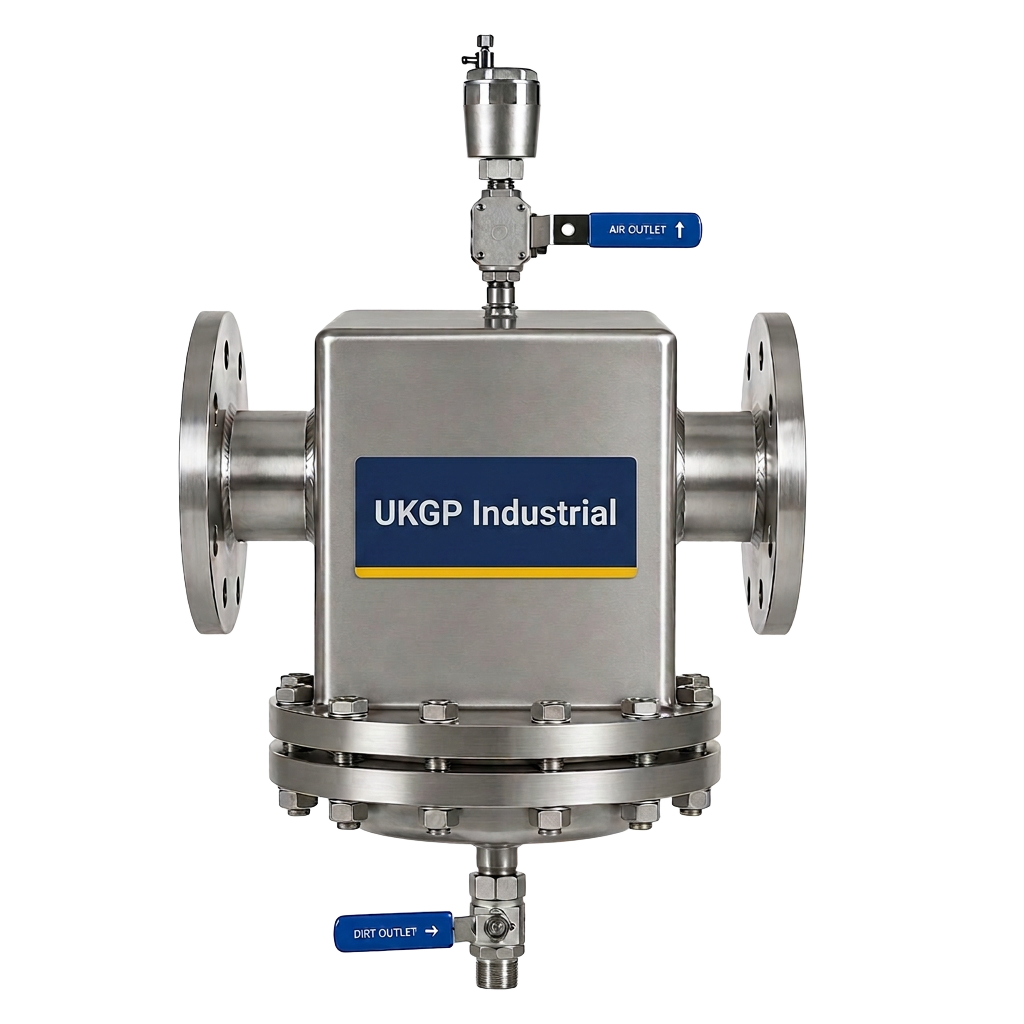
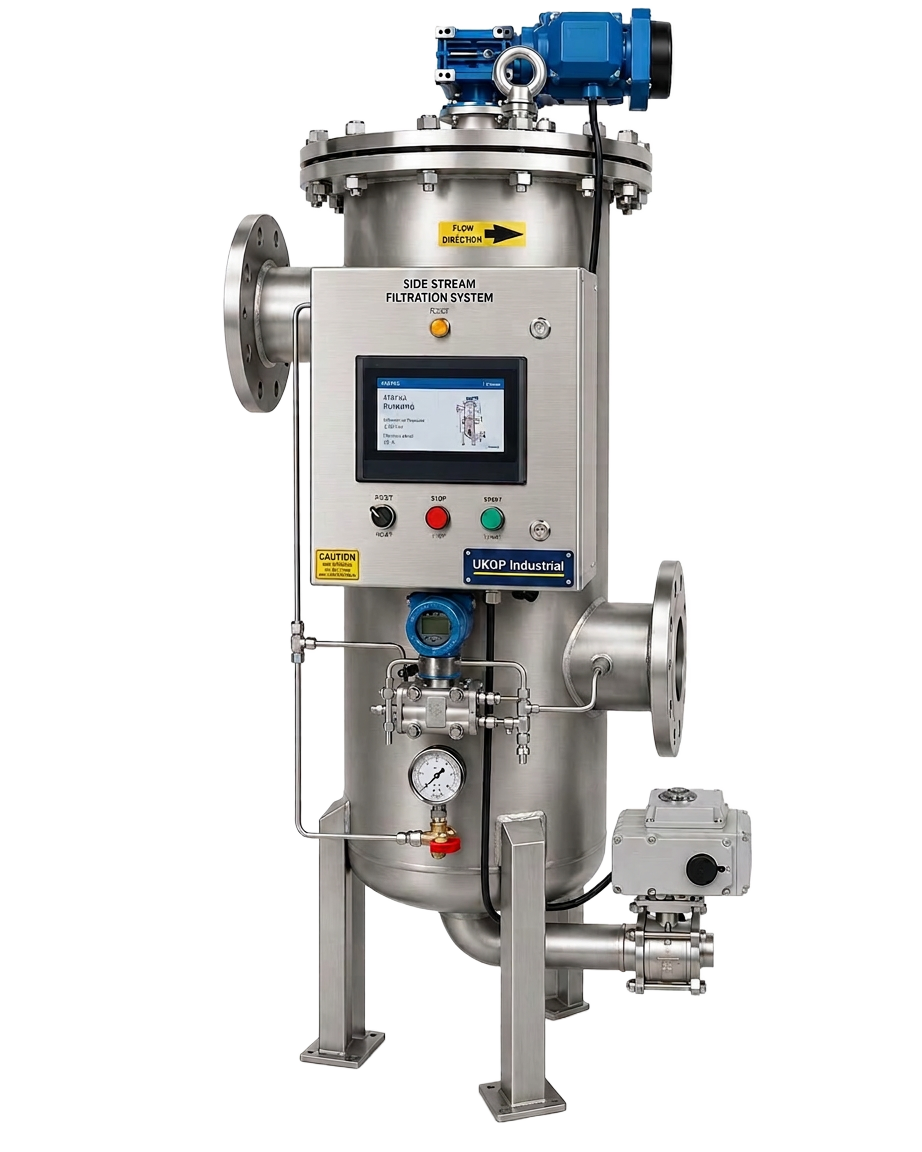
Side stream filtration has become the industry standard for maintaining water chemistry and mechanical integrity in closed-loop HVAC systems. Unlike traditional methods, a dedicated water filtration system industrial skid operates independently of the main flow, allowing for targeted debris removal without impacting the primary hydraulic balance. This is particularly crucial in variable volume systems where constant changes in flow rates can dislodge settled particles, causing them to circulate and damage sensitive seals or sensors. By employing a combination of magnetic separation and high-precision media filtration, these systems can capture particles down to as small as 25 microns, significantly exceeding the performance of standard Y-strainers that typically only catch much larger debris.
The effectiveness of a water filtration system industrial unit is often measured by its ability to maintain low turbidity levels. High turbidity is an indicator of suspended solids which can shield bacteria from chemical biocides, leading to instances of microbiologically influenced corrosion (MIC). By integrating a side stream skid, you are not only removing physical silt but also enhancing the efficacy of your chemical dosing regime. This dual-action approach ensures that the water remains clear and the internal metal surfaces of the pipes are protected by a stable passivating film. For consultants designing systems for LEED or BREEAM certified buildings, the energy savings resulting from improved heat transfer at the exchangers make an industrial-grade filtration skid an essential component of the HVAC mechanical specification.
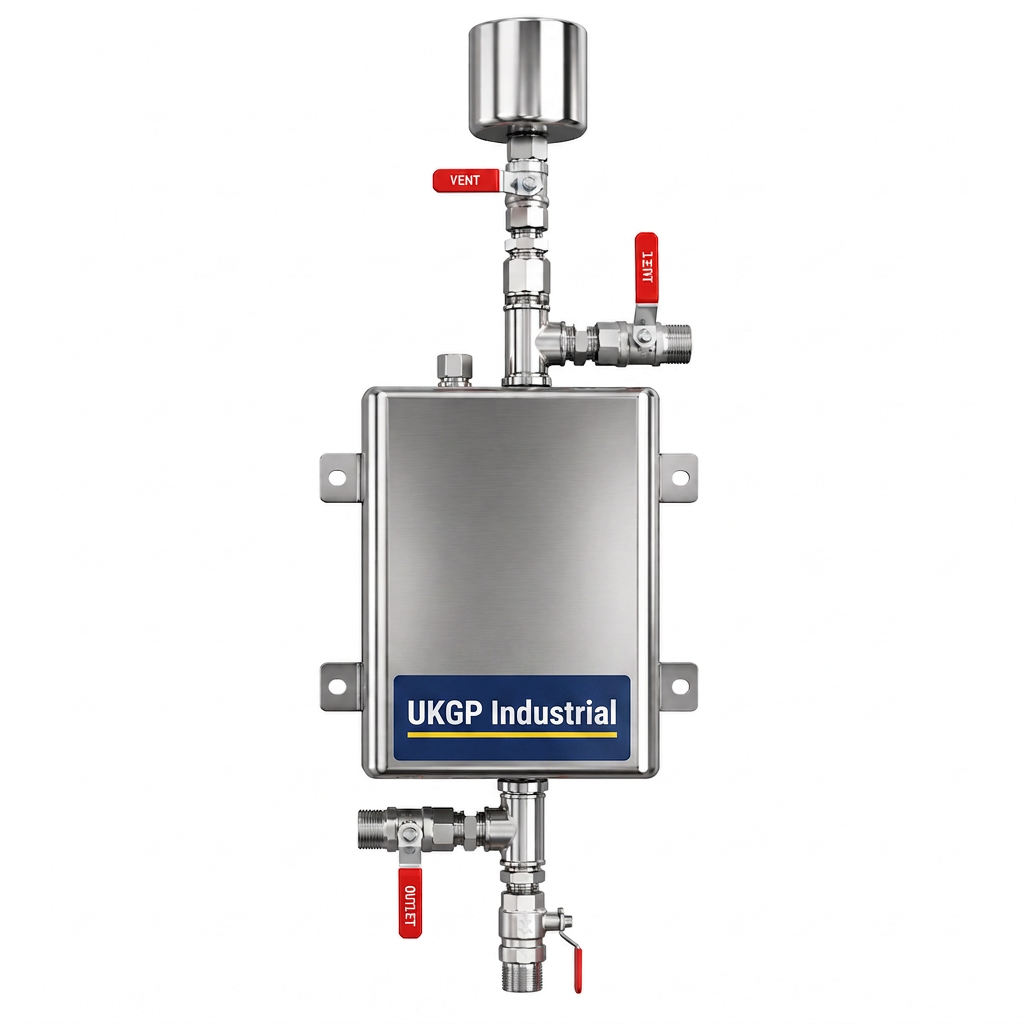
Our UKGP side stream filtration skid is specifically engineered for these demanding environments, offering flow rates between 5-50 m³/h. These skids are BSRIA BG29/BG50 aligned and come fully skid-mounted with essential isolation valves for ease of installation. Featuring a potent magnetic assembly paired with 25 µm bag or cartridge filters, the unit provides a robust water filtration system industrial solution that is backed by a 2-year warranty. M&E contractors value the 'plug-and-play' nature of these skids, which reduces on-site labour costs and ensures that the filtration performance is guaranteed from day one. Requesting a quote for a UKGP skid allows you to secure a high-specification filtration solution that protects the system's thermal efficiency and reduces the frequency of emergency call-outs for failed components.
- Captures fine particulates down to 25 microns for superior water clarity
- Minimises the risk of microbiologically influenced corrosion (MIC)
- Compliant with CIBSE and BSRIA best practices for commercial HVAC
- High-strength magnetic rods specifically designed for magnetite capture
Protecting Assets with Plate Heat Exchangers
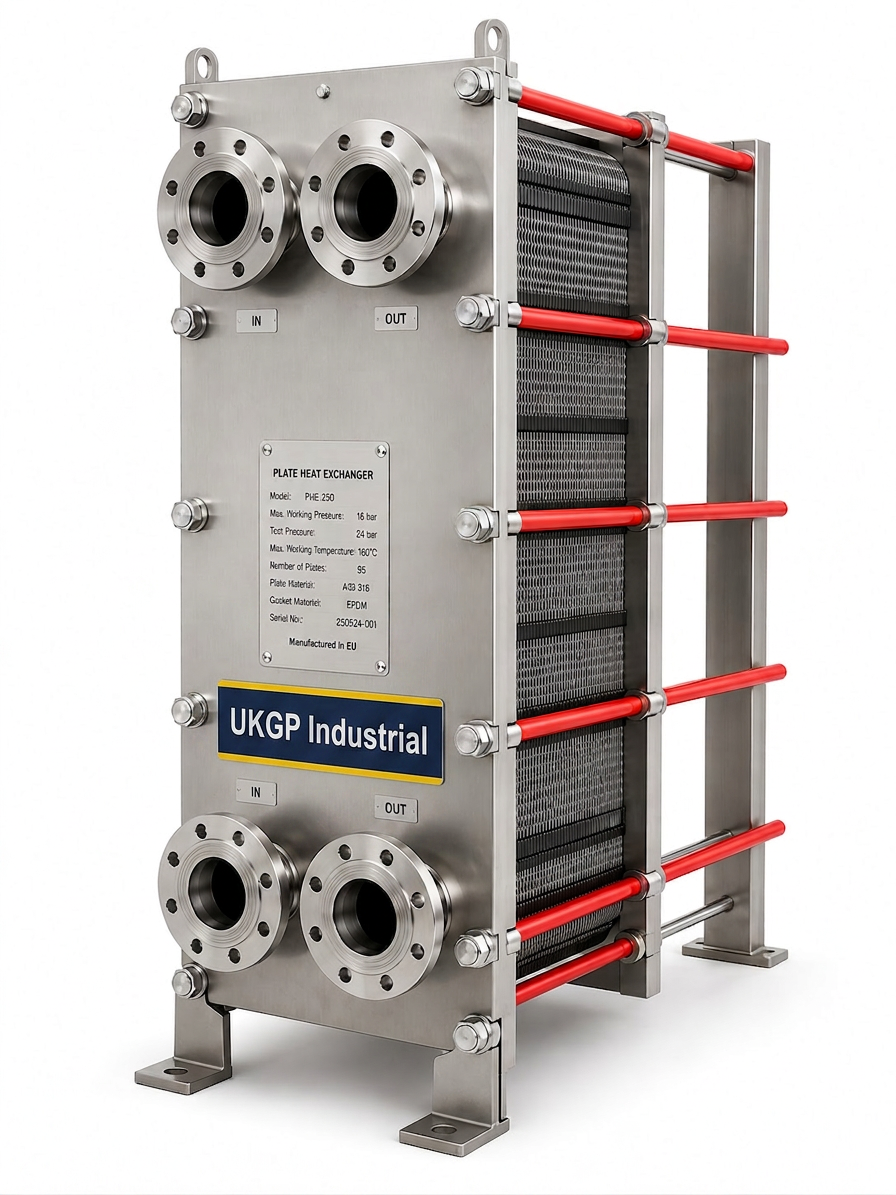
While a water filtration system industrial unit cleans the water, other components like plate heat exchangers rely on that cleanliness to function. Plate heat exchangers (PHEs) have very narrow channels that provide a high surface area for heat transfer, but these same channels are highly susceptible to clogging if the circulating water is contaminated with scale or sludge. When a PHE becomes fouled, the heat transfer coefficient drops dramatically, leading to higher fuel bills and insufficient heating or cooling for the building occupants. By ensuring that the water entering the PHE has been processed through an industrial filtration unit, you maintain the turbulent flow required for efficient operation and prevent the 'baking on' of solids that can lead to permanent damage.
Integrating a UKGP plate heat exchanger into your plant room design alongside a robust filtration strategy creates a reliable and efficient thermal bridge. Whether you are separating a primary boiler circuit from a secondary distribution loop or managing a district heating interface, the quality of the water is the single most important factor in the heat exchanger's performance. Industrial water filtration ensures that the plates remain free from deposits, which in turn minimises the need for aggressive chemical cleaning or mechanical stripping of the PHE. Consultants frequently specify these two components together to ensure that the system's design delta T is maintained throughout its service life, preventing the performance drift common in poorly maintained commercial plant rooms.
Regular monitoring of the pressure drop across the heat exchanger can indicate when the water filtration system industrial unit needs maintenance or if the filter media requires replacement. In a well-managed system, the frequency of PHE maintenance is drastically reduced, allowing facility managers to focus on other critical tasks. UKGP offers a range of high-performance plate heat exchangers that, when used in conjunction with our side stream filtration skids, provide a complete thermal management solution. This combination is particularly effective in mission-critical environments such as data centres or hospitals, where any loss of heat transfer efficiency can have serious operational consequences and lead to expensive emergency repairs that could have been avoided with proactive filtration.
- PHE efficiency is directly linked to water purity and particle levels
- Reduced fouling leads to lower operational costs and fuel consumption
- Simplified maintenance of heat exchange surfaces through proactive filtration
- Protects gaskets and plates from abrasive wear caused by suspended solids
Technical Compliance and BSRIA BG50 Standards
Adhering to BSRIA BG50 is non-negotiable for modern plant room management in the UK. This guidance provides a framework for the water treatment of closed heating and cooling systems, emphasizing the need for continuous monitoring and effective physical filtration. A water filtration system industrial specification that includes side stream technology is precisely what is needed to meet these criteria. The guidance specifically warns against the buildup of iron oxides, which are the most common cause of component failure in commercial HVAC systems. By installing a high-quality filtration skid, you are providing a documented method of water quality control that satisfies the requirements of building insurers and long-term maintenance contracts, ensuring the system remains efficient and compliant.
Furthermore, BS 8552 provides the sampling protocols necessary to verify that your water filtration system industrial unit is performing correctly. Regular testing of the water for iron content, copper, and total suspended solids (TSS) will demonstrate the effectiveness of the side stream filter. In systems where water quality is ignored, the resulting corrosion can lead to the thinning of pipe walls and the eventual failure of expansion bellows and control valves. A proactive approach involves not only the physical removal of debris but also the use of chemical dosing pots to maintain the correct levels of inhibitor. This holistic view of water health is essential for any industrial or large-scale commercial project where the mechanical infrastructure represents a multi-million-pound investment.
UKGP's side stream filtration skids are designed with these standards in mind, providing a clear path to compliance for M&E contractors and consultants. By selecting a filtration unit that combines magnetic capture with a 25 µm bag or cartridge, you are implementing a 'best practice' solution as recommended by leading industry bodies. These skids are built to handle the rigorous demands of industrial plant rooms, featuring robust construction and high-quality isolation valves. When you choose a UKGP water filtration system industrial solution, you are choosing a product that has been engineered to meet the highest technical standards, ensuring that your project remains on track and your client's assets are fully protected for years to come with our inclusive 2-year warranty.
- Full support for BSRIA BG50 ongoing water quality maintenance
- Ensures compliance with building insurance requirements for HVAC maintenance
- Supports BS 8552 sampling protocols by reducing overall suspended solids
- Maintains a stable chemical environment for long-term corrosion prevention
Installation Best Practices for Filtration Skids
The placement and installation of a water filtration system industrial unit are critical to its overall effectiveness. Ideally, the skid should be installed in a location where a bypass of the main return line can be easily established, typically before the water enters the primary heat source or the plate heat exchanger. This ensures that the water is 'polished' before it reaches the most sensitive components of the plant. Installation should always include high-quality isolation valves to allow for easy maintenance and filter changes without the need to drain or depressurise the entire system. Ensuring that there is sufficient space for engineers to access the filter housings and magnetic rods will pay dividends during routine maintenance visits.
When commissioning an industrial water filtration unit, it is also important to consider the flow rate through the side stream loop. Usually, a dedicated pump is included on the skid to ensure a constant flow regardless of the variations in the main secondary circuit. This provides a consistent level of filtration that is not dependent on the building's current heating or cooling load. Proper pipe sizing and the use of check valves to prevent backflow are also essential components of a high-quality installation. By following these technical guidelines, installers can ensure that the water filtration system industrial setup provides maximum benefit to the building's infrastructure, keeping the water clear and the system components free from destructive contaminants and sludge.
Finally, integrating the filtration skid into the Building Management System (BMS) can provide real-time alerts for filter blockage through the use of differential pressure switches. This allows maintenance teams to react immediately to a spike in debris rather than waiting for a scheduled inspection. At UKGP, we provide standard skid-mounted solutions that are ready for immediate integration, reducing the complexity of plant room pipework. Our units are designed for quick installation by M&E contractors, ensuring that the water quality protection starts as soon as possible. For those looking to upgrade their plant room, our technical team is available to discuss how our water filtration system industrial skids can be best integrated into your specific project requirements for optimal results.
- Install on return lines to protect boilers and heat exchangers
- Include isolation valves for easy cartridge or bag replacement
- Integrate with BMS for real-time monitoring of filter status
- Utilise a dedicated pump for consistent flow through the bypass loop
Long-Term Cost Savings and HVAC Longevity
Investing in a high-specification water filtration system industrial solution is a commercially sound decision that yields significant returns over the life of the building. The cost of replacing a failed commercial boiler or a large plate heat exchanger far outweighs the initial capital expenditure of a side stream filtration skid. Furthermore, the energy savings achieved by maintaining clean heat transfer surfaces can reduce annual heating costs by as much as 10% to 15%. In an era of rising energy prices and stringent carbon reduction targets, the role of water quality in maintaining HVAC efficiency cannot be overstated. A clean system runs more smoothly, requires fewer chemical interventions, and experiences fewer component failures, leading to a more stable and predictable maintenance budget.
Beyond the direct financial benefits, there is the advantage of system reliability. In buildings such as hotels, hospitals, or manufacturing plants, a loss of heating or hot water can lead to significant operational disruptions. By using a water filtration system industrial unit to prevent the buildup of magnetite and other debris, you are effectively buying insurance against unplanned downtime. The presence of a 2-year warranty on UKGP skids further enhances this security, providing peace of mind for procurement leads and facility managers. When you consider the extended life of pumps, valves, and sensors throughout the network, the business case for high-quality side stream filtration becomes undeniable for any professional managing large-scale mechanical assets.
Concluding the procurement process, it is essential to partner with a supplier who understands the UK regulatory landscape and the technical requirements of modern plant rooms. UKGP offers the expertise and the hardware necessary to implement a successful water filtration system industrial strategy. Our 5-50 m³/h skids are the gold standard for side stream filtration, combining magnetic and mechanical removal to ensure BSRIA compliance and peak system performance. We invite you to contact our team today to request a quote and discover how our filtration solutions can improve your system's efficiency. By choosing UKGP, you are investing in a more sustainable, reliable, and cost-effective future for your building's mechanical services, backed by proven UK manufacturing and engineering excellence.
- Significant reduction in annual energy consumption and carbon footprint
- Lower total cost of ownership by extending the life of primary plant
- Reduced need for emergency repairs and unplanned system downtime
- Enhanced protection for sensitive control valves and system sensors
Frequently asked questions
What is the primary benefit of a water filtration system industrial skid?
- The primary benefit is the continuous removal of suspended solids and magnetite from closed-loop HVAC systems. This maintains heat transfer efficiency, ensures compliance with BSRIA BG29/BG50, and protects expensive plant room components like boilers and heat exchangers from damage and clogging.
How does side stream filtration differ from full-flow filtration?
- Side stream filtration treats a portion of the system water (typically 5-15%) on a continuous basis via a bypass loop. This avoids the excessive pressure drops and large, expensive housings required for full-flow filtration while still achieving excellent water clarity over time through constant 'polishing'.
Why is BSRIA BG50 important for my plant room?
- BSRIA BG50 is the industry-standard guidance for the maintenance of water quality in closed heating and cooling systems. Following these guidelines ensures your system remains energy-efficient, avoids corrosion-related failures, and stays within the warranty terms of major equipment manufacturers and building insurers.
Can I retrofit a water filtration system industrial unit to an old system?
- Yes, side stream filtration skids are ideal for retrofitting. They can be installed into existing return pipework with minimal disruption. Once active, the system will begin cleaning the existing water, removing years of accumulated debris and improving the overall efficiency of the ageing infrastructure.
What filter micron rating is recommended for industrial HVAC water?
- For most commercial and industrial applications, a 25-micron bag or cartridge filter is recommended. This level of filtration, combined with a high-intensity magnetic rod to capture smaller magnetite particles, provides the optimal balance between effective particulate removal and reasonable maintenance intervals.