Breaking Down the Radiator Power Flushing Cost
When assessing the radiator power flushing cost for a commercial site, engineers must look beyond the initial contractor quote and consider the logistical implications of a full system shutdown. In large-scale UK office blocks or healthcare facilities, a traditional power flush involves significant labour intensive work, as individual zones must be isolated and flushed under pressure to remove accumulated iron oxide and calcium carbonate. The price is typically dictated by the number of radiators, the complexity of the pipework, and the volume of water required to achieve a neutral pH and clarity level in accordance with BS 8552 guidelines. High labor rates in London and the South East further inflate these operational expenses, making it a reactive rather than proactive investment.
Furthermore, the total radiator power flushing cost includes the chemical consumables required to break down stubborn sludge before the physical flushing process begins. Commercial-grade dispersants and inhibitors are necessary components, but their cost scales rapidly with system volume. Without a permanent filtration solution in place, these chemicals are eventually flushed away, leaving the system vulnerable to corrosion once more. Many HVAC consultants now advise that while a power flush is an excellent baseline for system recovery, relying on it as a recurring maintenance event is economically inefficient compared to modern side stream filtration technologies that provide continuous protection against magnetite without the need for periodic total system flushes.
To truly calculate the radiator power flushing cost, one must also account for the potential for bypass-induced leaks. High-pressure flushing can stress aged gaskets and soldered joints within a commercial plant room, leading to unexpected repair bills that far exceed the original quote. Consequently, the commercial sector is shifting its focus toward 'clean while you work' methodologies. By installing a high-quality side stream filtration system, building occupiers can avoid the disruptive downtime associated with a full building flush. This strategic shift not only reduces the annual maintenance budget but also ensures that the system remains compliant with BSRIA BG29 and BG50 standards for water quality management at all times.
- Labour costs for multi-day onsite engineering teams
- Disposal fees for contaminated flushing water and chemical waste
- Cost of high-concentration system cleaners and corrosion inhibitors
- Potential downtime costs for building tenants during the procedure
Comparing Power Flushing vs. Side Stream Filtration
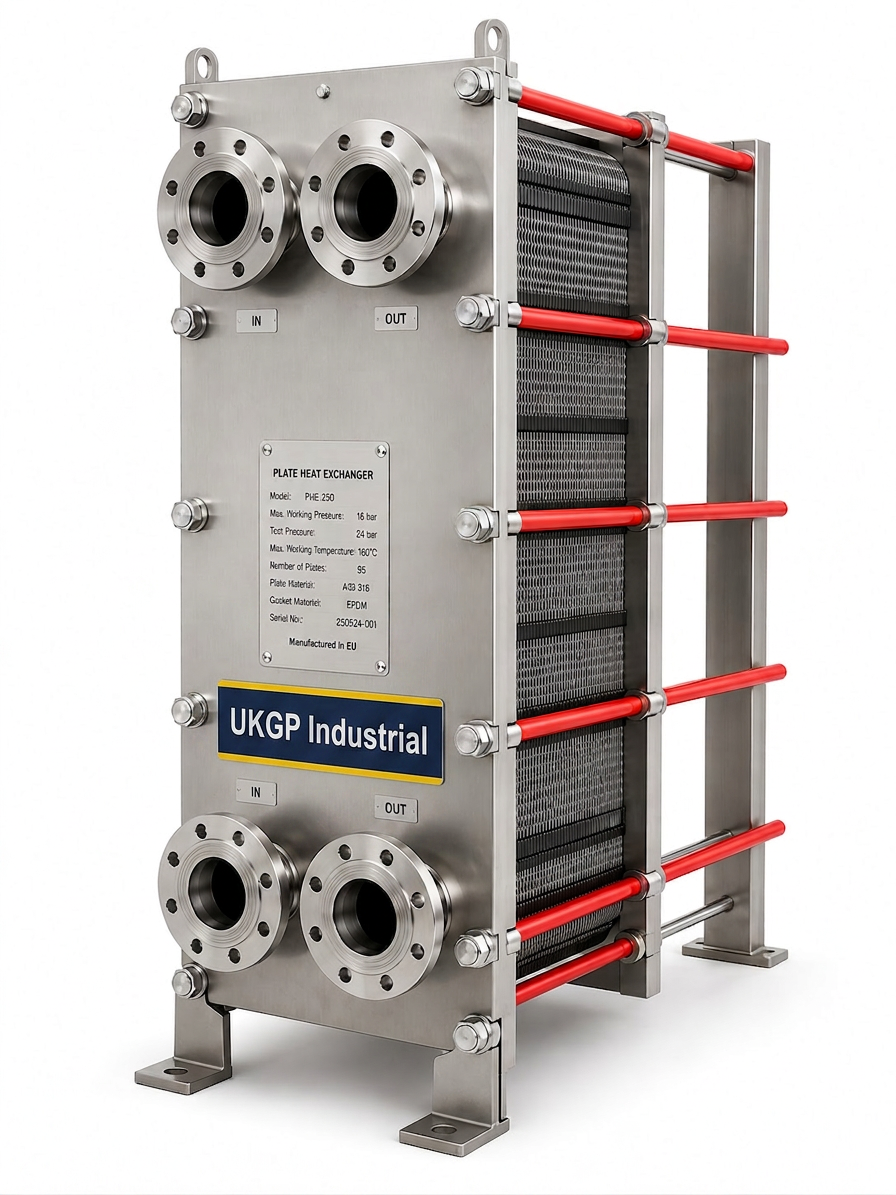
While the upfront radiator power flushing cost might seem manageable, it is vital to compare this against the long-term protection offered by continuous filtration. A power flush is a snapshot in time; however, as soon as the system is refilled, the corrosive process begins again, especially if oxygen ingress occurs through faulty expansion bellows or pumps. In contrast, a side stream filtration skid works 24/7 to capture active magnetite and suspended solids. For sites following BSRIA BG50, the use of side stream filtration is actively encouraged to maintain thermal efficiency and reduce the frequency of invasive cleaning procedures that can damage internal components like plate heat exchangers.
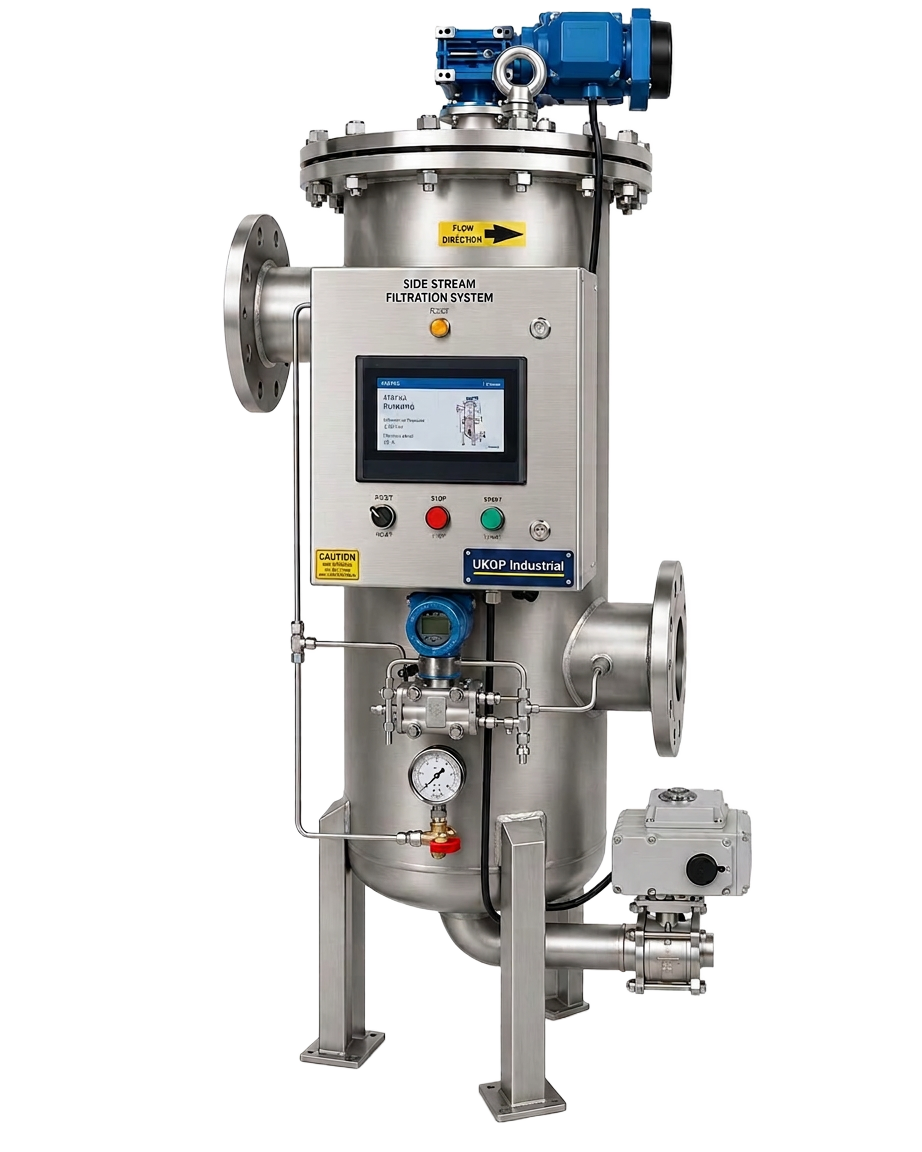
Our UKGP side stream filtration skid is designed to bridge the gap between reactive cleaning and proactive protection. Supporting flow rates from 5 to 50 m³/h, these skids utilise a combination of high-intensity magnetic separation and 25 µm bag or cartridge filtration to remove debris that a standard power flush might miss. When you factor in the 2-year warranty and the reduction in emergency call-outs, the return on investment compared to a recurring radiator power flushing cost is undeniable. The skid is pre-assembled with isolation valves, making it a simple addition to any existing plant room during a scheduled maintenance window without requiring a full system drain-down.
Consultants often specify side stream filtration alongside chemical dosing pots to ensure that inhibitors are distributed evenly through the circuit. By maintaining the water chemistry within the parameters defined by CIBSE and BSRIA, the need for aggressive power flushing is virtually eliminated. This not only preserves the integrity of the heat emitters but also protects the leading commercial boiler manufacturers' warranties, which often require strict adherence to water quality standards. Choosing a UKGP skid ensures your facility meets these rigorous requirements while providing a much more stable financial outlook for the building's mechanical services budget over a ten-year cycle.
- Continuous removal of particles down to 25 micron for superior clarity
- Magnetic separation prevents magnetite accumulation in pump impellers
- Aligned with BSRIA BG29 for pre-commission cleaning and BG50 for maintenance
- Reduced chemical usage compared to traditional flushing methods
The Impact of Water Quality on Thermal Efficiency
Neglecting the radiator power flushing cost can lead to much higher energy bills. Magnetite buildup creates an insulating layer inside radiators and heat exchangers, forced the primary heat source to work harder to achieve the same setpoint. Studies indicate that even a small layer of iron oxide sludge can reduce heat transfer efficiency by over 10%. In large commercial settings, this translates to thousands of pounds in wasted energy every year. Therefore, a proactive approach to water treatment is not just about equipment longevity, but also about meeting modern ESG goals and carbon reduction targets through improved thermal performance across the entire loop.
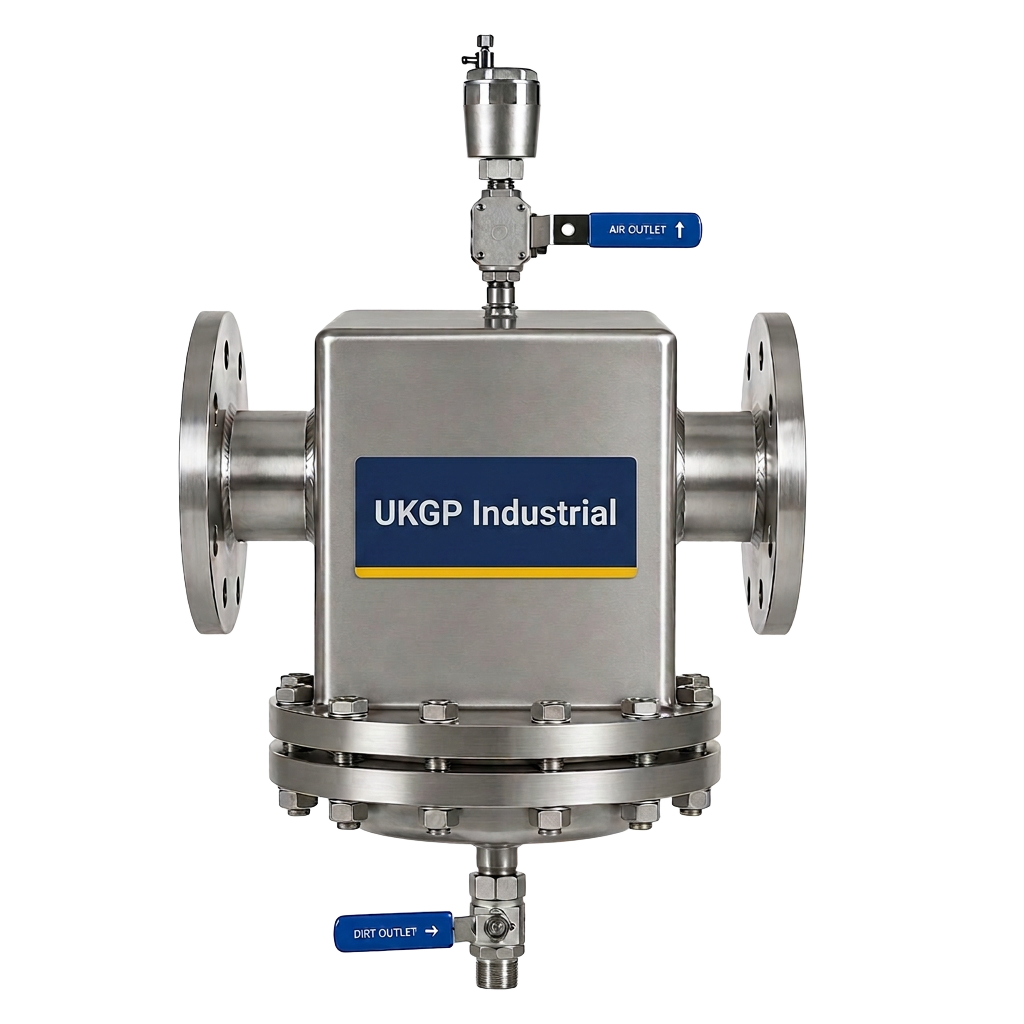
Integrating components such as air and dirt separators is another critical step in ensuring the system does not require frequent, expensive flushing. These units remove micro-bubbles and heavier dirt particles before they can settle in low-flow areas of the circuit. When combined with a side stream filter, these components form a comprehensive defence strategy that keeps the radiator power flushing cost at zero for years at a time. This is particularly important in systems using low-temperature heating regimes, such as those fed by commercial heat pumps, where thermal efficiency is highly sensitive to water quality and circulation rates.
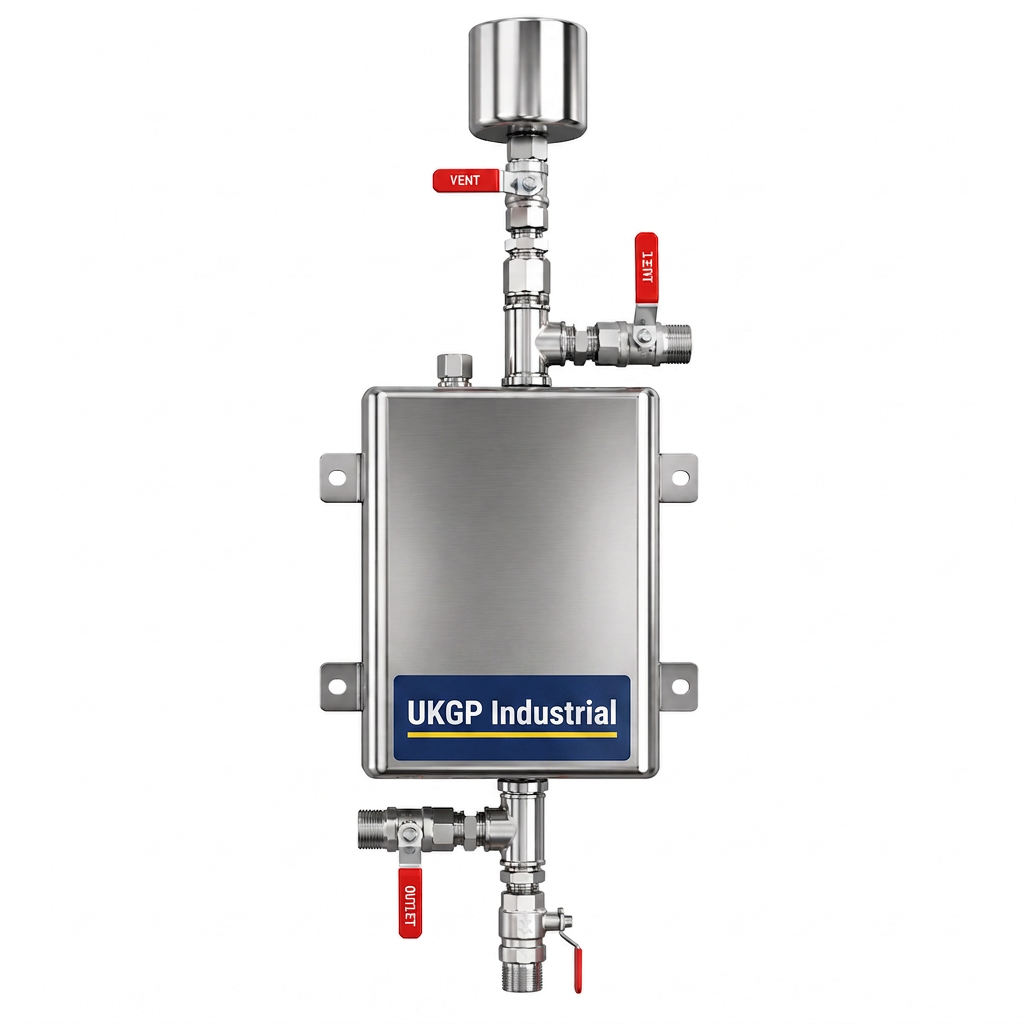
Technical professionals should also consider the role of expansion vessels. If expansion bellows are not correctly sized or maintained, the resulting pressure fluctuations can draw air into the system, accelerating the rate of corrosion. Managing these variables ensures that the physical conditions of the heating circuit are optimised to prevent the very sludge that necessitates a power flush. UKGP provides a range of expansion solutions that, when paired with our filtration skids, offer a robust mechanical solution for any commercial plant room looking to minimise its long-term operational expenditure and maintain peak performance levels year-round.
- Maximise heat transfer in plate heat exchangers through clean secondary water
- Lower carbon footprint by reducing parasitic pump energy and fuel consumption
- Prevent localized 'cold spots' in radiators caused by sediment buildup
- Extend the operational life of boilers, pumps, and control valves
Adhering to BSRIA BG50 for Cost-Effective Maintenance
The BSRIA BG50 guide provides a clear framework for the maintenance of closed-loop systems, emphasizing that the radiator power flushing cost can be mitigated through regular monitoring and appropriate side stream filtration. According to these guidelines, water should be tested for conductivity, pH, and iron levels at set intervals. If these levels exceed the recommended thresholds, a targeted filtration or chemical adjustment is preferred over a full-scale flush. Following this standard ensures that the building is compliant with industry best practices and provides a verifiable audit trail for insurance and commissioning purposes, which is vital for modern facility management teams.
By focusing on the recommendations within BG50, engineers can shift their budget from emergency repairs to planned, incremental improvements. A UKGP side stream filtration skid, for instance, allows for the removal of solids without the massive water waste associated with traditional flushing. Our skids are designed with ease of use in mind, including straightforward pressure gauge monitoring to indicate when a filter bag needs changing. This user-friendly approach ensures that onsite staff can manage the system effectively, keeping the radiator power flushing cost low while maintaining the high standards required by UK building regulations and consultant specifications.
Ultimately, the goal of any M&E professional should be to create a self-sustaining system. When the initial radiator power flushing cost is viewed through the lens of a broader water management strategy, it becomes clear that filtration is the superior investment. At UKGP, we provide the technical support and high-performance hardware needed to achieve this, from pH sensors to full filtration skids. We invite you to contact us for a bespoke quote for our 5-50 m³/h skids, ensuring your plant room is equipped with the best-in-class technology to combat corrosion and maintain the highest levels of operational reliability for your clients.
- Quarterly water analysis to monitor corrosion and microbiology
- Targeted chemical dosing via dedicated pots for precise treatment
- Minimised water loss compared to standard drain-down and refill cycles
- Assurance for insurers that the system is managed according to UK standards
Optimising Boiler Protection Using Filtration Skids
Protecting the central plant is the primary driver for managing the radiator power flushing cost. Major UK commercial boiler OEMs are increasingly stringent about the water quality passing through their primary heat exchangers. Failure to maintain these standards can lead to voided warranties and catastrophic failures. Our filtration skids act as a sacrificial barrier, trapping the debris before it can enter the boiler's internal waterways. This is especially important during the first six months after a new installation or retrofit, where the radiator power flushing cost for a pre-commission clean is most relevant under BSRIA BG29 protocols.
Integrating a low loss header can also assist in debris management by providing a neutral point in the system where flow velocities drop, allowing larger particles to drop out of suspension. However, a header alone is not enough to replace a dedicated filtration skid. The UKGP skid ensures that even the finest magnetite particles are captured magnetically, preventing them from being dragged back into the boiler or the primary pumps. This dual-action approach—utilising both hydraulic separation and high-efficiency filtration—represents the gold standard in modern HVAC design, effectively future-proofing the building against the rising costs of traditional maintenance.
When you consider the 2-year warranty and the robust construction of our skid-mounted units, including the pre-fitted isolation valves for easy maintenance, the commercial logic is sound. We provide solutions that cater to flow rates up to 50 m³/h, ensuring that even the largest industrial heating loops are protected. By investing in a UKGP side stream solution today, you are effectively capping your future radiator power flushing cost and ensuring that your plant room operates with the efficiency and reliability that top-tier UK facilities demand. Our technical team is available to assist with sizing and specification for any new or existing project.
- Protects expensive commercial boiler heat exchangers from sludge fouling
- Maintains pump efficiency by preventing magnetic particle wear on seals
- Enables quick filter changes without interrupting the main heating circuit
- Provides a scalable solution for systems with varying flow requirements
Precision Monitoring with pH Sensors and Transmitters
While physical filtration handles the solids, chemical balance is the other half of the battle in reducing the radiator power flushing cost long-term. Corrosion occurs most aggressively when pH levels dip outside the recommended range for the metals present in the system, particularly in mixed-metal circuits containing aluminium and steel. Utilizing pH sensors and transmitters allows for real-time monitoring of the system's state. Instead of waiting for a manual sample to show a problem, an integrated sensor can alert facilities managers to a drop in inhibitor levels or a leak-induced dilution, allowing for immediate corrective action before significant sludge can form.
By maintaining this chemical equilibrium, the total radiator power flushing cost is kept to a minimum because the production of magnetite is drastically slowed. UKGP's range of pH sensors and transmitters are designed to integrate seamlessly into Building Management Systems (BMS), providing the data-driven insights necessary for modern smart building operations. This proactive monitoring ensures that the chemical dosing pots are used effectively, adding only what is necessary to maintain protection. This precision reduces chemical waste and ensures the environment inside the pipework remains non-corrosive, extending the life of all connected components and the radiators themselves.
In summary, the most effective way to manage the radiator power flushing cost is to prevent the need for it through a combination of mechanical filtration and chemical monitoring. UKGP provides a full suite of products tailored for the UK market, ensuring compliance with BSRIA and CIBSE standards while delivering practical, rugged equipment for real-world engineering environments. Whether it is a new build project requiring a BG29 flush and filtration or an existing building needing a BG50 reliability upgrade, our side stream filtration skids and auxiliary components offer the most robust and cost-effective path to long-term HVAC system health.
- Real-time pH monitoring via BMS integration for instant alerts
- Prevents acidic conditions that lead to rapid radiator corrosion
- Optimises the use of chemical inhibitors through data-driven dosing
- Reduces the reliance on expensive third-party laboratory testing
Frequently asked questions
What is the typical commercial radiator power flushing cost?
- For commercial sites, the radiator power flushing cost depends on system volume and complexity, often ranging from £2,000 to over £10,000. It is often more cost-effective to install a UKGP side stream filtration skid which provides continuous 24/7 cleaning for a similar one-off investment.
How does BSRIA BG50 affect flushing requirements?
- BSRIA BG50 emphasizes continuous water quality management. It suggests that if a system is equipped with effective side stream filtration, such as a 25 µm bag filter and magnetic separator, the need for a full, disruptive radiator power flush is significantly reduced or eliminated.
Is a power flush better than side stream filtration?
- A power flush is a reactive procedure that cleans the system once. Side stream filtration is a proactive solution that constantly removes debris as it is generated. For long-term protection and to avoid a recurring radiator power flushing cost, side stream filtration is the preferred choice for M&E consultants.
Can side stream filtration be installed in an old system?
- Yes, our UKGP filtration skids are ideal for retrofitting. They allow you to clean the system while it remains operational, avoiding the downtime and high radiator power flushing cost associated with traditional methods while providing a 25 µm level of filtration.
What maintenance does a UKGP filtration skid require?
- Maintenance is minimal and involves periodically cleaning the magnetic insert and replacing the 25 µm filter bag or cartridge. This is much simpler and cheaper than the labour intensive radiator power flushing cost usually required every few years in neglected systems.