Understanding the Role of the Power Flushing Machine
In the UK commercial sector, a power flushing machine serves as a portable tool designed to force a high velocity of water and chemicals through a heating or cooling circuit. The primary objective is to mobilise and remove magnetite, sludge, and debris that accumulate over time, often causing cold spots in emitters and significant heat transfer losses. For building services consultants, selecting a machine with an integrated magnetic filter and high-temperature capability is essential, as these features allow for more efficient cleaning of older systems where stubborn scale and iron oxide deposits have hardened. Professional-grade units must handle the rigorous pressures associated with multi-storey commercial buildings without risking seal failure or motor fatigue during prolonged operational cycles.
When comparing various models, engineers must consider the volume of the system versus the pump capacity. A standard power flushing machine often hits its limit once system volumes exceed a few hundred litres. For larger commercial loops, the mechanical force alone is frequently insufficient to dislodge deep-seated contaminants in complex pipework geometries. This is where the industry is seeing a shift from temporary, one-off remedial cleaning toward permanent solutions. While the machine provides a high-intensity cleaning burst, it cannot offer the continuous protection required by BSRIA BG50. Consequently, many M&E contractors now view the initial flush as a prerequisite for commissioning, immediately followed by the installation of permanent side stream filtration to maintain the water quality benchmarks achieved during the clean.
Operational efficiency is another significant factor when deploying a power flushing machine in a live commercial environment. Downtime is expensive, and if a machine lacks the flow rate to reach the furthest branches of a tertiary loop, the flush will be incomplete, leaving the system vulnerable to rapid re-contamination. Modern units typically feature flow-reversal valves which are indispensable for dislodging debris from dead legs and heat exchanger plates. However, even the most advanced portable cleaners require a significant amount of manual labour and water wastage, leading many procurement leads to evaluate the total cost of ownership against automated plant-room filtration solutions. This commercial reality highlights the transition toward integrated skid-mounted systems that perform the work of a machine but on a continuous, 24/7 basis.
- Flow reversal capability to dislodge stubborn magnetite from pipe walls.
- High-temperature resistance for use with pre-heated chemical cleaning agents.
- Integrated magnetic separation to prevent pump damage from metallic particles.
- Compatibility with BSRIA BG29 pre-commissioning cleaning protocols.
The Limitations of Manual Power Flushing in Modern Plant Rooms
While a power flushing machine is a staple tool for remedial works, its application in large-scale commercial plant rooms presents several logistical and technical challenges. Manual flushing often requires the system to be drained or significantly depressurised, which can disrupt building operations and increase the risk of introducing oxygen into the system, leading to further corrosion. Furthermore, traditional flushing often struggles to maintain the terminal velocity required to shift heavy solids in large-diameter headers. For contractors working to BS 8552 monitoring standards, the instantaneous results provided by a machine are often short-lived if the underlying causes of corrosion are not addressed through continuous filtration and chemical dosing.
The environmental impact of using a portable power flushing machine is also under increasing scrutiny. The process involves significant water discharge to foul drains, often laden with chemicals and dissolved solids. In contrast, permanent side stream filtration allows for the continuous removal of suspended solids without the need for massive water turnover. By integrating a filtration skid, you reduce the reliance on repeated manual interventions. For those managing high-performance systems with precision-engineered plate heat exchangers, the risk of particulate fouling is too high to rely solely on periodic cleaning. A permanent solution ensures that the 25-micron filtration level required for peak efficiency is maintained every hour the pumps are running, rather than just once every few years.
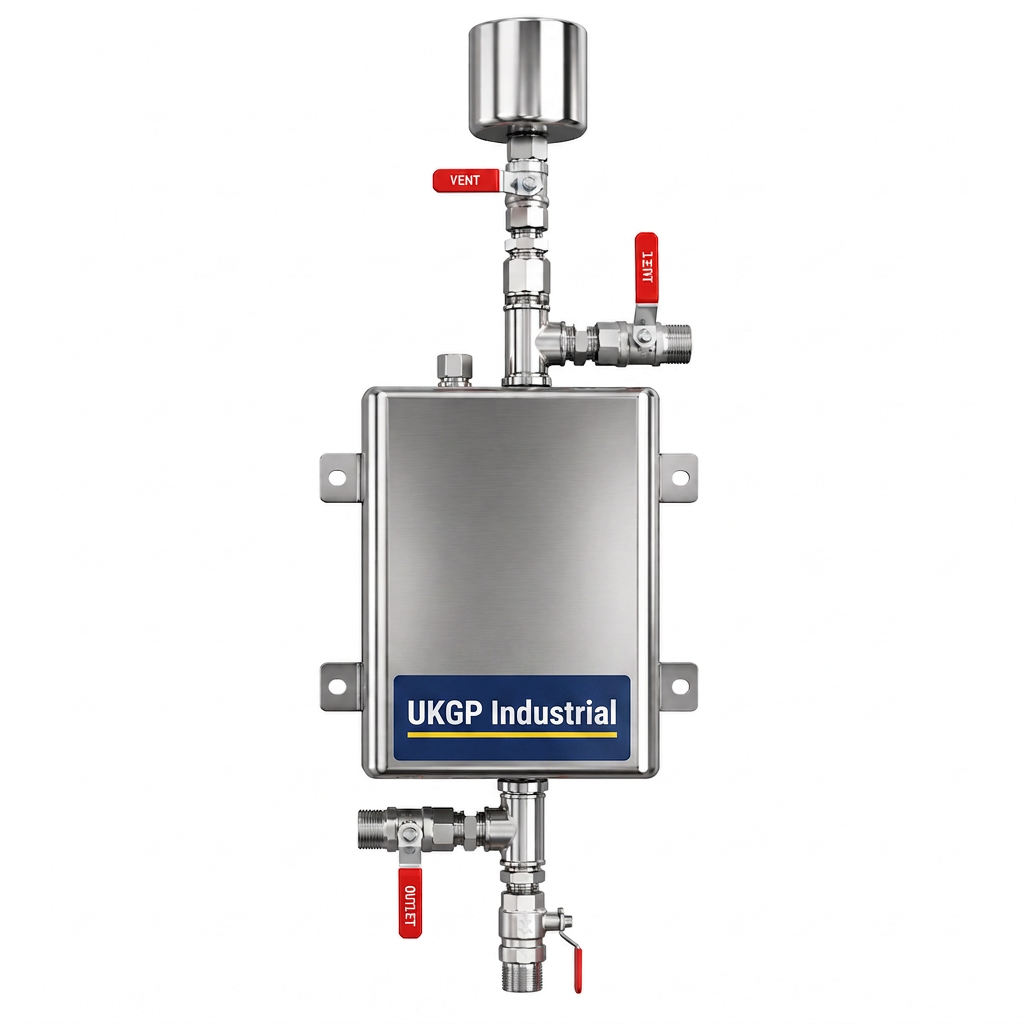
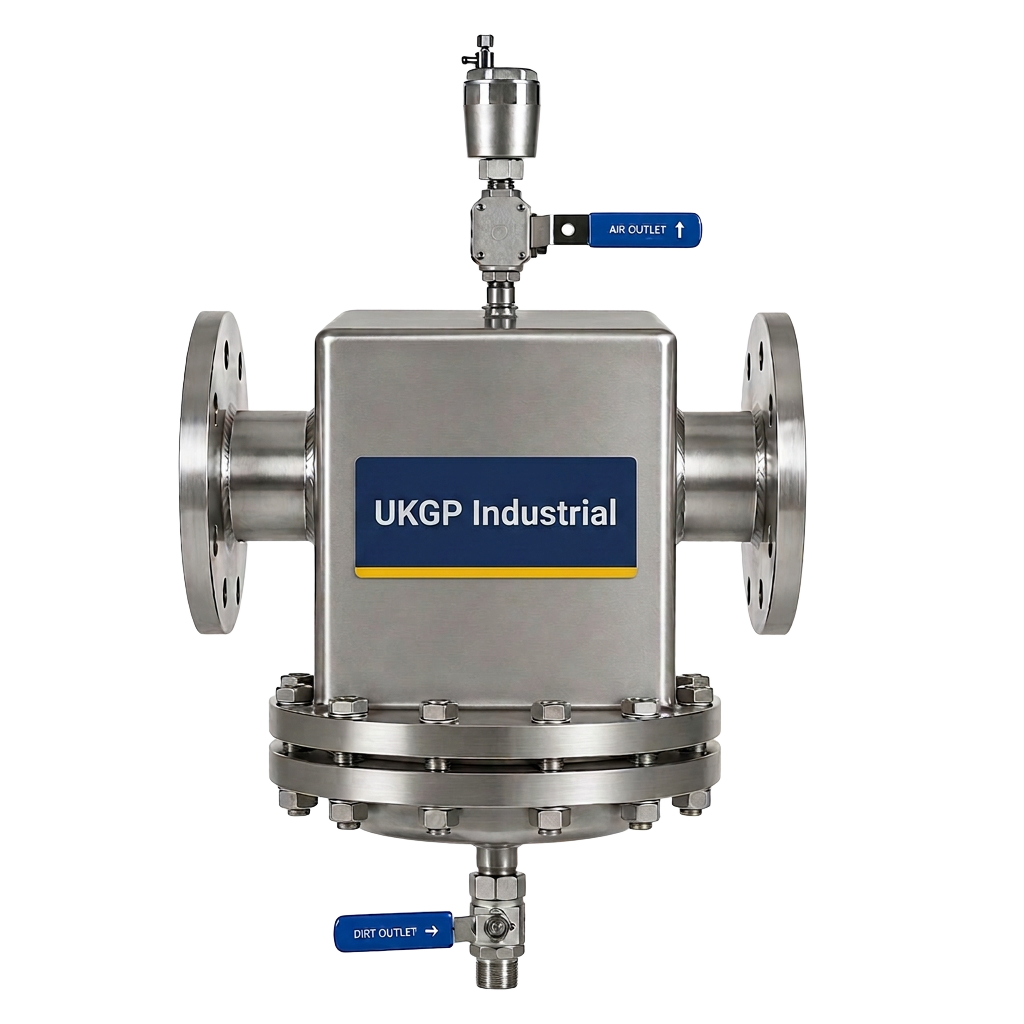
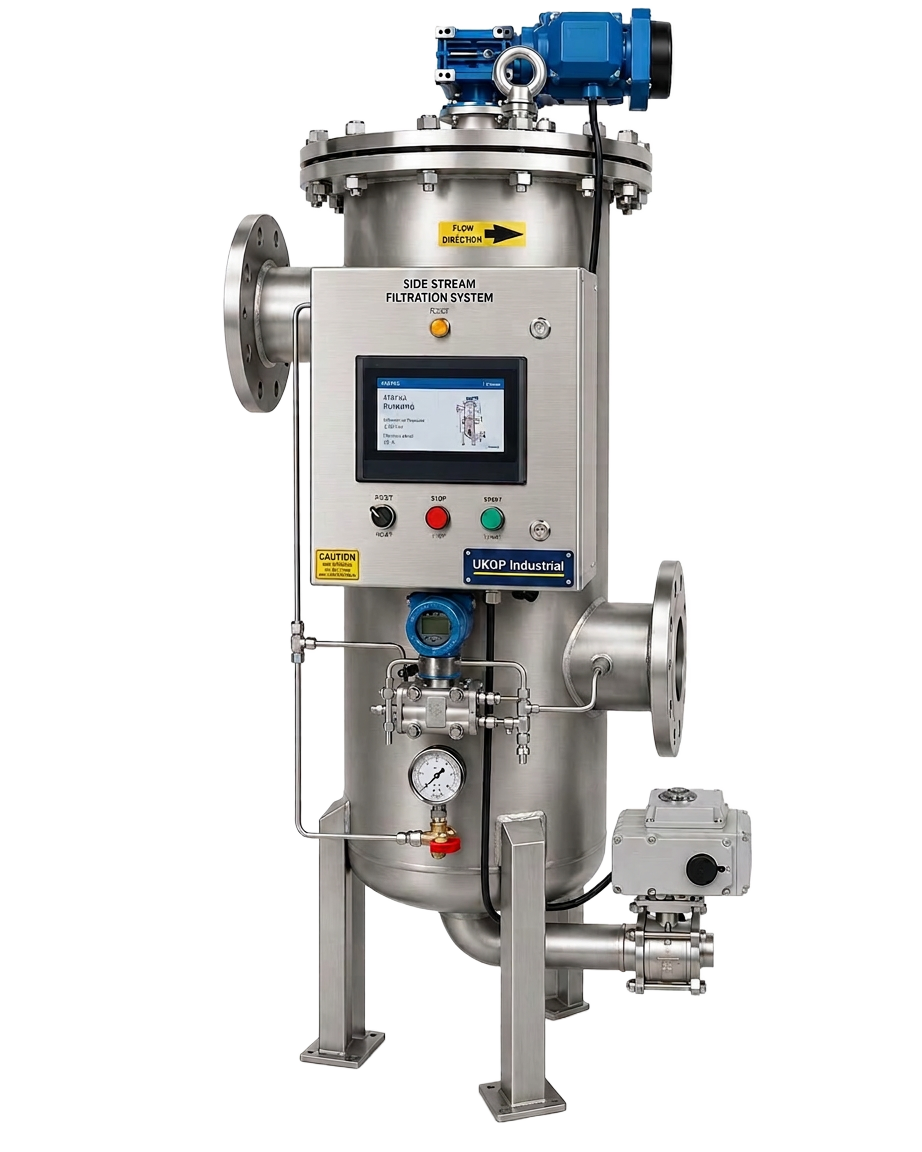
If your project involves a total system overhaul or a new boiler installation by major UK commercial boiler OEMs, a standard flush might be mandated by the warranty. However, to truly protect the heat exchanger, a UKGP side stream filtration skid should be considered alongside any temporary power flushing machine work. Our skids offer 5-50 m³/h flow rates and align perfectly with BSRIA BG29 and BG50 guidelines. They feature a combined magnetic and 25-micron bag or cartridge system, ensuring that once the initial flush is complete, the water quality never degrades to the point where an expensive manual flush is required again. We provide these as skid-mounted units with isolation valves for easy maintenance and a 2-year warranty for peace of mind.
- High water consumption and waste disposal costs associated with manual flushing.
- Difficulty in achieving required velocities in large-bore commercial pipework.
- Risk of oxygen ingress during the connection and disconnection of portable hoses.
- Temporary nature of results compared to permanent, automated filtration skids.
Comparing Portable Machines vs. Permanent Side Stream Filtration
For procurement leads and FM managers, the choice between hiring a contractor with a power flushing machine and investing in a permanent side stream filtration skid is often a matter of CAPEX versus OPEX. While the machine has a lower upfront cost for a single intervention, the long-term benefits of permanent filtration are undeniable. A UKGP side stream filtration skid treats approximately 5% to 15% of the total system flow, continuously removing magnetite that a one-time flush might miss. This proactive approach prevents the buildup of sludge in the first place, protecting sensitive components like ph sensor transmitters and control valves from premature failure due to abrasive particles in the glycol or water stream.
In commercial environments where water quality is strictly governed by BS EN 14917 for expansion bellows and CIBSE guidelines for heat emitters, the consistency offered by permanent filtration is far superior to the 'clean and degrade' cycle of a power flushing machine. When a system is flushed, the water quality hits a peak and then immediately begins to decline as soon as the machine is packed away. By contrast, a skid-mounted filtration system maintains a steady-state environment. This is particularly important when protecting plate heat exchangers, which have very narrow channels that can block rapidly if a surge of debris is liberated during a power flush but not fully captured by the portable machine's internal filters.
The technical specification of a high-end UKGP side stream filtration skid includes magnetic separation and fine particulate capture down to 25 microns. This level of precision is rarely achievable with a portable power flushing machine on a large commercial circuit without multiple Filter changes and extended labour hours. By choosing a permanent skid, you ensure that the system remains compliant with BSRIA BG50 for its entire lifecycle. This not only protects the mechanical integrity of the assets but also optimises the thermal efficiency of the entire building, leading to measurable reductions in carbon output and energy bills, which are key KPIs for modern facilities management teams.
- Continuous 25-micron filtration ensures long-term protection of sensitive sensors.
- Reduces the frequency and cost of chemical re-dosing and water treatment.
- Protects expansion bellows and seals from abrasive particulate wear.
- Provides a verifiable audit trail of water quality for BSRIA compliance.
Technical Specifications to Look for in a Power Flushing Machine
When you must use a power flushing machine for initial system recovery, certain technical specifications are non-negotiable for commercial applications. Firstly, the pump head must be sufficient to overcome the resistance found in large-scale commercial circuits. A domestic-grade pump will simply circulate water in the path of least resistance, bypassing the clogged radiators or heat exchangers that need the most attention. Professional units should offer a flow rate of at least 150 litres per minute to be effective in anything larger than a small office block. Additionally, the tank capacity should be large enough to allow for a decent buffer of cleaning chemicals without requiring constant refilling, which slows down the onsite team.
Robustness is the second factor; a commercial power flushing machine should be constructed with acid-resistant plastics and stainless steel components to withstand the aggressive chemicals often found in heavy-duty descaling agents. Cheap units often succumb to pump seal failure when exposed to high temperatures or corrosive pH levels for extended periods. It is also beneficial to look for units that allow for easy connection of supplementary magnetic filters. While the machine provides the flow, external magnetic grates are often required to handle the sheer volume of magnetite found in decades-old commercial heating systems, preventing the machine's own pump from seizing due to metallic accumulation.
Finally, ensure the machine is compatible with the latest industry standards for connection. M&E contractors should look for units with standard BSP connections and high-pressure reinforced hoses. Using a machine that is under-specced for the pressure rating of the building can lead to dangerous hose bursts or leaks in the plant room. Always verify that the machine’s operating temperature range matches the thermal requirements of the cleaning chemicals being used. If you are cleaning a system that requires high-heat activation for the sludge remover to work efficiently, a machine capped at 50 degrees Celsius will drastically extend the time required for a successful flush, increasing labour costs significantly.
- Minimum flow rate of 150L/min for commercial circuit penetration.
- Acid-resistant pump seals and stainless steel internal components.
- High-temperature stability for effective chemical activation.
- Dual-port flow reversal valves for comprehensive debris mobilisation.
Integrating Chemical Dosing and Filtration
A power flushing machine is only as effective as the chemicals it circulates. In a commercial setting, the process usually begins with the introduction of a heavy-duty dispersant or sludge remover via a dosing pot. These chemicals break down the molecular bonds of the magnetite, making it easier for the high-velocity stream from the machine to lift and carry the debris to the filtration unit. Without proper chemical pre-treatment, a power flush is often little more than a high-speed water change. For long-term maintenance, ensuring your plant room has a correctly sized chemical dosing pot is as important as the filtration hardware itself, as it allows for the introduction of inhibitors that prevent the return of corrosion.
Once the machine has completed its cycle and the water is clear, the focus must shift to maintaining that state. This is where the integration of a side stream filtration skid proves vital. The skid can be installed without disrupting the system flow and will continue to polish the water long after the power flushing machine has been returned to the tool hire depot. For systems sensitive to pH levels or those using aluminium components, the addition of pH sensors and transmitters within the skid assembly allows for real-time monitoring of water chemistry. This data-driven approach is far more reliable than the manual testing typically associated with temporary flushing interventions.
In conclusion, while a power flushing machine is a valuable tool for 'first aid' on a fouled system, it is not a substitute for a comprehensive water quality management strategy. Combining a thorough initial flush with the permanent installation of a UKGP side stream filtration skid ensures that your system meets BSRIA BG50 standards for the long haul. Our skids are designed for easy integration into existing plant rooms, featuring 25-micron filtration and powerful magnetic separation. By investing in the right hardware and maintaining the correct chemical balance, M&E contractors can significantly extend the life of boilers, heat exchangers, and pumps while ensuring peak energy efficiency for the end-user.
- Use dosing pots to introduce pre-flush cleansers and post-flush inhibitors.
- Monitor pH levels continuously to prevent acidic corrosion of components.
- Transition from remedial flushing to preventative side stream filtration.
- Ensure all chemical treatments are compatible with BSRIA BG29 standards.
The Impact of Poor Water Quality on Commercial Components
The consequences of neglecting the removal of sludge—whether via a power flushing machine or a filtration skid—are severe for commercial infrastructure. Magnetite is an abrasive material; as it circulates at high speeds, it acts like liquid sandpaper, wearing down pump impellers, eroding valve seats, and puncturing the delicate bellows in expansion joints. Furthermore, the thermal insulation properties of sludge deposits mean that boilers have to work harder to achieve the same temperature output, leading to increased fuel consumption and higher carbon emissions. In an era of strict ESG reporting, maintaining clean system water is an easy win for reducing a building's carbon footprint.
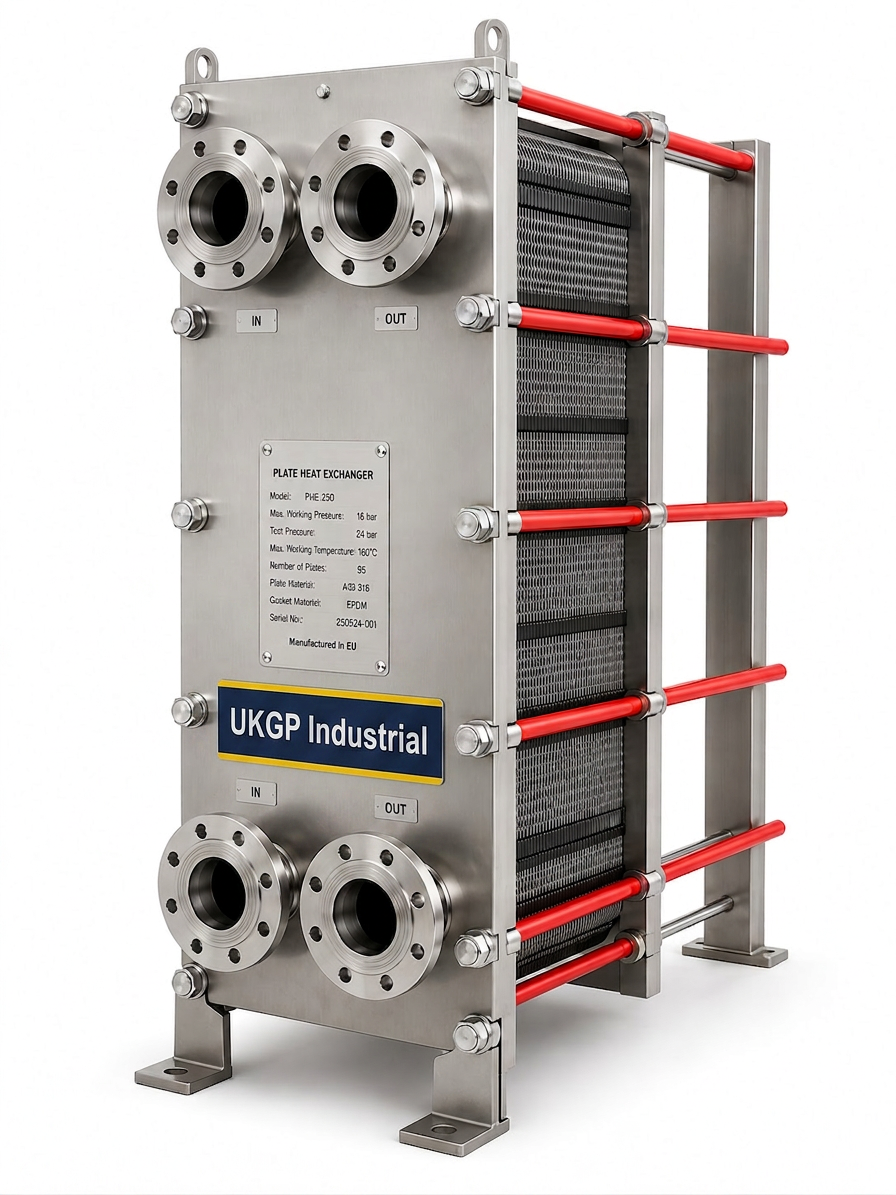
Plate heat exchangers are particularly vulnerable. The narrow gaps between plates provide the perfect trap for suspended solids. Even a thin layer of magnetite can reduce heat transfer efficiency by over 10%, leading to higher return temperatures and preventing condensing boilers from operating in their most efficient mode. When a power flushing machine is used, it must be done carefully to ensure that liberated debris doesn't simply relocate from the pipework into the heat exchanger. This is why a permanent side stream filter, with its high-capacity magnetic capture, is the preferred choice for protecting the primary heat transfer interface in modern building services designs.
For M&E contractors, the reputational risk of a failed system shortly after handover is significant. By specifying a UKGP side stream filtration skid at the design stage, or as part of a plant room upgrade, you provide a robust defence against the issues that a one-off clean with a power flushing machine cannot solve. Our skids, available in 5-50 m³/h capacities, are designed to catch the smallest particles that standard strainers miss. With a 2-year warranty and a design that simplifies maintenance, they are the professional choice for ensuring system longevity and compliance with BS 8552 and BSRIA guidelines. Contact our technical team today for a quote or a bespoke specification review.
- Prevents abrasive wear on expensive pump impellers and valve seals.
- Eliminates the 'insulating' effect of sludge on heat transfer surfaces.
- Protects expansion bellows from premature fatigue and failure.
- Supports sustainable building operation through improved energy efficiency.
Frequently asked questions
How does a commercial power flushing machine differ from a domestic one?
- Commercial machines feature significantly higher flow rates (often 150L/min+), larger tank capacities, and more robust pumps designed for the high-pressure head found in multi-storey buildings.
Can I use a power flushing machine while the building is occupied?
- Yes, but it is disruptive as it typically requires isolating sections of the system. A permanent side stream filtration skid is a better alternative as it works while the system is fully operational.
Is power flushing enough to satisfy BSRIA BG50 requirements?
- No. BSRIA BG50 focuses on 'continuous' water quality management. A power flush is a one-time event; permanent filtration and chemical monitoring are required for ongoing compliance.
What level of filtration is required for commercial systems?
- BSRIA guidelines generally suggest filtration down to 25 microns for effective protection of modern high-efficiency plant equipment, which exceeds the capability of most standard Y-strainers.
Will a power flush remove all magnetite?
- It mobilises a significant amount, but in large systems, debris often remains in low-flow areas. Only a permanent side stream filter can capture the magnetite released during the system’s normal thermal cycles.