The Engineering Logic Behind Power Flushing Liverpool Commercial Sites
In the humid, coastal climate of the North West, commercial heating and chilled water systems are particularly susceptible to internal corrosion if water chemistry is not meticulously managed. When specifying power flushing Liverpool plant rooms, engineering consultants must look beyond simple domestic-scale flushing and consider the high-velocity requirements of large-bore commercial pipework. The primary objective is to mobilise settled solids, such as black iron oxide and calcium carbonate scale, which otherwise act as insulators on heat transfer surfaces. Without a proactive flushing regime, system delta-T will inevitably narrow, forcing pumps to run at higher speeds and increasing overall operational expenditure for the building owner.
A rigorous power flushing process is essential during the pre-commissioning phase, as outlined in BSRIA BG29, but it is equally critical as a restorative measure for older Liverpool estates. Over time, stagnation in low-velocity zones leads to the accumulation of debris that traditional chemical dosing alone cannot resolve. By introducing high-flow turbulent cleaning, engineers can strip away biofilm and particulate matter that compromise the integrity of sensitive components like control valves and heat exchangers. This mechanical cleaning phase creates the necessary baseline for subsequent chemical inhibition, ensuring that the protective film can bond effectively to the cleaned metallic internal surfaces of the distribution pipework.
Furthermore, the decision-edge for M&E contractors often rests on the speed of handover. A poorly executed flush leads to repeat visits and failed water samples, which can delay the commissioning of high-value Liverpool developments. By integrating the right pumping equipment and temporary filtration rigs, contractors can achieve the required water clarity metrics significantly faster. It is vital to remember that power flushing is not a one-off curative but a foundational step in a comprehensive water treatment strategy. Effective debris removal at the start of the system lifecycle, or during a major plant upgrade, prevents the premature failure of high-efficiency commercial boilers and chillers commonly found in modern building specifications.
- Mobilisation of magnetite and suspended solids in large-bore pipework
- Reduction in pumping energy through decreased hydraulic resistance
- Restoration of heat transfer efficiency in plate heat exchangers
- Alignment with BSRIA BG29 pre-commissioning cleaning guidelines
- Protection of sensitive control valves and balancing equipment
BSRIA BG50 and the Role of Continuous Side Stream Filtration
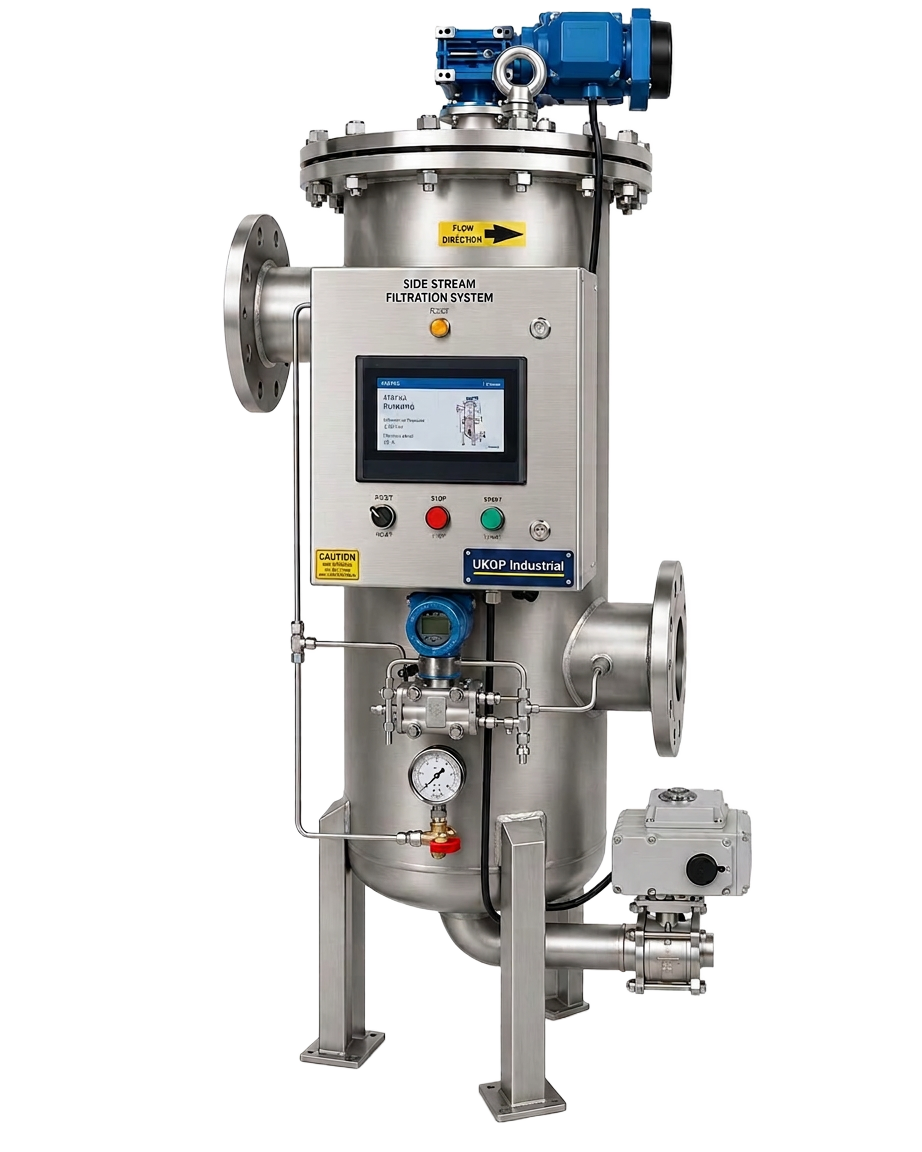
While power flushing Liverpool systems provides a critical clean-slate, the ongoing maintenance of water quality is what prevents the re-accumulation of sludge. BSRIA BG50 highlights the importance of continuous filtration as a secondary line of defence against corrosion. This is where side stream filtration becomes indispensable for Liverpool plant rooms. Unlike full-flow filters which can cause significant pressure drops, a side stream unit continuously treats a percentage of the circulating water, typically between 5% and 15% of the total flow. This method ensures that even as power flushing dislodges debris, any remaining fine particulates or new corrosion by-products are captured and removed from the circuit permanently.
Specifying a UKGP side stream filtration skid alongside a power flush ensures that the system remains within the recommended parameters for suspended solids and iron content. These skids are designed for professional M&E environments, featuring a dual-stage removal process that combines high-intensity magnetic capture with physical bag or cartridge filtration down to 25 microns. This level of filtration is far superior to standard strainers, which often allow smaller, more abrasive particles to pass through and damage pump seals. By maintaining low turbidity through continuous side stream action, the interval between major power flushing interventions can be significantly extended, providing a better return on investment for the facility management team.
For those managing multi-storey commercial units or large industrial workshops in Liverpool, the skid-mounted nature of these units allows for rapid installation. UKGP skids come pre-assembled with isolation valves, making them easy to integrate into existing return headers. With a 2-year warranty and capacities ranging from 5 to 50 m³/h, these units are the industry standard for ensuring that the hard work of a power flush is not undone within months of completion. Investing in high-grade filtration is a proactive commercial decision that mitigates the risk of catastrophic system failure and preserves the operational lifespan of the entire HVAC network.
- Continuous removal of particles down to 25 micron via bag/cartridge
- Integrated high-gauss magnets for sub-micron magnetite capture
- Skid-mounted design with isolation valves for simplified M&E installs
- BSRIA BG50 aligned for best-practice closed-loop maintenance
- 5 to 50 m³/h flow rates suitable for diverse commercial scales
Protecting Plate Heat Exchangers During the Flushing Process
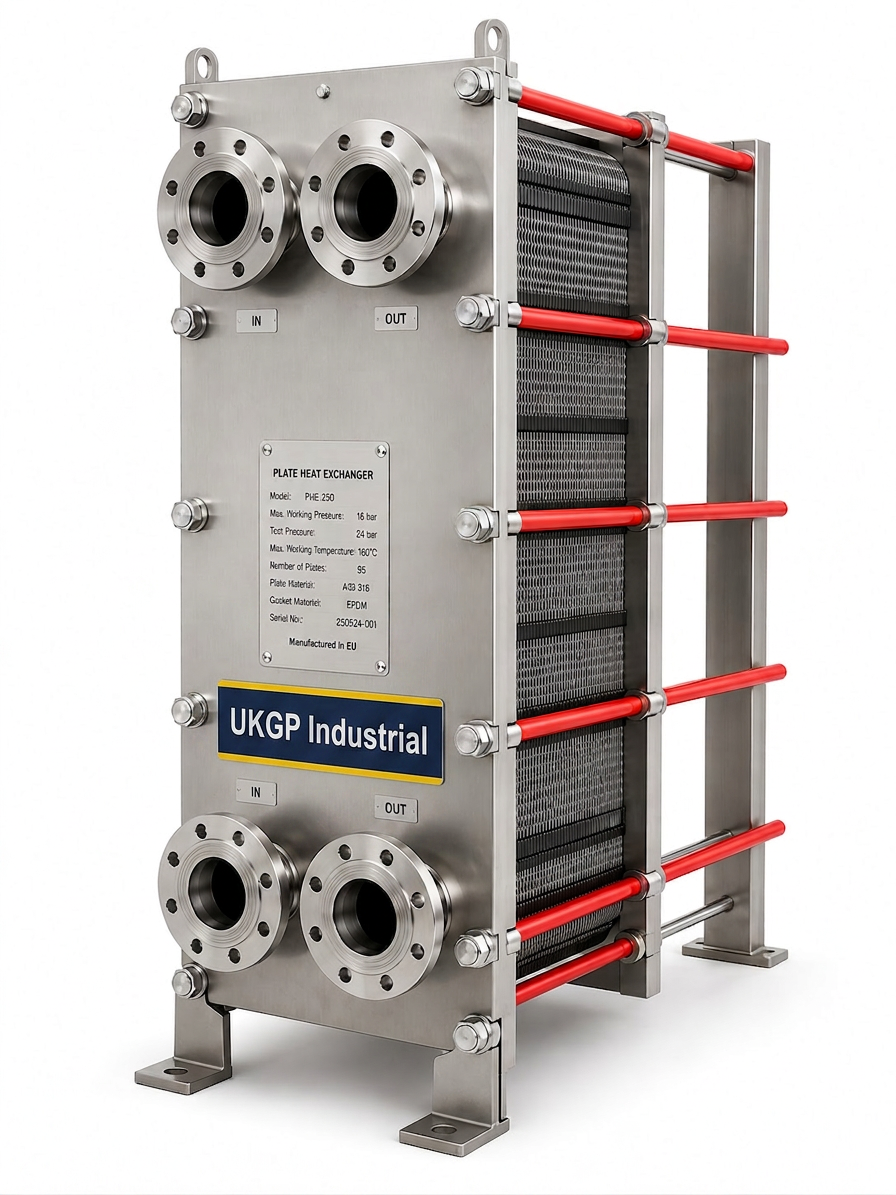
During any project involving power flushing Liverpool installations, special care must be taken regarding plate heat exchangers (PHEs). These components have extremely narrow channels that are easily blinded by the debris mobilised during a high-velocity flush. It is often recommended to bypass the PHE during the initial aggressive cleaning phase to prevent large chunks of scale from becoming trapped in the plate packs. If the PHE is already fouled, it may require a separate, localized chemical clean or a manual strip-down to restore its thermal performance to design specifications before being reintegrated into the main circuit.
Once the main power flush is complete and the system water has reached the domestic water clarity standard, the PHE can be safely put back into service. However, the risk of micro-particulates remains. This is why the secondary filtration mentioned previously is so vital; it protects the secondary side of the PHE from cross-contamination. In Liverpool’s industrial sectors, where process cooling is critical, a fouled heat exchanger can lead to production downtime. Ensuring that the heat transfer surfaces are pristine following a flush is a non-negotiable requirement for high-load applications where efficiency is measured in seconds and pennies.
UKGP provides a range of high-efficiency plate heat exchangers that are designed for easy maintenance and optimal turbulence, which helps to minimize the natural settling of solids. When replacing aged units as part of a system refurbishment in Liverpool, selecting a PHE that is sized correctly for the current system demand—rather than the original legacy specification—can lead to significant energy savings. Combined with a comprehensive power flush, replacing an inefficient heat exchanger is one of the fastest ways to improve the SCOP or SEER of a building's HVAC plant.
- Bypass protocols to prevent manifold blinding during flushing
- Localised chemical cleaning for heavily fouled plate packs
- Integration of high-turbulence plates to reduce fouling rates
- Full support for thermal resizing during plant upgrades
- Alignment with BS EN 14917 for expansion and pressure safety
The Importance of Air and Dirt Separation in Liverpool Systems
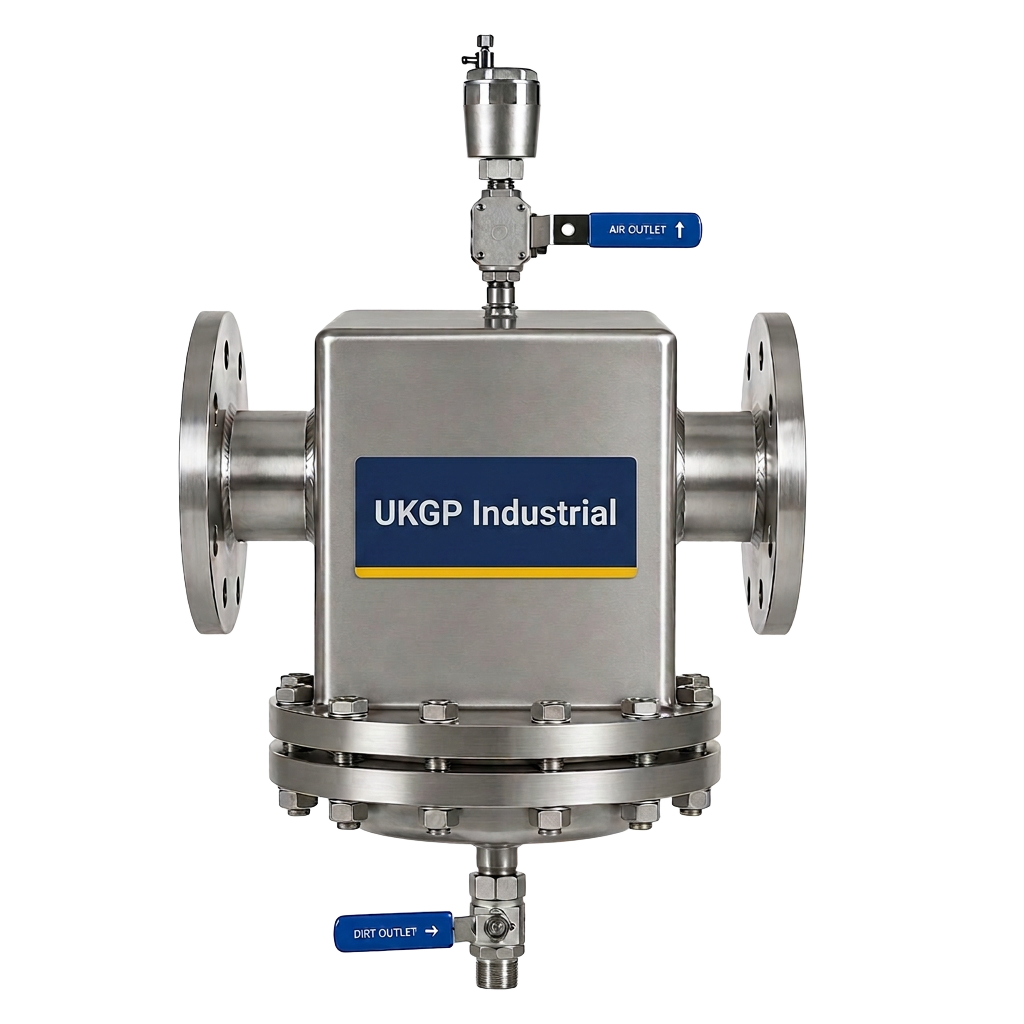
A successful power flushing Liverpool project must also address the presence of entrained air and micro-bubbles. Oxygen is the primary driver of the corrosion reaction that creates the very magnetite we aim to remove. If a system is not properly deaerated, even the most thorough power flush will be followed by rapid re-oxidation of internal surfaces. High-performance air and dirt separators should be installed at the point of lowest solubility—typically the hottest point in a heating system and the coldest in a cooling system—to continuously strip out gases that circulate within the hydraulic medium.
The presence of air also interferes with the power flushing process itself. Pockets of air can prevent the flushing chemicals from reaching certain sections of the pipework, leading to incomplete cleaning. By ensuring that air and dirt separators are cleaned and functioning correctly, or replaced with modern high-efficiency units during the flushing works, the M&E contractor can guarantee a much more uniform results. These units work in tandem with side stream filtration to provide a comprehensive debris-management solution that satisfies the most stringent insurance and compliance requirements for Liverpool commercial properties.
For FM leads, the visual evidence of a successful air and dirt separation strategy is found in the reduction of system noise and the elimination of 'cold spots' in terminal units like radiators or fan coil units. When air is removed, the water can carry its full thermal capacity, and the risk of cavitation in circulating pumps is virtually eliminated. This mechanical stability is essential for the longevity of the plant room, especially in the demanding environments found in Liverpool's city centre commercial hubs and renovated warehouse residential schemes.
- Removal of micro-bubbles to halt the internal oxidation process
- Enhancement of chemical inhibitor distribution across the circuit
- Prevention of pump cavitation and premature mechanical wear
- Reduces maintenance frequency for manual venting at terminal units
- Supports the overall hydraulic balance of the HVAC system
Expansion Bellows and Pipework Integrity during High-Velocity Flushing
When undertaking power flushing Liverpool projects, the structural integrity of the pipework and its support system must be evaluated. Power flushing involves significantly higher flow rates and pressures than standard operating conditions. If expansion bellows are aged or improperly specified, they can become a point of failure under the increased hydraulic stress. It is general practice to inspect all expansion joints and compensators prior to the flush to ensure they can withstand the temporary increase in turbulent flow without suffering from fatigue or catastrophic rupture.
BS EN 14917 provides the framework for the design and selection of metallic expansion joints. In Liverpool, where many commercial buildings feature long vertical risers or extensive horizontal distribution networks, the expansion bellows play a critical role in managing thermal expansion and vibration. During the flushing process, debris can sometimes become lodged in the convolutions of the bellows if they are not of the internal-sleeve type. This can restrict their movement and lead to stress fractures. M&E contractors must ensure that the flushing velocity is carefully controlled to be high enough to move debris but not so excessive as to cause mechanical damage to these vital pipework components.
At UKGP, we supply a wide range of expansion bellows and flexible connectors that are built to withstand the rigours of commercial HVAC life. If an inspection during the power flushing phase reveals that the existing expansion joints are compromised, replacing them with high-quality, BS-compliant units is essential for system safety. A robust pipework system is the backbone of any building's environmental control, and maintaining its structural health is just as important as maintaining its water chemistry. Integrating new bellows during a system overhaul ensures that the plant is ready for another decade of reliable service.
- Pre-flush inspections of all metallic and rubber expansion joints
- Adherence to BS EN 14917 for expansion joint specification
- Protection of convolutions from debris through internal sleeves
- Management of thermal stresses in Liverpool's large-scale risers
- Replacement of aged compensators during system refurbishment
Chemical Dosing and Water Quality Monitoring Post-Flush
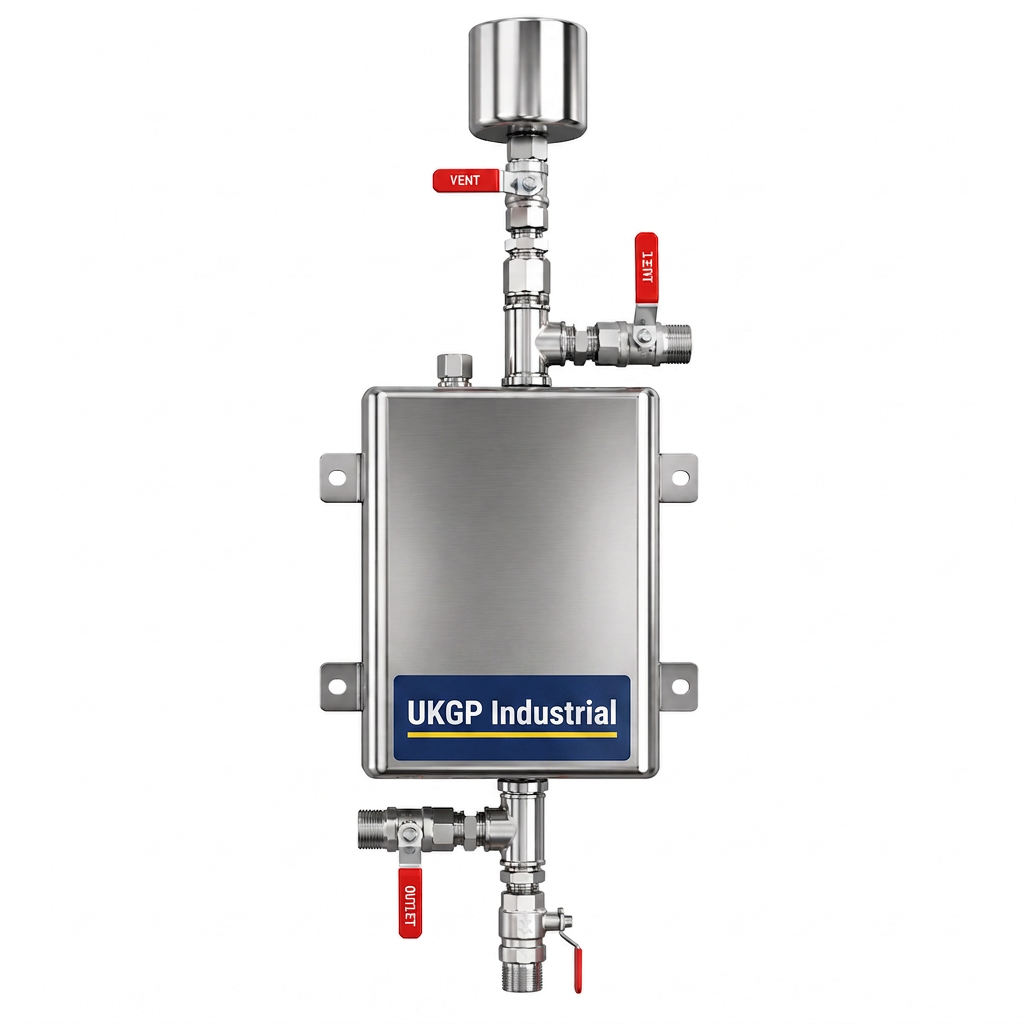
The final stage of any power flushing Liverpool contract is the passivating and inhibiting of the system. Once the flushing water has reached the desired clarity and the side stream filter has captured the remaining fine debris, a chemical dosing pot is used to introduce the necessary inhibitors. These chemicals form a molecular layer on the metal surfaces, preventing further corrosion. It is critical that the volume of the system is accurately calculated to ensure that the inhibitor concentration meets the manufacturer's requirements, as under-dosing is as ineffective as not dosing at all.
In addition to initial dosing, ongoing water quality monitoring is required by BS 8552 and BSRIA BG50. This is often achieved through the use of pH sensors and transmitters which provide real-time data on the state of the system water. Sudden changes in pH can indicate a leak, an influx of fresh water, or the onset of microbial activity, all of which would compromise the benefits achieved by the power flush. In Liverpool's competitive commercial property market, building owners who can demonstrate a logged history of water quality through automated monitoring are often viewed more favourably during building surveys and valuations.
By combining a UKGP side stream filtration skid with accurate chemical dosing and smart pH monitoring, Liverpool facility managers can achieve a world-class HVAC maintenance regime. Our dosing pots are manufactured for durability and ease of use, ensuring that top-up chemicals can be added safely without introducing air into the system. When these components work together, the result is a clean, efficient, and reliable system that serves its occupants comfortably while keeping energy bills and repair costs to an absolute minimum. Contact UKGP today to specify your filtration and dosing requirements.
- Accurate introduction of inhibitors via heavy-duty dosing pots
- Compliance with BS 8552 for water sampling and monitoring
- Real-time pH sensing to detect pre-corrosive system changes
- Prevention of microbial growth and biofilm re-establishment
- Validation of power flush success through automated data logging
Frequently asked questions
How often should I perform power flushing in Liverpool commercial buildings?
- BSRIA BG50 suggests that if a system is properly maintained with side stream filtration and correct chemical inhibition, a full power flush should only be necessary during major plant changes or if water quality samples fail consistently. However, a baseline flush is essential for all new installations or when taking over an aged system.
Is power flushing Liverpool systems enough to meet BSRIA BG29?
- Power flushing is a significant part of the pre-commissioning cleaning process for new systems, but BSRIA BG29 also requires specific chemical cleaning steps and extensive water analysis to ensure all oils, greases, and flux residues are removed before the system is handed over.
Can a side stream filter replace a power flush?
- No, they perform different roles. A power flush is a high-velocity, high-volume cleaning event to remove bulk debris. A side stream filter, like the UKGP 5-50 m³/h skid, provides continuous, long-term removal of fine particulates to ensure that the bulk debris removed during a flush does not return.
What is the typical flow rate for a commercial side stream filter in Liverpool?
- For most commercial installations in Liverpool, a flow rate between 5 and 50 m³/h is specified, aiming to treat the total system volume every 24 hours. UKGP offers skids specifically sized to meet these demands with 25 µm bag/cartridge filtration.
Do I need to bypass my plate heat exchanger during a power flush?
- Yes, it is highly recommended to bypass sensitive equipment like plate heat exchangers and control valves during the initial stages of a power flush to prevent clogging from large debris dislodged by the high-velocity water.