Estimating the power flushing heating system cost in 2026
In the current UK industrial landscape, determining a precise power flushing heating system cost requires a nuanced understanding of labour rates, plant capacity, and the severity of magnetite accumulation. For a medium-sized commercial office block in London or the South East, a professional power flush of the primary circuit can now range significantly depending on the number of radiators or AHU coils involved. Contractors often bill based on a daily rate which encompasses the use of high-flow pumping units and chemicals required to meet BSRIA BG29 standards for pre-commissioning or BG50 for life-cycle maintenance. By 2026, we anticipate these daily labour costs to rise in line with inflation, making the efficiency of the flushing process even more critical for procurement leads.
When calculating the power flushing heating system cost, engineers must also account for the inevitable downtime of the HVAC system. Unlike online filtration methods, a traditional power flush often necessitates a partial or full system shutdown, which can disrupt commercial operations and lead to indirect financial losses. These 'hidden' costs are frequently overlooked during the initial quoting phase but represent a substantial portion of the total expenditure. For systems with older infrastructure, there is also the risk factor to consider; high-pressure flushing can occasionally expose weaknesses in aged pipework or joints, potentially leading to leaks that require urgent, unplanned repairs and additional material costs that exceed the initial budget.
Furthermore, the environmental cost of disposing of several thousand litres of chemically treated water cannot be ignored. Water authorities are increasingly stringent regarding the discharge of system additives and suspended solids into the sewer network. This means that a significant part of your power flushing heating system cost will involve safe disposal and the subsequent refilling and re-dosing of the entire system with corrosion inhibitors. At UKGP Industrial, we encourage Surrey-based facility managers to look beyond the immediate invoice and consider how the frequency of these flushes impacts the total cost of ownership of their plant room assets over a five-to-ten-year horizon.
- Daily labour rates for M&E contractors range from £450 to £850 depending on region
- Chemical costs for magnetite mobilisers typically add 15% to the total project quote
- Water disposal permits and trade effluent charges are rising under new UK regulations
- Higher pressure requirements for tall buildings increase equipment hire premiums
Why side stream filtration beats manual power flushing
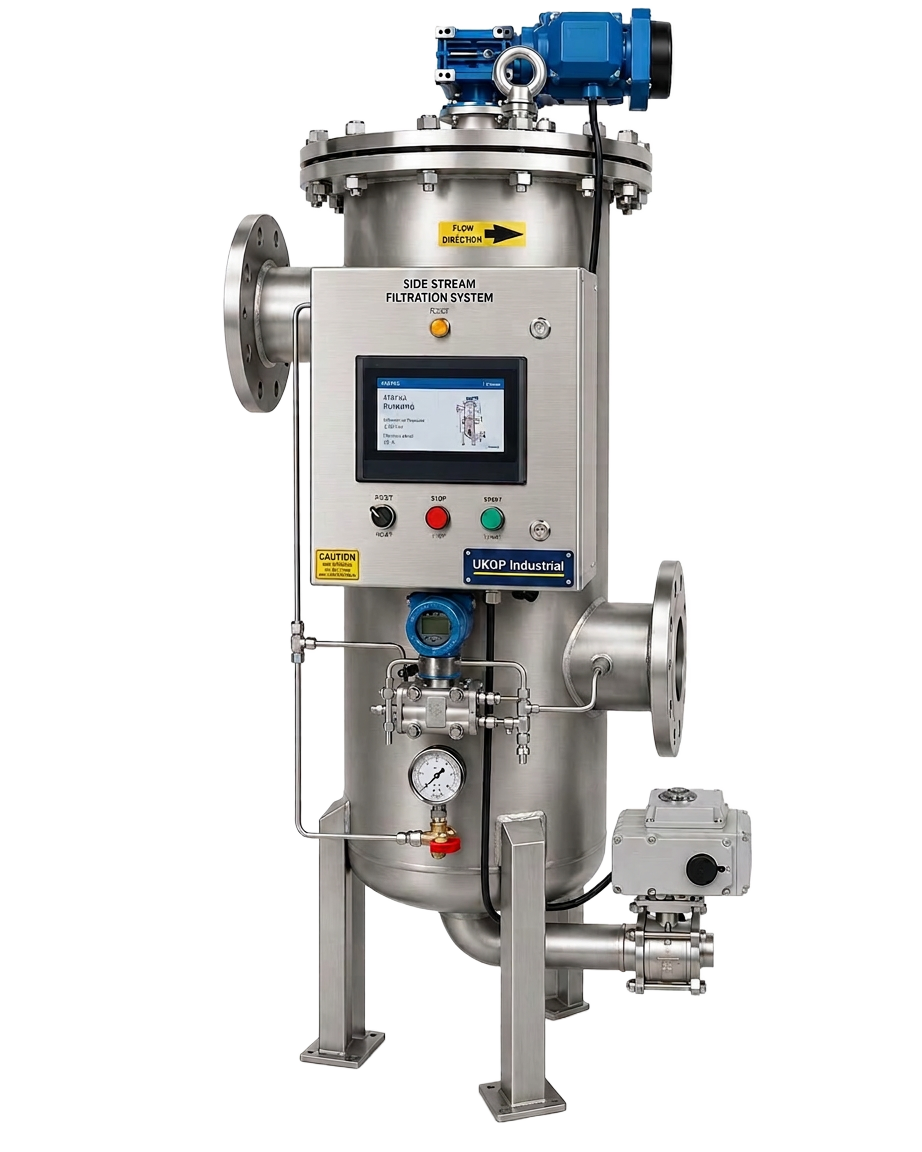
While a one-off power flush provides a temporary fix for sludge issues, it does not address the root cause of ongoing corrosion as defined by BS 8552. This is where side stream filtration becomes the more commercially viable alternative to recurring power flushing heating system cost cycles. By installing a permanent skid, you ensure that the system water quality is managed 24/7 without the need for invasive high-pressure intervention. Our side stream filtration skids, starting from £6,800+VAT, are designed to remove particles down to sub-micron levels, effectively performing a 'continuous flush' that keeps the heating circuit clean during normal operation. This proactive approach is now the gold standard recommended by CIBSE for modern building services management.
Choosing to invest in a UKGP side stream filtration skid rather than absorbing a repeated power flushing heating system cost offers a rapid payback period, often within 18 to 24 months. These units are made to order with a 6-8 week lead time and come with a comprehensive 2-year warranty, providing peace of mind for site engineers. Available in sizes from DN50 to DN100, our skids are built in our Surrey facility to withstand the rigours of commercial plant rooms. By continuously removing magnetite and debris, you not only protect your boilers but also your plate heat exchangers and control valves, which are notoriously sensitive to the particulate matter that a traditional power flush might leave behind in dead-legs.
The shift towards BG50 compliance emphasises 'continuous water treatment' over 'periodic cleaning'. For procurement leads, this means the capital expenditure of a filtration unit is far easier to justify than an operational expenditure that recurs every few years without a permanent solution. When you request a quote for a side stream filtration unit from UKGP Industrial, you are investing in the longevity of your HVAC system. Our technical team can assist you in selecting the right DN-size for your flow rates, ensuring that your 2026 maintenance strategy is both robust and cost-effective. Avoid the trap of escalating manual cleaning fees and switch to a high-performance filtration skid that works silently in the background.
- Continuous 24/7 cleaning avoids the need for disruptive biennial system shutdowns
- Pricing from £6,800+VAT offers significant long-term savings over manual labour
- Standard lead times of 6-8 weeks for bespoke UK-manufactured filtration skids
- Comprehensive 2-year warranty included on all DN50 to DN100 filtration models
Maintaining water quality to BS 8552 standards
Strict adherence to BS 8552 is essential for any commercial building manager looking to mitigate the power flushing heating system cost in the future. This standard outlines the requirements for sampling and monitoring water quality in closed-circuit heating and cooling systems. Regular testing allows you to identify corrosion trends before they manifest as catastrophic blockages or component failures. If your water analysis shows rising levels of iron or suspended solids, it is often a precursor to a necessary flush. However, by integrating a dosing pot and a high-quality separator alongside your filtration setup, you can maintain the chemical balance and physical cleanliness required to bypass the need for expensive manual intervention almost entirely.
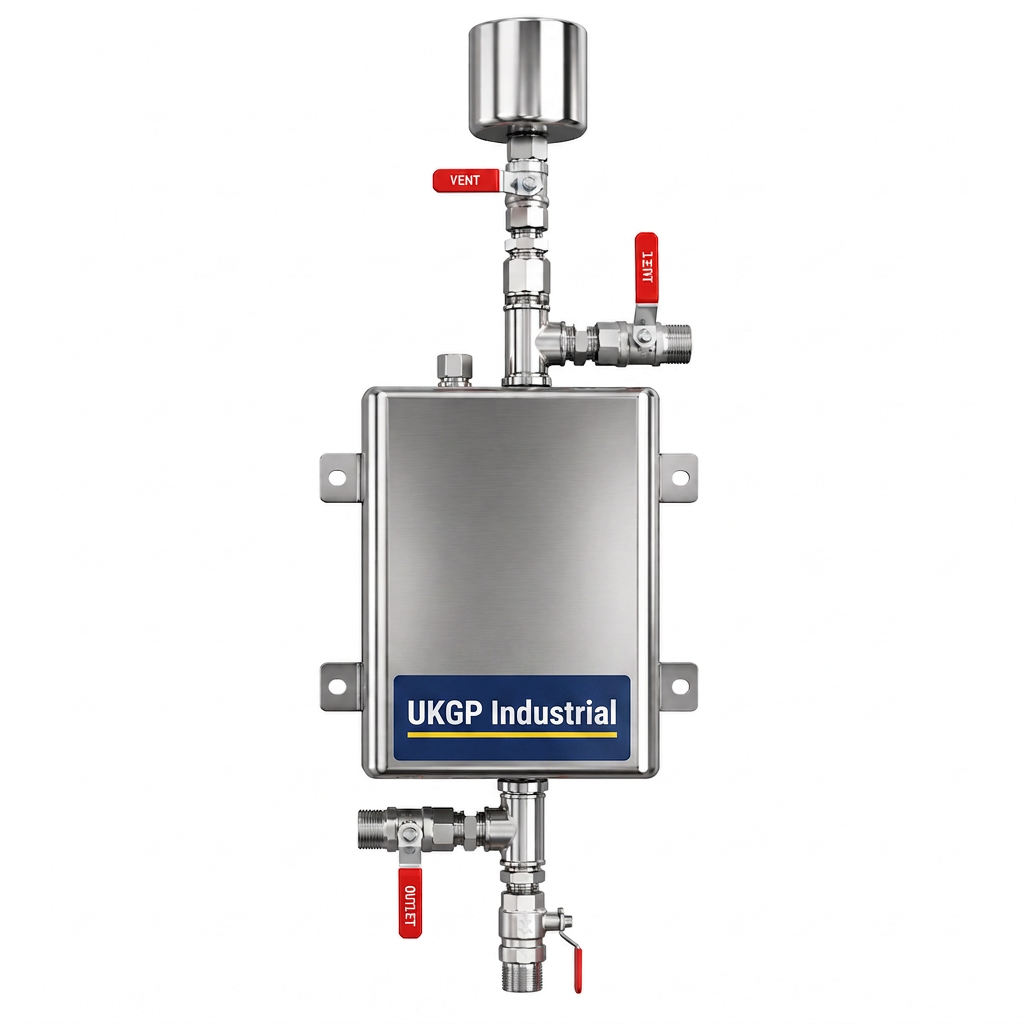
A critical component of this maintenance ecosystem is the chemical dosing pot. These units allow for the safe and controlled introduction of inhibitors and biocides into the system. When used in conjunction with a filtration skid, they ensure that the chemical protection remains at optimal levels, preventing the formation of the magnetite sludge that necessitates a power flush. Effective chemical treatment is a pillar of BSRIA BG50 guidelines and is a fraction of the power flushing heating system cost when managed consistently. UKGP Industrial supplies a range of robust dosing pots that are built to last, ensuring your plant room remains compliant and your water quality remains within the specified parameters year-round.
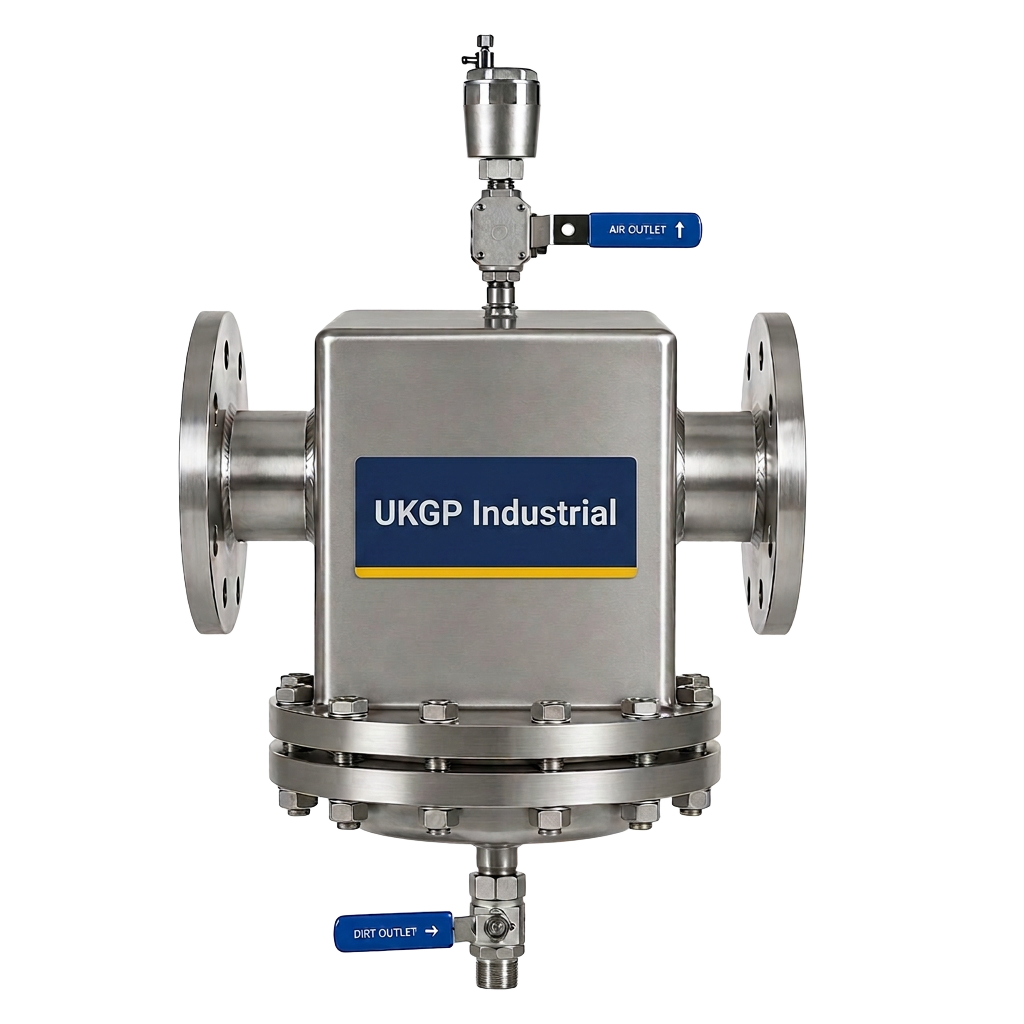
In addition to chemicals, physical separation of air and dirt is paramount. Micro-bubbles and debris are the primary drivers of internal corrosion in UK heating systems. By installing high-performance air and dirt separators, you can significantly reduce the rate at which sludge builds up. This preventative hardware is essential for modern high-efficiency condensing boilers, which have much narrower waterways than older cast-iron models. Protecting these assets is not just about avoiding a breakdown; it is about maintaining the rated efficiency of the plant. A clean system can be up to 15% more efficient than one clogged with debris, further reducing your operational costs beyond just the maintenance invoice.
- BS 8552 provides the framework for professional water quality sampling and analysis
- Dosing pots enable precise delivery of inhibitors as per BSRIA BG50 recommendations
- Prevention through air and dirt separation is cheaper than reactive power flushing
- Maintains the energy efficiency of high-value plant room assets like boilers and AHUs
The impact of magnetite on HVAC efficiency and cost
Magnetite, or black iron oxide, is the most common byproduct of corrosion in UK heating systems. As it settles in low-flow areas such as radiators and heat exchangers, it creates an insulating layer that forces the system to work harder to achieve the same set-point temperature. This inefficiency is a major driver of the total power flushing heating system cost because the financial impact includes both the cleaning fee and the wasted energy in the preceding years. For larger commercial sites, even a 1mm layer of scale or sludge can result in a significant spike in gas or electricity consumption. Addressing this through a scheduled power flush is often seen as a 'reset button,' but it is an expensive one to press repeatedly.
When considering the power flushing heating system cost for a 2026 budget, it is important to reflect on the rising price of energy in the UK. A system that is overdue for a clean is a system that is bleeding money every hour it operates. The friction caused by sludge also increases the load on circulator pumps, leading to premature wear and potential motor burnouts. These secondary failures add to the financial burden of poor water management. Implementing a side stream filtration system ensures that magnetite is captured as soon as it is liberated from the pipework, preventing it from ever settling and maintaining the thermal conductivity of your heat transfer surfaces at peak levels.
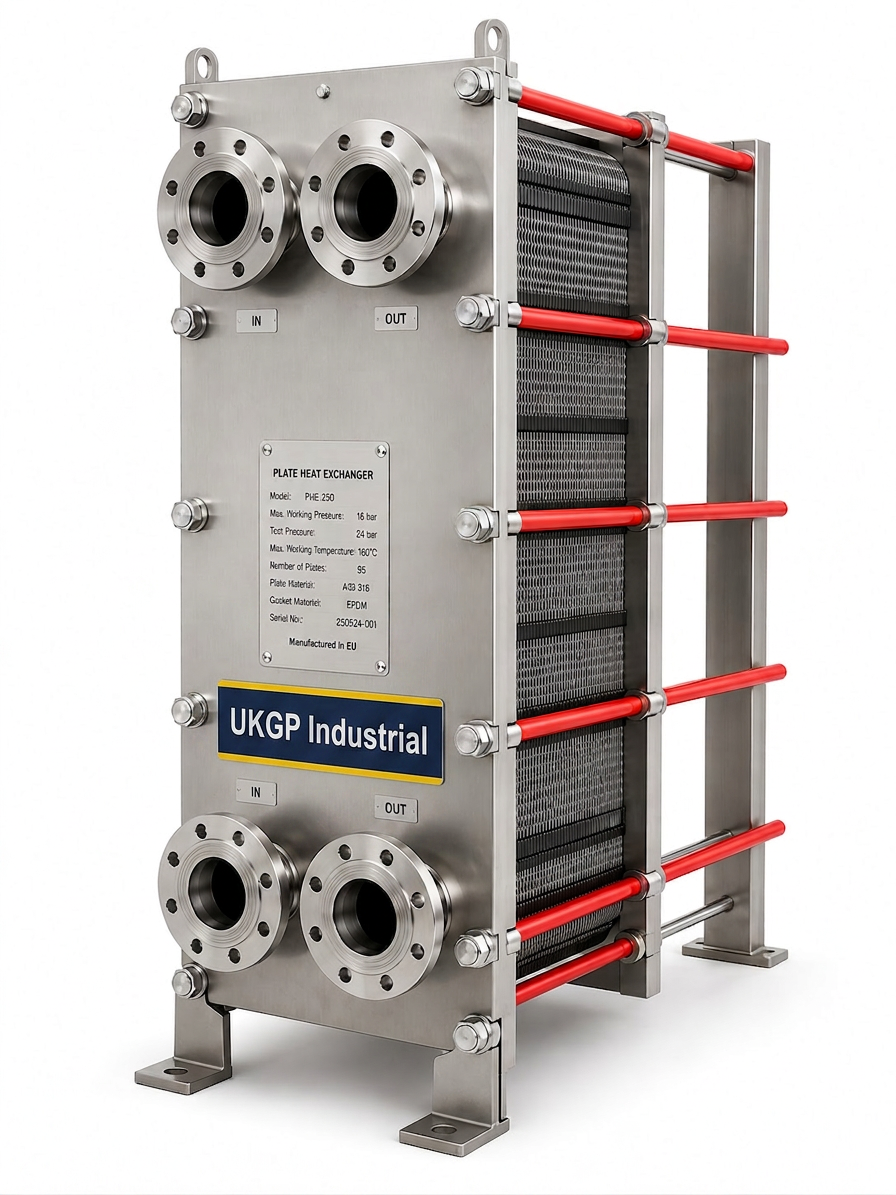
UKGP Industrial provides the technical hardware required to keep your system in top condition. Whether you require a DN80 filtration skid or a bespoke plate heat exchanger for system separation, our products are engineered for the UK's demanding commercial environments. By investing in better hardware today, you are effectively capping your future maintenance liabilities. The cost-benefit analysis between a one-time £6,800+VAT investment in a skid versus a recurring £3,000 to £5,000 power flush every four years is clear. Over a ten-year cycle, the permanent solution is not only more effective but significantly cheaper, especially when energy savings and avoided component failures are factored into the equation.
- Magnetite accumulation reduces thermal transfer efficiency by up to 10-15%
- Increased pump wear and motor failure are common secondary costs of sludge
- Permanent filtration provides a better ROI than periodic manual flushing
- UKGP filtration skids capture magnetite particles that chemicals alone cannot remove
Planning your 2026 HVAC maintenance budget
For FMs and procurement leads, planning the 2026 budget requires a proactive look at current inflation and labour trends. The power flushing heating system cost is likely to see a steady increase due to the rising costs of insurance, certified technician wages, and specialised chemical agents. Setting aside a contingency for such maintenance is prudent, but migrating that budget towards capital improvements like side stream filtration can provide a more stable financial outlook. With built-to-order lead times of 6-8 weeks, now is the time to evaluate your plant room requirements and specify the equipment needed to modernise your water treatment regime and ensure compliance with the latest industry standards.
Our team at UKGP Industrial recommends a full audit of your current system water quality before committing to a 2026 maintenance plan. If the analysis shows heavy contamination, a final power flush followed by the immediate installation of a DN50 to DN100 filtration skid is the ultimate strategy. This 'clean and protect' approach ensures that you never have to pay the full power flushing heating system cost again. By stabilising the system water, you also protect the 2-year warranty on your new filtration hardware and ensure the longevity of other components like expansion bellows and dosing pots, which are all part of a healthy, functioning commercial heating circuit.
To get an accurate perspective on how much you can save, contact UKGP Industrial for a tailored quote. We specialise in helping UK building services consultants and contractors find the right balance between initial expenditure and long-term performance. Our Surrey-based manufacturing ensures that we understand the specific challenges of the UK market, from water hardness variations to the demands of legacy pipework in various regions. Don't let your maintenance budget be consumed by reactive cleaning; invest in a permanent solution that keeps your heating system running at maximum efficiency while minimising your total cost of ownership through the next decade.
- Request a quote for UKGP side stream filtration to compare against manual flushing
- Factor in 6-8 weeks lead time for custom-built plant room filtration skids
- Utilise BSRIA BG50 as a benchmark for justifying capital equipment upgrades
- Consult with UKGP technical experts for DN sizing and flow rate calculations
Summary: Managing the power flushing heating system cost
In conclusion, while the immediate power flushing heating system cost might seem like a necessary evil, modern engineering solutions provide a much more efficient path forward. The integration of permanent side stream filtration, effective dosing, and high-quality separation is the most financially sound decision for commercial HVAC systems in 2026. These technologies work in tandem to create a stable environment that resists corrosion and prevents the accumulation of the sludge that historically required high-pressure flushing. By choosing UK-made hardware with a solid warranty and proven performance, you are securing the future of your building's infrastructure against rising labour and chemical costs.
UKGP Industrial remains a leader in this field, providing the UK building services industry with the components needed to meet and exceed BSRIA and CIBSE standards. Our DN50 to DN100 skids are a testament to our commitment to quality and value. When you weigh the risks of manual power flushing against the reliability of continuous filtration, the choice becomes clear. We are here to support your procurement process with technical data and competitive pricing, ensuring that your plant room is a model of efficiency and low-maintenance operation for years to come.
As we move into 2026, the focus must shift from 'fixing' systems to 'maintaining' them. The power flushing heating system cost is a metric that should be trending downwards for any facility that adopts modern water treatment hardware. Reach out to our Surrey office today to discuss your specific site requirements and let us help you build a maintenance strategy that prioritises performance, compliance, and commercial intelligence. Whether it is a single dosing pot or a complete side stream filtration skid, UKGP Industrial is your partner in professional HVAC water management solutions.
- Permanent filtration reduces reliance on expensive manual maintenance labour
- UKGP Industrial offers high-spec skids made in the UK with a 2-year warranty
- Transitioning to continuous treatment aligns with BSRIA BG50 best practices
- Protect your 2026 budget by investing in reliable, made-to-order hardware
Frequently asked questions
What is the typical power flushing heating system cost for a commercial building?
- In 2026, prices typically range from £3,000 up to £15,000 depending on the system volume, complexity, and number of terminal units. For a more cost-effective long-term solution, UKGP Side Stream Filtration skids start from £6,800+VAT.
How often should a commercial power flush be performed?
- Under BSRIA BG50, the goal is to avoid the need for frequent power flushing through continuous water treatment. If you have effective side stream filtration, manual power flushing may never be required again, saving significant operational costs.
Does a power flush remove all magnetite from the system?
- No, traditional power flushing often fails to reach dead-legs or low-velocity areas. A permanent filtration skid is more effective as it continuously captures magnetite as it circulates, reaching particles as small as 1 micron.
What is the lead time for a UKGP filtration skid?
- Our side stream filtration skids are made to order at our Surrey facility with a standard lead time of 6 to 8 weeks, ensuring you get a unit perfectly sized for your DN50 to DN100 requirements.
Is power flushing necessary for new systems?
- BSRIA BG29 requires pre-commission cleaning for new systems. Using high-quality separation and filtration from day one is the best way to ensure that initial cleanliness is maintained and future power flushing heating system cost is avoided.