The Complex Variables Affecting Power Flushing Cost
Estimating a commercial power flushing cost is rarely a simple case of a flat fee, as it depends heavily on the total system volume, the current degree of magnetite saturation, and the complexity of the internal pipework. For larger commercial sites, contractors must factor in the time required to isolate specific zones and the volume of chemical cleaners required to lift heavy corrosion products. When managing a vast network of heat emitters and fan coil units, the labor hours alone can cause the initial quote to escalate, especially if the system has been neglected for several years without any prior water treatment strategy or filtration.
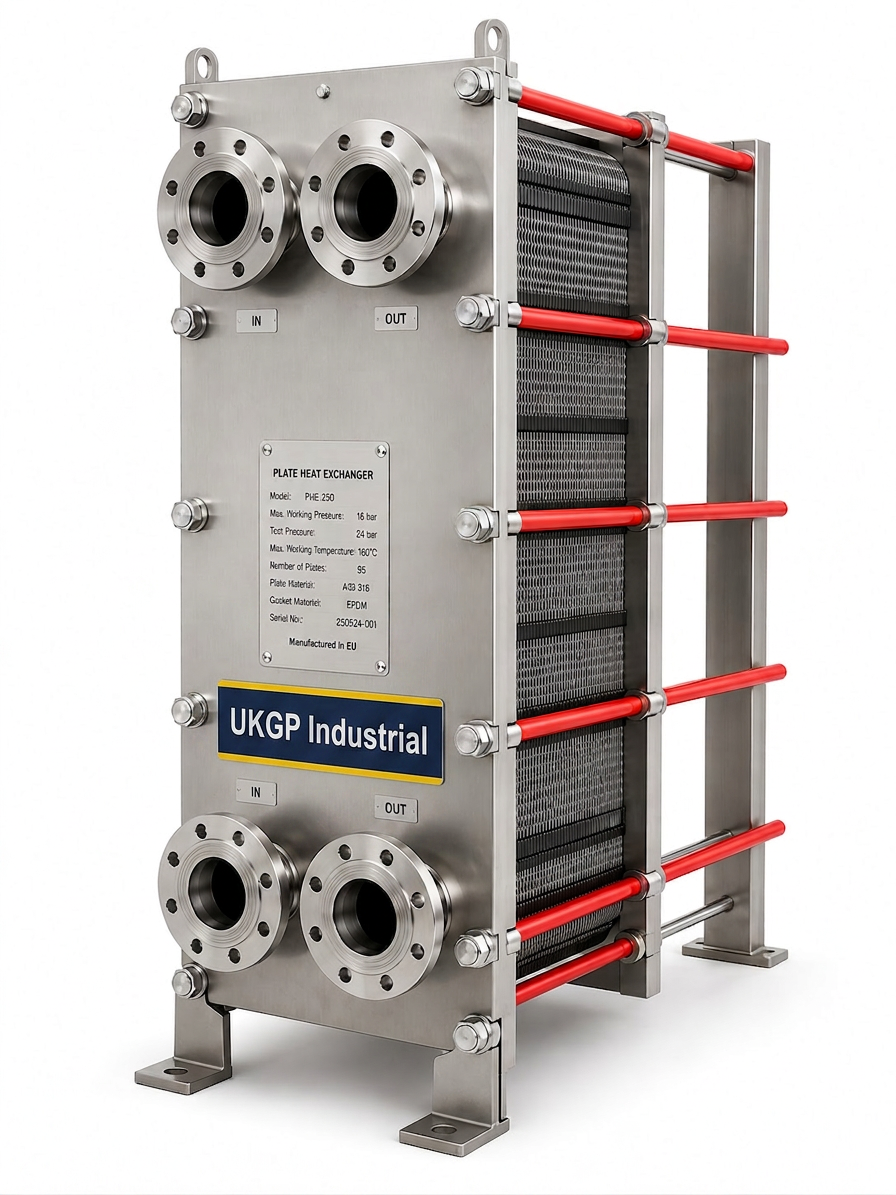
Beyond the baseline labor, the technical requirements for commercial systems often necessitate high-flow pumping equipment and specialized neutralizing agents to ensure that acidic cleaners do not damage sensitive system components such as plate heat exchangers. Consultants should be wary of low-ball estimates that do not account for the disposal costs of contaminated flush-water, which must be handled according to local environmental regulations. A professional quotation for a significant HVAC asset should always detail the methodology used to verify the clean, aligning with the water chemistry parameters defined in BSRIA BG50 to avoid repetitive maintenance later.
Ultimately, the total power flushing cost is an investment in the system's operational thermal efficiency. A system choked with hematite and magnetite will see a significant drop in Heat Transfer Coefficient, forcing pumps to work harder and boilers to cycle more frequently. By specifying a rigorous flush and subsequent side stream filtration, M&E contractors can ensure that the system enters its operational phase in a passive state. This proactive approach prevents the rapid re-accumulation of debris that typically follows a superficial flush, ensuring that the initial capital spent on the cleaning process provides a genuine return on investment over the lifecycle.
- Total system water volume in cubic metres
- Number of terminal units and plant room complexity
- Accessibility for high-flow flushing pumps
- Cost of chemical cleaning and neutralizing agents
- Disposal fees for spent chemicals and sludge
Compliance Standards: BSRIA BG29 and BG50
In the UK building services sector, the power flushing cost is inextricably linked to compliance with BSRIA BG29, 'Pre-commission Cleaning of Pipework Systems'. For new builds or major refurbishments, a failure to meet these standards can invalidate warranties from leading commercial boiler manufacturers. The process involves multiple stages, from a dynamic flush to chemical cleaning and final passivation. If these steps are rushed to save on the upfront cost, the residual TSS (Total Suspended Solids) will quickly lead to localized under-deposit corrosion and premature failure of control valves and sensors, leading to much higher remedial expenses.
BSRIA BG50 provides the framework for the ongoing water treatment of closed heating and cooling systems. It emphasizes that while a power flush is an essential corrective action, it must be supported by continuous filtration to maintain water quality. When specifying works, engineers should consider whether the high power flushing cost is a symptom of poor ongoing maintenance. By integrating better filtration and monitoring equipment, the frequency of invasive power flushes can be reduced. This strategic shift not only protects the asset but also provides a more predictable maintenance budget for the facility management team over a ten-year horizon.
Following a professional flush, it is vital to perform a water analysis to BS 8552 standards to confirm that the system is stable. If the analysis shows high levels of dissolved iron or copper, the flushing process may need to be extended or repeated. This is why a fixed-price power flushing cost can be risky for contractors if the system's baseline condition is unknown. We recommend a full system audit and water sampling prior to commissioning a flush, allowing for a more accurate specification that covers the necessary chemical dosages and time on-site to achieve the required BSRIA cleanliness levels.
- Adherence to BSRIA BG29 for pre-commissioning
- Ongoing monitoring in line with BSRIA BG50
- Sampling and laboratory analysis to BS 8552
- Alignment with CIBSE CP1 Heat Networks standards
- Verification of TSS and iron levels post-flush
Integrating Side Stream Filtration to Protect Your Investment
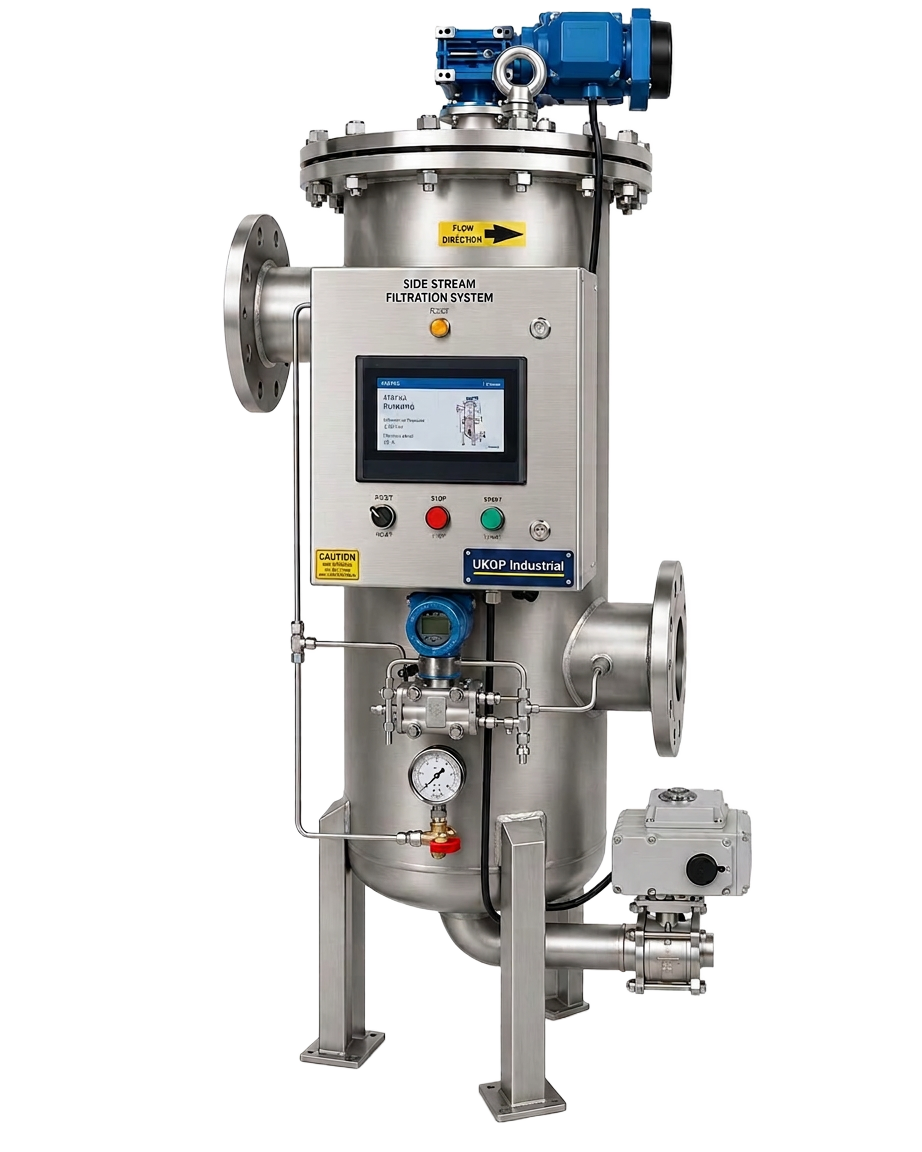
While a one-off power flush is necessary for dirty systems, it does not address the cause of ongoing corrosion. To safeguard the system and justify the power flushing cost, installing a side stream filtration unit is the industry-standard solution. A UKGP side stream filtration skid provides continuous cleaning, removing particles down to 25 microns while the system remains fully operational. This prevents the buildup of magnetite that typically necessitates a power flush every few years. Our skids are designed for flow rates of 5-50 m³/h, ensuring that even large commercial circuits are consistently polished to maintain optimum water clarity.
The UKGP side stream filtration skid is specifically aligned with BSRIA BG29 and BG50 recommendations, featuring a magnetic core to capture metallic debris and a high-capacity bag or cartridge filter for non-magnetic particulates. By specifying a skid-mounted solution that includes isolation valves and a 2-year warranty, M&E contractors can provide their clients with a robust 'fit and forget' protection layer. This significantly reduces the long-term power flushing cost for the building owner, as the filtration unit continuously manages the debris load that would otherwise settle in low-flow areas or foul the heat exchangers.
When considering the commercial feasibility of a project, the UKGP side stream filtration skid offers far better value than recurring chemical cleans. It is a compact, skid-mounted assembly that can be easily integrated into existing plant rooms or designed into new builds. With a 2-year warranty and high-quality build standards, it provides peace of mind that the hydronic system will remain efficient. For procurement leads, this represents a shift from reactive 'firefighting' maintenance to a proactive asset management strategy that maximizes the life of boilers, pumps, and plate heat exchangers alike.
- Flow rates available from 5 to 50 m³/h
- Combined magnetic and 25 µm bag/cartridge filtration
- Fully skid-mounted with isolation valves for easy install
- Aligned with latest BSRIA BG29 and BG50 guidelines
- Includes 2-year manufacturer warranty for reliability
Comparing Mechanical Cleaning vs. Chemical Costs
When calculating the power flushing cost, one must distinguish between mechanical labor and the cost of the chemicals themselves. High-quality inhibited cleaners are essential for breaking down the molecular bond between the magnetite and the internal pipe surfaces. However, these chemicals must be carefully selected based on the metallurgy of the system—for instance, aluminum heat exchangers require specifically buffered chemicals to prevent caustic attack. This technical requirement usually increases the material portion of the quote but is essential for protecting the high-value plant equipment from accidental damage during the cleaning process.
Mechanical costs involve the hire or purchase of high-pressure flushing rigs and the man-hours required to methodically walk the building, opening and closing valves to ensure every circuit is purged. In a multi-story commercial building, this can take several days or even weeks. If the power flushing cost is too low, it often indicates that the contractor intends to perform a 'global' flush rather than a detailed zone-by-zone clean. A global flush is rarely effective in larger buildings because the water will always follow the path of least resistance, leaving the stagnant, debris-filled ends of the circuits completely untouched.
Furthermore, the use of ultrasonic flow meters during the flushing process can help prove that the required scouring velocities (typically 1.5 m/s or higher) are being reached. Specifying this level of verification will naturally increase the power flushing cost, but it provides the only true guarantee that the system is clean. Without verifying flow rates, you risk leaving significant deposits behind, which will merely migrate to the plant room the moment the main pumps are turned back on, potentially blocking new control valves or entering the secondary side of your plate heat exchangers.
- Material costs for metallurgy-specific chemical cleaners
- Labour for systematic zone-by-zone purging
- Equipment hire for high-velocity flushing rigs
- Verification using ultrasonic flow measurement
- Post-cleaning passivation chemicals to inhibit re-corrosion
Long Term Savings: Why Prevention Beats the Flush
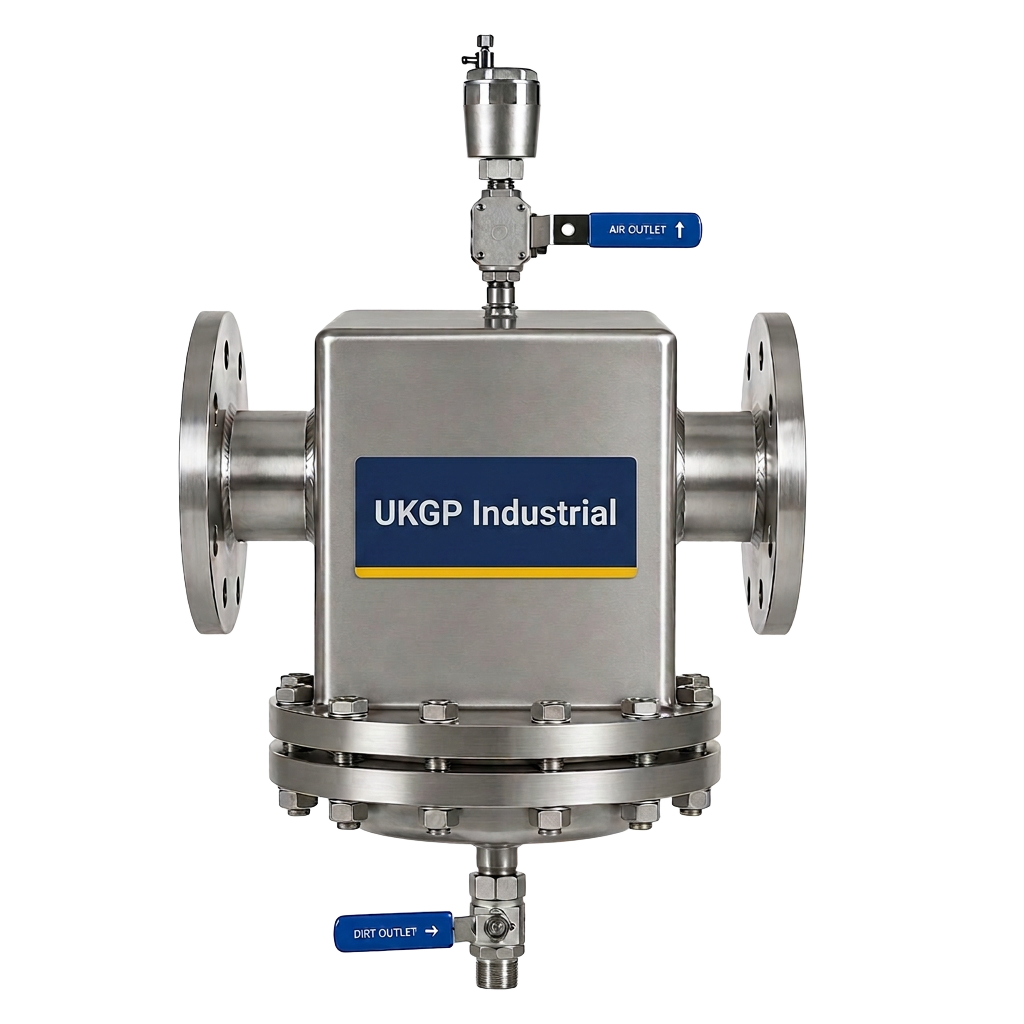
Strategic asset management dictates that the best way to manage power flushing cost is to minimize the need for it. While initial cleaning is unavoidable, the recurring costs can be eliminated through proper air and dirt separation. Microbubble air separators and dirt removers installed on the main flow and return lines work in tandem with side stream filters to catch debris before it can settle. This ensures that the water chemistry remains within the narrow bands required for modern, high-efficiency commercial boilers, which are far more susceptible to debris-related failures than the robust, low-efficiency cast iron boilers of the past.
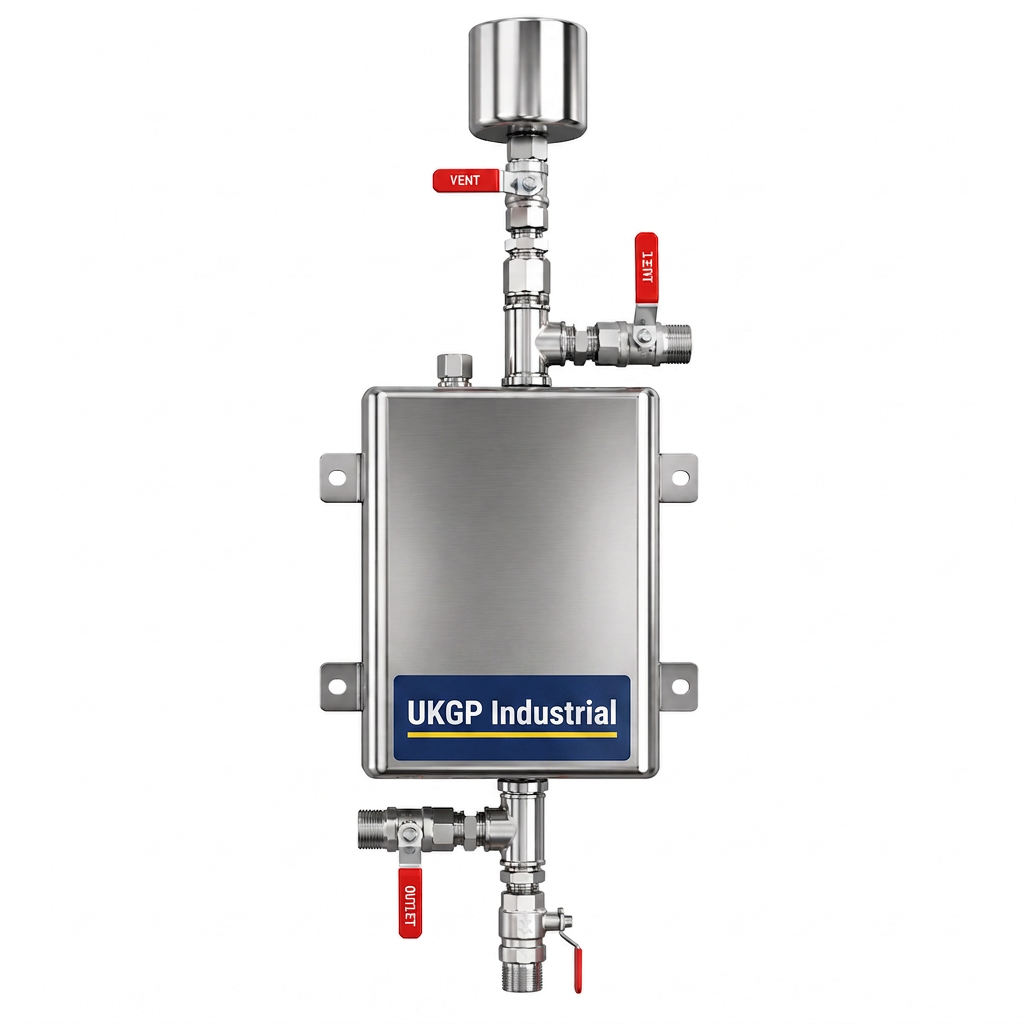
Another critical factor in preventing the need for frequent flushing is the maintenance of system pressure and the prevention of oxygen ingress. If an expansion vessel fails or a system is constantly being topped up with fresh, oxygenated water via a pressurization unit, the rate of corrosion will skyrocket. This leads to a cycle of frequent, expensive flushes that provide only temporary relief. By ensuring the system is airtight and properly pressurized, and by using a high-quality dosing pot for inhibitor maintenance, the building's engineers can maintain a passive chemical environment that protects the metal surfaces indefinitely.
For those managing large-scale industrial or commercial portfolios, the aggregated power flushing cost across multiple sites can be staggering. Shifting the budget toward high-spec filtration and air separation units at the design or refurbishment stage is a much more commercially aware decision. These components pay for themselves in reduced labor costs, lower chemical spend, and significantly lower energy bills. A clean system with low TSS levels will always outperform a fouled one, directly contributing to the building's overall sustainability goals and reducing its carbon footprint through optimized pump and boiler performance.
- Reduced energy consumption via clean heat transfer surfaces
- Fewer emergency call-outs for blocked valves or sensors
- Extension of major plant life by up to 50%
- Lower annual spend on water treatment chemicals
- Easier compliance with environmental ESG reporting
Specifying Power Flush Services for Procurement Leads
Procurement leads tasked with vetting contractors for HVAC cleaning must look beyond the bottom-line power flushing cost and evaluate the technical competence of the provider. A professional specification should include a detailed method statement, proof of insurance, and a list of specific chemicals to be used. It should also mandate a before-and-after water quality report from an independent UKAS-accredited laboratory. This documentation is vital for the health and safety file and provides a clear audit trail showing that the building manager has met their 'duty of care' regarding the maintenance of the mechanical services.
When comparing quotes, ensure that the scope of work is identical. Does one quote include the cost of external pump hire while the other uses the system's own pumps? Using the system's own pumps for a power flush is generally discouraged as it can damage the pump seals with abrasive magnetite. A truly professional power flushing cost will include the provision of standalone, high-head centrifugal pumps that can handle the grit and sludge without issue. Additionally, ensure the contract specifies the cleaning of all low loss headers and expansion vessels, as these are common areas where sludge accumulates and can re-contaminate a clean system.
In conclusion, while the immediate power flushing cost is a significant consideration, it must be viewed in the context of total system reliability. For any new or existing commercial system, we strongly recommend combining the flush with the installation of a UKGP side stream filtration skid. This 5-50 m³/h capacity unit is the most effective way to ensure that the money spent on a power flush is not wasted. Request a quote from UKGP today to see how our filtration solutions can provide long-term protection for your plant room and significantly reduce your lifetime maintenance overheads.
- Requirement for UKAS-accredited laboratory testing
- Detailed method statements and risk assessments
- Provision of external high-flow flushing equipment
- Verification of flow velocities in all system branches
- Inclusion of all plant-room components in the scope
Frequently asked questions
What is the typical power flushing cost for a commercial office?
- Commercial costs vary based on system volume and the number of fan coil units, but typically start from several thousand pounds for a small office and can exceed tens of thousands for high-rise buildings. The cost includes labor, professional chemicals, and waste disposal.
How does BSRIA BG29 affect the cost of power flushing?
- BSRIA BG29 mandates a specific, multi-stage cleaning process for new systems. Following these guidelines often increases the initial power flushing cost due to the requirement for higher flow rates, specific chemical sequences, and documented water analysis, but it is necessary to secure equipment warranties.
Can a side stream filter reduce my long-term power flushing cost?
- Yes. By continuously removing magnetite and debris down to 25 microns, a side stream filter prevents the buildup of sludge that necessitates a power flush. This can extend the interval between deep cleans from 2-3 years to over a decade.
Why should I choose a UKGP filtration skid over a manual clean?
- A manual power flush is a one-time event, whereas a UKGP filtration skid (5-50 m³/h) provides 24/7 protection. It captures new corrosion products as they form, maintaining BSRIA BG50 compliance without needing to drain or shut down the system.
What are the risks of ignoring a high TSS level to save on cost?
- Ignoring high levels of Total Suspended Solids leads to under-deposit corrosion, pinpoint leaks in heat exchangers, and the failure of control valves. The eventual repair and replacement costs will far exceed the initial power flushing cost.