Breaking Down the Power Flushing Central Heating Systems Cost
Estimating the power flushing central heating systems cost for a commercial site is significantly more complex than domestic applications. For a typical Surrey-based office block or healthcare facility, the primary drivers of price include the total system volume, the number of radiator circuits, and the existing level of magnetite accumulation. Contractors must account for chemical cleaning agents, labour for multi-day onsite attendance, and the subsequent disposal of contaminated wastewater. When consultants specify this work, they must ensure the quote includes the full restoration of system flow and a post-flush water analysis to BSRIA BG29 standards. Failure to include these elements often leads to 'hidden' expenses that can inflate the total project budget beyond the initial estimate provided by the service provider.
Labour remains the most volatile component of the power flushing central heating systems cost. Unlike residential jobs that take a single day, a commercial plant room serving a five-storey building may require a phased isolation approach, taking up to a week of specialist engineering time. This is particularly true in aged systems where years of corrosion have created stubborn blockages in distal pipework. Engineers often find that the initial quote for power flushing central heating systems cost must be adjusted if pipe diameters are large or if access to terminal units is restricted. For procurement leads, this variability makes it difficult to forecast O&M budgets accurately, leading many to seek more predictable mechanical filtration alternatives that provide continuous protection rather than a one-off, high-impact intervention.
Furthermore, the chemical costs associated with high-volume flushing are substantial. To meet BS 8552 monitoring guidelines, the system must be treated with pH-neutral cleansers followed by thorough neutralisation and inhibition. The volume of inhibitor required for a 30,000-litre system can represent a significant percentage of the total power flushing central heating systems cost. Many M&E contractors now advise clients that while a flush may clear immediate debris, the root cause of corrosion—often oxygen ingress or poor chemical balance—must still be addressed. Therefore, it is often more commercially viable to invest in a skid-mounted filtration unit that offers permanent protection, as this reduces the frequency of expensive system flushes and ensures the efficiency of leading commercial boiler manufacturers' heat exchangers over their entire operational lifecycle.
- System volume and pipework complexity
- Quantity of chemical cleaning and inhibiting agents
- Specialist labour and multi-day onsite engineering time
- Disposal of industrial chemical waste and sludge
- Post-cleaning water quality certification to BSRIA BG29
The Long-Term Alternative: Side Stream Filtration
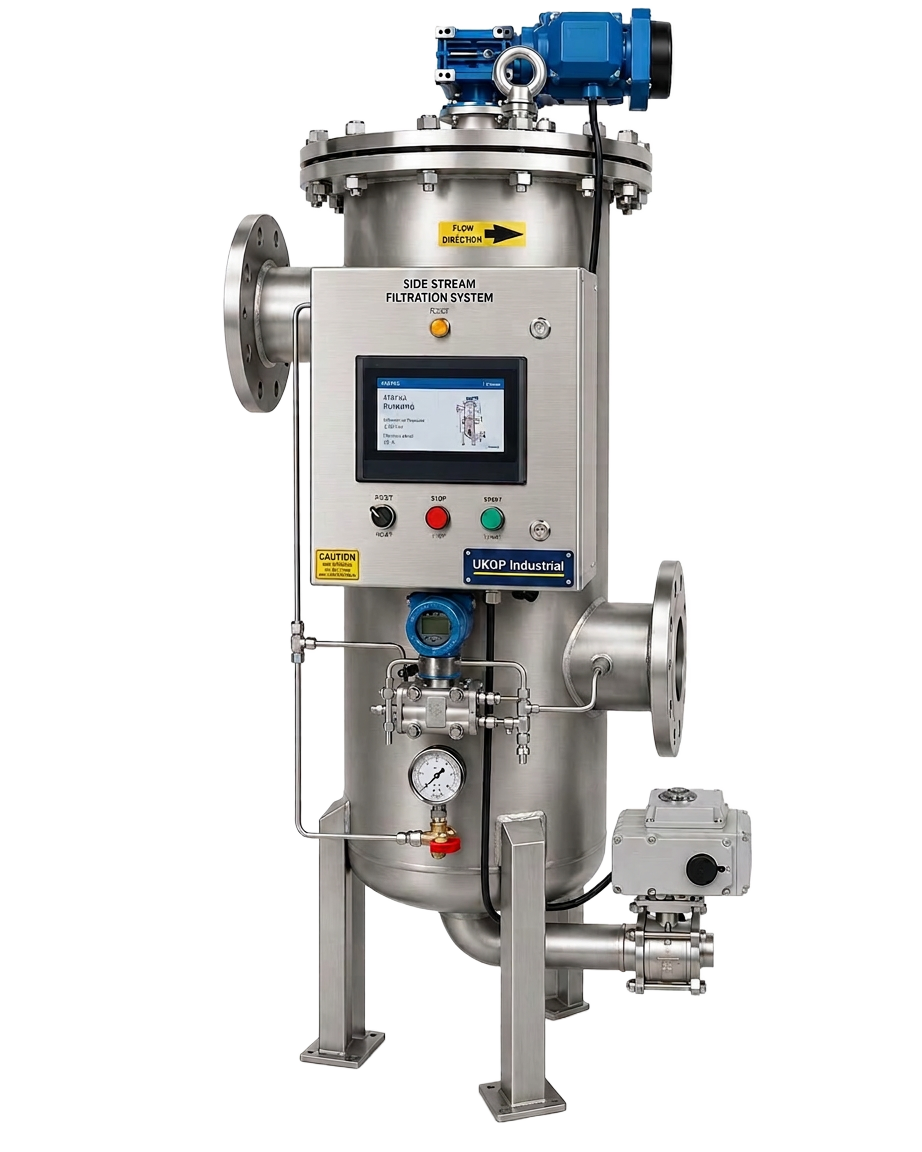
While the power flushing central heating systems cost is an immediate capital expense, side stream filtration represents an investment in system longevity. By installing a dedicated filtration skid, you effectively automate the removal of magnetite and suspended solids without the need for system shutdowns. Our UKGP side stream filtration skids are designed specifically for this purpose, offering flow rates from 5 to 50 m³/h. By using a combination of powerful magnetic separation and 25 µm bag or cartridge filters, these units maintain water clarity in accordance with BSRIA BG50. This proactive approach ensures that the heat transfer efficiency of your plant remains high, preventing the scale and sludge build-up that typically justifies the high power flushing central heating systems cost in the first place.
For M&E contractors, the ease of installation is a major advantage. Our units come skid-mounted with isolation valves as standard, allowing for rapid integration into existing return headers. Instead of paying for a recurring power flushing central heating systems cost every few years, facility managers can rely on a 2-year warranty and a robust mechanical solution that captures debris as it is generated. This is particularly critical when interfacing new boilers with old pipework; the 25 µm filtration ensures that fine particulates are stripped from the system before they can settle in the narrow waterways of modern high-efficiency heat exchangers. Investing in a high-quality skid is a commercially aware decision that simplifies maintenance schedules and protects expensive plant assets.
When comparing the two approaches, the ROI of a filtration skid becomes clear within the first 18 to 24 months. While the power flushing central heating systems cost provides a temporary 'clean slate', a side stream filter provides continuous remediation. This aligns perfectly with CIBSE CP1 standards for heat networks, where water quality must be managed throughout the life of the building. Our skids are engineered in Surrey to withstand the rigours of industrial plant rooms, providing a practical solution that mitigates the need for disruptive and expensive chemical cleaning cycles. For those looking to lower operational risks, transitioning from reactive flushing to proactive filtration is the recommended strategy for modern building services management.
- Continuous 25 µm filtration avoids the need for periodic flushes
- BSRIA BG50 compliant water quality management
- Magnetic separation specifically targets black iron oxide
- Skid-mounted design with isolation valves for easy retrofit
- Reduced total cost of ownership compared to repetitive flushes
Impact of Scale and Sludge on Boiler Efficiency
Accumulated sludge is the primary reason why the power flushing central heating systems cost is so often discussed in plant room audits. Magnetite buildup increases pump head pressure and reduces the thermal conductivity of heat exchangers, leading to a direct increase in fuel consumption. In large commercial systems, even a 1mm layer of scale can reduce heat transfer efficiency by over 10%. When you factor this into the energy bills of a large facility, the initial power flushing central heating systems cost is often eclipsed by the cost of wasted energy. By maintaining clean water, you ensure that the primary heat source operates at its peak seasonal efficiency, as designed by major UK commercial boiler OEMs.
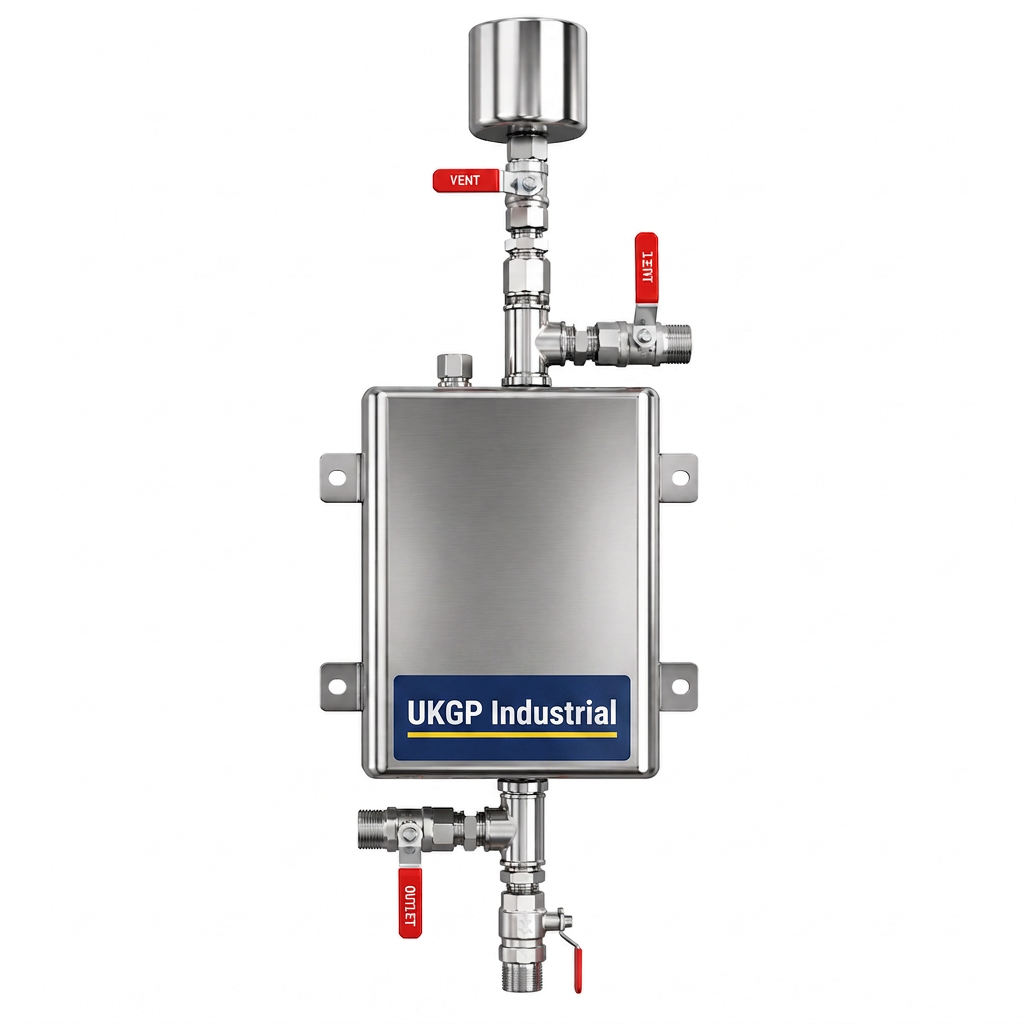
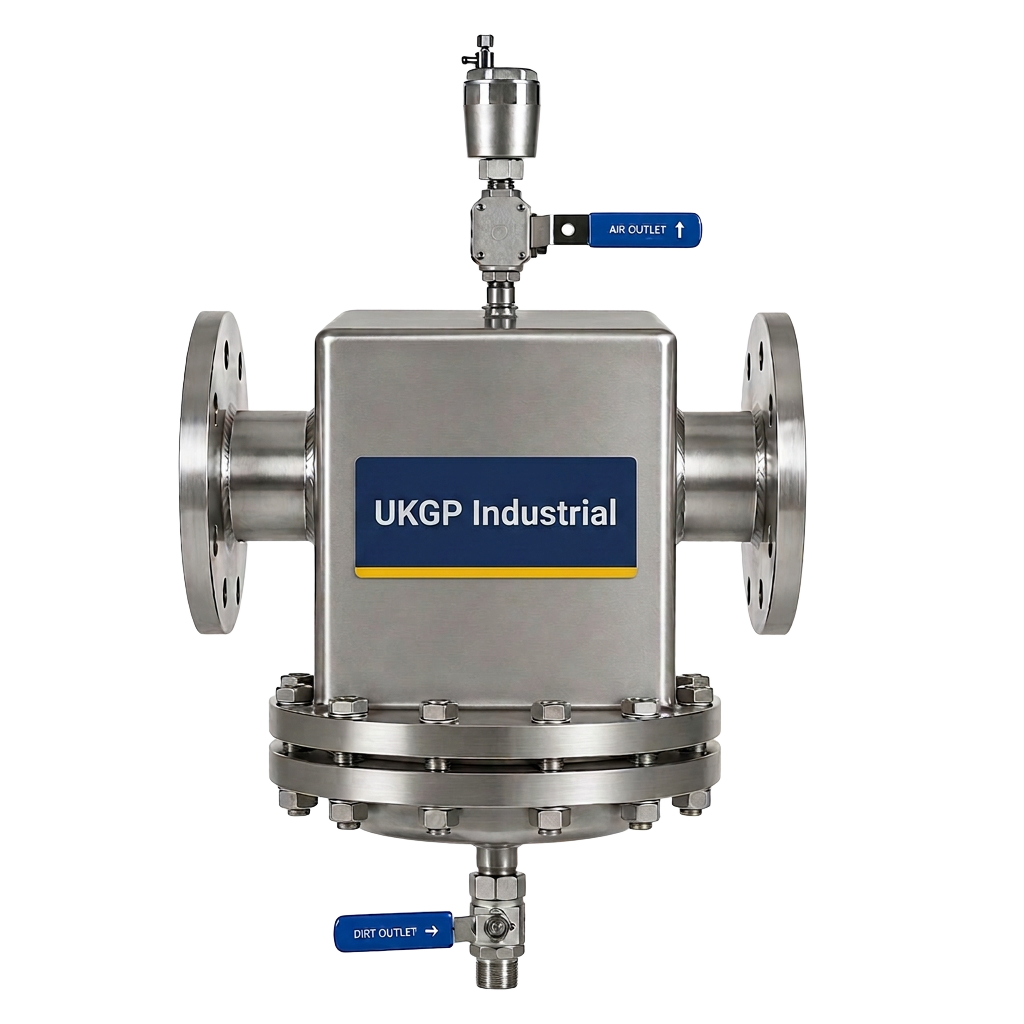
In addition to heat exchangers, other components such as air & dirt separators and control valves are susceptible to damage from circulating debris. If these components fail, the replacement costs and associated downtime can be catastrophic for business continuity. Therefore, while reviewing the power flushing central heating systems cost, it is also wise to assess whether your system has adequate air and dirt separation. Integrating high-quality separation technology ensures that microbubbles and large particulates are removed before they can contribute to the corrosion cycle. This multi-layered approach to water treatment is the hallmark of a resilient HVAC system that meets the expectations of modern energy performance certificates.
Ultimately, the goal is to prevent the 'sludge cycle' where poor water quality leads to component failure, which in turn leads to more debris and further efficiency losses. While the power flushing central heating systems cost is a necessary evil for neglected systems, it should be viewed as a restorative measure rather than a maintenance strategy. By combining a one-time flush with permanent filtration and air separation, you create a robust environment that protects the integrity of the heat network. This ensures that the building remains comfortable for occupants while keeping the long-term O&M costs within a predictable and manageable range for the facilities management team.
- Reduction in heat transfer caused by magnetite layers
- Increased pump wear and energy consumption due to debris
- Protection of sensitive control valves and heat sensors
- Alignment with energy efficiency goals and ESG targets
- Mitigation of emergency breakdown risks in winter months
BSRIA BG50 and Statutory Compliance in the UK
Compliance with BSRIA BG50 (Water Treatment for Closed Heating and Cooling Systems) is non-negotiable for modern HVAC management. This guidance highlights that the power flushing central heating systems cost is a symptom of a failure in water chemistry or filtration strategy. BG50 specifically recommends the use of side stream filtration to manage the levels of suspended solids, particularly during the early life of a system. For consultants, specifying a pump-skid that meets these standards is the most effective way to guarantee performance for the client. Our UKGP units are built with these standards in mind, ensuring that the 25 µm filtration threshold is met consistently, thereby protecting the system from the internal erosion that leads to costly repairs.
A critical part of BG50 compliance is regular monitoring and testing. If your quarterly water test shows high levels of iron or high turbidity, the resulting power flushing central heating systems cost can be a shock to the annual budget. By having a side stream filtration unit in place, you provide a mechanical means to lower these levels quickly. The ability to swap out filter bags or cartridges during a routine maintenance visit is far less disruptive than a full system power flush. This proactive monitoring, coupled with the right mechanical hardware, ensures that the system stays within the recommended parameters for pH, conductivity, and dissolved oxygen, which are vital for preventing anaerobic corrosion and microbiological growth.
Furthermore, BS 8552 provides the framework for sampling and monitoring water quality in buildings. This standard supports the need for consistent water treatment rather than sporadic interventions. When calculating the power flushing central heating systems cost, one must also consider the cost of documentation and compliance. A system that is constantly filtered and chemically balanced is far easier to document for insurance and health and safety audits. By choosing UKGP's British-manufactured skids, you are opting for a solution that is engineered to meet these rigorous UK standards, giving you peace of mind that your facility is fully compliant with the latest industry best practices.
- Adherence to BSRIA BG50 for suspended solids management
- Monitoring protocols as per BS 8552 requirements
- Maintaining chemical inhibitor levels in larger systems
- Ensuring the longevity of high-performance boiler plant
- Providing an audit trail for system maintenance and water quality
Technical Specifications for Effective Filtration
To truly avoid the recurring power flushing central heating systems cost, the hardware used must be up to the task. A flimsy domestic-grade magnetic filter will not suffice for a 500kW plant room. UKGP filtration skids are engineered for high-demand environments, featuring stainless steel housings and high-flux magnetic rods that capture even the finest magnetite particles. The inclusion of a 25 µm bag or cartridge filter ensures that non-magnetic debris, such as solder flux or scale, is also removed from circulation. This dual-action approach is what separates a professional industrial solution from a basic residential filter, providing the level of protection required by commercial building services consultants.
System integration is another area where UKGP excels. Our skids are provided with flow rates ranging from 5 to 50 m³/h, making them suitable for everything from small schools to large district heating schemes. Each skid includes isolation valves, allowing for filter changes without interrupting the main system flow. This eliminates the downtime traditionally associated with the power flushing central heating systems cost, where parts of the building must be drained down. By maintaining a constant flow through the side stream loop, the water quality is improved incrementally every hour the pumps are running, leading to a clear, debris-free system in a matter of weeks.
Finally, the robustness of the build is backed by a 2-year warranty, reflecting our confidence in Surrey-based manufacturing. The skids are designed to deal with pressures and temperatures common in LTHW and CHW systems, ensuring they remain a reliable part of the plant room infrastructure for decades. For procurement leads, this durability translates to a lower total cost of ownership. Instead of repeatedly paying a power flushing central heating systems cost, the investment is made once in a high-quality asset that preserves the value of the entire heating network. Contact our technical team today for a quote on a skid tailored to your specific system volume and flow requirements.
- Stainless steel construction for longevity and corrosion resistance
- High-flux magnetic arrays for maximum magnetite capture
- Standard 25 µm filtration to meet BSRIA guidelines
- Variable flow rates to match system capacity (5-50 m³/h)
- Supplied as a complete, ready-to-install skid with valves
Procurement Strategy: Budgeting for Water Quality
When planning a plant room refurbishment or a new build, the power flushing central heating systems cost should be integrated into the wider commissioning budget. However, smart procurement leads are now shifting these funds toward permanent filtration skids. By doing so, they reduce the 'reactive' maintenance portion of their budget and increase the 'planned' maintenance efficiency. This shift is supported by CIBSE guidance, which emphasises the importance of life cycle costing in building services. A filtration skid not only protects the boiler but also the heat emitters, headers, and expansion bellows by preventing the abrasive wear caused by circulating grit and sludge.
In the UK, where many commercial buildings are upgrading to more sensitive, low-carbon heating technologies, water quality has never been more critical. The power flushing central heating systems cost is often the first thing cut from a tight budget, but this is a false economy. Without clean water, the modern components—including pH sensors and transmitters—can fail prematurely, leading to inaccurate readings and system instability. UKGP provides a full suite of plant room accessories that work in harmony with our filtration skids to ensure that your system remains in perfect balance, regardless of the age of the original pipework or the complexity of the new installation.
In conclusion, while the initial power flushing central heating systems cost is a significant factor in maintenance planning, it must be viewed in the context of a wider water treatment strategy. By choosing a UKGP side stream filtration skid (5-50 m³/h, magnetic + 25 µm bag/cartridge), you are investing in a BSRIA BG29/BG50 aligned solution that offers far greater long-term value. Our Surrey-based team is ready to provide technical advice and competitive quotes to ensure your plant room is protected. Don't let sludge compromise your efficiency; switch to a proactive mechanical filtration strategy and protect your HVAC assets with the industry's most reliable hardware.
- Shift from reactive flushing to planned mechanical filtration
- Protect sensitive components like pH sensors and transmitters
- Incorporate side stream filtration into initial commissioning
- Utilise life cycle costing to justify higher-quality hardware
- Request a quote for a UKGP skid to lock in maintenance savings
Frequently asked questions
What is the average commercial power flushing central heating systems cost in the UK?
- The cost varies wildly based on system volume and complexity, typically ranging from £2,500 for small plant rooms to over £15,000 for large-scale industrial complexes, including chemicals and labour.
How does side stream filtration reduce the frequency of power flushing?
- By continuously removing 25 µm particulates and magnetite, a side stream filter prevents the accumulation of sludge, effectively eliminating the need for periodic restorative power flushing.
Is power flushing required by BSRIA standards for new installs?
- Yes, BSRIA BG29 requires pre-commission cleaning, which often involves a high-velocity flush to remove installation debris before the system is put into service.
Can I install a filtration skid on an old system without flushing first?
- While it is possible, a heavily sludged system should ideally have an initial clean to reduce the power flushing central heating systems cost over time, followed by a skid to maintain that cleanliness.
What maintenance do UKGP side stream filtration skids require?
- Maintenance is simple: periodically cleaning the magnetic rod and replacing the 25 µm filter bag or cartridge, which is significantly cheaper than a full system power flush.