Breaking down the power flushing central heating system cost
In the UK commercial sector, the power flushing central heating system cost typically ranges from £800 for small retail units to well over £5,000 for complex multi-storey office blocks. Unlike domestic properties where a fixed fee might apply, industrial pricing is dictated by the total number of radiator circuits, the volume of the primary loop, and the severity of the sludge accumulation. Contractors often charge per day plus the cost of chemicals, meaning a heavily fouled system requiring forty-eight hours of circulation will see costs escalate quickly. It is critical for procurement leads to ensure that any quote includes the disposal of contaminated wastewater in accordance with local environmental regulations, as improper discharge can lead to significant fines that far outweigh the initial savings on labour.
Beyond the immediate labour charges, the power flushing central heating system cost is influenced by the accessibility of the plant room and the state of existing valves. If an M&E contractor discovers that isolation valves are seized or that the system lacks suitable points for pump connection, the billable hours will inevitably increase. For systems managed under BSRIA BG50 guidelines, a simple flush may not be sufficient to reach the required water chemistry standards, potentially necessitating secondary treatments. Engineers must also account for the cost of high-strength chemical cleaners which are circulated during the process. These phosphoric or citric acid-based agents are essential for breaking down hematite and magnetite, but they add a notable percentage to the final invoice, especially on larger DN100 or DN150 pipework installations common in Surrey commercial districts.
When comparing quotes, transparency regarding what is included in the power flushing central heating system cost is vital for accurate financial forecasting. A comprehensive service should include a baseline water analysis before work commences, the physical flushing process using a high-flow pump, and a post-flush inhibitor dose to protect the cleaned metal surfaces. However, many building managers are finding that the recurring nature of these costs represents a significant drain on annual budgets. Because power flushing is a reactive measure rather than a continuous preventative tool, the system will begin to accumulate debris again the moment the contractor leaves the site. This realization is driving a shift toward specifying permanent filtration hardware that offers a more sustainable return on investment over the lifecycle of the building's thermal assets.
- Labour costs typically range from £450 to £900 per day per technician.
- Chemical costs vary based on system volume and debris density.
- Disposal fees for hazardous or contaminated wastewater must be factored in.
- Pre-treatment water testing is essential for BSRIA compliance validation.
The impact of BSRIA BG29 and BG50 on flushing budgets
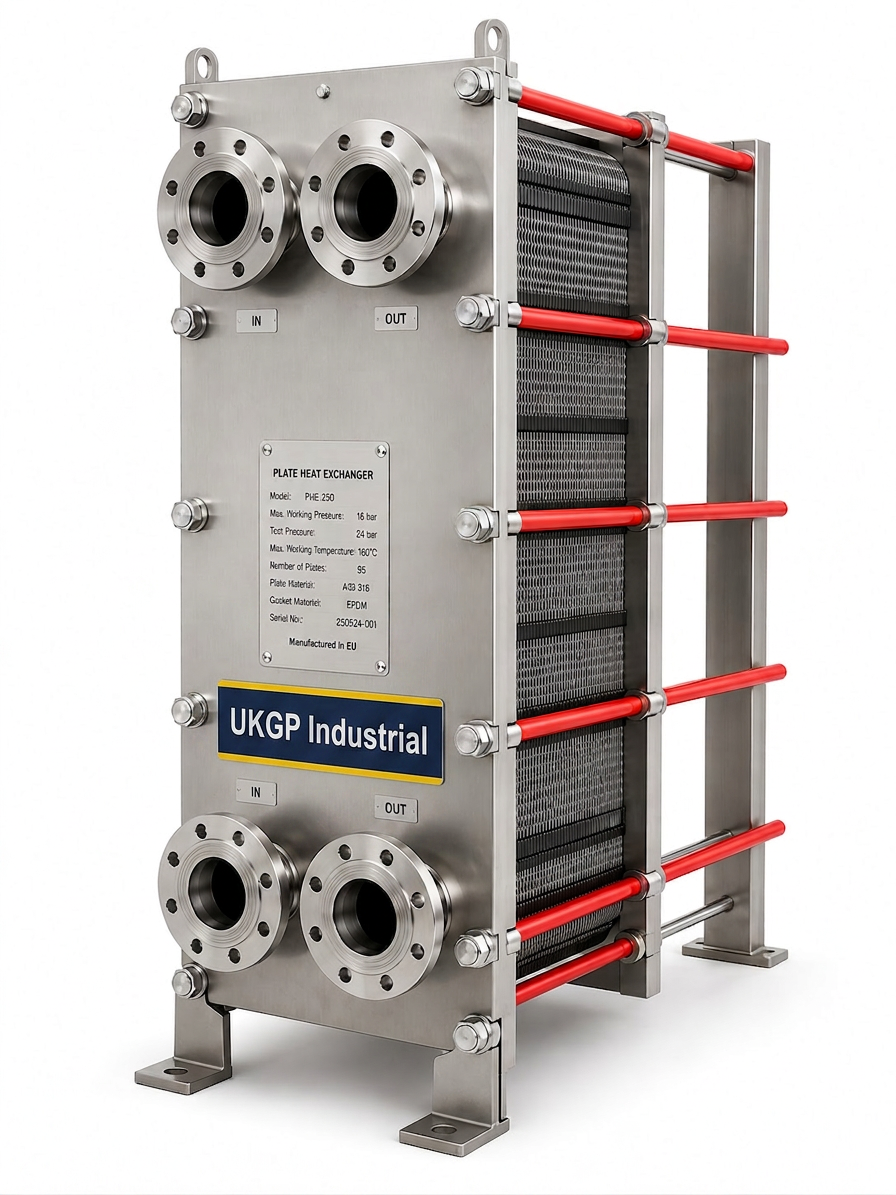
Adhering to BSRIA BG29 (Pre-commission Cleaning of Pipework Systems) and BG50 (Water Treatment for Closed Heating and Cooling Systems) is non-negotiable for modern UK commercial buildings. These standards dictate that the power flushing central heating system cost must be viewed as part of a wider water quality strategy. BG29 specifically targets new installations, ensuring that flux, grease, and installation debris are removed before the system is handed over. If a new build project fails its initial water quality test, the cost of re-flushing can derail the project timeline and lead to liquid damages. Therefore, investing in a high-quality flush initially, documented with clear certification, is a cheaper alternative to the long-term damage caused by poor circulation or the premature failure of expensive plate heat exchangers.
For existing systems, BG50 highlights the importance of ongoing monitoring and maintenance to prevent the buildup of sludge. If a system has been neglected for several years, the power flushing central heating system cost will naturally be higher because the thermal efficiency has likely dropped by 15% or more. High concentrations of suspended solids trap heat and increase the energy required to pump water around the circuit. By spending on a professional power flush, FMs can often see a reduction in fuel bills that offsets the initial expenditure within eighteen months. However, the most savvy engineers use the BG50 framework to justify the installation of side stream filtration, which provides continuous cleaning and significantly reduces the frequency and intensity of required flushes over the system's twenty-year lifespan.
Ultimately, BSRIA standards emphasize that water quality is a continuous requirement rather than a one-off event. When you evaluate the power flushing central heating system cost, you must also consider the cost of potential downtime. A thorough flush requires the system to be offline, which may not be feasible in critical environments like healthcare or data centres. In these scenarios, the high cost of a power flush is compounded by the operational disruption it causes. This is why many leading UK consultants are now specifying BSRIA-compliant side stream filtration units as standard. These units allow for the cleaning of the system water while the plant remains fully operational, providing a proactive solution that maintains water quality without the need for periodic, expensive, and disruptive high-pressure flushing procedures.
- BG29 compliance ensures new systems are free from installation debris.
- BG50 provides the framework for maintaining water chemistry in older loops.
- Continuous monitoring reduces the 'total cost of ownership' for HVAC assets.
- BSRIA-standard water testing validates the effectiveness of any flushing work performed.
Comparing one-off flushing vs Side Stream Filtration
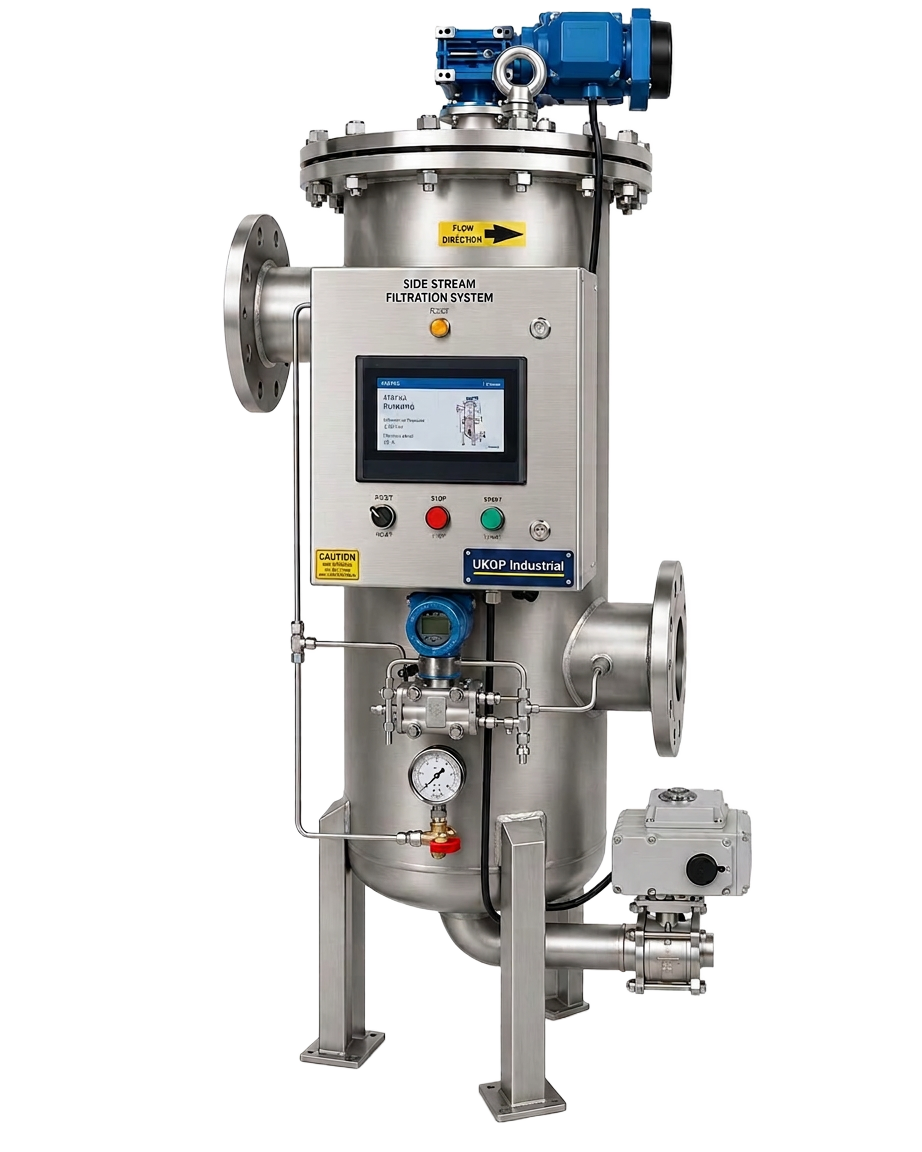
While the immediate power flushing central heating system cost might seem manageable, the long-term financial benefits of side stream filtration are compelling. A UKGP side stream filtration skid, typically starting from £6,800 + VAT for a DN50 unit, offers a permanent solution to magnetite and suspended solids. Unlike a power flush which is a point-in-time intervention, these skids work 24/7 to remove particles down to 5 microns. When you consider that a large commercial power flush could cost £3,000 and may need repeating every three to five years, the capital expenditure for a filtration skid quickly pays for itself. Our units are made to order in our UK facility with a 6-8 week lead time and come with a comprehensive 2-year warranty for peace of mind.
Selecting a side stream filtration unit over a standard power flush also mitigates the risk of system leaks. High-pressure power flushing can sometimes stress weakened joints or pinholed radiators in older systems, leading to secondary repair costs. In contrast, side stream filtration processes approximately 5-15% of the total flow at a time under normal operating pressures, making it a much gentler yet more effective method of cleaning. At UKGP, we manufacture skids from DN50 to DN100 sizes, ensuring we can accommodate everything from local school boiler rooms to massive industrial complexes. By integrating these units into your plant room, you ensure that the power flushing central heating system cost becomes a redundant line item in your future maintenance budgets.
The commercial viability of side stream filtration is further enhanced when you factor in the protection of other high-value components. Modern condensing boilers and plate heat exchangers have very narrow waterways that are easily blocked by the residue left behind if a power flush is not performed perfectly. Investing in a UKGP skid protects these assets from day one. If you are currently facing a high quote for a power flushing central heating system cost, we encourage you to request a quote for a permanent filtration solution. Our team provides technical support for Surrey and London-based projects, helping you specify the correct flow rates and vessel sizes to ensure your closed-loop system remains efficient for decades to come.
- Side stream filtration removes particles down to 5 microns continuously.
- Reduces the risk of pressure-related leaks associated with high-velocity flushing.
- Significant ROI compared to repeated reactive maintenance visits.
- Standard units available in DN50, DN65, DN80, and DN100 sizes.
Calculating the ROI of improved water quality
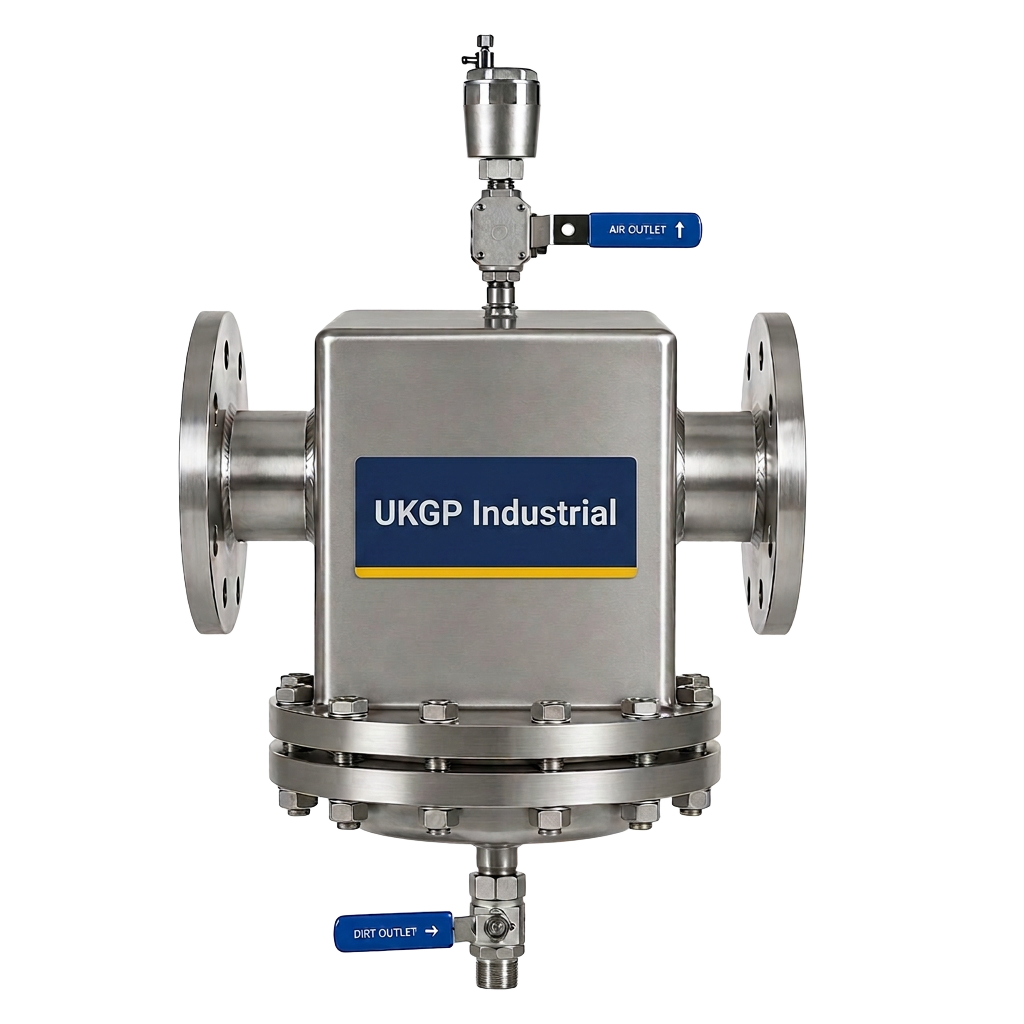
To truly understand the power flushing central heating system cost, one must look at the overall energy efficiency of the building. Magnetite is non-conductive and acts as an insulator when it settles on heat transfer surfaces. Even a 1mm layer of sludge can increase fuel consumption by over 5%, as the boiler must work harder to achieve the same set point in the living or working space. For a large site with a £50,000 annual gas bill, that 5% inefficiency costs £2,500 every single year. When added to the periodic power flushing central heating system cost, the argument for permanent filtration and air/dirt separation becomes purely financial. Effective water treatment isn't just a maintenance task; it is an energy-saving strategy that aligns with corporate Net Zero targets.
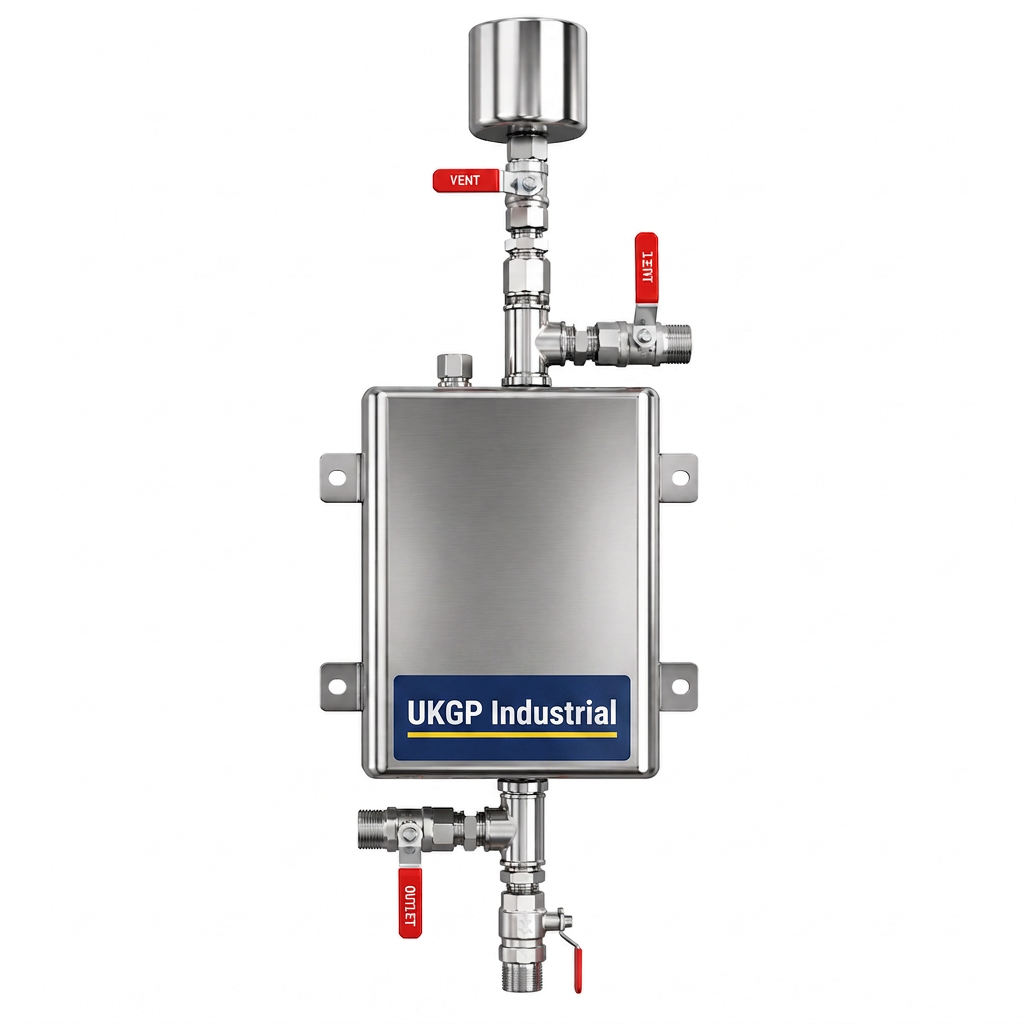
Furthermore, the cost of pump failure is a significant factor in the ROI calculation. Debris in the system water acts as an abrasive, wearing down pump impellers and seals. Replacing a large commercial circulator can cost thousands in parts and labour, potentially exceeding the original power flushing central heating system cost if the failure occurs during peak winter demand. By maintaining clean, debris-free water through proper filtration and the use of chemical dosing pots for inhibitor top-ups, these emergency expenditures can be avoided. Providing a stable environment for the system's mechanical components extends their service life, deferring the multi-million pound capital cost of a full plant room refurbishment.
Finally, the insurance and compliance aspect cannot be ignored. Many commercial insurers now require evidence of a robust maintenance regime as part of their risk assessment. Demonstrating that you have invested in technology to maintain water quality—rather than just paying the power flushing central heating system cost when things go wrong—can lead to more favourable premiums. It shows a commitment to proactive asset management and reduces the likelihood of catastrophic failure or 'loss of heat' claims. Our UKGP specialists can provide the technical documentation and certificates of manufacture needed to prove your system is equipped with the best possible protection, from our bespoke bellows to our high-efficiency air and dirt separators.
- Energy savings of 5-10% through improved heat transfer efficiency.
- Reduced wear and tear on expensive circulating pumps and valves.
- Lower insurance premiums through demonstrated proactive maintenance.
- Protection of multi-million pound central plant assets.
Technical considerations for M&E contractors
For M&E contractors, presenting the power flushing central heating system cost to a client requires a technical justification. Contractors must explain the difference between a 'drain and refill' and a 'dynamic power flush'. A dynamic flush involves high-velocity water movement to dislodge heavy deposits, which is why it commands a premium price. If a consultant specifies a power flush, they are expecting the system to be brought back to a standard where BS 8552 water testing returns results within acceptable parameters. It is the contractor's responsibility to ensure the equipment used—including the pump and the magnetic filters—is capable of handling the flow rates required for the specific pipe diameters of the site.
When designing a system, engineers often include chemical dosing pots and air/dirt separators to help manage the water quality. These components, while small, play a huge role in the ongoing power flushing central heating system cost. A dosing pot allows for the easy introduction of inhibitors and biocides without needing to drain the system, while an air and dirt separator removes microbubbles and larger particles before they can settle. At UKGP, we supply these items with short lead times so that contractors can complete their plant room installs on schedule. Integrating these components during a refurbishment is often the most cost-effective way to ensure that a power flush is only a once-in-a-decade requirement rather than an annual headache.
We also recommend that contractors look at the material of the pipework before quoting the power flushing central heating system cost. Older galvanized steel or cast iron radiators require different chemical concentrations compared to modern thin-walled copper or plastic systems. Using the wrong chemical agent can lead to accelerated corrosion or damage to viton seals in modern valves. Our technical team at UKGP is always available to discuss system compatibility for any of our filtration skids or accessories. If you are quoting for a large project in the Surrey or London area, we can provide bespoke pricing for a complete water quality package that includes everything from the side stream skid to the final expansion bellows.
- Ensure flushing pumps are sized correctly for commercial pipe diameters.
- Select chemical inhibitors compatible with all system metallurgy.
- Consider the installation of dosing pots to facilitate easy maintenance.
- Incorporate air and dirt separators to remove gases and debris at the source.
Conclusion: Choosing the right path for your plant room
In conclusion, while the power flushing central heating system cost is a necessary consideration for reactive repairs, the industry is moving toward permanent, proactive solutions. For any facility manager or building owner, the goal should be to stabilize the internal environment of the heating loop to the point where aggressive flushing is no longer required. This not only saves money on recurring contractor fees but also protects the heavy investment made in boilers, pumps, and heat exchangers. By understanding the variables that influence flushing costs—from labour to chemical disposal—you can make a more informed decision about whether a one-off clean or a UKGP side stream filtration skid is the better long-term investment.
If you are currently evaluating your maintenance schedule, consider reaching out to the team at UKGP. Our side stream filtration skids (DN50 to DN100) are engineered specifically for the UK market and represent an excellent alternative to high recurring power flushing central heating system cost outlays. Starting from £6,800 + VAT, these units are made to order with a 6-8 week lead time and are backed by our 2-year warranty. We take pride in our Surrey manufacturing roots and our ability to support UK contractors with high-quality, reliable plant room equipment that meets the most stringent CIBSE and BSRIA guidelines.
Don't wait for your system efficiency to drop or for a critical component to fail. Investing in the right water treatment and filtration strategy today will yield dividends in lower energy bills, reduced repair costs, and long-term peace of mind. Whether you need a dosing pot to maintain chemical levels or a full side stream skid to clear years of accumulated magnetite, UKGP is your partner in industrial heating maintenance. Contact our technical sales team for a bespoke quote and let us help you move beyond the cycle of high power flushing central heating system cost and into a future of sustained system performance.
- Prioritize permanent filtration to eliminate recurring flushing expenses.
- Always refer to BSRIA BG50 for best practice in water maintenance.
- Contact UKGP for technical advice on DN50-DN100 filtration skids.
- Request a quote today to secure your 2-year product warranty.
Frequently asked questions
What is the average power flushing central heating system cost for a commercial office?
- For a medium-sized UK office (approx. 20-30 radiators), expect costs between £1,500 and £3,000 + VAT, depending on the severity of the sludge and the ease of access to the plant room.
How often should a commercial power flush be performed?
- Without continuous filtration, BSRIA suggests a major flush may be needed every 5 years. However, with a side stream filtration skid, a full flush may never be required again.
Does the power flushing central heating system cost include chemicals?
- Usually, yes. Most reputable contractors include the cost of the cleaning agent and the final inhibitor in their quote, but always verify this to avoid hidden extras.
Why is side stream filtration preferred over power flushing?
- Side stream filtration is a 'live' process that cleans water without system downtime, whereas power flushing is reactive, requires the system to be offline, and can be more physically stressful on aged pipework.
What is the lead time for a UKGP filtration skid?
- Our side stream filtration skids are made to order in our UK factory with a typical lead time of 6 to 8 weeks, ensuring you receive a unit built to your specific project requirements.