Breaking Down the Power Flushing Central Heating Cost
When estimating a power flushing central heating cost for a large-scale commercial building, procurement leads must account for more than just the engineer's labour hours. In a UK commercial setting, the complexity of the pipework and the volume of the system significantly influence the total invoice. For a typical multi-storey office or residential block, the cost includes high-velocity pump hire, specialist chemicals designed to mobilise magnetite, and the disposal fees for contaminated wastewater. Unlike domestic jobs, commercial flushing involves managing high pressure and ensuring that every branch of the circuit is treated individually to remove stubborn sludge and debris that has accumulated over several years of operation.
The standard power flushing central heating cost is also dictated by the necessity of compliance with industry best practices such as BSRIA BG29 and BG50. If the system has been neglected, a basic flush may not be sufficient, leading to increased costs for chemical stripping agents and extended site presence. Contractors must also factor in the risk of leaks; as accumulated corrosion products are removed, pinhole leaks in older radiators or expansion bellows may be revealed. This means the initial quote for power flushing central heating cost rarely covers the potential remedial works required to bring the system back to full operational integrity after the deep clean is completed.
Furthermore, the logistical challenges of a commercial site can drive the power flushing central heating cost higher. Most large plant rooms require temporary bypasses or specific isolation procedures to ensure the flushing equipment can circulate effectively through all zones. If the building must remain occupied during the process, phased flushing is required, which extends the project timeline and increases the overheads. It is essential for facility managers to request a detailed site survey to ensure the quoted power flushing central heating cost is fixed and realistic, preventing budget overruns mid-project while ensuring the heating system is restored to its peak thermal efficiency as per professional standards.
- Labour and specialist equipment hire for large-scale hydronic circuits.
- Chemical costs for magnetite mobilisation and neutralisation.
- Wastewater disposal and compliance with water authority regulations.
- Potential for follow-up repairs to pipework revealed by the flush.
Side Stream Filtration: Reducing the Need for Repetitive Flushing
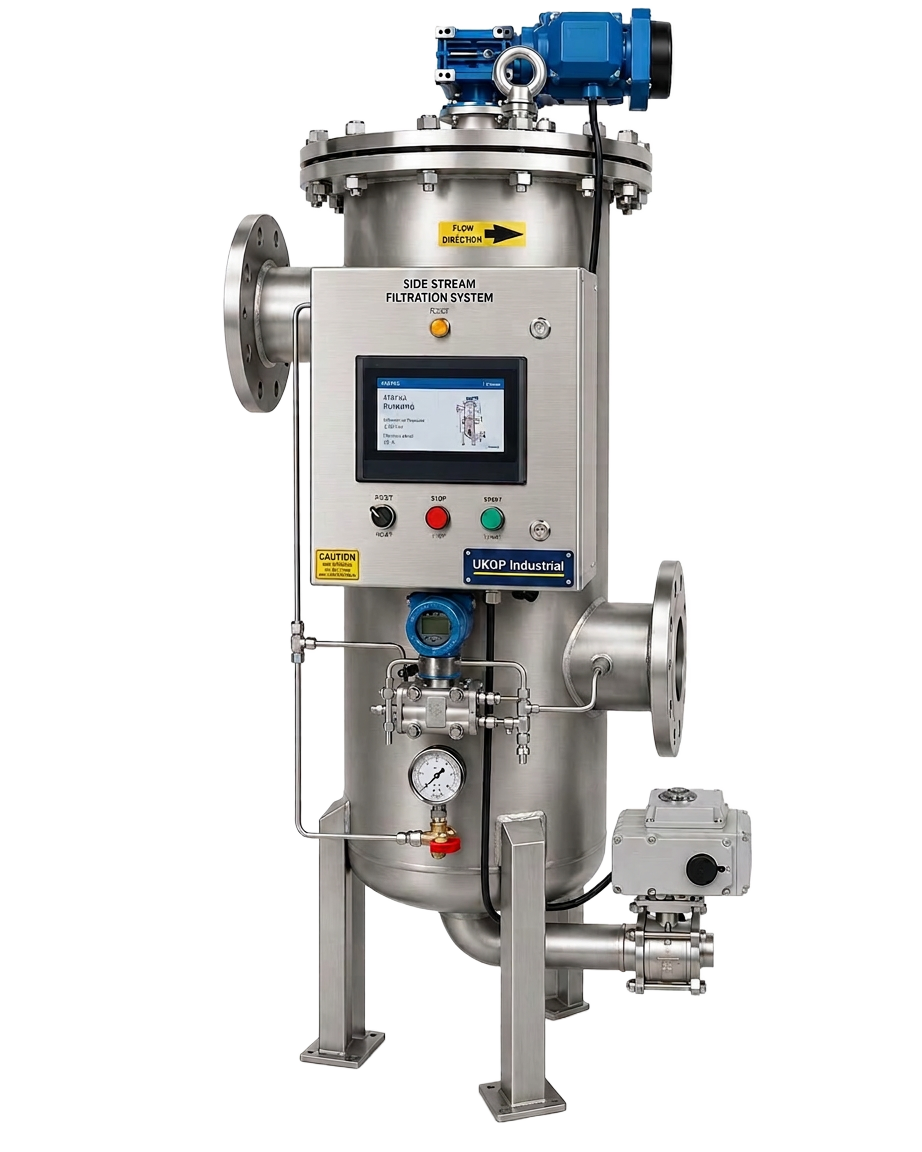
While a one-off power flushing central heating cost might improve immediate performance, it does not prevent the re-accumulation of magnetite. This is where advanced side stream filtration enters the equation. By installing a high-quality UKGP side stream filtration skid, you transition from reactive maintenance to a proactive strategy that keeps the water chemistry within BSRIA BG50 parameters. These skids continuously treat a percentage of the circulating water, capturing particles down to 25 microns and magnetic sludge that even a heavy power flush might miss. Over a five-year lifecycle, the investment in filtration often proves significantly lower than the recurring power flushing central heating cost.
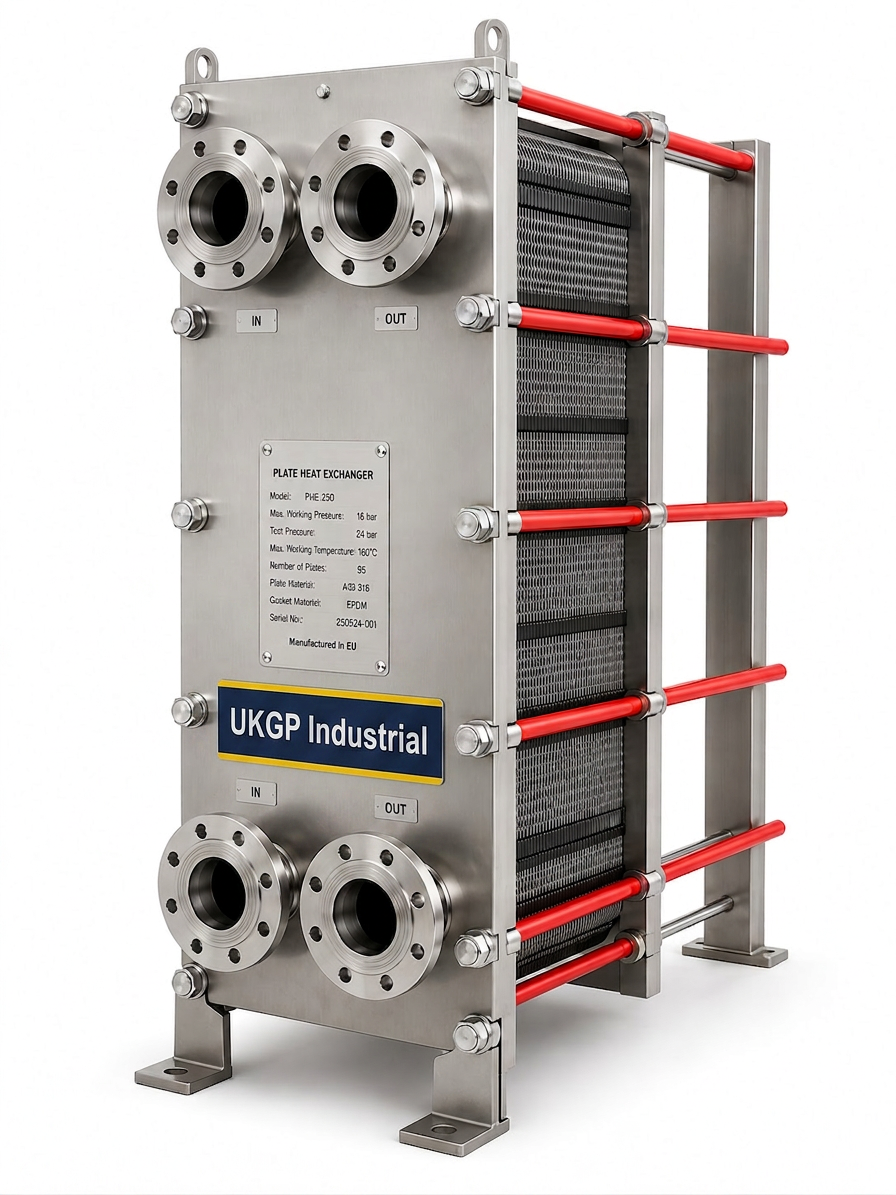
Our UKGP side stream filtration skids are designed specifically for the rigorous demands of UK commercial plant rooms. Capable of handling flow rates from 5 to 50 m³/h, these units feature a dual-action mechanism: a powerful magnetic core to arrest metallic corrosion products and a high-capacity bag or cartridge filter for non-magnetic debris. By continuously polishing the water, you maintain the thermal efficiency of your plate heat exchangers and protect sensitive control valves. This eliminates the catastrophic buildup of sludge, ensuring that the heavy capital expenditure associated with a high power flushing central heating cost is a rare occurrence rather than a biannual necessity for FM teams.
Implementing a UKGP skid-mounted solution provides immediate Peace of mind. Each unit arrives pre-assembled with isolation valves, making it easy for M&E contractors to install during scheduled maintenance windows. With a 2-year warranty and a design aligned perfectly with BSRIA BG29/BG50 guidelines, this is the professional choice for maintaining closed-loop systems. Rather than paying a recurring power flushing central heating cost every few years, a single investment in a filtration skid ensures your system remains clean from day one, extending the life of your commercial boilers and reducing the frequency of component failures across the entire secondary circuit.
- Continuous removal of magnetite and 25-micron non-magnetic particles.
- Full alignment with BSRIA BG50 guidelines for water quality management.
- Available in 5-50 m³/h capacities for small to large commercial systems.
- Supplied with a 2-year warranty and integrated isolation valves for easy maintenance.
Impact of System Debris on Commercial Boiler Longevity
The presence of magnetite is the leading cause of premature failure in leading commercial boiler manufacturers' heat exchangers. When sludge settles in the narrow waterways of a modern high-efficiency boiler, it creates hot spots and thermal stress. This can lead to the heat exchanger cracking, which is a far more expensive issue than the initial power flushing central heating cost. By maintaining high water quality through filtration and chemical dosing, you ensure that the manufacturer's warranty remains valid. Many insurers and major UK commercial boiler OEMs now mandate specific water quality standards as a condition of their technical support and warranty cover.
Beyond the heat exchanger, debris impacts the functionality of circulate pumps and sensors. Magnetite is abrasive and can wear down pump impellers and seals, leading to leaks and mechanical failure. Even a minor amount of sediment can foul a pH sensor or temperature transmitter, leading to inaccurate readings and inefficient system operation. By investing in preventative measures, you avoid the secondary costs associated with downtime and emergency call-outs. When you compare the total cost of ownership, the power flushing central heating cost plus the cost of replaced pumps and valves regularly exceeds the cost of a permanent side stream filtration installation.
CIBSE and BSRIA both emphasise that cleanliness is key to energy efficiency. A system choked with debris requires more pump energy to circulate water and higher flame temperatures to achieve the required heat transfer. In an era of high energy prices and carbon reduction targets, maintaining a clean system is a commercial imperative. The minor increment in capital expenditure for a filtration skid is quickly recouped through lower utility bills and the avoidance of the periodic power flushing central heating cost. Ensuring your plant room is equipped with the right separators and filters is the most reliable way to sustain building performance over its design life.
- Reduces thermal stress and avoids cracking in commercial heat exchangers.
- Prevents abrasive wear and tear on circulating pump impellers.
- Maintains the accuracy of pH sensors and system transmitters.
- Lowers energy consumption by optimising heat transfer efficiency.
Maintaining Proper Expansion and Air Separation
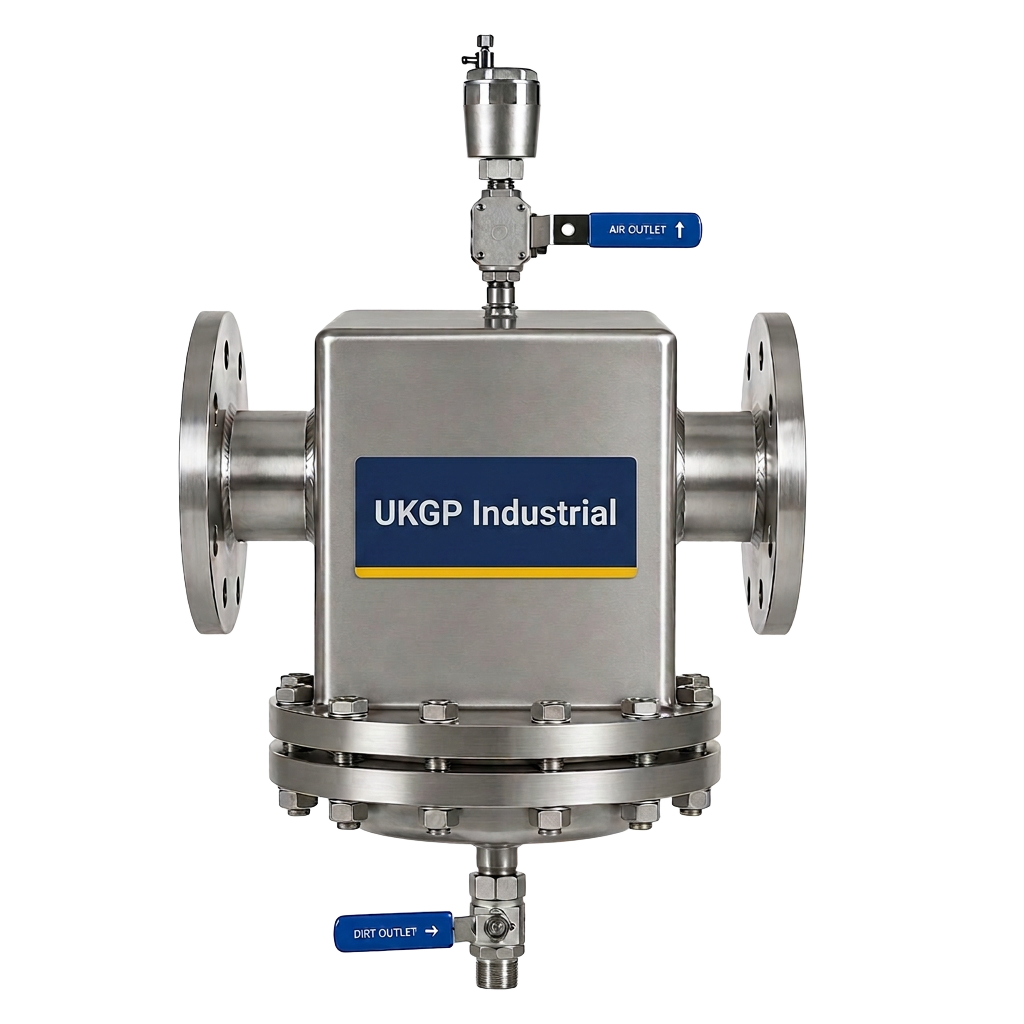
Water quality is inextricably linked to pressure management and air removal. Entrained air in a central heating system promotes corrosion, leading to the very magnetite buildup that necessitates an expensive power flushing central heating cost. By using high-efficiency air and dirt separators alongside your filtration skid, you remove the oxygen that fuels the corrosion process. Furthermore, if the system pressure is not correctly maintained by expansion bellows or pressure vessels, the ingress of fresh, oxygenated water through leaks or makeup valves will accelerate the degradation of the internal pipe surfaces, rendering any previous flush redundant within months.
UKGP expansion bellows are engineered to BS EN 14917 standards to ensure that thermal expansion does not lead to mechanical fatigue in your pipework. When expansion is unmanaged, the frequent cycling of pressure can dislodge existing scale, leading to blockages in sensitive components like low loss headers or control valves. If you are currently seeing high TSS (Total Suspended Solids) in your water samples, it is a clear indicator that the system internals are deteriorating. Addressing the root cause—such as poor air separation or inadequate expansion control—is the only way to permanently lower your long-term power flushing central heating cost and maintain system stability.
For procurement leads, the goal should be a holistic plant room solution. Coupling a side stream filtration skid with robust air and dirt separation creates a closed-loop environment where corrosion is virtually eliminated. This approach meets the stringent requirements of BS 8552 for water sampling and ensures that the system water remains clear and non-aggressive. When the water chemistry is stable, the power flushing central heating cost effectively drops to zero for the remainder of the equipment's lifespan. We recommend a full audit of your air and expansion equipment whenever you are considering a major system clean to ensure the underlying issues are resolved.
- Prevents oxygen ingress which is the primary driver of internal corrosion.
- Reduces the load on filtration by minimising the formation of new debris.
- Expansion bellows manufactured to BS EN 14917 for long-term reliability.
- Ensures compliance with BS 8552 water sampling standards.
The Role of Chemical Dosing in Water Treatment
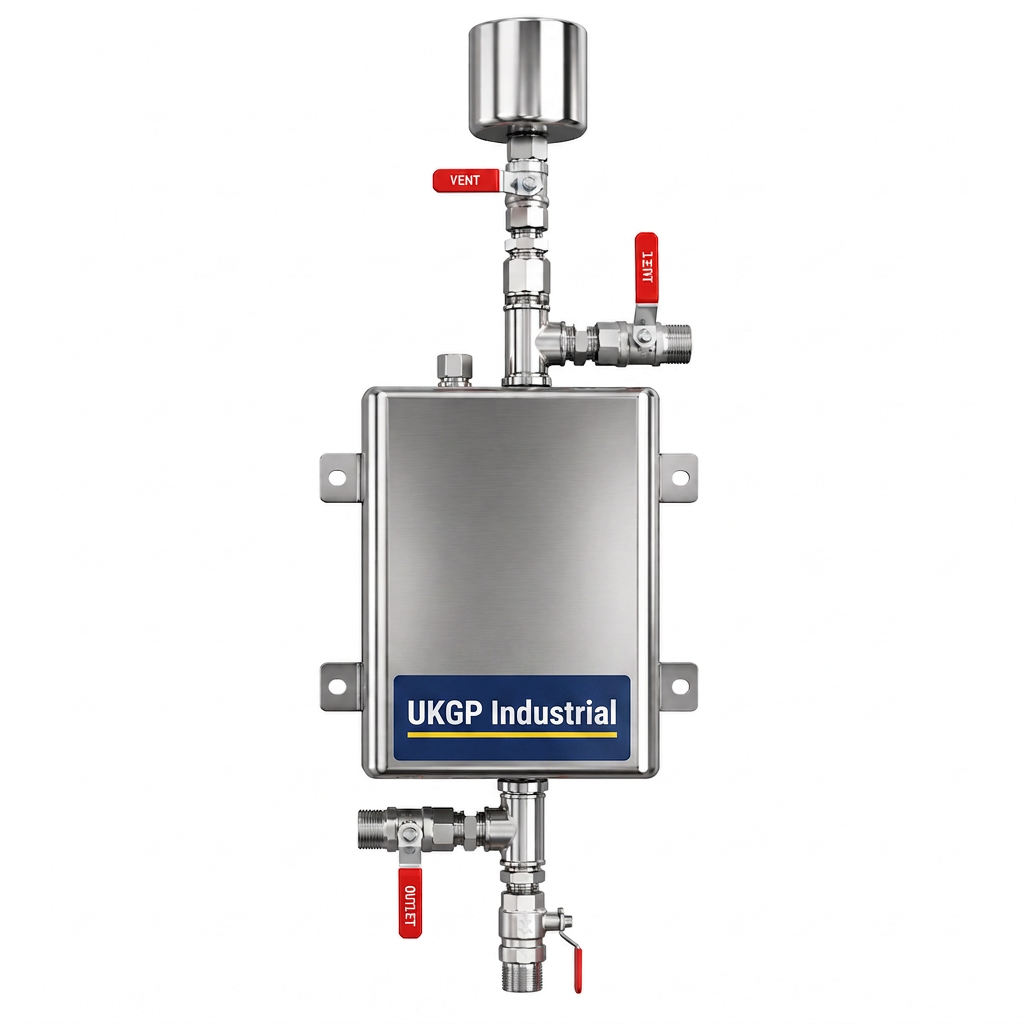
Chemical dosing is the third pillar of commercial water treatment, alongside filtration and mechanical separation. Without the correct inhibitor levels, even the most expensive power flushing central heating cost will only provide temporary relief. Using a professional-grade dosing pot allows engineers to introduce corrosion inhibitors and biocides safely into the system. These chemicals form a protective film on the internal surfaces of the pipework, preventing the oxidation that creates magnetite. Monitoring these levels is a requirement of BSRIA BG50, and failure to do so can lead to rapid system fouling and the need for another costly intervention.
In modern systems, maintaining the correct pH balance is critical, particularly when aluminium components are present in the boiler's heat exchanger. Regular testing of the system water, as outlined in BS 8552, will identify if the chemical balance has shifted. If the inhibitor levels drop, the rate of corrosion increases exponentially, leading to a spike in the power flushing central heating cost for the next maintenance cycle. By integrating a dosing pot with a UKGP side stream filtration skid, you create a self-sustaining system that requires minimal intervention from onsite facilities staff while providing maximum protection for the building's assets.
Ultimately, the cost of the chemicals is a fraction of the cost of a full system flush or a boiler replacement. When budgeting for your annual maintenance, prioritize the consistent application of water treatment chemicals. This investment works in tandem with our 25-micron filtration skids to ensure that any microscopic particles produced are captured before they can settle. By following this proactive regimen, the initial power flushing central heating cost becomes a legacy expense from the commissioning phase rather than a recurring burden on the operational budget. Trusting in British-engineered UKGP products ensures your plant room meets the highest technical standards.
- Protective inhibitors prevent the formation of sludge at the molecular level.
- Dosing pots enable safe and easy introduction of water treatment chemicals.
- Maintains pH levels to protect sensitive aluminium heat exchangers.
- Vital component of the BSRIA BG50 water quality management strategy.
Cost-Benefit Analysis: Flush vs. Filtration
When presenting a business case to a board or procurement department, it is helpful to contrast the life-cycle costs of reactive and proactive maintenance. A single commercial power flushing central heating cost can range from a few thousand to tens of thousands of pounds depending on the system size. This is a purely 'sunk' cost that provides one-time cleaning. In contrast, the installation of a UKGP side stream filtration skid is a capital improvement that adds value to the building by significantly extending the MTBF (Mean Time Between Failure) of all hydronic components, providing a much higher return on investment per pound spent.
Furthermore, a system that is kept clean via continuous filtration operates at higher efficiency, leading to measurable energy savings. Debris buildup on heat transfer surfaces acts as an insulator, forcing the heating plant to work harder to achieve the setpoint. By avoiding the accumulation of this insulating layer, the filtration system pays for itself through reduced fuel consumption. This energy efficiency gain, combined with the avoidance of the recurring power flushing central heating cost, makes the side stream filtration skid the most financially prudent choice for any modern commercial facility or district heating network.
In conclusion, while the initial price tag of a UKGP side stream filtration skid (available in 5-50 m³/h units with magnetic and 25 µm bag/cartridge options) may be higher than a single flush, its long-term benefits are undeniable. With a 2-year warranty and alignment with BSRIA standards, it provides the structural reliability needed for critical infrastructure. For a bespoke quote on how our filtration solutions can help you eliminate your recurring power flushing central heating cost, contact the UKGP technical team today. We provide skid-mounted solutions that are ready for immediate deployment in your next plant room upgrade or remedial project.
- Filtration provides a permanent solution compared to a temporary flush.
- Energy savings from cleaner heat transfer surfaces reduce utility bills.
- Lower total cost of ownership by extending the life of all plant assets.
- Directly addresses the requirements of modern commercial boiler warranties.
Frequently asked questions
What is the typical power flushing central heating cost for a commercial building?
- Commercial costs vary based on system volume and complexity but generally range from £2,000 for small units to over £15,000 for large-scale industrial or residential blocks, including labour, chemicals, and equipment.
Is a power flush better than installing a side stream filter?
- A power flush is a reactive deep-clean, whereas a side stream filter is a proactive, continuous solution. For long-term protection and to avoid a recurring power flushing central heating cost, BSRIA BG50 recommends side stream filtration.
How often should a commercial system be power flushed?
- If a system is managed with high-quality side stream filtration and chemical dosing, it may never need a power flush. Without these, a flush may be required every 3-5 years if water quality deviates from BSRIA standards.
Can a side stream filter be installed while the system is running?
- Yes, UKGP side stream filtration skids are designed to be installed in parallel with the main flow, allowing for installation and maintenance without a full system shutdown, saving on operational downtime.
Do I need a power flush for a new boiler installation?
- BSRIA BG29 requires new systems to be flushed and cleaned before commissioning. Integrating a side stream filter at this stage protects your new investment and prevents the initial power flushing central heating cost from recurring later.