The Technical Need for Power Flushing A Radiator
In a commercial environment, the build-up of black iron oxide, commonly known as magnetite, is the primary cause of poor system performance. When maintenance teams consider power flushing a radiator, they are essentially tackling the source of cold spots and reduced thermal output that plague larger hydronic circuits. Over time, these metallic particulates settle in low-flow areas of the emitter, insulating the water from the metal surface and forcing circulating pumps to work harder. This result is not just a comfort issue but a significant energy efficiency drain that can increase operational costs by up to fifteen percent if not addressed via standardized cleaning protocols.
Engineering consultants specify power flushing a radiator as a corrective measure to restore heat distribution without the need for full system drainage or disruptive capital replacement. The process involves using high-flow, low-pressure pumping units that reverse the flow direction to dislodge stagnant sludge. For M&E contractors, this is a critical preventative maintenance step that prevents downstream damage to control valves and internal plate heat exchangers. By adhering to the chemical cleaning standards defined in BSRIA BG29, plant room engineers can ensure that the water chemistry is returned to a neutral, non-corrosive state, thereby protecting the lifecycle of the entire commercial heating plant.
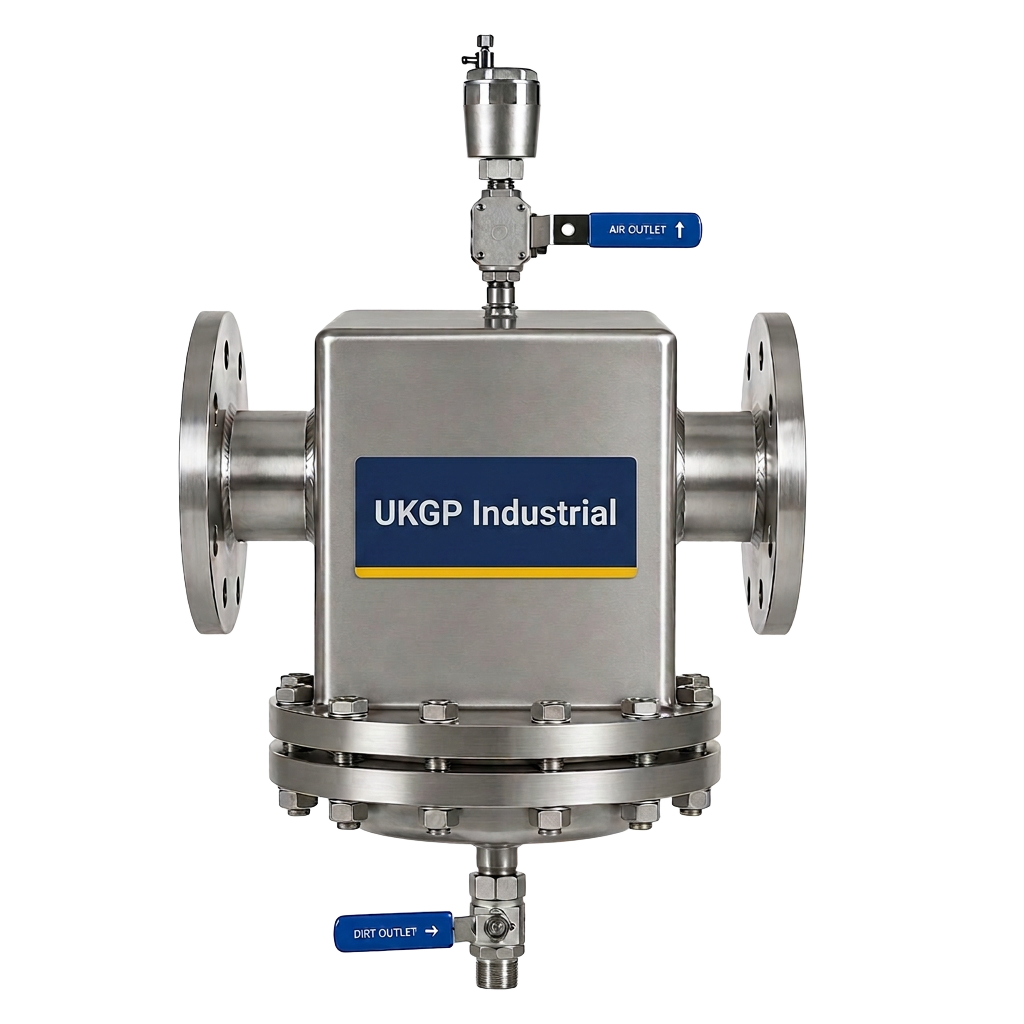
While individual radiator cleaning is effective for local issues, a systemic approach is vital for large-bore pipework. Power flushing a radiator should be viewed as part of a wider water quality management strategy that includes chemical dosing and continuous filtration. Without these interventions, the debris released during a flush can migrate to more sensitive components, such as boiler heat cells or intricate balancing valves. Procurement leads often prioritise contractors who use professional-grade flushing equipment capable of dealing with the high volumes associated with commercial office blocks or healthcare facilities, ensuring the work is conducted with minimal downtime and maximum debris recovery.
- Elimination of internal cold spots and air pockets
- Reduction in system pump strain and energy consumption
- Restoration of design-stage thermal conductivity
- Removal of magnetite and non-magnetic haematite
BSRIA BG50 Compliance and Power Flushing
Maintenance in the UK commercial sector is governed by rigorous standards, and power flushing a radiator must align with BSRIA BG50: Water Treatment for Closed Heating and Cooling Systems. This document emphasizes that while reactive flushing is necessary, the goal is long-term preventative care. Engineers must ensure that the flushing process does not introduce excessive oxygen or fresh water without the subsequent addition of inhibitors. Neglecting this part of the process during power flushing a radiator can lead to flash rusting, where the newly cleaned internal metal surfaces are immediately attacked by dissolved oxygen, leading to even worse sedimentation issues within months of the maintenance visit.
Furthermore, British Standard BS 8552 provides guidance on sampling and monitoring when power flushing a radiator in a professional setting. Taking pre-flush and post-flush water samples allows the facility manager to verify that the Total Suspended Solids (TSS) have been reduced to acceptable levels. This data is often required by insurance providers and major UK commercial boiler OEMs to validate warranty claims. Using a high-velocity flushing rig ensures that the shear forces required to lift heavy sludge are achieved, particularly in larger radiators found in heritage buildings or secondary school halls where traditional gravity-fed systems often fail to clear effectively.
Procurement teams should also consider the impact of pH levels during the flushing procedure. If the cleaning chemicals used during power flushing a radiator are not properly neutralised, they can lead to the corrosion of aluminium components or the degradation of EPDM seals in expansion bellows. This is why professional M&E contractors insist on using calibrated pH sensors and transmitters to monitor the effluent during the cleaning cycle. Ensuring that the system is flushed until the water is clear and the pH is within the target range (typically 7.0 to 8.5 for mixed-metal systems) is the hallmark of a high-quality maintenance job that protects the long-term integrity of the building assets.
- Alignment with BSRIA BG29 Pre-commission Cleaning
- Adherence to BSRIA BG50 Ongoing Maintenance standards
- Verification through BS 8552 water sampling techniques
- Protection of multi-metal systems including aluminium and copper
Preventing Recurrence with Side Stream Filtration
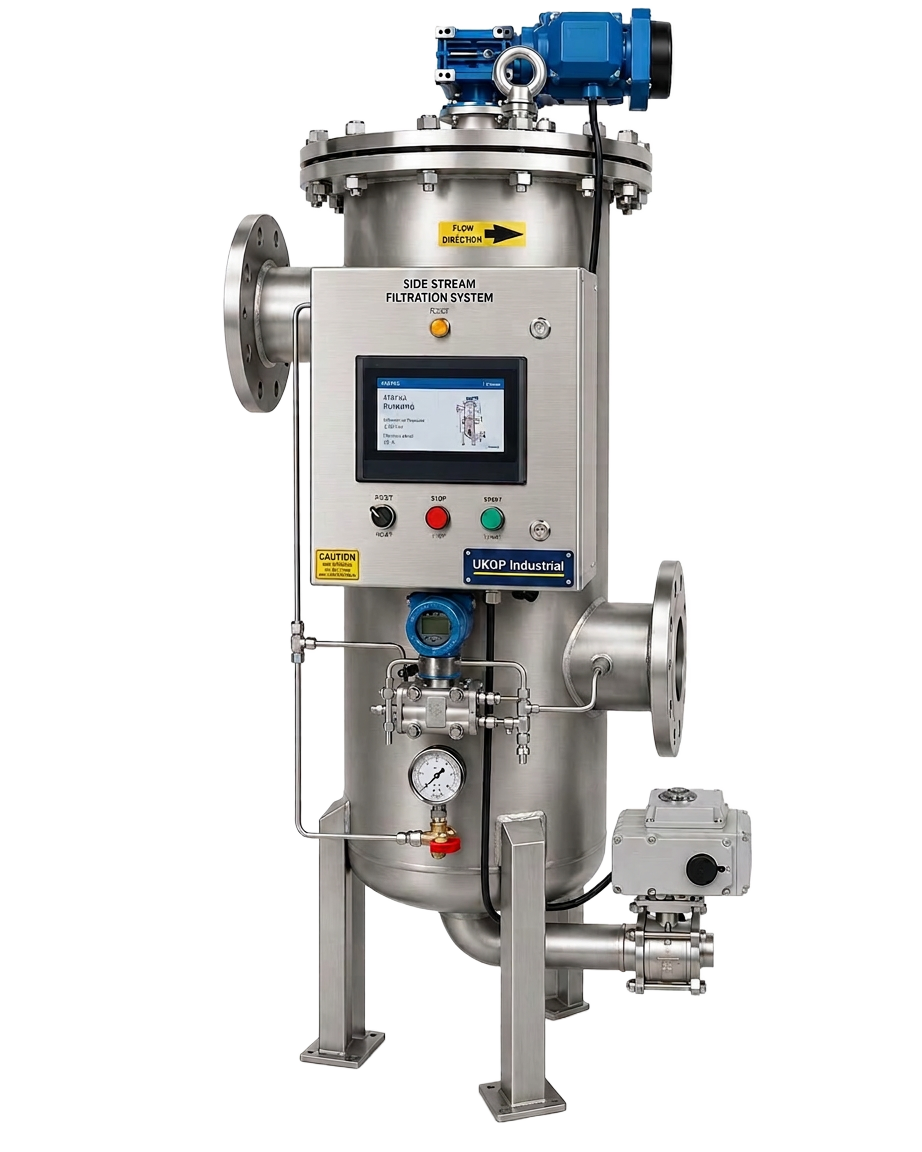
Even after successfully power flushing a radiator, microscopic particles will continue to shed from the internal pipework surfaces due to constant thermal expansion and contraction. Relying solely on periodic flushing is a reactive and costly strategy. The most effective way to maintain the clarity achieved after power flushing a radiator is the installation of a high-performance side stream filtration unit. These units constantly treat a portion of the circulating water, typically 5% to 15%, removing both magnetic and non-magnetic debris that a standard flush might miss. This proactive approach ensures that the system remains at peak efficiency year-round, preventing the need for emergency call-outs.
UKGP Industrial provides a robust side stream filtration skid that is specifically designed to handle the demands of commercial heating and chilled water systems. Capable of processing 5-50 m³/h, these skids feature a high-intensity magnetic core and a 25 µm bag or cartridge filter. When integrated following a session of power flushing a radiator, this equipment captures the fine silt that often settles back into the emitters if the system is left unmanaged. This BSRIA BG29/BG50 aligned filtration is skid-mounted for easy installation and features isolation valves for tool-free maintenance, ensuring that the water quality remains high without requiring manual intervention from the engineering team.
Investing in this technology offers a significant return on investment by extending the lifespan of the plant. A system that has undergone power flushing a radiator followed by the installation of a UKGP side stream filtration skid will experience fewer valve failures and improved heat transfer in plate heat exchangers. Our units come with a 2-year warranty, reflecting our confidence in their ability to protect your commercial infrastructure. For facilities management leads, this represents a shift from reactive 'firefighting' to a managed, data-driven maintenance regime that satisfies both environmental goals and budgetary constraints through reduced gas consumption and lower maintenance overheads.
- Flow rates from 5 to 50 m³/h for various system sizes
- Dual-action magnetic and 25 µm bag/cartridge filtration
- BSRIA BG29/BG50 aligned for regulatory compliance
- Minimal pressure drop across the skid-mounted assembly
Impact of Magnetic Sludge on Commercial Components
Magnetite is highly abrasive and its presence within a system after power flushing a radiator can still pose risks to moving parts. In particular, the delicate rotors of modern high-efficiency circulator pumps use permanent magnets that attract iron oxide particles, leading to premature bearing failure and seizing. When engineers perform power flushing a radiator, they are essentially trying to clean the 'bloodstream' of the building to prevent these catastrophic failures. Without a clean system, even the most expensive pumps from leading UK commercial boiler manufacturers will fail well before their designed service life, leading to unplanned capital expenditure and disruption to building tenants.
The impact also extends to control infrastructure such as 2-port and 3-port motorized valves. Sludge that is not removed during the process of power flushing a radiator can settle in the valve seats, preventing them from closing fully. This results in 'passing' valves, which bypass the thermal demands and lead to overheating in certain zones and energy waste. By clearing the emitters through power flushing a radiator, and then installing a magnetic separator, these control sequences can operate with the precision intended by the original system designers. This ensures that the building management system (BMS) can accurately modulate temperatures based on occupancy and ambient weather conditions.
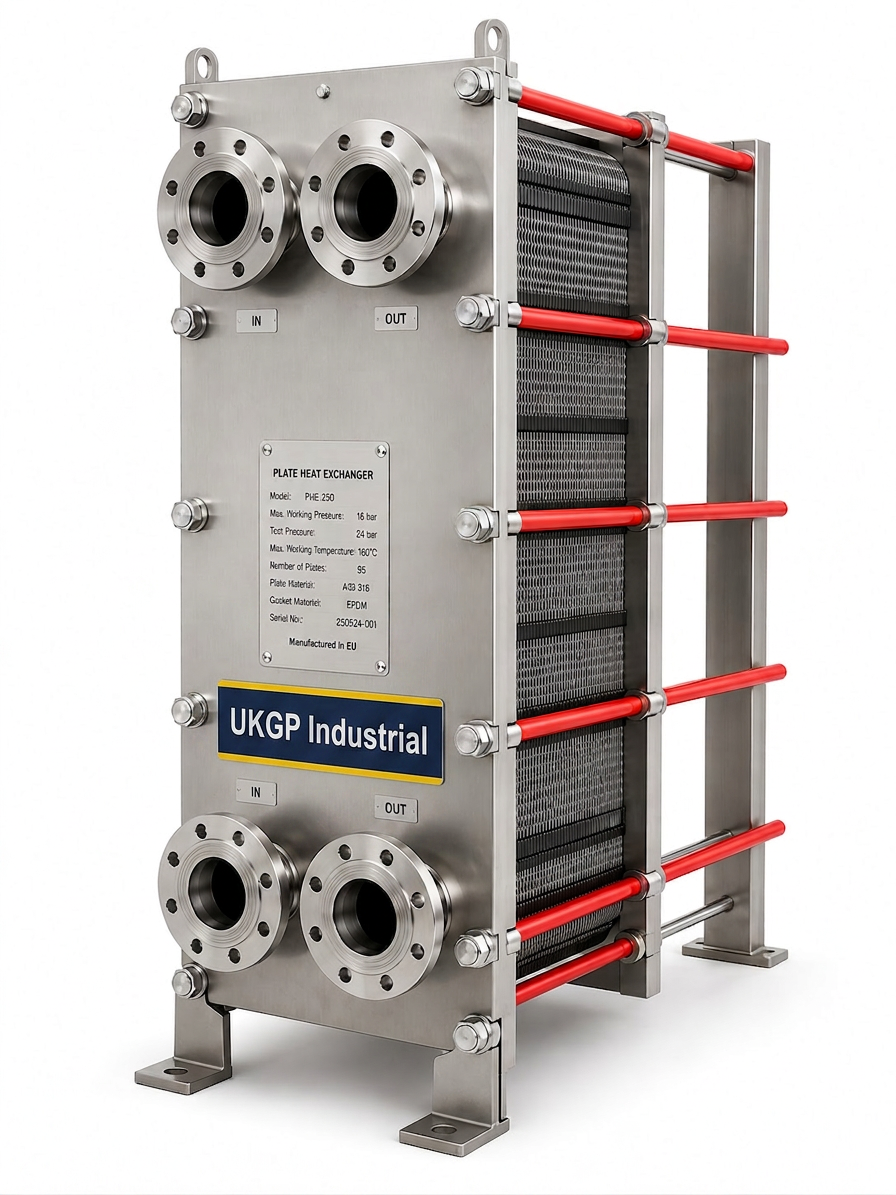
Finally, heat exchangers—especially those with narrow channels—are highly susceptible to clogging. A single radiator that has not been flushed can release enough debris to significantly foul a primary plate heat exchanger. When power flushing a radiator is combined with a thorough chemical clean, the heat transfer efficiency is preserved across the interface between the primary boiler circuit and the secondary heating circuit. This is particularly important in district heating or large commercial systems where heat delivery must be precisely metered and maintained. Ensuring the system is free of particulates is the only way to guarantee that these high-efficiency components perform as rated by the manufacturer.
- Reduces abrasive wear on high-efficiency pump rotors
- Prevents blockage in narrow plate heat exchanger channels
- Ensures precision control for BMS and modulating valves
- Minimises the risk of 'passing' valves in zoned circuits
Logistical Considerations for FM Professionals
Planning for power flushing a radiator in an occupied commercial space requires careful logistical management. Unlike domestic jobs, commercial flushing may involve hundreds of emitters across multiple floors. To minimize disruption, it is often best to schedule these works during the summer months when the heating demand is lowest. However, because power flushing a radiator typically involves higher flow rates than the system's normal operation, engineers must be cautious not to stress old joints or expansion bellows. It is advisable to inspect all expansion joints and seals for signs of fatigue before commencing a high-velocity flush to prevent leaks under the increased pressure.
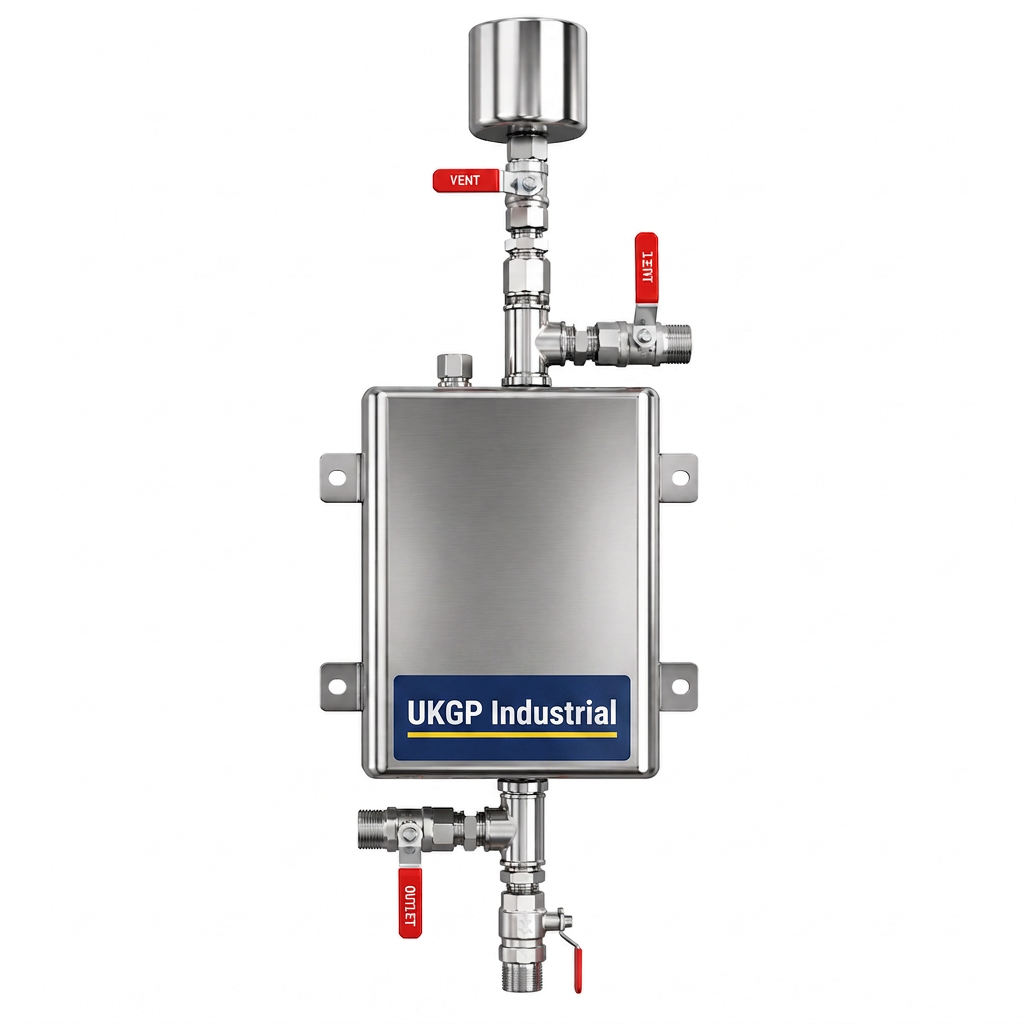
A key component of a successful flush is the use of appropriate isolation. UKGP's range of skid-mounted filtration systems and dosing pots are equipped with high-quality valves to facilitate these procedures. When power flushing a radiator, having a dedicated entry and exit point for the flushing chemicals—often via a dosing pot—makes the process significantly more efficient. Managing the wastewater is another critical factor; the effluent from power flushing a radiator contains concentrated chemicals and oxides that must be disposed of in accordance with local water authority regulations. Contractors must provide a clear method statement explaining how they will handle and neutralize this waste before it enters the foul sewer.
For procurement leads, the decision to invest in power flushing a radiator should be backed by a clear cost-benefit analysis. The cost of the flushing service and the associated filtration hardware is often offset within 12 to 18 months through energy savings and reduced parts replacement. By requesting a quote for a UKGP side stream filtration skid (5-50 m³/h capacity) alongside the flushing works, you are securing the future of the HVAC system. This combination ensures that the cleanliness achieved via power flushing a radiator is not a temporary fix, but a permanent baseline for the building's operational efficiency, backed by a 2-year warranty for peace of mind.
- Schedule works during low-demand summer periods
- Conduct pre-flush integrity checks on expansion bellows
- Utilise dosing pots for efficient chemical introduction
- Ensure compliant disposal of chemical wastewater
Conclusion: A Lifetime Approach to Water Quality
Ultimately, power flushing a radiator is an essential restorative tool in the arsenal of a commercial building engineer. It addresses the immediate symptoms of system neglect and restores the thermal performance required for modern comfort standards. However, the most successful facility managers know that a 'once-and-done' approach is insufficient for high-density commercial properties. Following the completion of power flushing a radiator, the focus must shift to maintaining water quality through filtration and chemical balance. This dual-pronged strategy ensures that the system remains compliant with BSRIA BG50 and continues to operate at peak efficiency for decades to come.
UKGP Industrial supports M&E professionals across the UK with high-specification plant room equipment. From expansion bellows that handle thermal movement to ph sensors that monitor corrosion risk, our products are engineered for the rigours of commercial heating. When you are planning on power flushing a radiator, consider the long-term protection of the system. Our side stream filtration skids are the gold standard for maintaining the results of a flush, offering 25 µm bag filtration and magnetic separation in a convenient, skid-mounted package that fits seamlessly into existing plant rooms. We pride ourselves on providing the technical support needed to specify the right solution for any commercial scale.
If you are currently managing a heating system that is underperforming, we encourage you to consult with our technical team. We can provide the necessary documentation and specifications to help you integrate a UKGP side stream filtration skid into your maintenance plan. Don't let the benefits of power flushing a radiator go to waste through poor secondary filtration. Contact us today to request a quote and ensure your building's HVAC infrastructure is protected by premium filtration technology designed and supplied right here in Surrey. With our 2-year warranty and BSRIA-aligned designs, UKGP is your partner in commercial plant room excellence.
- Continuous protection with side stream filtration
- Lifetime extension of major boiler and plant assets
- Reduction in lifetime O&M costs and energy bills
- Enhanced reliability for building tenants and owners
Frequently asked questions
How often should power flushing a radiator be done in a commercial building?
- In a well-maintained commercial system with a side stream filtration skid and regular chemical dosing, power flushing a radiator should only be necessary every 5 to 7 years. However, if water sampling reveals high TSS levels or heat transfer is noticeably reduced, more frequent intervention may be required to meet BSRIA BG50 standards.
Can power flushing a radiator cause leaks in older systems?
- Power flushing uses high flow rates at low pressure, which is generally safe. However, aggressive cleaning can remove the sludge that was temporarily 'plugging' a pinhole leak in a corroded radiator. We recommend a full system survey, including expansion bellows and joints, before power flushing a radiator in a building over 20 years old.
Does power flushing a radiator remove all magnetite?
- While power flushing a radiator is highly effective at removing loose sludge, it cannot remove 100% of microscopic particulates. This is why BSRIA BG29 and BG50 recommend the installation of a 25 µm side stream filtration skid to capture residual debris and prevent new build-up after the flushing process is complete.
Is power flushing a radiator enough to satisfy BSRIA BG50?
- No, power flushing a radiator is just the cleaning phase. To fully satisfy BSRIA BG50, the system must also be properly inhibited, monitored with water sampling (BS 8552), and ideally equipped with a permanent side stream filter to maintain the water quality achieved during the flush.
What is the difference between a domestic and commercial flush?
- Commercial power flushing a radiator involves higher volumes of water, more complex zoning, and the need to manage larger quantities of chemical effluent. It also requires the use of industrial-grade equipment capable of overcoming the friction losses in long pipe runs typical of large UK commercial estates.