The Mechanics of Power Flushing a Heating System
In the commercial sector, power flushing a heating system is a critical reactive maintenance procedure designed to restore thermal efficiency and flow rates. The process involves using a high-flow, low-pressure pumping unit to circulate water and chemical cleaning agents through the distribution pipework. This action dislodges corrosion by-products, typically magnetite (black iron oxide), which otherwise settle in low-velocity areas such as heat exchanger plates and radiator coils. For plant room engineers, the objective is to reach a turbidity level that aligns with the baseline chemistry requirements of the building. Without a systematic approach, these deposits lead to localised cold spots, increased boiler cycling, and premature pump failure. Correct execution ensures that the total dissolved solids and suspended matter are purged effectively from the primary circuit.
When specifying the requirements for power flushing a heating system, consultants must look beyond simple water replacement. The use of high-velocity flow, combined with flow-reversal technology, is essential to agitate heavy sediment that standard circulating pumps cannot move. In UK commercial environments, where systems often bridge legacy pipework with modern high-efficiency boilers, the risk of cross-contamination is high. A thorough flush prepares the internal surfaces for the application of corrosion inhibitors and biocides, creating a stable environment for future water treatment regimes. It is not merely about cleaning; it is about resetting the system's baseline to prevent galvanic corrosion and microbiological growth which are common in stagnant or poorly maintained commercial loops. This ensures the longevity of the entire thermal distribution network across the facility.
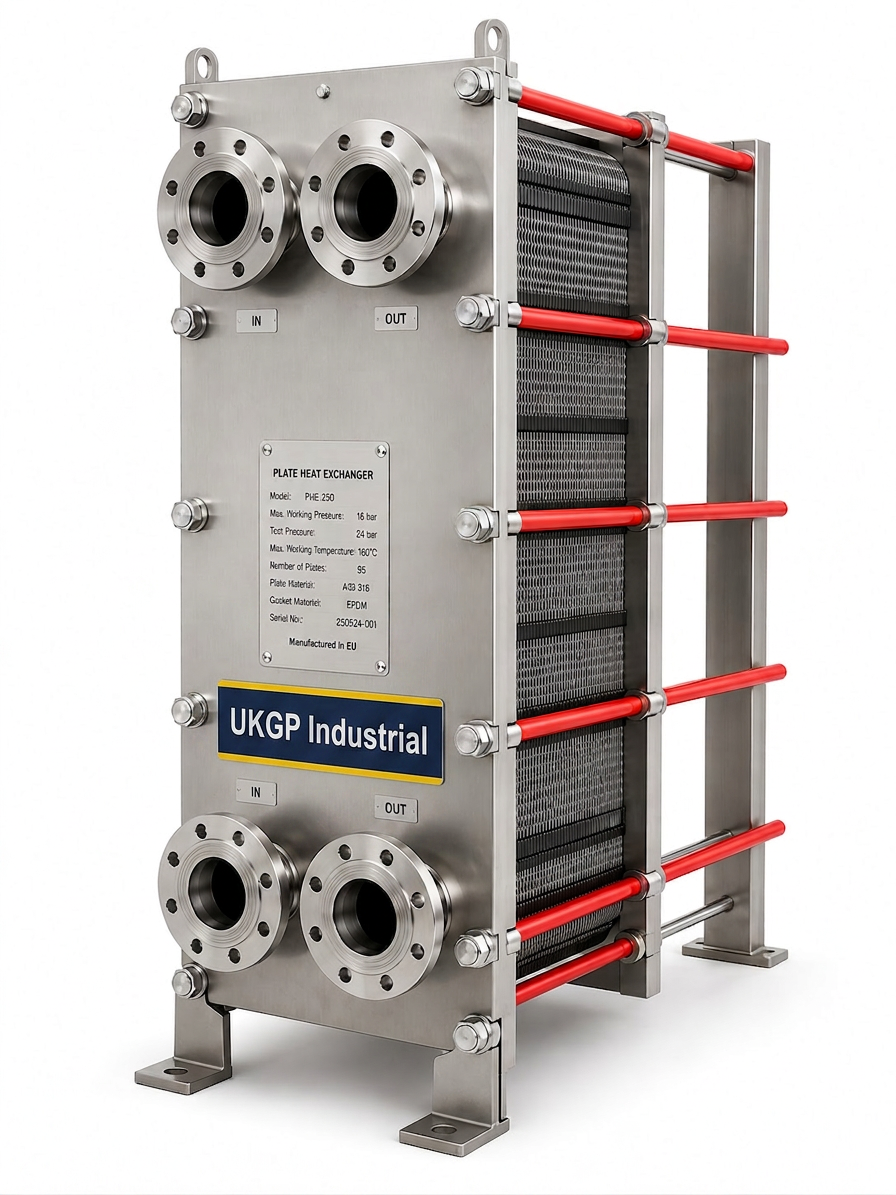
From a procurement perspective, the cost of power flushing a heating system is easily justified by the reduction in energy consumption and the mitigation of emergency repair costs. A system clogged with sludge requires significantly more pump energy to maintain design flow rates, often leading to a 5-15% increase in operational expenditure. By stripping away these insulating layers of debris, heat transfer surfaces operate at peak efficiency. Furthermore, many leading commercial boiler manufacturers and heat exchanger suppliers now mandate specific water quality standards to uphold warranty terms. Following a successful flush, the installation of robust monitoring equipment, such as pH sensors and transmitters, allows facilities managers to maintain a watchful eye on the system's chemical balance, ensuring that the benefits of the flush are not lost to rapid re-contamination or fluctuations in water chemistry.
- High-velocity agitation of magnetite and suspended solids
- Restoration of design flow rates and thermal conductivity
- Reduction in boiler cycling and pump energy demand
- Mandatory preparation for modern high-efficiency heat exchangers
Compliance with BSRIA BG29 and BG50 Standards
Adhering to BSRIA BG29 'Pre-commission Cleaning of Pipework Systems' is foundational when power flushing a heating system in a new build or major refurbishment context. These guidelines specify the necessary steps to ensure that iron levels, bacteria, and suspended solids are below strict thresholds before a system is handed over. For existing installations, BSRIA BG50 provides the framework for ongoing water treatment and the remediation of fouled systems. Professionals must ensure that the flushing velocity is sufficient to achieve 'scouring' – typically a minimum of 0.5 to 1.5 metres per second depending on the pipe diameter. If these velocities are not reached, the flush will fail to remove the heavy bottom-sludge that causes the most damage to control valves and internal boiler components.
The documentation produced following power flushing a heating system should include a comprehensive chemical analysis report. This report demonstrates that the chloride levels, pH, and conductivity are within the parameters defined by the system designer. In large-scale M&E projects, neglecting these standards can lead to catastrophic failure of sensitive components, particularly when integrating low-carbon technologies like heat pumps which operate at lower temperature differentials. The presence of abrasive particles can quickly erode pump impellers and seals. By following the BSRIA framework, contractors provide a 'clean-slate' for the chemical dosing regime, ensuring that inhibitors can form a protective film on all internal metallic surfaces. This proactive compliance transition is what separates professional industrial maintenance from standard domestic plumbing practices.
Beyond the initial clean, BSRIA BG50 emphasises the need for permanent physical filtration to manage the inevitable ingress of debris over time. While the act of power flushing a heating system removes the bulk of existing contaminants, it does not prevent future corrosion caused by oxygen ingress or microbiological activity. Therefore, the specification of a high-quality side stream filtration unit is often recommended as a complementary measure. This ensures that any fine particulate matter liberated during normal operation is captured before it can settle. For any consultant writing a specification, pairing a one-off remedial flush with a continuous filtration strategy is the only way to guarantee the 25-year service life of a commercial HVAC system, protecting the capital investment from internal decay.
- Strict adherence to BSRIA BG29/2020 for pre-commissioning
- BSRIA BG50 compliance for remedial maintenance of older systems
- Maintenance of pH levels between 8.2 and 9.5 for steel/copper systems
- Verification of microbial activity and iron content post-flush
Protecting Assets with Side Stream Filtration
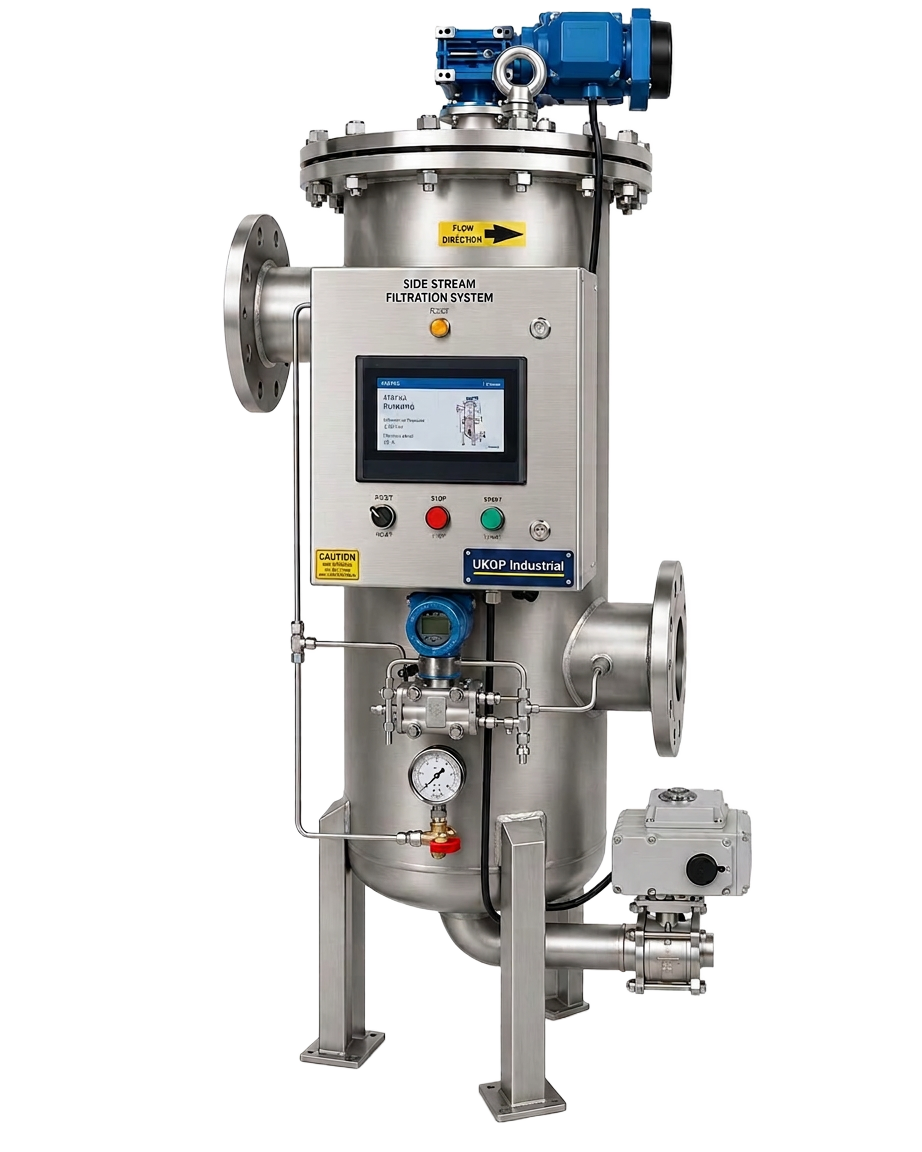
While power flushing a heating system is a vital starting point, the most effective way to maintain water clarity in a commercial loop is through continuous side stream filtration. Even after a professional flush, microscopic particles continue to circulate, which can eventually lead to the same efficiency losses originally addressed. A UKGP side stream filtration skid is engineered to handle these challenges, offering flow rates from 5 to 50 m³/h. These units utilise a combination of powerful magnetic separation to catch magnetite and a 25 µm bag or cartridge filter for non-magnetic debris. This dual-action approach ensures that even the smallest abrasive particles are removed from the loop, significantly extending the time required between major system cleans and protecting expensive plant components.
Choosing to install a side stream unit alongside the process of power flushing a heating system ensures that the system remains BSRIA BG29/BG50 aligned throughout its operational life. The UKGP skid-mounted design is particularly favoured by M&E contractors because it comes pre-assembled with isolation valves, making it simple to integrate into existing plant rooms or new installations. With the added security of a 2-year warranty, these skids provide peace of mind for facilities managers who are responsible for maintaining the integrity of multi-million pound HVAC assets. By continuously diverting a portion of the flow through the filtration media, the system water remains clear, reducing the load on chemical inhibitors and preventing the build-up of sludge in critical areas like low loss headers.
In modern commercial heating, the cost of downtime is prohibitive. Whether you are managing a hospital, a university campus, or a high-rise office block, the reliability of your thermal distribution is paramount. Integrating a UKGP side stream filtration skid (5-50 m³/h) provides a robust fallback that manages water quality in real-time. By specifying a unit with a 25 µm bag/cartridge and magnetic core, you are implementing a professional-grade solution that exceeds the basic requirements of a one-time flush. We encourage engineers to request a quote for our skid-mounted units to see how they can be bespoke-configured for specific system volumes. This strategic investment not only lowers maintenance frequency but significantly enhances the overall resilience and carbon footprint of the building's heating infrastructure.
- 5-50 m³/h flow capacity for various commercial scales
- Magnetic and 25 µm bag filtration for total debris removal
- Fully skid-mounted with isolation valves for rapid install
- 2-year warranty and full BSRIA BG29/BG50 alignment
The Role of Chemical Dosing Pots in System Restoration
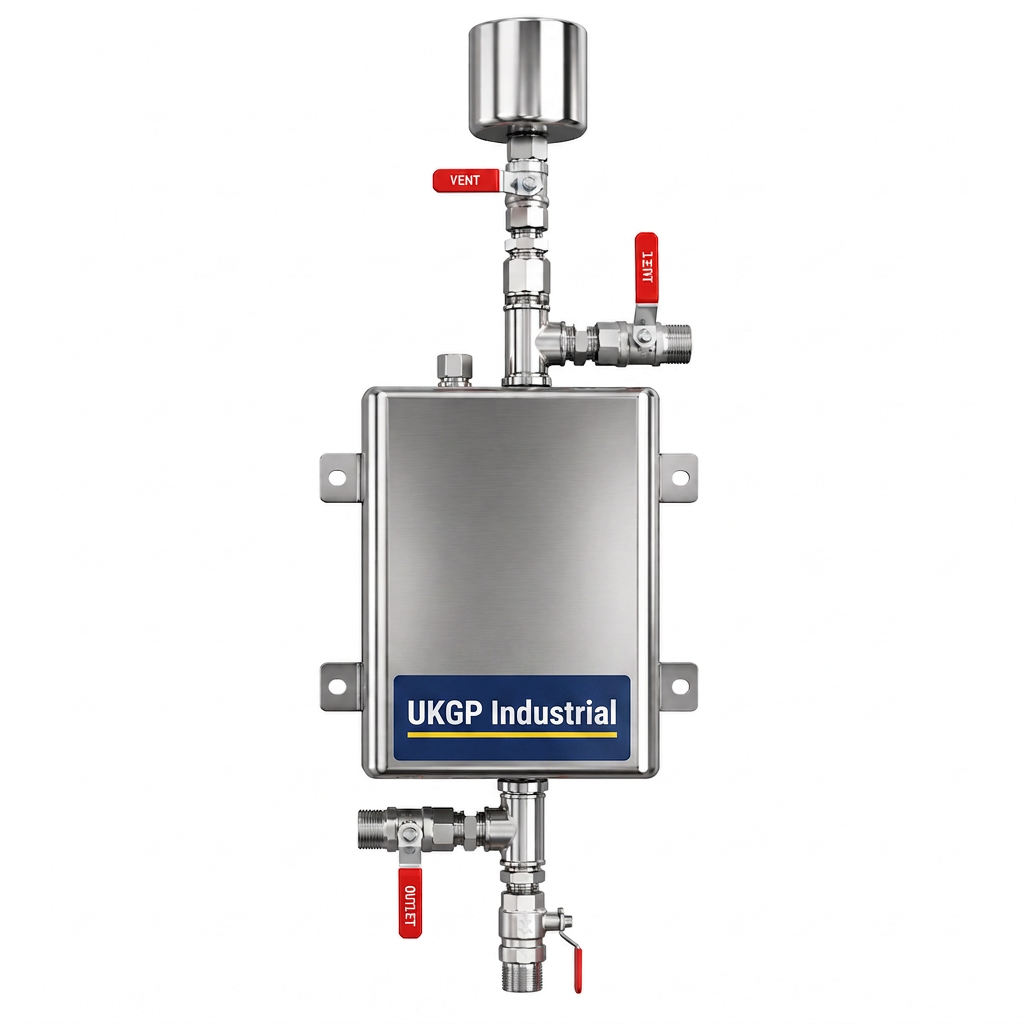
Following the completion of power flushing a heating system, the immediate introduction of chemical inhibitors is necessary to prevent flash-rusting on newly cleaned surfaces. Chemical dosing pots are the industry-standard method for introducing these various liquid treatments into the closed-loop circuit safely. These pots allow for the controlled injection of corrosion inhibitors, biocides, and glycol without the need to shut down the main circulating pumps. In industrial settings, where water volumes can exceed tens of thousands of litres, a robust stainless steel dosing pot ensures that chemicals are distributed evenly across all branches of the system. This step is the final critical link in the chain of a successful system restoration project.
A typical dosing pot installation includes a tundish for safe filling, non-return valves to prevent backflow, and a high-quality vent to bleed air. When used in conjunction with power flushing a heating system, the dosing pot ensures that the precisely calculated concentrations of chemicals reach every corner of the network. Failure to dose correctly after a flush can lead to rapid re-corrosion, especially in systems with high oxygen ingress. For contractors, the simplicity of a wall-mounted or floor-standing dosing pot makes it a staple of the plant room, providing a permanent interface for future water treatment adjustments. It is an essential component for maintaining the BS 8552 water quality standards mandated for many modern building services applications.
Moreover, the quality of the dosing pot itself matters. High-grade stainless steel construction prevents the pot from becoming a source of corrosion over time. When specifying a chemical management strategy, engineers often look for units that are easy to operate for facility staff, reducing the risk of chemical spills or incorrect dosing amounts. By ensuring that the system is properly inhibited immediately after the flush, the infrastructure is protected against the acidic environments that facilitate magnetite formation. This synergy between physical cleaning, side stream filtration, and accurate chemical dosing creates a comprehensive water management ecosystem that keeps commercial heating systems running at their calculated peak performance for decades to come.
- Essential for safe chemical introduction post-flush
- Stainless steel construction for longevity and durability
- Facilitates compliance with BSRIA water treatment regimes
- Available in various sizes to suit large system volumes
Identifying When Power Flushing a Heating System is Required
Facility Managers must be adept at recognising the early warning signs that power flushing a heating system has become a necessity. Symptoms such as unusual pump noise, frequent venting of air, or a noticeable drop in heat output from terminal units are often the first indicators of significant sludge accumulation. In many cases, the bottom of the radiators or heat exchangers will feel significantly cooler than the top, indicating that the flow is being diverted by heavy sediment. Conducting a water analysis test is the most scientific way to diagnose the problem; high iron levels or high turbidity readings are clear evidence that the system's internal surfaces are degrading and require a professional, high-velocity clean to restore performance.
Another critical moment for power flushing a heating system is during a boiler plant replacement. Installing new, low-water-content boilers into an old, dirty pipework system is a recipe for disaster. The narrow waterways in modern heat exchangers are extremely sensitive to debris, and even a small amount of magnetite can cause a complete blockage or localized overheating within weeks of commissioning. This lead to 'kettling' noises and thermal stress that can crack heat exchanger plates. Consequently, most specification documents for plant room upgrades will include a mandatory clause for a full system flush and the installation of dirt separators. This protects the new equipment and ensures that the manufacturer's warranty remains valid and enforceable in the event of a component failure.
Finally, if a system is experiencing recurrent leaks or pinholes, this may be a sign of under-deposit corrosion—a process where bacteria or chemical reactions thrive beneath layers of sludge. In such instances, power flushing a heating system is not just about efficiency; it is a salvage operation to prevent the entire pipework network from reaching its end-of-life prematurely. By stripping away these deposits, technicians can inspect the integrity of the system and apply high-strength biocides to kill off problematic bacteria like Pseudo-monas or Sulphate Reducing Bacteria (SRB). Regular monitoring and a proactive flushing schedule every 5 to 7 years, depending on the system type and water quality results, are considered best practice for any large-scale commercial property operation.
- Cold spots in heat emitters indicating sludge build-up
- Increased pump noise and frequent air-locking issues
- Mandatory requirement for new boiler plant installations
- High turbidity or iron levels during periodic water testing
Installation and Best Practices for System Longevity
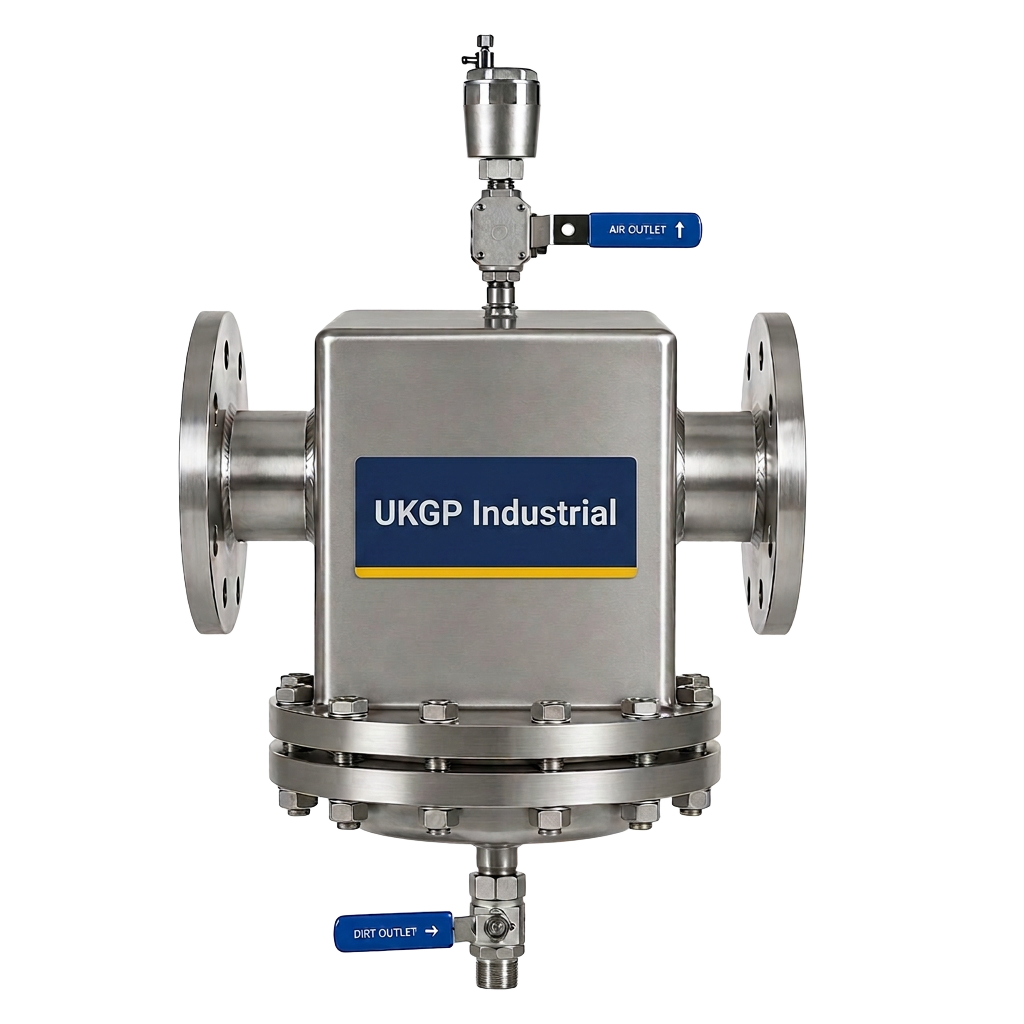
The installation of remedial equipment must be handled with the same precision as the initial power flushing a heating system. For instance, when installing side stream filtration or air and dirt separators, the placement in the circuit is paramount. These components should typically be installed on the return leg of the system, just before the water enters the boiler or heat exchanger. This ensures that any debris circulating through the building is captured before it can reach the most expensive and sensitive parts of the plant. Using high-quality isolation valves around these units allows for easy maintenance—such as cleaning the filter bag or draining the magnetic sleeve—without needing to drain the entire system, thus saving water and chemical costs.
Contractors should also focus on the removal of air as part of the flushing process. Entrapped air is a major driver of corrosion; oxygen facilitates the transformation of iron into magnetite. Therefore, adding high-efficiency air and dirt separators after power flushing a heating system is essential for long-term stability. These units use coalescence technology to remove both micro-bubbles and dirt particles from the flow. When combined with a properly specified side stream filtration skid, the system water achieves a level of clarity that meets the most stringent industrial requirements. This dual-layered approach to physical removal ensures that the maintenance interventions are few and far between, allowing the site team to focus on other critical operations.
Ultimately, the success of power flushing a heating system depends on the 'specification, supply, and install' chain being unbroken. Using expert UK-based suppliers like UKGP ensures that the equipment provided—from the filtration skids to the dosing pots—is built for the rigors of the British industrial landscape. Our side stream filtration skids (5-50 m³/h) are designed specifically to integrate with these high-performance regimes, providing a professional-grade solution for BSRIA compliance. To ensure your next project meets these high standards and to protect your system from the costly effects of magnetite, contact our technical team to discuss your bespoke requirements. We provide the technical support and high-quality components needed to maintain peak HVAC efficiency in any commercial environment.
- Install filtration on the primary return for maximum protection
- Use high-efficiency air and dirt separators to combat oxygen ingress
- Select skid-mounted units with isolation valves for easy servicing
- Implement a long-term water quality monitoring strategy
Frequently asked questions
How long does power flushing a heating system take in a commercial building?
- Depending on the complexity and volume of the circuit, power flushing a heating system can take anywhere from one day for a small office block to a full week for a large industrial campus. The duration is dictated by the level of fouling and the time required to reach BSRIA-compliant turbidity levels.
Is power flushing a heating system mandatory for new boiler warranties?
- Yes, almost all major UK commercial boiler OEMs require proof of a system flush and water quality analysis (to BSRIA or BS 7593 standards) to validate the warranty. Failure to perform this can lead to rejected claims if the heat exchanger becomes blocked by debris.
What is the difference between side stream filtration and a power flush?
- Power flushing a heating system is a one-time, high-velocity cleaning event to remove existing sludge. Side stream filtration is a permanent installation that continuously cleans a portion of the water to prevent new debris from accumulating.
Can power flushing damage an old heating system?
- When performed by professionals using low-pressure, high-flow equipment, the risk is minimal. However, a flush can sometimes reveal existing pinhole leaks that were previously ‘plugged’ by sludge. A site survey is always recommended beforehand.
What chemicals are used when power flushing a heating system?
- Typically, a blend of dispersants and sludge mobilisers is used during the flush, followed by a neutralising wash and the final addition of a high-grade corrosion inhibitor to protect the pipework.