The Limitations of Manual Heat Exchanger Cleaning Tools
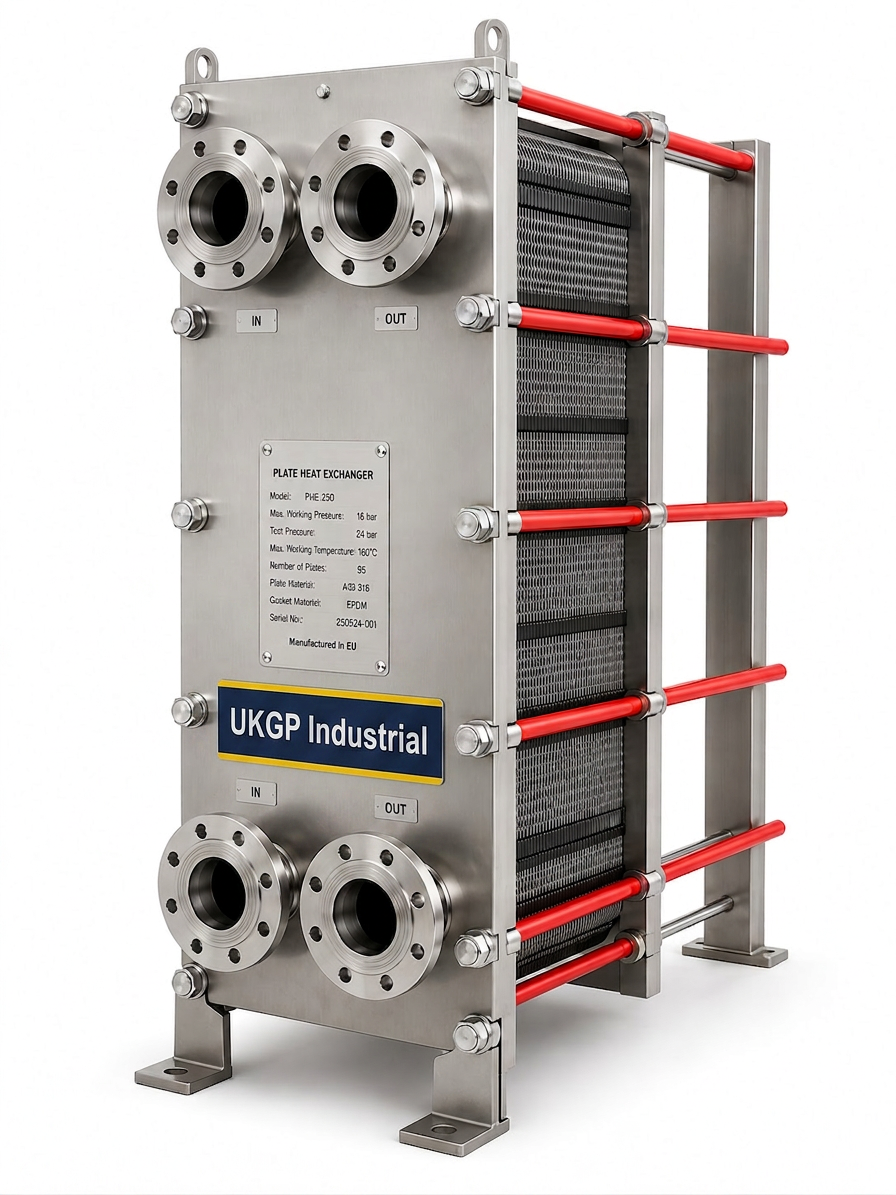
In many UK plant rooms, facility managers rely on manual heat exchanger cleaning tools to address reduced thermal efficiency caused by limescale, magnetite, and debris. These tools, ranging from high-pressure water jets and specialised brushes to chemical descaling pumps, are designed to physically scrape away the fouling that settles on the internal plates. However, relying solely on these reactive tools means you are only treating the symptoms of a poorly managed recirculating system. Every time a contractor arrives with manual tools, the system must be drained and the heat exchanger opened, which increases the risk of gasket failure and hardware damage during reassembly. This downtime is often costly for commercial buildings that require constant climate control.
Furthermore, heat exchanger cleaning tools cannot address the root cause of the debris accumulation within the wider heating or cooling circuit. While the plates may look polished and clean after a manual intervention, the suspended solids that caused the initial blockage remain in the system water. Without a method to continuously remove 5-micron particles, the plate heat exchanger acts as a secondary filter, quickly trapping more sludge and necessitating another round of mechanical cleaning within months. For M&E contractors, this creates a cycle of reactive maintenance that is difficult to budget for and potentially damaging to the overall service life of the boiler or chiller plant components.
From a commercial perspective, the labour costs associated with deploying specialised heat exchanger cleaning tools across multiple plant rooms can escalate rapidly. When you factor in the hourly rates for skilled engineers, the cost of replacement gaskets, and the chemical disposal fees, the 'cheaper' manual option becomes an expensive long-term liability. UKGP Industrial recommends moving away from this cycle by investing in proactive filtration that prevents the need for invasive cleaning procedures. This shift aligns with modern asset management strategies that prioritise uptime and energy efficiency over the constant repair of fouled heat transfer surfaces which can sap up to 30% of system performance if left untreated.
- High labour costs for repeated manual cleaning interventions
- Increased risk of gasket leaks and mechanical wear
- Significant system downtime during peak heating seasons
- Manual tools only provide a temporary fix for deep system fouling
Shifting to Automated Side Stream Filtration
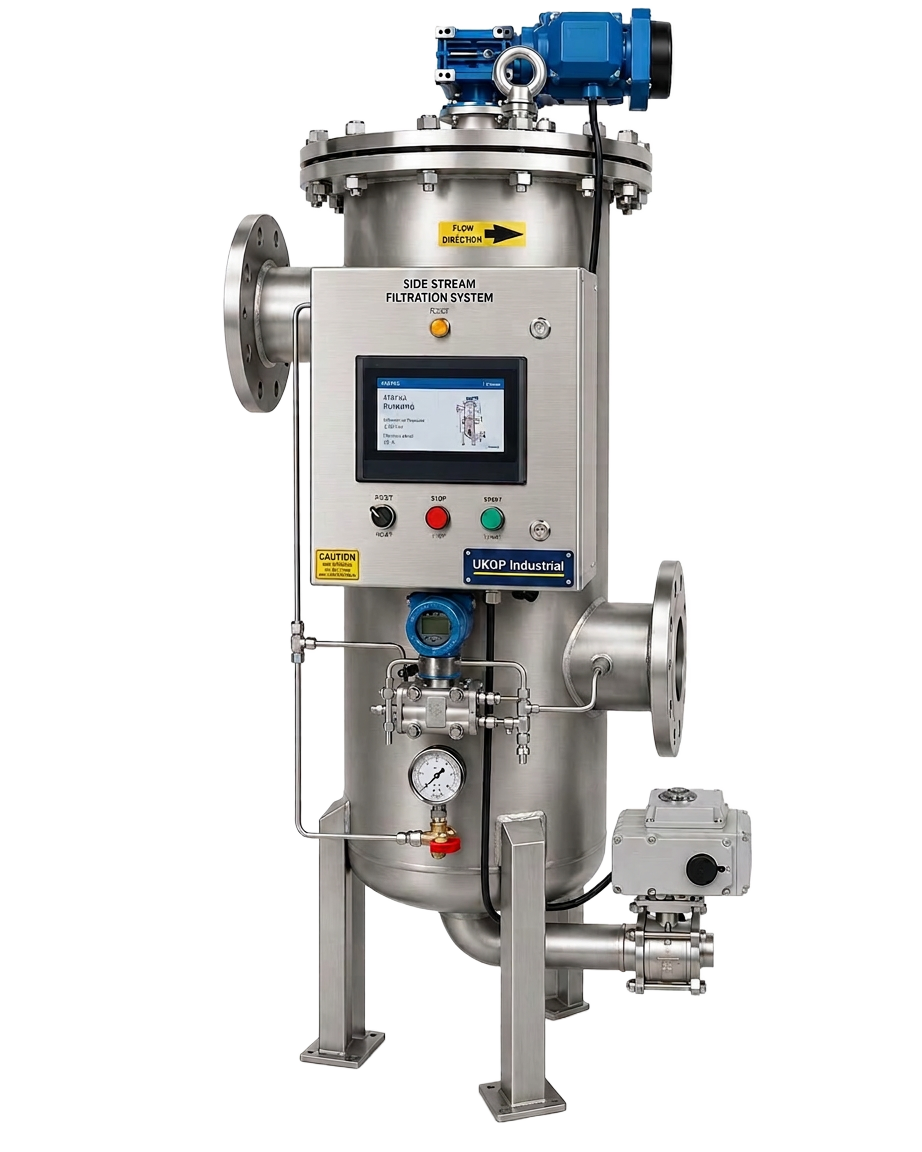
Integrating a UKGP side stream filtration skid into your plant room offers a permanent alternative to the frequent use of heat exchanger cleaning tools. Unlike manual tools, which are only brought out after a failure occurs, a side stream system works continuously to polish the closed-loop water. By diverting a small percentage of the total flow through a high-efficiency stainless steel vessel, it captures the magnetite and non-magnetic particles that would otherwise settle in high-value components. This proactive approach ensures that the water quality remains within the parameters defined by BSRIA BG50, significantly reducing the probability of system-wide corrosion and microbiological growth in low-flow areas.
For procurement leads, the ROI of a UKGP skid is compelling when compared to the recurring expense of hiring heat exchanger cleaning tools. Our side stream filtration units are made to order in our Surrey facility, with lead times of 6-8 weeks and a robust 2-year warranty for peace of mind. Available in sizes from DN50 to DN100, these units are specifically engineered for the UK commercial market, with prices starting from £6,800+VAT. When you consider that a single significant heat exchanger failure can cost several thousand pounds in parts and emergency labour, the capital expenditure for a filtration skid is typically recouped within the first two years of operation through energy savings and reduced maintenance.
The technical benefits are equally clear for building services consultants. A side stream skid allows for continuous monitoring of water quality without interrupting the main circuit. It provides a dedicated point for chemical dosing through integrated dosing pots, ensuring that corrosion inhibitors are evenly distributed. By maintaining the suspended solids at a negligible level, you eliminate the abrasive action that wears down pump seals and valve seats. This holistic protection is something that isolated heat exchanger cleaning tools simply cannot offer, as they are localized devices that do not improve the chemical or physical status of the recirculating fluid in the rest of the building's infrastructure.
- Continuous 24/7 removal of destructive magnetite and debris
- Protects expensive assets like boilers, chillers, and pumps
- Supports compliance with BSRIA BG29 and BG50 standards
- Includes a 2-year warranty and high-grade stainless steel construction
BSRIA BG50 Compliance and Proactive Maintenance
Adhering to BSRIA BG50 is a critical requirement for any modern UK plant room, yet many sites still rely on outdated heat exchanger cleaning tools as their primary maintenance strategy. BG50 specifically highlights the importance of keeping suspended solids to a minimum to prevent under-deposit corrosion and maintain the efficacy of chemical treatments. Manual cleaning tools are essentially a 'fail-first' strategy that ignores these guidelines until the flow is significantly restricted. By the time a contractor is called in to use cleaning tools, the system has already suffered through a period of peak inefficiency and potentially irreversible metal loss from corrosion cells forming under the sludge layers.
By contrast, installing a side stream filter is a documented commitment to best practice. It enables the engineer to perform regular blowdowns and filter changes, which provide a visible indicator of system health. If a filter bag is consistently thick with magnetite, it signals a chemical imbalance that needs addressing before it causes a component failure. Heat exchanger cleaning tools do not provide this level of diagnostic insight; they are a reactive response to a problem that has already matured. For engineers managed under BS 8552, maintaining water quality transparency is paramount, and a dedicated filtration skid is the only way to achieve this reliably over the lifecycle of the building.
We often see cases where consultants specify the use of heat exchanger cleaning tools as a secondary measure, but the core of the specification should always revolve around preventing debris from entering the heat transfer surfaces in the first place. The turbulence within a plate heat exchanger makes it a natural trap for particles. A DN80 UKGP side stream skid, for example, can handle significant flow rates to ensure that the entire system volume is 'polished' several times a day. This keeps the heat transfer coefficients at their design levels, ensuring the building occupants remain comfortable and the carbon footprint of the plant room is kept as low as possible throughout the winter and summer cycles.
- BG50 recommends continuous filtration for closed-loop systems
- Reduces under-deposit corrosion risks significantly
- Provides early warning signs of system water deterioration
- Maintains the design heat transfer coefficient (U-value)
Comparing Costs: Manual Tools vs Capital Investment
When assessing the financial aspect of heat exchanger cleaning tools versus a permanent solution, one must look at Total Cost of Ownership (TCO). A set of professional heat exchanger cleaning tools might seem like a small investment, but the cumulative cost of their deployment is high. In a typical Surrey-based commercial plant room, an annual chemical flush and manual plate clean can cost upwards of £2,500 per intervention. Over five years, that is £12,500 spent on keeping an old system on 'life support' without actually improving the water quality. This figure does not even include the hidden costs of energy waste caused by even 1mm of scale or sludge on the plate surfaces.
In comparison, a UKGP side stream filtration skid starting from £6,800+VAT represents a one-off capital investment that solves the problem for the duration of the plant's life. With a 2-year warranty and 6-8 week lead time for our made-to-order units, it is a manageable addition to any refurbishment or fit-out project. The operational cost of a filtration skid is minimal—regularly changing filter bags and performing a quick blowdown takes minutes, not days. Unlike the labour-intensive process of using heat exchanger cleaning tools, most on-site FM teams can manage the maintenance of a UKGP skid without needing to hire expensive external specialist contractors for every service.
M&E contractors also benefit from reduced snagging lists when they include high-quality filtration in their tenders. Using heat exchanger cleaning tools during the commissioning phase (BG29) is sometimes necessary if a system was not properly protected during construction, but it should not be the long-term plan. Specifying a DN50 or DN100 filtration skid ensures that the system is handed over in peak condition. For procurement teams, buying British-made products from UKGP Industrial means shorter supply chains and better technical support than imported alternatives, making the transition from manual cleaning tools to automated protection both a logical and a commercially savvy decision.
- Direct ROI through reduced annual service call-outs
- Lower energy bills due to cleaner heat transfer surfaces
- Fixed-cost investment vs variable reactive maintenance costs
- 2-year warranty provides long-term financial security
Protecting Other Plant Room Components
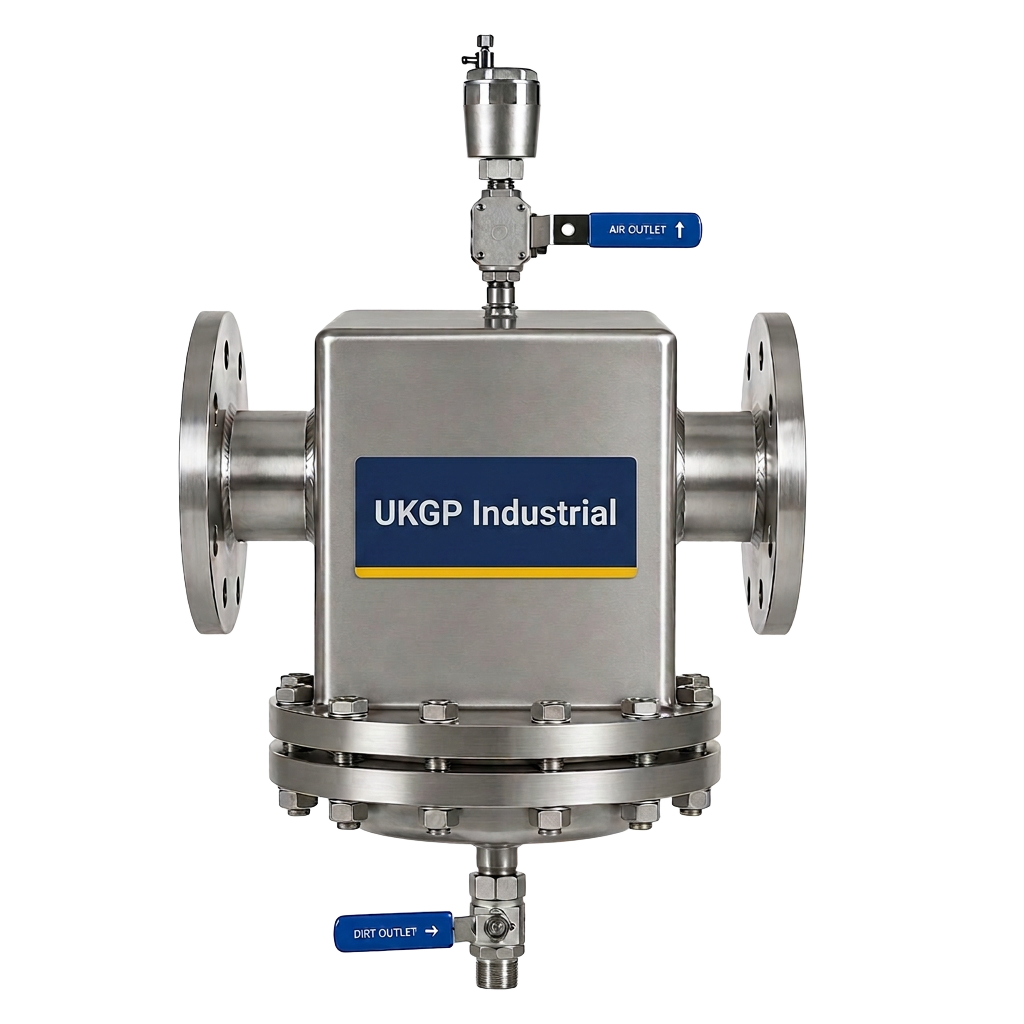
While we have focused on the plate heat exchanger, it is important to remember that heat exchanger cleaning tools do nothing to protect the rest of the plant. Air and dirt separators, dosing pots, and expansion bellows are all susceptible to damage from the same debris that clogs heat exchangers. Magnetite is particularly destructive to modern variable speed pump rotors, where it can be pulled into the magnetic field and cause premature bearing failure. If you are only using heat exchanger cleaning tools, these other vital components are left vulnerable. A side stream filter protects the entire hydraulic circuit, ensuring that every asset performs to its maximum manufacturer's specification.
Expansion bellows, for example, can trap sediment in their convolutions, leading to stress corrosion cracking over time. If a system is filled with debris because it lacks filtration, the flex of the bellows will eventually fail. Similarly, the effectiveness of air and dirt separators is enhanced when the bulk of the heavy particulate matter has already been removed by a dedicated side stream skid. By reducing the overall 'dirt load' of the system, you extend the life of every valve and sensor. This holistic protection is why most UK building services consultants now mandate filtration skids as a non-negotiable part of a plant room design, rather than relying on the retro-active use of heat exchanger cleaning tools.
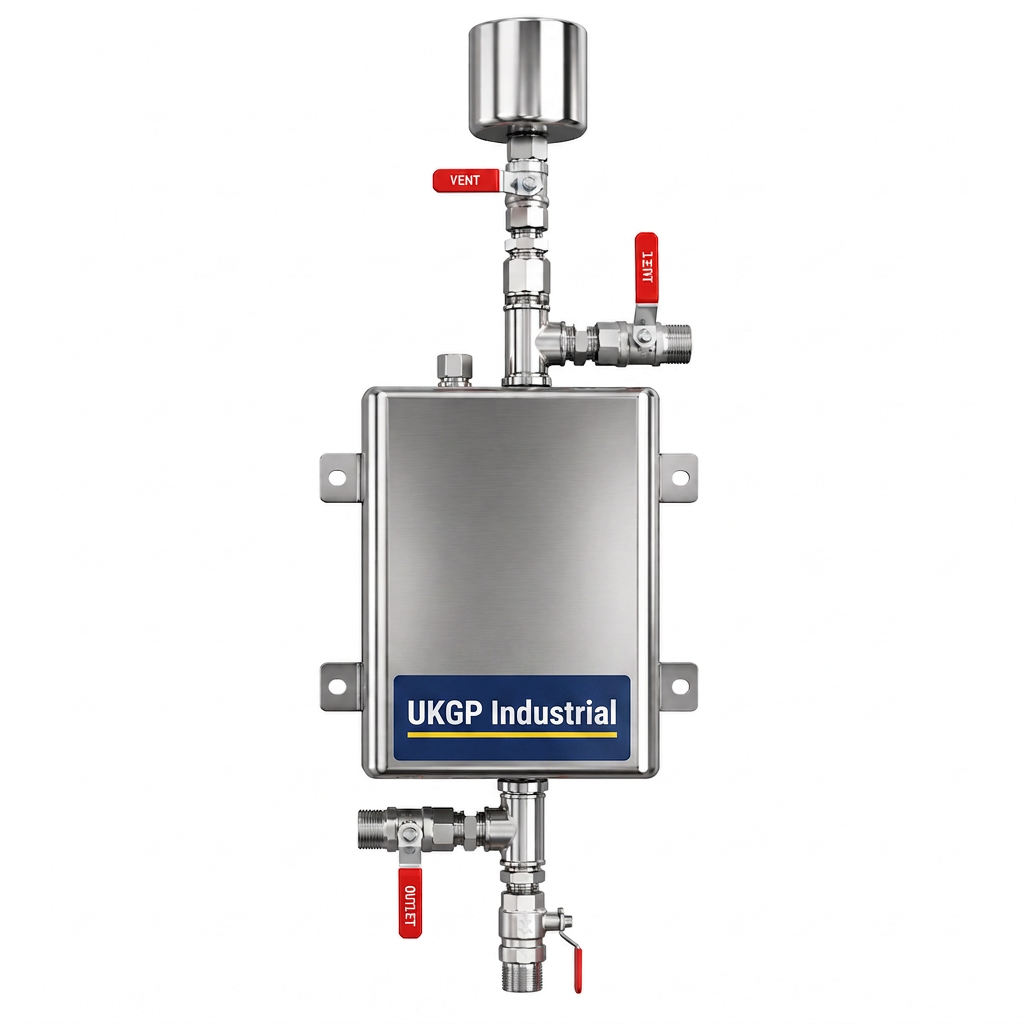
UKGP Industrial also recommends the use of high-quality dosing pots alongside our filtration skids. The synergy between chemical treatment and physical filtration is what creates a truly resilient system. While cleaning tools are a blunt instrument, the combination of a UKGP side stream skid and properly managed chemical dosing creates a fine-tuned environment where corrosion is inhibited and debris is swiftly removed. This reduces the need for the aggressive descaling chemicals that are often required when using manual heat exchanger cleaning tools, further protecting the integrity of the metals and seals found within the circuit's pipework and primary plant assets.
- Reduces sediment build-up in expansion bellows
- Extends the life of variable speed pump bearings
- Integrates perfectly with dosing pots for total protection
- Lower dirt loads improve the efficiency of separators
Conclusion: The Best Path for UK Plant Rooms
In conclusion, while heat exchanger cleaning tools will always have a niche for restoring severely neglected heritage systems, they are no substitute for the continuous protection offered by modern side stream filtration. The transition from reactive cleaning to proactive water quality management is essential for hitting energy efficiency targets and complying with BSRIA BG50. By choosing a UKGP Industrial side stream skid, you are choosing a solution designed specifically for the rigours of the UK commercial environment, backed by expert technical knowledge and a solid 2-year warranty. Our made-to-order skids ensure that your specific flow requirements from DN50 to DN100 are met with precision.
For FM leaders and plant room engineers, the message is clear: stop waiting for the system to fail and start filtering the water today. The cost of a UKGP skid, starting from £6,800+VAT, is a small price to pay for the long-term reliability and efficiency of your building services. Every day your system runs without effective filtration is a day where magnetite is accumulating and thermal performance is dropping. Avoid the mess, the risk, and the repeated expense of heat exchanger cleaning tools by installing a skid that works silently in the background to maintain your plant's peaks performance. Our Surrey team is ready to provide the technical submittals you need for your next project.
Choosing UKGP Industrial means you are partnering with a manufacturer that understands the nuances of the British M&E landscape. From 6-8 week lead times to robust British engineering, our products are built to solve the problems that standard heat exchanger cleaning tools simply can't handle. Contact us today to request a quote or to discuss how our side stream filtration and separate air and dirt units can integrate into your current maintenance schedule. Let us help you move towards a cleaner, more efficient, and more compliant plant room that stands the test of time without the constant need for invasive mechanical cleaning.
- Request a quote for DN50-DN100 side stream skids today
- Ensure your building meets BSRIA energy efficiency standards
- Move from reactive cleaning to 24/7 proactive filtration
- Support UK manufacturing with Surrey-based UKGP Industrial
Frequently asked questions
Are heat exchanger cleaning tools enough for BSRIA BG50 compliance?
- No. BSRIA BG50 emphasizes the continuous protection of water quality and the prevention of debris build-up. Heat exchanger cleaning tools are reactive and do not address the suspended solids in the system water as required for ongoing compliance.
What is the typical lead time for a UKGP side stream filtration skid?
- Our side stream filtration skids are made to order in our Surrey facility with a standard lead time of 6-8 weeks, ensuring they are built to your exact site requirements (DN50 to DN100).
How much does a commercial side stream filtration system cost in the UK?
- UKGP Industrial side stream filtration skids start from approximately £6,800 +VAT. This represents a significant long-term saving over the recurring labour and parts costs associated with manual heat exchanger cleaning.
Do I still need heat exchanger cleaning tools if I have a side stream filter?
- While you may still need tools for very deep descaling during a major refurb of an old system, a correctly sized and maintained side stream filtration skid virtually eliminates the need for frequent manual cleaning of the plates.
What warranty comes with UKGP Industrial filtration products?
- All our made-to-order side stream filtration skids and plant room assets come with a comprehensive 2-year warranty, providing reliability for consultants and facility managers alike.