Identifying Professional Heat Exchanger Cleaning Companies
The UK market is populated by various providers, but not all heat exchanger cleaning companies possess the specific technical expertise required for high-pressure plate heat exchanger maintenance. A professional firm should demonstrate a deep understanding of BSRIA BG29 and BG50 guidelines regarding water quality and system cleanliness. When you begin your search, look for contractors who do not merely offer a generic chemical flush but provide a tailored scope of work based on your specific plate material and gasket types. The presence of scale or magnetite can severely impact heat transfer coefficients, leading to significantly higher energy bills and potential equipment failure if left unaddressed by qualified professionals.
A key differentiator for top-tier heat exchanger cleaning companies is their ability to provide an initial diagnostic report before any cleaning commences. This report should include thermal imaging or differential pressure readings to justify the cleaning intervention. In many commercial settings across Surrey and London, we see systems that have been neglected for years, resulting in hardened calcium deposits that require specialized Clean-In-Place (CIP) chemicals. Choosing a company with a proven track record in UK commercial plant rooms ensures that the delicate plates are not damaged by over-aggressive acidification, which could lead to cross-contamination between the primary and secondary circuits in your heating or cooling system.
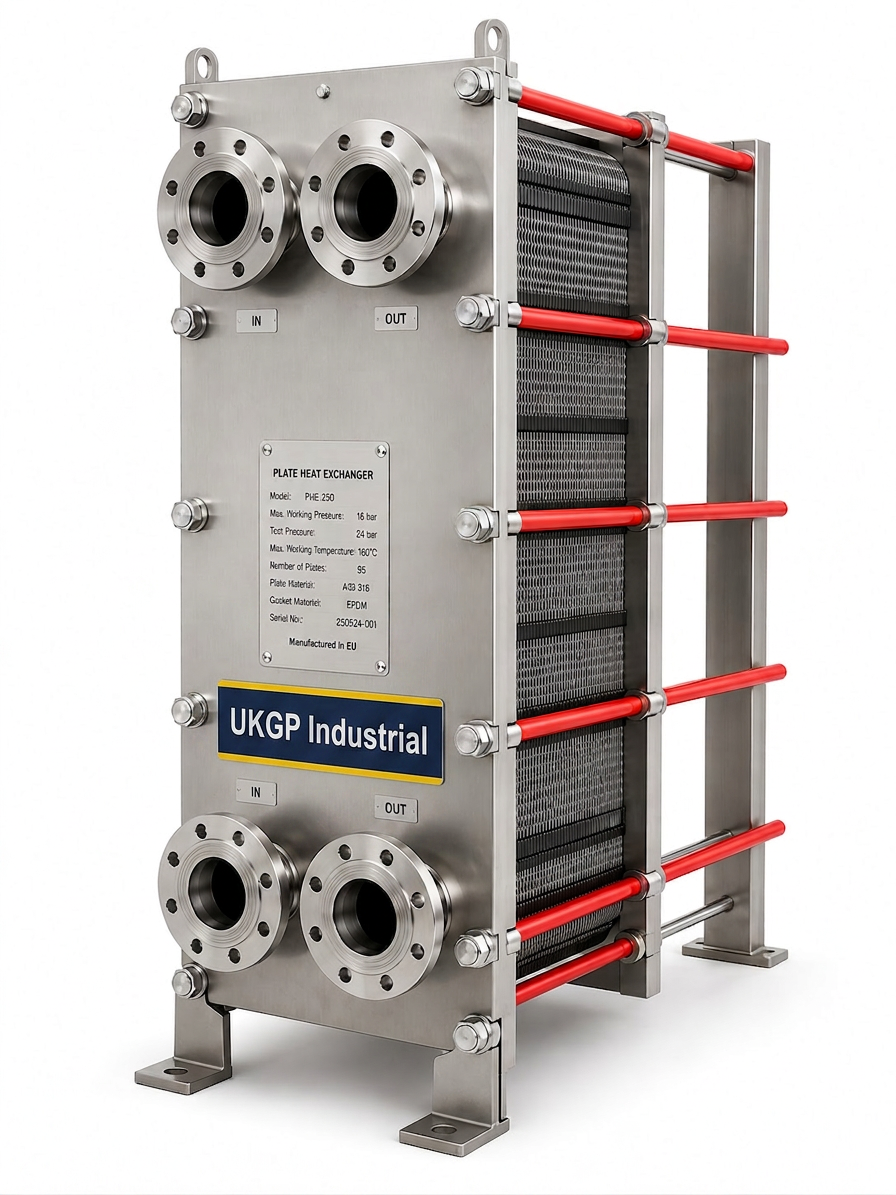
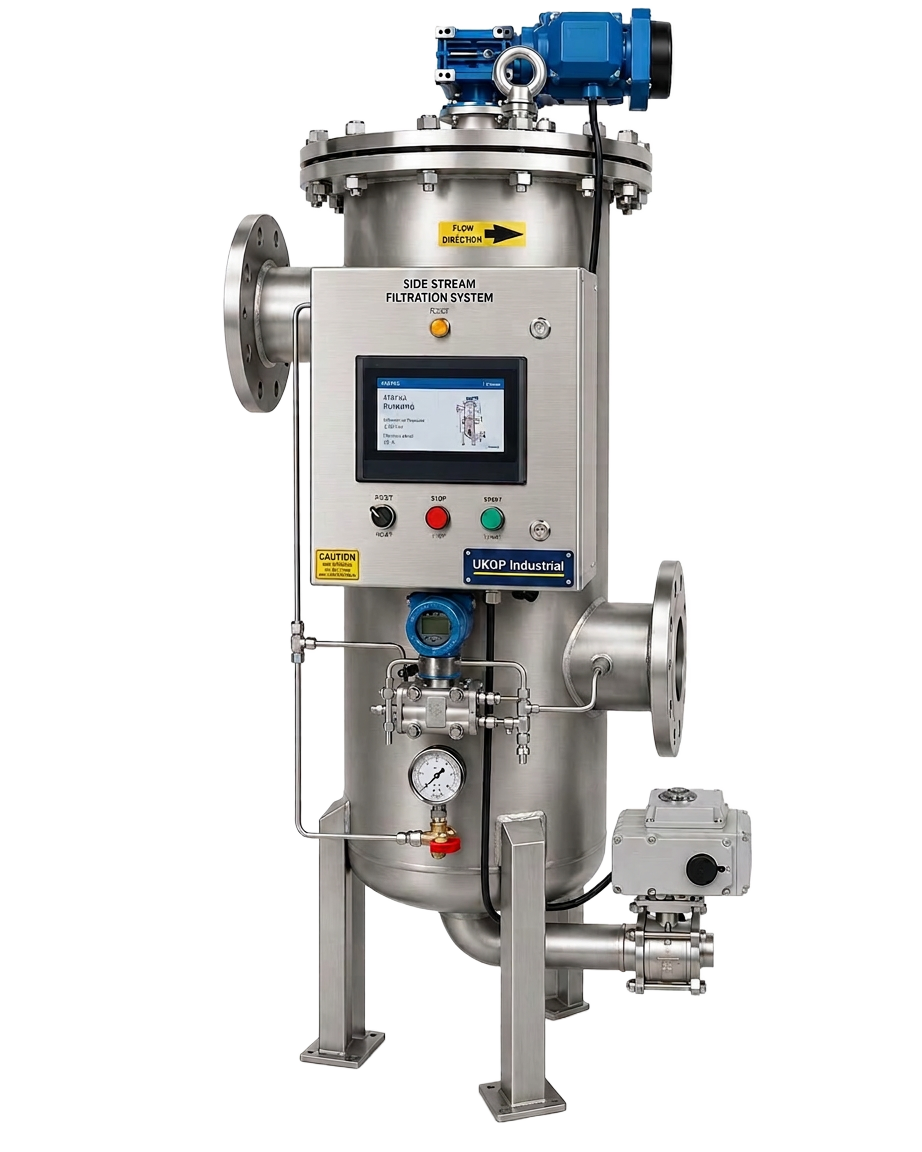
Furthermore, reliable heat exchanger cleaning companies will always check the integrity of your gaskets during the process. For many UK building services managers, the cost of an emergency shutdown far outweighs the price of periodic maintenance. By engaging a specialist who understands the mechanical nuances of plate heat exchangers, you protect your capital investment. While these services are essential for recovery, UKGP recommends installing robust side stream filtration to capture the debris before it ever reaches the exchanger plates. This proactive approach, starting from approximately £6,800 plus VAT, ensures your system stays within the tight tolerances required by modern high-efficiency plant equipment and reduces your reliance on emergency call-outs.
- Verified compliance with BSRIA BG50 water quality standards
- Expertise in both Clean-In-Place (CIP) and manual plate strip-down methods
- Experience with various gasket materials including EPDM and Nitrile
- Detailed post-clean reporting and efficiency verification stats
Essential Questions for Heat Exchanger Cleaning Companies
Before signing a service level agreement, you must interrogate the methodology used by heat exchanger cleaning companies. Ask whether they utilize a closed-loop chemical cleaning system or if they intend to dismantle the plate pack entirely. For minor fouling, a CIP approach is often faster and less intrusive, but for heavily silted systems, a full manual clean is the only way to guarantee 100% surface area recovery. Ensure the company uses inhibited chemicals that are safe for 316-grade stainless steel or titanium plates, as incorrect chemical choice can lead to pitting and premature failure. It is also wise to ask about their waste disposal protocols, ensuring they comply with UK environmental regulations for chemical neutralisation.
Another vital question involves their insurance and warranty terms. Reputable heat exchanger cleaning companies should provide a clear indemnity against plate damage during the cleaning process. If a technician uses too much pressure during a pressure wash, or utilizes wire brushes on delicate plates, the resulting scratches can become hotspots for future corrosion and biofilm growth. Ask specifically for a LinkedIn or case study reference from a similar UK commercial site. By confirming their experience with DN50 to DN100 connections and high-flow systems, you can move forward with confidence that your plant room is in safe hands and that the expected COP (Coefficient of Performance) will be restored.
Lastly, ask your prospective heat exchanger cleaning companies about their recommendations for preventing future fouling. A company that only wants to sell you a recurring cleaning service without addressing the root cause—poor water quality—is not acting in your best commercial interest. At UKGP, we advocate for the installation of side stream filtration skids. Starting from £6,800 plus VAT, our made-to-order units are designed to remove the suspended solids that these cleaning companies are hired to scrub away. By installing a UKGP unit with a 6-8 week lead time and a 2-year warranty, you can significantly extend the intervals between professional cleanings, representing a massive saving for any FM budget over a five-year lifecycle.
- What specific chemical inhibitors are used to protect 316L stainless steel?
- Are your technicians trained in plate re-alignment and torque tightening?
- Do you provide a pressure test certificate after re-assembling the unit?
- What is your procedure for the safe disposal of spent cleaning fluids?
The Impact of Proper Side Stream Filtration
While finding the right heat exchanger cleaning companies is vital for reactive maintenance, the long-term solution lies in mechanical protection. Plate heat exchangers act as a filter for the rest of your system; the narrow gaps between plates are perfectly designed to trap circulating debris. This is why side stream filtration is no longer optional in modern UK HVAC design. By diverting a portion of the flow through a high-efficiency filter medium, you can eliminate the magnetite and scale that necessitates expensive cleaning. Our UKGP filtration skids are built to order in the UK, ensuring that our DN50 to DN100 units fit perfectly into your existing plant room footprint with minimal disruption.
Integrating a UKGP side stream filtration skid reduces the burden on your heat exchanger cleaning companies and protects other sensitive components like control valves and pumps. Most professional cleaning firms will tell you that 80% of the debris they find is avoidable through better system management. Investing in a UKGP skid, which starts from £6,800 plus VAT, is a one-time capital expenditure that pays for itself by reducing the frequency of cleaning by up to 70%. When you consider that a single manual strip-down of a large exchanger can cost thousands in labor and replacement gaskets, the ROI on a UKGP skid is exceptionally clear for any procurement lead.
Furthermore, BSRIA BG29 and BG50 specifically highlight the role of filtration in maintaining system health. A system without adequate side stream filtration is a system in decline. When you consult with heat exchanger cleaning companies, ask them to measure the particle count in your system fluid according to BS 8552. If the count is high, it is time to look at the UKGP range. Our units come with a 2-year warranty and a 6-8 week lead time, providing a robust, British-made solution to a recurring maintenance headache. Don't just clean the symptom; solve the problem by ensuring your water quality meets the highest industry standards with a dedicated UKGP filtration solution.
- Reduces total suspended solids (TSS) and prevents plate fouling
- Minimises the need for aggressive chemical cleaning interventions
- Supports compliance with CIBSE and BSRIA maintenance guidelines
- Extends the operational life of plate heat exchangers and gaskets
Maintaining Efficiency Between Specialist Cleans
Even after employing the best heat exchanger cleaning companies, ongoing monitoring is essential to prevent a rapid return to inefficiency. Plant room engineers should keep a weekly log of temperatures on both sides of the exchanger. An increase in the approach temperature is the first warning sign that fouling is recurring. By monitoring these metrics, you can plan your maintenance windows during low-demand periods rather than waiting for a system failure. Many cleaning companies offer periodic inspection contracts, but these should be supplemented by onsite staff who understand the basic principles of heat transfer and the importance of chemical dosing pots in maintaining inhibitor levels.
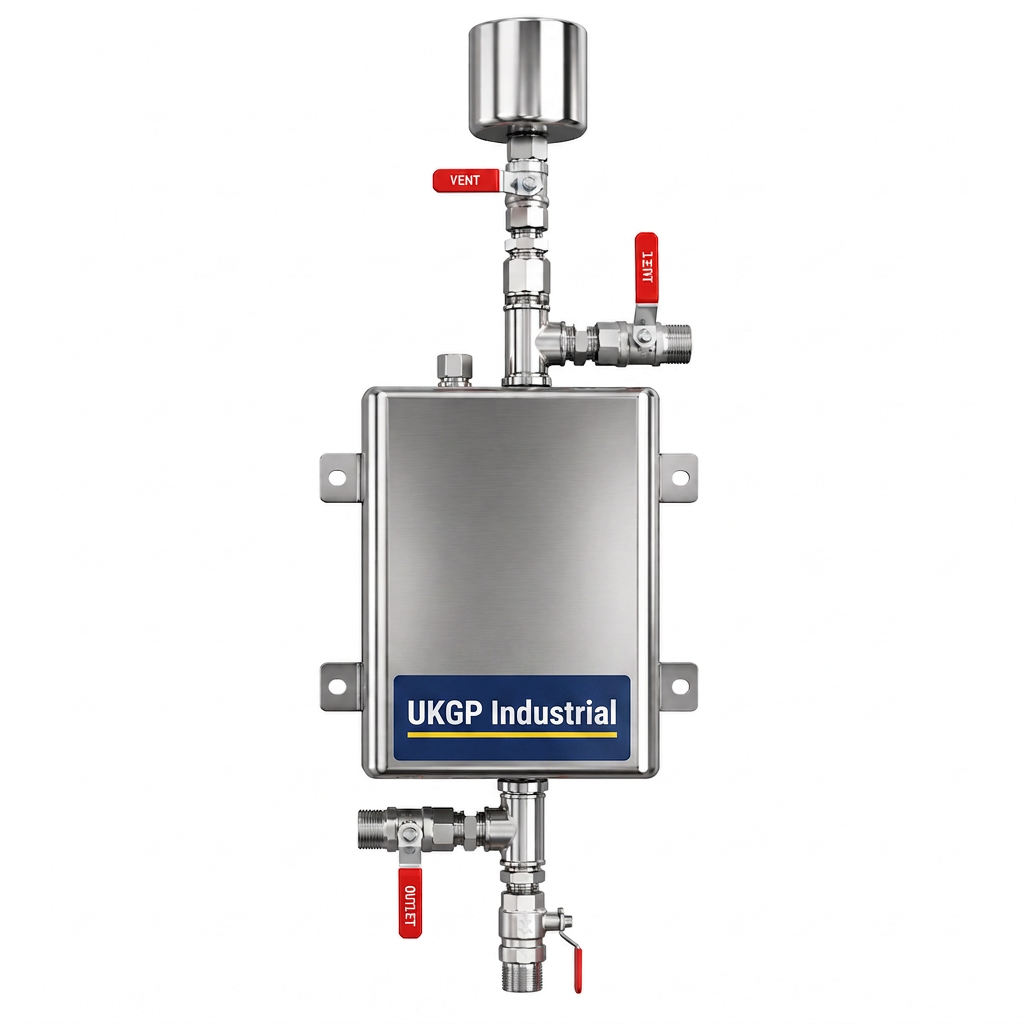
Chemical dosing is the second pillar of system protection alongside filtration. Ensure your heat exchanger cleaning companies check that the system is properly inhibited post-clean. A lack of corrosion inhibitor will lead to rapid oxidation of pipework, creating the very sludge that clogs heat exchangers. UKGP provides high-quality dosing pots designed for UK commercial systems, ensuring that adding these vital chemicals is a simple and safe task for FM teams. When combined with a side stream filtration unit, the chemical treatment becomes significantly more effective, as the chemicals are not being 'used up' by reacting with existing loose debris in the system water.
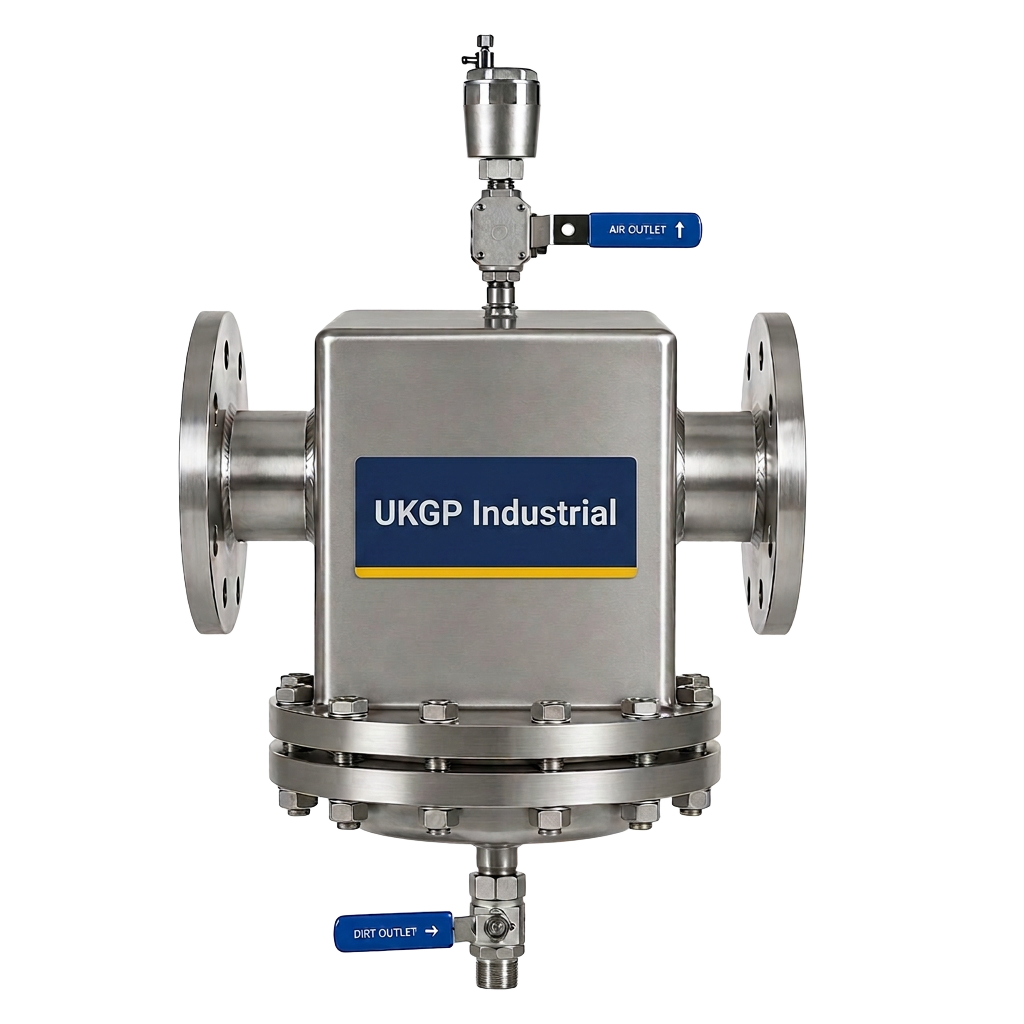
Ultimately, the goal for any facility manager should be to move from reactive to proactive maintenance. While heat exchanger cleaning companies are a necessary part of the ecosystem, their services should be viewed as a backup to a well-designed filtration and dosing strategy. Investing in UKGP hardware—whether it is an air and dirt separator or a full filtration skid—ensures that your heat exchanger performs at its design capacity for years. Our team in Surrey is ready to quote for your specific requirements, providing made-to-order solutions within a 6-8 week window, all backed by a 2-year warranty and the assurance of UK-based engineering excellence.
- Log secondary return temperatures to monitor heat transfer efficiency
- Utilise chemical dosing pots to maintain BSRIA-compliant inhibitor levels
- Check air and dirt separators regularly to ensure gas-free fluid
- Schedule annual inspections with qualified heat exchanger specialists
Cost-Benefit Analysis of Professional Cleaning
When comparing quotes from different heat exchanger cleaning companies, it is vital to look beyond the initial price tag. A cheap service that uses generic acids without neutralizers can cause microscopic damage to the plate surfaces, which actually accelerates future fouling. This 'false economy' leads to more frequent cleaning cycles and eventual plate replacement. A professional quote should account for the cost of new gaskets, as reusing old, compressed gaskets often leads to leaks once the plate pack is retightened. At UKGP, we understand the commercial pressures on UK contractors and offer high-performance parts that provide true value over the long term.
The cost of energy is another factor. A fouled heat exchanger can increase energy consumption by 10-15% as pumps work harder and boilers run longer to overcome the thermal resistance of scale. Professional heat exchanger cleaning companies pay for themselves through these energy savings alone. However, to permanently lower your O&M costs, the integration of a side stream filtration skid is the most logical step. At £6,800+VAT for a base unit, the payback period is often less than 18 months when factoring in energy savings and reduced maintenance fees. Our DN50 to DN100 skids are the industry standard for UK commercial plant rooms seeking to optimize their utility spend.
In summary, while you will periodically need the services of heat exchanger cleaning companies, your primary focus should be on system stability. By specifying UKGP products, you are choosing a partner that understands the UK's unique water chemistry challenges. Whether you need a quote for a new plate heat exchanger or a filtration skid to protect an existing one, our technical team is available to assist. Our 2-year warranty and British manufacturing heritage mean you can specify our equipment with total confidence, knowing you are getting a solution that is built to last and engineered to meet the rigors of modern building services demands.
- Include the price of replacement gaskets in all cleaning budgets
- Evaluate the energy saving potential of a 100% clean plate pack
- Compare the cost of emergency repairs vs. proactive filtration
- Factor in the 2-year warranty provided with all UKGP equipment
Selecting Hardware to Assist Cleaning Companies
To make the work of heat exchanger cleaning companies easier and more effective, the hardware surrounding the exchanger must be of high quality. For instance, having clear isolator valves and accessible porting allows for faster CIP hookups. Furthermore, the inclusion of an air and dirt separator upstream of the exchanger can remove the bulk of micro-bubbles and heavy particles before they can settle on the plates. At UKGP, we manufacture these essential components to the highest standards, ensuring they integrate seamlessly into your DN50 or DN100 pipework. This holistic approach to plant room design is what separates an average facility from a high-performance one.
When you speak to heat exchanger cleaning companies, ask them what equipment they find most effective for preventing debris build-up. Invariably, they will mention the importance of a high-quality sidestream filter. Our UKGP units are designed with this feedback in mind, featuring stainless steel housings and high-efficiency bags or cartridges that are easy for onsite FMs to maintain. For a starting price of £6,800 plus VAT, you get a piece of equipment that is made to order in 6-8 weeks and backed by a comprehensive 2-year warranty, providing peace of mind for both the contractor and the end-user.
Finally, remember that the best heat exchanger cleaning companies are those that view themselves as partners in your building's performance. They should be willing to work alongside your equipment suppliers, like UKGP, to ensure the entire system is optimized. By combining expert cleaning services with world-class UK-manufactured filtration and dosing hardware, you ensure your plant room remains a reliable asset rather than a constant source of drain on your budget. Contact UKGP today to discuss how our side stream filtration and plate heat exchanger ranges can enhance your facility's efficiency and longevity.
- Install high-quality air and dirt separators to protect the exchanger
- Ensure easy access ports are installed for CIP cleaning equipment
- Select UKGP hardware for guaranteed compatibility with UK standards
- Maintain a 6-8 week lead time for all custom UKGP plant room orders
Frequently asked questions
How often should I hire heat exchanger cleaning companies?
- Typically, an annual inspection is recommended, but actual cleaning frequency depends on water quality and the presence of side stream filtration. Systems without filtration may require cleaning every 12-24 months to maintain BSRIA BG50 compliance.
What is the typical cost for a UKGP side stream filtration skid?
- Our side stream filtration skids start from £6,800 + VAT. They are made to order with a 6-8 week lead time and are available in sizes from DN50 up to DN100, featuring a 2-year warranty.
Can heat exchanger cleaning companies work on any brand?
- Most professional companies can service any brand of plate heat exchanger, provided they can source the correct gaskets. However, it is always best to check their experience with your specific model and plate metallurgy.
Is a chemical flush enough to clean a plate heat exchanger?
- A chemical flush (CIP) is often sufficient for minor scaling. However, if the unit is significantly fouled with magnetite or debris, a full manual strip-down and plate-by-plate clean by a specialist company is required.
Why is BSRIA BG50 important for heat exchanger maintenance?
- BSRIA BG50 provides the industry standard for water quality in closed heating and cooling systems. Following these guidelines ensures that heat exchanger performance is maintained and that warranty conditions for your plant equipment are met.