Breaking down the cost of power flush central heating in 2024
The financial burden associated with the cost of power flush central heating extends far beyond the hourly rate of the mechanical engineer. For commercial properties, a comprehensive power flush often involves significant site downtime, the disposal of large volumes of chemically treated wastewater, and the risk of uncovering leaks in ageing pipework under high-pressure conditions. Procurement leads must also account for the labour-intensive nature of connecting temporary pumps to various points of the circuit, which in large multi-storey buildings can take several days to complete accurately, driving up the total project expenditure.
Furthermore, the cost of power flush central heating often includes the purchase of expensive chemical cleaners designed to mobilise magnetite and scale. While effective in the short term, these chemicals must be thoroughly neutralised and flushed out to prevent subsequent corrosion, adding layers of complexity to the task. If the system is not managed according to BSRIA BG50 guidelines, these costs repeat cyclically as debris inevitably settles back into the heat exchangers and low-velocity zones of the primary circuit, leading to an inefficient cycle of reactive maintenance and recurring budgetary drains for the estate.
When assessing the ROI of a one-off flush versus permanent filtration, engineers must consider the long-term energy efficiency of the plant. A system burdened by magnetite and haematite deposits requires significantly more energy to achieve the required delta T across heat exchangers. Therefore, the true cost of power flush central heating includes the hidden energy waste occurring in the months leading up to the service. By shifting the focus from episodic cleaning to continuous side stream management, facilities managers can achieve a more stable thermal profile and lower overall operational expenditure.
- Initial labour and specialist equipment hire for large-scale flushing
- Disposal costs for hazardous chemical waste and contaminated water
- Energy efficiency losses during the build-up of system sludge
- Potential repair costs for leaks triggered by high-pressure pumping
The Engineering Alternative to High Flushing Costs
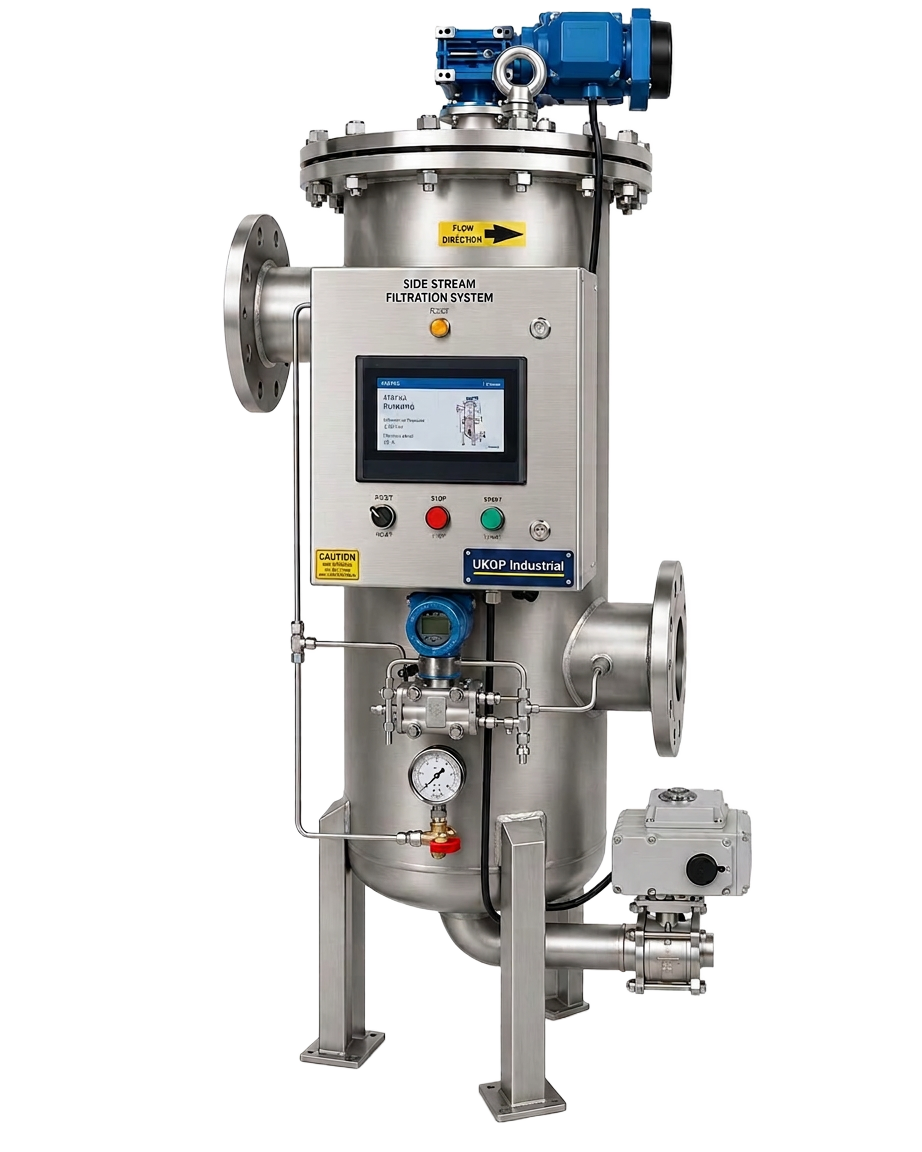
Instead of incurring the recurring cost of power flush central heating, leading UK HVAC consultants are specifying side stream filtration to maintain water quality systematically. Side stream units work by diverting a portion of the total flow through high-efficiency filter media and magnetic separators, ensuring that magnetite and non-magnetic debris are removed without disrupting the main heating or cooling process. This approach aligns perfectly with the recommendations found in BSRIA BG29/2021, which emphasises the importance of maintaining low suspended solids during both the pre-commissioning phase and the continuous life of the system.
A UKGP side stream filtration skid provides a sophisticated alternative to traditional reactive maintenance. Offering flow rates from 5 to 50 m³/h, these skids utilise high-strength magnetic rods combined with 25 µm bag or cartridge filters to trap the finest particulates that standard strainers often miss. By integrating these units, the need to ever pay the full cost of power flush central heating is virtually eliminated, as the system remains in a 'closed-loop clean' state. This proactive methodology is favoured by major commercial boiler OEMs to protect high-efficiency condensing heat exchangers from premature failure.
Implementing a UKGP skid also simplifies the chemical dosing process. Integrated with a 2-year warranty and a robust skid-mounted design including isolation valves, our units allow for easy maintenance without draining down the whole system. When you factor in the reduced mechanical wear on secondary pumps and control valves, the capital investment in a side stream kit pays for itself by preventing the heavy labour costs and operational risks associated with temporary flushing rigs frequently deployed in older Surrey and London commercial buildings.
- Continuous 25 µm filtration removes magnetite effectively
- Reduces reliance on expensive chemical cleaning cycles
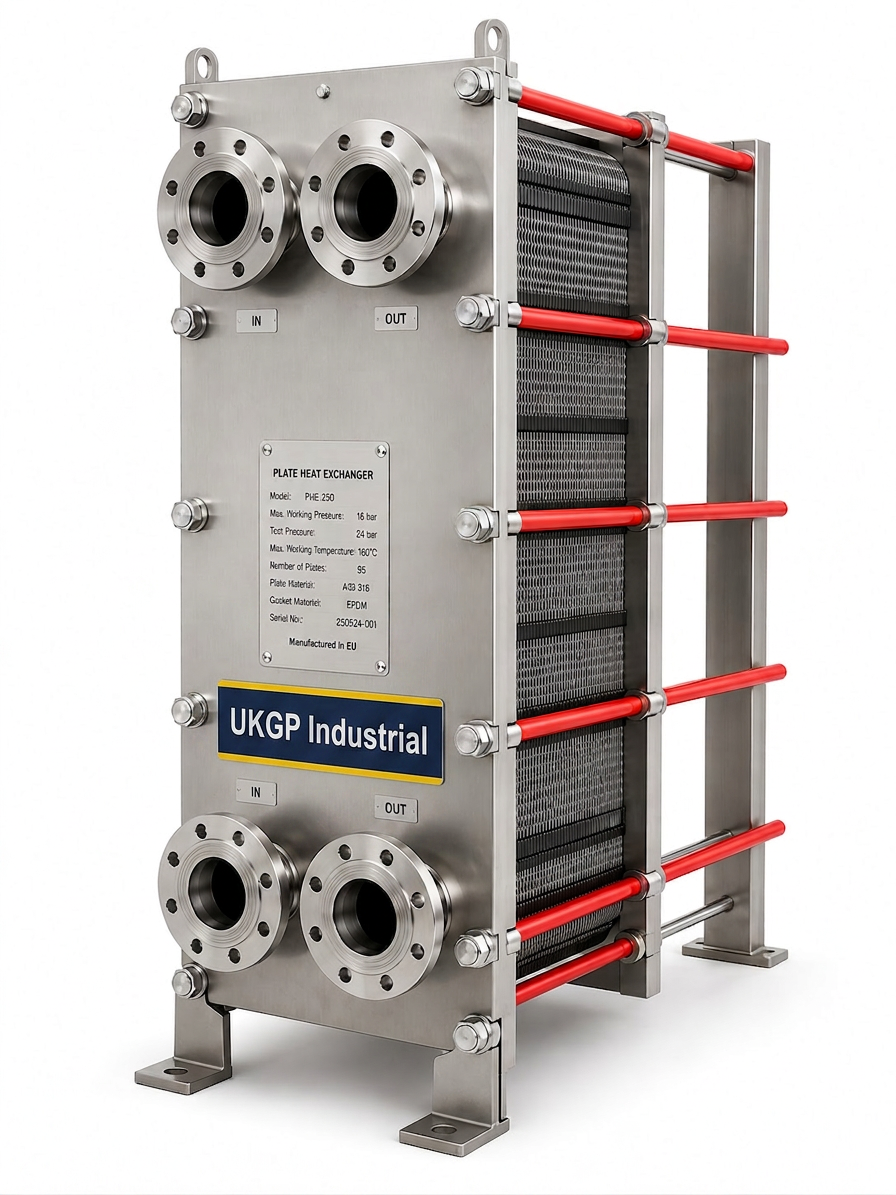
- Protects high-value assets like plate heat exchangers and pumps
- Aligned with BSRIA BG29 and BG50 water quality compliance
Optimising System Hydraulics with Low Loss Headers
In many commercial central heating systems where the cost of power flush central heating has become a recurring issue, the underlying problem is often poor hydraulic separation. When primary and secondary circuits are not correctly balanced, debris tends to settle in areas of low velocity, leading to the very sludge buildup that necessitates a power flush. By installing a precision-engineered low loss header, engineers can ensure that the primary boiler circuit and the secondary distribution circuits operate independently, reducing turbulence and allowing for more efficient debris management near the neutral point of the system.
The use of low loss headers, especially when paired with magnetic separators, creates a designated point where flow velocity drops, encouraging larger particles to settle out of the fluid stream. This preventative measure significantly reduces the cumulative cost of power flush central heating over the lifespan of a building. When specifying UKGP low loss headers, contractors benefit from a product designed to handle the high flow rates common in district heating and large leisure centres, ensuring that the water quality remains high and the thermal efficiency of the primary plant is never compromised by debris.
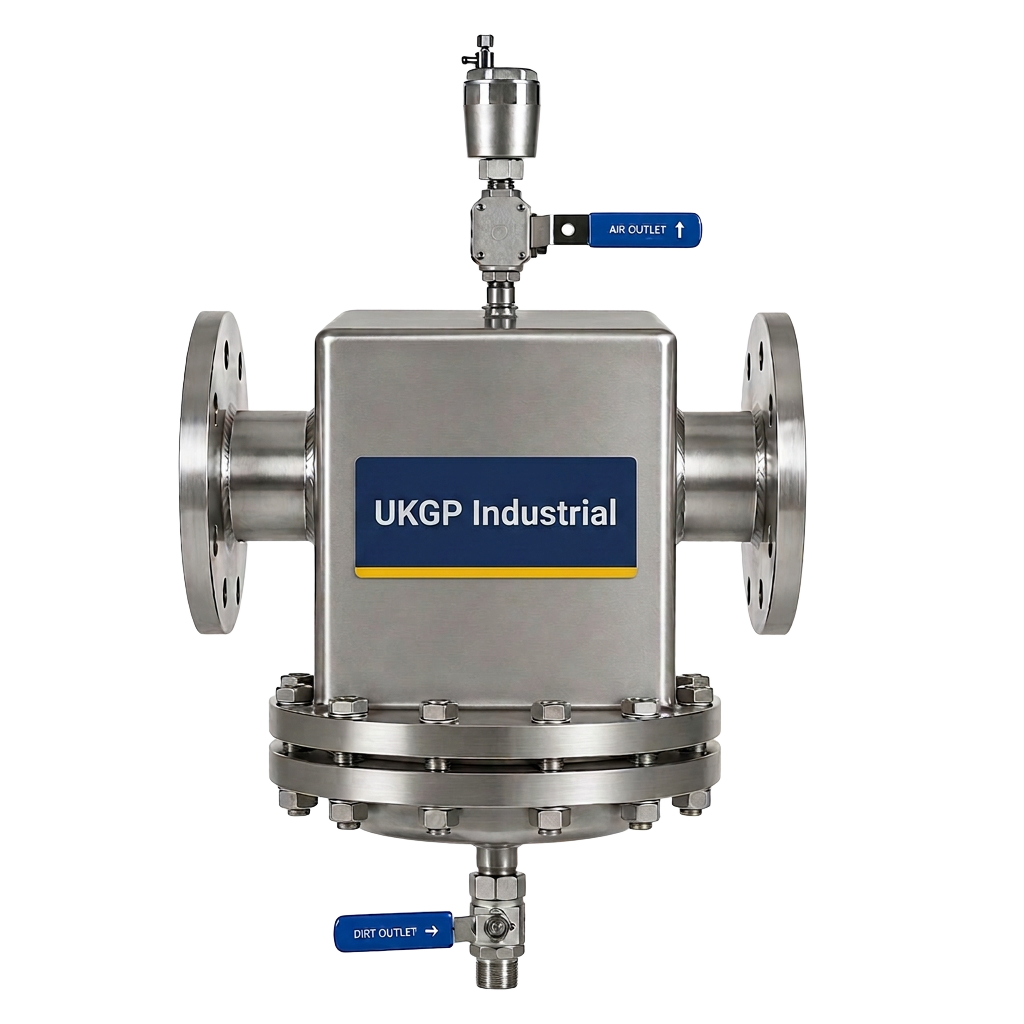
Integrating a low loss header also provides a convenient location for air and dirt separation. In systems where air is present, the rate of corrosion increases exponentially, leading to higher magnetite production. By managing the hydraulics and air content effectively, the physical demand on the filtration system is reduced, further extending the intervals between filter bag changes. This holistic approach to plant room design is what separates modern, high-efficiency installations from legacy systems that rely on the outdated and expensive practice of periodic high-pressure power flushing.
- Achieves hydraulic separation between primary and secondary circuits
- Promotes the settling of heavy debris for easier removal
- Essential for protecting high-efficiency boiler heat exchangers
- Reduces pump cavitation and mechanical stress on control valves
Technical Sizing for Commercial Filtration Systems
To avoid the recurring cost of power flush central heating, correct sizing of the side stream filtration skid is paramount. CIBSE guidelines suggest that a side stream system should typically circulate the equivalent of the total system volume every 24 hours. For a typical commercial plant room, this frequently translates to a flow rate between 5 m³/h and 50 m³/h depending on the total system water content. If a skid is undersized, the rate of particle removal will not keep pace with the rate of corrosion, leading to the eventual accumulation of sludge in terminal units such as fan coils and radiators.
UKGP's engineering team provides detailed sizing support to ensure the chosen skid matches the specific hydraulic requirements of your project. Our skids are designed to be compact yet accessible, featuring robust isolation valves that allow for the replacement of filter bags or the cleaning of magnetic rods without taking the entire heating system offline. This ease of maintenance is a key factor in keeping the total cost of ownership lower than the reactive cost of power flush central heating. A well-sized unit ensures that the water clarity stays within the parameters defined by BS 8552 for sampling and monitoring.
Consideration must also be given to the micron rating of the filter media. While a coarse strainer might catch large pieces of scale or weld slag, it is the fine magnetite—often smaller than 10 microns—that does the most damage to modern pump seals and sensors. Our dual-action approach using high-gauss magnets and 25 µm bag filtration ensures catastrophic debris is captured before it can settle. By specifying a UKGP skid with these features, mechanical contractors provide their clients with a long-term guarantee of system performance and an escape from the endless cycle of flushing.
- Flow rates from 5-50 m³/h tailored to total system volume
- Dual-action removal: Magnetic separation plus 25 µm bag filtering
- Designed for minimal pressure drop across the side stream circuit
- Skid-mounted for rapid on-site installation and commissioning
Compliance with BSRIA BG50 and Water Quality Standards
Compliance is a major driver for facilities managers looking to justify the move away from the high cost of power flush central heating. BSRIA BG50 (Water treatment for closed heating and cooling systems) provides clear guidance on the monitoring and maintenance of water chemistry. It highlights that reliance on chemical treatment alone is insufficient if physical debris is not removed. A system that requires frequent power flushing is, by definition, failing to meet the standards of BG50, which advocates for continuous filtration to prevent the oxygen-induced corrosion that leads to magnetite formation.
Furthermore, BS 8552 provides a framework for water sampling that can often reveal the early signs of system degradation. By monitoring iron levels and suspended solids, maintenance teams can see the benefits of a UKGP side stream filtration skid in real-time. Instead of waiting for a heat exchanger to block—at which point the cost of power flush central heating becomes unavoidable—the data allows for proactive filter changes. This data-driven approach is essential for modern FM contracts where performance KPIs are linked to energy consumption and plant availability.
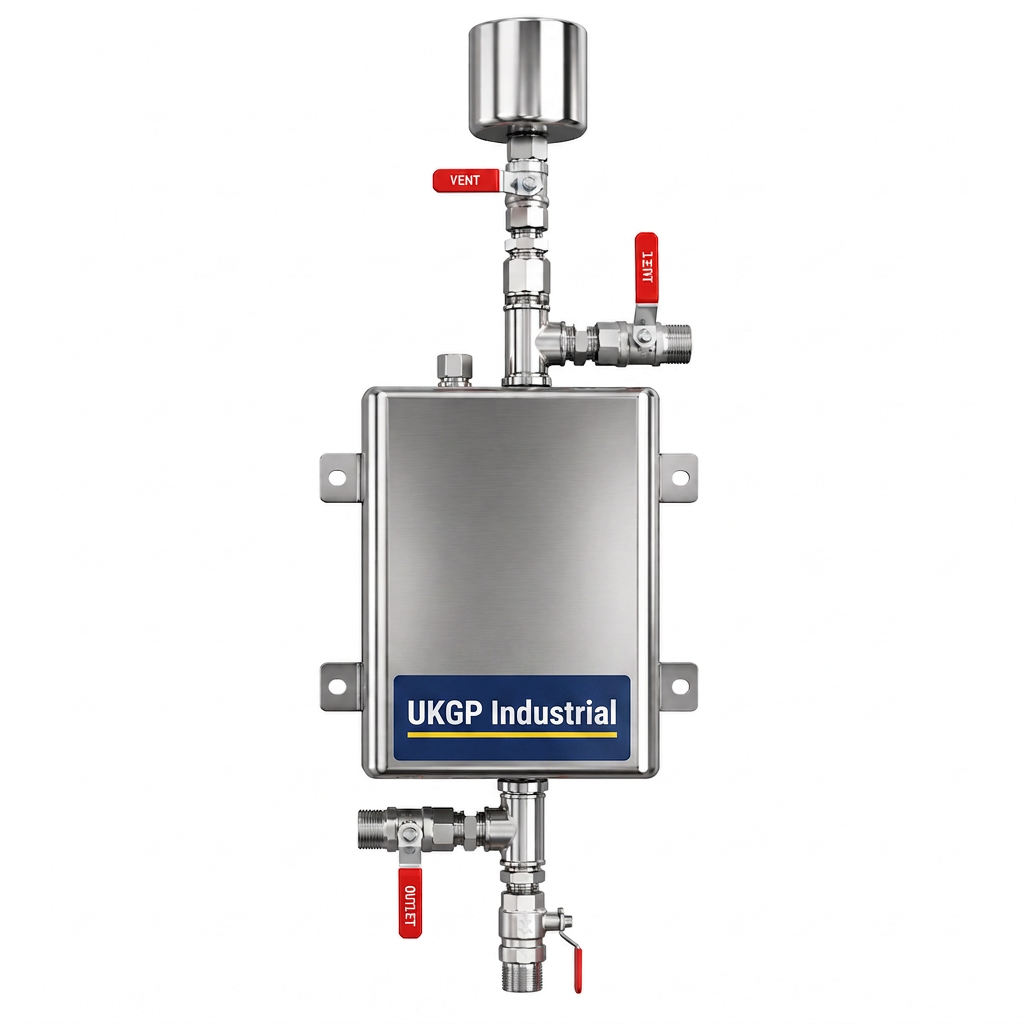
Ultimately, the goal for any Surrey-based or UK-wide engineering team should be the transition to a 'self-cleaning' system. By integrating side stream filtration with precision chemical dosing pots and air separators, the entire HVAC network remains protected. This not only satisfies the rigorous requirements of UK building regulations but also ensures that the manufacturer's warranty on core plant items—such as boilers and heat exchangers—remains valid. Investing in the right filtration technology at the outset represents a significant saving over the 20-year lifecycle of a commercial building.
- Maintains suspended solids within BS 8552 recommended limits
- Supports the data-driven maintenance models preferred by modern FMs
- Reduces the risk of voiding boiler manufacturer warranties
- Ensures long-term compliance with BSRIA BG29 and BG50
Conclusion: Investing in Permanent System Health
In conclusion, while the initial cost of power flush central heating might seem like a quick fix for a sluggish system, it is rarely a sustainable or cost-effective professional strategy for commercial assets. The disruption, environmental impact, and repetitive nature of flushing make it an inferior choice compared to the installation of high-quality side stream filtration. By selecting a UKGP skid, engineered for 5-50 m³/h and featuring 25 µm filtration, you are choosing a solution that protects the system 24/7, maintains peak efficiency, and aligns with all major UK industry standards.
For M&E contractors and procurement leads, the business case is clear: a one-time capital expenditure on a UKGP skid, backed by a 2-year warranty, eliminates the recurring high-cost labour and chemical fees associated with flushing. Our skids are designed to be 'plug-and-play', coming fully assembled with isolation valves to simplify the onsite installation process. This reduces the time spent on-site and ensures that your project is handed over with the best possible water quality, protecting your reputation and your client's investment.
To get a bespoke quote for a UKGP side stream filtration skid or to discuss the requirements for your next plant room refurbishment, please contact our technical team. We specialise in helping UK engineers transition away from the high cost of power flush central heating toward robust, engineered solutions that stand the test of time. Whether you require a single unit for a commercial office or a high-capacity skid for an industrial site, UKGP has the stock and expertise to support your goals.
- Higher ROI compared to repetitive reactive flushing
- Robust 2-year warranty for peace of mind
- Technical support from Surrey-based HVAC experts
- Fast delivery on standard 5-50 m³/h skid configurations
Frequently asked questions
What is the typical cost of power flush central heating for a commercial building?
- The cost varies significantly based on system volume and complexity, but for commercial units, it often ranges from £2,000 to over £10,000 when including labour, chemicals, and waste disposal, making permanent filtration a more cost-effective choice.
How does side stream filtration differ from a power flush?
- A power flush is a temporary, high-pressure cleaning event, whereas side stream filtration is a permanent installation that continuously removes debris during normal operation, maintaining water quality to BSRIA standards without system downtime.
Will a side stream filtration skid protect my heat exchangers?
- Yes, by removing 99% of magnetite and particulates down to 25 µm, a UKGP skid prevents the buildup of sludge in plate heat exchangers, ensuring consistent heat transfer and reducing the need for expensive chemical descaling.
Is a power flush required before installing a UKGP skid?
- If the system is heavily fouled, a preliminary flush may be recommended to BSRIA BG29 standards. Once the UKGP skid is installed, it will maintain that cleanliness, preventing the need for any future power flushing.
Can UKGP skids be retrofitted to existing heating systems?
- Absolutely. Our skids are designed for easy integration into existing plant rooms. With included isolation valves and a compact footprint, they can be installed during a scheduled maintenance window to stop the recurring cost of power flush central heating.