The Importance of Boiler Heat Exchanger Cleaning in UK Facilities
In the UK's commercial sector, boiler heat exchanger cleaning is a critical maintenance task that directly impacts the bottom line. As lime scale and iron oxide particulates build up on the internal surfaces of a heat exchanger, the thermal transfer efficiency drops significantly. This degradation forces the burners to fire longer to meet the building's set-point temperature, leading to inflated energy bills and increased carbon emissions. For facility managers, ignoring the early signs of fouling can result in permanent metal fatigue and unexpected system downtime during peak heating months. Effective cleaning ensures that the system operates according to the original manufacturer's specifications, preserving the integrity of the heat transfer process.
Beyond immediate thermal efficiency, consistent boiler heat exchanger cleaning prevents the localized hotspots that lead to stress fractures in condensing boiler blocks. Modern high-efficiency boilers use compact stainless steel or aluminium heat exchangers with narrow waterways that are particularly susceptible to blockage from debris. When these channels become restricted, the resulting back-pressure can damage the primary circulating pumps and trigger safety lockout codes. By prioritizing a deep clean and subsequent chemical treatment, M&E contractors can ensure that the plant room assets achieve their full design life, reducing the need for premature capital expenditure on replacement units or costly emergency repairs and parts logistics.
At UKGP Industrial, we understand that proactive preventative maintenance is superior to emergency reactive works. While manual boiler heat exchanger cleaning is often necessary for neglected systems, the integration of high-quality plant room equipment can mitigate the frequency of these service intervals. Our team provides the specification support needed to ensure that once a system is cleaned, it remains clean through superior water quality management. This approach aligns with the commercial reality of modern building management, where reliability and efficiency are the primary KPIs for any plant room operation. Choosing a reliable supplier for filtration and dosing equipment is the first step toward a sustainable HVAC maintenance strategy.
- Reduces operational energy consumption by up to 15%
- Prevents localized overheating and thermal stress mapping
- Extends the operational lifespan of expensive condensing boilers
- Minimizes the risk of catastrophic system failures during winter
- Ensures compliance with environmental and carbon reduction targets
Maintaining BG50 Standards to Avoid Frequent Cleaning
The BSRIA BG50 guidelines provide the definitive framework for water treatment in closed heating and cooling systems within the UK. Adhering to these standards is functional in reducing the necessity for intensive boiler heat exchanger cleaning by managing the chemical balance and physical debris within the secondary loop. When iron oxide (magnetite) is allowed to circulate freely, it acts as an abrasive that erodes components and eventually settles in the low-velocity areas of the heat exchanger. By implementing the monitoring and maintenance regimes outlined in BG50, engineers can detect rising levels of suspended solids before they bake onto the primary heat transfer surfaces and cause significant flow restrictions.
Water quality testing, as per BS 8552, should be a standard part of any commercial maintenance contract to validate the effectiveness of current filtration strategies. If testing reveals high levels of iron or copper, it is a clear indicator that the system is corroding internally and that a professional boiler heat exchanger cleaning will soon be required. UKGP Industrial assists consultants and contractors in designing system layouts that facilitate easy sampling and effective filtration. This holistic view of system health ensures that the chemical dosing and mechanical filtration work in tandem to keep the water chemistry within the parameters that inhibit scale formation and microbiological growth.
Implementing a thorough flushing and cleaning process following BG29 (for new builds) and BG50 (for existing systems) ensures that the plant room starts with a clean slate. Once the initial boiler heat exchanger cleaning is performed, the introduction of a high-efficiency side stream filtration skid is the most effective way to maintain that clarity. This eliminates the 're-cleaning cycle' that plagues many commercial buildings where systems are repeatedly flushed only to become fouled again within months. Our engineering team can supply the necessary hardware to maintain these standards, ensuring your plant room remains a model of efficiency and remains fully compliant with the latest industry best practices.
- Compliance with BSRIA BG50 for closed system water treatment
- Regular sampling in accordance with BS 8552 protocols
- Reduction in localized corrosion and pitting within the heat exchanger
- Maintenance of the protective magnetite layer on ferrous surfaces
- Improved accuracy of heat metering and system balancing
The Role of Side Stream Filtration in System Health
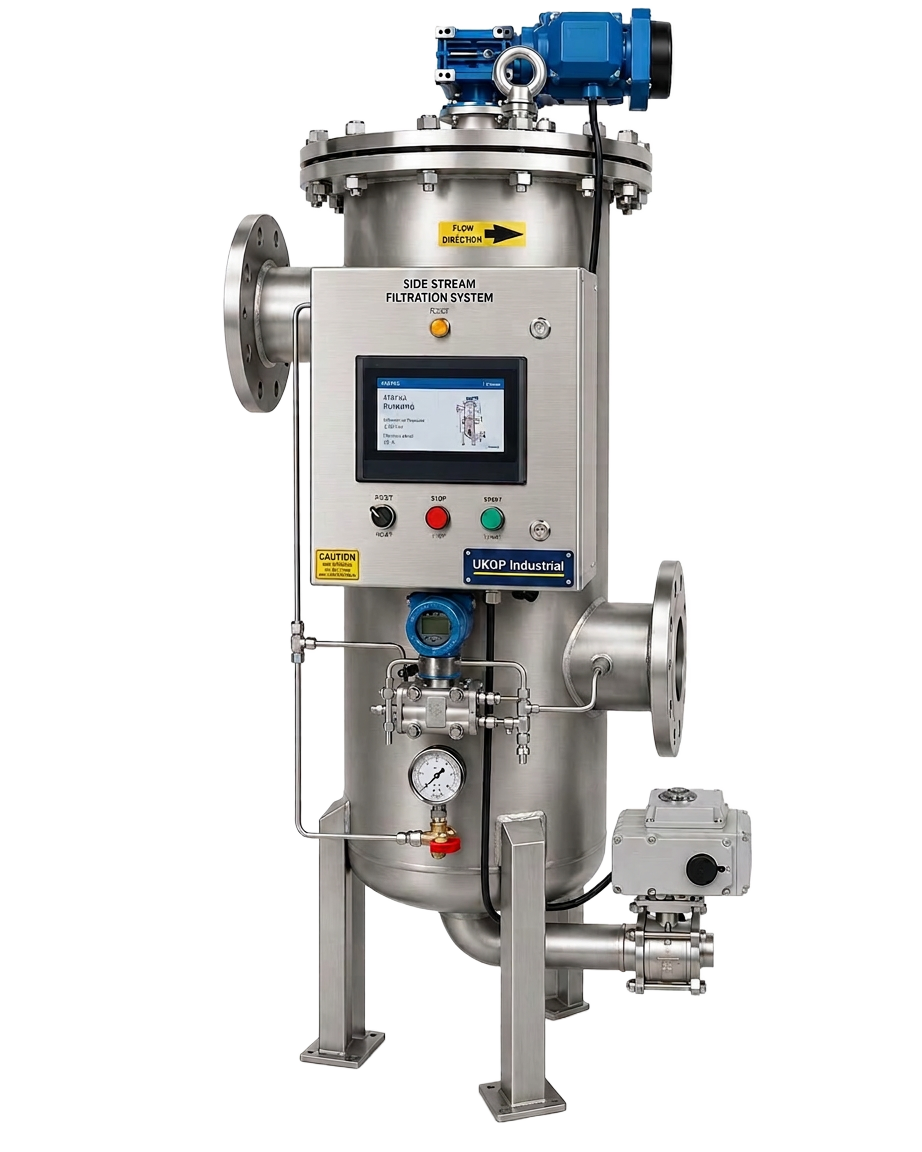
Side stream filtration is the industry-standard method for removing even the finest microscopic particles from a commercial heating circuit without disrupting the main flow. Unlike traditional full-flow strainers which only catch large debris, a dedicated skid can filter down to sub-micron levels, significantly reducing the burden of future boiler heat exchanger cleaning. By continuously diverting a portion of the system water through high-performance filter media and magnetic separators, you can maintain water clarity that manual flushing simply cannot achieve. This continuous cleaning action is vital for high-volume commercial systems where the sheer quantity of water makes full-system chemical flushing both expensive and environmentally challenging to dispose of.
UKGP Industrial offers robust side stream filtration skids specifically designed for the UK market, featuring connections from DN50 to DN100. These units are made to order with a typical lead time of 6 to 8 weeks and provide a reliable solution for plant rooms of all sizes. Starting from £6,800 + VAT, our skids are a cost-effective alternative to the recurring costs of professional boiler heat exchanger cleaning services. Each unit comes with a comprehensive 2-year warranty, reflecting our confidence in the build quality and industrial-grade components used. By installing a skid, procurement leads can demonstrate a clear return on investment through reduced chemical usage and lower labor costs for heat exchanger maintenance.
When specifying a filtration solution, it is important to consider the total volume of the system and the expected debris load. Our technical team can help you select the right sized skid to ensure the entire system volume is processed multiple times per day. This proactive approach to debris management prevents the settlement of sludge in the narrow plates of a heat exchanger. If you are currently facing high pressure drops across your boilers or reduced Delta T, it is likely that your system requires a thorough boiler heat exchanger cleaning followed by the installation of a UKGP filtration skid to prevent the issue from recurring. Contact our Surrey office today for a bespoke quote tailored to your specific plant room requirements.
- Continuous 24/7 removal of magnetite and non-magnetic debris
- No interruption to heating services during filter maintenance
- Significant reduction in chemical additive requirements over time
- Standard UK fittings (DN50-DN100) for easy retrofitting
- Protection for secondary assets like plate heat exchangers
Protecting Assets with Plate Heat Exchangers and Dosing Pots
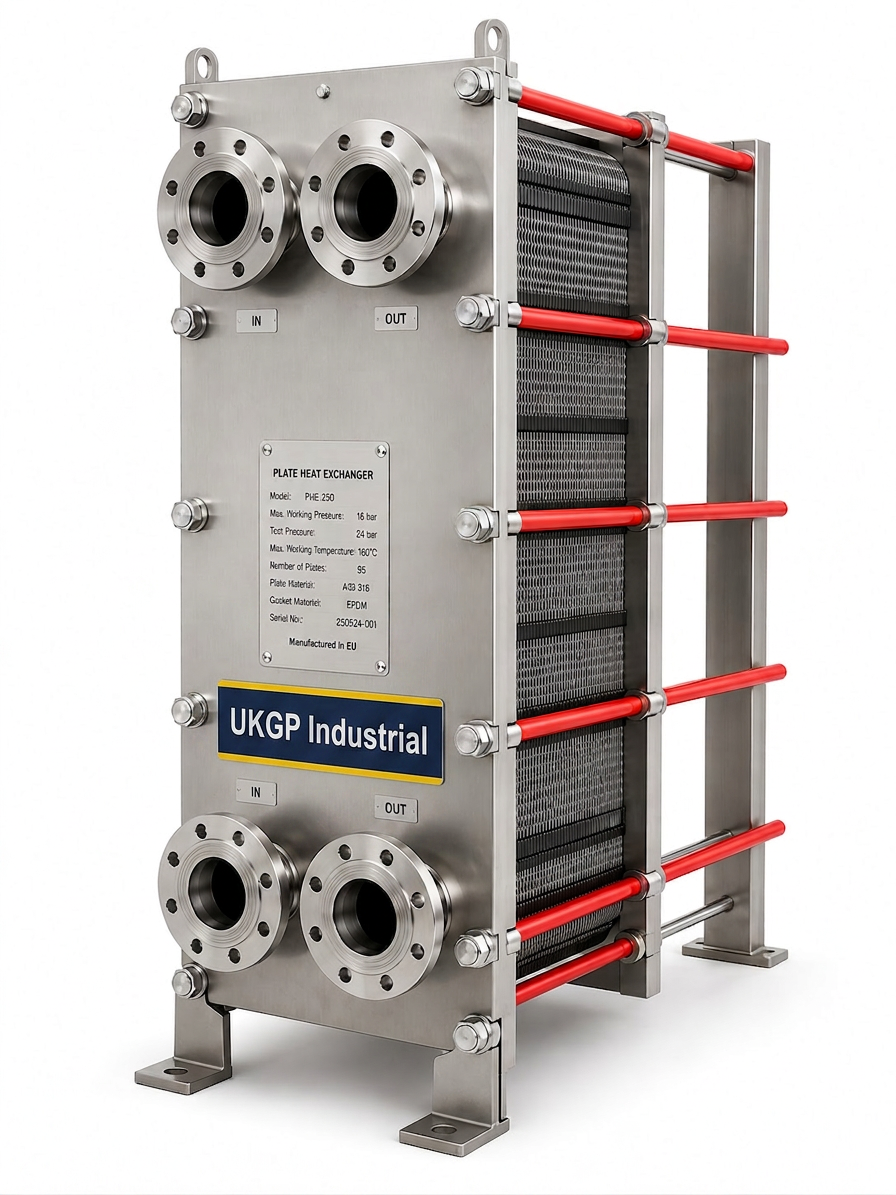
In many modern plant room designs, the primary boiler circuit is hydraulically separated from the secondary building circuit using a plate heat exchanger. This setup is excellent for protecting the boilers from secondary circuit debris, but it shifts the focus of maintenance to the plate heat exchanger itself. Periodic boiler heat exchanger cleaning must still include an assessment of these plates to ensure they have not become blinded by sludge. Plate heat exchangers offer a very high surface area-to-volume ratio, making them incredibly efficient but also highly sensitive to water quality issues. If the plates foul, the primary circuit cannot transfer heat to the building efficiently, leading to boiler short-cycling and increased wear on components.
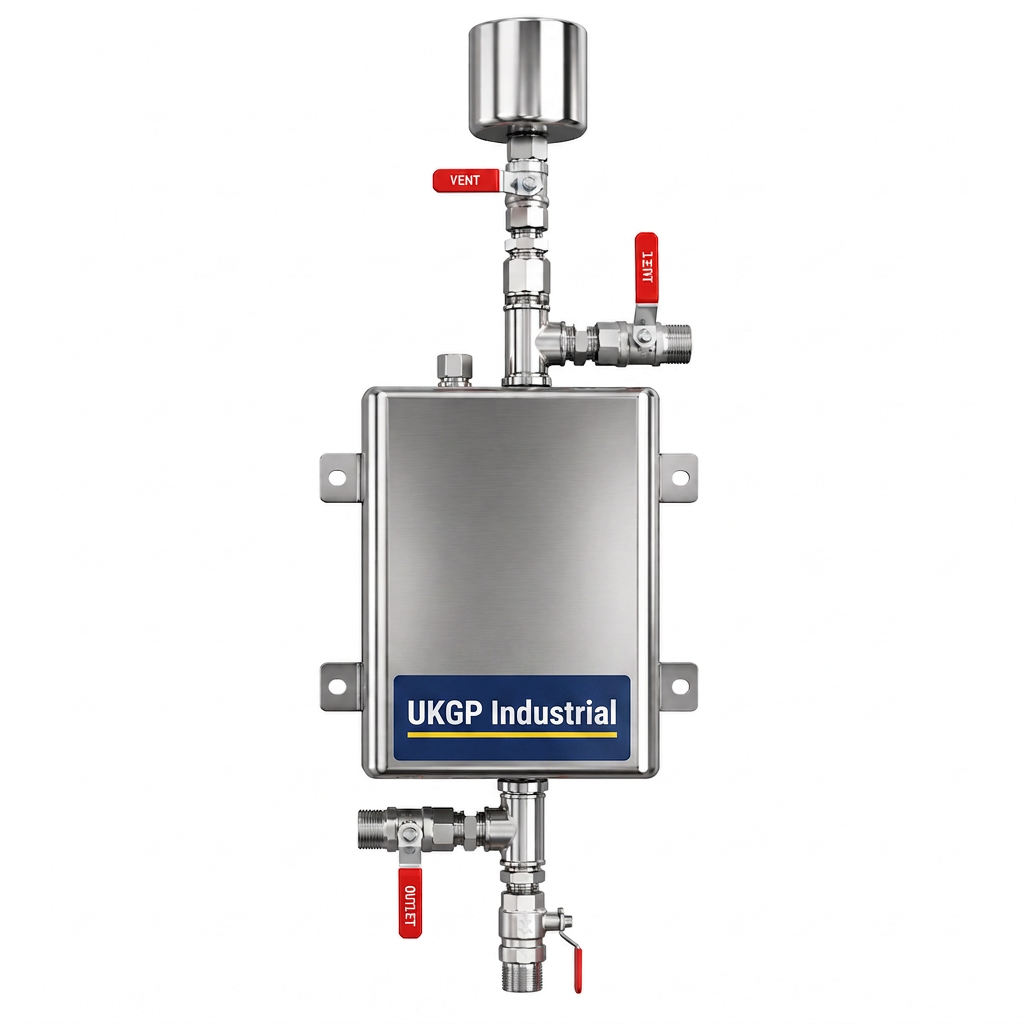
To maintain the chemical integrity of the system and prevent the need for abrasive boiler heat exchanger cleaning, the use of a chemical dosing pot is essential. These allow for the safe and controlled introduction of inhibitors, biocide, and cleaning chemicals without shutting down the system. UKGP provide a range of dosing pots that are manufactured to the highest standards, ensuring that water treatment specialists can maintain the correct chemical ppm levels throughout the year. Proper dosing ensures that any oxygen ingress is neutralized and that the formation of scale is chemically inhibited, protecting every component from the boiler block to the furthest radiator or fan coil unit in the building.
Integrating a UKGP plate heat exchanger alongside our chemical dosing pots creates a multi-layered defense against system degradation. Our plate heat exchangers are designed for ease of maintenance, allowing for straightforward dismantling when a manual clean is eventually required. However, when used in conjunction with a side stream filtration skid, the intervals between manual cleans are greatly extended. This combination of mechanical filtration and chemical treatment is the gold standard for UK commercial plant rooms. For those managing large estates or high-load commercial buildings, investing in high-specification separation and dosing equipment from UKGP Industrial is a commercially aware decision that pays dividends in long-term reliability and reduced maintenance overheads.
- Hydraulic separation protects high-value primary boiler assets
- High-efficiency thermal transfer with UKGP plate heat exchangers
- Enables safe chemical dosing for corrosion and scale inhibition
- Facilitates easier system cleaning and maintenance access
- Compatible with a wide range of common UK water treatment chemicals
Scheduling Maintenance and Financial Considerations
The financial case for regular boiler heat exchanger cleaning is compelling when compared to the costs of component failure. A typical commercial boiler block can cost five figures to replace, excluding the labor and crane hire often required for rooftop plant rooms. By contrast, a planned maintenance regime that includes cleaning and water quality monitoring represents a fraction of the cost. When budgeting for your next fiscal year, it is prudent to allocate funds for a professional system health check. If your system water is discolored or has a high turbidity reading, an immediate boiler heat exchanger cleaning should be prioritized to prevent the accumulation of permanent damage to the primary metals within the burner assembly.
Lead times for specialized plant room equipment have fluctuated in recent years, but UKGP Industrial maintains a stable 6-8 week lead time for our made-to-order filtration skids. This allows facility managers to plan their summer shutdown maintenance with confidence, knowing that the equipment will arrive in time for installation before the autumn heating load begins. For procurement leads, the transparency of our pricing—with side stream filtration units starting at £6,800 + VAT—facilitates straightforward CAPEX approval. Investing in these assets now prevents the 'emergency spend' trap where high premiums are paid for rapid-response repairs and expedited parts delivery during the winter months.
Finally, always ensure that your service provider provides a full post-clean report and water analysis. This documentation is essential for warranty compliance and for demonstrating proactive asset management to building owners and insurers. A thorough boiler heat exchanger cleaning should always be followed by the re-commissioning of all filtration and dosing equipment to ensure the system is protected moving forward. With a 2-year warranty on our primary skids and the expert technical support provided by our Surrey-based team, UKGP Industrial is the preferred partner for M&E contractors looking to deliver high-quality, long-lasting plant room solutions across the United Kingdom.
- Predictable CAPEX with transparent UK pricing structures
- Reduced risk of expensive emergency call-outs and parts shipping
- Documentation for insurance and warranty compliance purposes
- Protection of capital assets through 2-year manufacturer warranties
- 6-8 week lead times allow for strategic maintenance planning
Technical Best Practices for Commercial Boilers
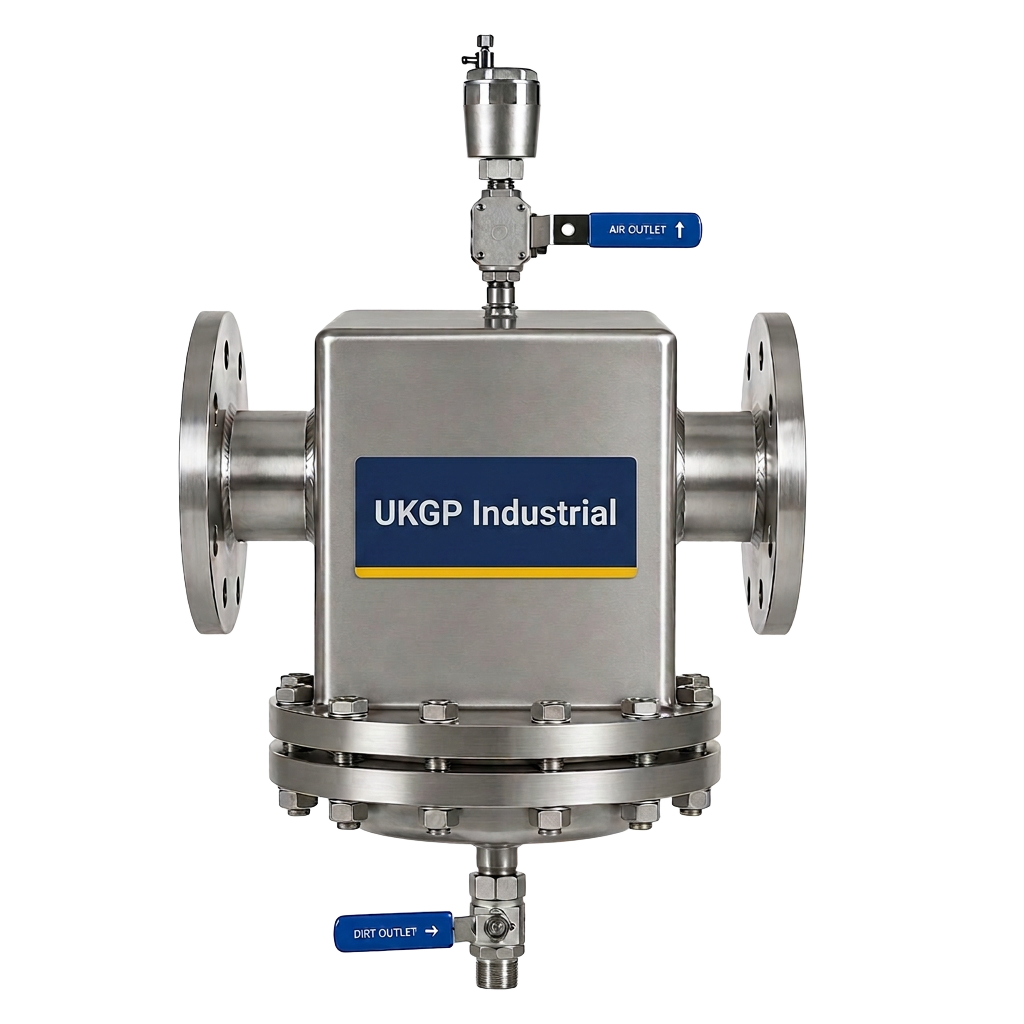
When performing boiler heat exchanger cleaning, engineers must use the correct flushing chemicals to avoid damaging internal gaskets and seals. Acidic cleaners are often used for scale removal, but they must be neutralized and thoroughly flushed from the system to prevent long-term metal thinning. It is also vital to check the air and dirt separators after any cleaning activity, as large chunks of dislodged debris can quickly saturate the collection chambers. UKGP's range of air & dirt separators are designed to handle high flow rates and provide a secondary layer of protection against the particles that are frequently freed during a deep cleaning cycle in older commercial pipework.
Monitoring the system pressure and temperature differential (Delta T) before and after boiler heat exchanger cleaning provides measurable proof of the work's effectiveness. A successful clean should result in a lower flue gas temperature and more consistent heat transfer across all boiler modules. If the system continues to struggle, it may indicate that the fouling has progressed to a point where internal passages are completely blocked, requiring more invasive mechanical intervention or even shell-and-tube replacements. Integrating modern monitoring equipment alongside UKGP's filtration and separation units allows building engineers to track these metrics in real-time, providing an early warning system for future maintenance needs.
In conclusion, managing a commercial plant room requires a balance of mechanical maintenance and strategic equipment investment. While boiler heat exchanger cleaning is a necessary reactive step for many existing buildings, the goal should always be to move toward a proactive model. By utilizing high-performance side stream filtration, plate heat exchangers, and precise chemical dosing from UKGP Industrial, you can ensure that your heating system remains efficient, reliable, and compliant with BSRIA and CIBSE standards. Reach out to our engineers to discuss how we can support your next plant room project with UK-manufactured equipment designed for the rigours of commercial heating and cooling applications.
- Use of inhibited chemicals to protect sensitive heat exchanger metals
- Verification of flow rates and pressure drops post-cleaning
- Integration of air and dirt separators for optimal gas removal
- Real-time monitoring of Delta T to track efficiency gains
- Training for on-site staff on filter cleaning and dosing procedures
Frequently asked questions
How often should commercial boiler heat exchanger cleaning be performed?
- Frequency depends on water quality and system design. According to BSRIA BG50, if water quality is maintained and filtration is in place, manual cleaning may only be required every 3-5 years. However, systems with poor water quality may require it annually until the root cause is addressed.
What is the cost of a side stream filtration skid for a commercial plant room?
- UKGP filtration skids start from £6,800 + VAT. These are made to order in the UK with a 6-8 week lead time and are significantly more cost-effective than recurring manual cleaning and the associated energy waste of a fouled system.
Can boiler heat exchanger cleaning be done while the system is running?
- Manual cleaning usually requires a shutdown, but using a UKGP side stream filtration skid allows for the continuous removal of debris while the system remains operational, reducing the need for downtime.
Why is BSRIA BG50 relevant to cleaning?
- BG50 provides the industry-standard guidance for water treatment in closed systems. Following its protocols prevents the buildup of scale and magnetite, which are the primary causes for needing an intensive boiler heat exchanger cleaning.
What warranty comes with UKGP equipment?
- All UKGP side stream filtration skids and plate heat exchangers come with a 2-year warranty, providing peace of mind for M&E contractors and facility managers regarding the longevity of their plant room investments.