Understanding Commercial Swimming Pool Dosing System Requirements
Specifying a swimming pool dosing system requires more than just basic chemical delivery; it necessitates a comprehensive understanding of hydraulic flow, occupancy loads, and the specific chemical footprint of the facility. For UK building services consultants and M&E contractors, the primary objective is to balance pH levels and disinfection rates while preventing mineral scale or corrosion within the heat exchangers and circulation pipework. A well-engineered swimming pool dosing system must be capable of handling fluctuating bather loads while maintaining strict adherence to BS 8552 and relevant PWTAG guidelines to ensure safety and longevity of the plant room equipment.
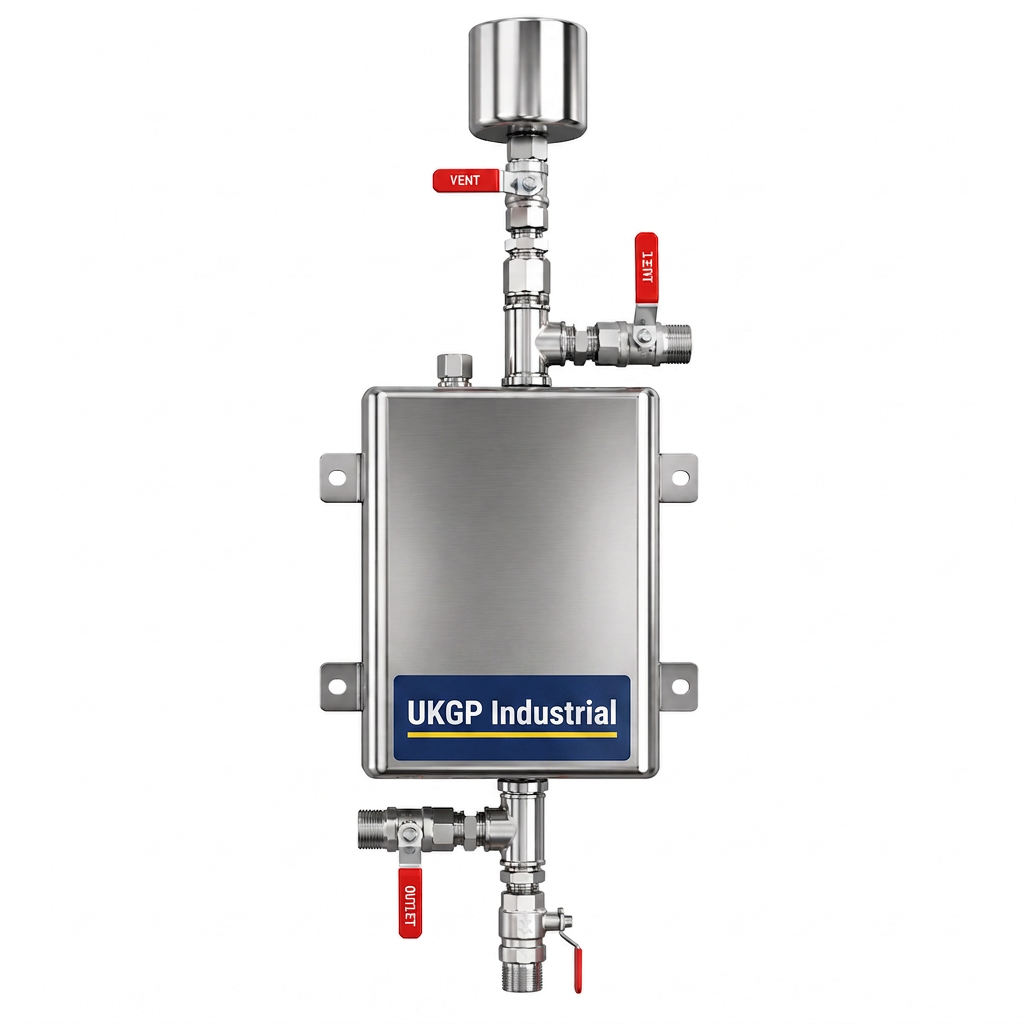
In the commercial sector, the reliability of the swimming pool dosing system directly impacts operational costs and facility uptime. Site managers must ensure that the dosing infrastructure is compatible with the volume of water and the specific turnover rate of the basin. This involves not only the pumps and sensors but also the manual chemical introduction points where initial inhibitor charges or biocides are introduced. Integrating a UKGP chemical dosing pot into the bypass circuit allows forcontrolled introduction of chemicals without interrupting the main circulation flow, providing a durable solution for secondary chemical treatment requirements regularly found in large-scale leisure complexes.
When designing these systems, durability is paramount. Standard domestic-grade equipment will not withstand the rigorous demands of a 24/7 commercial environment. A swimming pool dosing system must feature industrial-grade components throughout, from the injection valves to the monitoring controllers. UKGP provides the high-specification hardware necessary to support these systems, ensuring that every component—from the high-pressure dosing pots to the expansion bellows—is manufactured to withstand the corrosive atmospheres often present in pool plant rooms. This holistic approach to specification ensures that the entire system works in harmony to prevent premature failure of heat generation and distribution assets.
- Analyse peak bather loads to determine chemical demand cycles.
- Verify material compatibility for chlorine, bromine, or salt-chlorination headers.
- Ensure the system layout facilitates easy maintenance and calibration access.
- Integrate safety interlocks to prevent chemical overdose during flow failures.
Material Selection and Corrosion Resistance
The corrosive nature of pool water chemicals makes material selection the most critical stage of specifying a swimming pool dosing system. Standard carbon steel components may suffice for external heating loops, but any component exposed to treated water must be evaluated for long-term resistance. For bypass-mounted equipment, such as a UKGP chemical dosing pot, we offer both carbon steel and stainless steel variants to suit specific site conditions. Stainless steel is often the preferred choice in high-humidity pool environments where external corrosion is as much of a threat as internal chemical degradation, ensuring the unit remains structural sound throughout its lifecycle.
Beyond the dosing points, the wider system architecture must consider the impact of thermal expansion and pressure differentials. High-temperature pool water circuits can place significant stress on rigid pipework, leading to joint failure or stress-cracking in chemical-laden environments. Specifying UKGP expansion bellows alongside your swimming pool dosing system helps mitigate these risks by absorbing axial and lateral movements. This preventative measure is essential for maintaining hydraulic integrity, particularly when the system undergoes rapid temperature shifts during backwashing or initial heating phases, keeping the facility compliant with BS EN 14917 standards for safety and reliability.
Furthermore, the integration of sensors and transmitters is vital for real-time monitoring. A swimming pool dosing system is only as effective as the data it receives. Specifying high-accuracy pH sensors enables the system to react instantly to changes in alkalinity, preventing the water from becoming too acidic or basic. This level of control is necessary to protect expensive assets like plate heat exchangers from scaling or pitting. By choosing UKGP sensors, engineers can ensure high-fidelity signals are sent back to the master controller, allowing for precise chemical delivery and reducing the overall volume of chemicals consumed, which significantly lowers annual operating expenditure for the facility manager.
- Select 316L stainless steel for components in high-chlorine environments.
- Utilise expansion bellows to protect pipework from thermal stress.
- Install high-fidelity pH sensors for real-time chemistry management.
- Ensure all gaskets and seals are chemically resistant to sodium hypochlorite.
The Role of Dosing Pots in Closed-Loop Pool Assets
While automated pumps handle the day-to-day disinfection, a swimming pool dosing system often relies on manual intervention for initial dosing or seasonal system cleaning. A chemical dosing pot is the industry-standard method for introducing inhibitors or glycol into the closed-loop heating sections of a pool system. UKGP offers 5L, 10L, and 25L dosing pots, which are bypass-mounted with isolation valves, a drain, and a vent. These units allow plant-room engineers to safely introduce chemicals into high-pressure systems without the risk of air ingress or chemical flash, which is critical for maintaining the efficiency of the primary heating circuit.
Our chemical dosing pots are manufactured with the same commitment to quality as our specialized swimming pool dosing system components. With a 2-year warranty and robust construction, these pots are essential for consultants writing a BSRIA BG29 compliant specification. By incorporating these into the plant room design, you ensure that the secondary heating loop can be treated with corrosion inhibitors, protecting the boilers and heat exchangers from the internal decay that often plagues poorly maintained commercial systems. This design choice simplifies the maintenance process for FMs, allowing for quick chemical top-ups during routine service visits without requiring a system drain-down.
For procurement leads, the value proposition of a UKGP dosing pot lies in its durability and ease of installation. Whether you require a carbon steel unit for a standard heating loop or a stainless steel version for more aggressive environments, these pots come fully assembled with the necessary valving for immediate integration. When specified as part of a comprehensive swimming pool dosing system strategy, these units provide the reliable entry point needed for chemical shock treatments or standard preventative maintenance. Request a quote from UKGP to see how our competitively priced, high-specification dosing pots can enhance your next commercial leisure project's plant room performance.
- Available in 5L to 25L capacities to match system water volumes.
- Bypass-mounted design for safe chemical introduction during operation.
- Heavy-duty construction with a 2-year manufacturer's warranty.
- Comprehensive valve kit included: isolation, drain, and air vent valves.
Hydraulic Separation and System Efficiency
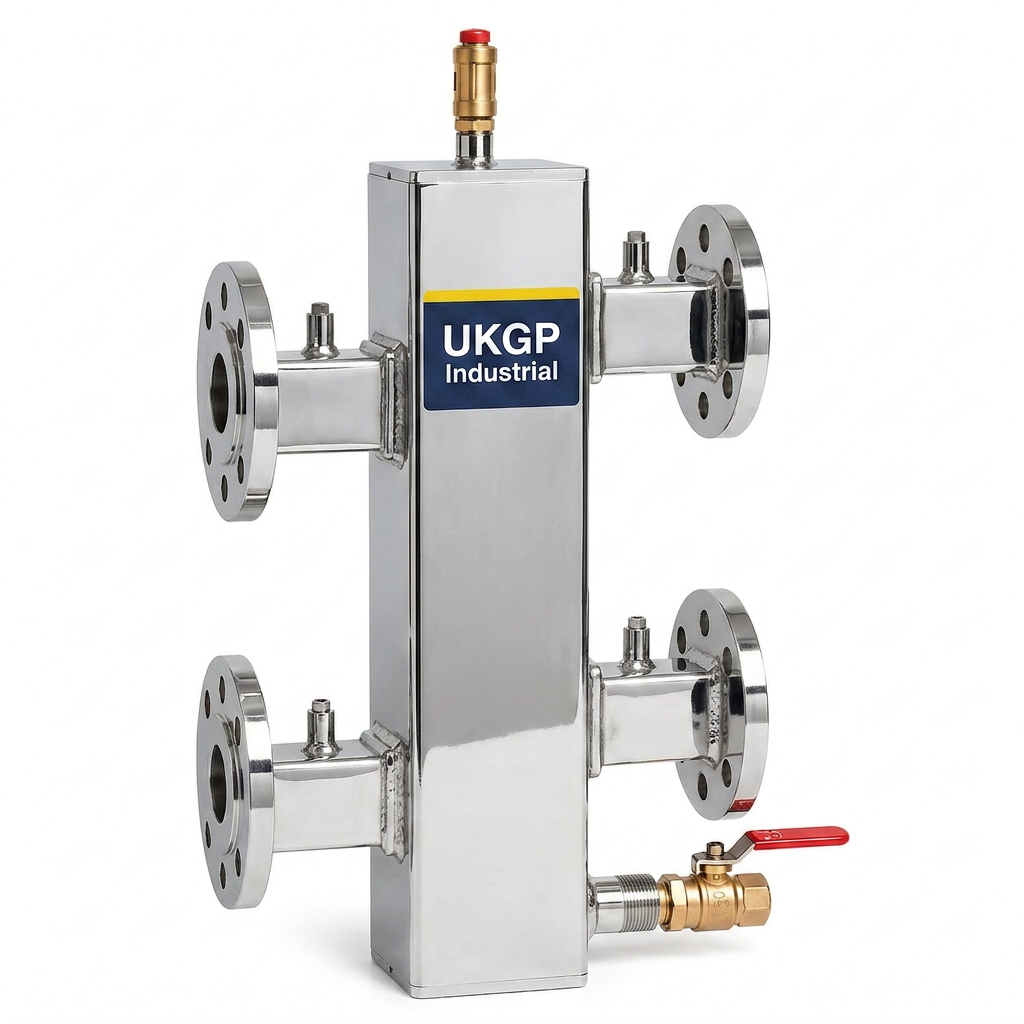
Maintaining hydraulic balance in a swimming pool dosing system is essential for accurate chemical distribution and energy efficiency. In complex plant rooms where multiple heat sources are used to maintain pool temperatures, the use of a low loss header is often required. This component ensures that the primary boiler circuit can maintain consistent flow rates even when the demand in the swimming pool secondary circuit fluctuates. Without proper separation, the swimming pool dosing system may experience erratic flow through the probe cells, leading to inaccurate readings and potentially dangerous chemical imbalances within the water body.
Correct hydraulic design also protects the sensitive components of the swimming pool dosing system. If flows are too high, the injection nozzles can experience accelerated wear; if too low, the chemicals may not mix adequately before entering the pool. By utilizing a low loss header, engineers can decouple the primary and secondary pumps, allowing each to be sized and controlled for its specific purpose. This setup supports the longevity of the circulation pumps and ensures that the chemical sensors receive a stable, representative sample of the pool water, which is fundamental for maintaining the tight tolerances required by UK health and safety legislation.
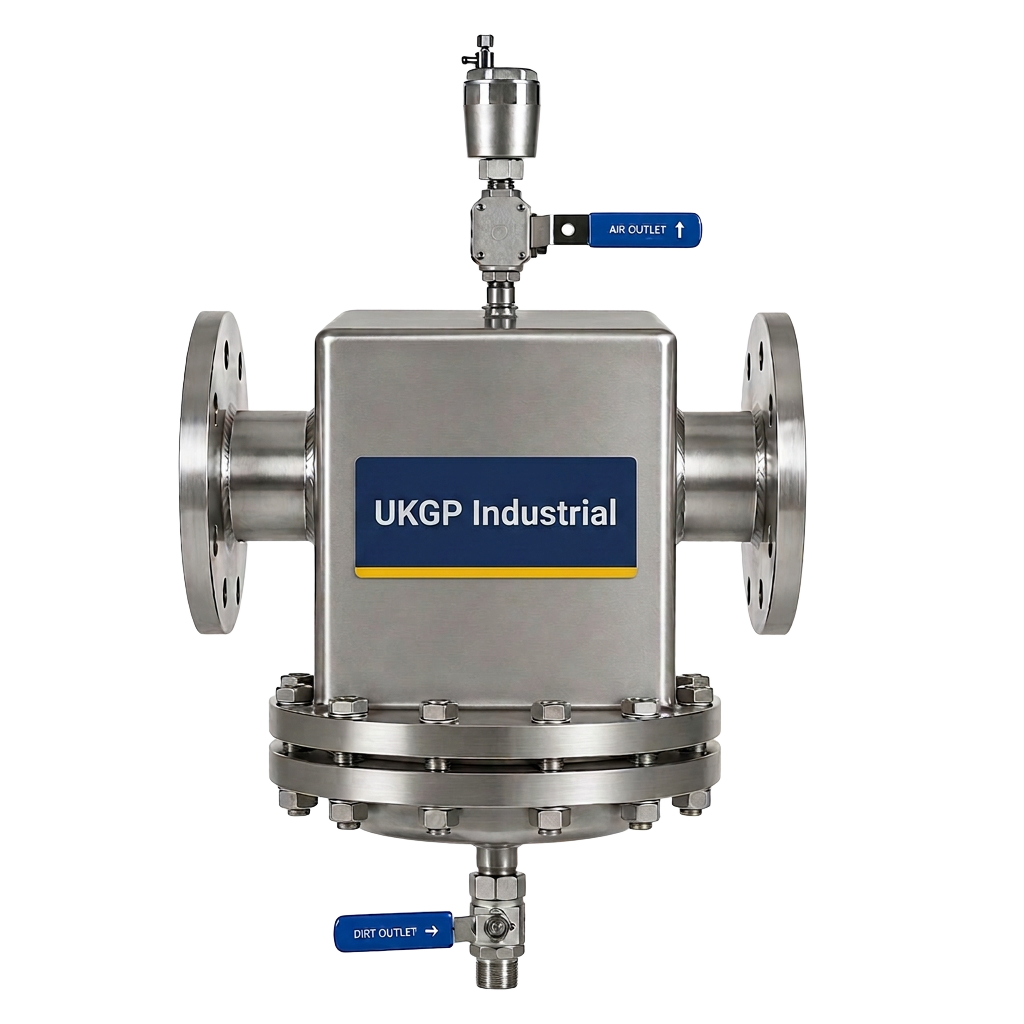
Furthermore, effective separation prevents the rapid cycling of commercial boilers, which can be caused by the high thermal inertia of pool water. When specifying a swimming pool dosing system, consultants should look at the plant room holistically. Integrating UKGP low loss headers and air & dirt separators ensures that the water being tested and treated is free from debris and micro-bubbles. This cleanliness prevents the fouling of sensors and leads to more reliable chemical readings, ensuring that the dosing system operates at peak efficiency while minimizing the wear and tear on the entire distribution network.
- Decouple primary and secondary circuits for stable sensor readings.
- Prevent boiler short-cycling through improved thermal management.
- Reduce turbulence near chemical injection points for better mixing.
- Enhance energy efficiency by optimising pump control cycles.
Standards and Compliance: BSRIA and BS 8552
Compliance with UK standards is non-negotiable for any commercial swimming pool dosing system installation. BSRIA BG29 (Pre-commission cleaning of pipework systems) and BG50 (Water treatment for closed-loop systems) provide the framework for professional plant room setup. While these often focus on the heating and cooling loops, their principles are equally applicable to the heat exchangers and circulation systems that interface with the pool. A compliant swimming pool dosing system must allow for the accurate monitoring and documentation of all chemical adjustments to ensure an audit trail is maintained for facility safety records and environmental inspections.
BS 8552:2012 provides specific guidance on the sampling and monitoring of water within buildings. For a swimming pool dosing system, this means the specification must include accessible sampling points and reliable instrumentation. UKGP pH sensors and transmitters are designed to meet these rigorous data requirements, offering a clear interface for the FM team and ensuring that any drift in water chemistry is flagged before it exceeds regulatory limits. Using hardware that aligns with British Standards not only protects the bathers but also mitigates the legal liability for the building owner or management company in the event of an inspection.
Finally, the specification of the manual dosing equipment must not be overlooked in the compliance journey. A UKGP chemical dosing pot, properly installed in the secondary heating loop, facilitates the easy addition of chemicals required to maintain the water quality benchmarks set out in CIBSE guides. These pots allow for controlled introduction without exposing staff to raw chemicals or introducing large volumes of oxygen into the system. Ensuring your swimming pool dosing system specification includes these robust, high-quality UKGP components will guarantee a plant room that is both safer to operate and simpler to maintain over twenty or thirty years of service.
- Align system designs with BSRIA BG29 and BG50 requirements.
- Ensure all sensor data is logs-ready for BS 8552 audits.
- Provide clear documentation for chemical dosing and maintenance staff.
- Select components with proven track records in commercial leisure projects.
Conclusion: Integrated Dosing Strategies
In summary, an effective swimming pool dosing system is the backbone of any commercial leisure facility. Beyond the simple delivery of chlorine or acid, the system must be resilient, accurate, and easy to maintain. By specifying high-quality components such as UKGP chemical dosing pots, sensors, and headers, engineers can create a robust environment that protects both the end-user and the equipment. These components, available in various sizes and materials including carbon and stainless steel, offer the flexibility required for the diverse range of commercial pools found across the UK, from health clubs to municipal leisure centres.
M&E contractors and procurement leads should prioritise units that offer a long service life and a solid warranty. The UKGP range of chemical dosing pots, featuring bypass mounting and complete valve sets, represents the gold standard for supplemental chemical introduction. When combined with a sophisticated swimming pool dosing system of automated controllers and high-precision sensors, these tools enable facility managers to maintain perfect water balance with minimal effort. This integrated approach to plant room design reduces mechanical failures and ensures that the water quality remains pristine for the duration of the operational year.
To ensure your next project benefits from high-performance equipment that meets all UK standards, contact our technical team at UKGP. We can provide detailed data sheets and CAD drawings to assist with the specification of your swimming pool dosing system and associated plant room hardware. Whether you need a 25L stainless steel dosing pot for a large aquatic centre or a specialized heat exchanger for a boutique spa, UKGP has the industrial expertise to support your commercial builds. Order today to secure a 2-year warranty on your dosing pots and ensure your plant room is built to last.
- Integrate manual and automated dosing for total water control.
- Request quotes for 5L, 10L, and 25L dosing pots early in the build.
- Focus on UK-manufactured components for reliable lead times.
- Standardise on stainless steel for aggressive pool-side environments.
Frequently asked questions
What size dosing pot do I need for my swimming pool heating loop?
- Dosing pots are sized based on the total water volume of the system. For most commercial primary heating loops servicing a swimming pool, a 5L, 10L, or 15L pot is standard. UKGP 25L pots are usually reserved for very large district heating or campus-wide leisure systems to ensure inhibitors can be introduced in a single charge.
Is stainless steel necessary for a swimming pool dosing system?
- While carbon steel is often used for the primary heating loop, any component in direct contact with the chlorinated pool water or in a high-humidity environment should ideally be stainless steel. UKGP offers both materials, allowing engineers to choose the most cost-effective option based on the specific location within the plant room.
How does a swimming pool dosing system integrate with a low loss header?
- A low loss header creates a neutral pressure zone, allowing the circulation pump for the swimming pool dosing system to operate at a stable flow rate. This stability is crucial for the sensor probes to get accurate readings, as turbulent or erratic flow can cause sensor 'chatter' and inaccurate dosing.
What is the maintenance schedule for a commercial dosing system?
- Per BS 8552 and BSRIA BG50, commercial systems should have their water chemistry checked daily, while the swimming pool dosing system sensors should be cleaned and calibrated monthly. Mechanical components like the UKGP chemical dosing pot should be visually inspected for leaks or valve wear during quarterly plant room audits.
Can a swimming pool dosing system handle glycol for outdoor pools?
- Yes, if the pool heat exchangers are exposed to frost risks, the system may require glycol. A UKGP chemical dosing pot is the perfect tool for introducing glycol into these loops, ensuring the bypass-mounted setup allows for easy concentration adjustments as the seasons change.