The Role of Inhibitor for Combi Boiler Efficiency
In modern commercial and high-end residential plant rooms, the efficiency of heat transfer is directly tied to the chemistry of the circulating water. When specifying an inhibitor for combi boiler systems, mechanical engineers must account for the multi-metal nature of the circuit, which often includes copper, steel, and aluminium components. Without adequate chemical protection, these systems are highly susceptible to electrolytic corrosion and localized pitting, which can lead to premature heat exchanger failure and reduced thermal output across the building's heat emitters.
The application of a high-quality inhibitor for combi boiler setups serves as a proactive barrier against the formation of magnetite and calcium carbonate scale. Magnetite, a black oxide sludge, is particularly detrimental to high-efficiency pumps and heat exchangers, often resulting in cold spots and significantly increased operational costs. By maintaining the correct chemical concentrations, facilities managers can ensure the system operates within its design parameters, preventing the thermal stress that often leads to emergency call-outs and unplanned system downtime during peak heating months.
BSRIA BG50 dictates that water quality should be monitored and maintained throughout the life of the system to prevent degradation. An effective inhibitor for combi boiler circuits works by forming a microscopic protective film on internal surfaces, passivating the metal and neutralizing dissolved oxygen. This chemical stability is vital for maintaining the energy labels and carbon footprints promised by major UK commercial boiler OEMs, ensuring that the initial investment in high-efficiency hardware is not squandered by poor water quality management or inadequate maintenance schedules.
- Prevents the build-up of magnetite sludge and iron oxide deposits
- Protects multi-metal heat exchangers from galvanic corrosion
- Reduces energy consumption by maintaining optimal heat transfer
- Extends the operational life of circulator pumps and control valves
Compliance with BSRIA BG29 and BG50 Standards
Adherence to industry standards like BSRIA BG29 and BG50 is not merely a recommendation; it is a fundamental requirement for professional M&E contractors and consultants. These guidelines provide the framework for pre-commissioning cleaning and the ongoing maintenance of closed-loop systems. When introducing an inhibitor for combi boiler circuits, it is essential that the system has been properly flushed and cleaned of any installation debris or flux residues. Failure to do so can lead to under-deposit corrosion, where the inhibitor cannot reach the metal surface due to physical blockages.
BS 8552 provides further guidance on the sampling of water in closed-loop systems, highlighting the need for regular chemical analysis to confirm that the inhibitor for combi boiler levels remains at the manufacturer-recommended concentration. If concentration levels drop, the risk of oxygen-led corrosion increases exponentially. For commercial installations, this means consistent monitoring of pH, conductivity, and molybdenum or phosphate levels, depending on the specific inhibitor chemistry chosen by the plant room engineer to suit the local water hardness and system materials.
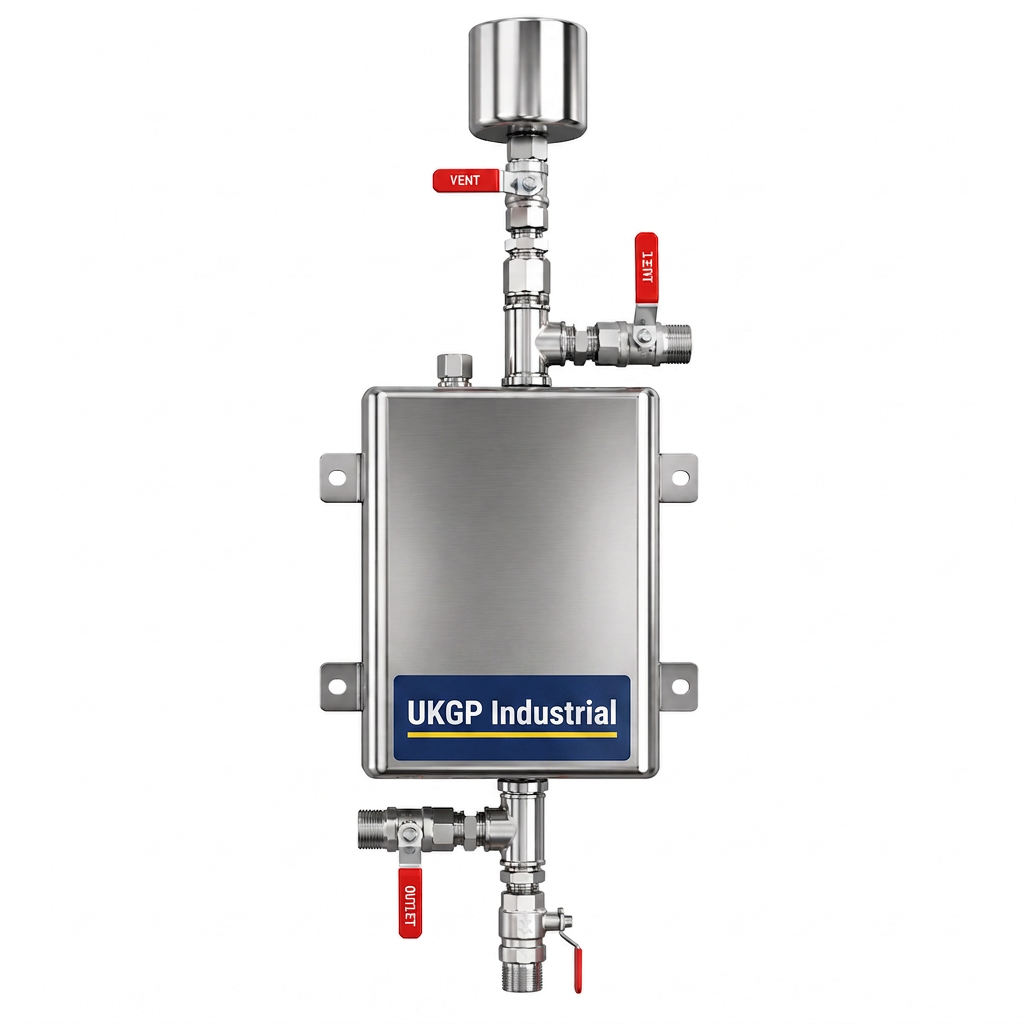
To facilitate this maintenance, the installation of robust hardware is necessary. A UKGP Industrial chemical dosing pot is the industry-standard solution for introducing these chemicals into the flow. Available in 5L, 10L, and 25L capacities, these units allow for the safe and controlled injection of an inhibitor for combi boiler systems without the need to drain down the entire circuit. Using a bypass-mounted design with high-quality isolation valves ensure that maintenance teams can replenish chemical levels during normal operation, keeping the system compliant with BSRIA requirements year-round.
- Ensures compliance with BSRIA BG29 pre-commissioning protocols
- Facilitates regular water sampling according to BS 8552 guidelines
- Supports the long-term system health mandates of BSRIA BG50
- Allows for precise chemical dosing without system shutdown
Technical Selection of Chemical Dosing Hardware
Choosing the right dosing equipment is just as critical as selecting the inhibitor for combi boiler systems themselves. At UKGP Industrial, we manufacture our dosing pots from heavy-duty carbon steel or stainless steel to withstand the pressures and temperatures of typical UK plant rooms. For smaller commercial setups using an inhibitor for combi boiler, our 5L units are often sufficient, whereas larger multi-boiler cascades or district heating schemes may require 10L or 25L versions to achieve the correct initial dosage concentration efficiently.
Every UKGP dosing pot is supplied as a complete assembly, including integral isolation valves, a drain valve, and a vent valve. This configuration is essential for health and safety, allowing the operator to depressurize the unit before introducing the inhibitor for combi boiler. By using a bypass-mounted configuration, the pressure differential across the main pump forces the chemicals into the system stream. This ensures a rapid and uniform distribution of the inhibitor throughout the primary circuit, protecting every component from the boiler heat exchanger to the furthest radiator or fan coil unit.
Furthermore, our units come with a 2-year warranty, providing procurement leads and engineers with peace of mind regarding the longevity of their plant room assets. When specifying an inhibitor for combi boiler application, the physical footprint and ease of access for the dosing pot must be considered. Our stainless steel options offer superior external corrosion resistance in damp plant room environments, ensuring that the vessel remains a reliable part of the maintenance infrastructure for many decades, outlasting several generations of boiler technology.
- Available in 5L, 10L, and 25L variations for precise system sizing
- Constructed from high-grade carbon steel or stainless steel options
- Includes essential safety features: vent valves and isolation sets
- Two-year warranty supports long-term commercial asset management
Mitigating Air and Dirt in Combi Circuits
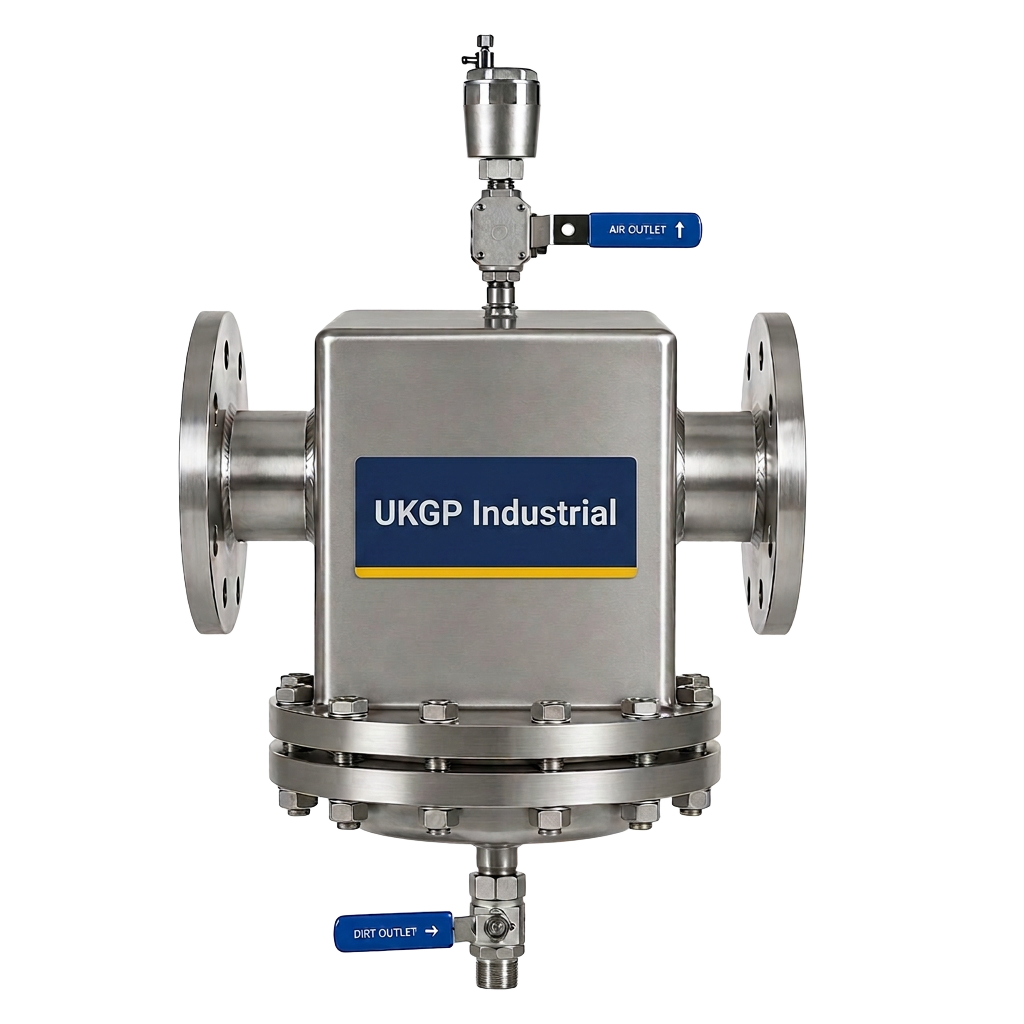
Chemical treatment is most effective when combined with mechanical filtration. Even with a high-performance inhibitor for combi boiler, the presence of micro-bubbles and entrained air can lead to localized oxidation. This is why air and dirt separators are frequently specified alongside dosing pots. By removing the physical catalyst for corrosion—oxygen—the chemical inhibitor can work more effectively to passivate the internal surfaces, leading to a much more stable and predictable hydronic environment for the facility's heating infrastructure.
The interaction between mechanical separation and chemical dosing is a core tenet of modern system design. While the inhibitor for combi boiler prevents the chemical reaction of corrosion, air and dirt separators remove the existing particulate matter that could settle in low-flow areas. This dual approach ensures that the secondary side of any plate heat exchanger remains clear of blockages, maintaining the design temperature differential (Delta T) and ensuring that return temperatures stay low enough for the boiling plant to operate in condensing mode for maximum fuel efficiency.
For engineers designing these systems, it is worth considering how UKGP air and dirt separators can be integrated into the primary return leg. Once the air and dirt are managed, the inhibitor for combi boiler remains in suspension more effectively, rather than being 'used up' by reacting with a constant influx of fresh oxygen from leaks or micro-leaks. This creates a closed loop that requires less frequent topping up, reducing the lifetime chemical costs for the end-user and simplifying the annual maintenance tasks for the FM team on site.
- Combines chemical passivation with mechanical debris removal
- Maintains lower return temperatures for condensing efficiency
- Protects sensitive secondary side plate heat exchangers
- Reduces the frequency of required chemical top-ups
The Importance of Glycol in External Circuits
In many UK commercial applications, portions of the heating circuit may be exposed to the elements, such as roof-mounted equipment or external pipe runs. In these scenarios, the inhibitor for combi boiler must often be compatible with antifreeze agents like MPG (Monopropylene Glycol). A dosing pot is the ideal tool for adding both the glycol and the inhibitor for combi boiler, ensuring that the system is protected against both freezing and internal corrosion. Careful calculation of the system volume is required to ensure the glycol concentration provides the necessary burst protection while the inhibitor provides metal passivation.
Using a UKGP dosing pot for glycol top-ups is a safer and more controlled method than using a manual pump-up set, which can sometimes introduce unwanted air into the system. For systems where a combination of inhibitor for combi boiler and glycol is used, frequent pH testing is advised, as glycol can break down into acidic sub-products over time if not properly buffered. This further emphasizes the need for a high-quality dosing point in the plant room that is both accessible and durable enough for regular use by the maintenance staff.
When procurement leads are looking for a reliable solution, specify a 25L UKGP dosing pot to accommodate the larger volumes often required for glycol additions. Whether you are using a standard inhibitor for combi boiler or a specialized glycol blend, our carbon steel vessels are tested to high standards, ensuring they can handle the chemical demands of a commercial circuit. This robust approach to chemical dosing ensures that even the most complex hydronic systems remain stable throughout the harsh winter months when reliability is most critical.
- Enables controlled addition of glycol for frost protection
- Prevents the breakdown of glycol through proper buffering
- Suitable for larger systems requiring volume-heavy chemical dosing
- Simplifies the periodic adjustment of chemical concentrations
Calculating Dosing Requirements for Commercial Systems
Correctly sizing the initial dose of inhibitor for combi boiler requires an accurate estimate of the total system water volume. This includes all pipework, radiators, and the water content within the boilers themselves. As a general rule of thumb, most commercial inhibitors are dosed at a concentration of 0.5% to 1% of total system volume. If a system contains 2,000 litres of water, a 20-litre dose of inhibitor for combi boiler would be standard. In this instance, a 25L UKGP dosing pot allows the maintenance team to add the entire required volume in a single operation, improving efficiency.
Over-dosing can sometimes be as problematic as under-dosing, as it can lead to increased conductivity or potentially affect the seals in certain pump models. Conversely, under-dosing the inhibitor for combi boiler fails to provide a continuous protective film, leaving 'holidays' or gaps in the passivation layer where corrosion can rapidly take hold. Therefore, the use of a calibrated dosing pot, combined with clear record-keeping of every chemical addition, is a hallmark of a well-managed commercial boiler house and an essential part of the building's O&M manual.
Finally, always consult the technical data sheet of the specific brand of inhibitor for combi boiler being used. While UKGP Industrial provides the delivery hardware, the chemical choice should be validated against the boiler manufacturer’s warranty requirements. Many leading UK commercial boiler OEMs mandate specific chemical parameters to maintain the heat exchanger warranty. By pairing high-quality chemicals with a UKGP stainless steel or carbon steel dosing pot, you create a professional-grade water treatment solution that protects the installation for the duration of its life cycle.
- Calculate total system volume including all pipework and vessels
- Standard dosing rates usually vary between 0.5% and 1%
- Avoid the risks of under-dosing through precise vessel selection
- Document all chemical additions in the site maintenance log
Frequently asked questions
How often should I test the inhibitor for combi boiler levels?
- According to BSRIA BG50 and BS 8552, commercial systems should have their water quality tested at least annually. In many high-stakes environments, quarterly testing is preferred to ensure that the inhibitor for combi boiler concentrations and pH levels remain within the required protective range.
Can I use a dosing pot for glycol as well as inhibitor?
- Yes, UKGP chemical dosing pots are designed for adding both inhibitor for combi boiler and glycol. They are bypass-mounted, allowing for easy introduction of liquid chemicals into any closed-loop heating or cooling system without interrupting the flow.
What size dosing pot do I need for a commercial system?
- Sizing depends on the total system volume. UKGP offers 5L, 10L, and 25L units. Most engineers choose a size that allows for the required top-up dose of inhibitor for combi boiler to be added in one or two cycles to minimize maintenance time.
Do UKGP dosing pots come with a warranty?
- All UKGP Industrial chemical dosing pots—whether carbon steel or stainless steel—come with a 2-year warranty. They are supplied as a complete kit with isolation valves, a drain, and a vent, ensuring they are ready for immediate site installation by M&E contractors.
Is a stainless steel dosing pot better than carbon steel?
- While both are pressure-rated and suitable for the chemicals, stainless steel dosing pots offer superior resistance to external corrosion. This makes them ideal for humid plant rooms or installations near coastal areas, ensuring a longer service life for the dosing equipment itself.