The Role of a Polymer Dosing System in HVAC Maintenance
In the UK commercial sector, the longevity of a heating or cooling circuit is dictated by the quality of its circulating fluid. A polymer dosing system serves as the primary gateway for introducing essential treatment chemicals that prevent scaling and metallurgical failure. According to BSRIA BG50 guidelines, maintaining chemical concentrations is a continuous requirement rather than a one-off task during commissioning. This is particularly vital in large-scale installations where water volumes are substantial and the risk of oxygen ingress is heightened. A robust dosing solution ensures that the system is not left vulnerable to localized corrosion, which can quickly lead to expensive downtime and component replacement.
When selecting a polymer dosing system, engineers must consider the mechanical compatibility of the housing with the existing circulation pipework. UKGP Industrial specializes in providing carbon steel and stainless steel options that accommodate different fluid chemistries. For systems utilizing high concentrations of glycol for frost protection, a dedicated dosing vessel is indispensable to prevent the glycol from separating or shearing before it is fully integrated into the flow. By utilizing a bypass-mounted configuration, the dosing process can occur while the main system remains operational, ensuring zero disruption to the building's thermal comfort or industrial processes.
Furthermore, the integration of such a system aligns with the overarching goals of CIBSE CP1 standards for heat networks. Proper chemical management reduces the formation of sludge and magnetite, which are primary causes of heat exchanger fouling. By investing in a high-quality polymer dosing system early in the design stage, building services consultants provide the foundation for a twenty-five-year system lifespan. These units are designed to withstand high operating pressures and temperatures, making them a staple in modern plant room layouts where reliability and ease of maintenance are non-negotiable for the operations team.
- Facilitates compliance with BSRIA BG29 and BG50 water quality standards.
- Allows for the safe introduction of corrosion inhibitors and biocides.
- Minimises the risk of pump seal failure caused by suspended solids.
- Provides a controlled point for manual or semi-automated fluid sampling.
Specifying Chemical Dosing Pots for Commercial Integrity
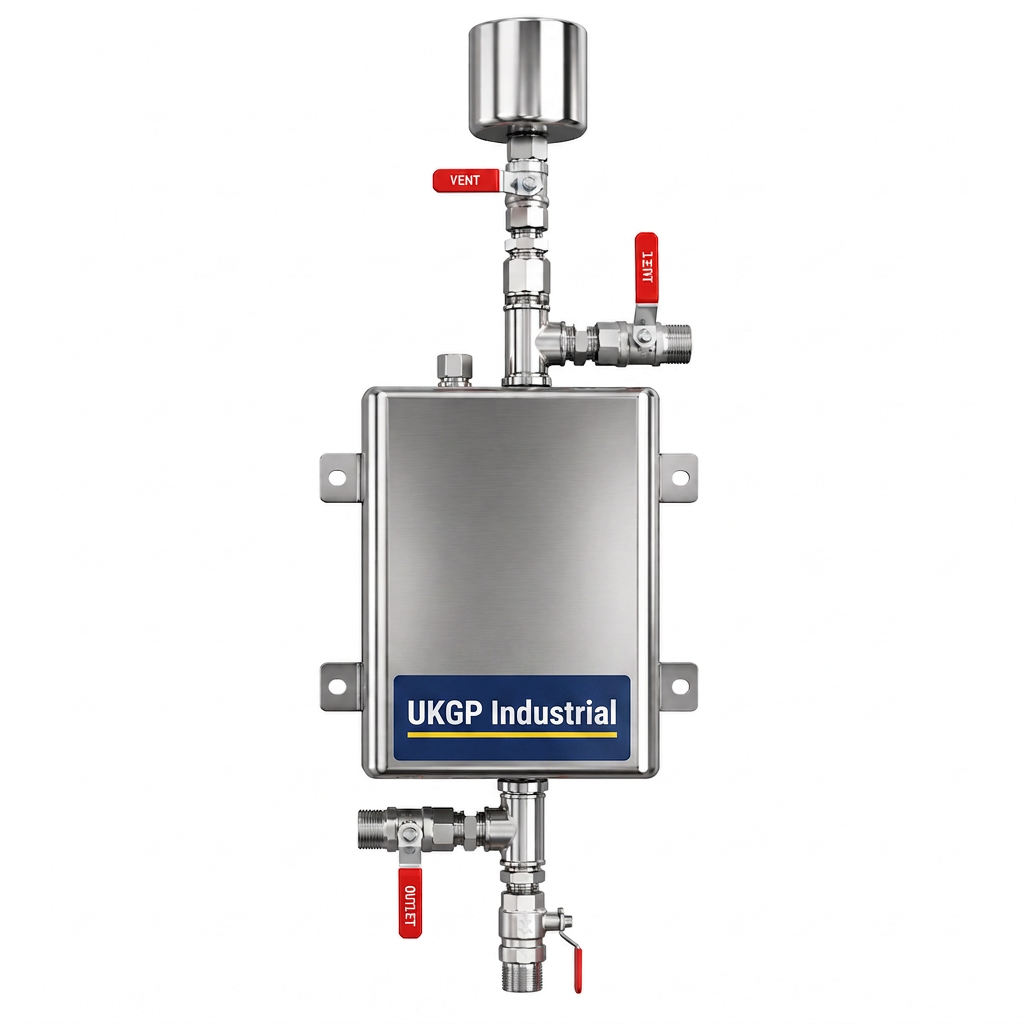
For most UK commercial applications, the use of a polymer dosing system is best realised through a high-specification chemical dosing pot. UKGP Industrial offers these units in 5L, 10L, and 25L capacities to suit varying system volumes, ensuring that the dose ratio remains accurate. These pots are manufactured from carbon steel or 316 stainless steel, depending on the fluid aggressiveness, and come equipped with essential isolation valves, a drain, and a vent. This hardware allows maintenance staff to safely isolate the pot, depunish it, and introduce chemicals without introducing air into the main system which could lead to air locks or oxidative corrosion.
Specifying the correct size is critical; a pot that is too small requires frequent refilling, which increases labour costs and the likelihood of human error during the dosing process. Conversely, an oversized unit may take up valuable footprint in tight plant rooms. UKGP chemical dosing pots are designed for bypass mounting, which allows the differential pressure of the main pump to drive the chemical into the system. This method is preferred by M&E contractors because it avoids the complexity and potential failure points of small electric metering pumps, providing a more reliable and cost-effective solution for long-term facility management.
Every UKGP chemical dosing pot is backed by a 2-year warranty, reflecting our confidence in British engineering standards. Whether you are managing a district heating scheme or a high-rise office development, these units provide the durability required for intensive use. Procurement leads should note that our pots are fully pressure tested and designed to meet the rigours of commercial HVAC environments. Utilizing a system that incorporates a high-quality vent and drain mechanism ensures that glycol top-ups are performed cleanly, preventing spills and maintaining the professional standard of the mechanical room while protecting the wider asset.
- Available in 5L, 10L, and 25L sizes for precise system matching.
- Constructed from high-grade carbon steel or stainless steel.
- Bypass-mounted with isolation valves for easy maintenance.
- Includes a 2-year warranty for peace of mind on UK projects.
Maintaining Pressure and Flow in Closed-Loop Systems
The interaction between a polymer dosing system and the system's pressure management hardware is a key consideration for any HVAC designer. In closed-loop systems, the addition of chemicals must not disrupt the static pressure or cause hydraulic imbalance. This is why our dosing solutions are engineered to work harmoniously with other plant room components such as expansion vessels and air & dirt separators. By ensuring that the dosing pot is installed on the return leg, upstream of the main pumps, chemicals are effectively dispersed throughout the circuit before they reach sensitive components like commercial boiler heat exchangers or chillers.
British Standard BS EN 14917 highlights the importance of managing expansion and contraction in piping, and while dosing pots are static, they must reflect the same robust build quality as the rest of the pressure network. If a system is not properly treated via a polymer dosing system, the resulting buildup of debris can cause expansion bellows to foul or fail prematurely. Therefore, chemical dosing is not just about water chemistry, but about the mechanical protection of every valve and joint in the building. Our technical team recommends regular water testing alongside the dosing schedule to ensure the system remains within the recommended parameters of BS 8552.
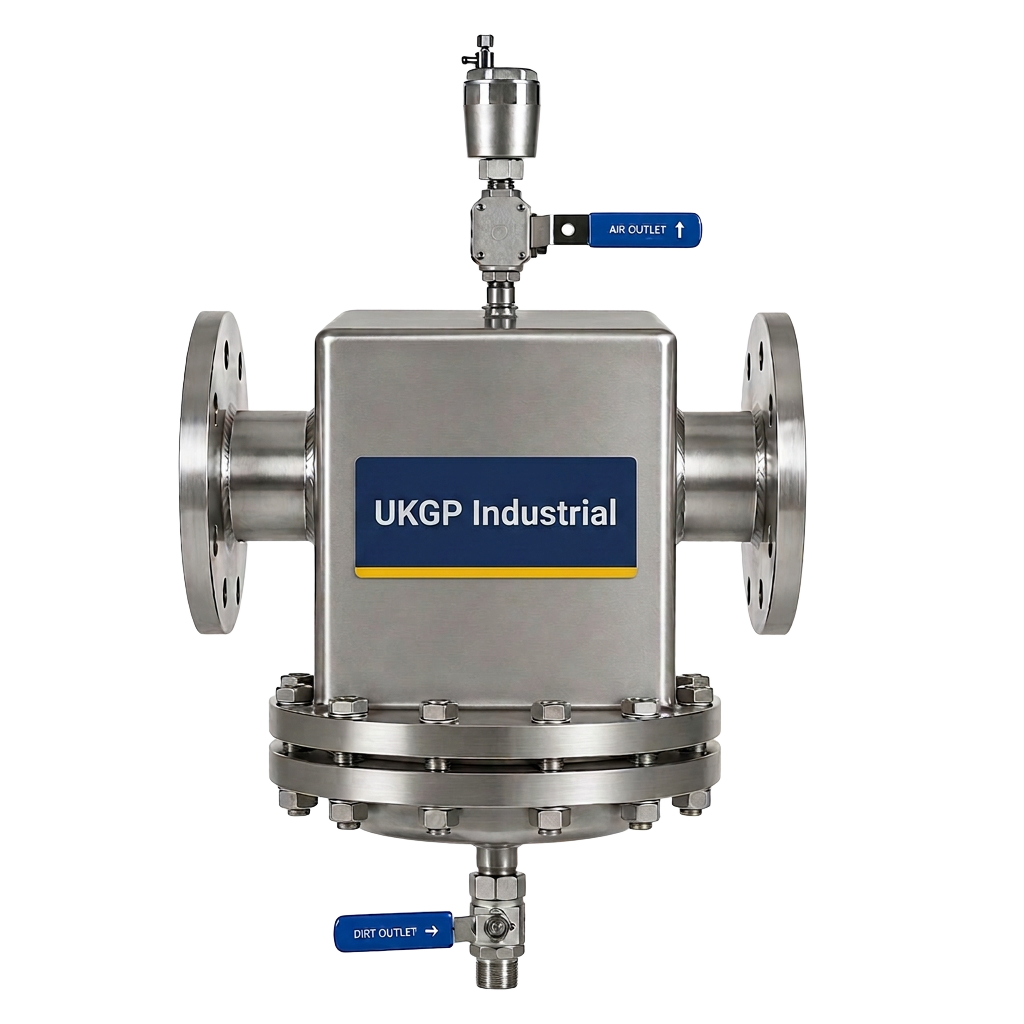
When dealing with larger commercial installations, the integration of a polymer dosing system should be paired with a high-efficiency air and dirt separator. This combination ensures that any particulate matter released during the initial dosing of a legacy system is captured and cleared before it can settle in the low-flow areas of the circuit. By maintaining a clean, chemically balanced fluid, the overall pumping energy required is reduced, leading to lower operational costs for the FM team. UKGP Industrial provides the full suite of filtration and dosing equipment needed to achieve these efficiencies in any modern UK building project.
- Reduces debris accumulation that can damage expansion bellows.
- Supports efficient heat transfer across plate heat exchangers.
- Ensures consistent chemical distribution via differential pressure.
- Complies with BS 8552 for sampling and water monitoring.
Technical Compliance and BSRIA Standards
Adhering to BSRIA BG29 and BG50 is the benchmark for professional M&E delivery in the UK. A polymer dosing system is central to these standards, particularly during the pre-commission cleaning phase and subsequent maintenance. BG29 requires the removal of construction debris through flushing, followed by the immediate introduction of a corrosion inhibitor to protect newly cleaned metal surfaces. Without a correctly sized dosing pot, achieving the required inhibitor levels across a multi-storey development is difficult and prone to inaccuracy. Our carbon steel dosing pots are specifically designed to withstand these initial aggressive cleaning cycles.
For facilities management firms, long-term compliance with BG50 is facilitated by a polymer dosing system that allows for easy replenishment of chemicals as they are naturally consumed over time. Regular monitoring of pH levels and inhibitor concentrations is a BSRIA requirement, and the dosing pot provides the safest and most efficient method to keep these levels stable. If a system requires an increase in biocide or polymer levels, the bypass configuration allows for a measured dose to be introduced without the need to shut down the plant, which is critical for 24/7 operations like hospitals or data centres.
The use of a polymer dosing system also ensures that glycol concentrations are maintained for frost protection in external pipework. Falling glycol levels can lead to freezing and catastrophic pipe bursts. By specifying a UKGP 25L dosing pot, engineers ensure they have the capacity to manage glycol top-ups efficiently. Each unit is built to high tolerances, ensuring that once it is installed, it remains a low-maintenance asset that contributes to the overall BREEAM or LEED ratings of a building through optimized energy performance and reduced chemical waste during the life of the system.
- Essential for meeting BG29 pre-commission cleaning protocols.
- Enables consistent monitoring of glycol levels in external circuits.
- Avoids air ingress during the chemical replenishment process.
- Provides a durable carbon steel housing for high-pressure HVAC.
Optimising Thermal Efficiency with Clean Water Circuits
Thermal efficiency in commercial heating is directly linked to the cleanliness of the heat transfer surfaces. A polymer dosing system ensures that the polymers designed to keep minerals in suspension can do their job effectively. When these polymers are absent, calcium and magnesium salts precipitate onto boiler heat exchangers, creating an insulating layer that forces the burners to run hotter and longer to achieve the same set point. This not only increases gas consumption but also places undue thermal stress on the boiler's internal components, potentially voiding manufacturer warranties and shortening the asset's life.
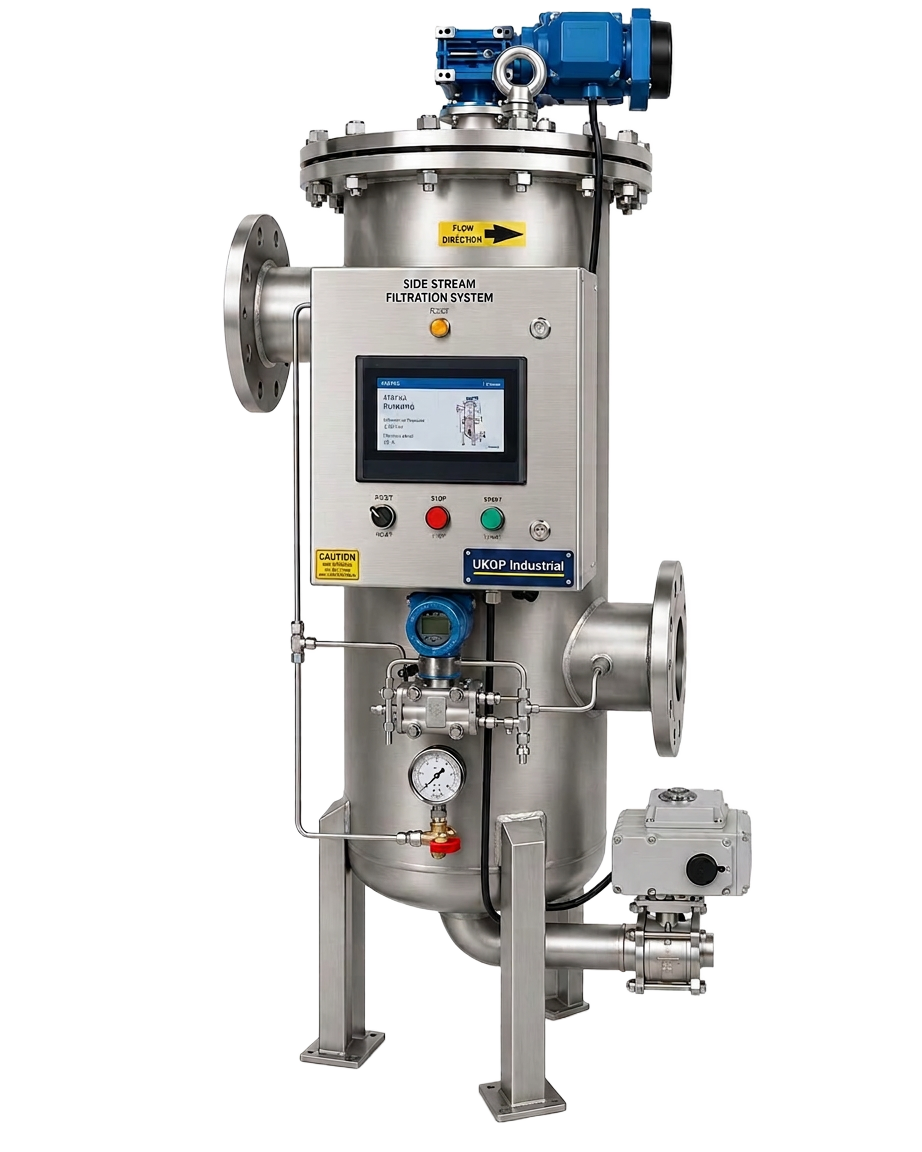
By utilizing a polymer dosing system to maintain a high-quality water environment, the performance of downstream equipment like plate heat exchangers is also protected. These units rely on narrow channels that are easily blocked by scale. A consistent dosing regime keeps these channels clear, ensuring that the temperature delta across the exchanger remains within design parameters. For contractors looking to provide a comprehensive water quality solution, pairing a UKGP dosing pot with side stream filtration ensures that both dissolved and undissolved contaminants are managed simultaneously, providing the highest level of protection available.
Commercial FM providers prioritize systems that are easy to operate and require minimal training for site staff. The UKGP polymer dosing system is designed with this in mind, featuring clear labeling and robust valve handles that stand up to years of service. For a bespoke quote or to discuss sizing requirements for your next project, contacting our Surrey-based technical team ensures you receive the correct advice tailored to British heating standards. Our focus on quality materials and practical design makes our dosing pots the preferred choice for leading commercial boiler installations and HVAC retrofits across the UK.
- Prevents scale buildup on boiler heat exchanger surfaces.
- Maintains design temperature deltas across the building circuit.
- Reduces carbon footprint by ensuring peak heating efficiency.
- Simplifies the chemical top-up process for maintenance plumbers.
Installation Best Practices for a Polymer Dosing System
Correct installation is paramount to the effectiveness of a polymer dosing system. It should be installed in a bypass arrangement parallel to the main flow, typically across the main circulating pumps. This utilizes the pressure drop to pull the chemical out of the vessel and into the system stream. Contractors must ensure that the dosing pot is located in an accessible part of the plant room, providing enough clearance for chemical containers to be lifted and poured safely. Proper ventilation around the unit is also recommended to ensure the safety of the operative when opening the vessel after a dosing cycle.
Incorporating a drain valve at the base of the polymer dosing system allows for the removal of any settled sludge within the pot before a new batch of chemicals is added. This ensures that the purity of the new inhibitor is not compromised by legacy contaminants. Furthermore, the inclusion of a vent valve at the top of the pot is essential for removing air before the unit is valved back into the system. High-quality UKGP units include these features as standard, reflecting our commitment to practical engineering. These small design details prevent air locks in the wider system and ensure a professional, leak-free installation.
Finally, always ensure that the polymer dosing system is correctly labelled with the chemicals it contains, in accordance with Health and Safety at Work regulations. Providing a clear record of when the last dose was administered helps the FM team maintain a consistent schedule. Whether you are using a 5L carbon steel unit for a small office block or a 25L stainless steel vessel for a large industrial site, following these installation protocols ensures that the water treatment strategy is robust. Reach out to UKGP for technical drawings and installation guides to ensure your next plant room build is compliant and high-performing.
- Install in a bypass configuration to leverage pump pressure.
- Ensure sufficient space for safe chemical handling and pouring.
- Utilise the vent valve to prevent air ingress into the HVAC loop.
- Specify stainless steel for systems with highly corrosive additives.
Frequently asked questions
What size polymer dosing system do I need for my building?
- Sizing is based on the total water volume of your system. Generally, a 5L pot is suitable for smaller commercial units, while 10L and 25L versions are required for large-scale heat networks or chilled water systems. Consult UKGP for sizing calculations.
Can I use a polymer dosing system for glycol top-ups?
- Yes, our dosing pots are designed for both inhibitor introduction and glycol top-ups in closed-loop systems, ensuring accurate concentration without the need for sophisticated pumping rigs.
Why should I choose a stainless steel dosing pot over carbon steel?
- Stainless steel is recommended for systems where high levels of biocides or aggressive chemicals are used, or where long-term resistance to external corrosion in damp plant rooms is required.
Is the UKGP dosing pot compliant with BSRIA guidelines?
- Yes, our dosing pots facilitate compliance with BSRIA BG29 and BG50 by providing a controlled and measurable way to maintain system water chemistry and inhibitor levels.
What is the warranty period for a polymer dosing system from UKGP?
- UKGP Industrial provides a 2-year warranty on all chemical dosing pots, covering manufacturing defects and ensuring reliability for your commercial installations.