Understanding the Role of a Grease Dosing System in Modern HVAC
In the context of commercial building services, the integration of a specialized grease dosing system is critical for preventing the buildup of fats, oils, and grease (FOG) within drainage and secondary heat recovery circuits. While often associated with commercial kitchens, the technical principles of automated dosing apply extensively to various closed and semi-closed loops where organic contaminants might compromise flow rates or heat transfer efficiency. For UK plant room engineers, selecting a grease dosing system that facilitates precise chemical delivery is not merely about maintenance; it is a fundamental requirement for meeting BSRIA BG29 and BG50 guidelines regarding water quality and deposit control. Ensuring these systems operate with high reliability prevents the downstream accumulation of solids that otherwise lead to costly blockages and unplanned system downtime.
When specifying a grease dosing system, engineers must consider the chemical compatibility of the dosing media with existing pipework materials, whether they be carbon steel, stainless steel, or copper. A high-quality grease dosing system should offer consistent volumetric delivery, ensuring that biological activators or solvent-based cleaners reach the target areas at the correct concentrations. From a procurement perspective, the focus remains on durability and ease of integration into the wider Building Management System (BMS). By choosing a system that supports modular upgrades and features robust isolation valves, contractors can ensure that routine servicing does not disrupt building operations. This proactive approach to fluid management significantly extends the life cycle of commercial plant assets and reduces the total cost of ownership across the building's lifespan.
Technical professionals recognize that a grease dosing system is a preventative asset rather than a reactive fix. In large-scale developments such as hospitals, hotels, and office complexes, the metabolic activity of dosing agents must be carefully managed to ensure they do not interfere with other chemical treatments within the HVAC circuit, such as corrosion inhibitors or glycol mixes. The UKGP team provides technical consultancy to help engineers determine the optimal mounting positions and flow rates for their grease dosing system installations. By adhering to BS 8552 for water sampling and analysis, facility managers can monitor the effectiveness of their dosing regime and adjust the grease dosing system parameters to suit the specific load characteristics of their facility, ensuring long-term compliance with environmental regulations.
- Ensures consistent delivery of FOG-degrading biological agents.
- Reduces the frequency of mechanical pipe cleaning and jetting.
- Contributes to BSRIA BG50 compliance for closed-circuit cleanliness.
- Protects heat transfer surfaces from organic fouling and biofilm.
BSRIA BG50 Compliance for Commercial Fluid Treatment
Compliance with BSRIA BG50 is the gold standard for water treatment in closed heating and cooling systems, and the application of a grease dosing system often intersects with these rigorous requirements. BG50 emphasizes the importance of preventing deposit accumulation, which can trigger under-deposit corrosion and microbiological growth. A grease dosing system helps mitigate these risks by ensuring that organic pollutants are broken down before they can adhere to internal pipe walls or heat exchanger plates. For M&E contractors, documenting the performance of the grease dosing system is an essential part of the commissioning process, providing clients with the assurance that the system is protected against the most common causes of flow restriction. Failure to implement such measures often results in voided warranties on high-value components like commercial boilers and chillers.
In addition to mechanical filtration and air removal, the chemical management of a site often requires a bypass-based solution for introducing specific additives. While a grease dosing system manages organic waste, the broader closed-loop health relies on the precise introduction of inhibitors. This is where the synergy between specialized dosing and traditional plant room equipment becomes apparent. By maintaining a clean environment through a grease dosing system, the primary heating and cooling loops remain free of sludge-forming precursors. It is vital for site engineers to conduct regular water chemistry tests to ensure that the active agents within the grease dosing system are not negatively impacting the pH levels or conductivity of the system water, which could lead to accelerated metallic corrosion if left unmonitored.
The practical implementation of BSRIA BG50 also mandates that all dosing equipment be accessible for maintenance and equipped with proper fail-safes. A grease dosing system should feature clear labeling, secure mounting, and robust containment to prevent accidental spills of concentrated chemicals into the plant room environment. When UKGP supports procurement leads in selecting equipment, we emphasize the need for a grease dosing system that aligns with the specific volume of the system it services. Whether the application involves a 5L or 25L capability, the choice of materials—such as carbon steel or stainless steel—must reflect the pressure and temperature ratings specified in the project’s design brief. This meticulous attention to detail ensures that the grease dosing system remains a reliable component of the building’s life safety and health infrastructure.
- Supports adherence to BSRIA BG50 water quality parameters.
- Improves long-term reliability of plate heat exchangers.
- Facilitates easier water sampling and system auditing.
- Minimizes the risk of biocontamination within the HVAC circuit.
Integrating Chemical Dosing Pots for System Health
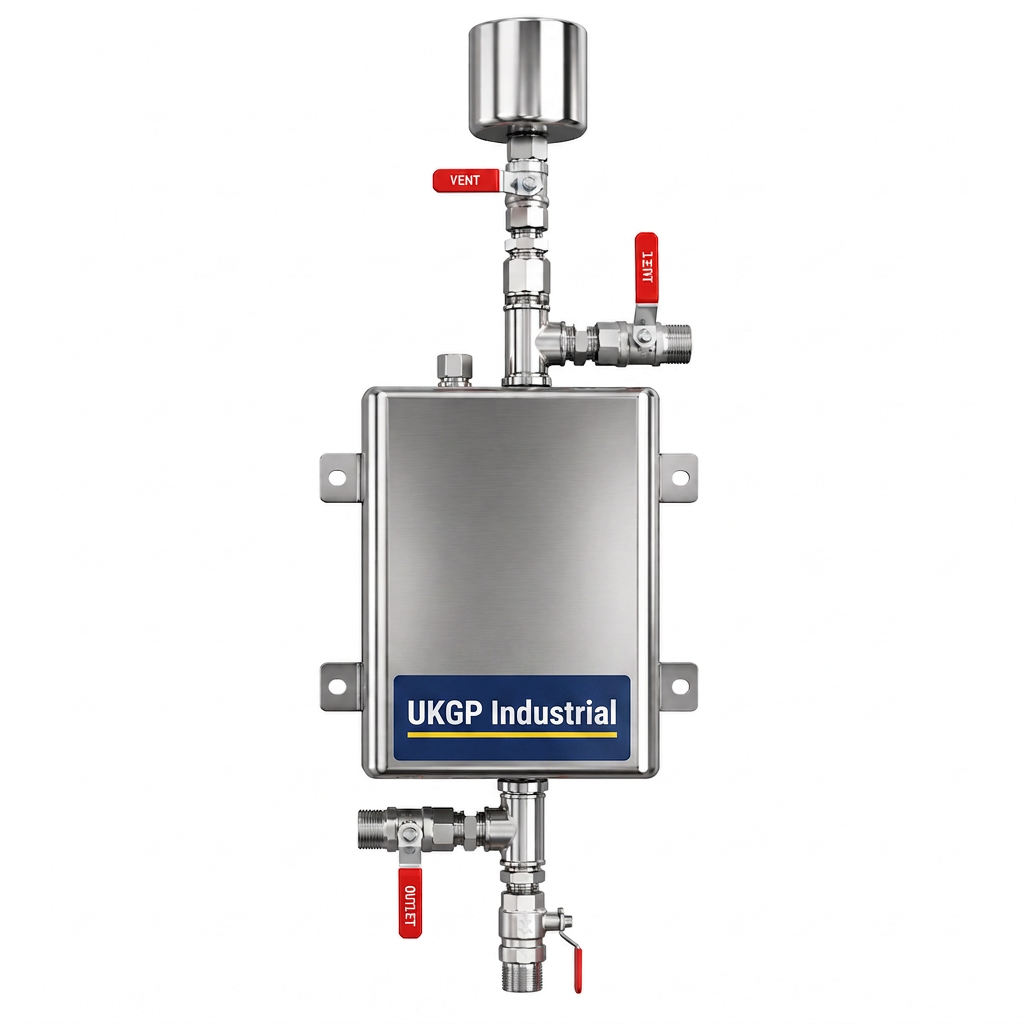
While a grease dosing system manages organic buildup, the overall health of a commercial HVAC system depends on the reliable addition of corrosion inhibitors and glycol via high-quality chemical dosing pots. UKGP offers a range of dosing pots—available in 5L, 10L, and 25L capacities—manufactured from either carbon steel or stainless steel to suit varied industrial demands. These units are bypass-mounted with integrated isolation valves, a drain, and a vent, making them the industry standard for controlled chemical introduction. Much like a grease dosing system, these pots are essential for maintaining the chemical balance required to prevent internal degradation. Each UKGP dosing pot is backed by a 2-year warranty, providing engineers with confidence in their long-term performance.
For plant room engineers, the process of sizing a dosing pot for closed-system inhibitor or glycol top-up is as critical as the configuration of a grease dosing system. A correctly sized pot ensure that chemicals are introduced smoothly without causing pressure spikes or air ingress, which can be detrimental to system longevity. When sourcing a grease dosing system for a specific facility, it is often best practice to audit the entire dosing regime, ensuring that both organic and inorganic treatments are handled by high-spec hardware. UKGP’s carbon steel and stainless steel variants provide the versatility needed for different fluid types, ensuring that whether you are topping up antifreeze or introducing a biocide, the equipment is up to the task of commercial-grade service.
The installation of UKGP chemical dosing pots works in tandem with a grease dosing system to provide a comprehensive water treatment solution. By utilizing a bypass-mounted design, these units allow for chemical entry without shutting down the entire system, a feature highly valued by facility managers in mission-critical environments. Our 5L to 25L range covers everything from compact office plant rooms to extensive industrial estates. When you request a quote for a UKGP chemical dosing pot, you are investing in a product that has been engineered for ease of use, featuring heavy-duty isolation valves and clear operational procedures that align with the latest BSRIA and CIBSE best practices. This ensures your grease dosing system and inorganic dosing equipment work in perfect harmony.
- Available in 5L, 10L, and 25L capacities for various system volumes.
- Options for carbon steel or stainless steel construction.
- Bypass-mounted with isolation valves, drain, and vent included.
- Supplied with a 2-year warranty for peace of mind.
Technical Selection Criteria for Grease Dosing Equipment
Selecting the right grease dosing system requires a technical review of the flow rates, pipe diameters, and the specific nature of the waste being treated. Professional engineers should look for a grease dosing system that offers programmable logic, allowing for dosing during low-flow periods—usually overnight—to maximize the contact time between the chemical agents and the internal surfaces. This level of control is essential for ensuring that the grease dosing system operates efficiently without wasting expensive chemical consumables. Furthermore, the construction of the unit must be resilient enough to withstand the ambient conditions of a commercial plant room, including high humidity and temperature fluctuations, which can often affect the stability of electronic dosing components.
Another vital consideration for a grease dosing system is the ease of refill and the safety of the chemical handling process. Modern grease dosing system designs prioritize operator safety, utilizing quick-connect couplings and spill-containment features that meet UK health and safety standards. Procurement leads should verify that the grease dosing system is compatible with a wide range of biological and enzyme-based fluids, as many sites are moving away from harsh caustic cleaners in favor of environmentally friendly alternatives. This flexibility ensures that the grease dosing system remains functional even if the facility’s sustainability policies evolve, allowing for a seamless transition between different treatment technologies without the need for expensive hardware modifications.
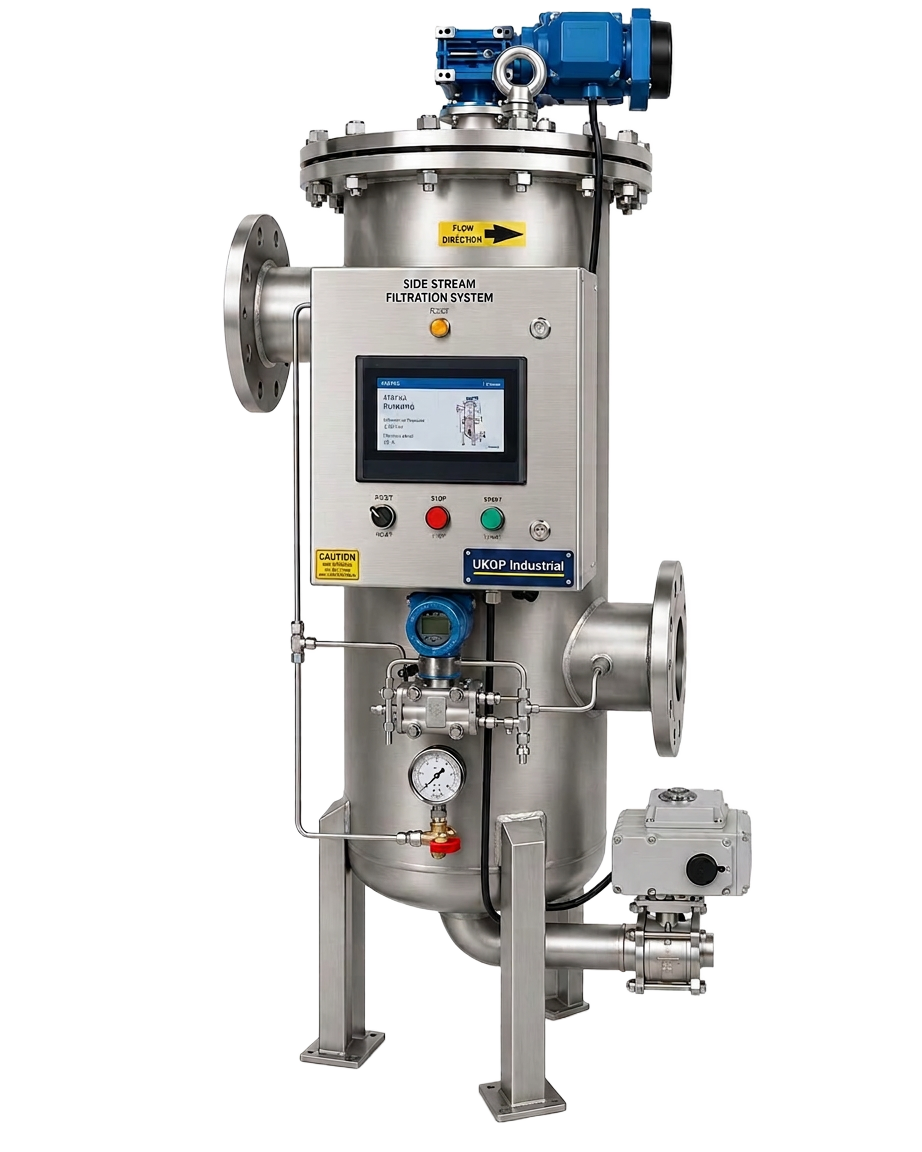
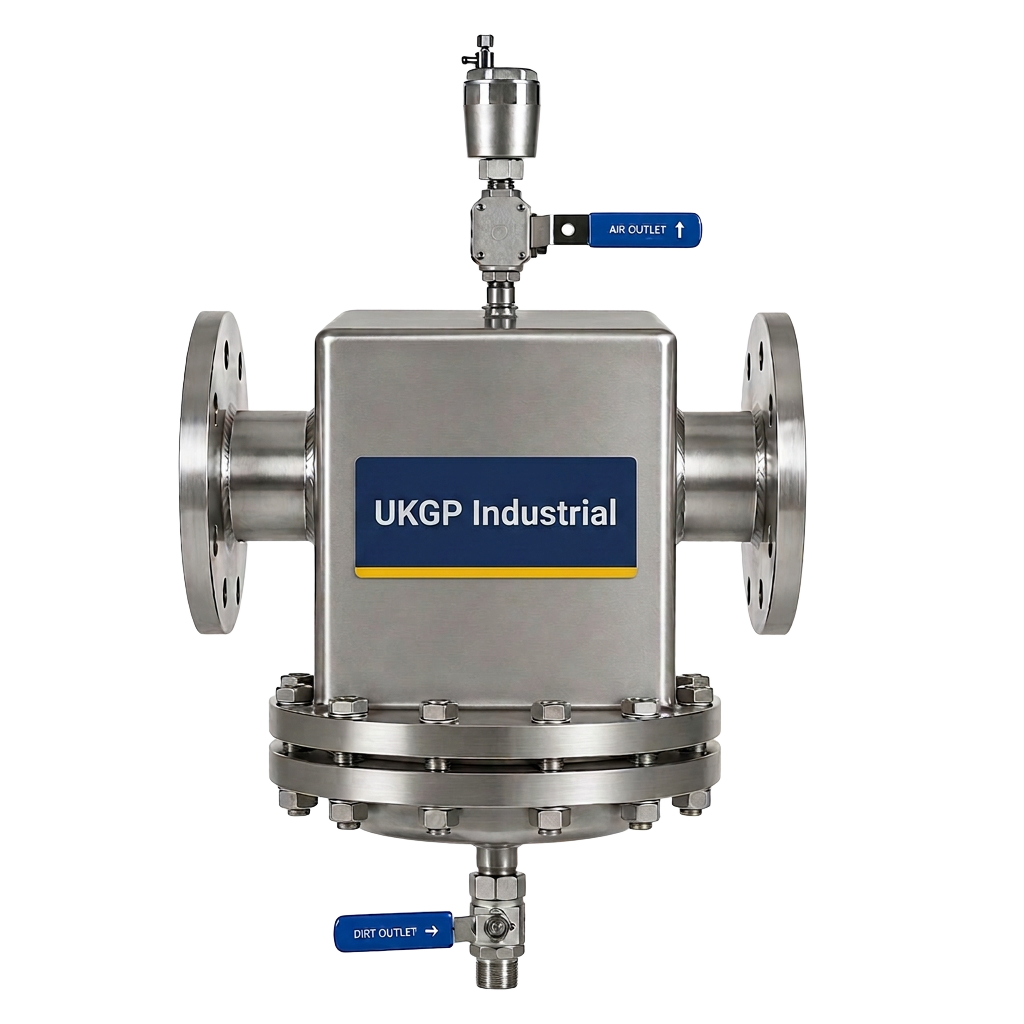
Finally, the integration of a grease dosing system with the building’s wider filtration strategy, including side stream filtration and air/dirt separators, is paramount. A grease dosing system that operates in isolation may fail to address the systemic issues of suspended solids or magnetic debris. By taking a holistic view of the plant room, engineers can ensure that the grease dosing system complements the physical filtration processes, leading to ultra-clean system water that meets the most stringent BSRIA BG50 requirements. UKGP’s technical staff are available to assist in the specification process, ensuring that every grease dosing system installation is optimized for the specific volumetric and hydraulic characteristics of the project, thereby securing the long-term integrity of the building’s thermal circuits.
- Programmable dosing schedules to maximize contact time.
- Compatible with environmentally friendly enzymes and bacteria.
- Designed for high-durability in harsh plant room environments.
- Easy-access design for safe chemical refills and maintenance.
The Importance of Pressure and Flow in Grease Dosing
The hydraulic performance of a grease dosing system is often neglected, yet it is a primary driver of successful treatment. A grease dosing system must be able to overcome the backpressure of the line into which it is injecting, requiring high-quality pumps and check valves. In commercial environments, where system pressures can vary significantly, a robust grease dosing system is necessary to maintain a constant delivery rate. M&E contractors must ensure that the injection point for the grease dosing system is strategically placed to allow for thorough mixing before the fluid reaches critical heat transfer components or tight-radius bends where grease is likely to accumulate. This technical foresight prevents the localized buildup that often leads to internal corrosion and localized heating issues.
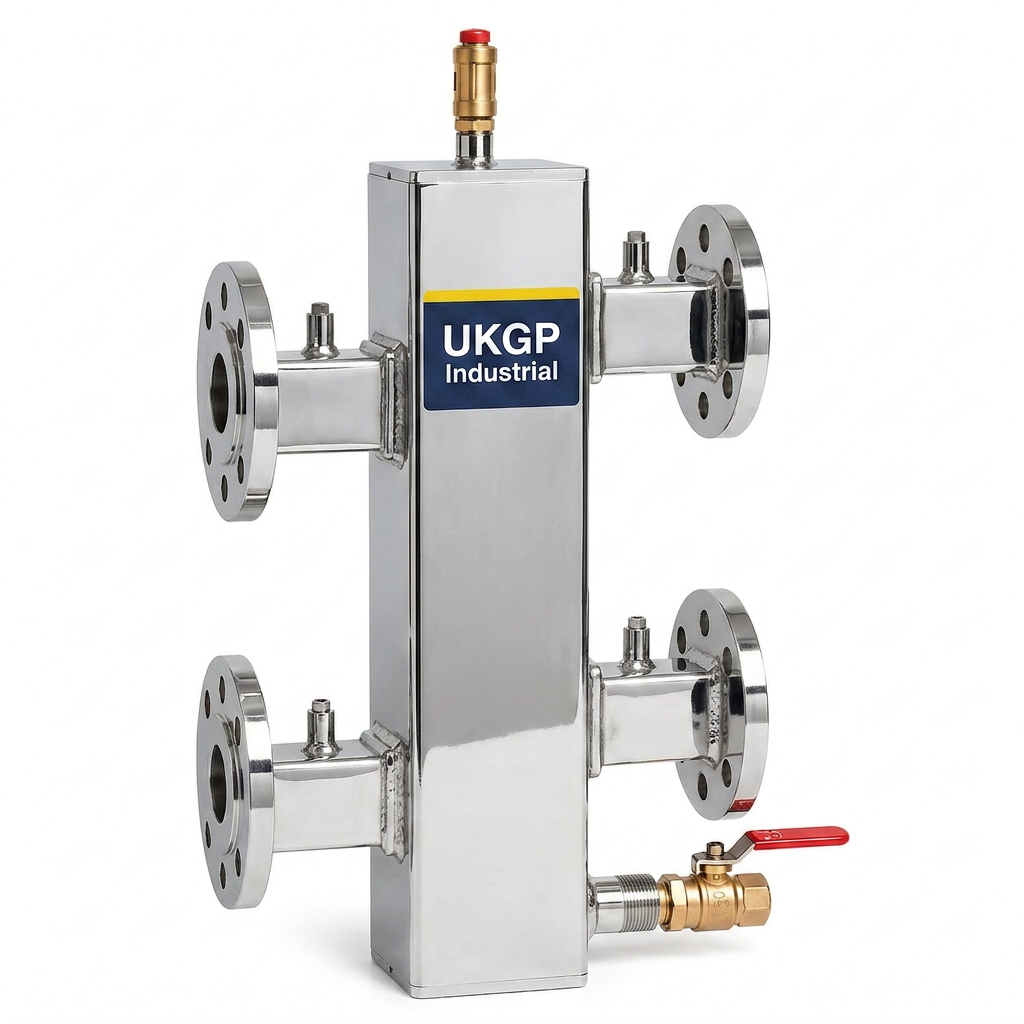
In addition to pressure, the flow characteristics of the system water play a role in how a grease dosing system performs. In systems with low velocity, the chemical agents delivered by the grease dosing system may settle out, reducing their effectiveness. Conversely, in high-velocity systems, the agents may be washed through too quickly. A well-designed grease dosing system allows for fine-tuning of the injection frequency to match these flow conditions. For systems utilizing expansion bellows or low loss headers, the placement of the grease dosing system relative to these components is crucial to avoid stagnation zones. By consulting with UKGP’s engineering team, contractors can determine the ideal hydraulic placement for their grease dosing system to ensure the chemicals are distributed evenly throughout the pipework network.
Monitoring the feedback from a grease dosing system is also essential for maintaining system balance. Many high-end grease dosing system models include flow sensors or 'low level' alarms that notify the BMS when the chemical reservoir needs attention. This automated oversight is a key component of modern Facility Management, reducing the need for manual inspections and ensuring that the grease dosing system never runs dry. When integrated with pH sensors and transmitters, the grease dosing system can become part of an intelligent water treatment loop that dynamically reacts to changes in water chemistry, providing a level of protection that far exceeds traditional manual dosing methods. This proactive monitoring is highly recommended for any site aiming for BSRIA compliance and maximum equipment uptime.
- Requires calibrated pumps to overcome system backpressure.
- Strategic injection placement ensures uniform chemical mixing.
- Integration with BMS for real-time monitoring and alarms.
- Reduces manual intervention and human error in dosing.
Conclusion: Securing Your Plant Room with UKGP Dosing Solutions
In conclusion, the implementation of a high-performance grease dosing system is a vital step for any commercial facility looking to maintain its drainage and HVAC health in line with BSRIA BG50 standards. By automating the breakdown of organic contaminants, a grease dosing system reduces the risk of scale, corrosion, and blockages, leading to a more efficient and reliable building. For engineers and contractors, the choice of a grease dosing system should be based on technical reliability, ease of maintenance, and the ability to integrate with existing fluid management hardware. UKGP stands ready to support these needs with expert advice and a range of high-quality products designed for the rigours of the UK commercial market.
Alongside your grease dosing system, the use of UKGP chemical dosing pots ensures that your inorganic treatment—such as inhibitors and glycol—is handled with the same level of precision. Our pots, available in 5L to 25L sizes and constructed from carbon steel or stainless steel, provide the bypass-mounted reliability required for modern plant rooms. When you specify a UKGP dosing pot, you benefit from a 2-year warranty and a design that includes all necessary isolation and vent valves as standard. This comprehensive approach to dosing ensures that your entire system, from the grease dosing system to the primary heating loop, is protected against the diverse range of contaminants found in commercial water systems.
Whether you are working on a new build commissioning under BSRIA BG29 or managing an existing facility under BG50, the importance of professional-grade dosing equipment cannot be overstated. We encourage all M&E contractors and facility managers to evaluate their current grease dosing system and chemical dosing protocols. For those looking to upgrade, UKGP offers the technical expertise and high-quality hardware needed to ensure long-term success. Contact us today to request a quote for our chemical dosing pots or to discuss how a grease dosing system can be integrated into your next project. Our team is committed to delivering the practical, commercially aware solutions that the UK building services industry demands.
- Improves HVAC efficiency and reduces operational costs.
- Ensures long-term protection for commercial boilers and chillers.
- Provides a scalable solution for varying facility sizes.
- Backed by UKGP’s expert technical support and 2-year warranty.
Frequently asked questions
What is the primary benefit of a grease dosing system in a plant room?
- A grease dosing system automatically introduces biological or chemical agents that break down fats, oils, and grease, preventing blockages and maintaining flow efficiency in drainage and secondary HVAC circuits while supporting BSRIA BG50 compliance.
How does a grease dosing system differ from a standard chemical dosing pot?
- While both deliver chemicals, a grease dosing system usually involves automated, programmable pumps for organic waste breakdown, whereas a UKGP chemical dosing pot is a manual bypass-mounted vessel used for injecting inhibitors and glycol into closed-loop systems.
What sizes are UKGP chemical dosing pots available in?
- UKGP supplies chemical dosing pots in 5L, 10L, and 25L capacities, with options for carbon steel or stainless steel construction, ensuring they can be sized correctly for any commercial closed-system inhibitor or glycol top-up requirement.
Is the grease dosing system compliant with UK water standards?
- Yes, when correctly specified and installed, a grease dosing system helps various facilities meet BSRIA BG29 and BG50 guidelines for water quality, as well as adhering to BS 8552 for routine water sampling and analysis.
What warranty is provided with UKGP dosing products?
- UKGP provides a 2-year warranty on our range of chemical dosing pots, reflecting our confidence in the durability of our carbon steel and stainless steel bypass-mounted units for commercial use.