Understanding the Role of a Dosing System in Plant Rooms
In the UK's commercial landscape, the integrity of a closed-loop heating or chilled water circuit depends heavily on the chemical balance within the medium. A dosing system serves as the primary gateway for introducing essential chemicals, such as corrosion inhibitors, glycol, and biocides, into the circulation without needing to drain down the entire infrastructure. For M&E contractors and facility managers, the installation of a dedicated dosing system is not merely a convenience but a technical necessity to prevent the formation of magnetite and scale. These contaminants drastically reduce heat transfer efficiency and can lead to premature failure of expensive heat exchangers and commercial boilers if left unmanaged over the building's lifecycle.
When designing a plant room, engineers must consider how the dosing system integrates with the hydraulic layout. Typically, these systems are bypass-mounted across the flow and return headers, utilizing the differential pressure to draw chemical concentrated into the main stream. This method ensures that the chemical treatment is distributed evenly throughout the pipework, reaching the furthest terminal units and fan coil units. Without a reliable dosing system, maintaining the phosphate or molybdenite levels required by BSRIA BG50 guidelines becomes an arduous manual task that often results in inconsistent protection. UKGP provides the robust infrastructure required to make this process seamless, ensuring that chemical levels remain within the parameters specified by water treatment specialists.
Furthermore, the commercial benefits of a well-maintained dosing system should not be underestimated by procurement leads. By preventing the oxidative processes that lead to pitting and pipework thinning, the system protects the capital investment of the building owner. A dosing system also allows for the easy top-up of glycol in systems exposed to freezing temperatures, ensuring that the plant remains operational during peak winter loads. Our carbon steel and stainless steel options provide the durability needed for high-pressure commercial environments, offering a long-term solution that outperforms cheaper, less resilient alternatives often found in residential-grade applications. Investing in quality dosing infrastructure today saves thousands in remedial cleaning and component replacement costs tomorrow.
- Ensures uniform distribution of corrosion inhibitors across the circuit.
- Facilitates compliance with BSRIA BG29 and BG50 water quality standards.
- Minimizes the risk of magnetite build-up in commercial boilers and heat exchangers.
- Allows for safe and efficient glycol top-up in chilled water systems.
Technical Specifications for an Effective Dosing System
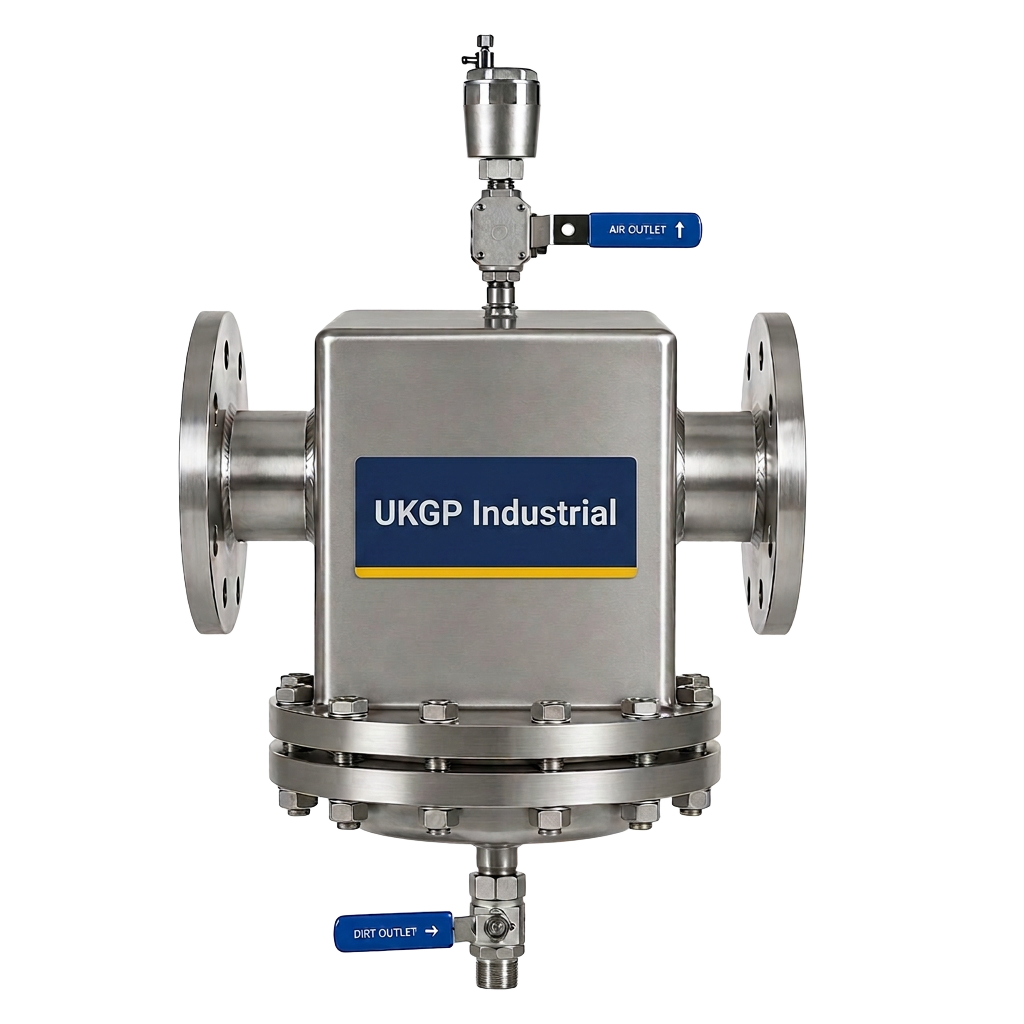
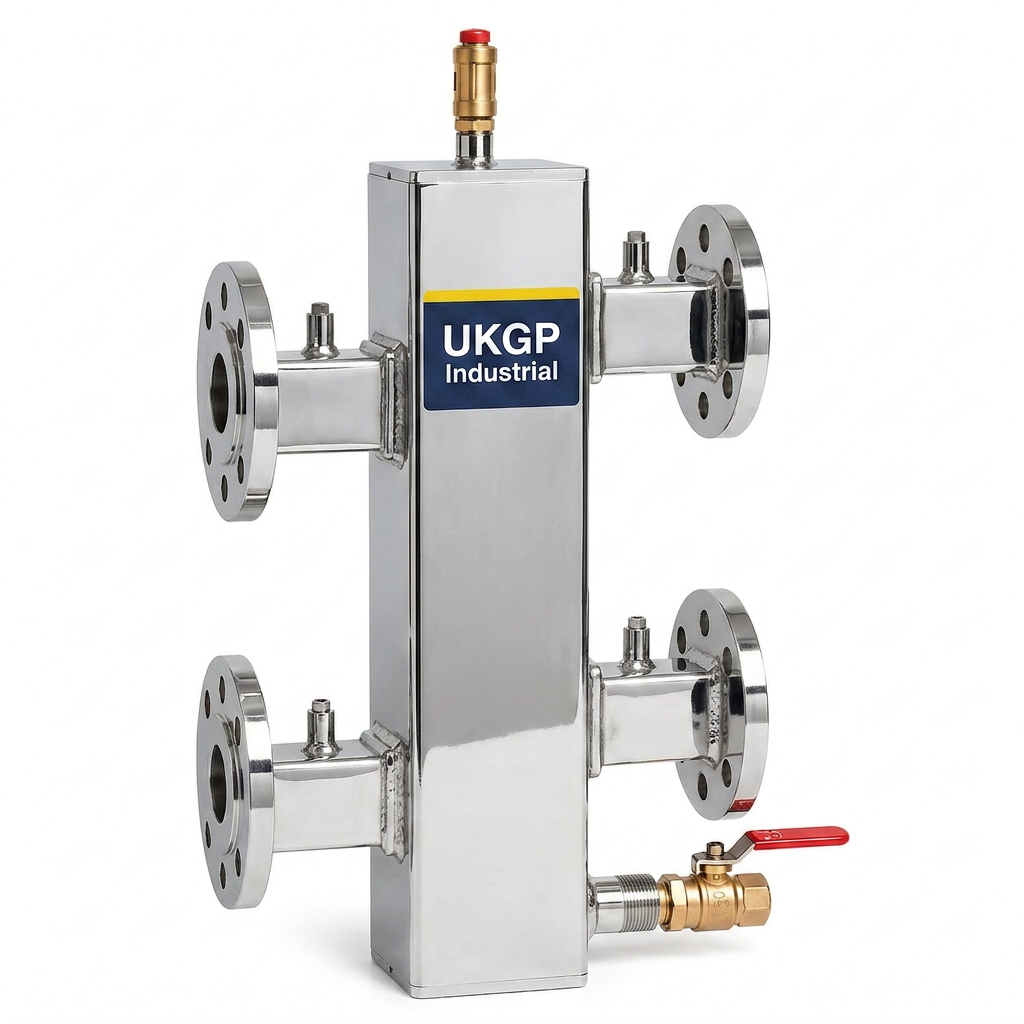
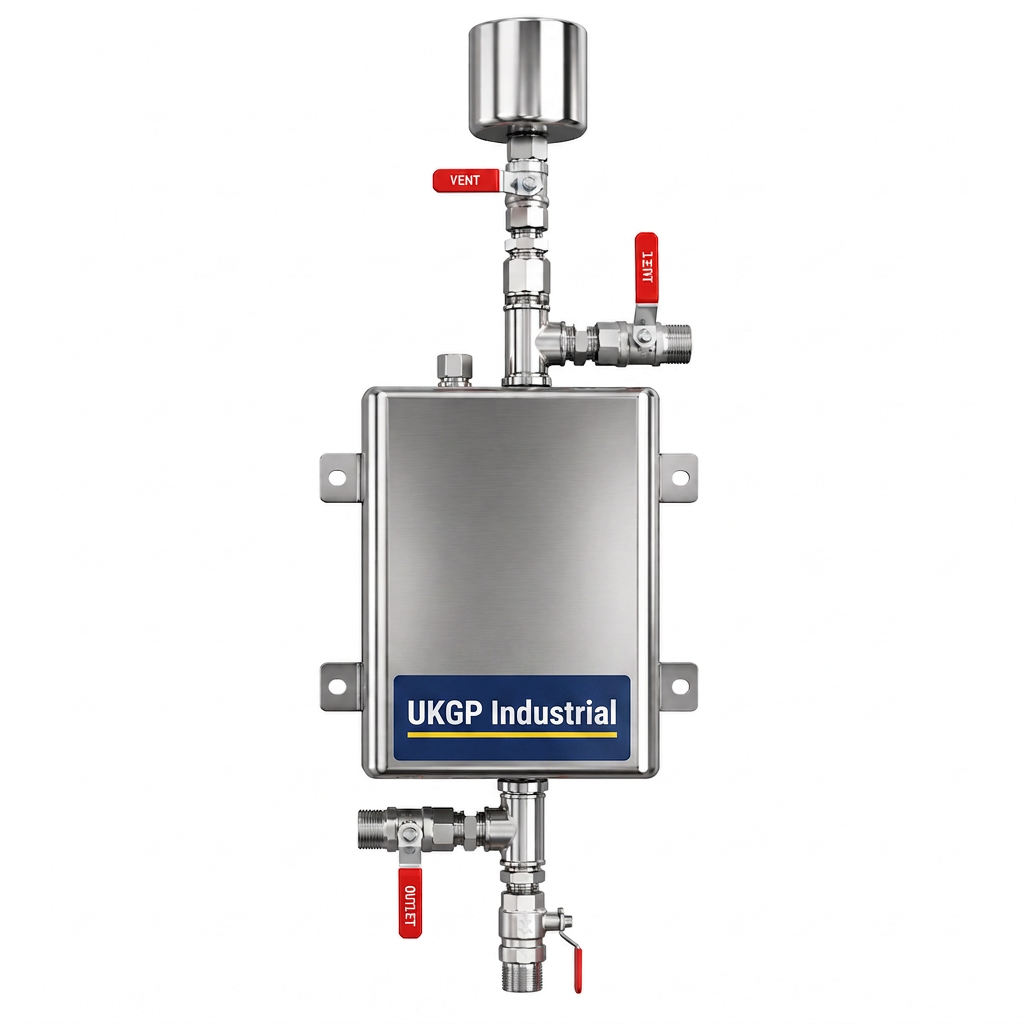
To ensure a dosing system functions correctly within a high-pressure commercial environment, the hardware must be manufactured to exacting standards. Each UKGP dosing pot is constructed to handle the rigours of industrial plant rooms, available in capacities of 5L, 10L, and 25L to suit varying system volumes. Whether you require standard carbon steel for typical heating circuits or stainless steel for more corrosive or sensitive environments, the build quality remains uncompromising. These units are bypass-mounted and equipped with essential isolation valves, a drain valve, and a dedicated air vent. This configuration allows for the safe introduction of chemicals into the loop while the system is at full operating pressure, reducing downtime significantly.
Safety is a primary concern when handling chemical concentrates, and our dosing system design reflects this. By including a large-bore filling tun-dish and secure isolation points, we minimize the risk of chemical splashes and pressurized leaks during the charging process. The inclusion of a 2-year warranty provides additional peace of mind for site engineers who need reliable hardware that won't fail during critical maintenance windows. When selecting a unit, it is vital to calculate the system volume accurately to ensure the dosing system is sized correctly; a 25L pot is often preferred for large-scale district heating schemes where significant volumes of inhibitor are required to achieve the correct concentration levels efficiently.
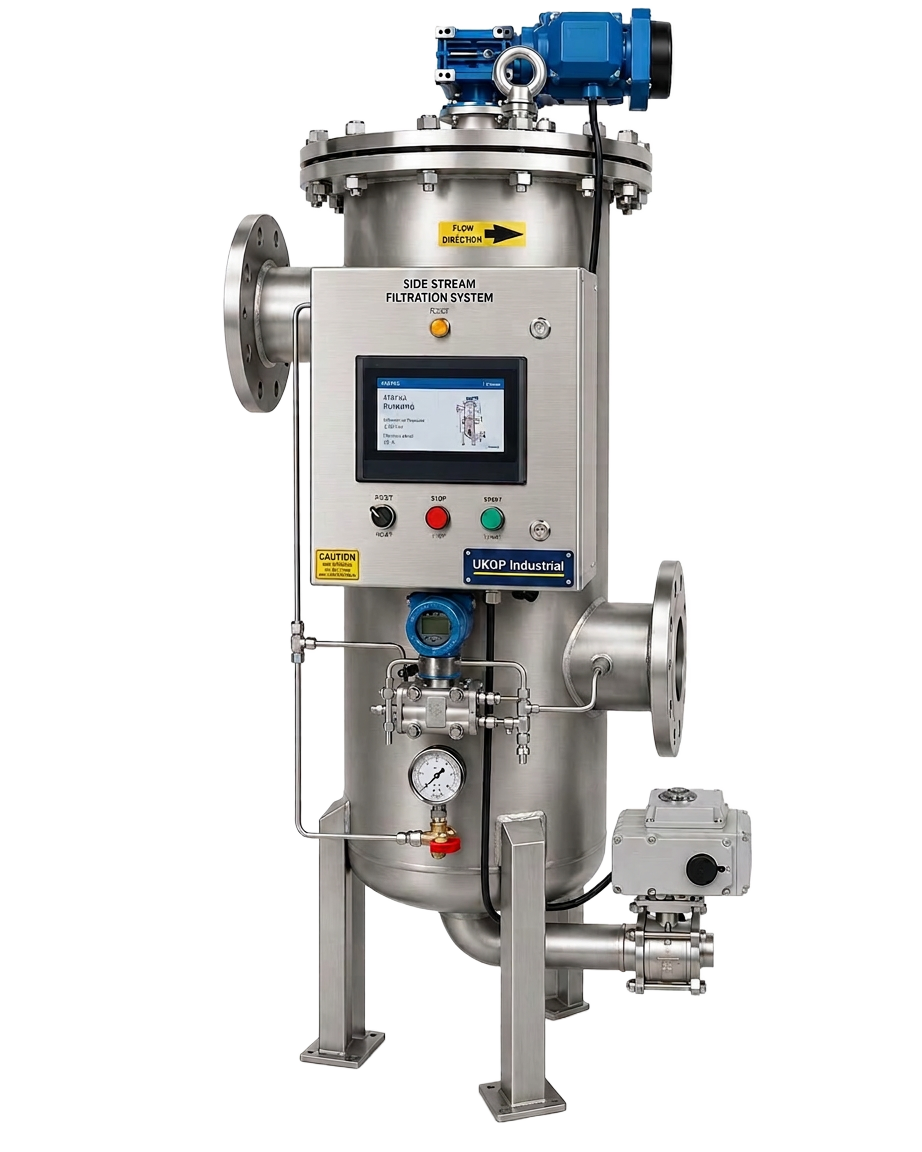
Standardized designs also help in maintaining consistency across multi-site portfolios. By specifying a uniform dosing system across different buildings, FMs can streamline their maintenance protocols and spare parts inventory. Each unit is pressure tested to ensure it meets the demands of modern commercial systems, which often operate at higher pressures than traditional domestic setups. The inclusion of clear labeling and robust valve handles ensures that even junior technicians can operate the system safely. For projects requiring tight control over system chemistry alongside physical filtration, pairing these units with our side stream filtration solutions provides a comprehensive approach to water health, protecting the entire HVAC asset from both chemical and particulate degradation.
- Available in 5L, 10L, and 25L capacities to match system volume.
- Bypass-mounted with isolation valves for easy maintenance access.
- Features integrated drain and vent valves for safe chemical charging.
- Constructed from high-grade carbon steel or stainless steel for durability.
Integrating Filtration with Your Dosing System
While a dosing system focuses on the chemical health of the water, a high-performance system must also address physical contaminants. Side stream filtration works in tandem with chemical dosing to remove suspended solids that inhibitors alone cannot neutralize. When magnetite or sand particles are present, they can abrade internal surfaces, even if the water is chemically balanced. Therefore, the most resilient plant rooms usually feature both a dosing system and a side stream filtration unit. This dual-pronged strategy ensures that the protective film created by inhibitors is not stripped away by the mechanical action of circulating grit, which is particularly important in older systems undergoing refurbishment.
According to BSRIA BG50, managing both chemistry and filtration is the cornerstone of proactive maintenance. By utilizing a dosing system to maintain pH levels and a side stream filter to capture particles down to five microns, engineers can extend the life of plate heat exchangers and control valves. This synergy prevents the high-cost scenario of 'clipping' energy efficiency due to fouled surfaces. In many commercial settings, the side stream filter is installed on the same bypass loop as the dosing system, creating a centralized water treatment station that is easy for engineers to inspect during routine monthly site visits or annual service rounds.
When commissioning a new build, BSRIA BG29 stresses the importance of pre-commission cleaning. A dosing system is invaluable during this phase, allowing for the slow introduction of cleaning agents and passivating chemicals. Once the system is clean, the transition to long-term inhibition is managed through the same pot. This versatility makes the dosing pot one of the most cost-effective components in the plant room. By choosing UKGP equipment, you are opting for a British-supplied solution that understands the specific pressures and regulatory requirements of the UK building services sector, ensuring your projects remain on schedule and within technical compliance.
- Side stream filtration removes the physical debris that chemical dosing cannot.
- Reduces the workload on chemical inhibitors by maintaining a cleaner circuit.
- Protects sensitive components like pH sensors and control valves from abrasion.
- Supports BSRIA BG29 compliance during the pre-commission cleaning phase.
Compliance and Standards for Chemical Dosing
Adhering to British Standards and industry best practices is non-negotiable for modern building services consultants. The BS 8552 standard provides a framework for the sampling and monitoring of water within buildings, and the dosing system is the mechanism that allows for the corrective actions identified during testing. If laboratory results indicate a drop in inhibitor levels, the dosing system is used to re-establish the protective barrier immediately. Failure to maintain these levels can lead to rapid localized corrosion, which can compromise the integrity of thin-walled heat exchanger plates. This is why we recommend installing a dosing pot that is easily accessible and clearly marked for the intended treatment chemicals.
In chilled water applications, the dosing system is equally vital for managing glycol concentrations. Incorrect glycol levels can lead to catastrophic pipe bursts if the system freezes during a power outage or extreme weather event. Furthermore, under-dosed glycol can promote biological growth, leading to biofilm formation that chokes small-bore pipework and reduces the effectiveness of heat transfer. A correctly sized dosing system enables the precise addition of glycol to achieve the required freeze protection and biostatic environment. Our stainless steel dosing pots are particularly well-suited for these applications where the potential for biological activity or aggressive low-temperature environments might pose a risk to standard carbon steel units.
Energy efficiency is another driver for strict compliance. A system that is scale-free and non-corroding operates much closer to its theoretical design efficiency. Leading commercial boiler manufacturers state that even a 1mm layer of scale can increase energy consumption by up to 10%. By utilizing a dosing system to maintain mineral balance, FMs can significantly reduce the carbon footprint of their operations. This aligns with broader ESG goals and UK government targets for building decarbonization. When you specify a UKGP dosing pot, you are choosing a component that facilitates these high-performance outcomes, backed by a technical team that understands the nuances of UK water treatment standards and M&E installation challenges.
- Assists in maintaining BS 8552 water quality records and sampling protocols.
- Crucial for managing glycol levels in chilled water and heat pump circuits.
- Helps maintain the thermal efficiency of major UK commercial boiler brands.
- Reduces the risk of biological fouling and biofilm formation in cool systems.
Installation Best Practices for Your Dosing System
Correct installation is paramount to the operational success of a dosing system. It should be installed in a bypass configuration, typically across the main circulating pump or between the flow and return headers where a sufficient pressure drop exists. This ensures that when the isolation valves are opened, the system pressure naturally forces the chemicals into the main circuit. It is essential that the dosing system is located in an accessible part of the plant room, preferably at floor level or within easy reach, to allow engineers to fill it without the need for ladders or specialized lifting equipment. Proper venting and drainage points must also be piped to a safe discharge area as per local water authority regulations.
When commissioning the dosing system, it is vital to check for leaks under full operational temperature and pressure. High-quality isolation valves, such as those included with UKGP sets, are necessary to ensure the pot can be fully isolated from the main circuit during the filling process. This prevents backflow and ensures that the chemical remains contained within the vessel until the operator is ready to introduce it. Additionally, engineers should ensure that the system is properly supported using appropriate brackets or plinths, as a 25L dosing pot filled with liquid represents a significant weight. Ensuring that the installation meets BS EN standards for pipework support will prevent long-term stress on the connections and potential fatigue failures.
Training for site staff is the final piece of the installation puzzle. Facility managers should ensure that the person responsible for the dosing system understands the sequence of valve operations: isolation, venting, filling, and final dosing. Many issues with water treatment arise not from the chemicals themselves, but from incorrect hardware operation that leads to air ingress or incomplete chemical transfer. By choosing a UKGP system, you receive a product designed for intuitive operation, but we always encourage a clear 'Standard Operating Procedure' (SOP) to be displayed near the plant. This proactive approach ensures the dosing system remains a reliable asset for the duration of its 2-year warranty and many years beyond.
- Install in a bypass configuration to leverage differential pressure.
- Ensure the unit is located in a safe, accessible area for manual handling.
- Check all isolation valves and vents for integrity during initial commissioning.
- Establish a clear SOP for site engineers to prevent air ingress during dosing.
Long-Term Maintenance and System Longevity
A dosing system requires minimal but regular maintenance to ensure it remains ready for use. Periodic inspection of the valves and seals is recommended, especially in systems where aggressive chemicals or high temperatures are common. Over time, chemical residue can build up within the tundish or around the air vent, which should be cleaned to prevent blockages. If the dosing system is made of carbon steel, checking for external corrosion in damp plant rooms is also a sensible precaution. Our stainless steel options offer a more 'fit and forget' solution for harsh environments, but regular visual checks remain a staple of good FM practice as defined in CIBSE maintenance guides.
The longevity of the entire heating or cooling circuit is directly tied to the consistent use of the dosing system. It is not enough to dose the system once and assume it will remain protected forever. Leaks, automatic top-up valves introducing raw water, and periodic maintenance work all dilute the chemical concentration over time. A scheduled testing regime, perhaps quarterly, should be established to determine when the dosing system next needs to be deployed. This 'testing and correcting' cycle is the hallmark of a professionally managed building. By using a high-capacity UKGP unit, you can ensure that even large-scale corrections are handled in a single operation, saving time for busy maintenance teams.
In conclusion, the selection of a dosing system is a fundamental decision for any UK-based building services professional. Whether you are dealing with a small commercial office or a large industrial facility, the need for controlled chemical introduction is universal. UKGP's range of 5L, 10L, and 25L dosing pots provides the flexibility and durability required to meet these demands. With options available for carbon steel or stainless steel, and the peace of mind offered by a 2-year warranty and bypass-mounted hardware, our products are the trusted choice for M&E contractors and consultants nationwide. Contact our Surrey-based technical team today to request a quote or discuss the sizing requirements for your next project.
- Perform regular visual inspections of valves, seals, and the air vent.
- Establish a quarterly testing regime to monitor chemical concentration levels.
- Clean the tundish and local pipework to prevent chemical crusting.
- Opt for stainless steel variants in high-humidity or aggressive environments.
Frequently asked questions
What size dosing system do I need for my commercial circuit?
- The size depends on the total system volume. Generally, a 5L or 10L pot is sufficient for smaller commercial buildings, while a 25L dosing system is recommended for larger industrial or district heating networks to allow for efficient chemical dosing without repeated filling cycles.
Why is it important to have a bypass-mounted dosing system?
- A bypass-mounted setup allows the dosing system to be isolated and filled without interrupting the main system flow. It uses the pressure differential across the bypass to draw the chemical into the system safely and efficiently while it remains operational.
Can I use a dosing system to introduce glycol?
- Yes, a dosing system is the standard method for introducing glycol into chilled water or heat pump circuits to provide freeze protection. Its robust construction handles the higher viscosity of glycol concentrates compared to standard inhibitors.
Does a dosing system help with BSRIA BG50 compliance?
- Absolutely. BSRIA BG50 requires strict monitoring and maintenance of water chemistry. A dosing system is the essential hardware that enables you to correct chemical imbalances and maintain the inhibitory levels necessary for compliance.
What is the warranty on UKGP dosing pots?
- All UKGP dosing pots, whether carbon steel or stainless steel, come with a 2-year warranty, reflecting our confidence in the manufacturing quality and the demands of UK commercial plant rooms.