The Essential Role of a Dosing Pot in Closed Loops
In the sphere of UK building services, maintaining the chemical integrity of a closed-circuit heating or cooling system is a regulatory and operational necessity. A dosing pot serves as the primary gateway for introducing liquid chemicals, such as corrosion inhibitors, biocides, and glycol, without the need to de-pressurise the entire system. Without a robust method for chemical delivery, even the most sophisticated commercial boiler systems remain vulnerable to internal scale and microbial growth. High-quality carbon steel or stainless steel units are engineered to withstand the rigorous pressure and temperature fluctuations common in industrial plant rooms, ensuring that the system remains compliant with the guidelines set forth in BSRIA BG50 and BG29.
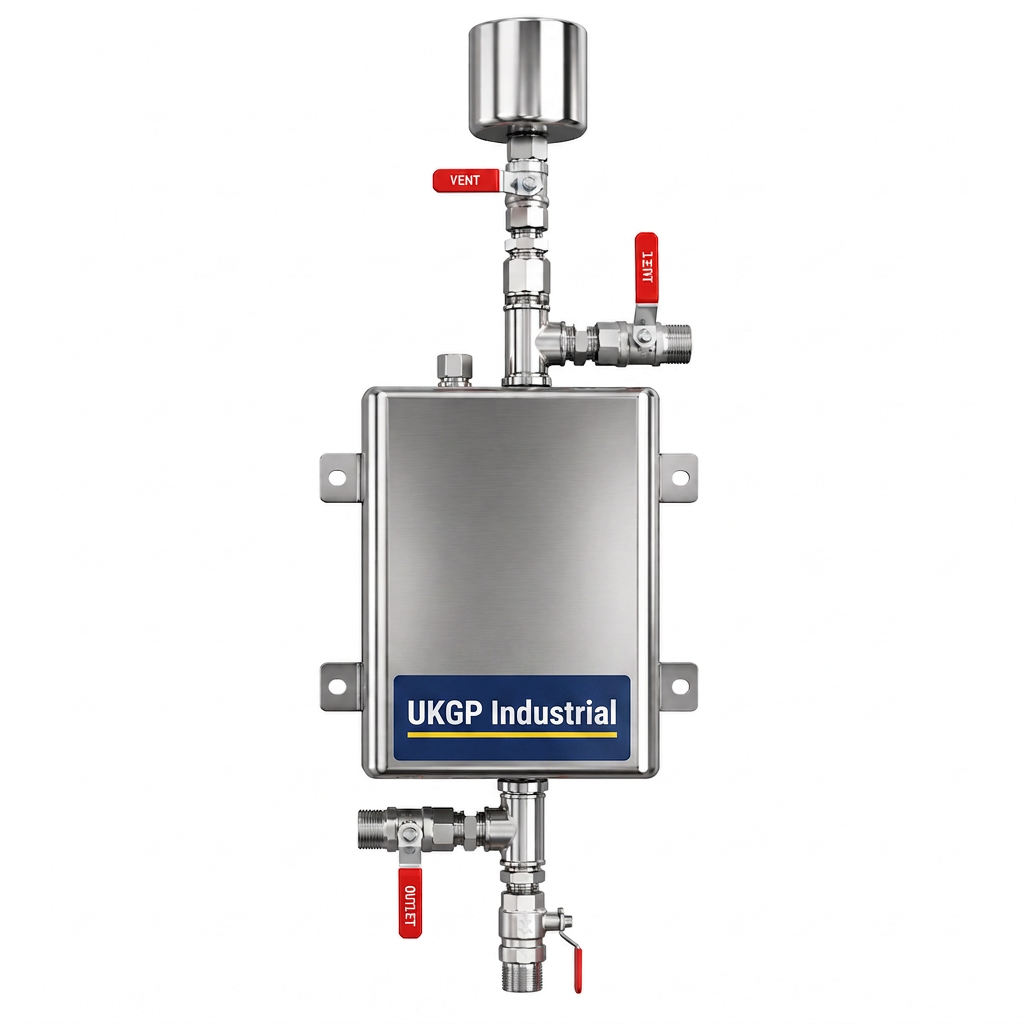
The fundamental design of a dosing pot involves a bypass installation, typically across the flow and return headers of the primary circuit. By utilising the differential pressure generated by the main circulating pumps, the unit allows for a controlled flow of water to carry the chemicals from the pot into the wider system. M&E contractors must ensure that the unit is fitted with the necessary isolation valves, a filling funnel, and a drain valve to facilitate safe and efficient operation. Failure to maintain correct chemical levels can lead to rapid degradation of plate heat exchangers and other heat-transfer interfaces, resulting in significant efficiency losses and potential warranty disputes with major UK commercial boiler OEMs who mandate strict water quality parameters.
When selecting a unit, engineers must consider the total system volume to determine the appropriate capacity. UKGP offers a range of options including 5L, 10L, and 25L configurations, ensuring that whether you are managing a small commercial hub or an extensive industrial site, the dosing process remains manageable. These units are pressure-tested and fabricated to meet the demands of modern UK engineering specs. By integrating a dosing pot from the outset, consultants can provide facilities managers with a practical solution for long-term water treatment, reducing the likelihood of magnetite buildup and ensuring the longevity of expensive downstream assets like high-efficiency pumps and intelligent control valves.
- Eliminates the need for system depressurisation during chemical additions.
- Key component for achieving BSRIA BG50 water quality compliance.
- Facilitates the safe introduction of inhibitors, glycol, and cleaning flushes.
- Constructed from high-grade materials to suit industrial pressure ratings.
Technical Configuration and BSRIA BG50 Compliance
Compliance with BSRIA BG50 'Water Treatment for Closed Heating and Cooling Systems' is a benchmark for any professional maintenance regime. A dosing pot is central to this strategy, providing a repeatable and measurable method for chemical adjustment. In commercial environments, manual dosing remains one of the most cost-effective methods for inhibitor top-ups. The technical setup usually involves connecting the pot across the main flow and return pipes using non-return valves and dedicated isolation points. This ensures that the chemical charge is pulled effectively into the system stream. For procurement leads, ensuring that your specified equipment meets British Standards for pressure vessels is vital for onsite health and safety audits and insurance validations.
The orientation and positioning of the dosing pot within the plant room are critical for operator safety. It should be installed in a location that is easily accessible for the frequent addition of liquids, yet protected from accidental damage. Modern plant rooms often utilise steel or stainless steel bypass-mounted units to prevent corrosion with the chemicals themselves. Because these units are typically sized for closed-system inhibitor and glycol top-up, the internal volume must be matched to the expected maintenance interval. A unit that is too small for a large system will require multiple refill cycles, increasing labour costs for FMs, while an excessively large unit may take up valuable footprint in tight plant room configurations.
BS 8552 provides guidance on the sampling and monitoring of water within these systems, and the dosing pot often works in tandem with side-stream filtration to maintain a clear and inhibited fluid. When a system is correctly treated, the risk of pipework pitting and 'pin-holing' is significantly reduced. UKGP units come standard with a 2-year warranty, providing M&E contractors and end-users with peace of mind regarding the durability of the vessel. Whether you are installing into a new build or a refurbishment project, placing a technically sound chemical delivery system at the heart of the design is the only way to guarantee that performance specifications are met over the lifecycle of the building.
- Enables precise dosing of corrosion inhibitors as per BS 8552 requirements.
- Supports the long-term efficiency of energy-intensive heating equipment.
- Available in various volumes to match total system liquid capacity.
- Robust design supports high-pressure and high-temperature environments.
Installation Best Practices for the Chemical Dosing Pot
Proper installation of a dosing pot requires more than just connecting pipes; it requires an understanding of hydraulic pressure dynamics. The unit must be fitted with its own isolation valves, an air vent, and a drain valve to allow for safe filling. The procedure typically involves closing the inlet and outlet valves, draining the pot, adding the required chemicals via the funnel, and then carefully venting any trapped air before re-introducing the unit to the system flow. This process prevents the introduction of air into the system, which can cause oxidisation and lead to the formation of debris that might clog high-efficiency heat exchangers or interfere with sensitive sensors.
For engineers and contractors, the choice of materials is a primary concern. Stainless steel options are often preferred in systems where pure water or aggressive chemicals might be used, whereas carbon steel is the standard for most commercial LTHW (Low Temperature Hot Water) applications. Regardless of the material, the quality of the welds and the integrity of the valves are paramount. A UKGP dosing pot is designed for ease of use, featuring a bypass-mounted layout that ensures contractors can complete maintenance tasks quickly without disrupting building operations. This practical focus on design ensures that plant room staff can maintain the system effectively, upholding the performance standards expected by building stakeholders.
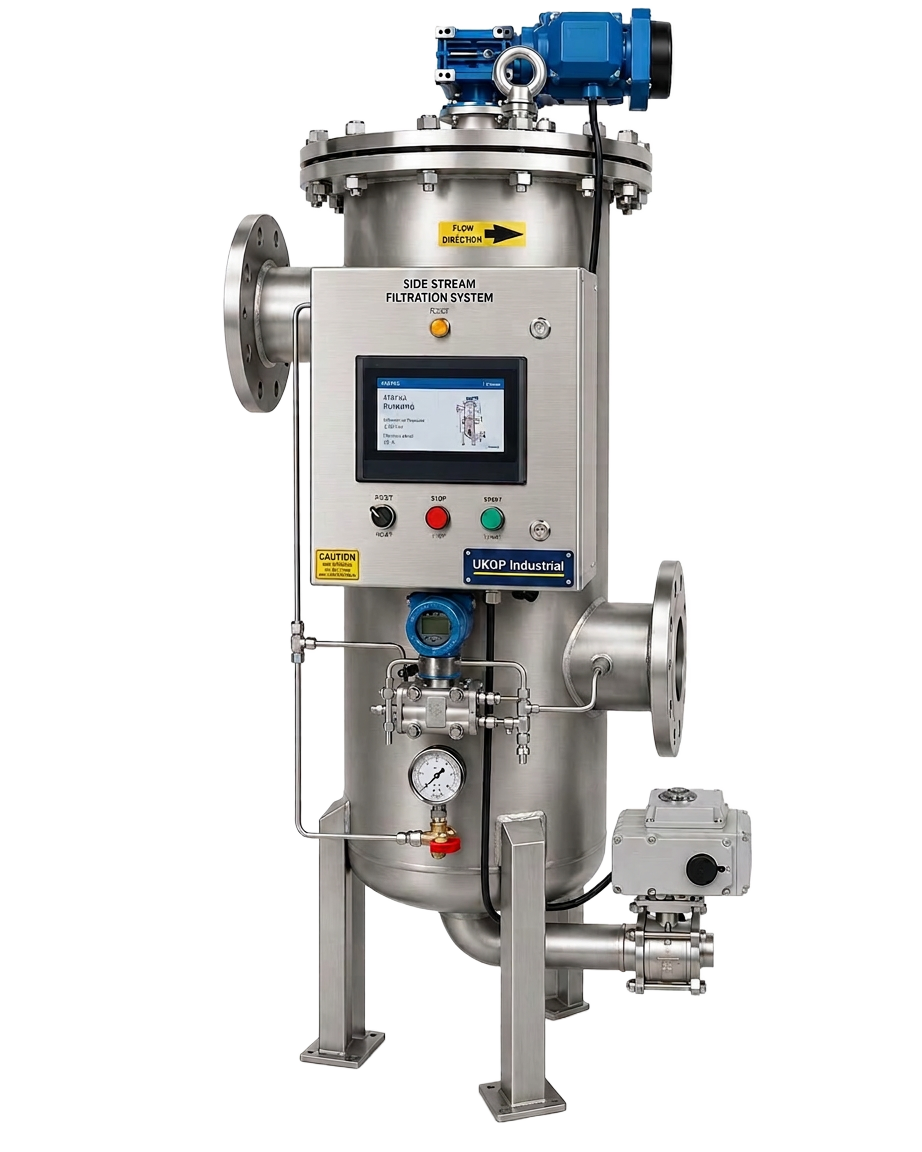
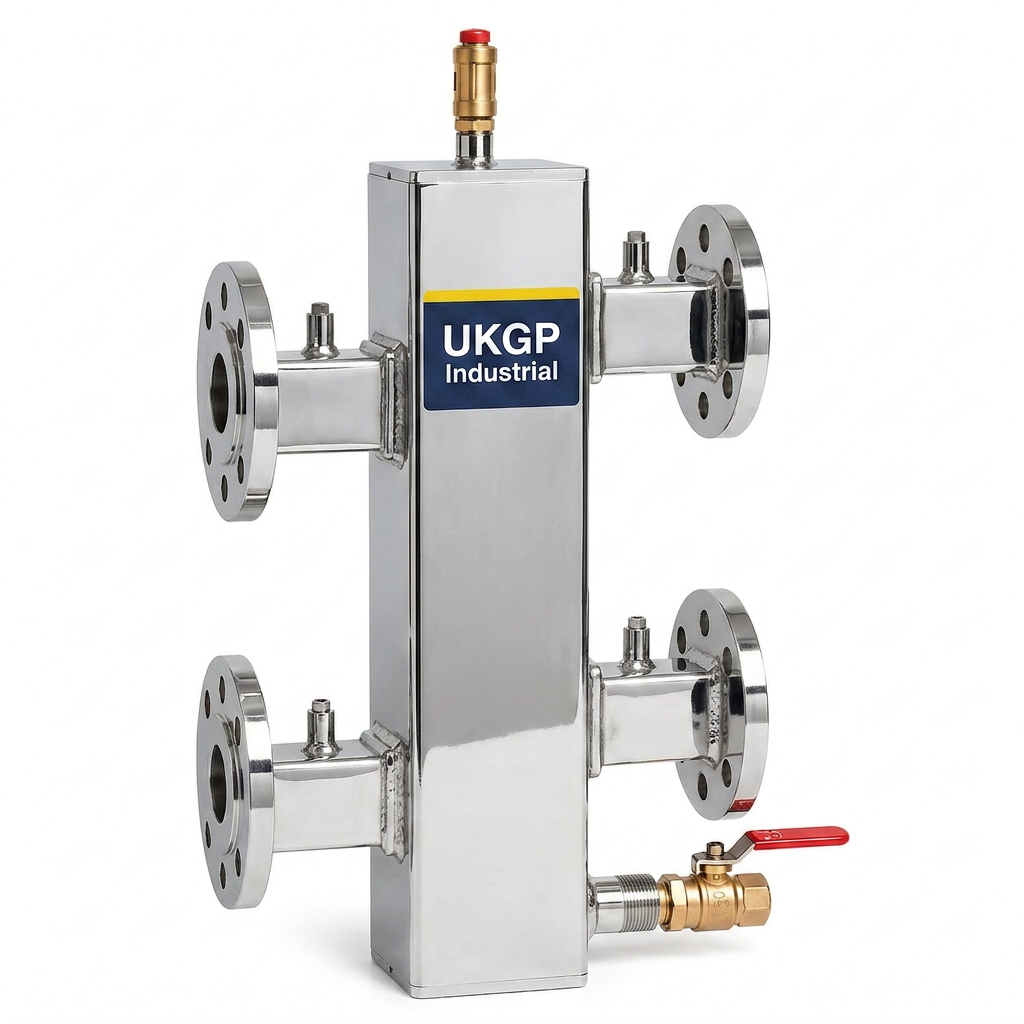
Integrating a dosing pot often goes hand-in-hand with larger filtration strategies. While the pot introduces protective chemicals, side-stream units remove existing particulate matter. By combining these two technologies, facilities managers can create a 'belt and braces' approach to system health. This is particularly important in systems that include sensitive components such as Low Loss Headers or complex multi-boiler cascades. When requesting a quote, specify the required capacity—5L, 10L, or 25L—to ensure the unit fits the specific hydraulic needs of your project. High-quality construction and a solid 2-year warranty reflect the industrial-grade nature of these essential plant room components.
- Always install with dedicated isolation valves and drainage points.
- Ensure air venting is performed correctly to avoid system aeration.
- Select stainless steel for high-purity or aggressive chemical environments.
- Position for easy operator access to streamline maintenance routines.
Maintaining System Balance and Water Chemistry
The health of a commercial heating system is dependent on a delicate balance of chemistry and mechanics. Using a dosing pot allows for the introduction of glycol, which is essential for frost protection in many UK commercial installations. Glycol levels must be monitored and topped up regularly to ensure that external air-handling units and rooftop plant do not suffer catastrophic freeze damage during winter months. A dedicated dosing unit makes this process repeatable and safe for onsite engineers. By avoiding the 'bucket and pump' method, which is often messy and imprecise, professionals can ensure that the exact concentration required by the system design is achieved and maintained.
In addition to frost protection, the dosing pot is used to manage pH levels. In systems containing aluminium heat exchangers or specific alloys, maintaining a neutral or slightly alkaline pH is critical to prevent accelerated corrosion. Sensors and transmitters can monitor these levels in real-time, but the dosing pot remains the physical tool used to correct the chemistry. Professional engineers prefer units equipped with a funnel and vent as standard, as this reduces the risk of chemical splashes and ensures a safer working environment. When compared to basic alternatives, an industrial-grade pot offers superior longevity and reliability in harsh plant room conditions where chemical exposure is frequent.
Procurement leads should look for products that offer clear specifications and reliable lead times. The UKGP range of dosing pots is designed specifically for the UK market, with carbon steel and stainless steel variants available to suit any specification. Every unit is designed to be bypass-mounted, facilitating easy integration into existing pipework during refurbishment. With a 2-year warranty and a design focused on the needs of the M&E contractor, these pots represent a solid investment in the long-term reliability of any building's HVAC infrastructure. Regular dosing, combined with robust monitoring, is the most effective way to protect commercial heating assets from premature failure.
- Essential for the frequent and safe addition of glycol for frost protection.
- Assists in maintaining optimal pH levels to protect aluminium components.
- Provides a cleaner and more professional alternative to manual pump-in methods.
- 2-year warranty ensures long-term operational peace of mind for clients.
The Dosing Pot and Component Longevity
Modern plant rooms are increasingly complex, featuring high-efficiency components that are intolerant of poor water quality. For instance, the narrow channels within a plate heat exchanger can easily become blocked by sludge and debris if a system is not properly inhibited. A dosing pot allows for the continuous management of these inhibitors, creating a protective film on the internal surfaces of all pipework and heat transfer surfaces. This preventative maintenance is far cheaper than the reactive costs associated with acid cleaning or replacing blocked components. In many cases, boiler manufacturers will only honour warranties if there is documented evidence of a consistent and effective water treatment regime.
Expansion bellows and other flexible components are also susceptible to the effects of poor water treatment. Excessive oxygen levels and high particulate matter can cause premature wear on the membranes and internal linings of these parts. By using a dosing pot to introduce oxygen scavengers, engineers can significantly extend the service life of these critical system elements. For consultants designing new systems, specifying a high-quality dosing unit is a mark of professional due diligence, ensuring that the finished project remains efficient for years to come. The goal is to create a closed loop that is largely self-sustaining, with the dosing equipment providing the necessary adjustments when needed.
Selecting the right dosing pot involves looking beyond the price tag to the quality of the finish and the robustness of the valves. Standard 5L, 10L, and 25L units are the workhorses of the industry, but they must be built to last. Our units are crafted for the professional market, where reliability is not optional. By choosing a UKGP pot, you are ensuring that your system remains compliant with BS EN standards and that any future chemical additions can be performed without risk to the operator or the system's hydraulic stability. Request a quote today to see how our industrial-grade water treatment solutions can enhance your next HVAC installation.
- Protects high-efficiency plate heat exchangers from internal fouling.
- Reduces wear on expansion bellows and other moving system parts.
- Often a requirement for maintaining commercial equipment warranties.
- High-quality carbon steel construction for longevity in tough environments.
Summary of Dosing Pot Specifications
When it comes to finalizing your plant room layout, the dosing pot should be prioritised alongside major equipment rather than being an afterthought. A well-placed unit ensures that inhibitors and glycol can be added easily throughout the life of the building. Understanding that there are 5L, 10L, and 25L options allows engineers to scale the solution to the specific volume of the system, whether it is a small commercial unit or a large-scale district heating network. The use of carbon steel or stainless steel ensures compatibility with a wide range of fluids and pressures. With integrated isolation, drain, and vent valves, these units are complete solutions for chemical management.
For M&E contractors, the ease of installation given by the bypass-mounted configuration is a major benefit. It allows for quick fit-off and testing, ensuring that the system can be commissioned to BSRIA BG29 standards without delay. The inclusion of a 2-year warranty across the UKGP range highlights the confidence we have in our manufacturing standards. Procurement leads will appreciate the balance of high-end technical specification and commercial value, providing a reliable product that meets all UK engineering requirements. Maintaining water quality is a non-negotiable part of modern facility management, and having the right tools in the plant room is the first step.
In conclusion, the chemical dosing pot is more than just a steel vessel; it is a critical piece of infrastructure that guarantees the energy efficiency and longevity of the entire HVAC system. By following the technical guidance provided in this article and adhering to BSRIA and British Standards, you can ensure your plant room operates at peak performance. For those looking to upgrade their current water treatment setup or specify equipment for a new project, our team is ready to assist. Contact UKGP today for more information or to request a quote for your next requirement of high-grade chemical dosing pots and associated plant room assets.
- Standard sizes available in 5L, 10L, and 25L to suit various system volumes.
- Robust construction in carbon steel or stainless steel for maximum durability.
- Fully equipped with the necessary valves for safe and efficient operation.
- Backed by a 2-year warranty to support industrial and commercial contracts.
What Size Dosing Pot Do I Need?
Sizing a chemical dosing pot heating system correctly comes down to total system water volume and how often you expect to dose. As a working rule, a 5 litre pot suits closed circuits up to roughly 1,000 litres, a 10 litre pot covers systems in the 1,000–3,000 litre range, and a 25 litre pot handles larger commercial plant rooms above 3,000 litres where inhibitor, biocide and glycol top-ups are dosed in bulk.
To estimate system volume, add the water content of the boilers, the plate heat exchangers, the buffer or low loss header, the emitters and the pipework. Once you have that figure, size the pot so a single fill delivers the full dose recommended by your water treatment specification — usually 1% of system volume for a corrosion inhibitor — without repeated refills. Under-sizing forces multiple dose cycles and increases the chance of an incomplete treatment.
Also check the pressure rating against the plant room duty, and confirm the bypass connections match your header pipework. Where the dosing pot is installed across a low loss header, take the differential pressure from the primary circuit pumps so chemical carries into the system reliably. On systems with plate heat exchangers, correct dosing is what protects the plate pack from scale and magnetite fouling.
- Up to 1,000 L system volume — 5 litre dosing pot
- 1,000–3,000 L system volume — 10 litre dosing pot
- Above 3,000 L system volume — 25 litre dosing pot
- Allow one full dose (typically 1% of system volume) per fill
Frequently asked questions
What size dosing pot do I need for my commercial system?
- Sizing depends on the total system volume and the concentration of chemicals required. Generally, a 5L or 10L unit is suitable for smaller commercial systems, while 25L units are preferred for larger plant rooms and industrial loops to minimize the number of dosing cycles required.
Can a dosing pot be used for both inhibitor and glycol?
- Yes, a chemical dosing pot is designed for the introduction of various liquid treatments, including corrosion inhibitors and glycol for antifreeze protection. It accommodates both carbon steel and stainless steel requirements depending on the fluid's nature.
How often should I use the dosing pot?
- The frequency is determined by your water treatment regime and regular sampling as per BS 8552. Typically, chemicals are topped up whenever analysis shows a drop in inhibitor concentration or after a significant system water loss.
Is a stainless steel dosing pot necessary?
- While carbon steel is standard for most heating systems, stainless steel is recommended for systems using high-purity water, aggressive chemicals, or in environments where the external atmosphere might cause corrosion of the vessel itself.
What are the key components of a professional dosing pot?
- A professional unit must include a filling funnel, air vent, drain valve, and high-quality isolation valves. These allow the operator to isolate, fill, and bleed the pot safely without introducing air into the main HVAC circuit.