Understanding the Role of a Boss Dosing Pot
In the UK's commercial HVAC sector, the boss dosing pot remains a fundamental component for the manual introduction of liquid chemicals into sealed systems. Whether you are treating a new build in accordance with BSRIA BG29 pre-commissioning cleaning protocols or maintaining an existing plant room under BSRIA BG50 guidelines, the dosing pot provides a safe, bypass-mounted entry point. Without a dedicated boss dosing pot, engineers are often forced to depressurise sections of the system or rely on less reliable entry methods, which can lead to air ingress and increased corrosion rates. By using a bypass-mounted vessel, maintenance teams can introduce corrosion inhibitors, biocides, or glycol without interrupting the primary system flow, ensuring consistent water chemistry and operational efficiency across the entire building services infrastructure.
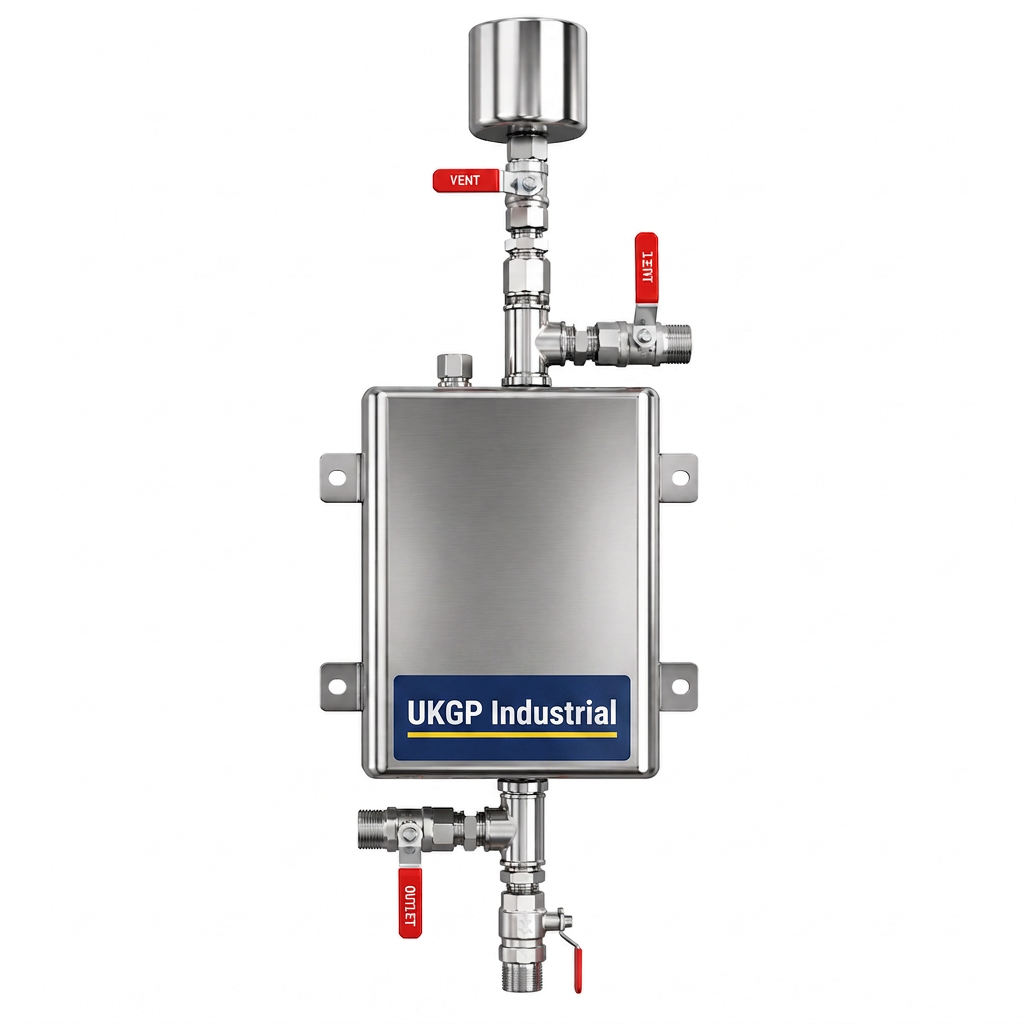
Precision in the design of a boss dosing pot is what separates a standard installation from a high-performance system. These vessels are typically constructed from robust carbon steel or high-grade stainless steel to withstand the operating pressures and temperatures common in UK plant rooms. A standard boss dosing pot assembly includes high-quality isolation valves, a funnel for easy pouring, and essential safety features like a drain valve and an air vent. This configuration allows the operator to isolate the pot from the main system, drain the internal volume, fill it with the required chemical treatment, and then slowly bleed it into the circulation. This controlled introduction prevents 'slug' dosing, where a sudden surge of concentrated chemicals could potentially damage sensitive components like heat exchanger plates or delicate sensor probes.
From a procurement and engineering perspective, specifying a boss dosing pot from UKGP ensures that you receive a component designed for the rigours of the British industrial landscape. Our pots are engineered to be 'all-in-one' solutions, meaning they arrive ready for installation with the necessary valves and fittings. This reduces site labour time for M&E contractors and ensures that the final installation meets the strict safety standards expected in modern plant room designs. When discussing a boss dosing pot with your supplier, it is vital to confirm that the vessel is rated for the specific pressure of your system, typically ranging from 10 bar to 14 bar as standard, though higher pressure ratings are available for specialist high-rise or industrial applications where static head is a significant factor.
- Bypass-mounted design for non-intrusive chemical delivery.
- Meets BSRIA BG50 requirements for ongoing system maintenance.
- Available in carbon steel or stainless steel for varied fluid compatibility.
- Integrated air vent and drain valves for safe operator use.
Sizing Your Boss Dosing Pot Correctly
Choosing the right size for your boss dosing pot is a matter of both convenience and system volume. In the UK, the most common capacities are 5.0 litres, 10.0 litres, and 25.0 litres. While a smaller 5L boss dosing pot might be sufficient for a small office block's heating circuit, larger industrial processes or extensive district heating schemes may require a 25L or even a bespoke larger vessel. The goal is to minimise the number of fill cycles an engineer must perform to reach the target chemical concentration. For example, if a system requires 50 litres of inhibitor, using a 25L pot reduces the operation to just two cycles, whereas a 5L pot would require ten repetitive fills, significantly increasing the time spent on-site and the risk of accidental spillages.
When calculating the required size, engineers must account for the total system volume, including the contents of all pipework, heat emitters, and thermal stores. If the system is being filled with a glycol-water mix for frost protection, the volume of glycol required can be substantial, often making a 25L boss dosing pot the only practical choice for the initial fill. Under BS 8552, regular sampling and 'topping up' of inhibitors are required to maintain a protective film on metallic surfaces; therefore, the dosing pot should be sized to make these routine maintenance tasks as efficient as possible. A well-sized boss dosing pot not only saves time but also ensures that chemical dosages are accurate, preventing the over-dosing that can sometimes lead to seal degradation in pumps and valves.
UKGP Industrial provides a comprehensive range of chemical dosing pots that cater to these sizing needs. Our units are designed to be compact enough for tight plant room retrofits while offering the internal volume necessary for global system treatments. Each UKGP boss dosing pot is supplied with a 2-year warranty, providing peace of mind to facility managers and consultants who are responsible for the long-term reliability of building services. When selecting your pot, always consider the physical footprint; while a larger pot is more efficient for dosing, it requires more space for the bypass pipework and must be accessible for the operative to pour chemicals safely into the top funnel without using ladders where possible.
- 5L, 10L, and 25L standard sizes to suit different system volumes.
- Reduced fill cycles for large-scale inhibitor or glycol applications.
- Considered footprint for installation in congested plant rooms.
- Stainless steel options available for aggressive environmental conditions.
Installation Best Practices for Dosing Pots
To ensure the boss dosing pot functions effectively, it must be installed on a bypass across the main flow and return pipework, or across a pump to provide the necessary differential pressure. This pressure difference is what drives the chemical from the pot into the main circulation. It is standard practice to install the boss dosing pot with the flow entering the bottom and the return exiting the top, or vice versa depending on the specific manufacturer's instruction, to ensure complete displacement of the pot’s contents. High-quality isolation valves must be used to ensure that when the pot is being filled, there is zero risk of backflow or pressurised water escaping the unit, which could pose a significant health and safety risk to the maintenance personnel.
Venting is another critical aspect of a boss dosing pot installation. Because the pot is drained to atmospheric pressure to be filled, air is introduced into the vessel. Without a proper air vent at the highest point of the pot, this air would be pushed into the system upon reopening the valves, potentially causing air locks or contributing to aerobic corrosion. By using an integrated vent, the engineer can bleed all air out of the boss dosing pot before opening the final return valve to the system. This attention to detail reflects the standards set out in CIBSE guidelines for closed-loop maintenance. Properly installed pots also feature a drain valve at the lowest point, allowing the unit to be completely emptied of stagnant water before a new batch of chemicals is introduced.
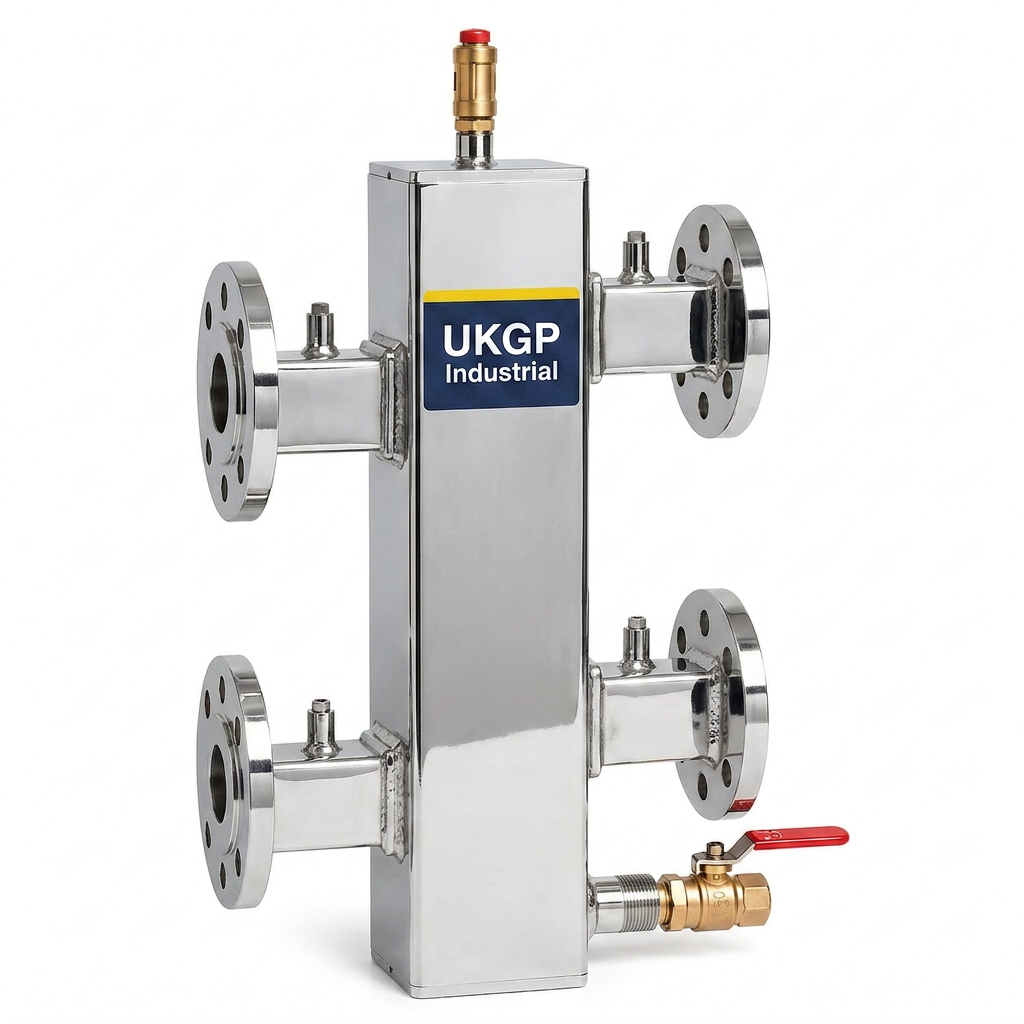
M&E contractors should also ensure the boss dosing pot is mounted securely. While smaller 5L units can sometimes be pipe-mounted, larger 15L or 25L vessels are heavy when full and require robust wall brackets or floor stands. UKGP’s range of dosing pots is designed with these practicalities in mind, offering sturdy construction that stands up to the vibration and pressure fluctuations found in modern plant rooms. By following these installation steps, you ensure that the boss dosing pot becomes a reliable asset rather than a point of failure. If you are also installing other plant items like low loss headers or expansion bellows, matching the build quality of your dosing pot ensures a uniform and professional finish to the entire mechanical installation.
- Always install across a point of differential pressure (e.g., a pump).
- Utilise the air vent to prevent oxygen ingress into the system.
- Secure mounting is essential for larger 25L carbon steel vessels.
- Ensure clear access to the funnel for safe chemical handling.
Material Selection: Carbon Steel vs Stainless Steel
The choice of material for a boss dosing pot is often dictated by the system's fluid and the environment of the plant room. In standard LTHW (Low Temperature Hot Water) systems, carbon steel is the industry standard. It is cost-effective, durable, and more than capable of handling the pressures involved. However, for systems where longevity is the absolute priority, or in chilled water applications where external condensation might lead to 'corrosion under insulation' (CUI), a stainless steel boss dosing pot is often the preferred specification. Stainless steel offers superior resistance to a wider range of chemicals and does not require the same level of external coating maintenance as carbon steel units, which can be prone to rusting in damp basement plant rooms.
Furthermore, in systems where demineralised water or highly aggressive biocides are used, a stainless steel boss dosing pot prevents the vessel itself from contributing to the particulate loading of the system. While the initial capital expenditure for a stainless steel unit is higher, the total cost of ownership is often lower when considering the 20-year lifecycle of a commercial building. UKGP offers both carbon steel and stainless steel options across our entire capacity range, ensuring that whether you are working on a budget-sensitive commercial fit-out or a mission-critical data centre, there is a boss dosing pot that meets your technical and commercial requirements perfectly.
When specifying for high-end projects, engineers should look for pots that have been pressure tested and manufactured to high standards. Every boss dosing pot provided by UKGP undergoes rigorous quality checks to ensure the welding and valve seats are flawless. This is particularly important for bypass-mounted units that are frequently cycled between being empty and being under full system pressure. A failure in the vessel integrity can lead to significant water damage and system downtime. By choosing a UKGP pot with its 2-year warranty, you are investing in a product that has been proven in the field across hundreds of UK installations, from London high-rises to industrial manufacturing plants in the Midlands.
- Carbon steel provides a robust, cost-effective solution for heating loops.
- Stainless steel is ideal for chilled water and high-purity applications.
- Consider the plant room environment to prevent external corrosion.
- All UKGP pots are pressure tested for maximum operational safety.
Maintaining Water Quality with a Boss Dosing Pot
The presence of a boss dosing pot is only effective if it is used as part of a structured water treatment regime. Under BSRIA BG50, water chemistry must be checked at regular intervals—typically quarterly for most commercial systems. If tests show a drop in molybdate or nitrite inhibitor levels, the boss dosing pot is the primary tool used to rectify the balance. Maintaining these levels is critical to preventing the formation of magnetite (sludge), which can clog heat exchangers and reduce the efficiency of the entire system. Without consistent dosing, the thermal performance of the building will degrade over time, leading to higher energy bills and the premature failure of expensive boiler and chiller components.
In addition to inhibitors, the boss dosing pot is used for glycol top-ups. In many UK systems, natural water loss and subsequent automatic pressurisation unit top-ups lead to the dilution of glycol concentrations. This leaves external pipework vulnerable to freezing during winter months. A regular maintenance schedule should involve checking the freeze protection levels and using the boss dosing pot to introduce concentrated glycol as needed. This manual intervention allows for much finer control than some automated systems, especially in smaller to medium-sized buildings where the cost of a fully automated chemical induction station cannot be justified. The simplicity of the dosing pot makes it a favourite among plant room engineers for its 'no-nonsense' reliability.
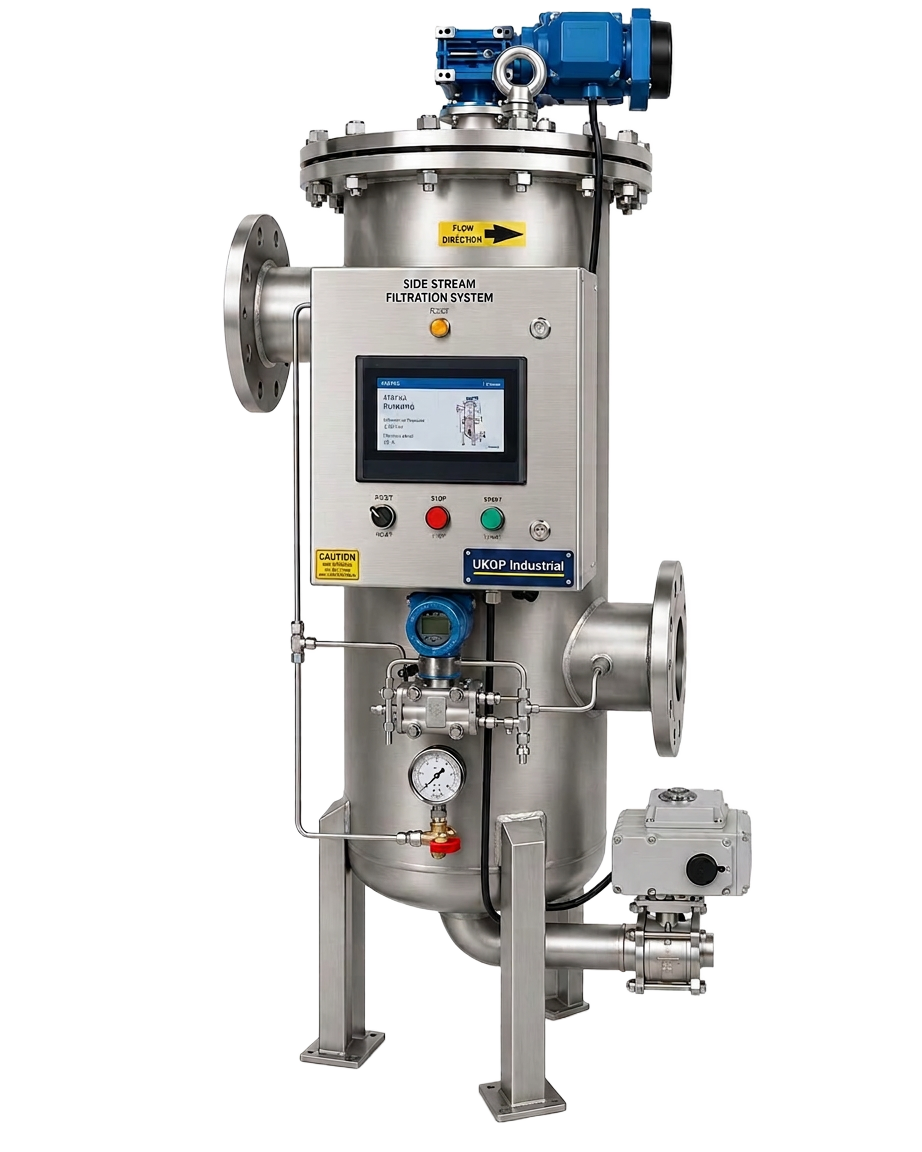
To further enhance system cleanliness, many engineers specify the use of side stream filtration alongside their boss dosing pot. While the dosing pot manages the chemical balance, the side stream filter removes the physical contaminants that chemicals alone cannot eliminate. This dual approach is the gold standard for modern HVAC maintenance. If you are looking to upgrade your system’s protection, consider a UKGP 10L or 25L boss dosing pot as your first line of defence. Our team can provide quick quotes and technical data sheets to ensure your procurement process is as smooth as possible, helping you achieve compliance with the latest industry standards while keeping your project on budget.
- Facilitates the quarterly chemical top-ups required by BSRIA.
- Prevents the build-up of damaging magnetite and scale.
- Essential for maintaining correct glycol levels in external pipework.
- Complements side stream filtration for a total water quality solution.
Why Choose UKGP for Your Next Dosing Pot?
UKGP Industrial understands the demands of the UK building services market. We know that when a contractor needs a boss dosing pot, they need a product that is reliable, easy to install, and readily available. Our dosing pots are stocked in various sizes to ensure fast turnaround times for your projects. Every unit we supply includes a funnel, isolation valves, a drain valve, and a vent as part of the standard assembly, reflecting our commitment to providing complete, ready-to-use solutions. This attention to detail ensures that the final installation looks professional and performs flawlessly, meeting the high expectations of consultants and end-user facility managers across the country.
Commercial awareness is built into our product offering. We provide a 2-year warranty on our dosing pots, which exceeds the industry standard and demonstrates our confidence in the durability of our carbon steel and stainless steel vessels. Whether you are replacing an old, leaking unit or specifying for a major new development, a UKGP boss dosing pot offers the perfect balance of quality and value. Our technical team is on hand to help you size your pot based on system volume, ensuring you don't over-specify on size while still maintaining operational efficiency. This consultative approach helps prevent unnecessary costs and ensures the equipment is fit for purpose from day one.
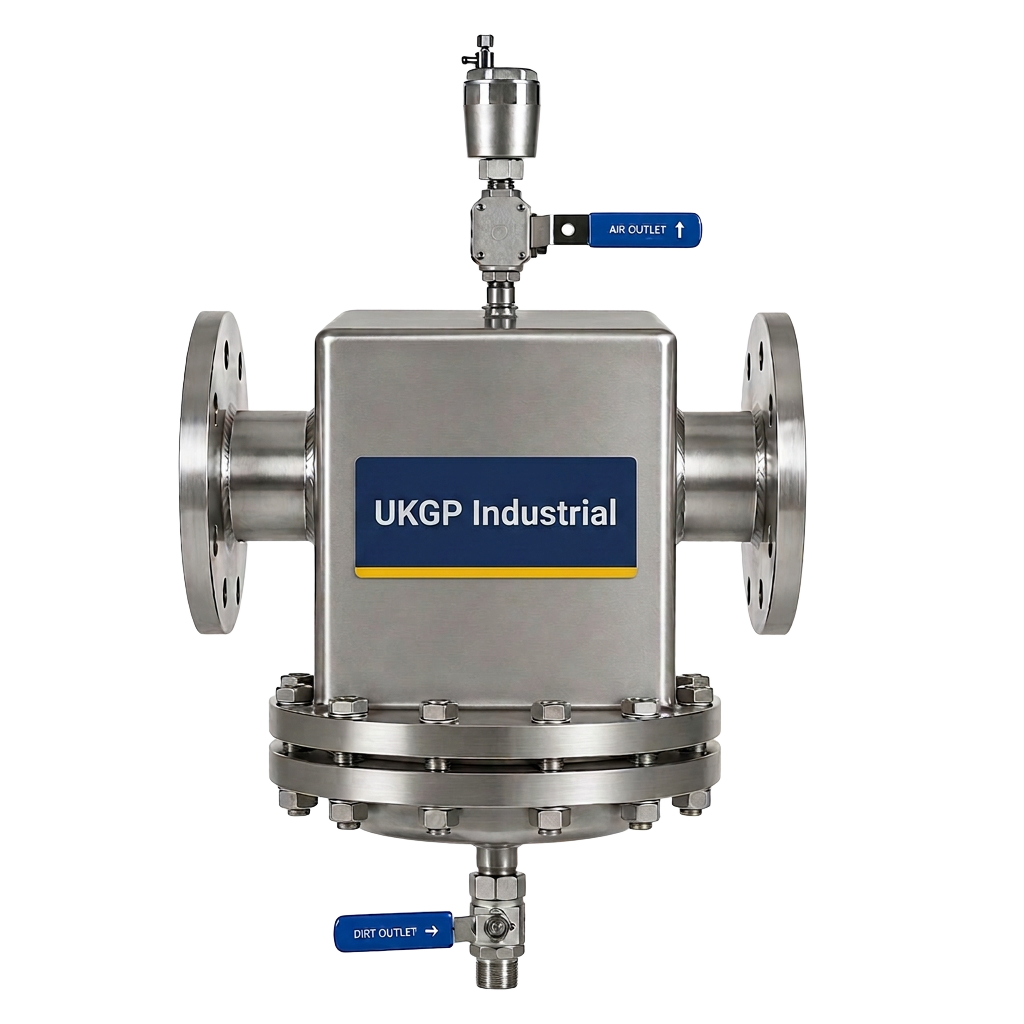
Beyond the boss dosing pot, UKGP is a leading supplier of a wide range of plant room essentials, from plate heat exchangers to air & dirt separators. This allows you to source multiple critical components from a single, trusted UK supplier, streamlining your supply chain and ensuring compatibility between different parts of the system. For your next project, insist on UKGP for your chemical dosing needs. Contact us today for a quote on our 5L, 10L, or 25L pots and discover why so many UK M&E contractors choose us as their preferred partner for high-performance HVAC components and water treatment solutions.
- Industry-leading 2-year warranty for long-term peace of mind.
- Complete kits including all necessary valves and safety vents.
- Expert technical support for sizing and material selection.
- Rapid UK-wide delivery to keep your projects on schedule.
Frequently asked questions
What size boss dosing pot do I need for a 10,000-litre system?
- For a 10,000-litre system, a 25L boss dosing pot is recommended. This allows for the introduction of chemicals in fewer cycles, saving significant time during the initial fill or major maintenance interventions.
Can I use a carbon steel dosing pot for a chilled water system?
- Yes, but ensure it is properly insulated with a vapour seal to prevent external corrosion. For maximum longevity in chilled applications, a stainless steel boss dosing pot is often preferred.
How often should I use the boss dosing pot?
- It should be used whenever water analysis (conducted according to BSRIA BG50) indicates that inhibitor or biocide levels have fallen below the required threshold, or when topping up glycol.
Does a boss dosing pot require a safety relief valve?
- While the pot itself is a pressure vessel, it is typically protected by the main system's safety valves. However, it must always be fitted with a manual air vent to release pressure before opening the fill funnel.
What is the warranty on a UKGP boss dosing pot?
- All UKGP chemical dosing pots come with a 2-year warranty, covering manufacturing defects and ensuring reliable performance in commercial environments.