The Role of the Bird Feeder Yoghurt Pot in Water Treatment
The colloquially named bird feeder yoghurt pot serves a critical function in the lifecycle of any commercial closed-loop system, providing a secure vessel for the introduction of liquid chemicals. For building services engineers and facilities managers, the primary objective is to maintain system integrity by preventing the catastrophic effects of internal corrosion and scale buildup. Without a dedicated bird feeder yoghurt pot, dosing a system becomes a logistical challenge that risks air ingress or chemical waste. These units are typically installed on a bypass loop across the main flow and return pipework, ensuring that the pressure differential drives the chemicals into the main circulation without the need for additional mechanical pumps.
Adhering to BSRIA BG29 and BG50 guidelines is paramount for any commercial installation in the United Kingdom, particularly regarding pre-commission cleaning and ongoing water chemistry maintenance. The bird feeder yoghurt pot provides the necessary interface to meet these rigorous standards, allowing for the periodic addition of corrosion inhibitors that protect expensive components such as heat exchangers and valves. In large-scale plant rooms, where system volumes can reach thousands of litres, having a reliably manufactured dosing vessel is not just a preference but a requirement for long-term operational stability and efficiency. It allows for controlled dilution and ensures the chemicals are thoroughly mixed before entering the wider distribution network.
Choosing the right specification for your bird feeder yoghurt pot involves assessing the maximum pressure and temperature of the system. UKGP Industrial offers units that are designed to withstand the rigours of commercial environments, ensuring that M&E contractors can install with confidence. Whether the project involves a new-build office complex or a retrofit of an existing industrial site, the integration of a high-quality dosing vessel is the first line of defence against the degradation of metallic surfaces. By facilitating regular water treatment, these pots help maintain the heat transfer efficiency of the entire hydronic circuit, ultimately reducing energy consumption and operational costs for the end-user over the heating season.
- Facilitates compliance with BSRIA BG50 water treatment regimes
- Enables safe introduction of glycol and inhibitors
- Prevents air ingress during the chemical dosing process
- Provides a durable and long-lasting plant room solution
Technical Specifications for Modern Dosing Vessels
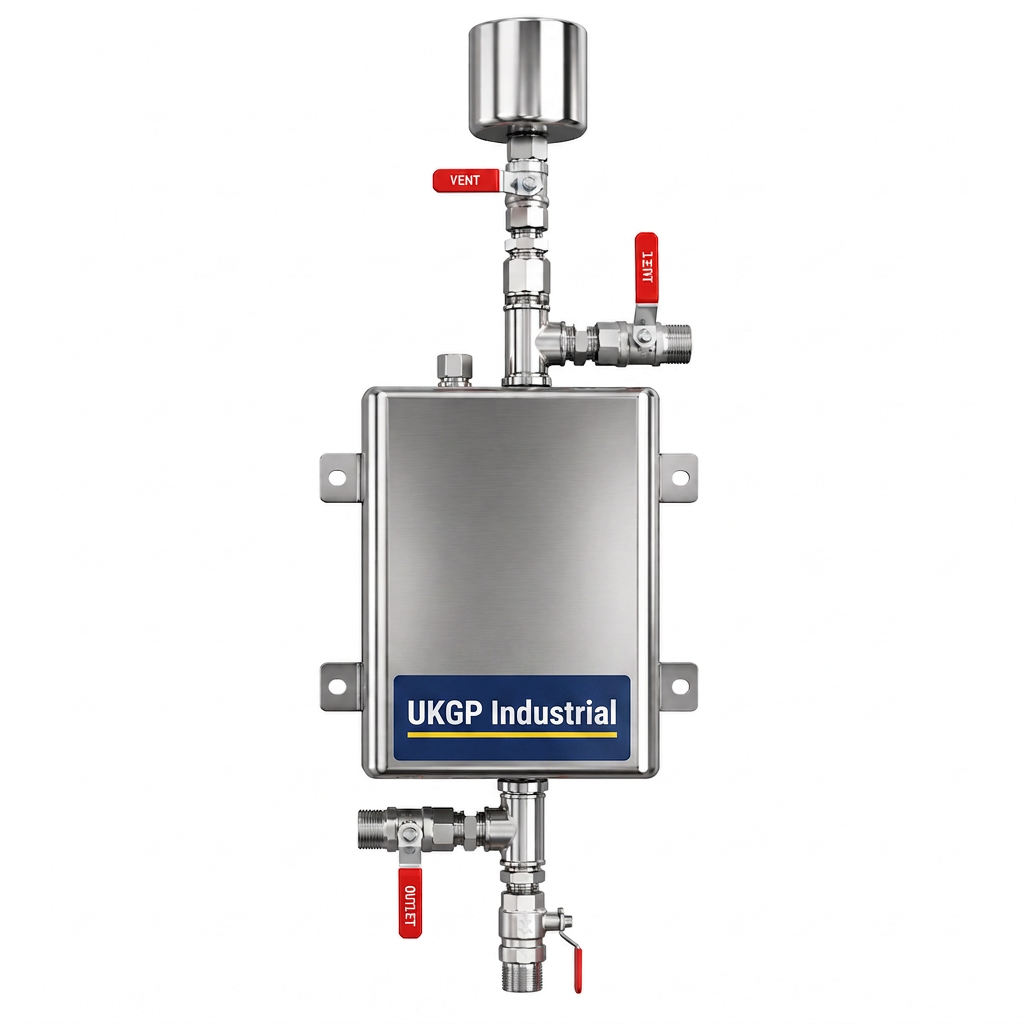
When specifying a bird feeder yoghurt pot, the build quality and material selection are the most significant factors influencing its longevity and safety. Standard models are typically manufactured from carbon steel, which is suitable for most closed-loop heating applications; however, for systems where superior corrosion resistance is required, stainless steel variants are often preferred by consultants. The design must include essential safety and operational components, such as isolation valves to segregate the pot from the main system pressure, a drain valve for clearing the vessel, and a vent valve to eliminate air before commissioning the dosage. These features ensure that the engineer can operate the unit safely and cleanly within the plant room environment.
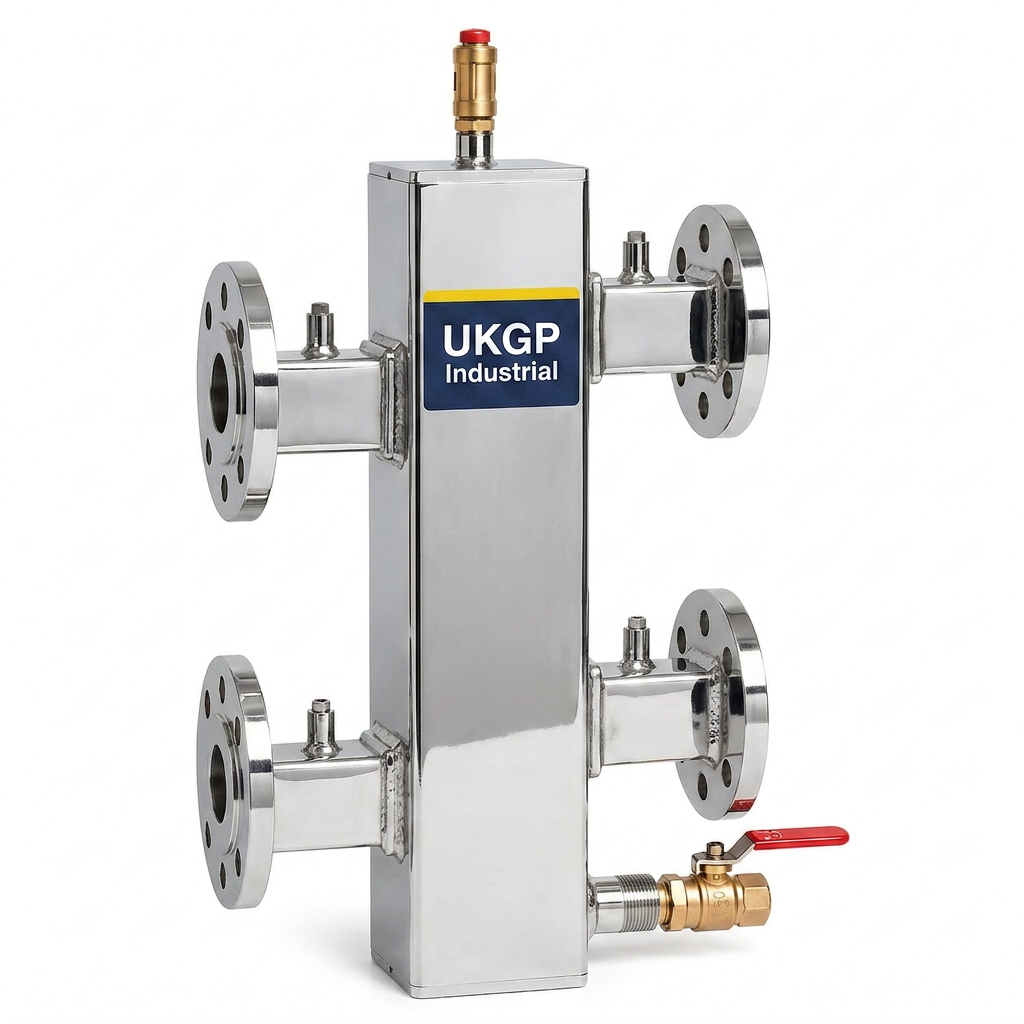
UKGP Industrial provides a comprehensive range of these vessels, commonly referred to as the bird feeder yoghurt pot, in sizes ranging from 5L to 25L to suit various system volumes. Each unit is supplied as a complete assembly, including the bypass-mounted configuration with high-quality valves that ensure leak-free operation. For procurement leads and plant-room engineers, the inclusion of a 2-year warranty offers peace of mind that the component is built to trade-grade standards. The design strictly follows pressure vessel engineering principles, ensuring that the units can handle the static and dynamic pressures found in high-rise commercial buildings or sprawling industrial campuses where low loss headers and large boilers are utilised.
The installation process for a bird feeder yoghurt pot is straightforward for qualified M&E contractors, typically involving a bracket-mounted or floor-standing arrangement depending on the size of the vessel. It is essential that the pot is located in an accessible position to allow for easy pouring of chemicals, as seen in the wide-aperture designs that reduce the risk of spills. By integrating this component into the bypass of the secondary circuit, the pressure drop across the main system pump is used to facilitate flow through the pot. This passive operation makes the unit incredibly reliable, as there are no moving parts or electrical components to fail, providing a simple yet effective solution for water quality management.
- Available in 5L, 10L, and 25L capacities to match system volume
- Constructed from carbon steel or stainless steel for durability
- Inclusive of isolation valves, drain valves, and air vents
- Bypass-mounted design for ease of chemical integration
Maintaining Efficiency with Side Stream Filtration
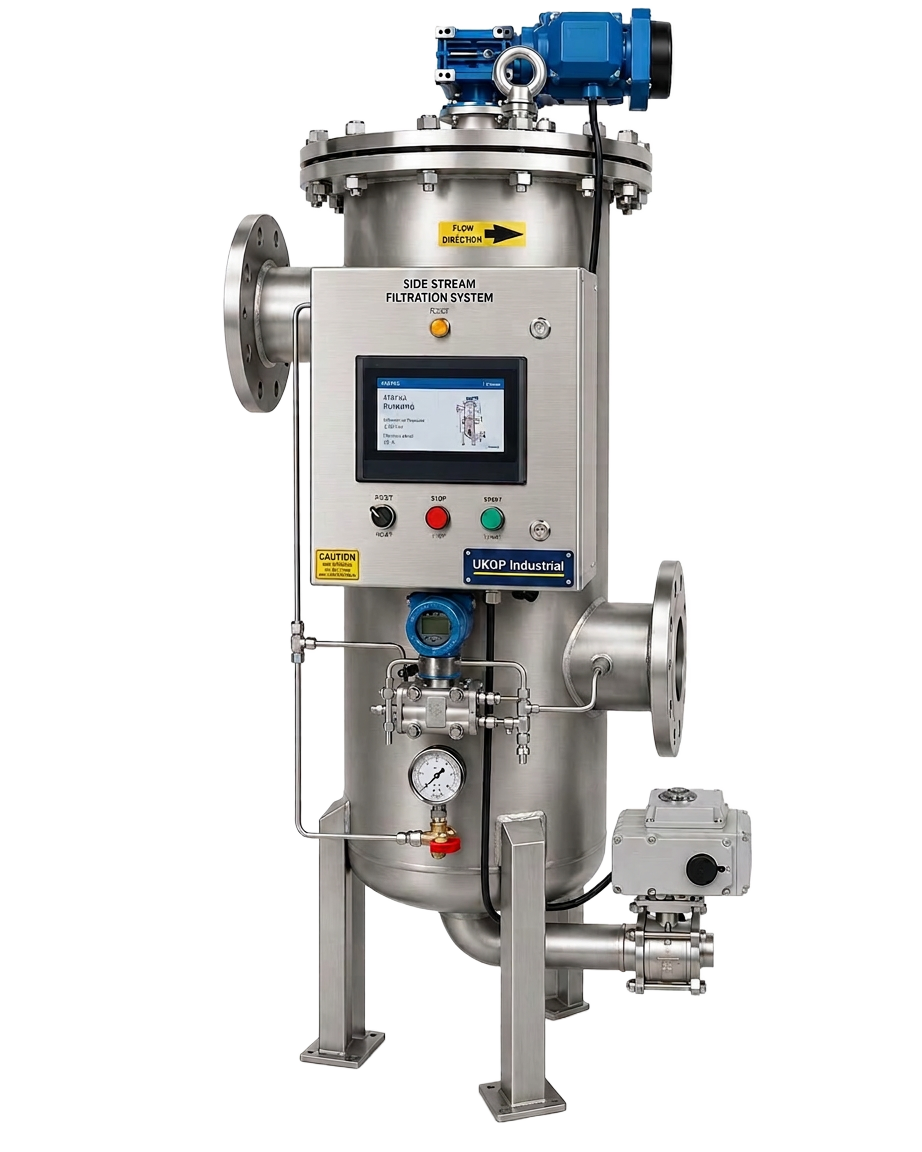
While the bird feeder yoghurt pot handles the chemical aspect of water treatment, it is often paired with side stream filtration to manage physical contaminants. In many UK commercial plant rooms, the combination of chemical dosing and physical debris removal is the gold standard for protecting heat emitters and boiler primary circuits. Side stream filtration systems work by continuously diverting a portion of the system water through a fine filter media, capturing magnetite and non-magnetic debris that chemicals alone cannot neutralise. This dual approach ensures that the water remains clear and the internal surfaces of the pipework are kept free from sluggish deposits that hinder thermal conductivity.
Integrating a side stream filtration unit alongside your bird feeder yoghurt pot creates a comprehensive water quality management station. For facilities managers, this reduces the frequency of system flushes and extends the intervals between major maintenance tasks. It is particularly important in systems featuring high-efficiency plate heat exchangers, which have narrow channels that are easily blocked by particulate matter. By maintaining both the chemical balance and physical cleanliness of the fluid, the lifespan of the entire HVAC infrastructure is significantly increased, protecting the capital investment made by the building owner. Our technical team can advise on the best pairing for your specific site requirements.
The synergy between chemical treatment and filtration is often highlighted in CIBSE guides and BS 8552, which focuses on the sampling and monitoring of water in building services. When a bird feeder yoghurt pot is used to maintain the correct levels of molybdate or other inhibitors, the side stream filter ensures those chemicals can work effectively on clean metal surfaces. This prevents the 'under-deposit corrosion' that occurs when debris settles on pipework, creating an environment where microbial growth or oxidation can bypass the chemical inhibitors. Investing in high-quality dosing and filtration hardware is an essential strategy for any modern commercial property aiming for operational excellence and reduced carbon footprint.
- Protects high-efficiency plate heat exchangers from blockage
- Removes magnetite and suspended solids from the water
- Extends the operational life of valves and pumps
- Works in tandem with chemical dosing for total protection
Compliance with BS EN 14917 and System Expansion
In addition to water treatment via a bird feeder yoghurt pot, commercial heating and cooling systems must account for the physical expansion and contraction of the fluid. Compliance with standards such as BS EN 14917 for expansion bellows ensures that the mechanical stresses induced by temperature fluctuations do not lead to fatigue failure in the pipework. Just as the dosing pot protects the system from internal chemical degradation, expansion bellows and properly sized expansion vessels protect the system from the physical forces exerted by thermal expansion. Both are critical components that must be sized accurately by building services consultants during the design phase to ensure a balanced and safe plant room.
Incorrectly managed expansion can lead to pressure spikes that force safety valves to lift, resulting in the loss of treated water and the need for fresh water make-up. When fresh water enters the system, it brings in oxygen and dilutes the inhibitors previously introduced via the bird feeder yoghurt pot, creating a cycle of degradation. Professional M&E contractors recognise that a stable system pressure is the foundation of effective water treatment. By ensuring that expansion bellows are correctly installed and that the expansion vessel is properly charged, the dosing regime remains stable, and the chemical concentrations do not fluctuate wildly, leading to a much more predictable maintenance schedule.
For procurement leads, sourcing both the bird feeder yoghurt pot and the necessary expansion bellows from a single reputable Surrey-based manufacturer like UKGP Industrial streamlines the supply chain and ensures component compatibility. Our technical staff can assist in verifying that all components meet the relevant British and European standards required for UK commercial projects. This holistic view of system health—combining chemical dosing, physical filtration, and thermal expansion management—is what differentiates a high-performing plant room from one plagued by constant leaks and efficiency losses. Ensure your next project specification includes the right hardware to support the long-term hydronic stability of the building.
- Ensures mechanical stresses are managed via expansion bellows
- Reduces the risk of safety valve discharge and water loss
- Protects the chemical concentration levels in the system
- Supports compliance with BS EN 14917 requirements
Practical Installation Tips for Dosing Units
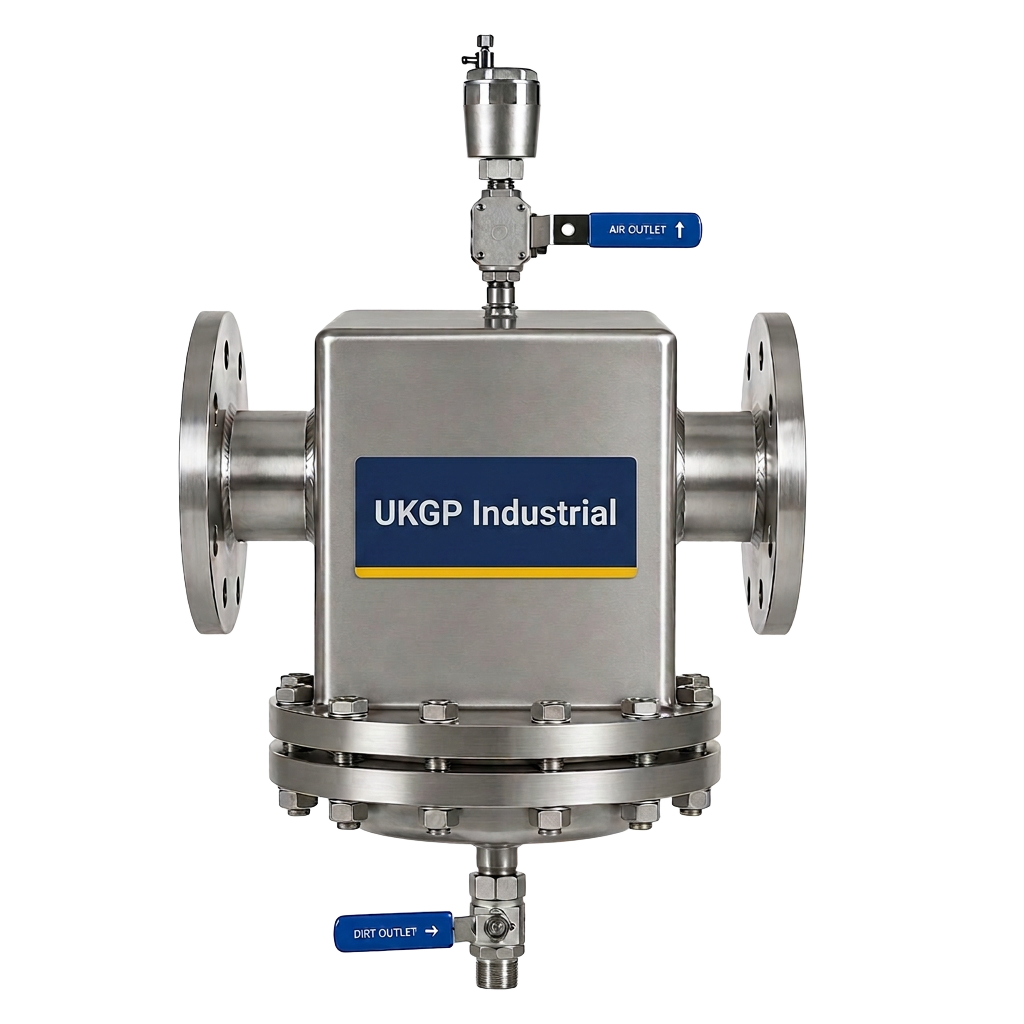
The installation of a bird feeder yoghurt pot should always be carried out by a competent engineer who understands the flow dynamics of the plant room. Ideally, the unit should be mounted in a location with sufficient clearance to allow the operator to pour inhibitors or glycol without obstruction. At UKGP Industrial, our pots are designed with ease of use in mind, including clear labelling for the vent, drain, and flow valves to prevent operational errors. It is common practice to install the pot on a bypass of the main return pipework, usually before any air and dirt separators, to ensure the chemicals are well distributed throughout the system fluid before entering the primary heat source.
Before the bird feeder yoghurt pot is introduced into service, it is vital to ensure that all pipework connections are secure and that the vessel has been pressure tested according to the site requirements. Once operational, the dosing procedure involves closing the isolation valves, draining the vessel via the bottom valve, and then filling it with the required chemical concentration through the top filler neck. After closing the filler, the air is vented, and the isolation valves are slowly opened to allow the system flow to wash the chemicals into the main circuit. This simple mechanical process is why the bird feeder yoghurt pot remains a staple of UK plant rooms, even in an era of digital building management systems.
Maintenance of the bird feeder yoghurt pot is minimal but essential. Periodically checking the seals on the filler cap and ensuring the valves are operating smoothly will prevent nuisance leaks. Because these units are often used to top up glycol in chilled water systems or introduce seasonal inhibitors in heating circuits, they remain an active part of the FM's toolkit. If you are currently managing a site where the dosing equipment is aged or showing signs of corrosion, upgrading to a UKGP Industrial carbon steel or stainless steel unit with a 2-year warranty is a cost-effective way to improve site reliability. Contact our team in Surrey to discuss the sizing and material options available for your next maintenance cycle.
- Install in an accessible location for chemical handling
- Utilise the bypass pressure differential for effective mixing
- Maintain seals and valves to prevent system leaks
- Follow clear venting procedures to eliminate air pockets
Economic Benefits of High-Quality Dosing Hardware
Investing in a high-grade bird feeder yoghurt pot provides significant economic benefits over the life of a commercial building. By ensuring that water treatment is easy and reliable, the likelihood of expensive boiler heat exchanger failures or pump damage is greatly reduced. Leading commercial boiler manufacturers consistently emphasize that water quality is the number one factor in warranty claims and system longevity. A small investment in a robust bird feeder yoghurt pot from UKGP Industrial can prevent the five-figure costs associated with replacing major plant room components or the disruption caused by unplanned system downtime in occupied office or healthcare environments.
Furthermore, an efficient water treatment regime facilitated by a bird feeder yoghurt pot helps keep energy bills under control. Scale and sludge act as insulators on heat transfer surfaces, meaning the boilers have to work harder and consume more gas or electricity to achieve the same internal temperatures. In the current economic climate, where energy costs are a major concern for UK businesses, maintaining peak hydronic efficiency is a commercial priority. By using our 5L, 10L, or 25L dosing pots, facilities managers can accurately manage the chemistry needed to keep these surfaces clean, ensuring the building operates at its designed efficiency throughout its lifespan.
Finally, the durability of the UKGP Industrial range means that the bird feeder yoghurt pot itself will not need frequent replacement. Unlike cheaper, lower-specification alternatives that may suffer from poor valve quality or thin-walled construction, our units are designed for the professional market. Sourcing locally from our Surrey warehouse also reduces lead times and supports UK manufacturing for the building services sector. Whether you are a consultant writing a specification for a flagship development or a contractor needing a quick replacement for a plant room refurbishment, our dosing pots provide the reliability and performance required to get the job done right first time.
- Reduces the risk of expensive heat exchanger failures
- Maintains heat transfer efficiency to lower energy bills
- Provides a 2-year warranty for commercial peace of mind
- Supports UK manufacturing and local supply chains
Frequently asked questions
What is a bird feeder yoghurt pot in a heating context?
- The term 'bird feeder yoghurt pot' is a common industry nickname for a chemical dosing pot, a bypass-mounted vessel used to introduce water treatment chemicals like inhibitors or glycol into a closed-loop HVAC system.
What sizes do these dosing pots come in?
- UKGP Industrial provides chemical dosing pots in 5L, 10L, and 25L capacities, available in both carbon steel and stainless steel to suit various system requirements and piping materials.
How does a bird feeder yoghurt pot connect to the system?
- It is typically installed on a bypass loop between the flow and return headers. By creating a slight pressure differential across the pot, the system fluid flows through the vessel and carries the added chemicals into the main circulation.
Does it require a power supply?
- No, a standard bird feeder yoghurt pot is a completely mechanical device that relies on manual operation and system pressure, making it an incredibly reliable and low-maintenance part of the plant room.
Are these units compatible with glycol?
- Yes, they are specifically designed for the introduction of glycol in chilled water systems as well as corrosion inhibitors in heating systems, provided they are sized correctly for the volume being added.