The Role of an Automatic Dosing System in Modern HVAC
In the sphere of UK building services, the transition from manual chemical additions to a structured automatic dosing system represents a significant leap in operational reliability. For facilities managers (FMs) and plant-room engineers, the primary challenge is ensuring that closed-loop heating and chilled water systems remain within the parameters defined by BSRIA BG29 and BG50. An automatic dosing system works by monitoring system conditions—often via conductivity or flow meters—and injecting technical fluids such as corrosion inhibitors or biocides at precise intervals. This proactive approach prevents the common pitfalls of under-dosing, which leads to oxygen-induced corrosion, or over-dosing, which can be a costly waste of chemical stock.
When designing a commercial plant room, the integration of an automatic dosing system must be considered alongside the physical bypass infrastructure. While the electronics handle the timing and frequency, the physical introduction of chemicals often requires a robust interface. This is where high-quality bypass-mounted hardware becomes essential for ensuring that chemicals are dispersed evenly throughout the primary circuit. For M&E contractors, selecting an automatic dosing system that is compatible with standard UK pipework configurations and UKGP dosing equipment ensures a seamless installation process that meets both the consultant's specification and the client's long-term maintenance requirements.
Commercially, the shift toward automation is driven by the need to reduce site visits and manual labor costs. An automatic dosing system provides a layer of 'install and forget' security, though it should always be supplemented by physical inspection points and high-quality bypass vessels. By maintaining constant chemical residuals, these systems protect expensive heat exchangers and boiler blocks from scaling and pitting. This level of protection is increasingly demanded by insurers and building owners who want to see documented evidence of water quality management in line with BS 8552, ensuring that the HVAC infrastructure reaches its full design life without premature component failure.
- Ensures consistent inhibitor levels to meet BSRIA BG50 standards
- Reduces manual intervention and associated health and safety risks
- Prevents the accumulation of biomass and corrosion by-products
- Optimises chemical usage for improved commercial sustainability
Integrating Chemical Dosing Pots with Automation
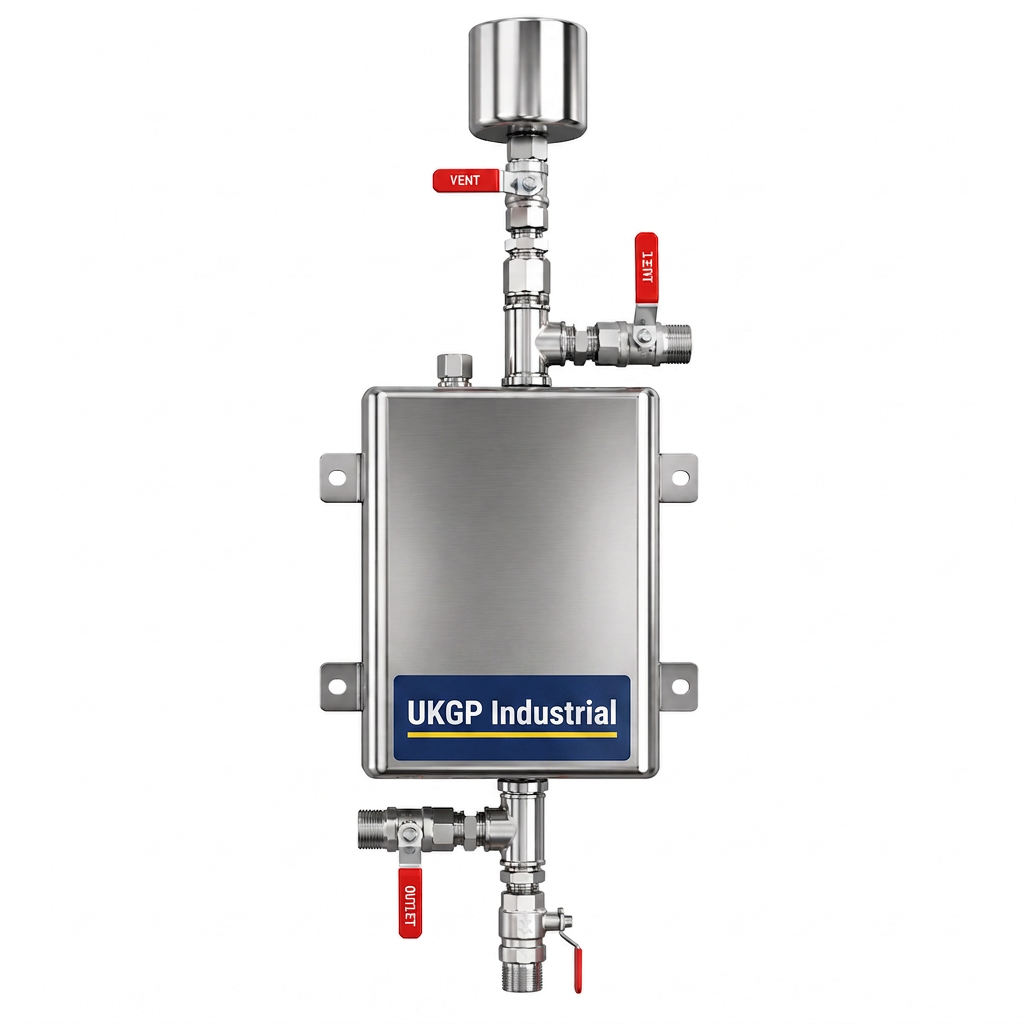
While an electronic automatic dosing system provides the logic for chemical delivery, the physical bypass installation often relies on a manual or semi-automated heavy-duty vessel. Our UKGP chemical dosing pot range is designed to act as the primary injection point for these setups. Available in 5L, 10L, and 25L capacities, these pots are manufactured from high-grade carbon steel or stainless steel to withstand the rigours of commercial pressures. Each unit is bypass-mounted and equipped with essential isolation valves, a drain, and a vent, making them the ideal partner for a sophisticated automatic dosing system that requires a reliable entry point for concentrated inhibitors or glycol top-ups.
Choosing the right size of dosing pot is a matter of calculating the total system volume and the required concentration of the chemical being introduced. For smaller commercial installations, a 5L or 10L carbon steel unit is often sufficient for periodic glycol top-ups handled through a bypass. However, for larger district heating or chilled water networks, a 25L stainless steel vessel provides the necessary capacity to support a large-scale automatic dosing system. These pots are supplied with a 2-year warranty as standard, reflecting the UKGP commitment to durability in the face of chemical exposure and thermal cycling typical in UK plant rooms.
The installation of these pots alongside an automatic dosing system should follow best practices regarding location—typically on the return side of the primary pump where a sufficient pressure differential can be established. When you request a quote for a UKGP chemical dosing pot, you are investing in a BSRIA-compliant component that facilitates the safe and controlled introduction of chemicals. Whether you require a carbon steel vessel for standard heating or a stainless steel variant for more aggressive environments, our range provides the physical reliability that electronic monitoring systems require to function effectively over the long term.
- Available in 5L, 10L, and 25L volumes for various system sizes
- Manufactured in carbon steel or stainless steel for maximum longevity
- Features inclusive isolation valves, drain, and vent for ease of use
- 2-year warranty ensures peace of mind for M&E contractors
Compliance with BSRIA BG50 and Water Quality Standards
Adhering to British standards is not optional for UK building services; it is the benchmark for professional excellence. An automatic dosing system is a vital tool in achieving compliance with BSRIA BG50 'Water Treatment for Closed Heating and Cooling Systems'. This guidance emphasises the need for continuous monitoring and the maintenance of stable chemical concentrations to prevent the formation of sludge and debris. By using an automatic dosing system, engineers can ensure that the system conductivity and pH levels remain within the narrow bands required to prevent metallic degradation. This is particularly important in systems featuring aluminium or copper components found in modern commercial boiler designs.
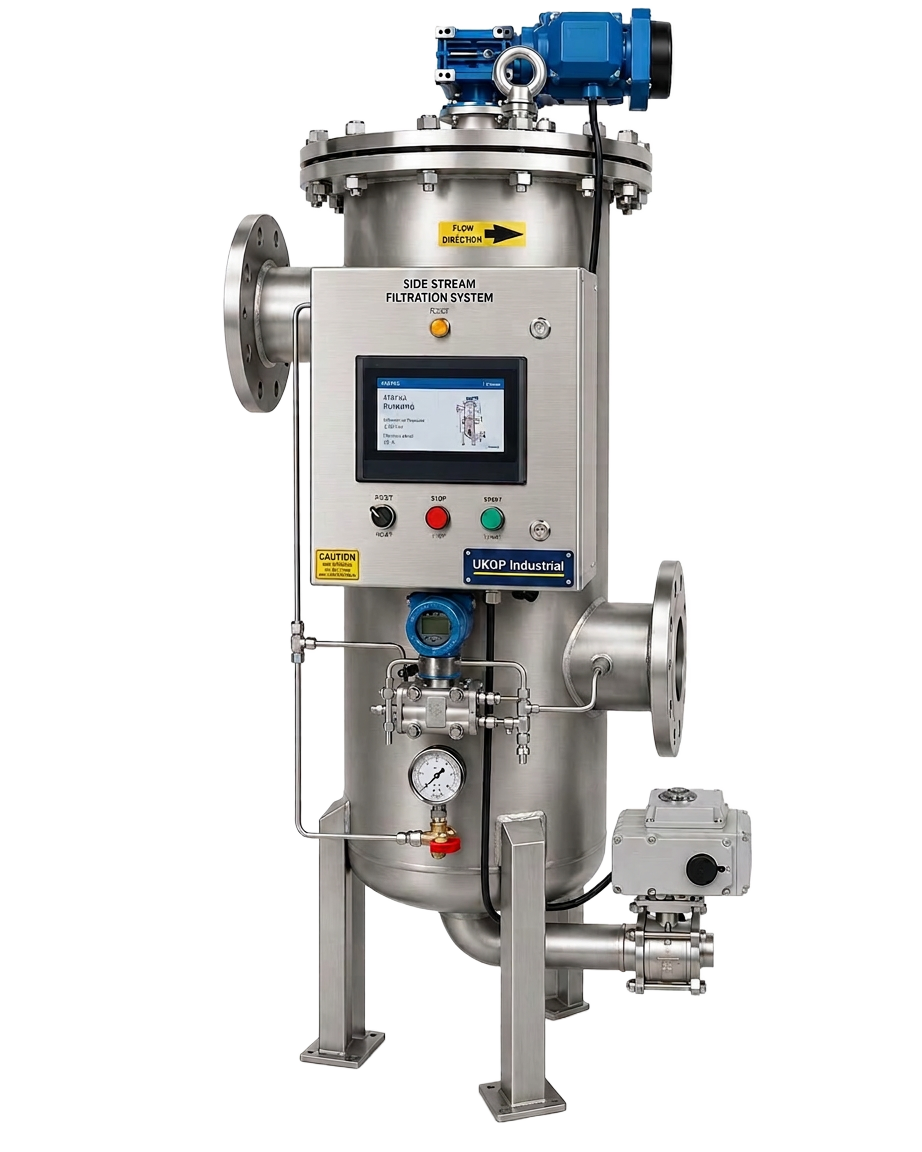
Properly maintained water quality via an automatic dosing system also has a direct impact on the performance of side stream filtration skids. If the chemical balance is wrong, the load on the filtration system increases as corrosion products flake off the pipe walls and enter the stream. By stabilising the chemistry with an automatic dosing system, the side stream filter can focus on removing suspended solids rather than battling an active corrosion event. This synergy between chemical control and physical filtration is the foundation of a modern, efficient plant room that complies with the rigorous demands of CIBSE CP1 and other industry codes of practice.
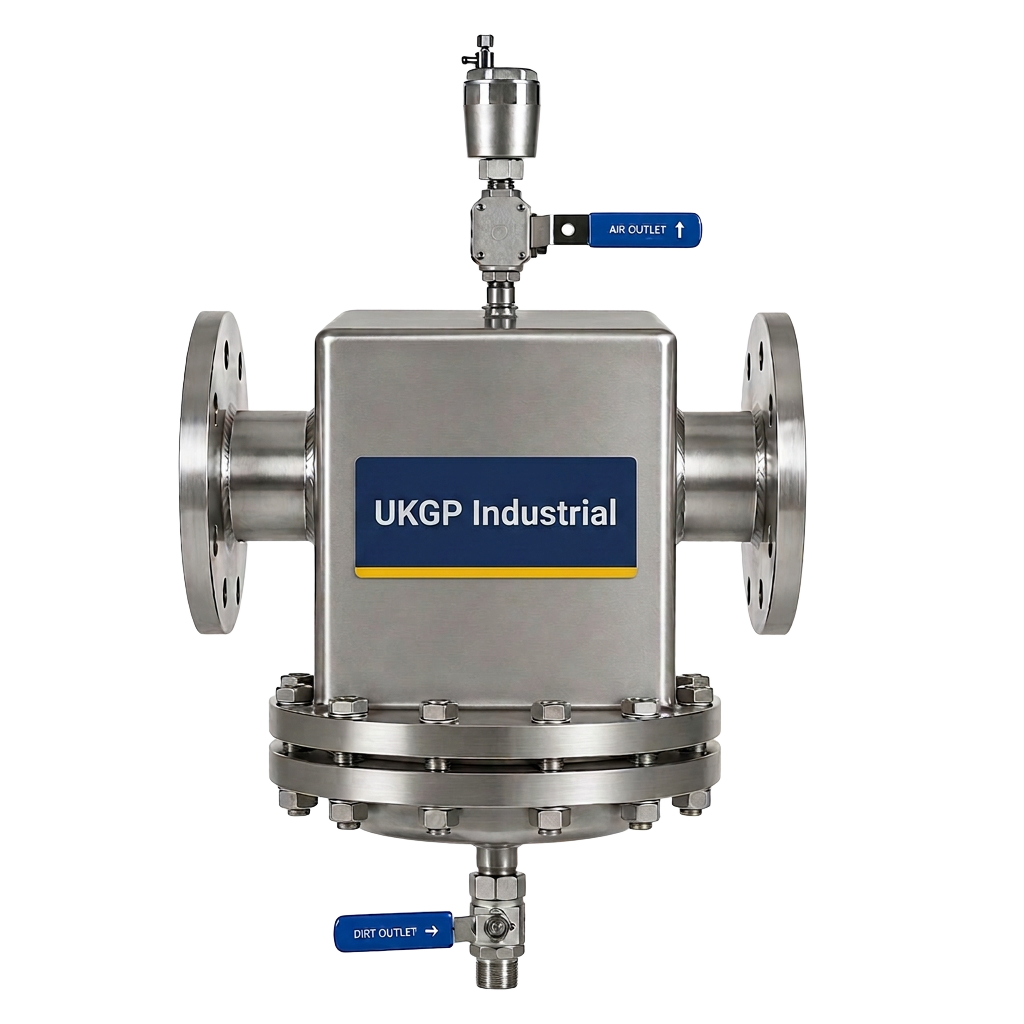
Furthermore, BS 8552 provides the framework for sampling and monitoring water quality in buildings. An automatic dosing system allows for a more granular approach to this standard, providing data that can be used to justify maintenance schedules. For procurement leads, investing in a system that ensures compliance today avoids the massive remediation costs of tomorrow. UKGP supports these efforts by providing the bypass dosing pots and air & dirt separators that keep the water clear and the chemical distribution uniform, essentially safeguarding the reputation of the lead contractor and the investment of the building owner.
- Supports BSRIA BG29 pre-commissioning cleaning protocols
- Essential for maintaining pH levels within CIBSE recommended ranges
- Reduces the risk of microbial growth in chilled water circuits
- Facilitates easier auditing for BS 8552 water quality reports
Material Selection for Dosing Infrastructure
The choice between carbon steel and stainless steel for your dosing infrastructure is a critical commercial and technical decision. When integrating an automatic dosing system, the chemical compatibility of the vessel is paramount. Carbon steel dosing pots are the industry standard for most closed-loop heating systems where oxygen levels are strictly controlled. They offer a cost-effective solution for introducing inhibitor via a bypass. However, in applications where glycol is used extensively or where there is a higher risk of oxygen ingress, stainless steel is often preferred for its superior resistance to localized pitting and chemical attack during the injection phase of an automatic dosing system.
UKGP understands that every plant room has unique requirements, which is why our range covers both material types in 5L through 25L sizes. A stainless steel pot is particularly advantageous in district cooling applications where the fluid may be more aggressive. When these vessels are paired with an automatic dosing system, they provide a robust entry point that will not degrade or leak over time. This durability is backed by our 2-year warranty, which is a key consideration for FM teams who are responsible for the lifecycle costs of the building's mechanical and electrical services.
Beyond the vessel material, the quality of the valves and seals must not be overlooked. An automatic dosing system is only as reliable as its weakest link. UKGP dosing pots are supplied with high-quality isolation valves and a vent to ensure that air is not introduced into the system during the dosing process. This attention to detail prevents the very problem an automatic dosing system is designed to solve: the acceleration of corrosion through improper maintenance. By specifying the correct material and hardware, contractors ensure that the water treatment regime remains effective for the duration of the system's operational life.
- Stainless steel options for chilled water and glycol-heavy systems
- Carbon steel variants for traditional LTHW heating circuits
- High-pressure ratings to suit commercial and industrial plant specs
- Robust isolation valves included for safe bypass operation
Optimising Glycol Top-Up with Automation
Glycol management is a frequent headache for plant-room engineers, particularly in external circuits or air-source heat pump installations. Using an automatic dosing system to manage glycol levels ensures that the system's freeze protection remains intact regardless of water loss or top-ups. A standard pressurisation unit might introduce raw water to maintain pressure, but without a linked automatic dosing system, this dilutes the glycol concentration. This dilution can lead to frozen coils in winter or biological growth in summer. Integrating a bypass dosing pot allows for controlled glycol introduction that can be pulsed as required by the automation logic.
A UKGP chemical dosing pot sized for the specific glycol demand—such as a 25L unit for larger volumes—makes the process of replenishing anti-freeze much simpler. When the automatic dosing system triggers a low-concentration alarm, the facility team can safely load the bypass pot and introduce the necessary volume without shutting down the entire system. Our units come with all the necessary hardware including a drain and vent, ensuring the process is as clean and efficient as possible. This is a practical example of how hardware and software work together to maintain system integrity in harsh UK climates.
From a procurement perspective, the cost of glycol is significant, and an automatic dosing system helps prevent unnecessary over-filling. By accurately measuring the concentration and only adding what is required through a UKGP dosing pot, building owners save on chemical costs and reduce their environmental impact. Whether you are managing a single plant room or a massive industrial site, the combination of precise automation and high-spec British-supplied hardware is the most reliable way to handle antifreeze and corrosion protection in any modern HVAC installation.
- Prevents system freezing by maintaining correct glycol percentages
- Avoids the risks of manual overfilling and chemical waste
- Compatible with all major commercial glycol and inhibitor brands
- Easily integrated with standard plant room pressurisation units
Practical Installation Tips for Dosing Systems
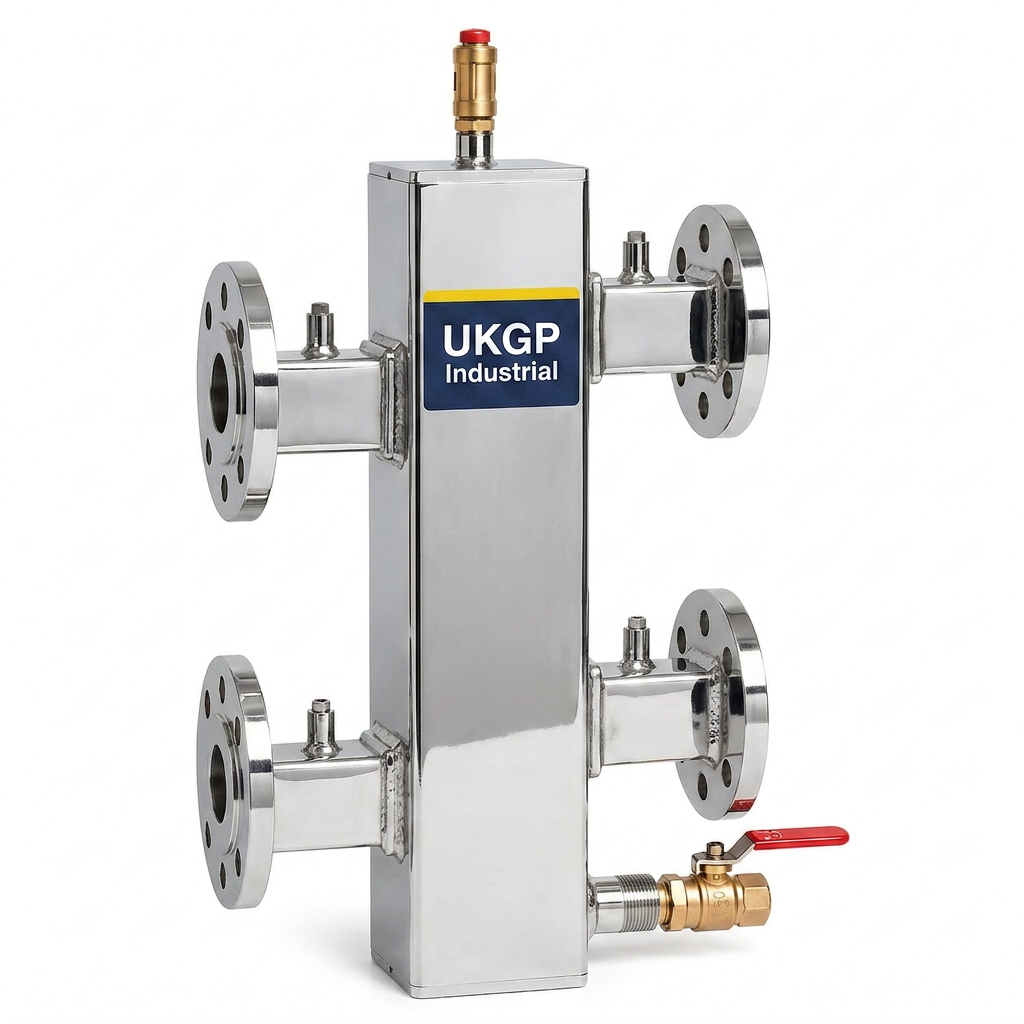
When installing an automatic dosing system, the location of the injection point relative to other plant room components is vital. It should always be installed across the pump to utilise the pressure differential, ensuring that the chemicals are drawn into the main flow. Furthermore, the presence of air & dirt separators and low loss headers should be noted; the automatic dosing system should deliver chemicals into a high-flow area to ensure rapid mixing. UKGP recommends that our dosing pots are installed with clear access for the engineer, allowing for the easy manual addition of chemicals should the automatic system require maintenance or during the initial commission phase.
Maintenance is another key factor. Even the most advanced automatic dosing system requires periodic check-ups to ensure the sensors are calibrated and the dosing pot valves are operating smoothly. Because UKGP provides a 2-year warranty and uses standard-sized fittings, replacing parts or upgrading the system is straightforward for any qualified M&E contractor. We advise engineers to check the vent and drain on the dosing pot regularly to ensure no debris has accumulated, which could block the flow from the automatic dosing system and lead to stagnant pockets of high-concentration chemical.
Finally, always refer to the specific guidelines provided by leading commercial boiler manufacturers regarding water quality. While an automatic dosing system will help you stay within these guidelines, the physical components like the UKGP dosing pot must be rated for the system's maximum operating pressure and temperature. By choosing a UK-based supplier like UKGP, you have access to technical support and stock that meets the specific demands of the UK market, ensuring your project remains on track and your water treatment regime is beyond reproach.
- Install across primary pumps for optimal pressure differential
- Ensure easy access for manual loading and sensor calibration
- Regularly check isolation valves and vents for clear operation
- Align dosing logic with boiler manufacturer warranty requirements
Frequently asked questions
What size chemical dosing pot do I need for my automatic dosing system?
- The size depends on your total system volume. UKGP offers 5L, 10L, and 25L pots. Generally, a larger pot reduces the frequency of manual refills if your automatic dosing system requires high volumes of inhibitor or glycol top-ups.
Can I use carbon steel dosing pots for all systems?
- Carbon steel is standard for most heating systems. However, for chilled water, glycol-heavy systems, or where longevity is a priority, UKGP recommends stainless steel dosing pots to resist corrosion and ensure compatibility with an automatic dosing system.
How does an automatic dosing system help with BSRIA compliance?
- BSRIA BG50 requires consistent water quality. An automatic dosing system provides continuous monitoring and adjustment, ensuring chemicals like inhibitors stay at the correct levels, which is difficult to achieve with manual dosing alone.
Is the UKGP chemical dosing pot easy to install with existing automation?
- Yes, our pots are bypass-mounted with standard isolation valves, vents, and drains, making them easily compatible with any automatic dosing system that requires a robust physical injection point in a commercial plant room.
What warranty is provided with UKGP dosing equipment?
- All UKGP chemical dosing pots come with a 2-year warranty, covering the vessel and the included valve work, providing long-term security for contractors and building owners alike.