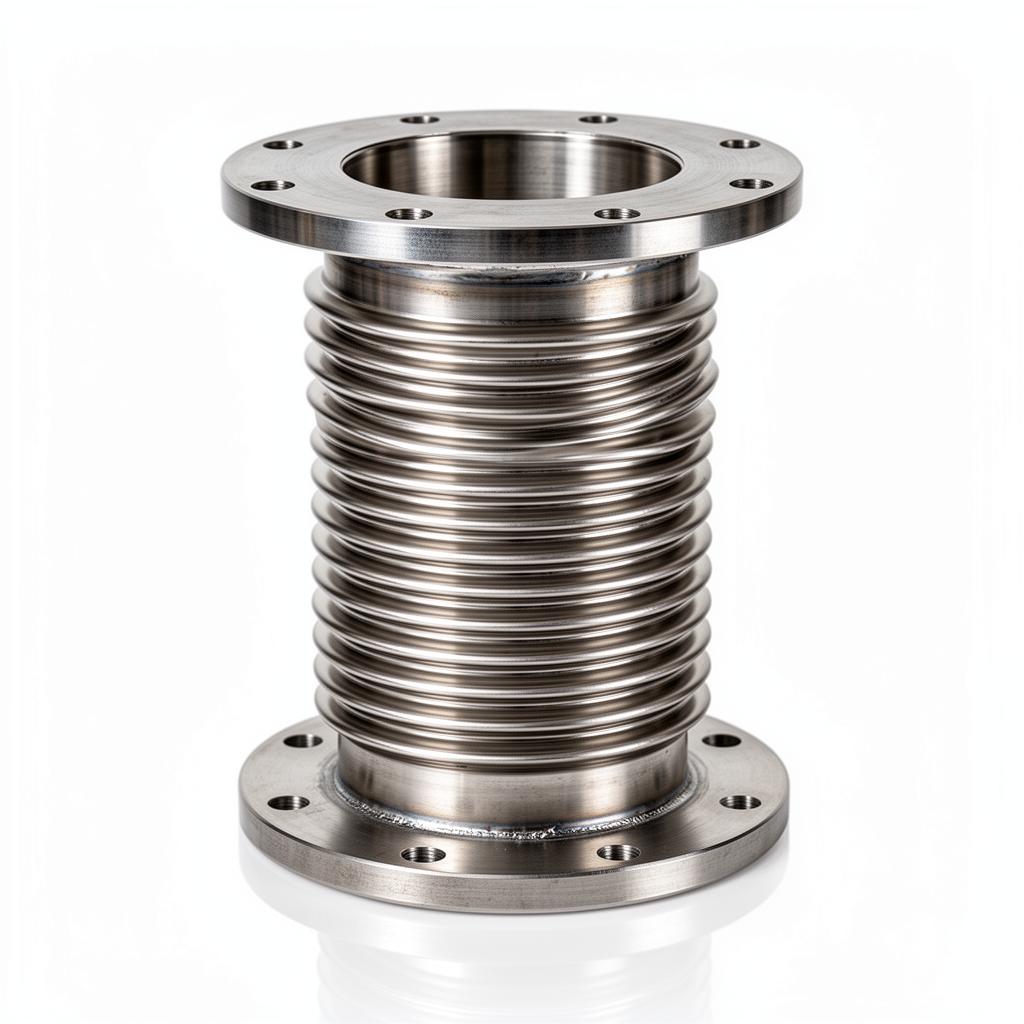
Dynamics of steam expansion bellows in high-heat environments
In modern UK district heating and industrial steam systems, the primary challenge remains the management of thermal axial movement and vibration. A steam expansion bellows must be engineered to withstand the rigorous demands of fluctuating pressure and temperature cycles without succumbing to metal fatigue. When we talk about temperature and cycle life, we are essentially discussing the fatigue resistance of the convolutions. For steam applications, stainless steel multi-ply construction is typically preferred over single-ply variants to provide a balance between flexibility and pressure containment. The thermal expansion coefficients of the surrounding pipework must be calculated accurately to ensure the bellows is not over-extended or compressed beyond its rated design limits.
Consulting BSRIA BG50 guidelines for water treatment and system maintenance is essential, as the internal environment of the steam system significantly impacts the longevity of the steam expansion bellows. Chlorides or poor water chemistry can lead to stress corrosion cracking (SCC), particularly in high-temperature zones where the bellows are most vulnerable. By selecting the correct material grade, such as 316L stainless steel, engineers can provide an additional layer of protection against chemical degradation. It is not just about the heat; it is about how the material reacts to the thermal cycles over a projected twenty-year lifespan. Proper anchoring and guiding of the pipework are equally critical to ensure the movement remains axial and within the precise geometric tolerances required by BS EN 14917.
Furthermore, cycle life is not an arbitrary number but a calculated performance metric based on the expected number of start-up and shut-down cycles. In a typical UK commercial plant room, a steam expansion bellows might be rated for 1,000 to 10,000 full cycles depending on the severity of the temperature shifts. If a system experiences frequent cycling rather than steady-state operation, the bellows will reach its fatigue limit much faster. Therefore, procurement leads must consider the total cost of ownership rather than just the initial capital expenditure. Selecting an incorrectly rated unit will invariably lead to premature failure, resulting in costly downtime and safety risks that far outweigh the savings of a cheaper, non-compliant component.
- Adherence to BS EN 14917 for flexible pipework design
- Impact of stainless steel ply construction on fatigue resistance
- Influence of thermal expansion coefficients on bellows selection
- Mitigation of stress corrosion cracking through material specification
Material specification and temperature thresholds
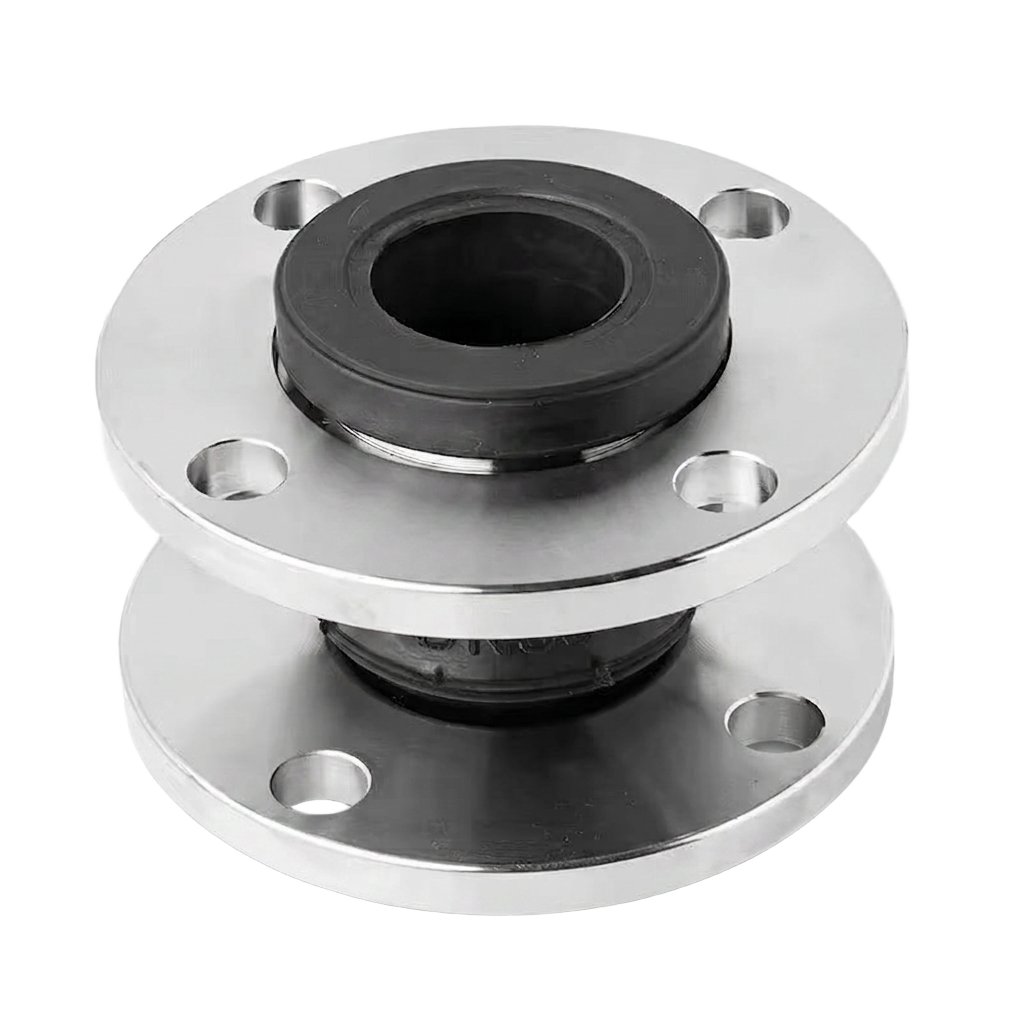
Selecting the right material for a steam expansion bellows requires a comprehensive understanding of the maximum operating temperature and the chemical composition of the steam. While EPDM or NBR rubber bellows are excellent for low-temperature heating and chilled water, steam demand usually necessitates stainless steel, PTFE, or high-performance fabric materials. For high-pressure steam, stainless steel bellows are the industry standard, offering the strength needed to handle the significant force of internal pressure while remaining flexible enough to absorb expansion. Engineering teams must verify that the chosen bellows can maintain its structural integrity at temperatures exceeding 200 degrees Celsius, where standard elastomers would fail and present a major health and safety hazard.
The life expectancy of a steam expansion bellows is also influenced by the quality of the surrounding water chemistry, as outlined in BSRIA BG29. If the steam is carrying high levels of oxygen or corrosive minerals, the internal surfaces of the convolutions can suffer from pitting. This localized corrosion acts as a stress concentrator, significantly reducing the cycle life of the component. To counter this, UKGP Industrial provides expansion bellows ranging from DN15 to DN600, with options for flanged or weld-end connections to suit specific site requirements. Our units come with a 2-year warranty, providing M&E contractors and FMs with peace of mind that the materials used are of the highest grade and suitable for the arduous conditions of a steam plant.
When specifying help for your next project, remember that the movement capability of the bellows is inversely proportional to its pressure rating and cycle life. If you require more movement, you may need a longer bellows or a multi-ply construction to distribute the stress. It is a complex engineering trade-off that requires technical expertise. Our team at UKGP can provide detailed datasheets and assist with the selection process to ensure your steam expansion bellows are correctly matched to your system's specific pressure-temperature curve. Proper selection at the design stage ensures the system operates reliably for decades, minimizing the need for emergency repairs or unplanned maintenance shutdowns common in poorly specified plant rooms.
- Temperature limitations of PTFE vs Stainless Steel
- Importance of 316L grade for corrosion resistance in steam
- Available sizes from DN15 to DN600 for diverse applications
- Benefits of a 2-year warranty on industrial expansion joints
The role of air & dirt separation in bellows longevity
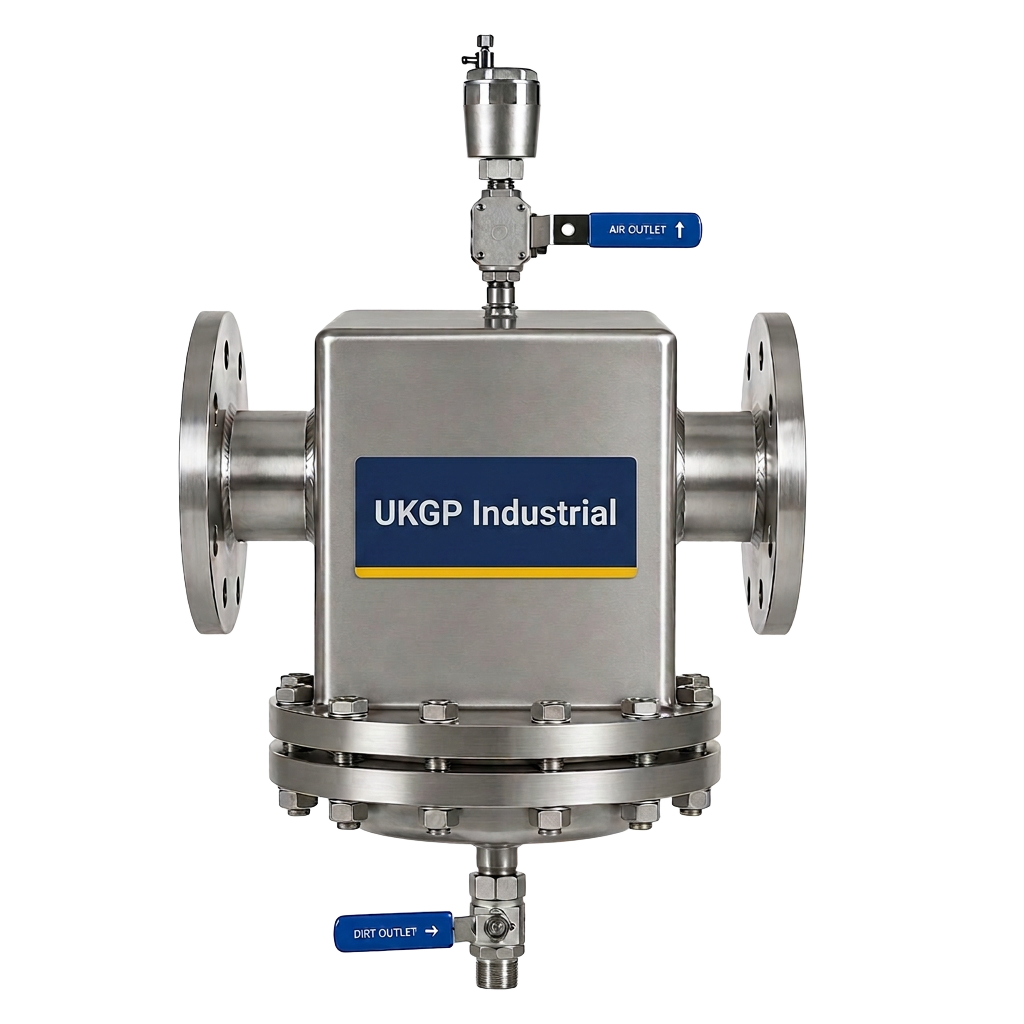
While the primary focus is often on the steam expansion bellows itself, the health of the entire system plays a massive role in its performance. Entrained air and debris within the steam or condensate line can cause erosion and internal damage to the flexible convolutions. As steam moves at high velocities, any particulate matter can act as an abrasive, wearing down the thin walls of the bellows. This is why the installation of robust air and dirt separators is essential for protecting sensitive plant room equipment. By removing these contaminants, you reduce the risk of mechanical erosion on the bellows, thereby preserving its design cycle life and preventing premature metal fatigue.
In steam systems, the presence of non-condensable gases can also lead to air-binding or localized cooling, which creates uneven thermal expansion across the pipework. This puts asymmetrical stress on the steam expansion bellows, leading to distortion or 'squirm'—a condition where the bellows loses its cylinder shape under pressure. Effective air removal ensures a more consistent temperature profile throughout the system, allowing the bellows to expand and contract uniformly as designed. Managers of larger plant rooms should view air and dirt separators as an insurance policy for their more expensive flexible joints and heat exchange equipment, ensuring peak efficiency and reduced maintenance intervals according to BSRIA guidelines.
Combining high-quality air and dirt separation with premium steam expansion bellows creates a more resilient system overall. When designing these systems, M&E contractors should consult with UKGP Industrial to ensure that all components are compatible and positioned correctly. De-aerators and separators should be placed where they can most effectively capture contaminants before they reach the expansion zones. This holistic approach to system design is what separates a standard installation from an expert-grade plant room. By focusing on the removal of harmful debris and gases, you ensure that the thermal expansion components can focus solely on their primary job: managing movement without the added stress of mechanical erosion.
- Reduction of abrasive erosion on bellows convolutions
- Prevention of squirm through consistent temperature profiles
- Integration of BSRIA BG50 water quality standards
- Long-term protection of flexible pipework components
Installation best practices for steam expansion bellows
Even the highest quality steam expansion bellows will fail prematurely if installed incorrectly. One of the most common errors seen in UK plant rooms is the failure to properly align the pipework before domesticating the bellows. If the pipework is misaligned, the bellows is forced to accommodate a lateral offset it was never designed for, significantly eating into its available cycle life. During installation, the unit must be kept in its neutral position or pre-set according to the manufacturer's specific instructions for the ambient temperature at the time of fitting. Failure to account for the 'cold draw' can result in the bellows being over-extended once the system reaches its full operating steam expansion bellows temperature.
Anchoring is another critical factor. Main anchors must be robust enough to withstand the full pressure thrust of the steam expansion bellows, which can be several tonnes in large diameter pipework. If an anchor fails or moves, the pressure thrust will simply extend the bellows until it ruptures. Intermediate guides must also be used to prevent the pipe from bowing, which would introduce lateral loads onto the bellows. Building services consultants should refer to CIBSE guides and BS EN 14917 to ensure that the spacing and strength of these anchors and guides are sufficient for the expected thermal movements and pressures within the steam circuit.
Finally, ensure that the flow liners (if fitted) are installed in the correct direction of the steam flow. A reversed flow liner will cause extreme turbulence and can lead to the liner being torn off, or worse, catastrophic failure of the bellows itself. Before commissioning, a thorough inspection should be carried out to ensure all shipping bolts or tie rods (used for transit) have been removed, unless they are integral limit rods designed to stay in place. For those seeking reliable solutions, UKGP expansion bellows offer robust flanged or weld-end options that simplify the installation process for engineers. Contacting our technical team for a site-specific consultation can prevent these common installation pitfalls and ensure your steam system remains operational and safe.
- Alignment tolerances and the impact of lateral offset
- Calculation of pressure thrust for main anchor design
- Correct orientation of internal flow liners for steam
- Importance of removing transit bars before system commissioning
Monitoring cycle life and preventative maintenance
Predicting the end of life for a steam expansion bellows is a vital part of facilities management. While these components are designed for thousands of cycles, environmental factors and operational changes can accelerate wear. A regular visual inspection programme should be implemented to look for signs of 'necking', distortion, or hairline cracks in the convolutions. If the system has undergone a change in use—for example, if a boiler is now cycling more frequently than originally planned—the remaining life of the steam expansion bellows should be recalculated. Engineers should keep a log of system start-ups and shut-downs to track the accumulated cycles against the manufacturer's original design data.
In high-pressure steam environments, a failure can be explosive and incredibly dangerous. Therefore, preventative replacement is often more cost-effective than reactive repair. If a bellows has reached 80% of its rated cycle life, it is prudent to plan for a replacement during the next scheduled shutdown. Using high-quality components from UKGP, such as our stainless steel or PTFE bellows with a 2-year warranty, ensures that the replacement intervals are as long as possible. We provide DN15 to DN600 sizes, meaning we can supply replacements for almost any standard UK plant room configuration quickly and with full technical documentation to support BSRIA compliance.
Effective maintenance also involves checking the condition of the anchors and guides. If a guide has seized due to corrosion, the thermal expansion will be forced into a section of pipework not designed for it, which often results in the steam expansion bellows being crushed. Regular lubrication of guides and inspection of anchor bolts are simple tasks that can extend the life of the entire thermal management system. For procurement leads, having a trusted partner like UKGP Industrial means you have access to technical advice that goes beyond the product, helping you maintain a safe and efficient steam infrastructure that meets all modern UK regulatory standards.
- Visual indicators of bellows fatigue and stress
- Tracking of operational cycles vs. design limits
- Importance of guide maintenance to prevent bellows crushing
- Planned replacement strategies to avoid catastrophic failure
Conclusion: Securing your steam system's future
The integrity of a steam system is only as strong as its weakest flexible joint. By accurately calculating the steam expansion bellows temperature and movement requirements, and by adhering to the rigorous standards set out by BSRIA and BS EN 14917, engineers can design systems that are both safe and efficient. The selection of materials, whether it be EPDM/NBR for low-temp or stainless steel and PTFE for steam, must be a deliberate decision based on technical data rather than just price. UKGP Industrial is dedicated to providing the high-specification components required to meet these demands across the UK building services sector.
Investing in a high-quality steam expansion bellows with a 2-year warranty is a sign of engineering diligence. It ensures that the facility is protected against the risks of thermal fatigue and pressure-related failures. Whether you are working on a new-build plant room in Surrey or refurbishing an existing district heating network in London, the principles of correct anchoring, guiding, and material selection remain the same. Our range of bellows, spanning from DN15 to DN600, ensures that we have the right fit for every application, regardless of the scale or complexity of the project.
To ensure your project meets the highest standards of performance and safety, we invite you to reach out for a technical quote. Our team can assist in selecting the perfect steam expansion bellows for your specific temperature and cycle life requirements. With UKGP Industrial, you are not just buying a component; you are gaining a technical partner committed to the longevity and efficiency of your M&E installations. Contact us today to discuss your requirements for expansion bellows, dosing pots, or any other plant room essentials that require expert UK manufacturing and supply.
- Summary of BSRIA and BS EN compliance benefits
- The value of technical partnerships in M&E procurement
- Ensuring long-term safety through quality material selection
- Final checklist for steam system thermal expansion design
Frequently asked questions
How does temperature affect the lifespan of a steam expansion bellows?
- Higher temperatures reduce the allowable stress in the bellows material. As the steam expansion bellows temperature increases, the material becomes more susceptible to fatigue, meaning that for a given amount of movement, the total number of cycles the bellows can withstand (cycle life) decreases.
What is the standard cycle life for a commercial steam expansion bellows?
- Most standard industrial steam expansion bellows are designed for a cycle life of 1,000 to 3,000 full thermal cycles (from cold to maximum operating temperature). However, high-performance units can be engineered for up to 10,000 cycles or more depending on the application and BSRIA requirements.
Can I use rubber bellows for steam applications?
- Generally, no. Standard EPDM or NBR rubber bellows are rated for temperatures up to 100-110°C, which is insufficient for most steam systems. Steam expansion bellows should typically be constructed from stainless steel, PTFE, or specialist high-temperature fabrics to ensure safety and longevity.
Why is BSRIA BG50 important for expansion bellows?
- BSRIA BG50 focuses on water treatment in closed systems. For steam systems, poor water chemistry can lead to corrosion of the bellows' thin convolutions. Following BG50 helps prevent stress corrosion cracking, ensuring the steam expansion bellows reaches its full design cycle life.
What sizes of steam expansion bellows do you supply?
- UKGP Industrial supplies a comprehensive range of bellows from DN15 to DN600. These are available with various end connections, including flanged or weld-ends, and are supported by a 2-year warranty for peace of mind in critical UK plant room environments.