Understanding Thermal Movement and Expansion Control
In modern UK building services, thermal expansion is an inevitable physical response to the temperature fluctuations found in LTHW and chilled water circuits. When a water pipe expansion joint is omitted or incorrectly specified, the resulting axial, lateral, or angular movement can exert immense pressure on fixed points and plant equipment. This mechanical stress frequently leads to premature leaks, flange distortion, and even pipework buckling, especially in high-rise developments or long horizontal distribution runs. Engineering consultants must calculate the anticipated movement based on the pipe material's coefficient of expansion and the peak temperature differential expected during seasonal operation. Neglecting these calculations often voids warranties on expensive central plant equipment like boilers and chillers.
The selection process goes beyond simple sizing; it requires a deep understanding of the system's operational parameters. A water pipe expansion joint serves as a flexible link that absorbs the energy generated by the expansion of metallic or plastic pipework. According to CIBSE Guide G, managing this movement is essential for noise reduction and vibration isolation in sensitive commercial environments. UKGP Industrial specializes in providing technical assistance to ensure that every bellows assembly matches the specific demand of the application, preventing the costly remedial works associated with poorly managed thermal stress. We focus on providing solutions that align with the rigorous requirements of BS EN 14917 for metallic bellows, ensuring robust performance in pressurised systems.
Furthermore, the placement of anchors and guides is just as important as the expansion joint itself. Without proper guiding, a water pipe expansion joint may squirm or fail to compress as intended, leading to eccentric loading that can shear bolts or damage internal liners. UK plant room engineers often reference BSRIA BG29 and BG50 when designing these systems to ensure water quality is maintained alongside mechanical stability. Whether the project involves a small-scale plant room upgrade or a massive industrial distribution network, the fundamental principles of movement control remains the same. Proper planning at the design stage ensures the longevity of the entire hydraulic circuit and protects the client’s capital investment from avoidable mechanical failures.
- Calculation of axial, lateral, and angular movement based on T1/T2 differentials.
- Adherence to BS EN 14917 for metallic bellows design and testing.
- Integration with BSRIA BG50 guidelines for system maintenance and longevity.
- Verification of fixed point and guide locations to prevent bellows squirm.
Material Specifications for the Modern Water Pipe Expansion Joint
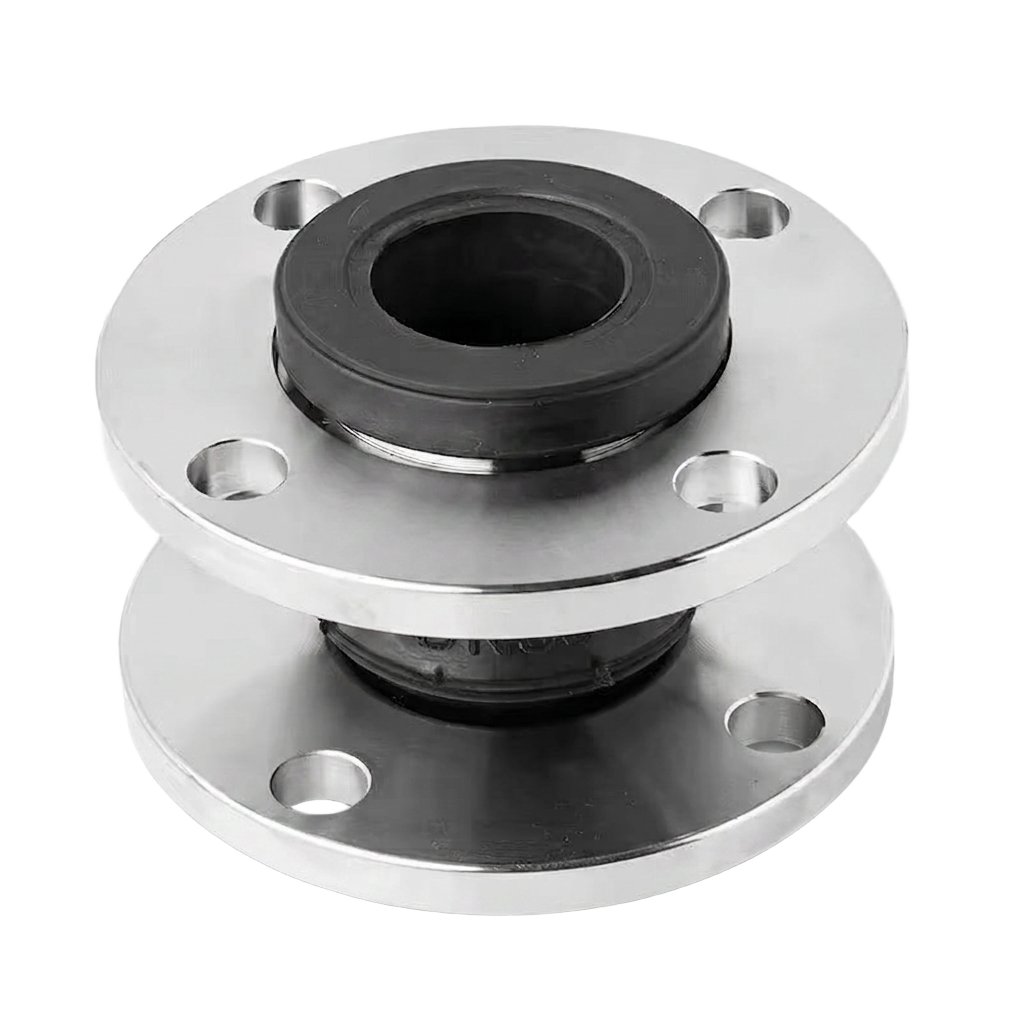
Selecting the right material for a water pipe expansion joint is a nuanced process determined by the fluid medium, temperature, and pressure. For standard heating and cooling applications, EPDM rubber bellows are often the preferred choice due to their exceptional noise-dampening properties and flexibility. However, in systems where oil-based contaminants may be present or higher chemical resistance is required, NBR (Nitrile) options should be considered. Understanding the chemical compatibility of the elastomer is vital to prevent degradation over time. UKGP Industrial offers a comprehensive range of rubber bellows from DN15 up to DN600, ensuring that every commercial project, regardless of scale, has access to high-quality components designed for the UK market.
In high-temperature scenarios or where steam and high-pressure hot water (HPHW) are present, stainless steel bellows become the industry standard. These units are capable of withstanding much higher temperatures than their rubber counterparts and offer longevity in harsh plant room environments. For highly corrosive chemical dosing lines or specialist industrial fluids, PTFE-lined bellows provide the necessary protection against aggressive media. Building services consultants must weigh the pros and cons of each material, considering not just the initial purchase price but the total cost of ownership across the building’s lifecycle. A failed water pipe expansion joint in a mission-critical facility can lead to significant downtime and expensive emergency repairs.
Our range at UKGP Industrial includes stainless steel, PTFE, and fabric options, providing a versatile toolkit for M&E contractors and procurement leads. Every water pipe expansion joint we supply comes with a 2-year warranty, reflecting our confidence in the durability and manufacturing quality of our products. Whether you require flanged or weld-end connections, we ensure that our components meet the exact requirements of your technical specification. Contact our Surrey-based technical team to discuss the specific pressure ratings and temperature ranges your project demands; we can provide rapid quotes for bespoke or standard configurations to keep your project on schedule.
- EPDM and NBR rubber bellows for vibration isolation and standard HVAC.
- Stainless steel bellows for high-pressure and high-temperature LTHW/HPHW.
- PTFE and fabric options for chemical resistance and specialist industrial use.
- Connection types including PN16/PN25 flanges or butt-weld ends for permanent installations.
Installation Best Practices for Water Pipe Expansion Joint Units
Correct installation is the cornerstone of expansion joint performance. Many failures attributed to product quality are, in reality, the result of poor installation practices. For instance, a water pipe expansion joint should never be used to compensate for pipework misalignment unless it has been specifically designed for that purpose. Forcing a bellows into position creates pre-stress that significantly reduces its movement capacity and service life. It is standard practice in the UK to ensure all pipework is correctly aligned and supported before the expansion joint is even removed from its packaging. This ensures the unit starts its operational life in a neutral state, ready to absorb the calculated thermal movements without unnecessary external stress.
The use of tie bars or limit rods is another critical consideration during the installation of a water pipe expansion joint. Tie bars are designed to prevent the bellows from over-extending under pressure, essentially containing the pressure thrust. This is especially important when anchors are not strong enough to resist the full force of the system pressure. In many commercial plant rooms, M&E contractors rely on these tie bars to provide an extra layer of safety. However, they must be adjusted correctly to allow for the required compression. UKGP Industrial provides detailed guidance on the torque settings and adjustment procedures for all our flanged expansion joints to ensure that they are installed correctly the first time.
Finally, insulation around the water pipe expansion joint must be handled with care. While it is important to maintain thermal efficiency in the plant room, the bellows must be allowed to move freely. Removable insulation jackets are the recommended solution, as they allow for regular inspection while keeping heat loss to a minimum. BSRIA BG50 highlights the importance of regular visual inspections for all specialist hydraulic components to identify signs of fatigue or weeping before they escalate into full-system failures. By following these best practices, contractors can ensure their installations meet the highest UK standards and provide the facility manager with a reliable, low-maintenance heating or cooling system for years to come.
- Ensure neutral alignment to avoid pre-stressing the bellows during installation.
- Proper use of tie bars and limit rods to manage pressure thrust forces.
- Utilization of removable insulation jackets for easy inspection and maintenance.
- Adherence to manufacturer torque specifications for PN16 and PN25 flanged connections.
Maintaining Water Quality to Protect Your System Assets
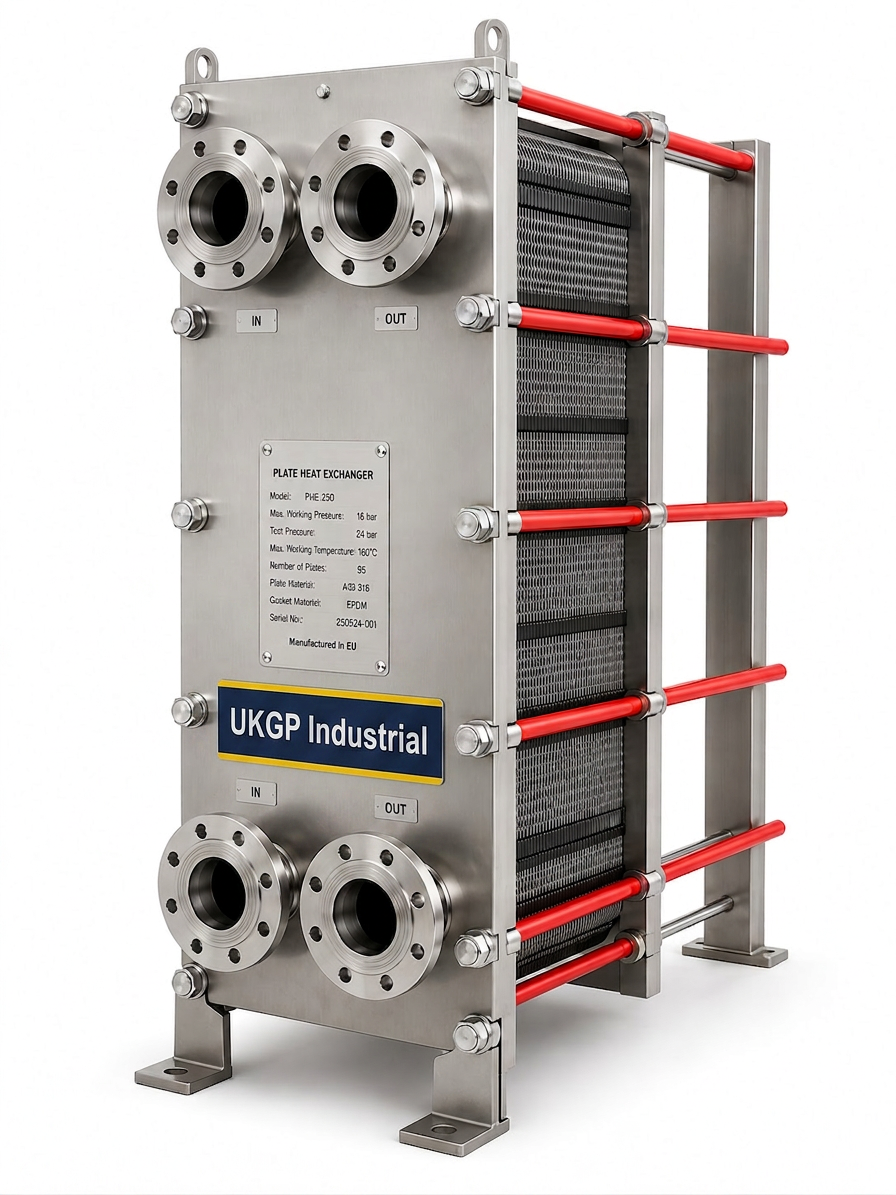
While mechanical movement is managed by the expansion bellows, the internal health of the pipework is equally vital. Water quality management, as outlined in BSRIA BG29, is essential for preventing corrosion that can weaken the thin convolutions of a stainless steel water pipe expansion joint. Microbiologically influenced corrosion (MIC) or oxygen ingress can lead to pitting, which eventually causes pinhole leaks in the bellows material. Integrating high-performance filtration and separation equipment is the best way to safeguard these cooling and heating circuits. By removing debris and controlling the chemical balance, you extend the life of every component in the system, from the smallest valve to the largest plate heat exchanger.
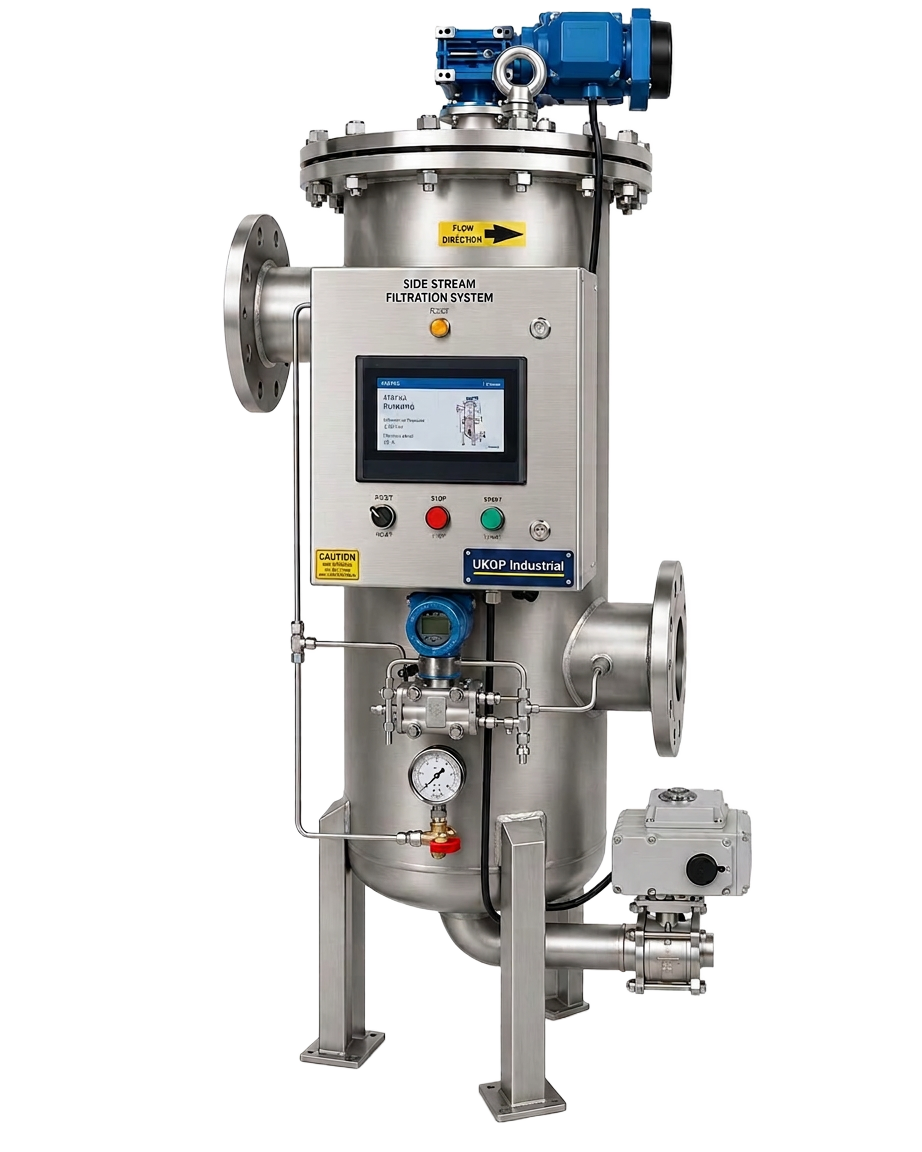
Installing a side stream filtration skid alongside your movement control solution provides a comprehensive approach to system protection. These units continuously remove suspended solids that could otherwise settle in the crevices of a water pipe expansion joint or block the narrow channels of a heat exchanger. In large-scale UK commercial buildings, this proactive approach to water treatment is often mandated by consultants to ensure that the mechanical design performs as intended. UKGP Industrial offers a range of side stream filtration solutions that complement our expansion bellows range, providing a single point of manufacture for critical plant room components that work in harmony to maintain system efficiency.
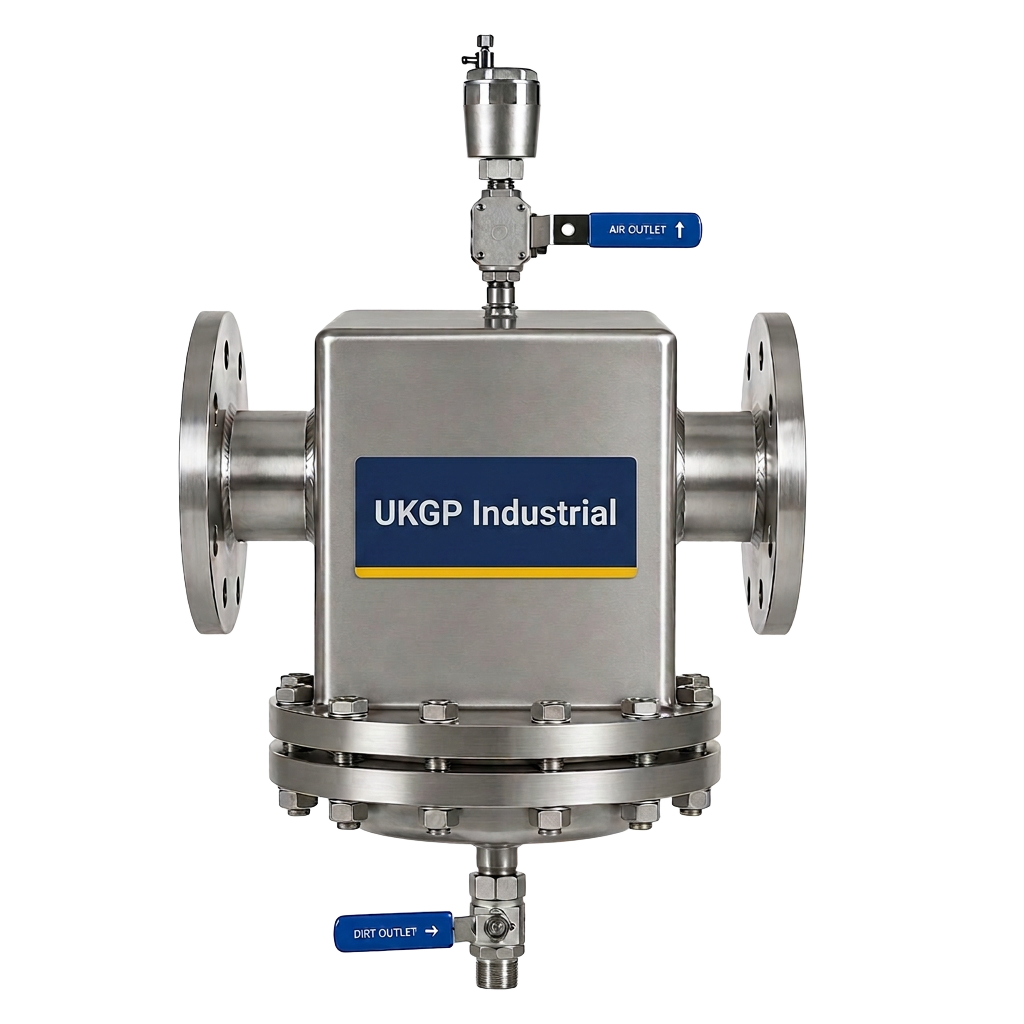
Moreover, the use of air and dirt separators further enhances the protection of the hydraulic circuit. Entrained air is one of the leading causes of noise and corrosion in UK heating systems. By effectively removing micro-bubbles and sludge, you reduce the risk of erratic pressure spikes that could stress the water pipe expansion joint. Combining our UKGP expansion bellows with our air and dirt separators creates a robust infrastructure capable of handling the most demanding commercial thermal cycles. Our technical team can help you select the right combination of products to meet your specific project requirements, ensuring compliance with the latest British Standards and industry best practices for water-side services.
- Mitigation of pitting corrosion through rigorous BSRIA BG29 water treatment.
- Use of side stream filtration to remove suspended solids and protect bellows convolutions.
- Installation of air and dirt separators to prevent gas-related corrosion and noise.
- Integration of chemical dosing pots to maintain necessary inhibitor levels.
The Role of Expansion Bellows in Low-Carbon Heating
As the UK transitions toward low-carbon heating solutions such as heat pumps and district heating networks, the demand for precision-engineered components has increased. These systems often operate at different temperature differentials than traditional boiler-led circuits, requiring a recalibration of how a water pipe expansion joint is specified. Heat pump systems often involve larger pipe diameters and lower delta T, leading to different expansion patterns that must be meticulously managed. Our DN15-DN600 range of expansion bellows is ideally suited for these modern applications, providing the reliability needed for sustainable building designs. By ensuring that thermal movement is accounted for, we help make low-carbon transitions more durable and less prone to mechanical failure.
In district heating applications, the water pipe expansion joint must be particularly robust due to the long distances involved and the potential for high thermal loads. Whether through flanged connections or weld-end configurations for underground or service-riser applications, the focus remains on long-term structural integrity. UKGP Industrial is a trusted partner for many M&E contractors working on these large-scale infrastructure projects. Our technical expertise ensures that the bellows provided are not only compliant with BS EN 14917 but are also manufactured to withstand the unique pressures of district energy schemes, providing peace of mind for both the contractor and the end-user.
The shift toward modular plant rooms also places new demands on expansion control. Modular units are often compact, requiring a water pipe expansion joint that can provide maximum movement in a limited footprint. Our technical team can advise on the compact dimensions of our range, ensuring that even the most space-constrained plant room can accommodate professional-grade expansion control. Request a quote today to see how our expertise in UK manufacturing and supply can benefit your next low-carbon heating project. We offer full technical support to ensure that every expansion bellows we supply is perfectly matched to the unique demands of modern, sustainable HVAC infrastructure.
- Adaptation of expansion calculations for modern heat pump and district heating systems.
- Compact bellows designs for space-saving modular plant room installations.
- Compliance with sustainability goals through extended component lifecycles.
- Support for transition from high-carbon to high-efficiency LTHW circuits.
Procurement and Technical Support from UKGP Industrial
For procurement leads and FM professionals, securing a reliable supply of high-specification components is essential for avoiding project delays. When sourcing a water pipe expansion joint, it is important to look beyond the unit price and consider the level of technical support and the quality of the warranty provided. UKGP Industrial offers a clear advantage by being a Surrey-based supplier with deep knowledge of the UK market's regulatory landscape. Our 2-year warranty on all expansion bellows is a testament to our commitment to quality, providing long-term assurance that our products will perform under the stated design conditions without fail, protecting your system's uptime.
We understand that every project has unique constraints, which is why we offer a broad range of options from rubber to stainless steel and PTFE. Our ability to provide both standard and bespoke sizes (DN15 to DN600) means we can satisfy technical specifications for diverse applications, from high-rise residential towers to medical facilities and industrial processing plants. When you partner with UKGP, you are not just buying a water pipe expansion joint; you are accessing a wealth of technical knowledge that helps steer your project toward success. Our quick-response quoting system ensures that procurement leads can get accurate pricing and lead times, facilitating smoother project management and faster handovers.
In conclusion, the correct specification, installation, and maintenance of a water pipe expansion joint are non-negotiable for anyone involved in commercial building services. By adhering to the standards set out by CIBSE, BSRIA, and British Standards, and by choosing high-quality components from UKGP Industrial, you ensure the safety and efficiency of your hydraulic networks. Whether your requirement is for a single DN50 rubber bellows or a suite of high-pressure stainless steel joints for a major energy centre, our team is ready to assist. Contact us today to discuss your technical requirements and receive a competitive quote for your next project, ensuring your HVAC system is built to last.
- Expert technical support from our Surrey-based engineering team.
- Comprehensive 2-year warranty on all expansion bellows for peace of mind.
- Rapid quoting and procurement processes for M&E contractors.
- Full range of PN16 and PN25 flanged or weld-end options for versatile installations.
Frequently asked questions
What is the primary function of a water pipe expansion joint?
- The primary function is to absorb the thermal expansion and contraction of pipework caused by temperature changes, preventing stress on anchors, guides, and plant equipment.
How do I choose between rubber and stainless steel bellows?
- Rubber (EPDM/NBR) is ideal for vibration isolation and LTHW/chilled water, while stainless steel is required for higher temperatures, steam, or higher pressure ratings.
What standards govern the manufacture of expansion joints in the UK?
- The key standard is BS EN 14917 for metal bellows, while installation and system maintenance are often guided by BSRIA BG29, BG50, and CIBSE Guide G.
What pipe sizes are available for UKGP expansion bellows?
- We supply expansion bellows in a wide range of sizes, typically from DN15 up to DN600, with various connection types including flanged and weld-end.
Do these joints require regular maintenance?
- Yes, they should be visually inspected periodically for signs of fatigue, corrosion, or leaks, as recommended in BSRIA BG50. Removable insulation jackets facilitate this process.