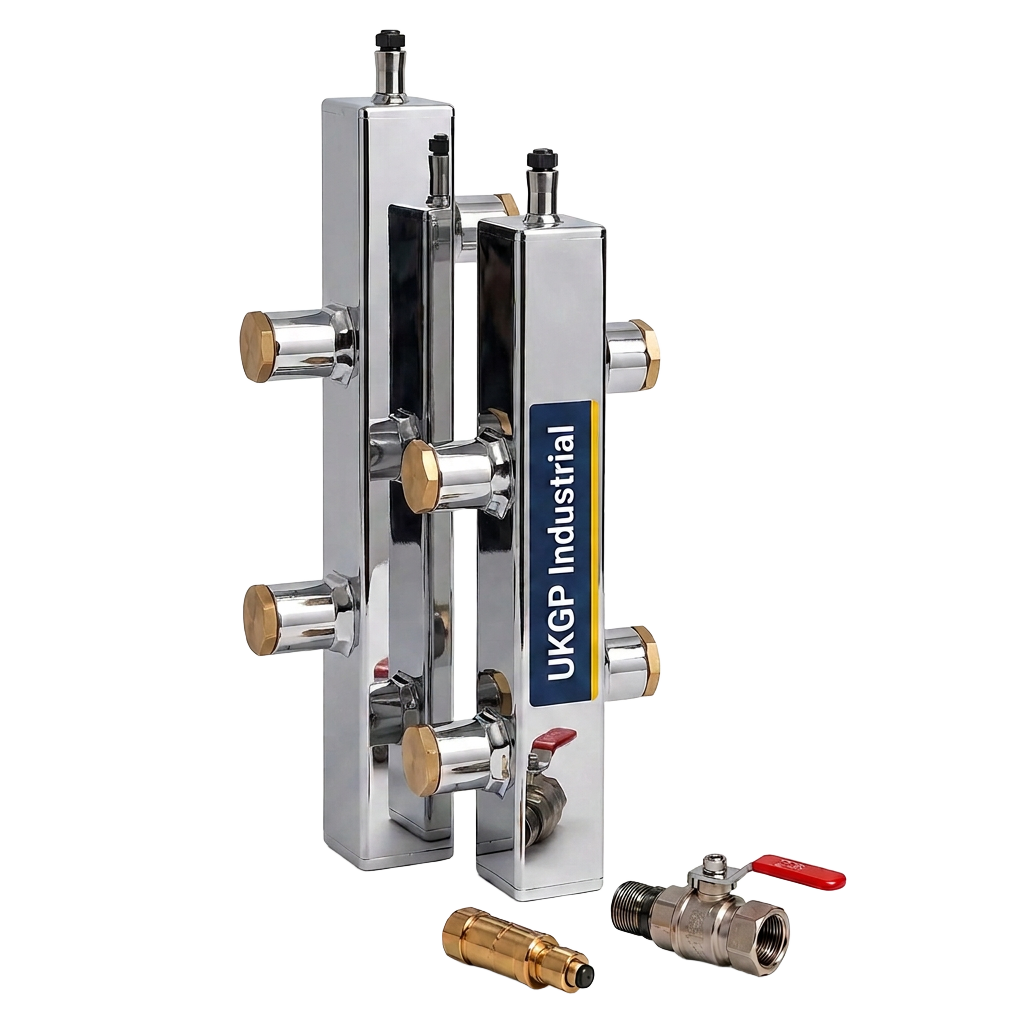
The Mechanics of a Small Low Loss Header in Modern Plant Rooms
In the context of contemporary UK commercial heating, maintaining the correct flow rate through high-efficiency condensing boilers is critical for longevity and performance. A small low loss header acts as a neutrality zone where the primary circuit pumped by the boiler and the secondary circuit serving the building's zones can meet without hydraulic interference. This prevents the primary pump and secondary system pumps from competing, a common issue in poorly designed systems that leads to premature component failure and erratic temperature control. By utilising a small low loss header, engineers can ensure that the boiler operates at its design temperature differential, often referred to as Delta T, which is essential for achieving the efficiency ratings specified by major UK commercial boiler OEMs.
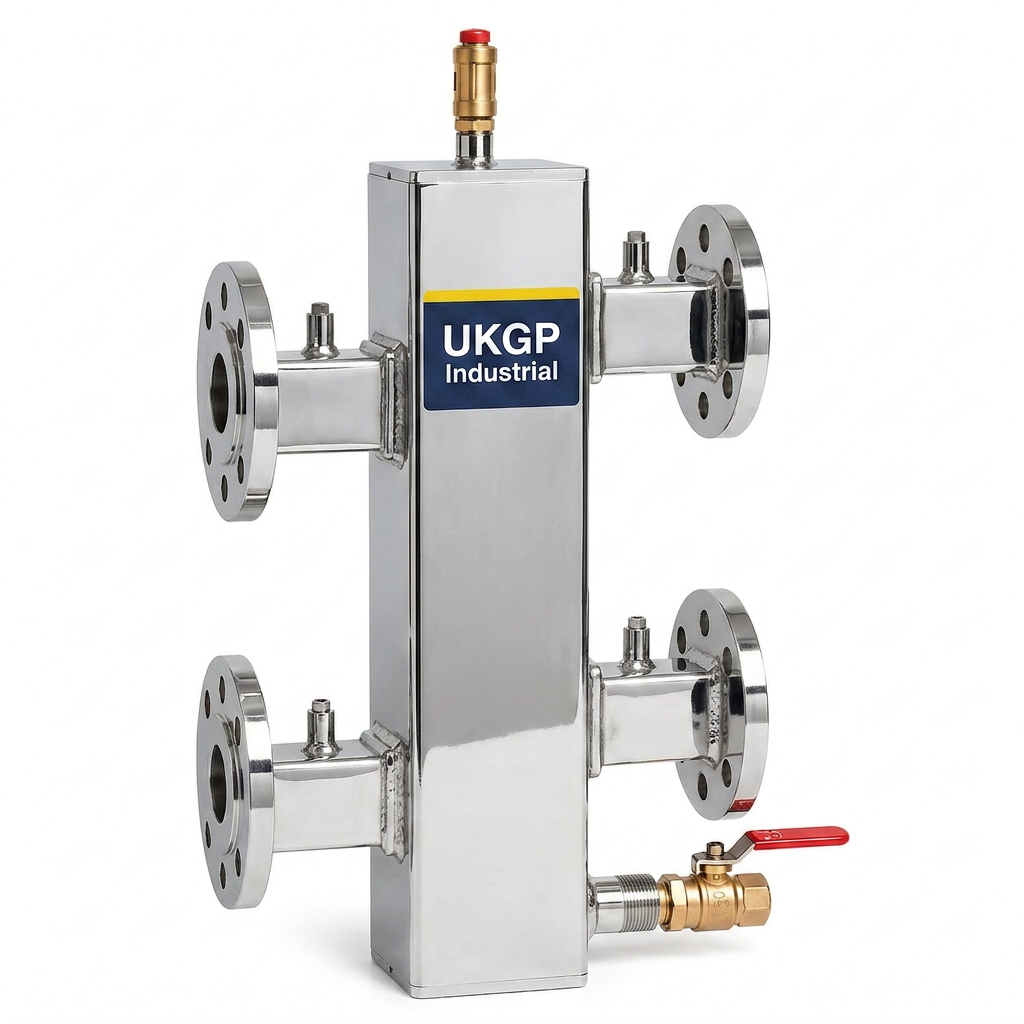
When designing for smaller commercial footprints or modular boiler cascades, the physical dimensions of the components become a primary concern for M&E contractors and consultants. A compact yet robustly engineered small low loss header allows for efficient separation even in restricted plant room spaces, provided it is sized correctly based on the maximum flow rate of the installation. Our UKGP units are designed to handle capacities from 40 kW up to 2000 kW, ensuring that even a 'small' installation benefits from professional-grade separation. These headers facilitate the settling of debris and the release of trapped air, serving a dual purpose that aligns with the maintenance best practices outlined in BSRIA BG50 regarding water quality management in closed-loop systems.
Furthermore, the integration of a small low loss header simplifies the commissioning process for site engineers. Because the primary circuit is hydraulically independent, the boiler can be tested and balanced without the variables of the secondary load impacting the initial combustion checks. This separation is vital for modern variable temperature circuits where thermostatic radiator valves or plate heat exchanger loads fluctuate throughout the day. By providing a low-velocity area where the pressure drop is almost zero, the header ensures that energy is transferred effectively from the generation source to the demand side without causing the pump hunting or cycling that often plagues unseparated commercial heating installations.
- Ensures total hydraulic decoupling between primary boiler cascades and secondary heating circuits.
- Minimises the risk of boiler short-cycling by maintaining stable return temperatures and flow rates.
- Facilitates easier system balancing as required by CIBSE Commissioning Code W.
- Reduces mechanical stress on internal boiler components by preventing high-pressure differentials.
Compliance and Standards: BSRIA BG29 and BG50
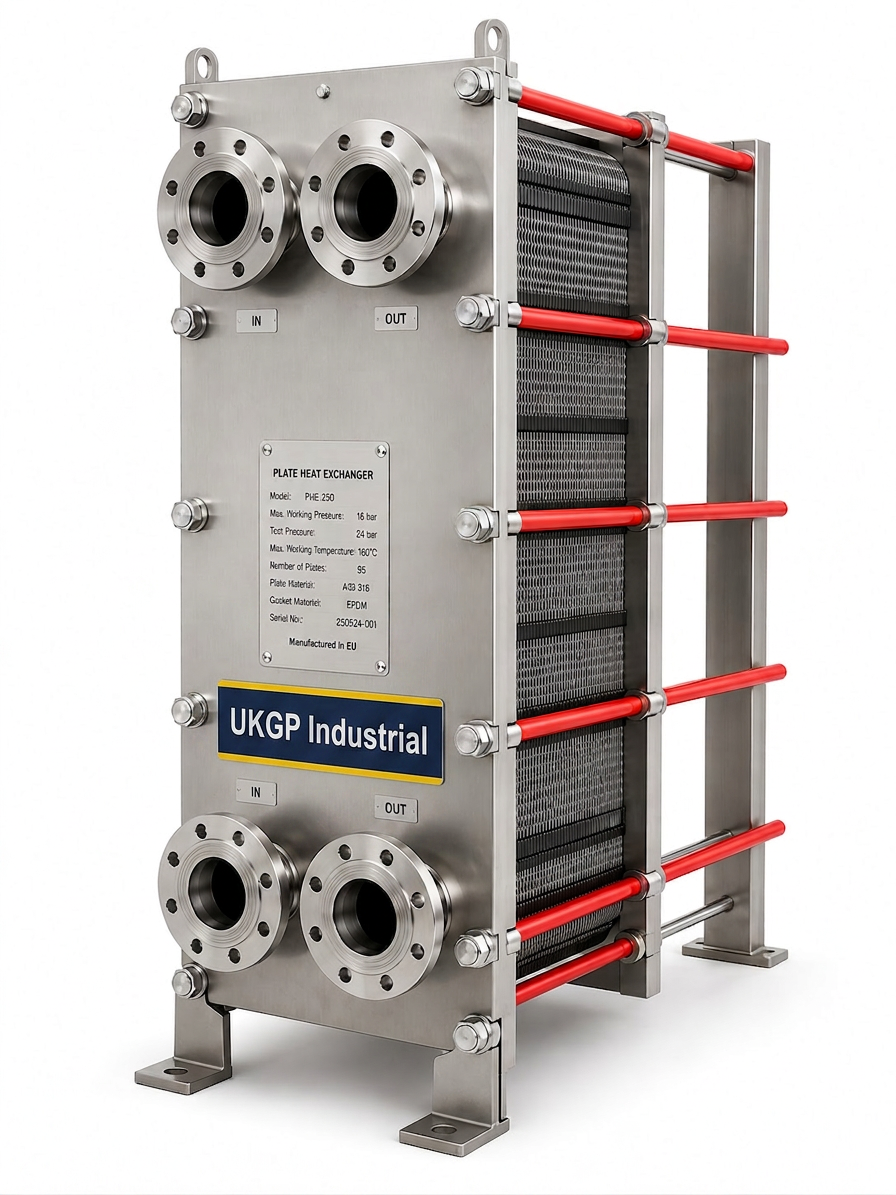
Adherence to industry standards like BSRIA BG29 and BG50 is non-negotiable for high-end commercial projects. A small low loss header provides an ideal location for the collection of magnetite and sludge, which can then be purged through the dedicated drain valve typically located at the bottom of the vessel. In systems where water quality is a concern, failing to include a point of low velocity can lead to the distribution of contaminants throughout the entire circuit, potentially fouling up expensive equipment such as a plate heat exchanger or modular boiler block. By integrating a professionally manufactured header, you are creating a hub for system monitoring and cleaning that supports the long-term health of the entire building services infrastructure.
Effective water treatment strategies often start with the physical layout of the plant room. A small low loss header allows for the steady-state flow conditions necessary for air and dirt separation to be most effective. When a system is filled and flushed according to BSRIA BG29 Pre-commission Cleaning guidelines, the header acts as a critical junction for ensuring that cleaning chemicals are distributed evenly without being trapped in high-resistance dead ends. For Facility Managers, having a clearly defined hydraulic separation point simplifies the troubleshooting process when flow disturbances occur, as they can quickly isolate whether the issue lies within the production side or the distribution side of the plant.
UKGP Industrial provides low loss headers that are not only compliant with standard engineering practices but also built to withstand the rigours of commercial operation. We offer units with BSP threaded or PN16 flanged connections to suit various pipework specifications, ensuring that the installation aligns with BS 8552 for water sampling and monitoring. Every unit is provided with a tailored insulation jacket to minimise heat loss, a mandatory requirement for meeting modern energy efficiency standards in buildings. Whether you are looking for a small low loss header for a 40 kW boutique office project or a series of headers for a 2000 kW industrial site, our 2-year warranty provides the peace of mind required for high-spec engineering tenders.
- Assists in maintaining water quality standards prescribed by BSRIA BG50 and BS 8552.
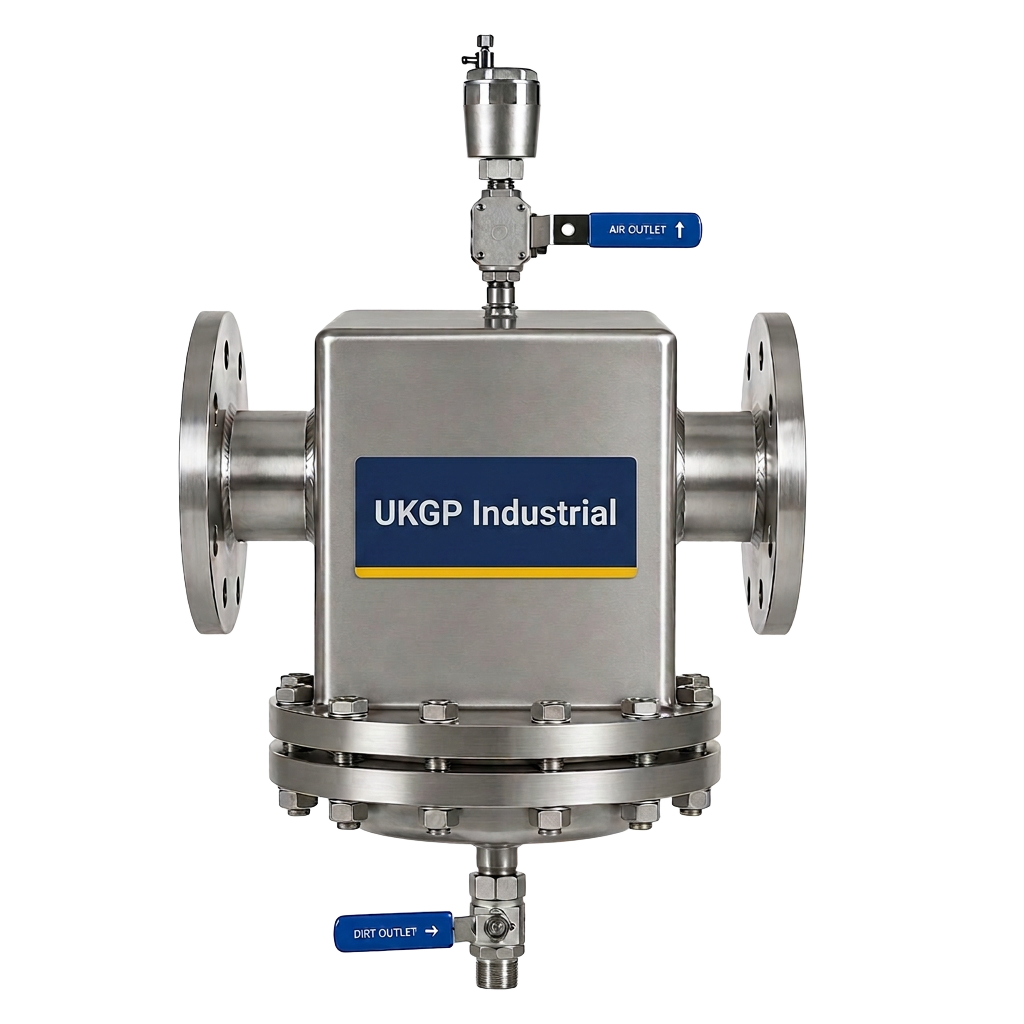
- Supports effective air and dirt removal by providing a dedicated low-velocity zone.
- Supplied with professional insulation jackets to meet UK building energy performance regulations.
- Available with BSP or PN16 flanged connections for seamless integration into diverse piping tiers.
Technical Sizing of a Small Low Loss Header
Sizing a small low loss header correctly is a calculation that balances flow velocity against the total system power requirement. The objective is to keep the vertical velocity within the header body very low—typically less than 0.1 to 0.2 metres per second. This ensures that the pressure loss through the header is negligible, which is why they are often termed 'neutral zones'. If the header is undersized, the velocity increases, leading to turbulence and potentially reintroducing the very hydraulic coupling the engineer is trying to avoid. UKGP Industrial offers expert technical support to assist consultants in selecting the correct vessel size for their specific kilowatt rating and flow parameters, ensuring optimal performance right from the start.
The placement of sensors within a small low loss header is equally important as the sizing. Most headers include a sensor pocket or a dedicated tapping for a temperature probe. This probe provides the boiler control system with accurate data on the blended water temperature entering the secondary circuit. For advanced building management systems, having this data point is essential for weather compensation and variable speed pump control. A correctly positioned sensor in a UKGP small low loss header ensures that the boilers modulate effectively to meet the actual demand of the building, rather than reacting to false temperature spikes caused by bypass flow within the piping alone.
In many retrofit scenarios, engineers are tasked with replacing older, inefficient plant with modern modular boilers. In these cases, a small low loss header is frequently the most cost-effective way to adapt modern high-resistance boilers to older, high-volume secondary piping systems. Without this separation, the existing secondary pumps could easily pull too much water through the new boilers, exceeding their maximum flow ratings and potentially causing thermal shock. Choosing a UKGP header for these projects ensures a high-build quality and a lead time of just 2-3 weeks, allowing contractors to meet tight project deadlines while delivering a technically superior hydraulic solution for their clients.
- Velocity control is the primary factor in selecting the appropriate vessel diameter.
- Integrated sensor pockets allow for precise BMS temperature monitoring and boiler modulation.
- Ideal for retrofit projects where modern boilers must interface with legacy heating pipework.
- Consultancy support available from UKGP Industrial to verify flow rates and kW compatibility.
Thermal Management and Heat Loss Considerations
Any component added to a plant room has the potential to become a source of heat loss if not properly managed. A small low loss header is no exception. Because it contains a large volume of heated water constantly circulating from the primary boilers, it must be adequately insulated. UKGP Industrial supplies all low loss header units with high-quality, removable insulation jackets as standard. These jackets are designed to fit the specific contours of the vessel, including the flanged or threaded connections, to ensure that the thermal bridge is minimised. This is particularly important for achieving LEED or BREEAM certifications on commercial builds where every fractional improvement in energy efficiency is quantified.
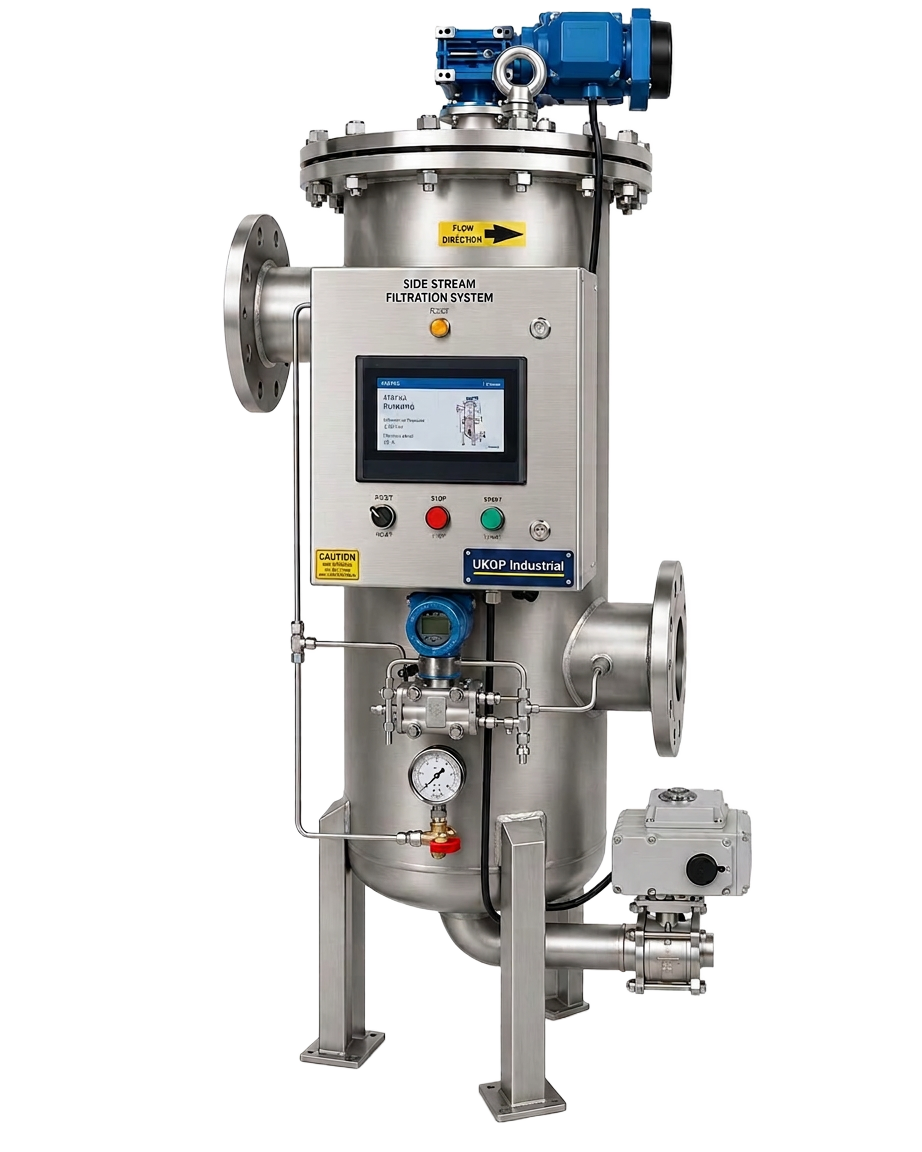
Beyond simple insulation, the use of a small low loss header also allows for better thermal management of the return water. By allowing the primary return temperature to stay as low as possible, condensing boilers can remain in their 'condensing mode' for longer periods, significantly reducing gas consumption. This is a primary goal for any commercial sustainability manager. The header acts as a buffer that smooths out temperature ripples, meaning the boilers don't have to fire as frequently to maintain a set point. When combined with other high-efficiency components like those in our side stream filtration range, the entire system becomes a model of modern energy-conscious engineering.
Procurement leads and M&E contractors often look for components that offer a balance of performance and ease of installation. Our small low loss header range is designed to be 'plug-and-play' with standardized BSP or PN16 connections that align with existing site workflows. With a 2-year warranty and a UK-based support team, our products represent a low-risk, high-reward investment for any commercial heating infrastructure. If your project requires a bespoke solution or specific orientation for tappings, our manufacturing capabilities allow for adjustments that keep your installations compliant and performant. Contact us today for a quote on our commercial 40-2000 kW range.
- Removable insulation jackets provided as standard to ensure compliance with energy regulations.
- Maximises condensing boiler efficiency by maintaining optimal primary return temperatures.
- Reduces gas consumption through improved thermal stability and reduced boiler cycling.
- Standardised connections allow for rapid installation by site labour and M&E contractors.
Protection and Longevity in Commercial Heating
The longevity of a commercial heating system is directly linked to the stability of its hydraulic environment. A small low loss header protects the most expensive part of the system—the boilers—from the turbulence and pressure fluctuations of the wider building. Without it, the life expectancy of the primary heat exchangers can be drastically reduced due to cavitation and thermal stress. For those overseeing high-value assets, such as hospital plant rooms or large-scale residential developments, the inclusion of a small low loss header is a fundamental insurance policy against premature system failure and expensive emergency repairs.
Maintenance is another area where the small low loss header proves its value over time. Because the header provides a point of zero pressure differential, it is the ideal location to monitor system health. By including a drain valve at the base, maintenance teams can easily extract water samples for analysis according to BS 8552, checking for evidence of corrosion or microbial growth. This proactive approach to maintenance is what separates high-performance building management from reactive firefighting. For contractors, installing reliable UKGP headers means fewer call-backs and a more stable system hand-over process, reflecting positively on their professional reputation and technical capability.
Finally, when considering the total cost of ownership, the small low loss header is a low-cost component that yields significant savings in energy and maintenance over a 15 to 20-year lifespan. UKGP Industrial is committed to supporting UK building services with robust, UK-manufactured equipment. Our low loss headers are tested to rigorous standards, ensuring they can handle the high pressures and temperatures associated with 2000 kW systems just as easily as they handle 40 kW small commercial loads. Requesting a quote is a simple process, and with our 2-3 week lead time, we can support even the most fast-tracked project schedules without compromising on quality or documentation.
- Protects boiler heat exchangers from thermal shock and hydraulic competition.
- Provides a central point for water sampling and system health checks per BS 8552.
- Contributes to a lower total cost of ownership by extending the life of major plant assets.
- Reliable UK manufacturing with a focus on durability and long-term project stability.
Technical Specifications and Procurement
When it comes to technical procurement, we understand that consultants and engineers need clear, concise specification data to move a project forward. Our small low loss header range is available in several configurations to suit your specific piping layout. We offer units with BSP threaded connections for smaller, more compact installations, while our PN16 flanged units are the standard for larger commercial applications. Every header is manufactured to handle pressures and temperatures typical of UK commercial heating environments, ensuring that you don't have to worry about compatibility issues or material failure in the field. Our documentation supports your design work, providing the necessary CAD or BIM data where required.
Lead times are often the deciding factor in M&E projects. UKGP Industrial is proud to offer a 2-3 week lead time on our standard small low loss header range, which is among the fastest in the UK industry for manufactured-to-order vessels. This allows you to keep your projects on track without having to resort to inferior off-the-shelf alternatives that may not meet the specific kW requirements or pressure ratings of your design. Our 2-year warranty is a testament to the confidence we have in our manufacturing process and our commitment to the UK building services sector. We provide full technical submittals for every order to ensure that your project meets all required regulatory approvals.
In summary, the role of a small low loss header in a commercial heating system cannot be overstated. From ensuring hydraulic independence to protecting the primary boilers and facilitating debris removal, it is a vital component for any modern plant room. By choosing UKGP Industrial as your supplier, you are partnering with a Surrey-based expert team that understands the local nuances of CIBSE and BSRIA standards. We are here to help you size, specify, and secure the right equipment for your next project. Reach out to our technical sales team for a competitive quote on our low loss headers, ranging from 40 kW up to 2000 kW, and experience why we are the preferred choice for UK engineering firms.
- 2-3 week lead time ensures that site schedules remain strictly on track.
- Comprehensive documentation and technical submittals provided for every vessel.
- Flexible connection options include BSP threaded or PN16 flanged to suit all specs.
- Surrey-based technical support available for sizing and site-specific queries.
Frequently asked questions
What is the primary function of a small low loss header?
- A small low loss header provides hydraulic separation between the heat generation (primary) circuit and the heating distribution (secondary) circuit. This prevents pumps from interfering with each other and ensures the correct flow rate and temperature differential through the boilers, which is essential for efficiency and longevity.
How do I size a small low loss header for my project?
- Sizing is based on the maximum total flow rate of either the primary or secondary circuit. The internal velocity of the water within the header must remain low (typically under 0.2m/s) to ensure zero pressure drop. UKGP Industrial offers headers for commercial systems ranging from 40 kW to 2000 kW.
Does a low loss header help with BSRIA BG50 compliance?
- Yes. By providing a zone of low velocity, the header allows heavier debris to settle at the bottom and air to rise to the top. This assists in the removal of contaminants and promotes better water quality as outlined in BSRIA BG50 and BG29 standards.
Is insulation required for a small low loss header?
- Absolutely. To meet modern energy efficiency and building regulations, all low loss headers should be insulated. UKGP Industrial provides bespoke insulation jackets as standard with every unit to minimise heat loss in the plant room.
What is the warranty period for UKGP low loss headers?
- We provide a 2-year warranty on our low loss headers, reflecting our confidence in our Surrey-based manufacturing quality and the durability of the materials used in our 40-2000 kW commercial range.